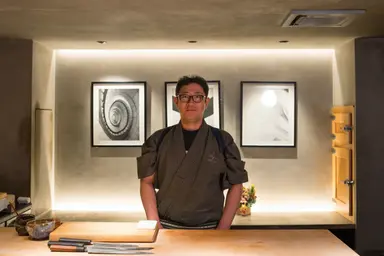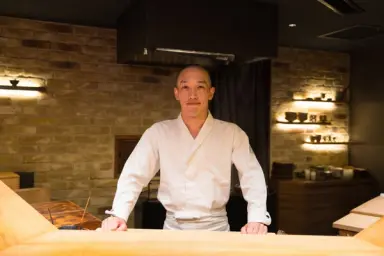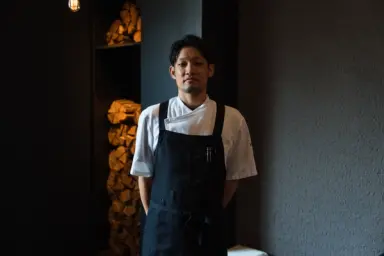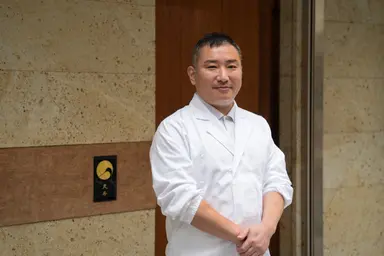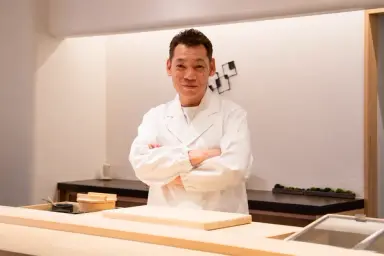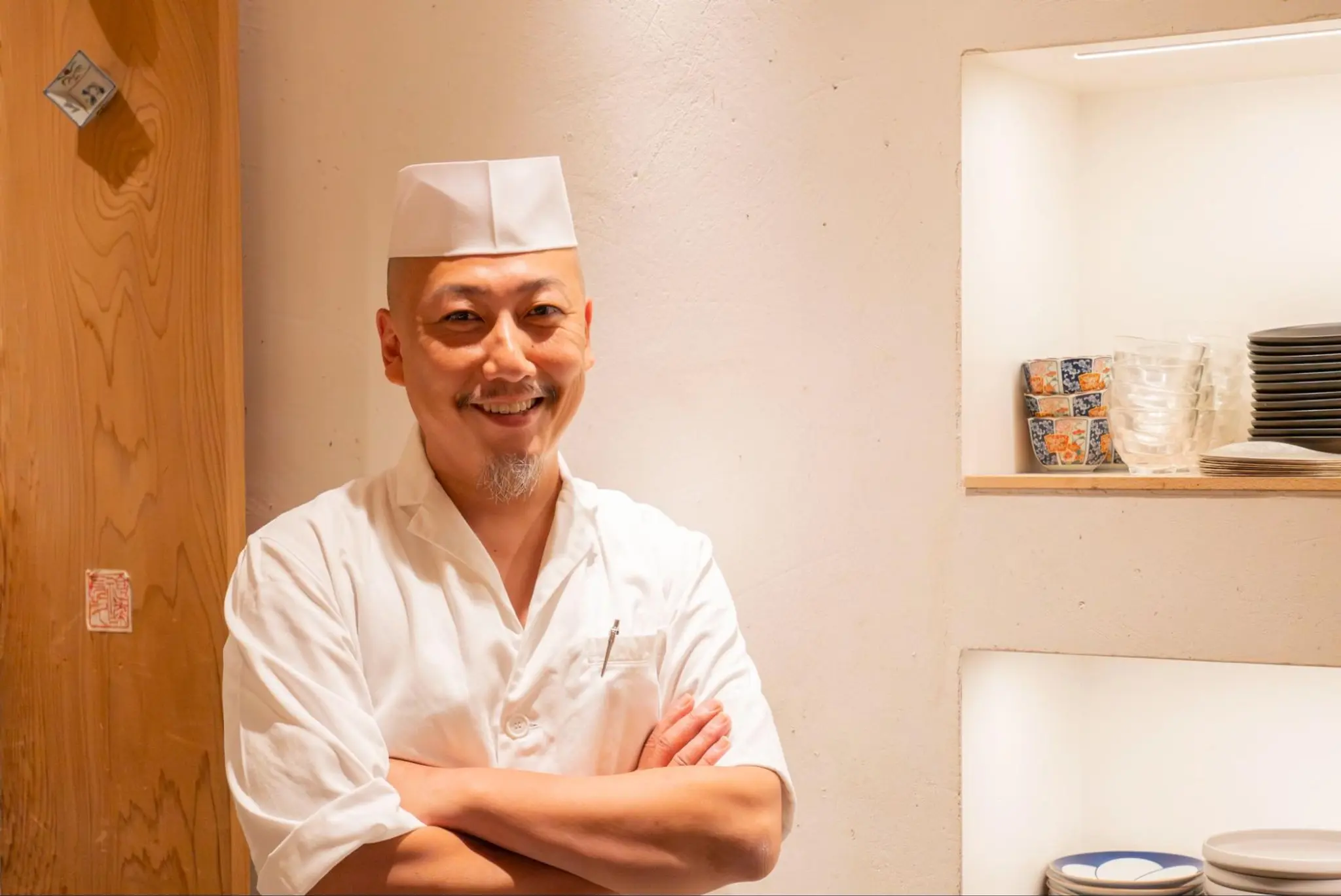
【Toriyaki Ohana】 pursues an expression that transcends traditional yakitori with its unique approach to grilled chicken, where the chicken is not skewered.
After honing his skills in the world of Japanese cuisine, he absorbed the essence of various culinary genres.
ーーーWhat inspired you to pursue a career in cooking?
Growing up, both my mother and father cooked in the kitchen, so cooking was always something familiar to me. For example, if I said, "I want to eat an apple," my parents would give me a knife and an apple, telling me to peel it myself. This kind of environment made me comfortable using a knife from a young age. When it came time to choose my career path, I loved fish, so I was torn between becoming a fishmonger or a chef. However, my love for Japanese cuisine and my desire to learn about my roots as a Japanese person led me to choose cooking. After graduating from culinary school, I began my training at a traditional Japanese restaurant.
At one point, I took some time to reflect on my future and decided to go to the United States, where I worked in a sushi restaurant’s kitchen for about three months. During that time, I realized how lacking my skills were, and it became clear to me that being overseas wasn’t the right choice at that moment. After returning to Japan, I spent about seven years training at a kaiseki restaurant called 【Ichijouji】 in Ginza. There, I quickly rose to a position just below the head chef, and I was able to learn a lot by working closely with the chef.
ーーーWhat kind of experiences did you have during your training?
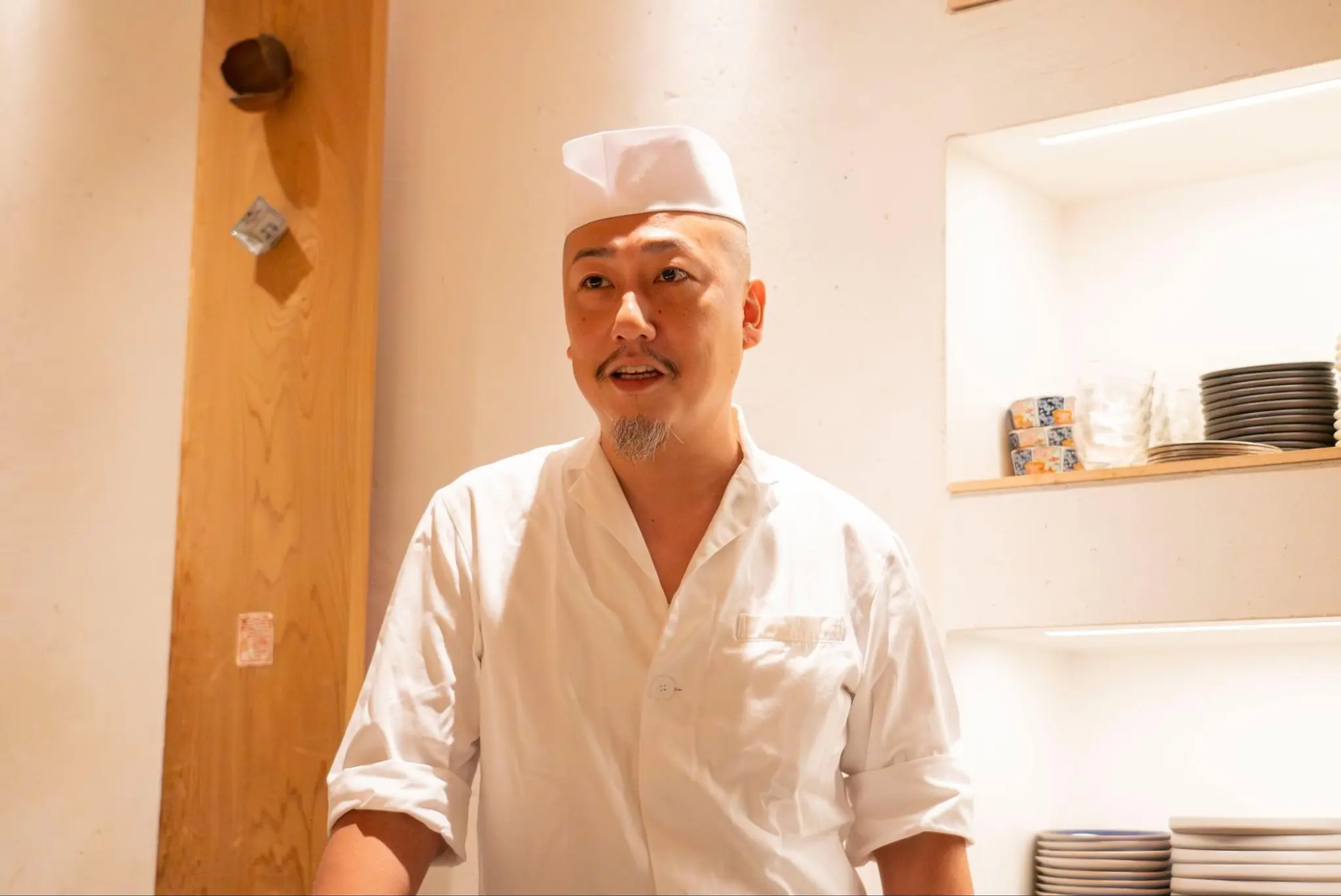
In larger Japanese restaurants such as ryotei or inns, there is often a division of labor, but at the kaiseki restaurant where I trained, it was a small, elite team. If I showed initiative, I was entrusted with more responsibilities. For example, once I finished preparing my assigned tasks, I was allowed to help with the preparation at the neighboring station.
When I expressed to the head chef that I didn’t want to use fish that had already been filleted by the supplier, he allowed me to use fish that I had filleted myself. Over the course of those seven years, I was able to learn and experience a lot.
ーーーI understand that after that, you gained experience in a different culinary genre. Could you tell us more about that?
After learning the basics of Japanese cuisine, I started to think about challenging myself further and was considering opening my own restaurant. Around that time, I heard from a friend who worked at a diving-related company that they were planning to open a café. I thought that a Japanese-style café could be a great opportunity to apply my experience, so I decided to join. However, when I got there, it turned out that the owner wanted to open an Italian café, and I ended up becoming the head chef of the Italian café instead (laughs).
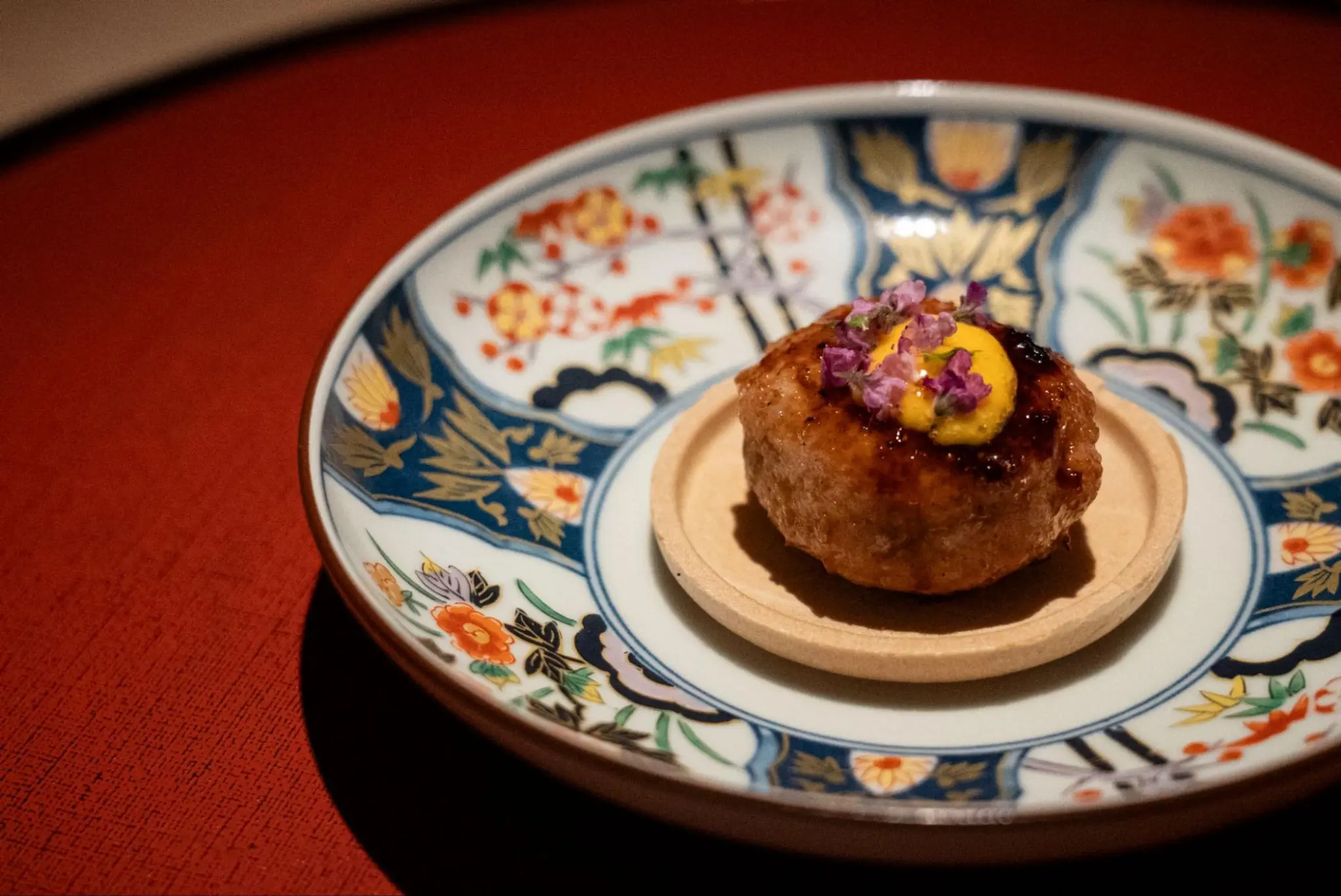
It was a completely new genre for me, but I learned a lot and had many discoveries. Even now, those experiences continue to serve as a source of inspiration for my course menu ideas. For example, a dish I created with fava bean paste and charcoal-grilled gnocchi topped with peperoncino is based on my experience with Italian cuisine.
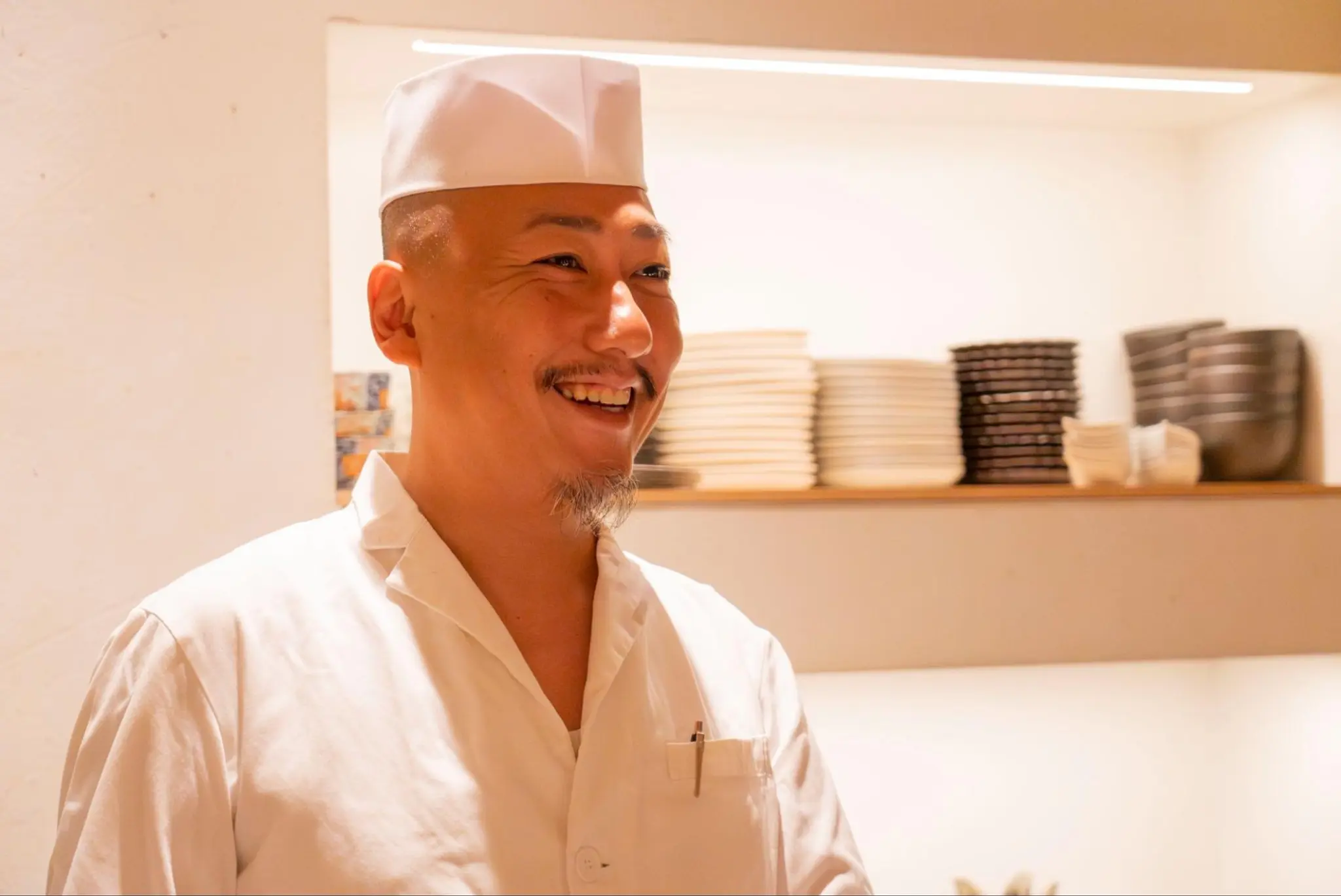
Interestingly, the office of 【LDH Kitchen Inc.】, where I am currently working, was located on the floor above the café. Through that connection, I was approached with an offer to join the team. After joining the company, I gained experience as the head chef at various establishments, including a hot pot restaurant, an izakaya, and working on the opening of a curry shop and a soba restaurant.
During the pandemic, there was a period when we were forced to temporarily close, but it was during this time that HIRO, the representative of LDH, and Yoshiki Ikegawa, the owner of 【Torishiki】, hit it off and formed "Torishiki ICHIMON". This led to the creation of 【Toriyaki Ohana】, where I was entrusted with the role of the head chef.
Designing the menu with a structure that delivers the same level of satisfaction as a full-course Japanese meal.
ーーーAs the head chef of 【Toriyaki Ohana】, how did you go about launching the restaurant?
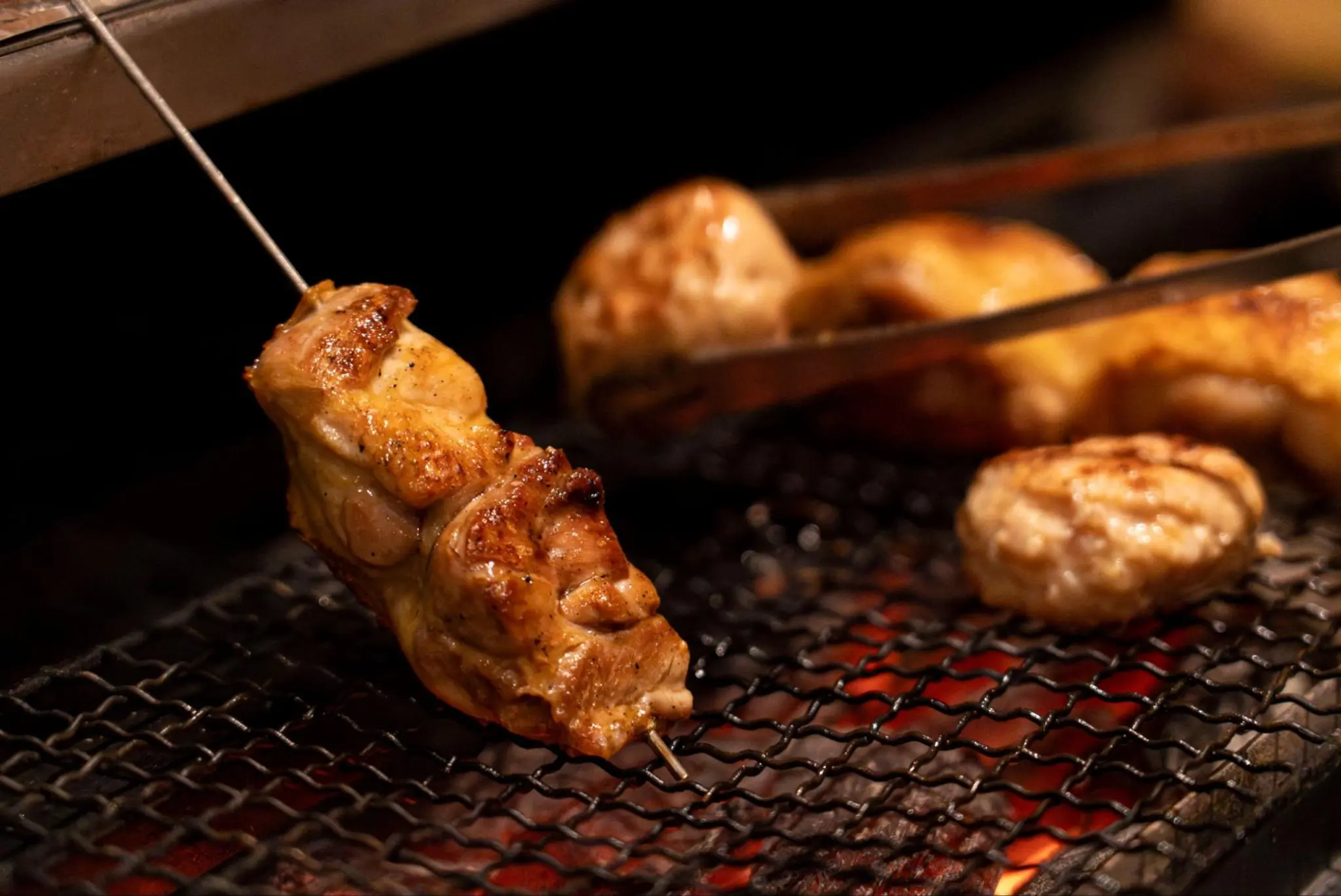
When I was the head chef at an izakaya, I had experience serving yakitori, but once it was decided that 【Toriyaki Ohana】 would focus on toriyaki, I went back to 【Torishiki】 to refine my grilling techniques. Until then, I had been grilling using high heat from a distance, but under the guidance of Master Ikegawa, I learned his principle of "high heat from close range." This technique prevents heat from escaping, allowing the exterior to become crisp while keeping the inside juicy, effectively sealing in the natural umami of the ingredients.
Master Ikegawa had always wanted to explore a skewer-free style of grilling, something that wasn’t possible within the traditional yakitori framework. This vision aligned perfectly with my own experience, having trained in Japanese cuisine as well as various other culinary genres. As a result, we were able to bring this concept to life in the form of "Toriyaki"—grilled chicken without skewers. This approach allows us to make chicken the main focus while incorporating a diverse range of dishes into the menu.
ーーーHow does Toriyaki differ from traditional Yakitori?
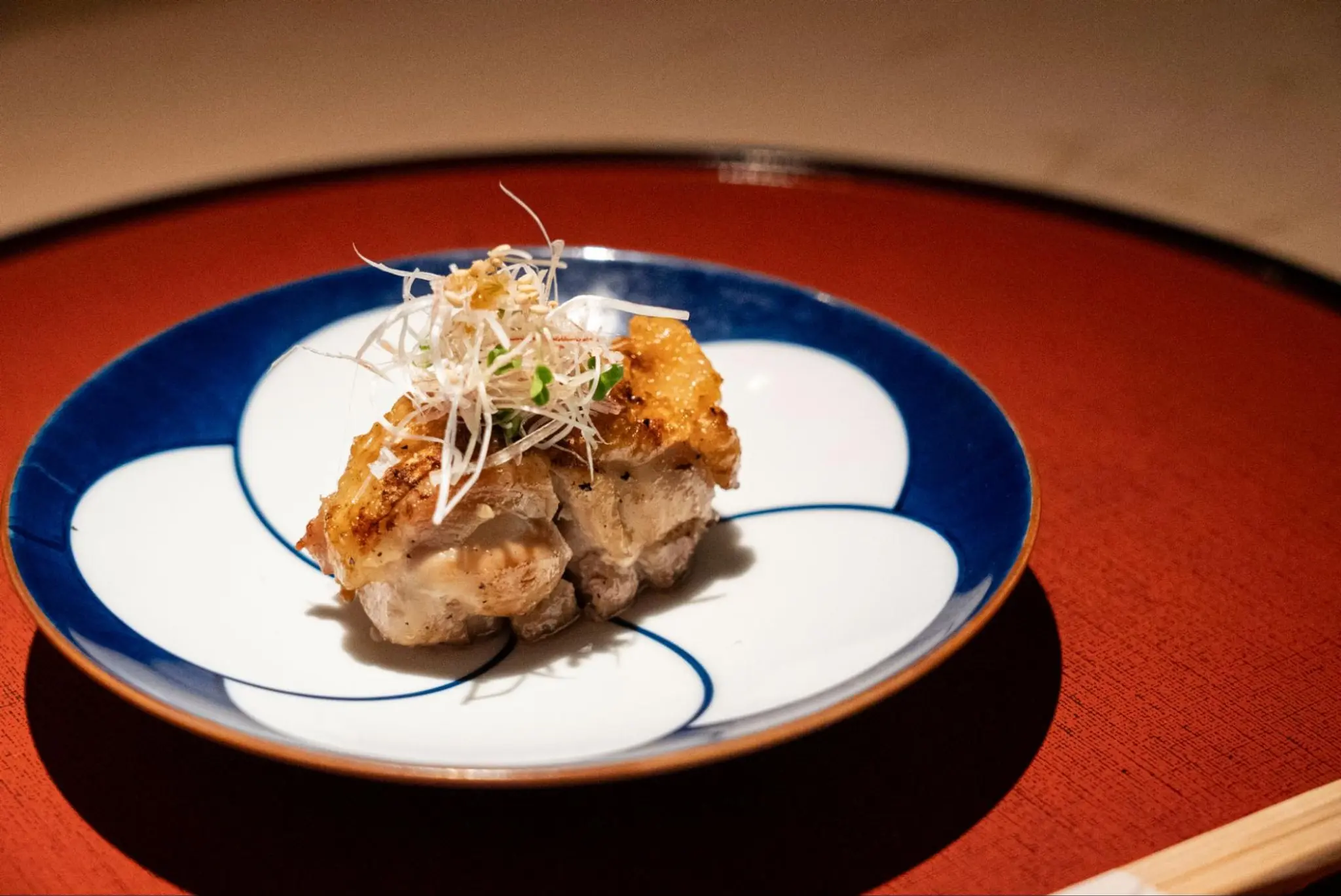
At our restaurant, Toriyaki is grilled using a single mesh net, which creates a different heat expression compared to regular yakitori. Additionally, once the meat is grilled, we remove it from the skewer, cut it into pieces, and serve it with condiments. This differs from the typical image of yakitori served at izakayas. Since we serve the dish without the skewer, it requires some ingenuity to present it as a proper "dish" on the plate. That was one of the biggest challenges in the beginning—how to create a dish that is visually appealing and delicious while not interfering with the natural flavors of the ingredients. Currently, we are refining our unique 【Toriyaki Ohana】style while preserving the core values of 【Torishiki】, such as infusing the dish with the aroma of charcoal and serving it hot to be enjoyed at its best.
ーーーWhat aspects of yourself form the core of your cooking?
The core of my cooking lies not only in Japanese culinary techniques but, most importantly, in dashi (broth), which is considered a fundamental element of Japanese cuisine. I create my course menus using various types of dashi, such as chicken bone broth and bonito dashi, to enhance the depth and umami of each dish.
In our 20-course menu, we offer a variety of dishes beyond just different chicken parts, including simmered dishes, fried dishes, and grilled items. When I go to a yakitori restaurant, I often find myself craving vinegared dishes or ohitashi (blanched vegetables in dashi) partway through the meal. With this in mind, I incorporate such elements into the course, ensuring a well-balanced experience that keeps guests engaged. Additionally, I don’t limit the menu strictly to Japanese cuisine. Instead, I create an omakase course that integrates elements from various culinary genres, offering guests a dining experience that is both diverse and refreshing.
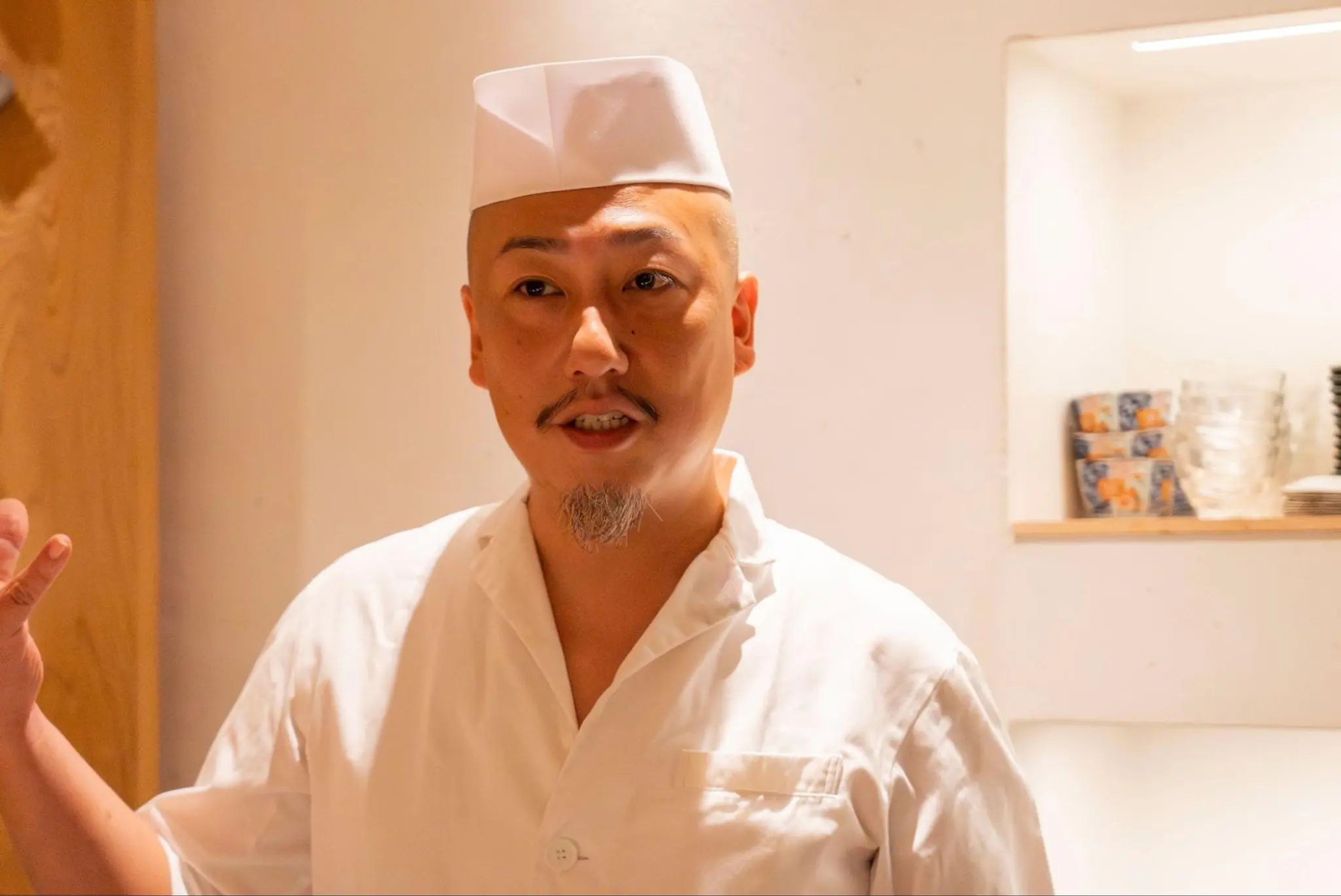
Taking ohitashi as an example, in Japanese cuisine, it is considered a key component of hassun, a dish that represents the season in kaiseki meals. During my time working at a kaiseki restaurant, we prepared a wide variety of ohitashi dishes throughout the year, adjusting them to reflect spring, summer, autumn, and winter. That experience continues to influence my approach today.Since it’s difficult to fully express seasonality using chicken alone, I incorporate seasonal ingredients into the menu. By doing so, I hope guests can not only enjoy a variety of flavors but also experience the changing seasons through the dishes.
ーーーWhat are the key aspects you focus on when selecting ingredients and designing your course menu?
Even within the same chicken, I carefully select different breeds for specific parts—for example, I use "Date Chicken" for thighs and wings, while "Shingen Chicken" is used for breasts. Since the rearing environment greatly affects the flavor of the chicken, I choose free-range chickens that are raised for around 70 days, which I find to be the ideal duration. Additionally, I prioritize freshly harvested chickens from the morning, ensuring the best quality and taste.
At the end of the course, we serve shaved ice as a dessert year-round, adjusting the flavors seasonally with sauces such as apple in autumn and strawberry in spring. Some people might wonder, "Shaved ice even in winter?" (laughs). However, I’ve found that when heavier desserts like baked goods are served at the end of a course, guests sometimes find them too filling. On the other hand, after a meal that includes rich and fatty dishes, a light and refreshing shaved ice makes for a perfect finish, and almost everyone enjoys it. This was an unexpected discovery for me.
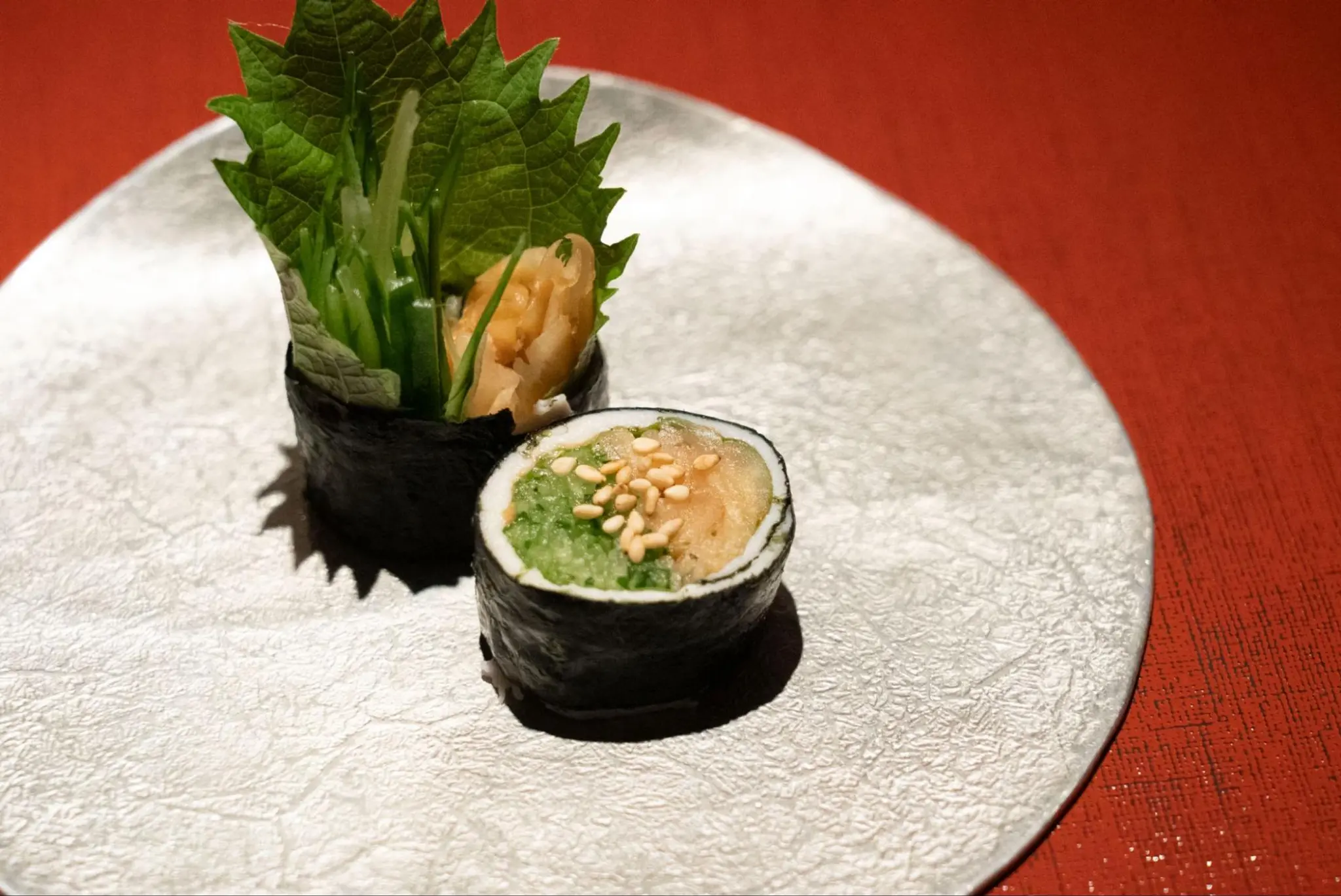
Chicken is a borderless ingredient that people around the world can enjoy
ーーーWhat kind of customers visit your restaurant?
Of course, we welcome guests who simply seek delicious food, but we also have many visitors from overseas, including China, Taiwan, and the United States. Our restaurant operates on a two-seating system, with reservations available at 5:00 PM and 8:00 PM. On some nights, especially during the second seating, we have an entire group of international guests. Since we have counter seating, it’s easy to engage in conversations with our guests. Sometimes, guests even befriend each other over dinner and end up going out together after the meal.
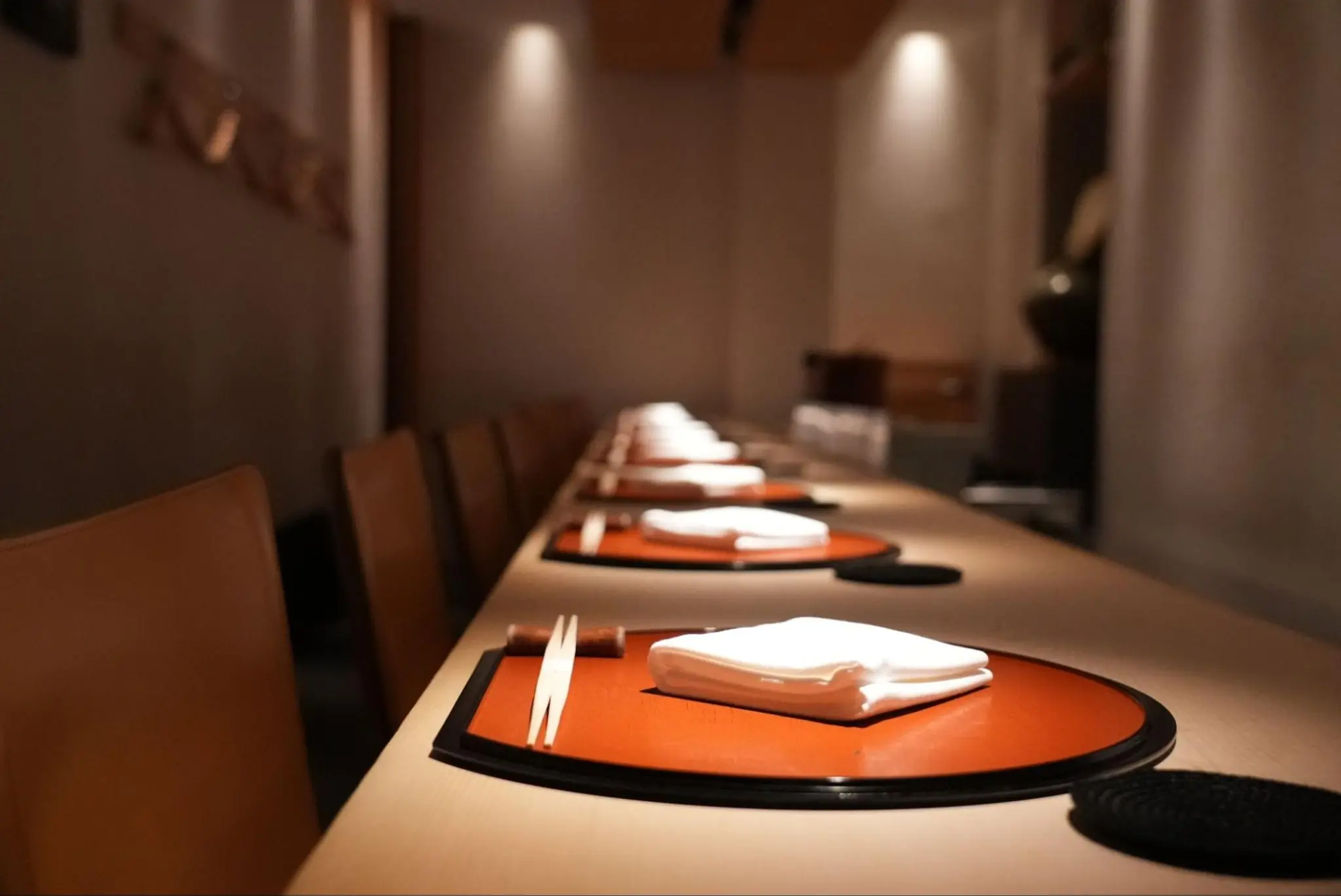
According to our guests, while there are yakitori restaurants overseas, there are very few truly delicious ones. Those who visit our restaurant are not only impressed by the quality and flavor of the chicken itself but also by the variety of chicken dishes we offer in different styles.
Additionally, compared to pork or beef, chicken has fewer religious dietary restrictions, making it more widely accessible. However, some guests find cartilage or bones difficult to eat, so we make adjustments to improve the dining experience. For example, we serve chicken breast cartilage (yagen) with attached harami (diaphragm meat), making it more palatable. For vegetarian guests, we adapt by using namafu (wheat gluten), which has a texture similar to meat, ensuring that we can accommodate a variety of dietary preferences and needs.
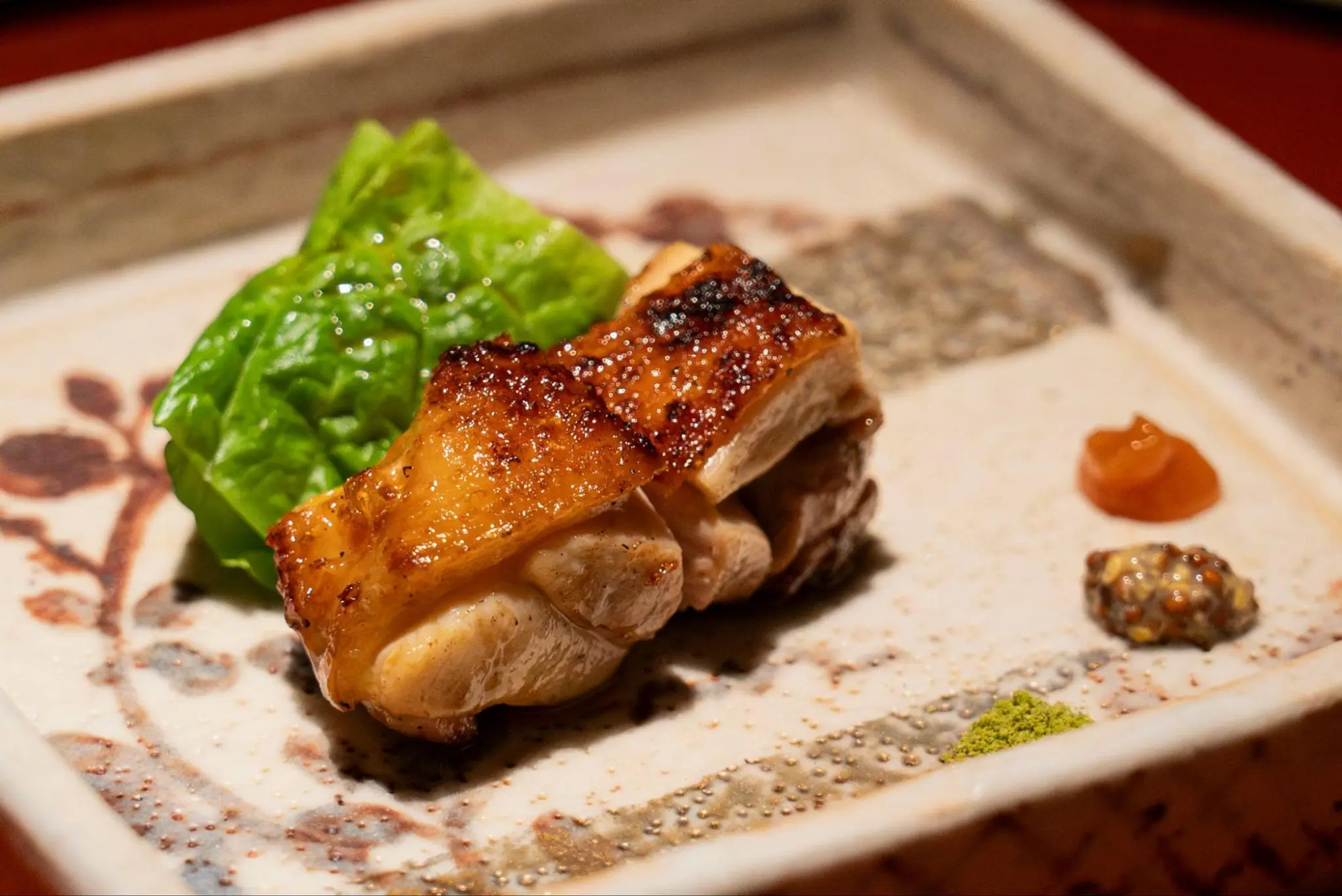
ーーーWith the increasing inbound tourism demand, it must be gratifying to receive such positive feedback from international guests.
We are truly grateful that many guests enjoy our restaurant so much that they say, "I'll recommend this place to my friends when I return home," and then actually send their friends to visit us. In a good way, I feel that international guests have a strong passion for seeking out great food. When they find our restaurant through gourmet websites, they take the time to properly register as members on the reservation platform we use before making a booking. Since they carefully research and compare various restaurants before choosing us, we feel a strong responsibility to meet and exceed their expectations.
ーーーDo you have any aspirations to take on challenges overseas in the future?
Right now, my role is to send staff abroad, but in the future, I would love to take on overseas challenges myself."Torishiki ICHIMON" currently has locations in New York and Shanghai, and we frequently receive offers to open more international branches. In fact, we are planning to open a restaurant in Taiwan soon.Personally, I think it would be exciting to organize collaborative events abroad under the name "Team Toriyaki Ohana", bringing our unique style of grilled chicken to new audiences worldwide.
One of the staff members working at our Shanghai location originally trained at our restaurant. Even now, when he faces challenges in the kitchen, he reaches out to me for advice, and I’m always happy to help.There are also times when I offer guidance based on the feedback from Shanghai guests who later visit our restaurant. It’s truly rewarding to see my experience being useful in supporting others and improving their craft.
I want to focus on passing down culinary techniques while ensuring they are passed down to the next generation.
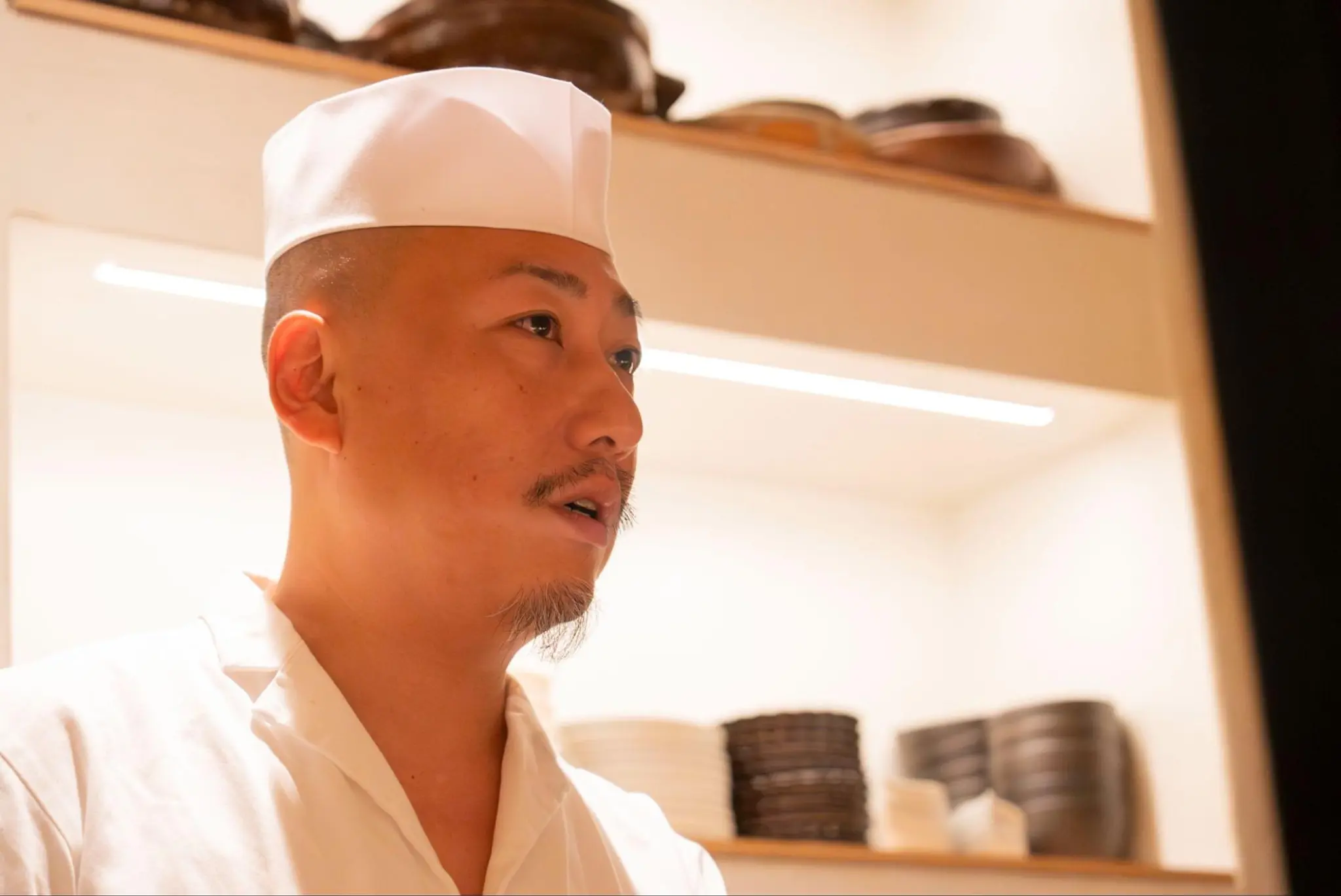
ーーーIs there anything you keep in mind when interacting with your staff?
I make sure never to do anything to others that I wouldn’t want done to myself. I also believe that the era of "learn by watching" is over. Instead, I take the time to properly teach what needs to be taught. Additionally, I think that the more ingredients a chef has handled, the more valuable their experience becomes. Each encounter with a new ingredient adds to their skills and knowledge, making it an asset for their future in cooking.
For example, while our restaurant does not serve fish dishes, I still encourage my staff to practice filleting fish during staff meals. I want them to gain that experience, as it will be valuable for their growth as chefs. Additionally, since many vegetables are now available year-round, it has become more difficult to sense the true seasonality of ingredients. That’s why I want them to learn how to use seasonal ingredients consciously, ensuring they understand and appreciate the importance of seasonality in cooking.
When creating a dish, I first share my idea by saying, "This is the kind of dish I'm thinking of making," and then encourage each staff member to research, think, and propose their own ideas. Young chefs often have perspectives and creativity that I don’t, making their input an invaluable asset in shaping the cuisine at 【Toriyaki Ohana】.
For example, suggestions from a female staff member who excels in pastry-making provide valuable insights from a female perspective, which can be incredibly useful.In fact, I find myself learning new things from my staff every day, making our creative process a continuous exchange of ideas and growth.
ーーーIs there anything you consciously focus on when training and nurturing the younger generation?
With washoku (Japanese cuisine) now recognized as a UNESCO Intangible Cultural Heritage, more and more international visitors come to Japan specifically to enjoy authentic Japanese food. I can feel the growing expectations for Japanese cuisine increasing worldwide. At the same time, workstyle reforms have led to significant improvements in labor conditions and working hours in the culinary industry. While it is undoubtedly a good thing to create a more comfortable working environment, I am concerned that, under these new regulations, it could take twice as long for young chefs to acquire the necessary skills compared to before. That’s why I believe it’s crucial not to take shortcuts with overly simplified techniques just because of a lack of knowledge or experience. Instead, I want to properly pass down both the skills and traditions so that future generations can continue to create authentic, well-executed cuisine.
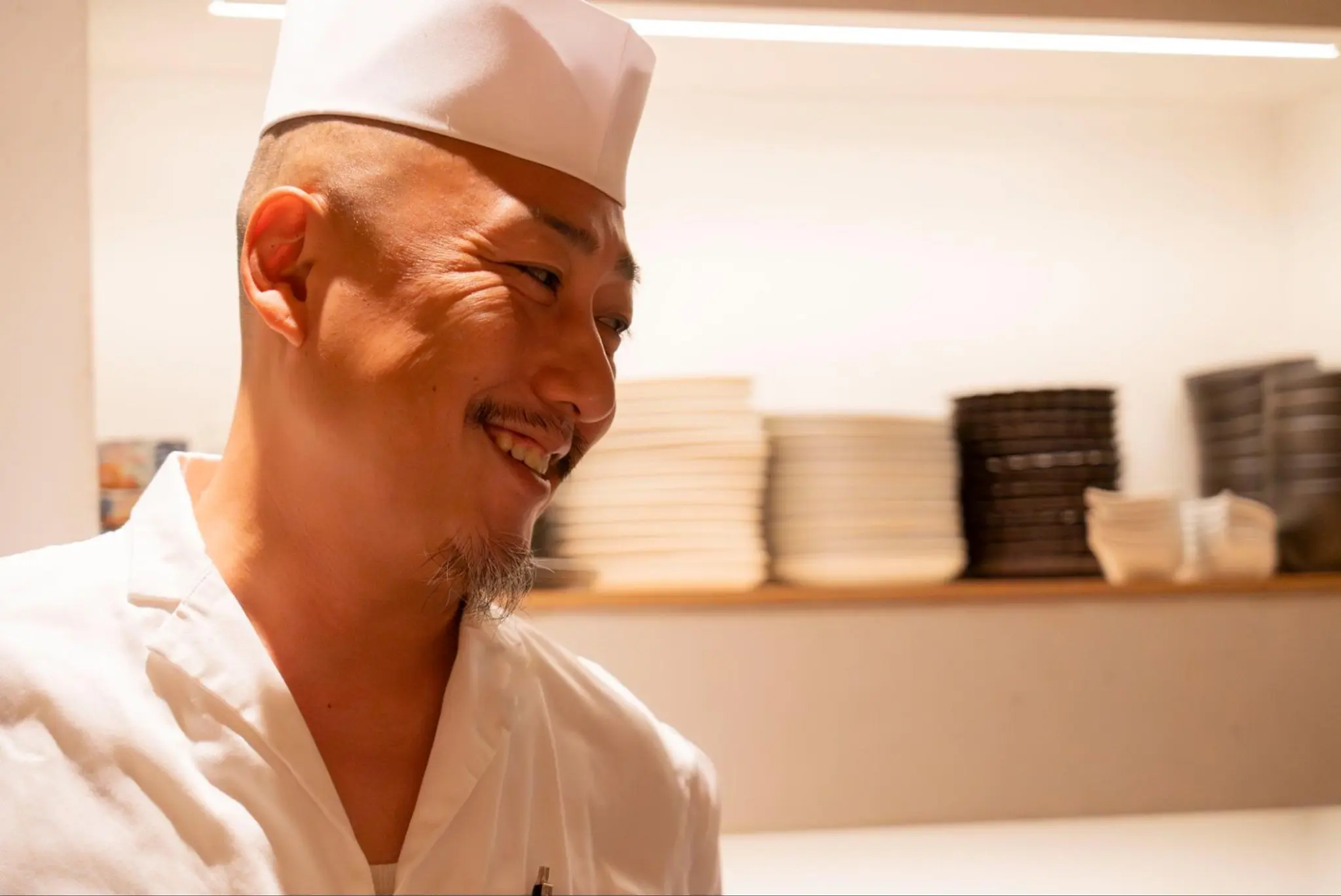
ーーーFinally, what does "delicious" mean to you, Chef Sato?
I would say "happiness." When customers tell me, "Your food gave me the energy I needed," or "I could keep trying because I was looking forward to coming to Ohana," it truly makes me happy.
Of course, serving delicious food is a given, but I believe that having an extra factor—something beyond just the taste—is what brings customers back. For some, it might be the desire to meet the chef or the feeling of connection that makes them return. Each customer has their own reason and way of enjoying the experience, and I want to continue striving to create a restaurant that people genuinely look forward to visiting.
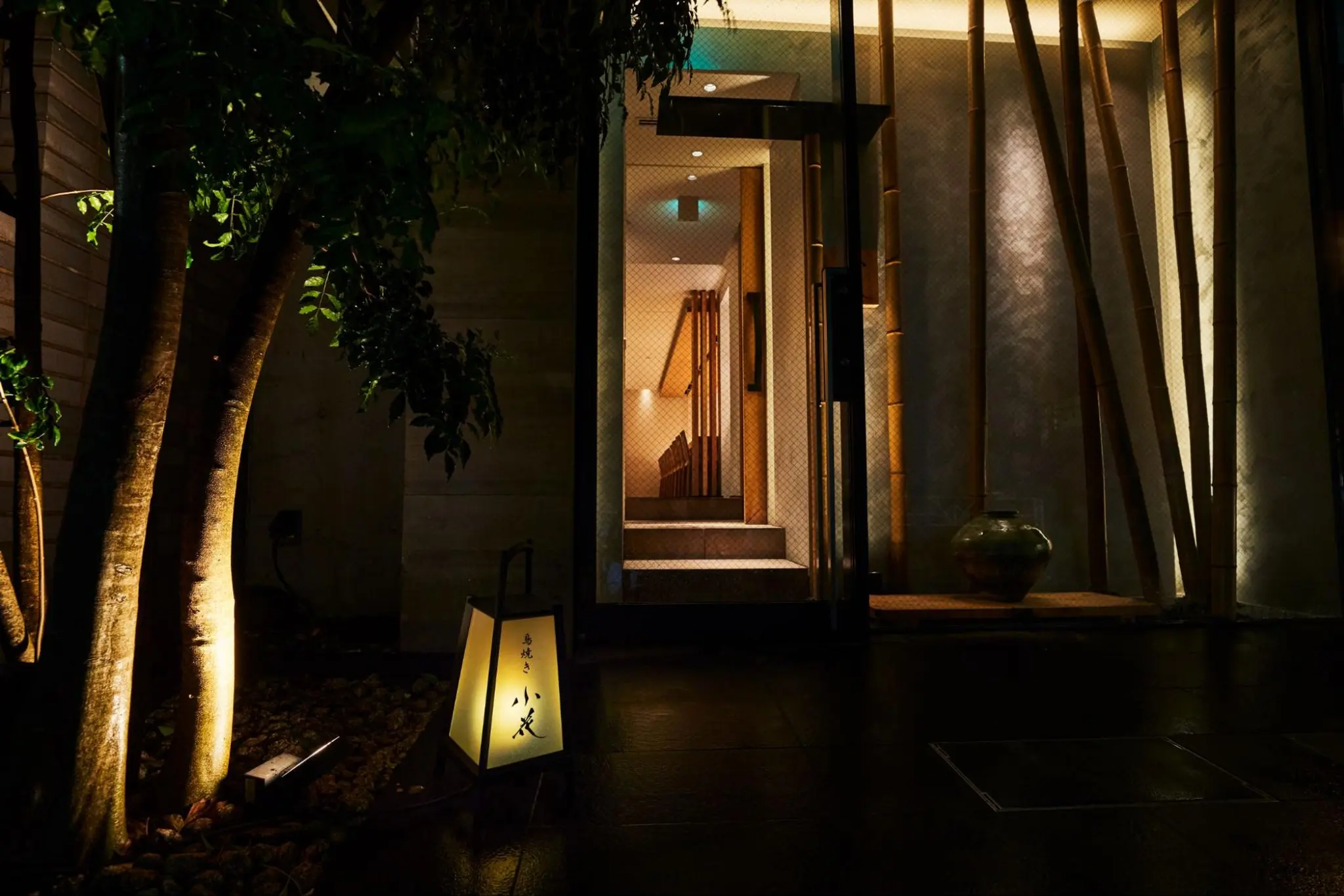
Beyond a narrow passageway lies an intimate hideaway with just ten counter seats, where Chef Sato’s relaxed and warm hospitality creates an atmosphere so inviting that one might forget the passage of time. The harmony between the exquisite dishes and the carefully selected tableware—including reproductions of Rosanjin’s works, Oribe ware, and pieces by emerging contemporary artists—is simply stunning. Each dish is presented with elegance and refinement, elevating the dining experience to an art form. Facing a solid wood counter, adorned with a piece believed to be an original work by Kitaoji Rosanjin, one can’t help but draw parallels between Rosanjin’s bold yet deeply traditional artistic expression and Chef Sato’s approach to cooking. Both embody a deep respect for tradition while embracing creative freedom, making their work a seamless blend of heritage and innovation. In this space, where people and ideas come together, one can experience something truly "exclusive to this place." That, I believe, is the true essence of 【Toriyaki Ohana】.
Interview & Writing / Yuka Sata
Photography / Azusa Nakaoka
Restaurant Information
- AutoReserve Magazine
- Restaurants recommended by top chefs
- 【Toriyaki Ohana】 pursues an expression that transcends traditional yakitori with its unique approach to grilled chicken, where the chicken is not skewered.


.jpg?format=webp)