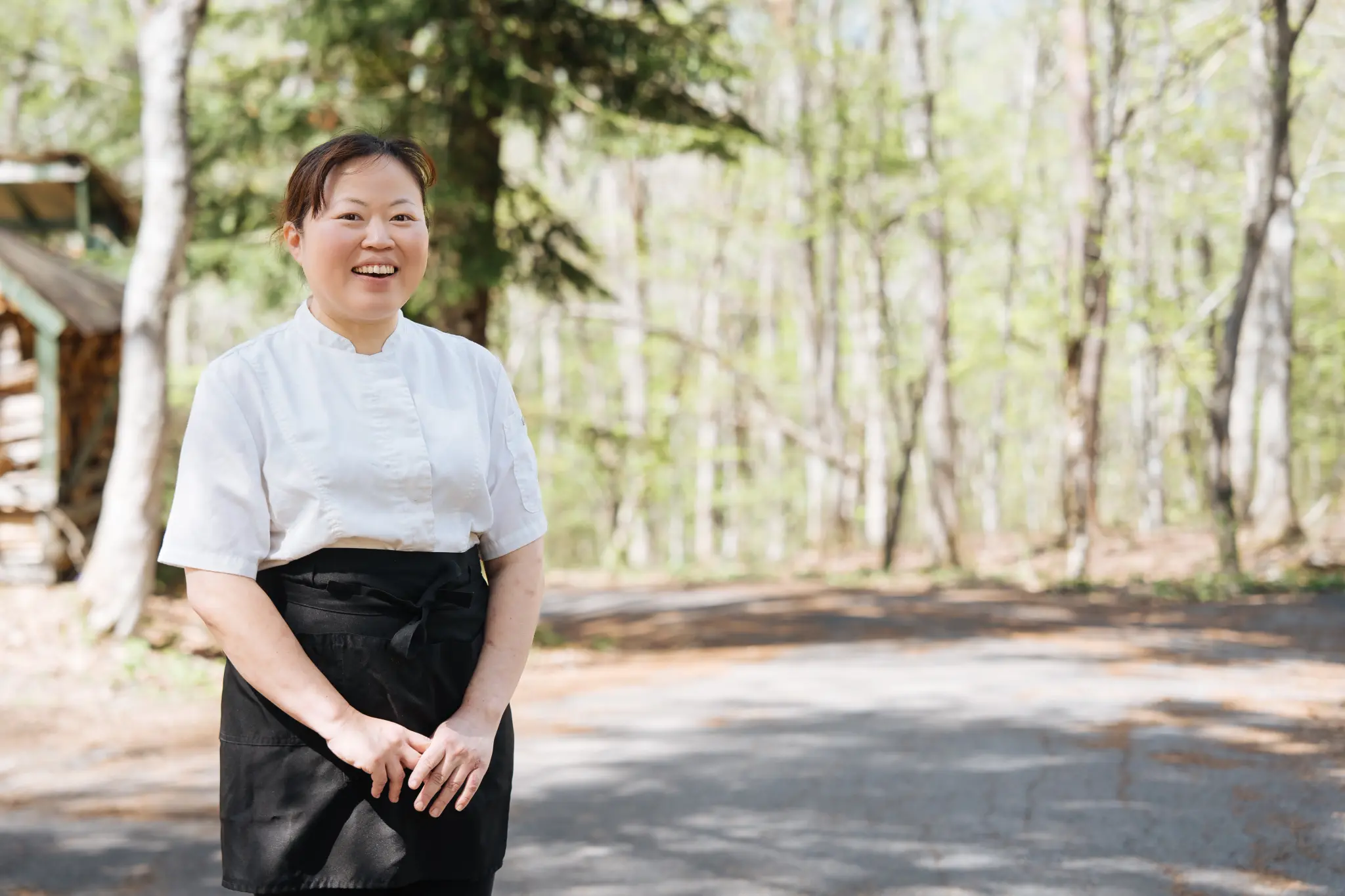
Healing Through Dining: The True Essence of a Restaurant as Embodied by Chef Hitomi Ito of【Une Fleur】
Drawn to French Cuisine...
ーーーWhat inspired you to become a chef?
When I was in elementary school, I was shocked by the difference between the homemade cookies my sister made and the store-bought ones, and I became interested in cooking. Since I had always helped my mother cook from a young age, becoming a chef was my dream by the time I was in elementary school. I was so focused on wanting to become a chef that I didn’t even consider other options. Cooking and creating food was simply fascinating, and that feeling still hasn't changed to this day.
My interest in French cuisine began because I was attracted to its aesthetic beauty. As I learned about how to make sauces, broths (such as bouillon and fond), and the history of French cuisine, my curiosity grew, especially towards the pursuit of its artistry and delicacy. I also travel to France every year to hunt for antique tableware and study the aesthetic aspects of dining.
ーーーDo you have any memorable episodes from your training days?
I joined the "Hiramatsu Co., Ltd." and started working at the flagship【Restaurant Hiramatsu Hiroo】. At that time, the restaurant world was very male-dominated, and many female staff members would quit due to the harsh environment. I worked long hours, from early mornings to late nights, and while it was tough, I found it exciting to learn and gain new skills step by step. My direct supervisor gave me many challenges, which allowed me to take on more and more tasks. During service, I often worked with people from the economic world and foreign royalty, and the atmosphere was intense, where no mistakes were allowed. But at times, the dishes we served would shine brightly, and it made me feel proud to be a professional chef.
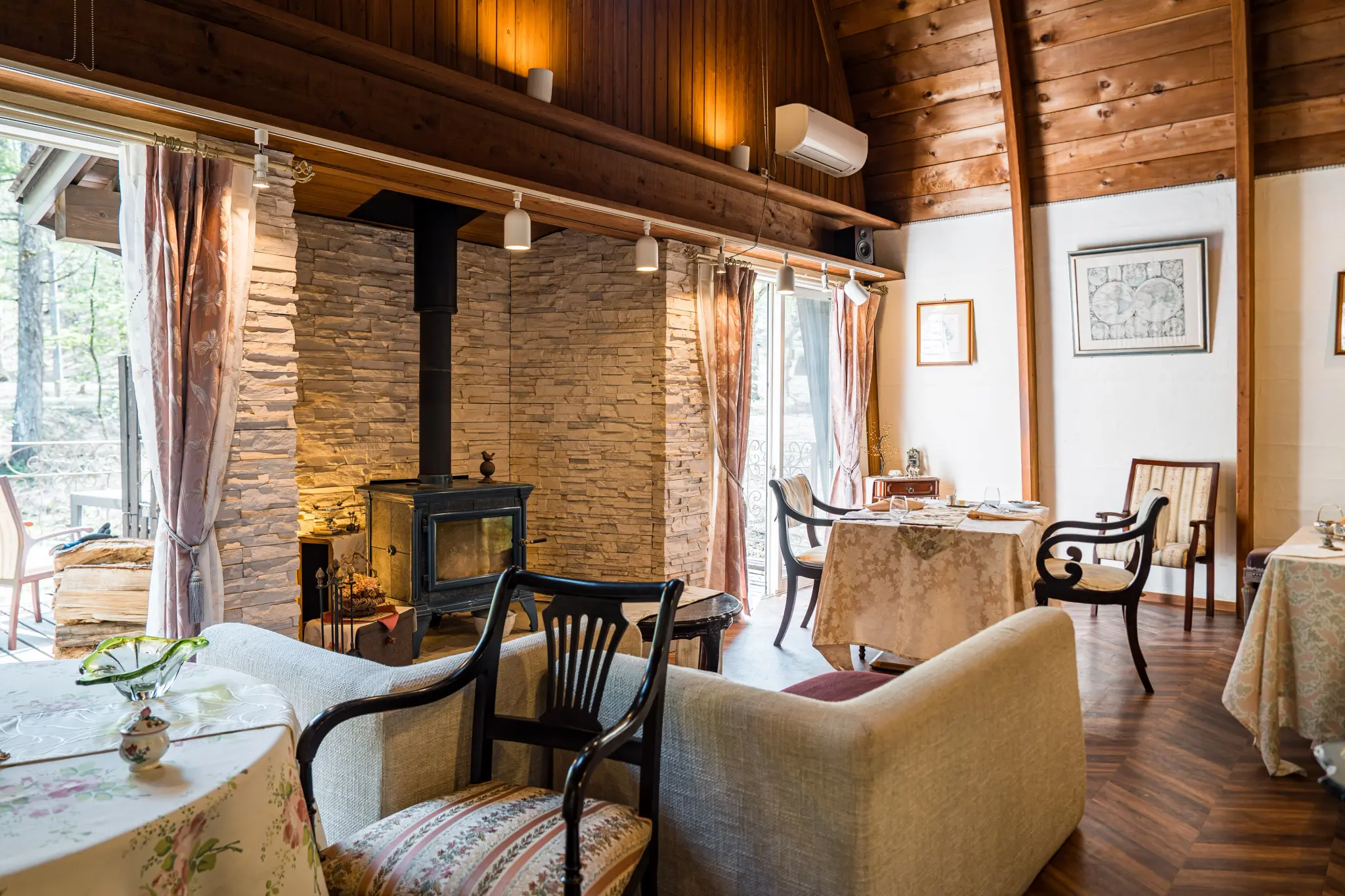
About five years after I joined, I was transferred to the Paris branch. The company president told me, "We'll cover your rent and utility bills, but spend all your salary on food and drink," so I traveled all over France visiting various restaurants. Some restaurants in France were so remote that they had no signal, and one place even served champagne and snacks outside on a table, where we just sat and chatted for about an hour (laughs). However, I truly felt how rich and valuable that peaceful time was. This experience made me realize that if I were to open a restaurant someday, I wanted it to be a place where the "environment" was just as important as the food and experience—a place where people could have irreplaceable moments.
A Life-Changing Experience as a Chef and the Turning Point of Personal Struggles
ーーーWhat made you decide to become independent and open your own restaurant?
After returning to Japan, I spent about a year at the main restaurant before I was suddenly asked to become the head chef of a branch. The restaurant was not very popular, and I knew that if we didn’t bring in more customers, the younger staff wouldn’t have the chance to learn. So, I worked hard to attract customers, and after about a year, we finally became fully booked. However, being a head chef meant that it wasn’t enough just to cook; I had to think about staff training and business management as well, which became stressful. My passion was always to be a cook who could keep learning and researching dishes, rather than focusing on management, so I began to question whether I should continue being a chef.
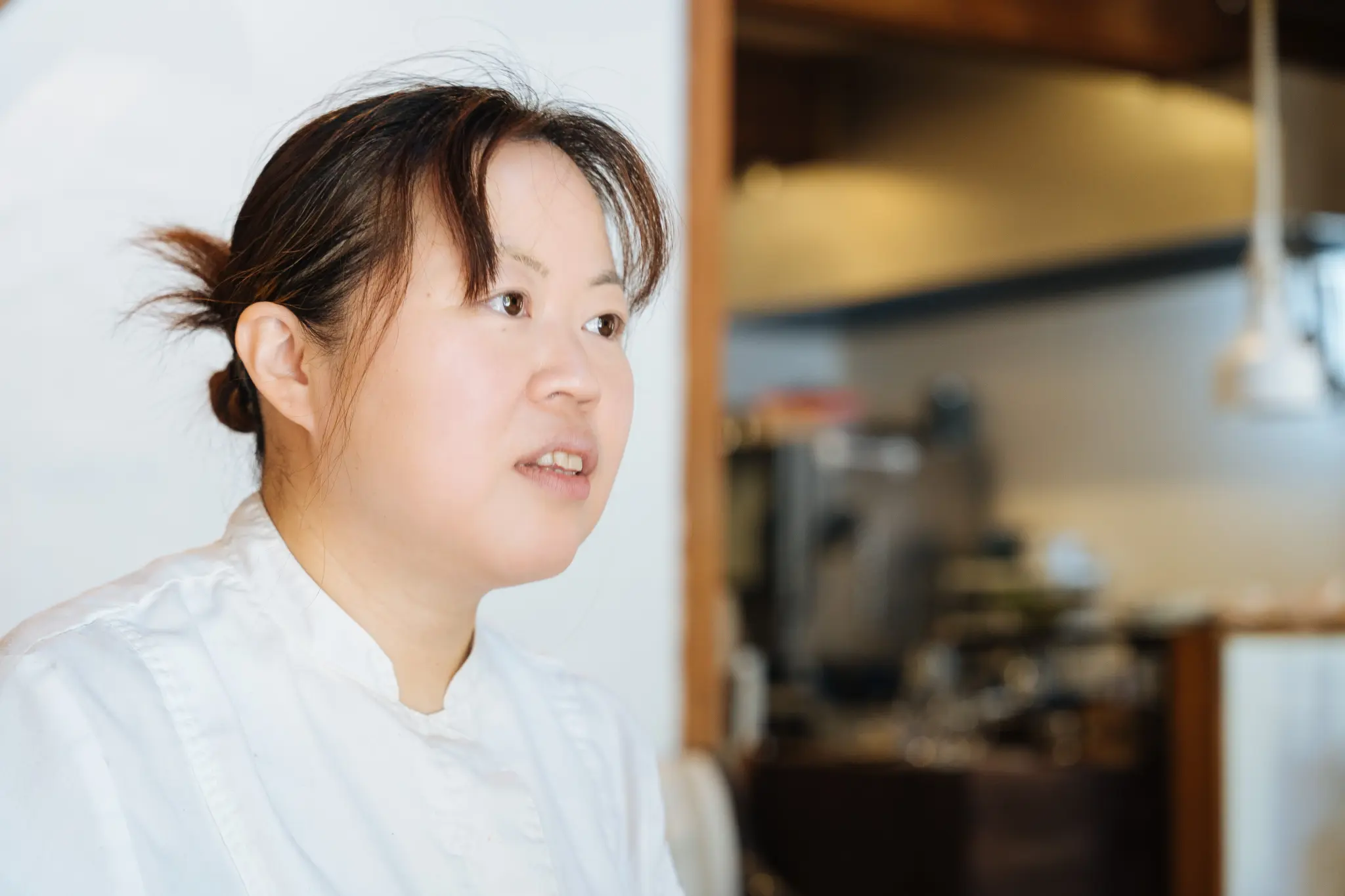
At that time, I also started thinking about my life as a woman, and I struggled with the idea of whether I should quit being a chef. It was around this time that the earthquake occurred. I felt the urge to do something for others, but I couldn’t do anything directly. Then, a regular customer asked me to host a group of people, and it turned out that the group was made up of survivors of the tsunami.
In the face of their grief, the staff and I were unsure of how to approach them, but I told them, "All we can do now is serve the best food and provide the best service." After we finished the work, I went to check on the guests, and to my surprise, I saw them eating with smiles, even though they had been crying earlier. Seeing that scene made me cry uncontrollably, and I realized that no matter what happens in life, I would never regret dedicating my life to cooking. That moment reaffirmed my decision to continue as a chef.
ーーーIt sounds like this was a pivotal moment in your life and career!
However, as the company grew, the weight of managing the business increased, and it eventually took a toll on my health. During this challenging time, when I was facing a series of problems that jeopardized the restaurant's future, I reached a breaking point. I felt that I could no longer cook, so I asked the president if I could quit. Afterward, I completely lost my ability to cook and spent almost a year in a state of depression, unable to focus on anything.
At this point, my mother strongly encouraged me to buy land in this area. I think it was her way of pushing me forward, seeing how exhausted I was both physically and mentally (laughs). Despite taking on debt, I felt that I couldn’t back out, so I gradually began preparing to start my own restaurant, with the hope that we might only open on weekends and serve a few customers at first.
The Desire to Express What One Can Do for Someone Through "Cooking"
ーーーHow was it to open your restaurant?
Originally, I thought that most of my customers would be from the city, but surprisingly, many local people came from the start. French cuisine often feels like something distant, but after seeing many restaurants in France, I realized that the best service is one that doesn’t add stress. So, I made it a point to provide warm and gentle service, which probably made it easier for people to visit. Since there weren’t any French restaurants in this area, by about six months after opening, the restaurant was fully booked for the next year, which really surprised me. I’m so grateful that the restaurant spread through word of mouth without me having to do any advertising.
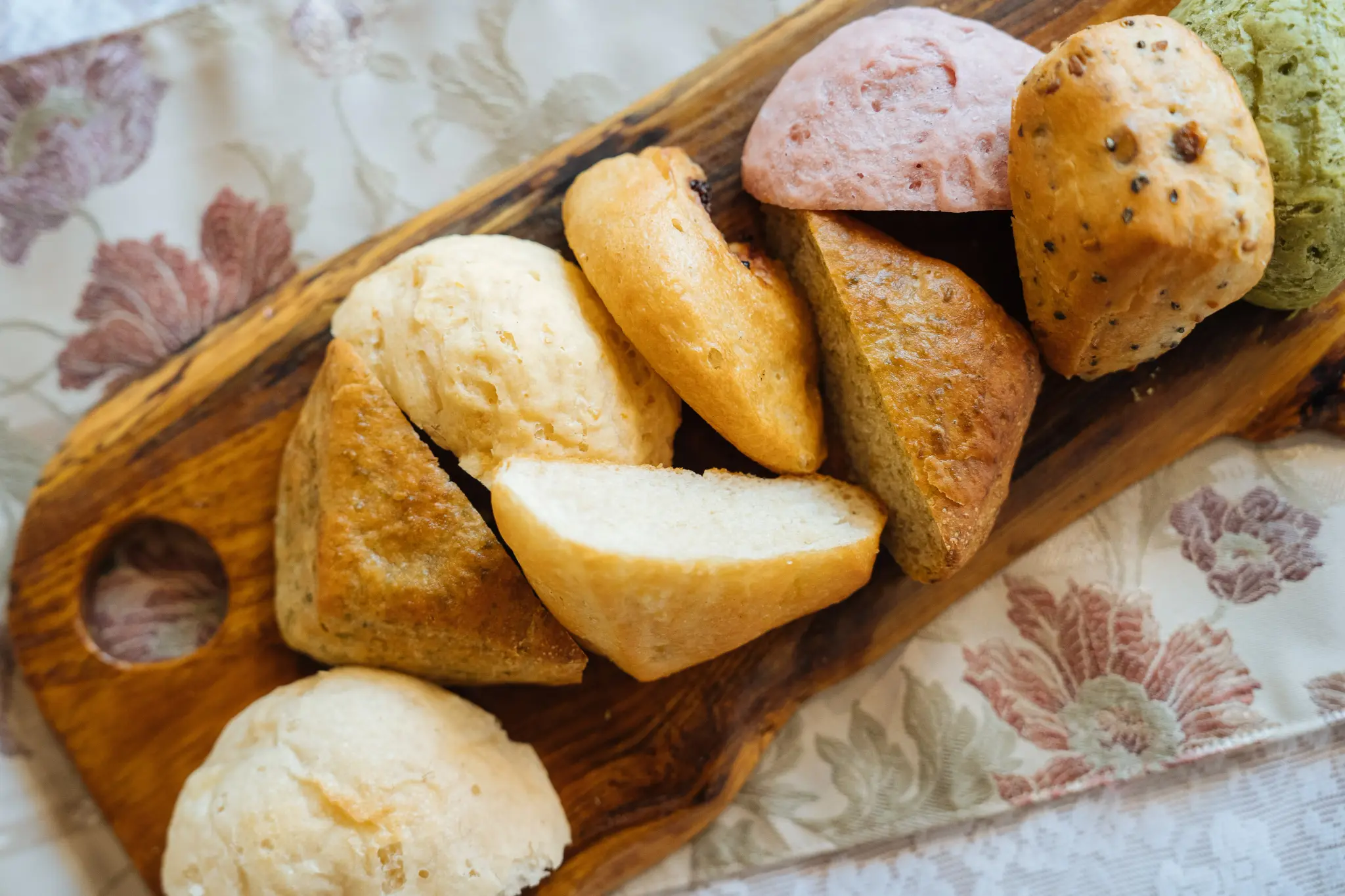
ーーーDo you have any particular focus when it comes to ingredients?
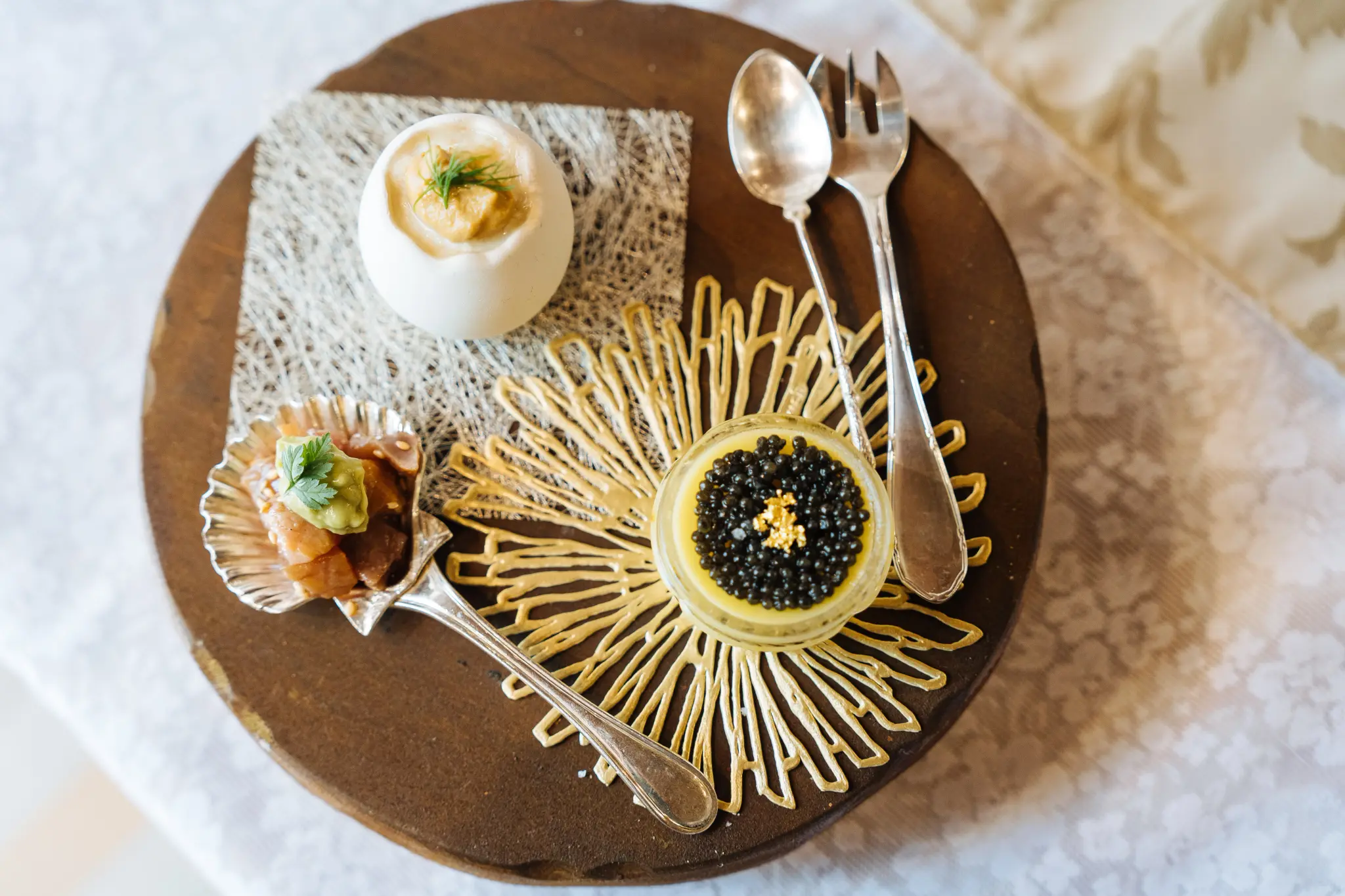
I’m very particular about the ingredients I use to make broths. In French cuisine, broths are often made from chicken or beef, but one night, when I was simmering a broth, I noticed a medicinal smell. I wondered if I had added something, but then I realized that the chicken I was using had been treated with antibiotics. Living in this beautiful, natural environment, I could start to detect such chemical odors, and no matter how many times I tried, I couldn’t get rid of it. One day, a hunter invited me to see some deer, and when I tasted the venison, I was amazed that it didn’t have the usual strong odor. I learned that hunters often have to pay to dispose of excess bones, so I started using those bones to make broth. To my amazement, the broth had a rich, consommé-like flavor from the start, and now I make all my broths from deer bones. It was a revelation for me, realizing how pure natural ingredients can be.
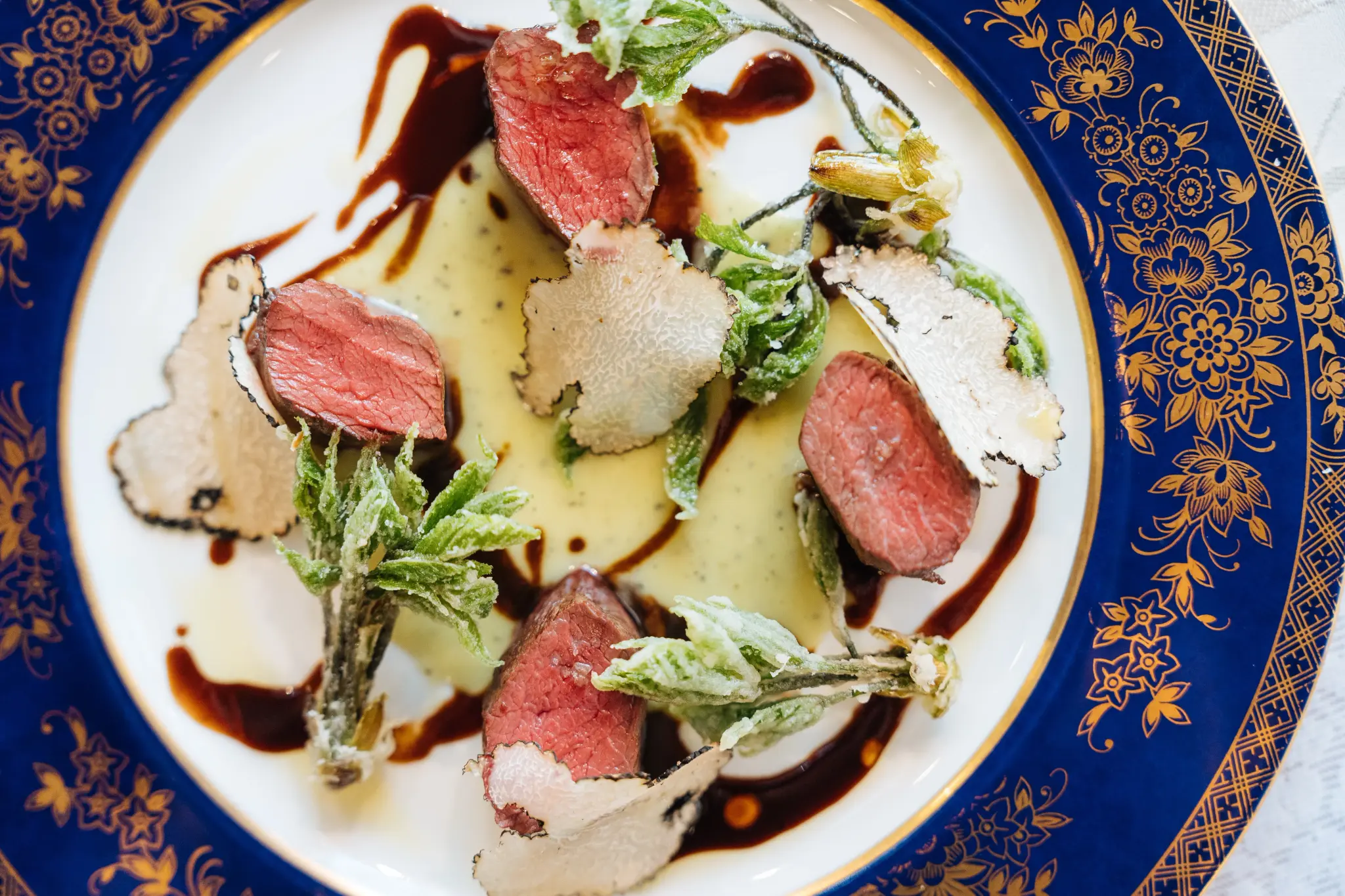
Since coming to this area, I’ve noticed other things that feel strange. For example, when tasting the same wine in Tokyo or Nagoya, the flavor feels completely different when I bring it back here. In this clean environment at an altitude of 1000 meters, it seems that our senses of smell and taste are heightened, and any impurities in the wine are more noticeable. That’s why, at our restaurant, we mostly choose natural wines.
ーーーWhat principles guide you in cooking?
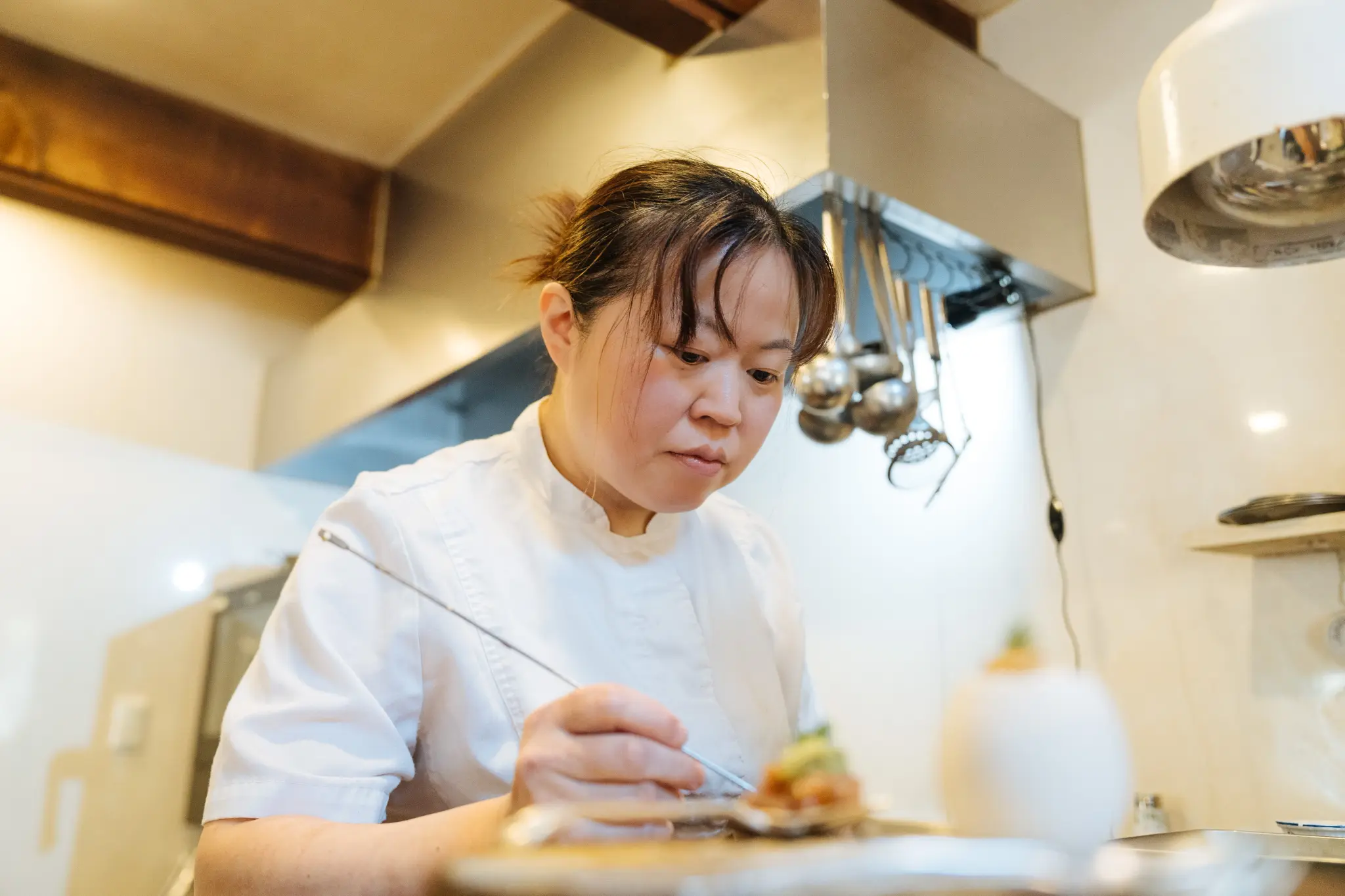
I love cooking that stays true to the "basics." The dishes at【Restaurant Hiramatsu Hiroo】were classic, and my focus has always been on how to make the recipes in the textbooks as delicious as possible. Making sauces and broths is a time-consuming process that sometimes takes days of preparation, but I actually enjoy that effort.
Also, I try not to use butter in my sauces. I personally have a sensitive stomach, and I dislike feeling heavy after eating. In French cuisine, there’s a technique called "beurre monté," where butter is added at the end, but I don’t use that. When I want to add richness to a dish, I express it through other fats. Many of our customers have health conditions or are elderly, and they often tell me, "I feel much better the next day!"
Continuing to be a Place That Brings Happiness and Healing to People
ーーーYour dishes always give off a sense of kindness. How do you incorporate that into your cooking?
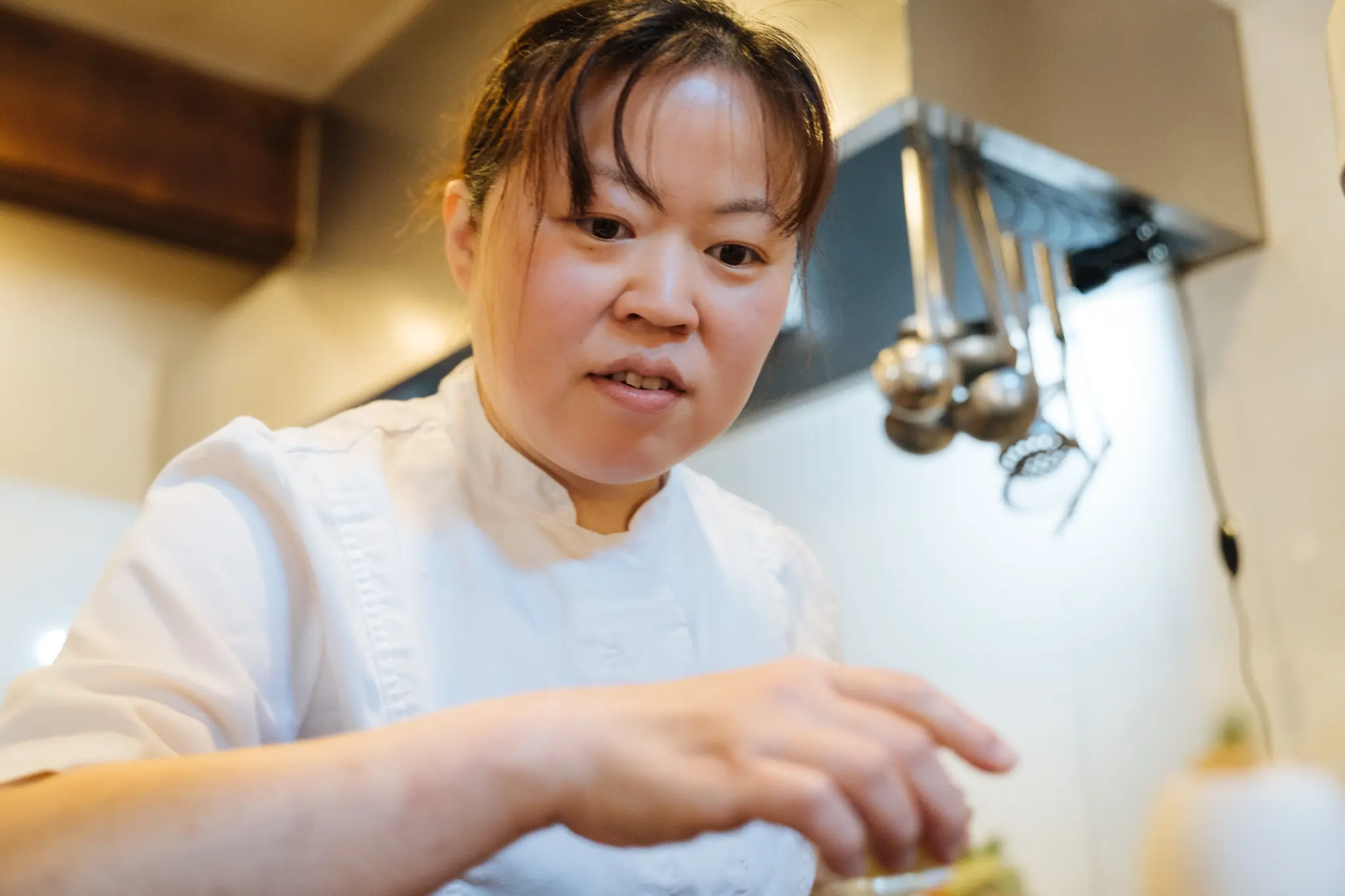
The word "restaurant" originally comes from the idea of something that "restores" or "revives" people. I don’t have a strong desire to make people eat my food just for the sake of it. Instead, I want to create a true "restaurant" where people can leave feeling energized and happy. The name【Une Fleur】means "one flower," and it represents the idea that everyone has their own circumstances, and sometimes we all go through times when we’re feeling down. My hope is that when people come here, they can eat in a peaceful place and leave feeling revitalized, ready to find their own "flower" again. I think food is incredibly important, and I want to do what I can for others through cooking. That, to me, is happiness.
ーーーWhat does French cuisine mean to you?
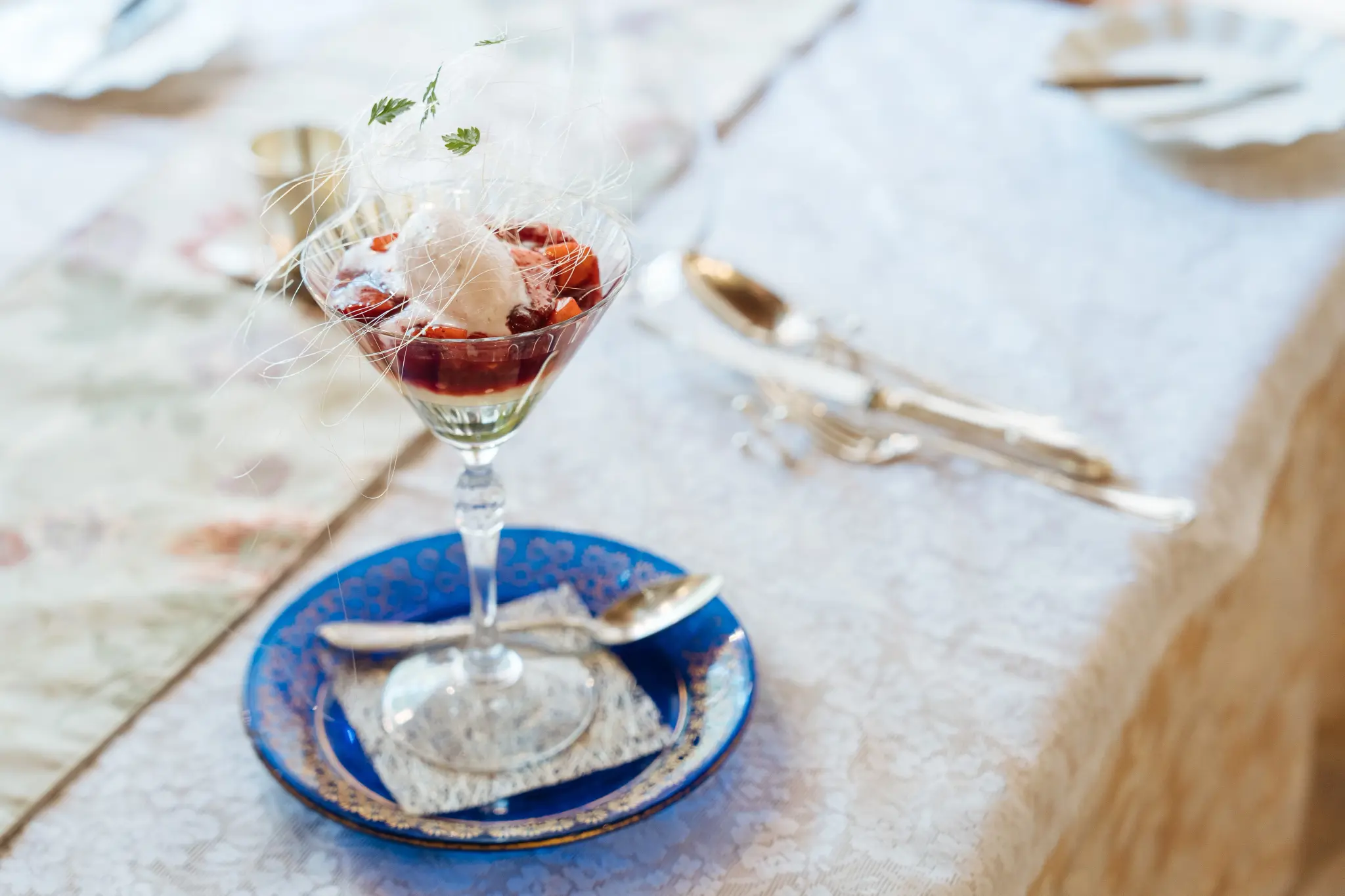
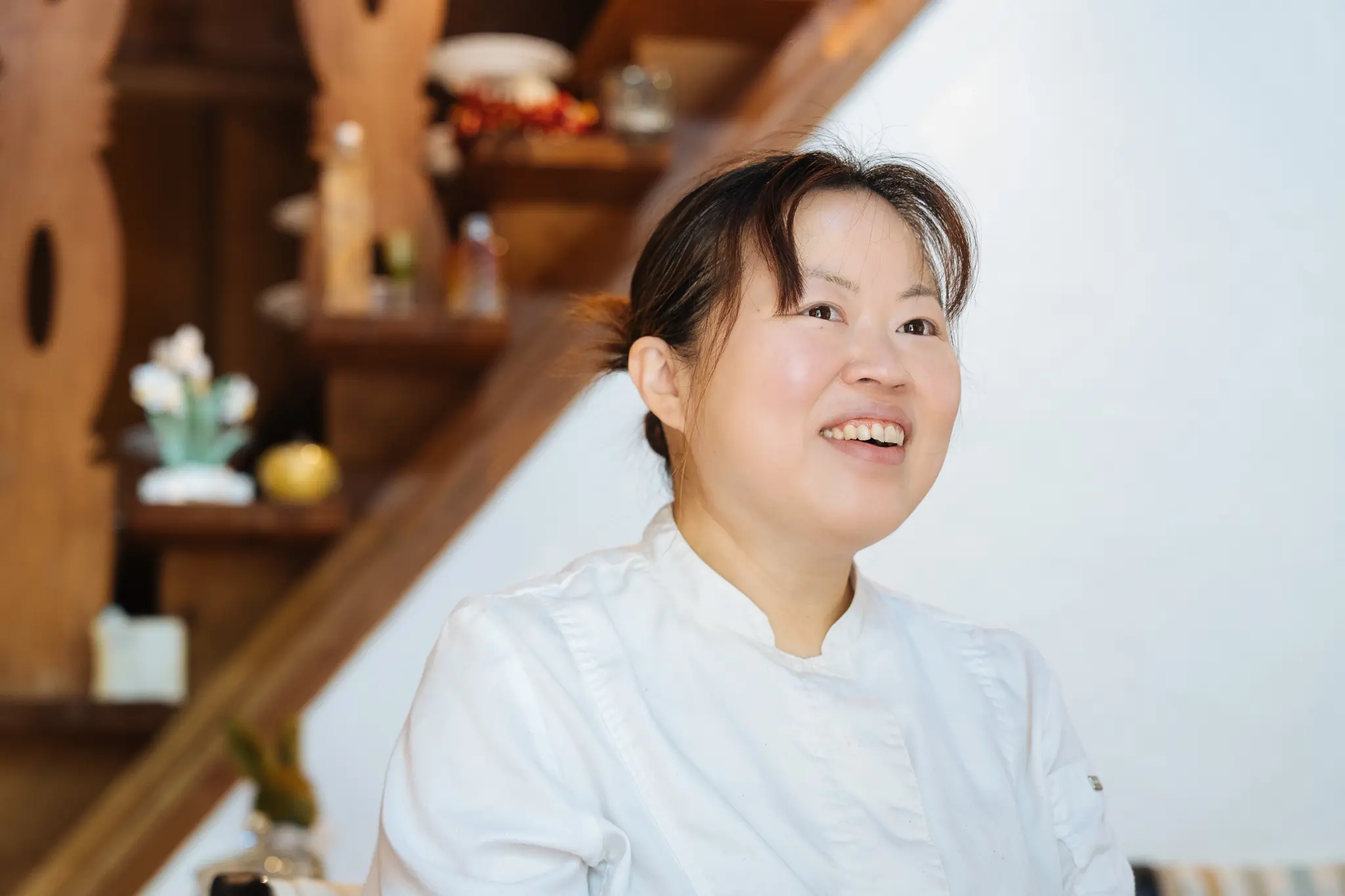
I think it’s about providing a happy time. In a special, non-daily space, offering food that can’t be made at home, and giving people a time where they can smile—that’s what I think French cuisine is all about. The fact that our customers tell us, "This is delicious," is because they come with people they care about. At first, people may come because of company events, but after that, they often return with family or close friends. It makes me happy to see that they start using our restaurant as a place to gather after a long time, and when they relax and enjoy the food, there’s a lot of happiness and smiles.
ーーーDo you only accept one group per day?
Basically, yes. We accept groups of 2 to 15 people, though sometimes it’s just one person. When the group is large, we sometimes ask guests to help out a little (laughs).
It’s heartwarming that, after visiting a few times, some customers start saying "I’m back" when they arrive (laughs). Many of these customers also end up staying overnight. It’s not just visitors from far away; even locals sometimes stay, and it’s nice that they feel like they’ve had a little getaway.
ーーーWhat made you decide to add accommodations to your restaurant?
Originally, I planned to build accommodations in about 10 years, but as more customers came from distant places, I noticed that some would pay taxi fares higher than the meal cost just to visit. Sometimes, when a group came, one person had to stay sober and couldn’t drink, which seemed unfortunate.
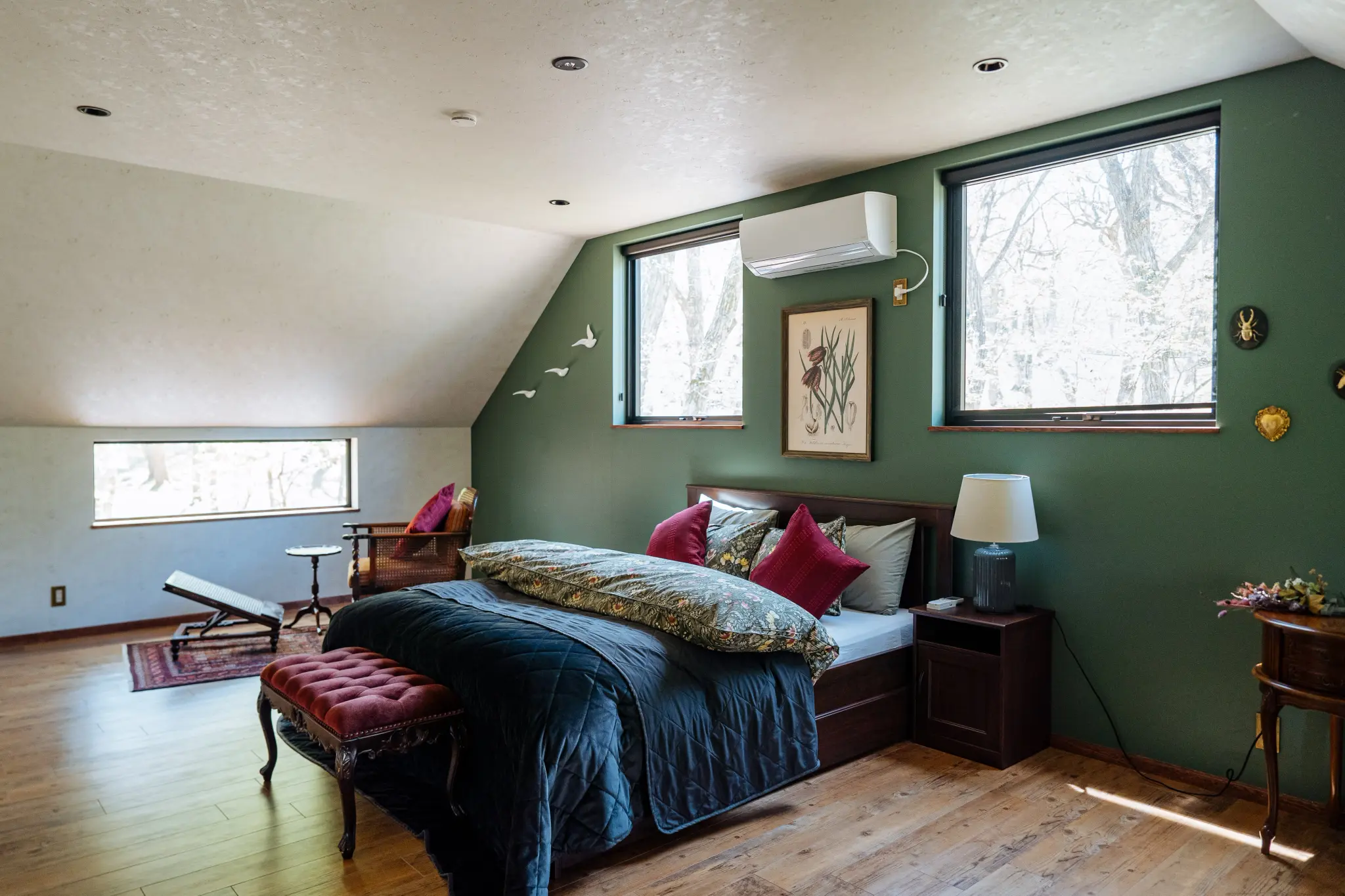
The restaurants I visited during my training in France were mostly auberges that also had accommodations. So, if it was something I might regret later, I thought it would be better to do it now. I saw it as an opportunity and decided to build an auberge. Now, it has become a place that many customers enjoy. I feel reassured when customers can stay overnight. I worry about those returning home tired after coming from far away, but with accommodation, I can simply say, "Good night" (laughs).
There is also a hot spring nearby, so after checking in, guests spend their time as they wish until mealtime, and it’s always nice to see them enjoying themselves. When I tell them, "Please come dressed in the most comfortable attire to fully enjoy the meal," repeat customers end up showing up in what looks like pajamas (laughs).
The Ideal Restaurant: A Place to Heal the Heart and Body
ーーーWhat are your future plans for the restaurant?
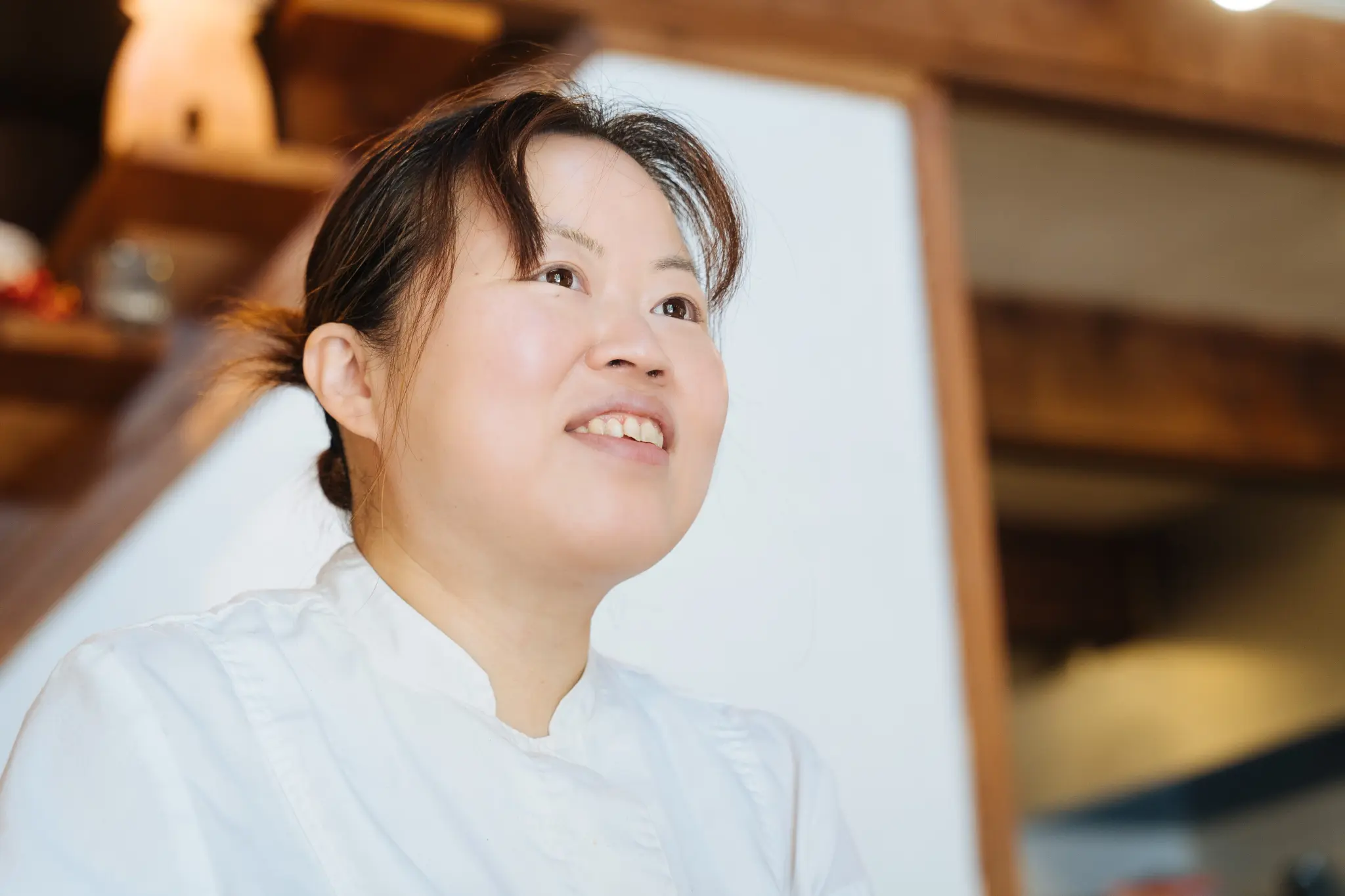
I want to create a place for relaxation, like a café or brasserie, where the purpose is to "take a break" and be rejuvenated. Rather than a bustling, crowded place, I envision a calm and peaceful environment where visitors can find tranquility. Every time I visit France, I’m struck by the care people take in valuing each ingredient, and how there are so many people who take care of their bodies, like those who teach about bread for diabetes. As I visit various cafés, I’m working on conceptualizing how to create a space where customers can spend time peacefully, considering meal styles and other ideas.
By using local ingredients, I want to create an environment where I can make suggestions, such as recommending a tea for those with poor circulation or a dish that’s good for digestion, ultimately providing truly healthy options for the body.
ーーーLastly, what does "delicious" mean to you?
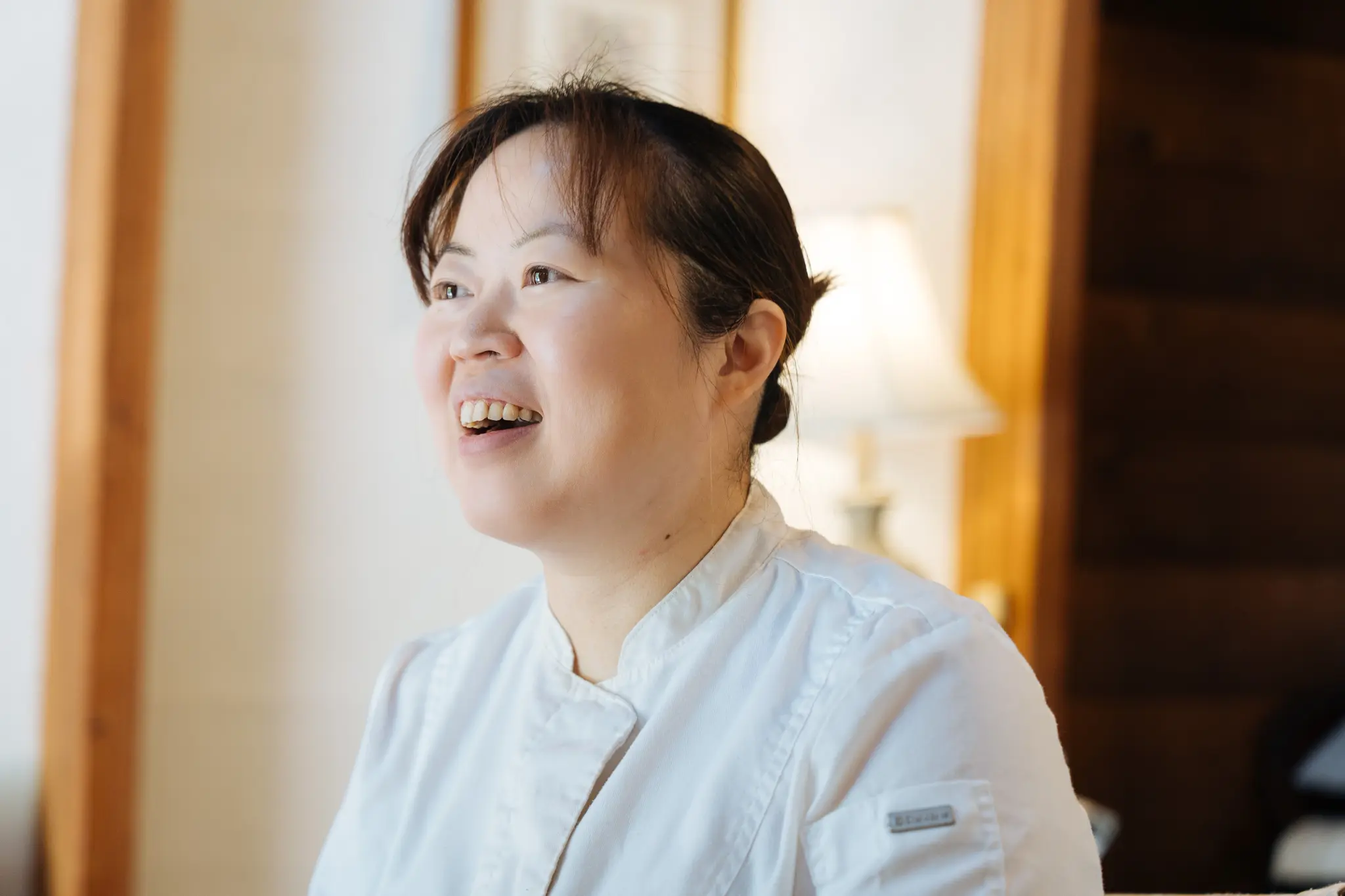
When I observe our customers, I feel that the sense of "deliciousness" can change depending on the person you’re eating with. The taste can be different when you’re eating with your boss in a formal restaurant compared to when you’re eating at home with family. I don’t want people to feel anxious or tense while eating, so I want them to enjoy their meal in a fun, relaxed environment. Also, I think if the chef gives off a bad impression, it could make the food taste less good, so I try to be mindful of that.
During my time as a head chef in Tokyo, I didn’t have an open kitchen, so I disliked only being able to go to the customers after I had finished serving the dishes. I believe that food is more enjoyable when there’s communication between both sides: explaining while serving a dish, saying things like, "The cooking method here is interesting, and this ingredient is really fun," and then seeing the customer’s reaction. Sometimes, when first-time customers visit, you can tell from their expressions that they’re not expecting much. However, as the meal progresses, it’s always a delightful moment to see their expressions brighten. As a French chef, I want to continue living each day in a way that allows me to deliver "happy moments" to as many people as possible.
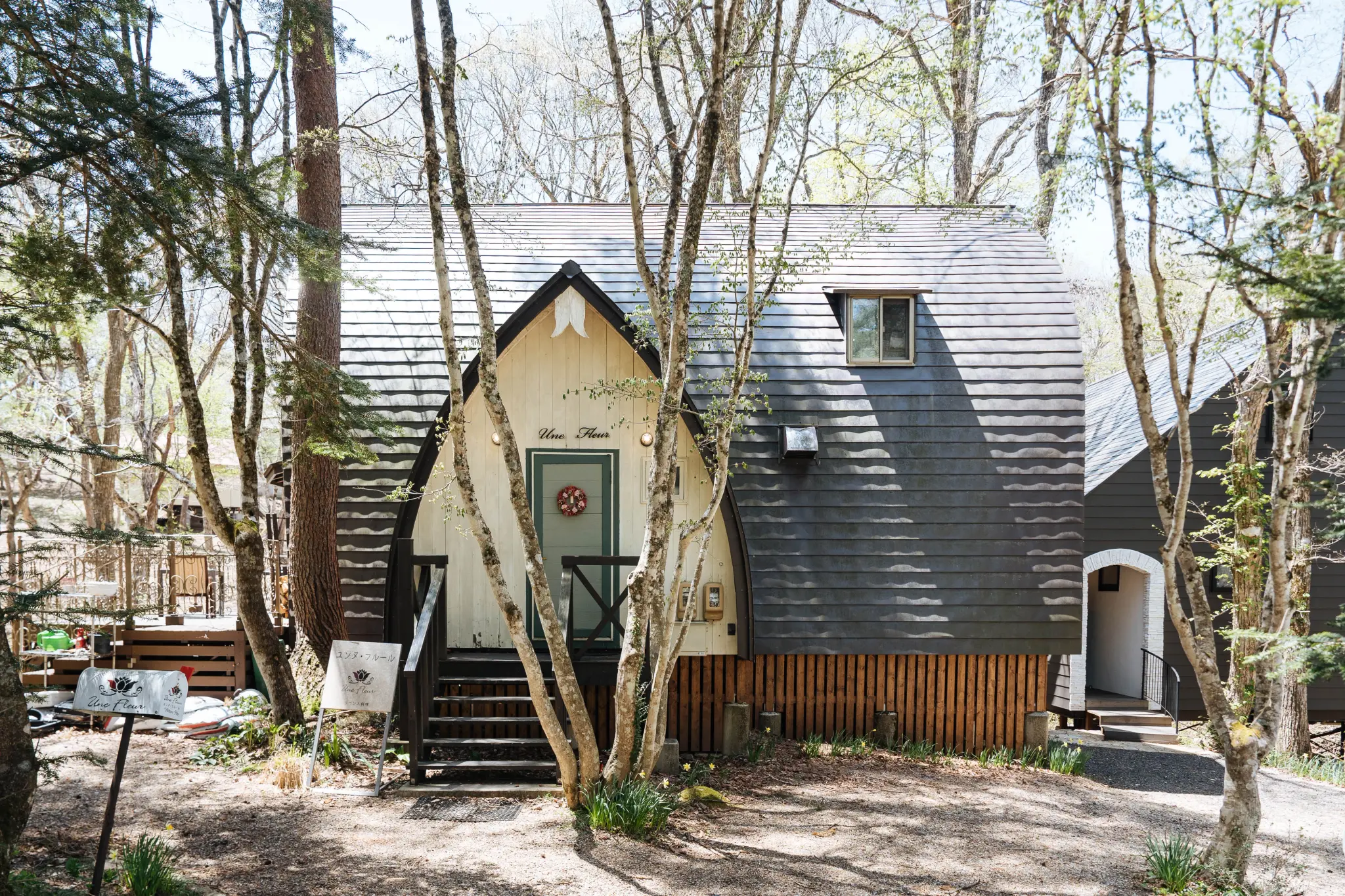
【Une Fleur】is a place that not only delights with its delicious food but also offers a sanctuary for the heart and body, where you can unwind and regain your energy. Chef Ito hopes that her restaurant will continue to be a place where customers can leave feeling revitalized and happy. During the interview, her warm hospitality and infectious smile reminded us all of the healing power of food. We hope you experience this same warmth and healing when you visit.
Written by: AutoReserve Magazine Editorial Team
Photography: Masato Suzuki
Restaurant Information
- AutoReserve Magazine
- Restaurants recommended by top chefs
- Healing Through Dining: The True Essence of a Restaurant as Embodied by Chef Hitomi Ito of【Une Fleur】