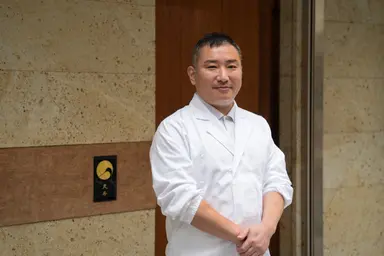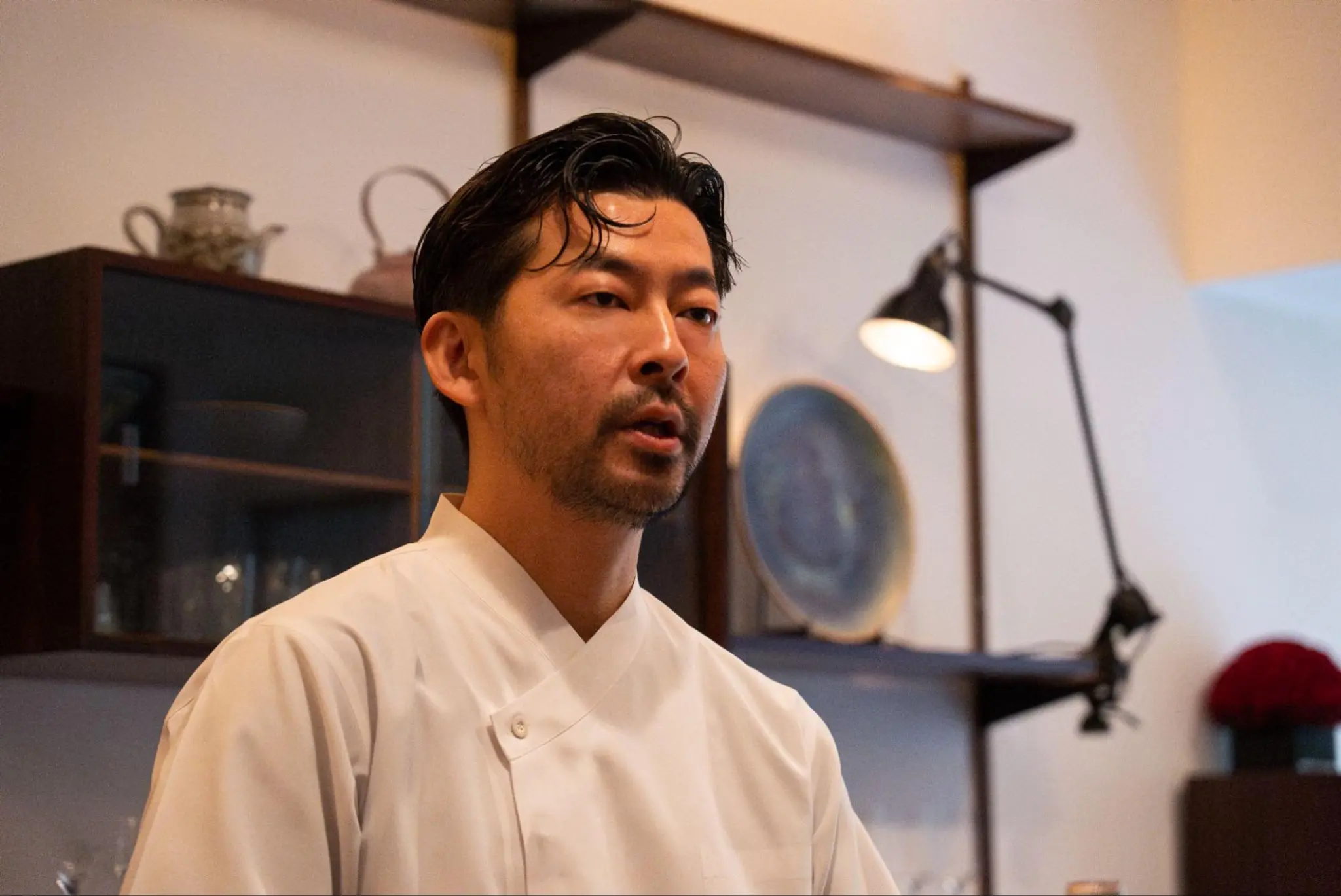
Authentic Italian Cuisine at 【Vena】—A Chef Overflowing with Creativity and Passion for Cooking, Bringing Smiles to Guests
The Teaching of His Mentor—"Cooking is Meant to Bring Joy to People"—Forms the Foundation of His Culinary Career
ーーーWhat inspired you to pursue a career as a chef?
I originally had a strong interest in fashion and even considered pursuing a career in the fashion industry. However, I felt that the distance between myself and the customers in that field was too great. On the other hand, in the restaurant industry, I was drawn to the close interaction that comes from preparing food on the spot and serving it directly to the guests. This proximity fascinated me and sparked my interest in the culinary world.
During my teenage years, the café boom was in full swing, and I dreamed of owning my own café. I started working part-time at a restaurant, which led me to become deeply engrossed in cooking. Before I knew it, I found myself on the path to becoming a chef. Up until high school, dining out simply meant eating at a restaurant or buying ready-made food. But when I realized that I could actually create those dishes myself, it became an exciting and immersive experience. Around that time, I came across the book La Bettola no Secret Recipe by the renowned Chef Tsutomu Ochiai of LA BETTOLA da Ochiai. His book introduced me to the joy of Italian cuisine, which ultimately led me to pursue a career in Italian cooking.
ーーーHow did you gain experience and training after that?
At the age of 20, a friend introduced me to the renowned Italian restaurant 【Il Ghiottone】, and I joined as part of the opening staff. It was an incredibly busy environment. Under the guidance of Chef Yasuhiro Sasajima, I learned not only about cooking but also about etiquette, professionalism, and how to conduct myself as a person. I worked there for about 13 years before opening my own restaurant.
Chef Sasajima wasn’t the type to constantly dictate the exact seasoning of dishes. However, one particular lesson he taught me left a lasting impression. He once told me, “Whether a 70-year-old elder or a 20-year-old youth comes in, you're doing the exact same thing. You need to observe people and adjust the seasoning and fat content accordingly.” At that time, I was simply cooking what I wanted, in the way I wanted, without considering the needs of the guests. That was when I realized that cooking is about creating food for people, not just for my own satisfaction. Chef Sasajima placed great emphasis not only on culinary techniques but also on the mindset behind cooking. I am truly grateful to have trained under him. The lessons he taught me became the foundation of my career as a chef, and the principle that “cooking is meant to bring joy to people” remains deeply ingrained in me to this day.
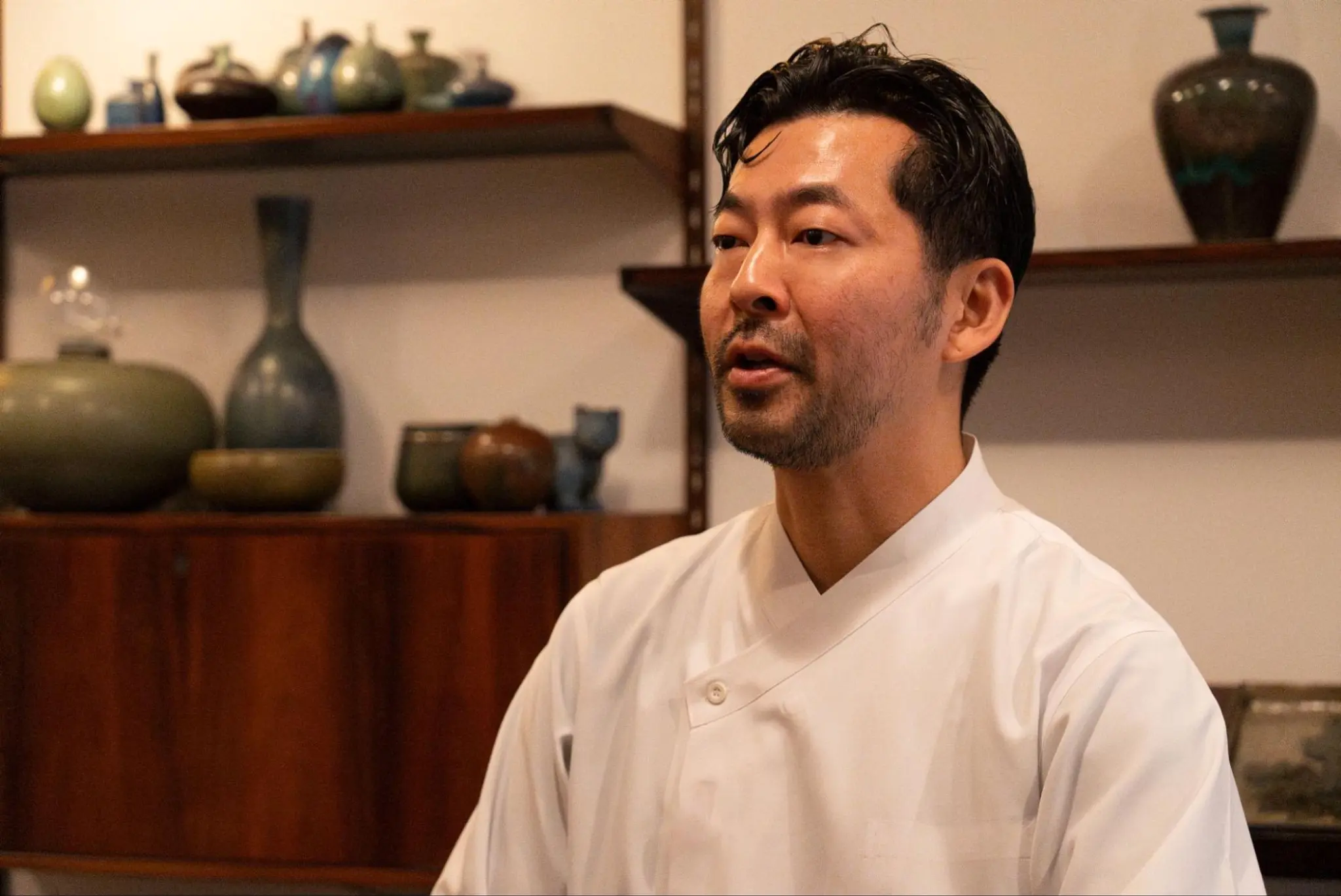
ーーーWhen did you start considering opening your own restaurant?
I had been considering opening my own restaurant from the very beginning since my initial dream of pursuing a culinary career stemmed from my desire to own a café. At first, I envisioned a casual trattoria-style establishment, but as I became more deeply immersed in cooking, my perspective evolved. I started to think, “If I want to serve truly delicious food, I need to source high-quality ingredients and create a refined dining experience.” This led me to open a restaurant that aligned with my ideals, including not only the cuisine but also the service and atmosphere.
I met sommelier Yoji Ikemoto through a unique connection—my mentor and his mentor were both apprentices under the same master. As a result, we frequently visited each other’s restaurants and built a strong relationship. When I decided to start my own restaurant, I wanted to focus entirely on cooking while having someone knowledgeable in wine and hospitality to handle the service aspect. That’s why I partnered with Ikemoto to open the restaurant together.
Every morning, I go to the central market to source fresh fish, ensuring a commitment to high-quality ingredients
ーーーWhat is the origin of your restaurant's name?
Both my surname and Ikemoto’s contain the character for "water," so I wanted a name related to water. While researching, I discovered that “Vena” means "water vein" in Latin. Since Kyoto is known as the "City of Water," I decided to name the restaurant 【Vena】.
Choosing a name that connects to us personally reinforces the idea that guests are coming into our space, which naturally keeps us mindful and disciplined. Interestingly, I later found out that “Vena” actually means "vein" rather than "water vein" (laughs). But at the time, my research showed "water vein," so I went with it, and the name has stuck ever since.
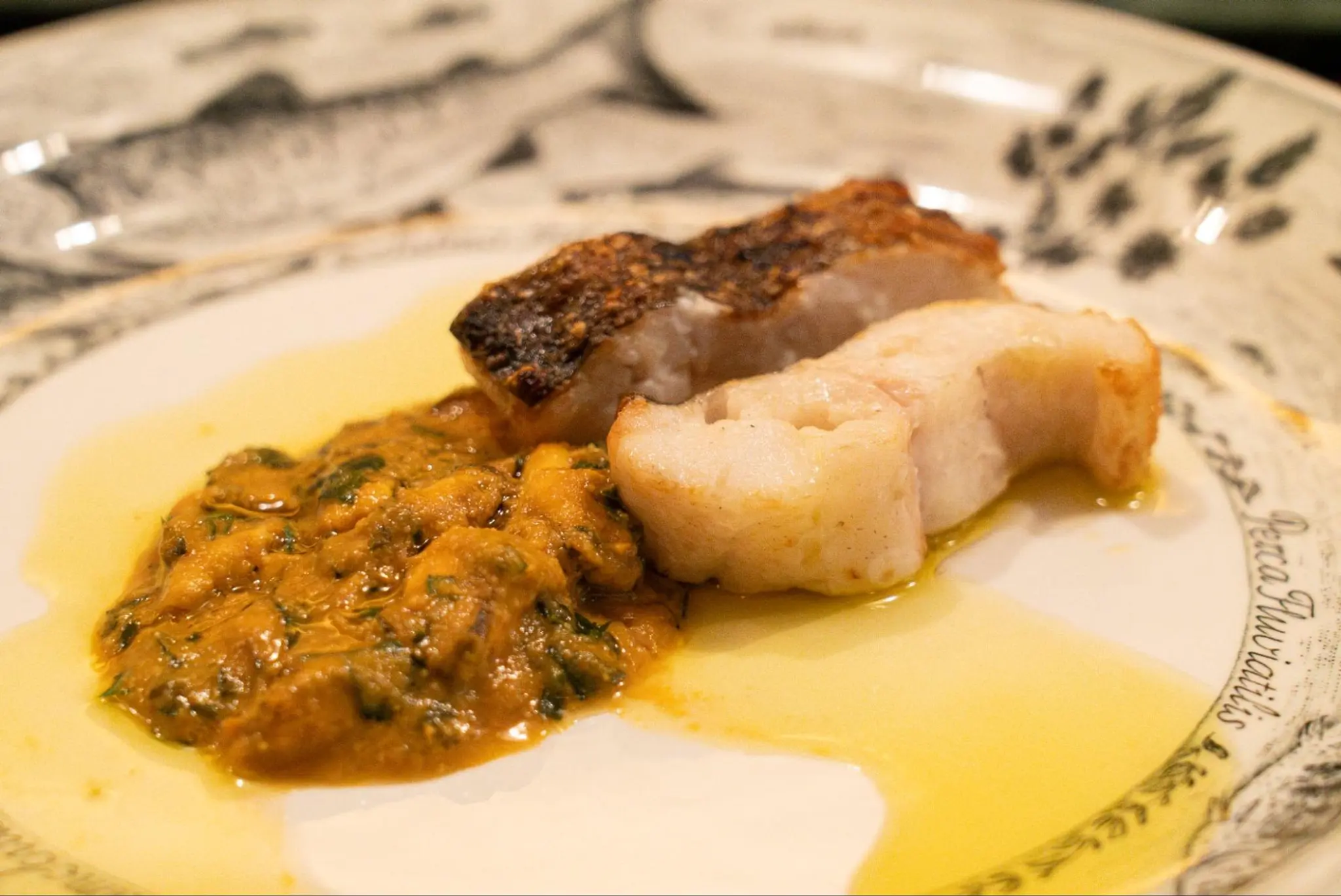
ーーーCan you tell us about the first dish of today's menu?
It is "Densuke Anago Zuppa di Pesce". "Zuppa di Pesce" is a traditional dish from southern Italy, similar to bouillabaisse, in which various seafood is simmered together in a single pot. However, because it often includes shrimp shells and other elements, it is not commonly served in restaurants. Instead, I decided to take the concept of mixing and simmering seafood, then blending it into a paste-like sauce to accompany the Densuke anago (conger eel).
The eel is grilled using Kishu Binchotan charcoal. Grilling over charcoal helps render excess fat while allowing the aromatic smoke from the dripping fat to infuse the eel with a subtle smokiness. We also use this charcoal when grilling meat, primarily for its aromatic effect. Typically, anago is prepared by cutting the bones before cooking. However, at our restaurant, we take an extra step: we first cook the eel at a low temperature, then remove the bones before serving. This ensures a more refined texture, making it easier for guests to enjoy.
ーーーWhat are your commitments when sourcing ingredients?
I source vegetables from the central market, contracted farmers, or suppliers who procure high-quality produce from all over Japan. For meat, I often source from various regions across Japan or directly from Europe.
When it comes to seafood, I personally visit the central market every morning to select and purchase the ingredients myself. The reason for this is that the market, where professionals handle seafood, consistently offers high-quality selections. Additionally, I want the market vendors to think of me when they receive exceptional fish and decide who to sell them to. A good example of this is the Densuke Anago from the first dish—it weighed an extraordinary 3 kilograms, which is an unusual size, but the supplier chose to offer it to me, knowing I would appreciate and make good use of it.
Building strong relationships with suppliers is essential for sourcing the best ingredients. Many of my acquaintances in the culinary world, including chefs from Japanese and sushi restaurants, were introduced to me through the market. Observing how they select their fish gives me a deeper understanding of their emphasis on ingredient quality. I also make a point to visit their restaurants to study how their carefully sourced ingredients are transformed into final dishes.
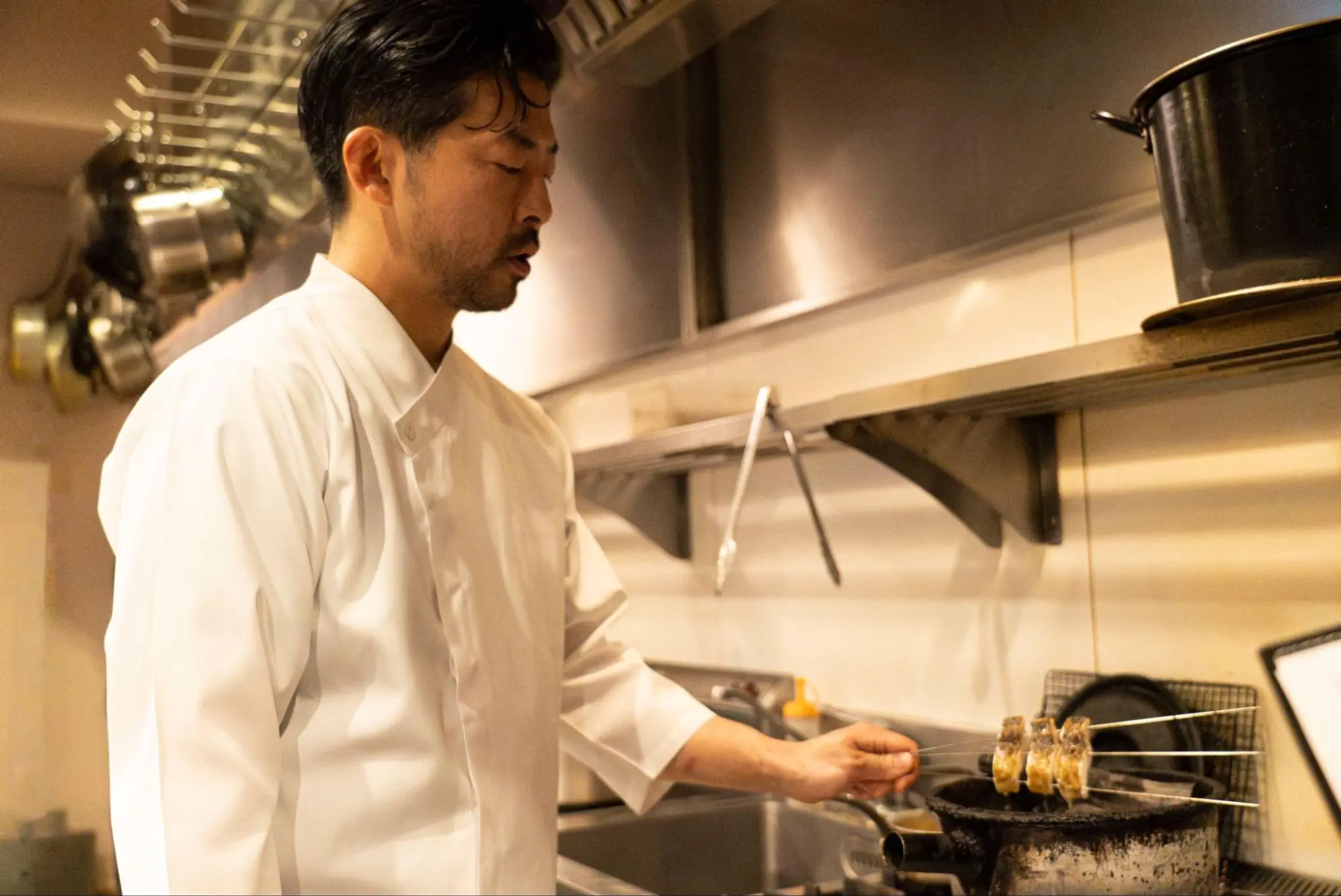
I always strive to create delicious dishes, constantly thinking about how to bring joy to every guest, no matter who they are
ーーーHow do you come up with ideas for your dishes?
I often get inspiration from seeing ingredients at the market. However, the truth is, I genuinely love cooking and think about it all the time. Almost anything I see can spark a new idea for a dish. For example, even when I browse the bento section at a convenience store and think, “That looks delicious,” it can serve as a source of inspiration. On my days off, if I don’t have any plans, I often go to the restaurant and cook. At home, I prepare meals for my family, tailoring them to my children’s favorite foods and my wife’s preferred flavors.
Cooking only has meaning when it is enjoyed by others, so I always remind myself not to create dishes that are self-indulgent. To cook for people, I must be capable of handling a wide variety of situations. If a chef only has ten ideas, they won’t be able to satisfy a hundred guests. To meet the needs of a hundred people, I believe I need at least a thousand ideas. Whether I am truly achieving that is for my guests to decide, but I am constantly thinking about food, refining my craft, and striving to create dishes that bring joy to everyone who dines with us.
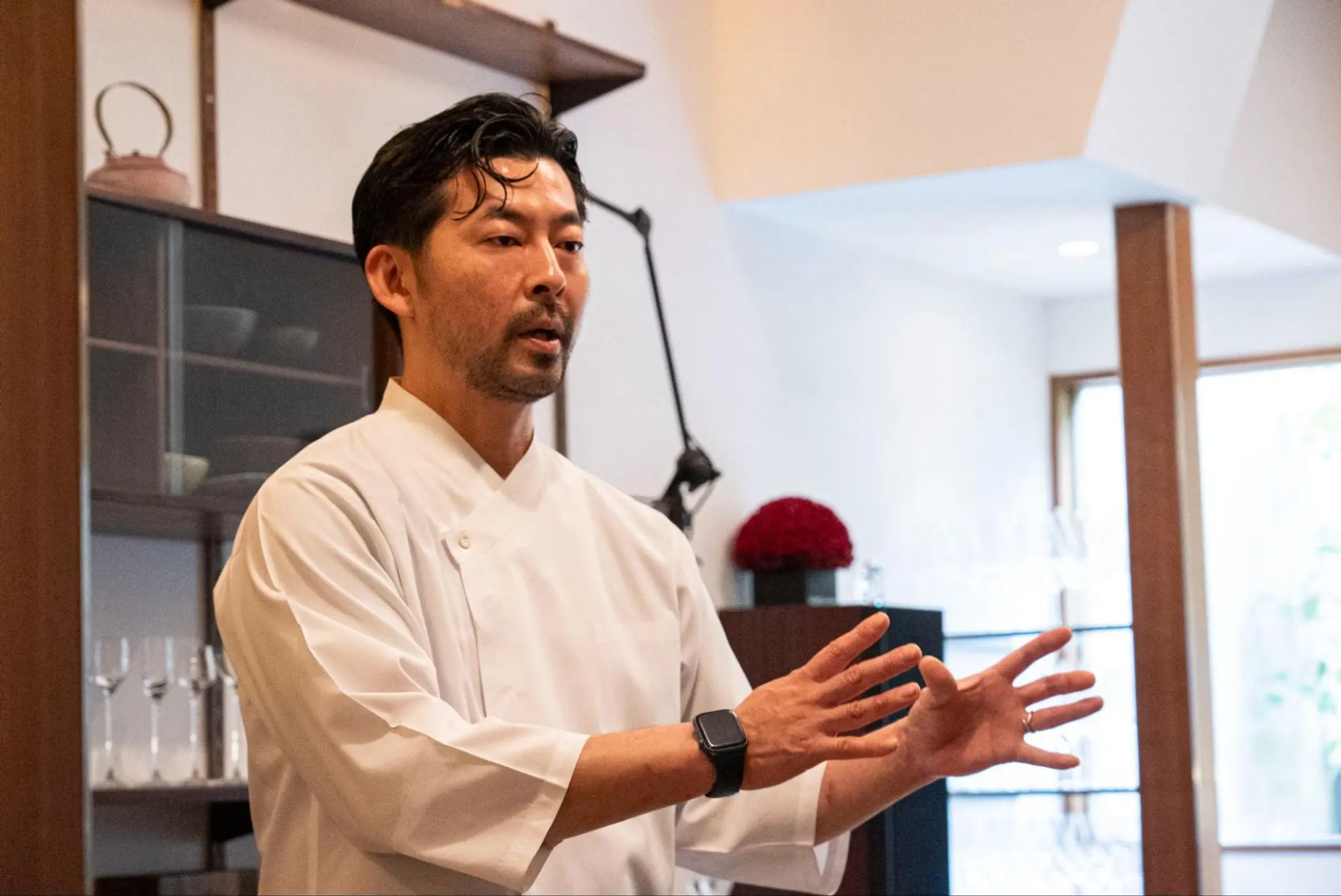
ーーーHow do you personally perceive Italian cuisine?
Italian cuisine is fundamentally ingredient-driven. Unlike French cuisine, which often involves creating multiple sauces and modifying ingredients in various ways, Italian cooking prioritizes the natural flavors of the ingredients, often utilizing simple preparation methods like grilling. Since its roots lie in regional, home-style cooking, it’s relatively easy to interpret and develop concrete recipes based on its traditions. At our restaurant, the omakase course changes with the seasons, and we typically create around ten different menus throughout the year. While I focus on the course I'm currently serving, I’m always thinking one or two courses ahead. My goal is to present each ingredient in the most delicious way possible, making it essential to time their use perfectly with their peak season.
I develop numerous dishes designed to maximize the potential of each ingredient while ensuring that they appeal to a wide range of guests. Since many older diners visit the restaurant, I use fats sparingly—just enough to add depth to the dish without making it overly rich. There is a saying that “Italian cuisine should delight women,” but I aim to strike a balance: keeping dishes simple yet visually and aromatically stimulating, without excessive embellishment.
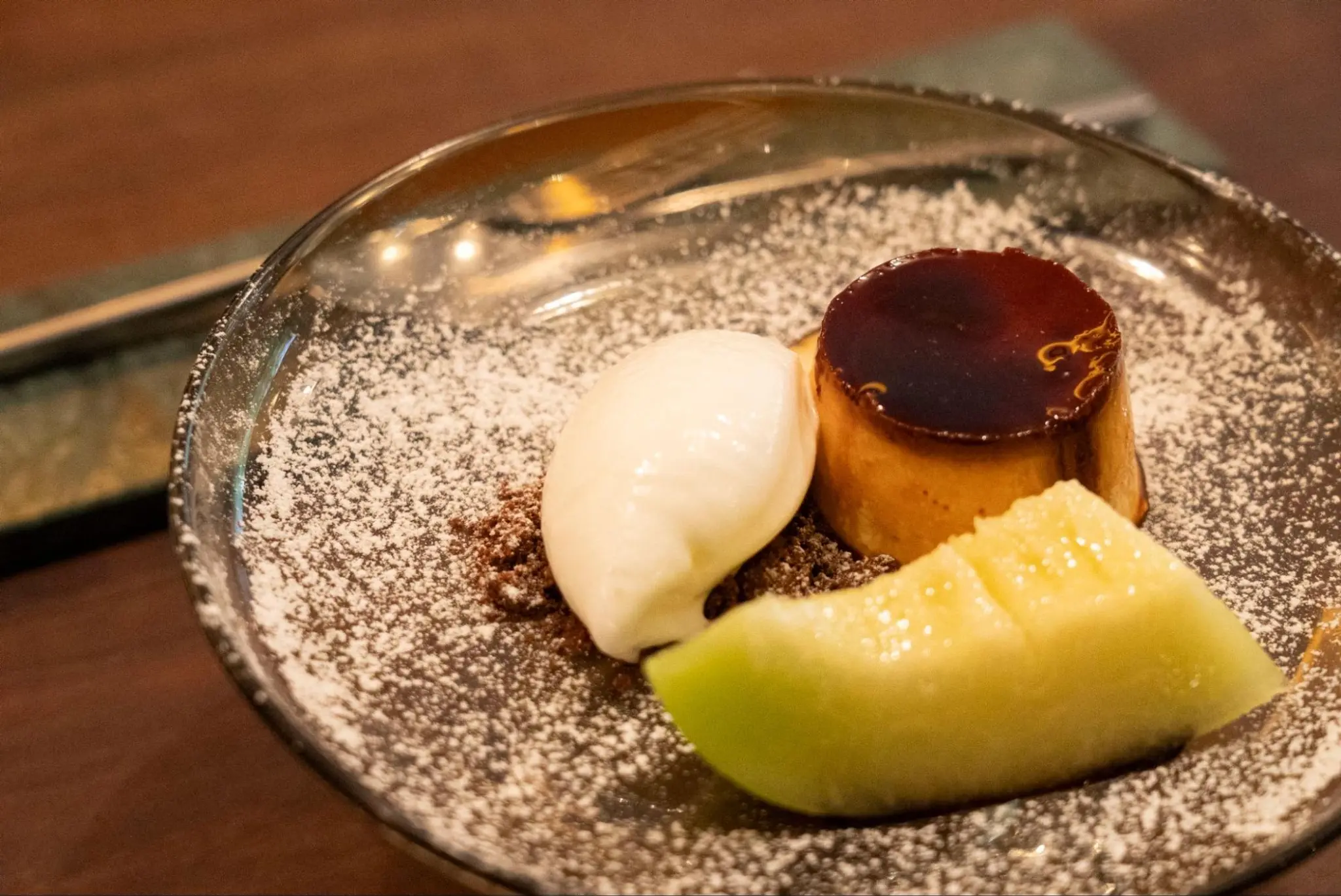
ーーーWhat are your thoughts on serving food in a restaurant setting?
Since we are a restaurant, we relentlessly pursue the best flavors to provide delicious food. However, a restaurant is more than just the dishes it serves. The entire experience—including the ambiance, cuisine, service, and wine—must come together as a complete package to enhance the overall satisfaction of our guests.
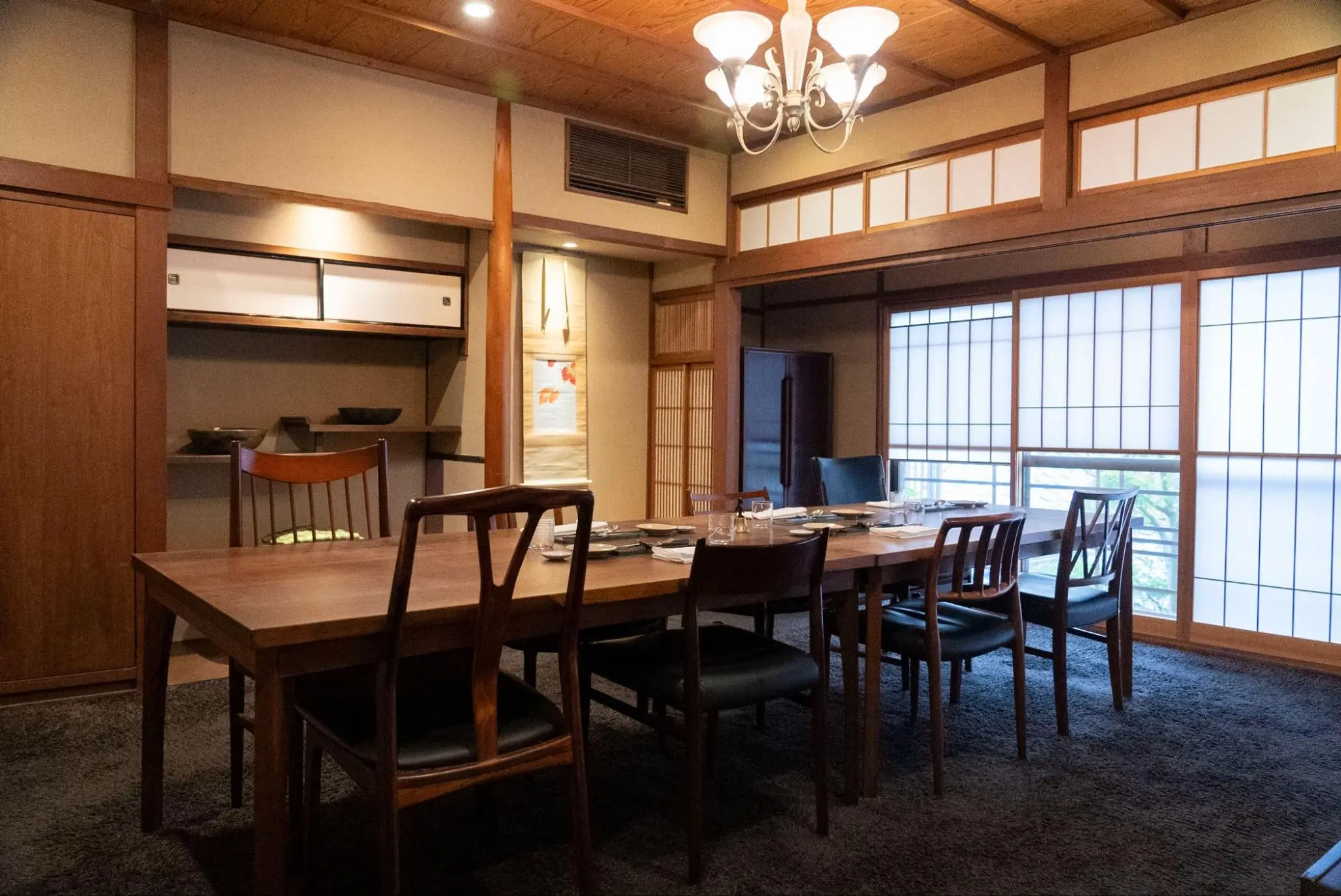
Our first-floor counter seating is perfect for anniversaries or date nights, while the private dining rooms on the second floor can accommodate business meetings, gatherings, or families with children celebrating special occasions. Not all guests visit solely for the food, so I strive to adapt our offerings to fit various situations and needs as much as possible.
Additionally, our furniture, curated by sommelier Ikemoto, features a collection of vintage Scandinavian pieces, including chairs designed by renowned masters. Interestingly, we haven’t matched all the furniture to a single style. I actually prefer the mix-and-match approach—it adds character. Some guests even have their favorite chairs and request to sit in a specific one when they visit. This flexibility and personal touch, combined with the intimate atmosphere of our standalone restaurant, are part of what makes dining with us a unique and enjoyable experience.
"I Want to Create Everything I See"—Creativity Stems from Working with My Hands
ーーーWhat are your key principles when it comes to cooking?
I’m the type of person who wants to create everything I see with my own hands. It’s not just about seasoning—I ideally want to be involved in the process from the very beginning, even down to producing the ingredients themselves. For example, if I’m serving carbonara, I believe it has meaning only because we make as much of it as possible from scratch. That’s why I cure and age pork to create our own house-made bacon, and almost all of our pasta is handmade. I adjust the thickness, firmness, and length of the noodles depending on the dish. Rather than selecting from the many types of dried pasta available on the market, making it myself allows for complete customization, which is undoubtedly the better approach.
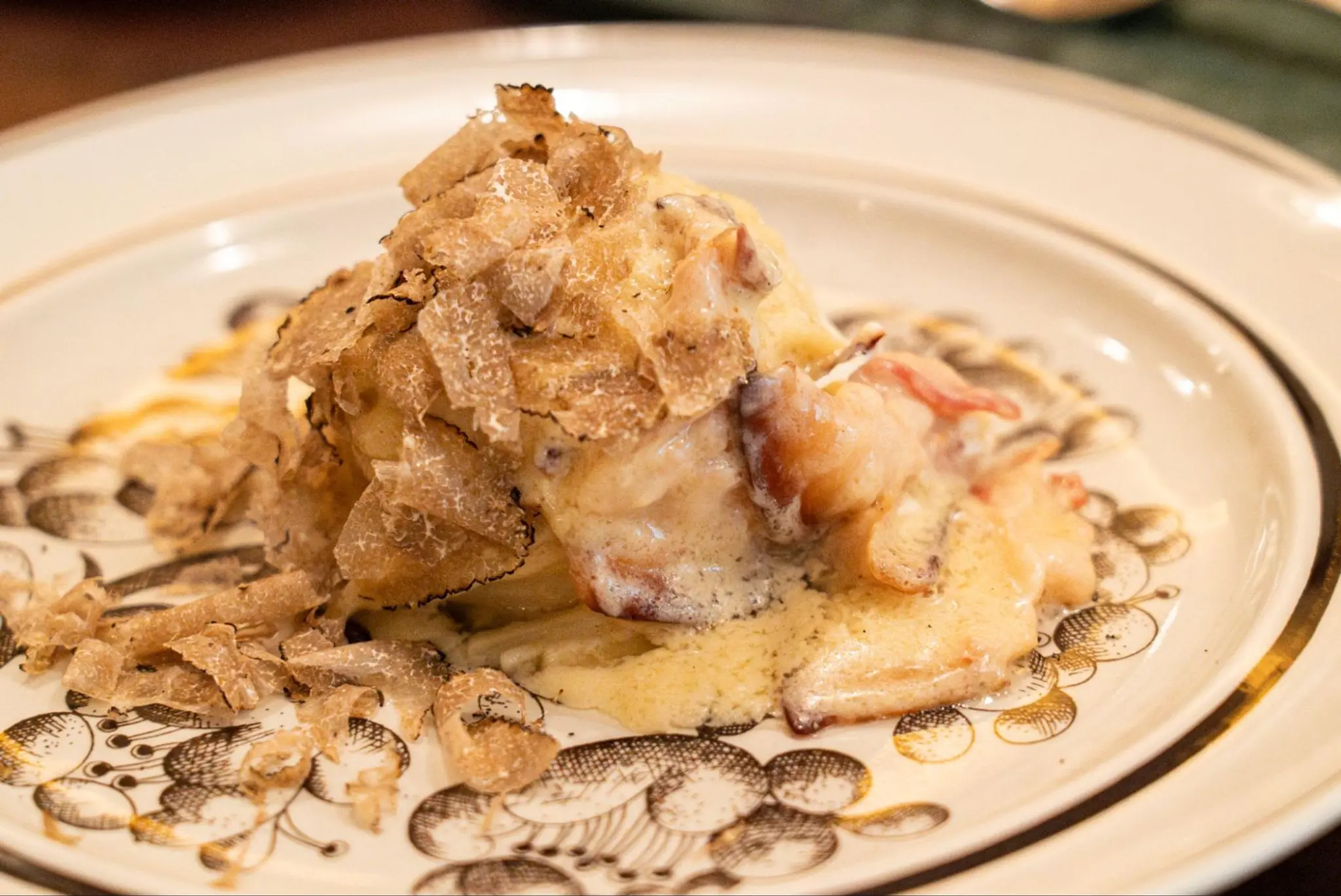
I do believe that certain things, like olive oil and bread, are best left to professionals. However, if something can be made by hand, even without being a specialist, I want to make it myself as much as possible. I’ve already made pancetta before, but I also want to try making prosciutto using pork leg. I’m also thinking about experimenting with making my own mustard sauce soon .Spring roll wrappers aren’t typically used in Italian cuisine, but I had the idea of using them in a way similar to fried pasta. That got me thinking—I should try making those wrappers from scratch as well.
ーーーIt seems that creating dishes from scratch inspires new ideas as well. What are your thoughts on that?
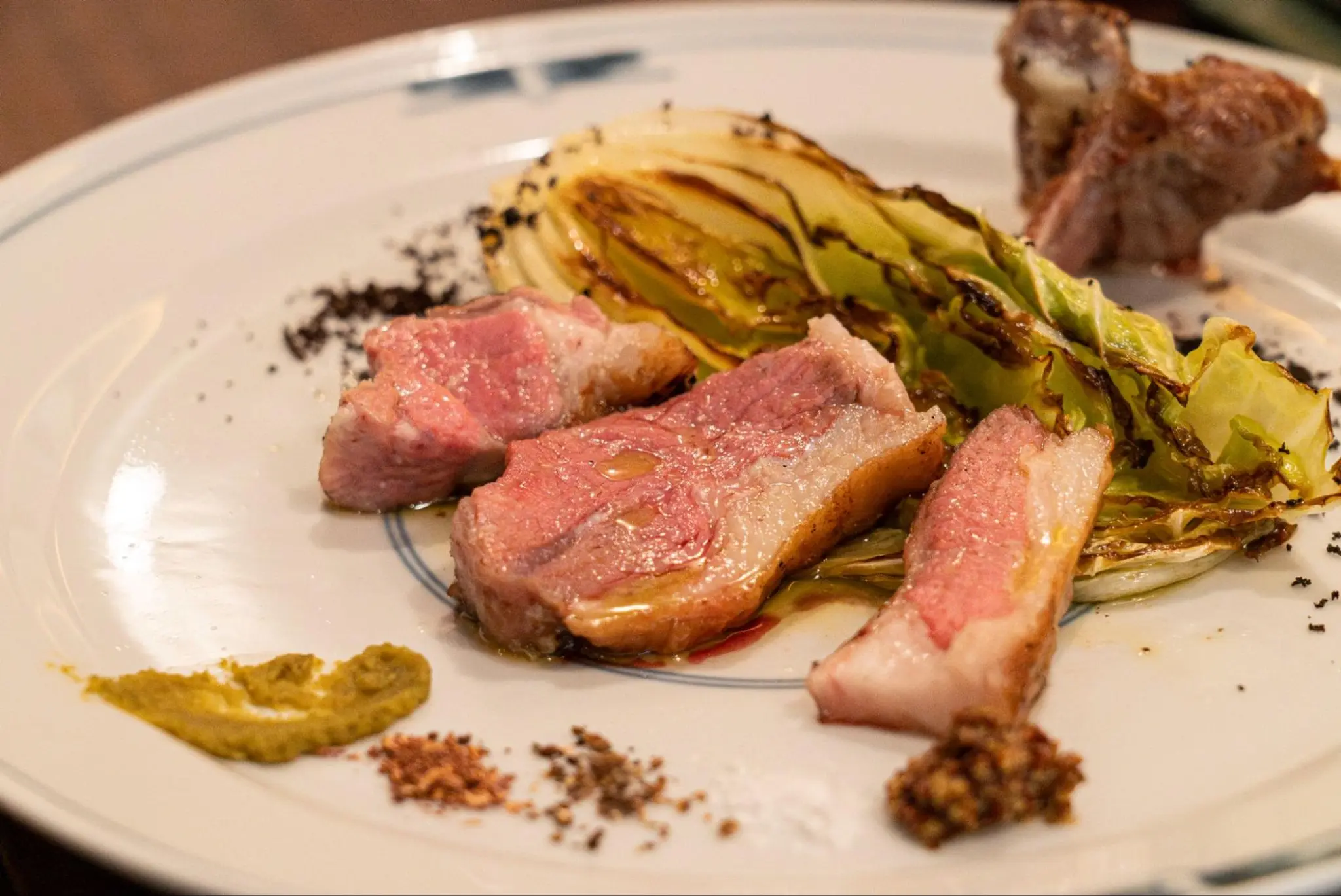
Many chefs purchase fish that has already been cleaned and prepped by fishmongers, but I always handle the process from the very beginning, starting with washing and gutting the fish myself. Interestingly, new dish ideas often come to me while I'm working. For example, the Densuke Anago Zuppa di Pesce that I served as the first course came from a realization I had while filleting the eel—I wondered if cooking it first would allow me to remove the bones more smoothly. Similarly, while thinking about different ways to use ingredients, new dishes naturally emerge. The sudachi-infused pepper that I paired with the lamb main course, for instance, was inspired when a farmer gave me a surplus of sudachi. I thought that if I processed it the way yuzu kosho is made, it might pair well with meat dishes—and that’s how it was born.
Ideas also come to me while preparing meals for the staff. Interestingly, most of our makanai (staff meals) aren’t Italian at all—I often make dishes like matsutake rice, oden, or simmered udon. Although I don’t serve them to guests, I also make things like miso, kimchi, pickles, and umeboshi as a hobby. Working with a variety of ingredients in the kitchen and cooking non-Italian dishes constantly expands my repertoire of ideas. Since I don’t really separate work from my personal interests, my list of things I want to try keeps growing (laughs).
ーーーIs there anything you consciously do to maintain originality in your cooking?
With the rise of social media, it's now easier than ever to see a wide variety of dishes. However, I avoid actively looking for inspiration on social media or in cookbooks because when I see a delicious-looking dish, my ideas can become influenced by it, leading to something that feels unoriginal—like a dish I’ve seen somewhere before. When I was younger, I dined at many restaurants to learn and gain experience. But now, after years in the industry, I believe that thinking for myself is more important. The things I’ve seen in the past often resurface unexpectedly, inspiring new dishes in ways I hadn’t anticipated. That’s why I value firsthand experience—it’s essential for creativity.
Many chefs actively visit producers and farms, and while I do visit to greet and thank those I work with, I don’t make a habit of frequently traveling to production sites. Of course, visiting farms can provide valuable insights, but I feel that if I immerse myself too much in the production side, my cooking might become too influenced by it. I prefer to stay in the kitchen, where I belong as a chef, focusing on how to best utilize the ingredients in front of me while preparing dishes for my guests.
I want to create a space where guests can genuinely enjoy their dining experience, incorporating creativity and innovation along the way
ーーーWhat do you focus on when training and mentoring your staff?
I make a conscious effort to communicate with each staff member in a way that aligns with their individuality, helping them gradually progress step by step. Simply conveying things based on my own standards wouldn’t be meaningful if they don’t yet understand the context. Just as a five-year-old and a middle schooler have different levels of comprehension, I adjust my approach according to each person’s experience and understanding. When I feel they’ve gained enough experience, I start sharing more in-depth insights to help them grow as chefs.
I also emphasize the importance of not blindly accepting information from books or secondhand knowledge. Instead of just accumulating facts from reading or listening to others, I want them to develop their skills and understanding through firsthand experience. There’s a quote from Princess Mononoke where Ashitaka says, "I came here on my own, and I will leave on my own two feet." I believe this sentiment applies to everything in life. I want my staff to take responsibility for their own actions and make conscious choices based on their own experiences.
For example, if I ask a staff member why they performed a certain task in a particular way and they respond with, “Because that’s what was written in a book” or “Because someone told me to,” I make sure to tell them, “That’s not enough.” This is my restaurant, so I expect them to prepare dishes according to my vision. However, I don’t want them to just follow instructions mechanically—I want them to constantly think, “If it were up to me, how would I do it?” By engaging with their work on a personal level, feeling and thinking for themselves, they truly internalize their skills. This approach not only helps them improve but also fosters their growth as chefs.
ーーーWhat are your future plans and aspirations?
With the rising cost of ingredients, we inevitably have to adjust our pricing, but I still want to reach a broader audience and share my cuisine with more people. I previously published a cookbook, "Piacere – Enjoying Kyoto Italian Cuisine at Home," and I also hold cooking classes every three to four months. I genuinely enjoy teaching and sharing the art of cooking. My goal is not only to serve high-end dishes at the restaurant but also to create more approachable recipes that people can enjoy in their daily lives. If I can bring my food closer to a wider range of people, that would truly make me happy.
ーーーFinally, what does "delicious" mean to you, Mr. Hayakawa?
For me, “delicious” means “fun.”As a chef with years of experience, and as someone who serves food in a professional setting where guests pay for their meals, delivering delicious dishes is something that should come naturally—it’s a given. However, when it comes to truly delighting guests, I believe that food itself only accounts for about 30 to 60% of the overall experience. To make guests feel that their visit was “delicious” in every sense, the key elements are making them happy and ensuring they have an enjoyable time. In fact, when looking at the bigger picture, service might even be more important than the food itself.
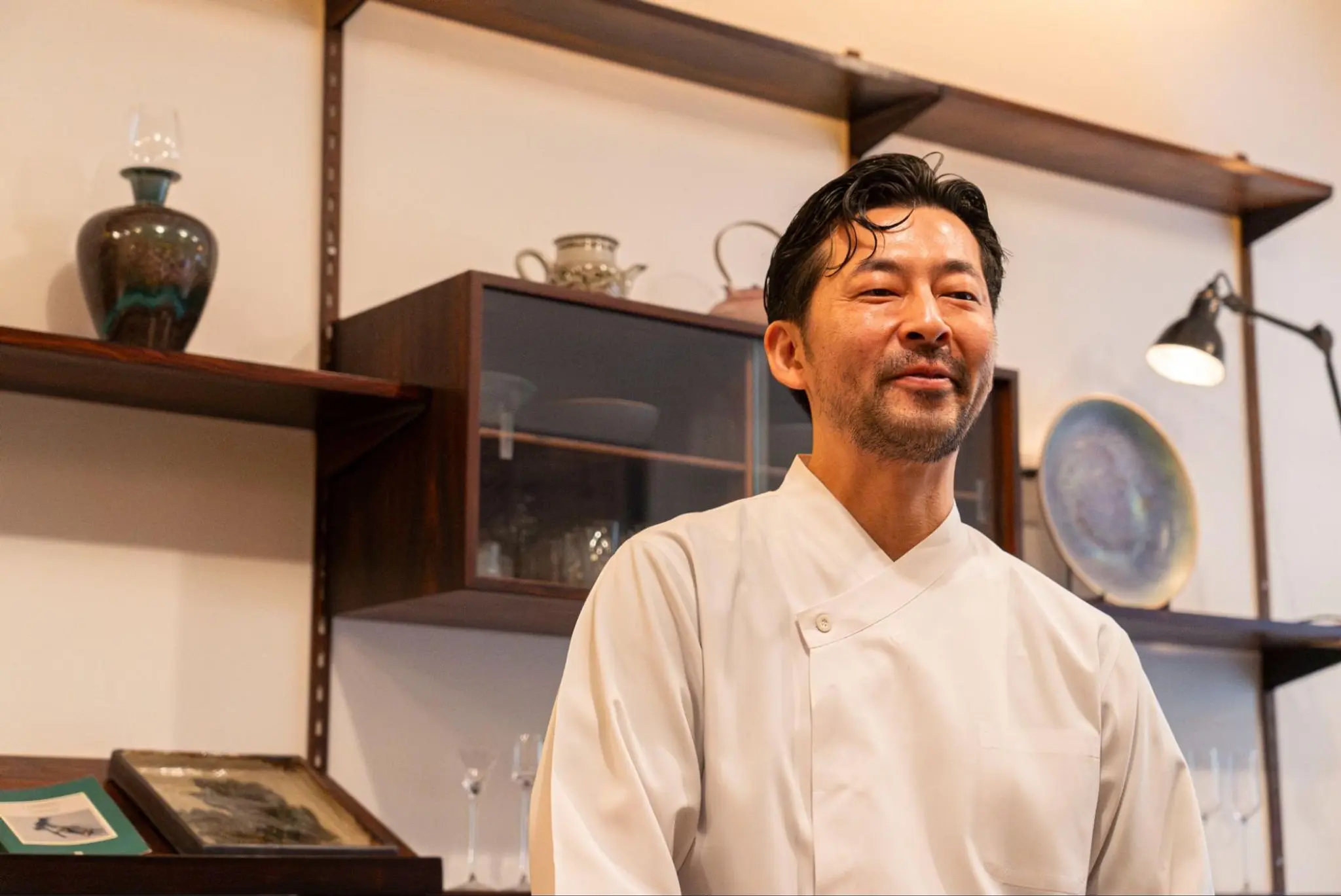
My mentor, Chef Sasajima, taught me that “cooking is meant to bring joy to the customer.” Because of this, I firmly believe that food should not be treated as an art form. There are times when artistic dishes receive high praise, but in the end, what we create is meant to be eaten by the guests in front of us. That’s why I have made the decision not to approach my cooking as if it were a work of art. Instead, my goal is to create dishes that truly connect with each guest, offering a dining experience that is personal and meaningful.
If a guest comes seeking delicious food, I will do everything in my power to meet their expectations. At the same time, I also strive to create dishes that can bring joy even to those who may not have a strong interest in food. For guests visiting for business meetings or formal occasions, I ensure that the dining experience remains seamless and unobtrusive. My approach is always centered on understanding what the diner wants and providing that experience. When I dine out myself, of course, I appreciate great food, but what truly leaves an impression is when I can genuinely enjoy the meal—whether it's the act of eating itself or the time spent with the people I'm with. That’s why I believe “delicious” ultimately means “fun.”
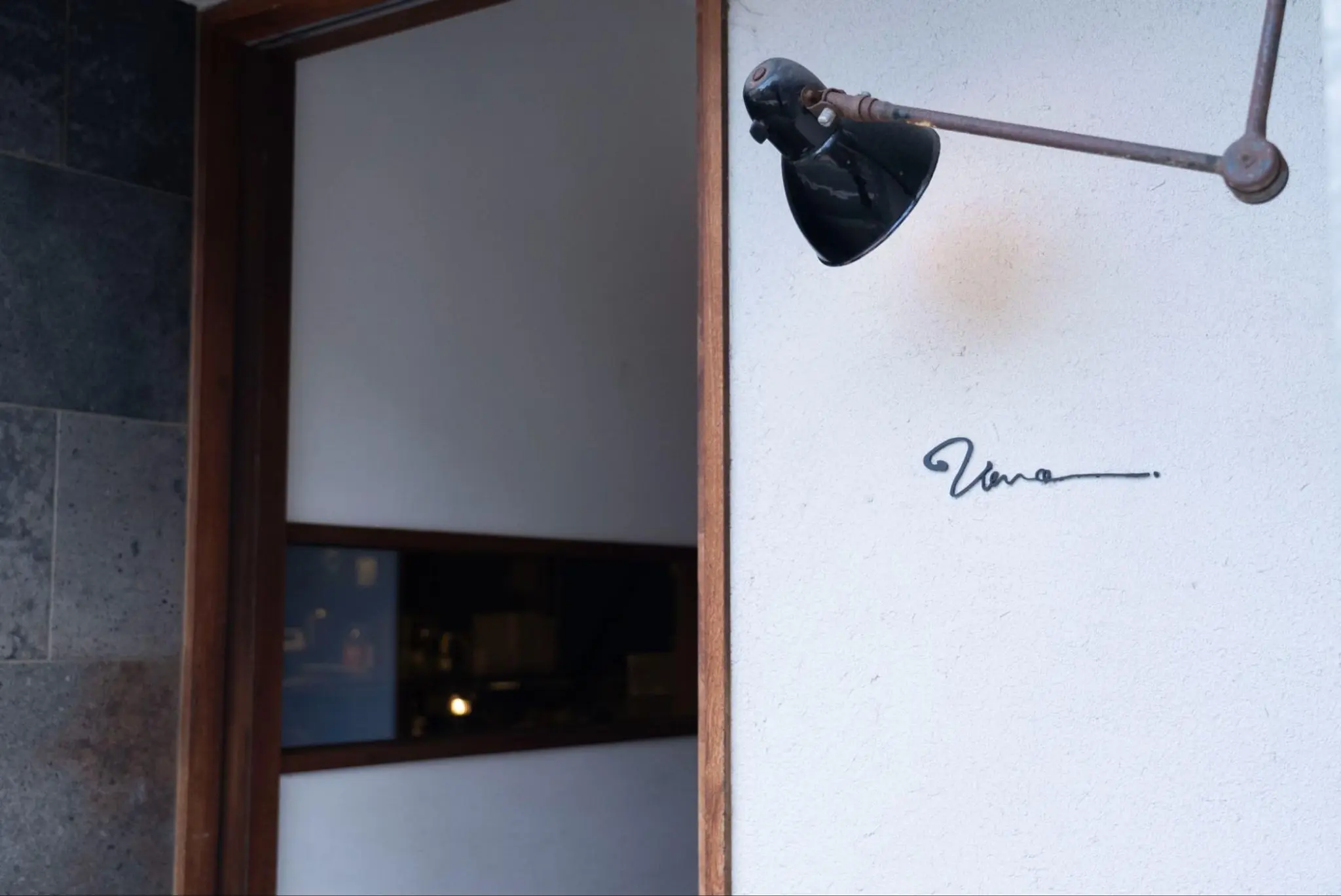
On the second floor, the private rooms are decorated with shoji screens and hanging scrolls, beautifully blending the charm of Kyoto with vintage Nordic furniture, creating a high-quality space. The wine selection, which is said to include over 1,000 bottles, features a wide range of vintage wines, including those from the 1960s, showcasing the refined taste of sommelier Mr. Ikemoto. The name of the restaurant, inspired by the word "Vena" meaning "vein," also evokes a sense of connection between people, reflecting the shared commitment of Mr. Hayakawa and Mr. Ikemoto to their customers. We hope you can spend precious, irreplaceable time with someone special at 【Vena】.
Interview & Writing / Yuka Sada
Photography / Azusa Nakaoka
Restaurant Information
- AutoReserve Magazine
- Restaurants recommended by top chefs
- Authentic Italian Cuisine at 【Vena】—A Chef Overflowing with Creativity and Passion for Cooking, Bringing Smiles to Guests