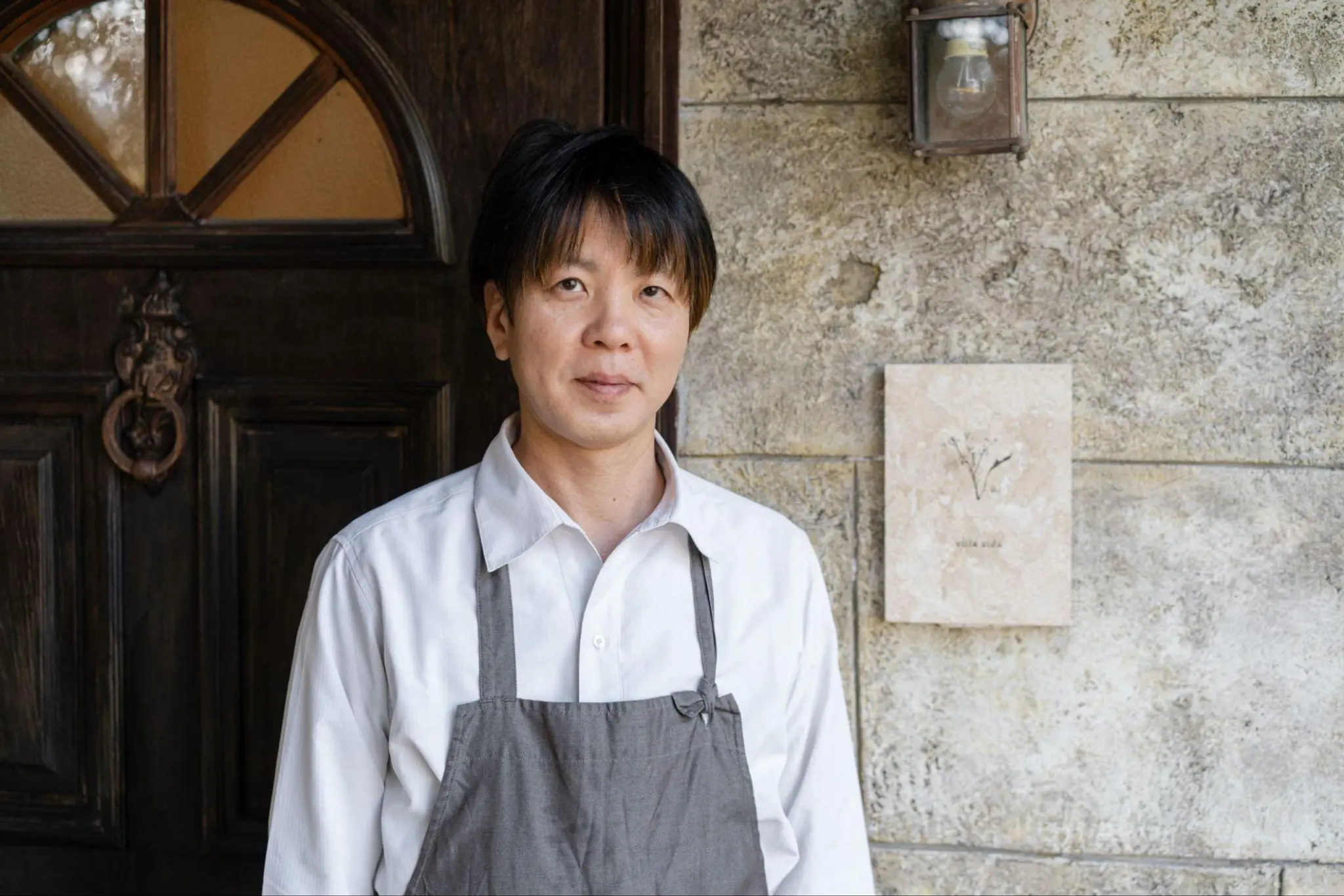
The story of flavor born from homegrown vegetables! 【villa aida】 Chef Kanji Kobayashi's vision of true deliciousness
The Joy of Owning My Own Restaurant and the Determination as a Chef
ーーーCould you tell us what inspired you to become a chef?
I’ve always enjoyed creating things since I was a child. It wasn’t limited to cooking—I loved DIY projects and even made sweets when I was little. I’d break apart bicycles and radios, cut paper with scissors to do crafts—I enjoyed all kinds of things. My mother attended a cooking class, so I’d imitate her by making cookies and bread. Even if the taste turned out fine, I wasn’t satisfied with how they looked, and I would often throw them away, saying, “I don’t like it, it’s a failure.” I guess I was frustrated that it didn’t turn out how I envisioned. I think even back then, I was starting to realize that I had a unique sensitivity, especially from an artistic point of view, that was different from those around me.
ーーーWas there a particular moment when you decided to pursue a career in cooking?
It’s not like I always knew I wanted to become a chef. In fact, even though I was the eldest son of a farming family, I didn’t like farming at all. When I was entering high school, I actually wanted to become a company employee or a banker. After starting high school, I didn’t join any school clubs and spent most of my time working part-time jobs. I was constantly making cakes and bread at a family restaurant.
When I built this restaurant, that’s when I thought, “This is what I’m going to do, and I have to make it work.” I was 25 years old and had taken on a debt of 100 million yen, so I had no choice but to pay it back. But I wasn’t particularly worried—I figured that if I just opened the restaurant, it would somehow work out. At that time, I was simply happy to have my own place and enjoyed the freedom to do things my way.
The Fascinating World of Italian Cuisine Sparked by Tiramisu
ーーーWhat kind of experience did you gain before opening your restaurant?
When I was considering my path after graduating from high school, my father opposed the idea of me making sweets, saying that was something for girls. But I had always loved cooking, so I went on to culinary school. After graduating, I worked in Osaka for two years. At the time, Japan was experiencing its first Italian cuisine boom, and tiramisu was all the rage. That trend drew me to Italian cuisine. French and Chinese cuisine didn’t quite suit my tastes back then, and I found the world of Japanese cuisine too strict. So I thought Italian cuisine might be the right path for me. In hindsight, I believe it was the right decision.
Before opening my restaurant, I went to Italy and worked at Michelin-starred Italian restaurants. Initially, I worked without pay, living on-site with accommodation and meals provided, which ensured my basic living needs were met. Over the next four years, I traveled across various regions of Italy, eager to learn about different chefs' philosophies and the regional differences in ingredients. I trained at about six restaurants. I began my training in the north, and when I moved to the south, I discovered that there was a strong tradition of using only local ingredients, deliberately avoiding the high-quality products from the north, even if they were available.
ーーーCan you tell us the reason behind deciding to only accept one reservation per day?
By the time we reached our 20th anniversary, I had tried everything. I worked on recipe development, pricing, and made changes to the interior, among other things, but the business wasn’t going well, and I felt like I had reached my limit. There was a time when I seriously considered quitting, but my chef friends persuaded me to keep going for a little longer, so I decided to continue. As a result, I switched to a reservation-only, one group per day, private dining style. This change allowed me to focus on what I truly wanted to do, and the environment I needed to do so was finally in place. Gradually, customers started coming back, and the number of return visitors increased. Additionally, by running the business on my own, my expenses have drastically decreased, and now I’m in a self-sustaining situation.
Sometimes, the real opportunity lies just beyond when you think you’ve reached your limit. That last effort can sometimes be the one that leads to success. Through this experience, I’ve been able to solidify my ideal direction and feel a sense of new possibilities ahead.
Inspiration from Homegrown Ingredients
ーーーWhere do you get ideas and inspiration for your dishes?
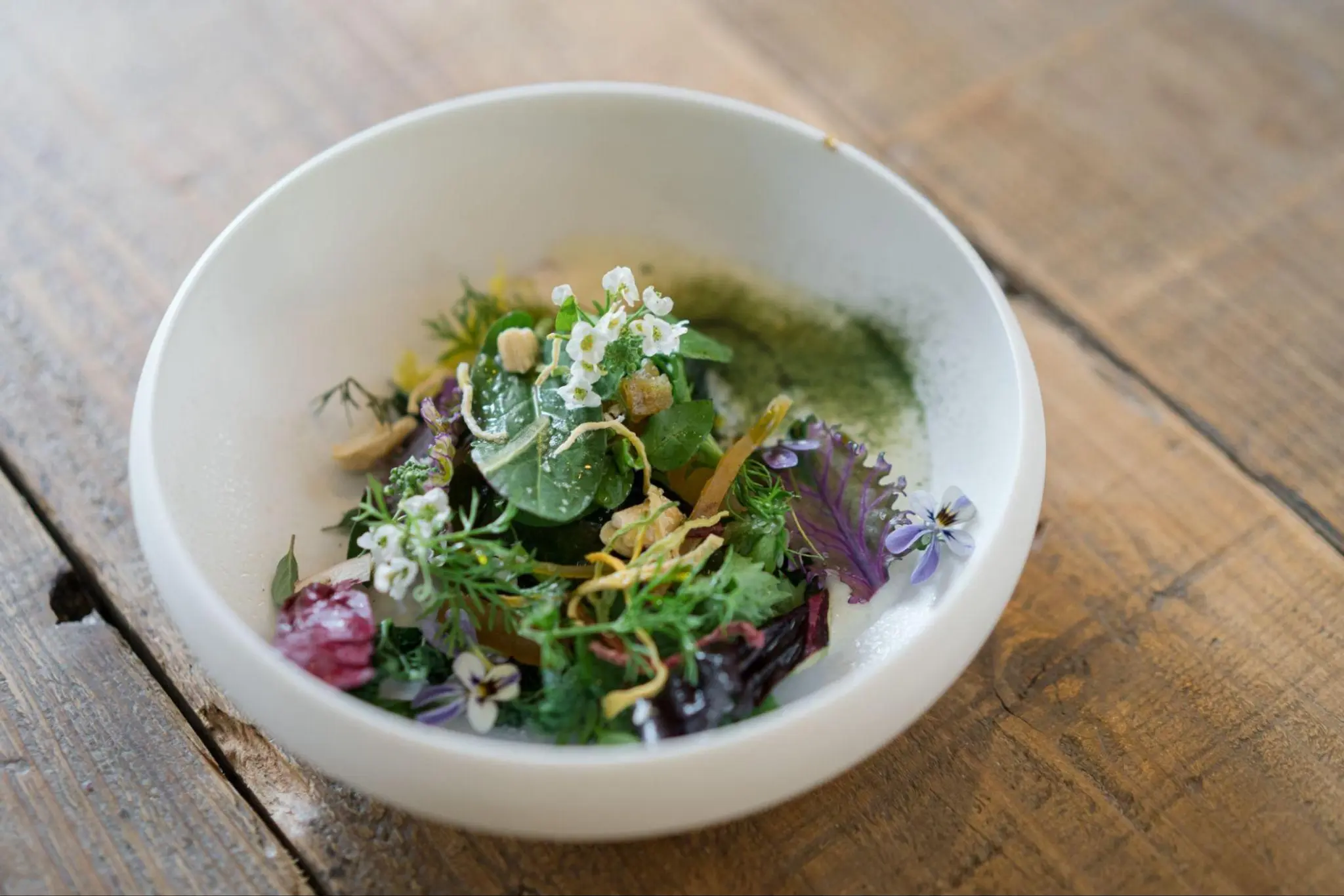
I draw inspiration from the ingredients in my garden. I keep a general idea of what ingredients are available and think about how to combine them. The base is Italian cuisine, but I also incorporate techniques from French, Japanese, and Chinese cuisines, referencing books I've studied on my own. I aim to create unique combinations and techniques that no one else is using, offering dishes that reflect the land of Wakayama and Japanese culture. I adjust the flavors based on the weather and season, adding more robust flavors in winter or a bit of bitterness in spring, always keeping in mind the seasonal feel of the dish.
I also adjust the dishes based on the frequency of visits and the preferences of my customers. Some customers prefer classic dishes, while others enjoy dishes with creative twists, and for those who have an adventurous spirit, I aim to meet their expectations. Customers come to our restaurant with high hopes, so I do feel that pressure. Sometimes, inspiration for a dish comes suddenly, and other times, I spend a lot of time thinking about it the day before, give up, and then the next morning, it suddenly clicks. The vegetables I can harvest and the ingredients I purchase don’t drastically change, so I experiment while keeping an eye on the situation. For a while, I’ll stick to the current pattern as a base and make daily adjustments—it's a process like that.
The Appeal of Vegetables with Deep Flavors Born from Natural Growth
ーーーWhy did you choose to make vegetables the main focus of your dishes?
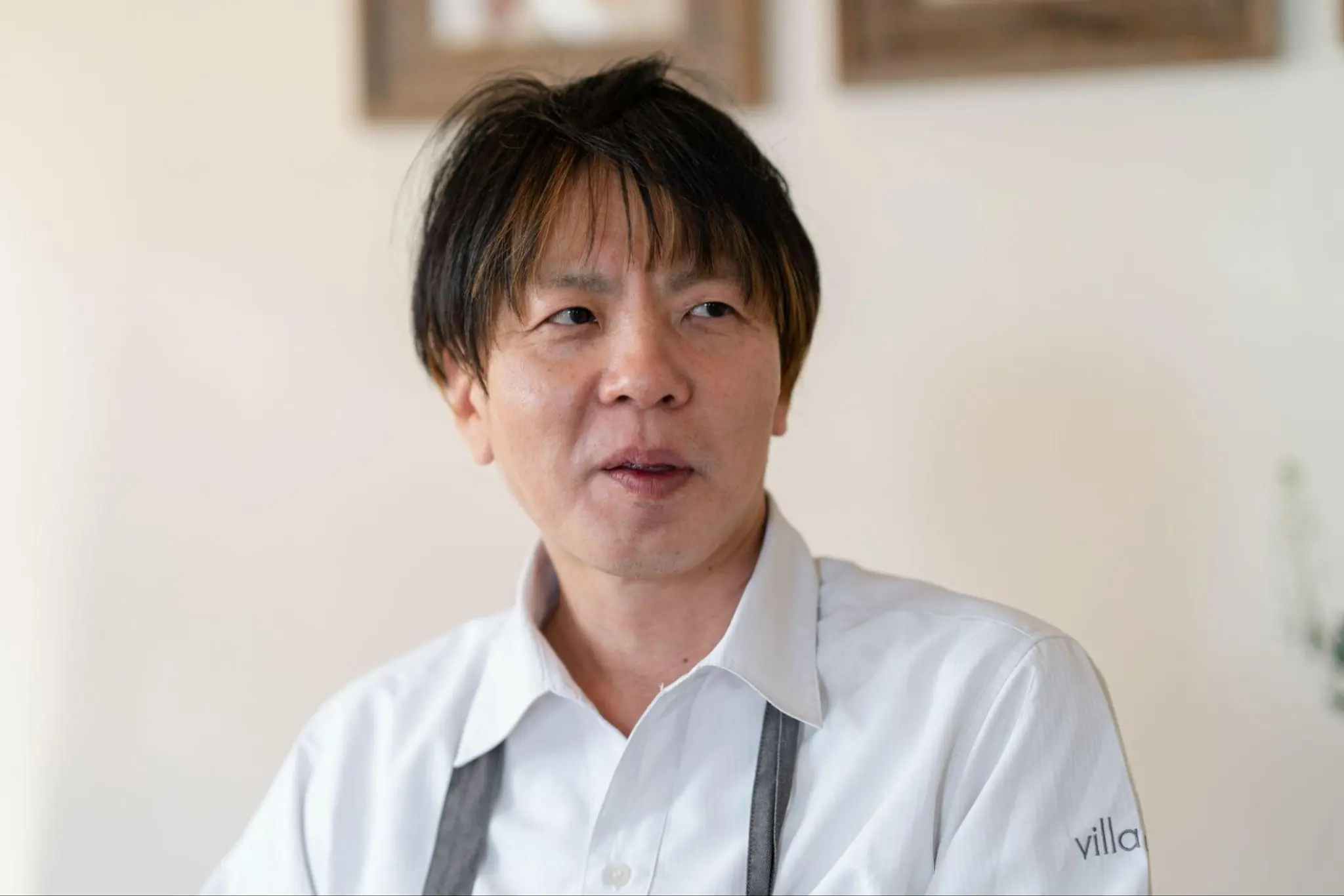
When I started this job, I became proud of being the eldest son of a farmer, and I realized I wanted to create "dishes that can only be made here." In the early days of the restaurant, I used imported ingredients in my cooking, but I realized that would result in dishes that could be found anywhere. I understood that I needed to offer something unique, which led me to gradually focus on vegetables.
ーーーCould you tell us about your commitment to growing vegetables and the appeal of homegrown produce?
I don’t have many strict rules, but I grow a variety of vegetables in small quantities, much like a home garden. I look at the seeds and think, "This looks interesting," and then try to grow various things. I plant vegetables like radishes, cabbage, carrots, and others that catch my attention at the time. I also grow some fruits like figs, mandarins, hassaku oranges, blueberries, limes, and sudachi (a type of citrus), all in small amounts.
I use the minimum amount of fertilizer and don’t put too much effort into growing them, so some of the vegetables may remain small. But to me, this is the natural way, and I believe it brings out their "true flavor." Hard vegetables stay hard, and bitter ones retain their bitterness, which actually makes them easier to use in cooking. Because I grow them myself, I get to experience how their taste changes with the growing process and the seasons. This daily experience makes me think about how to cook with these vegetables.
ーーーAre there any challenges you face with homegrown produce?
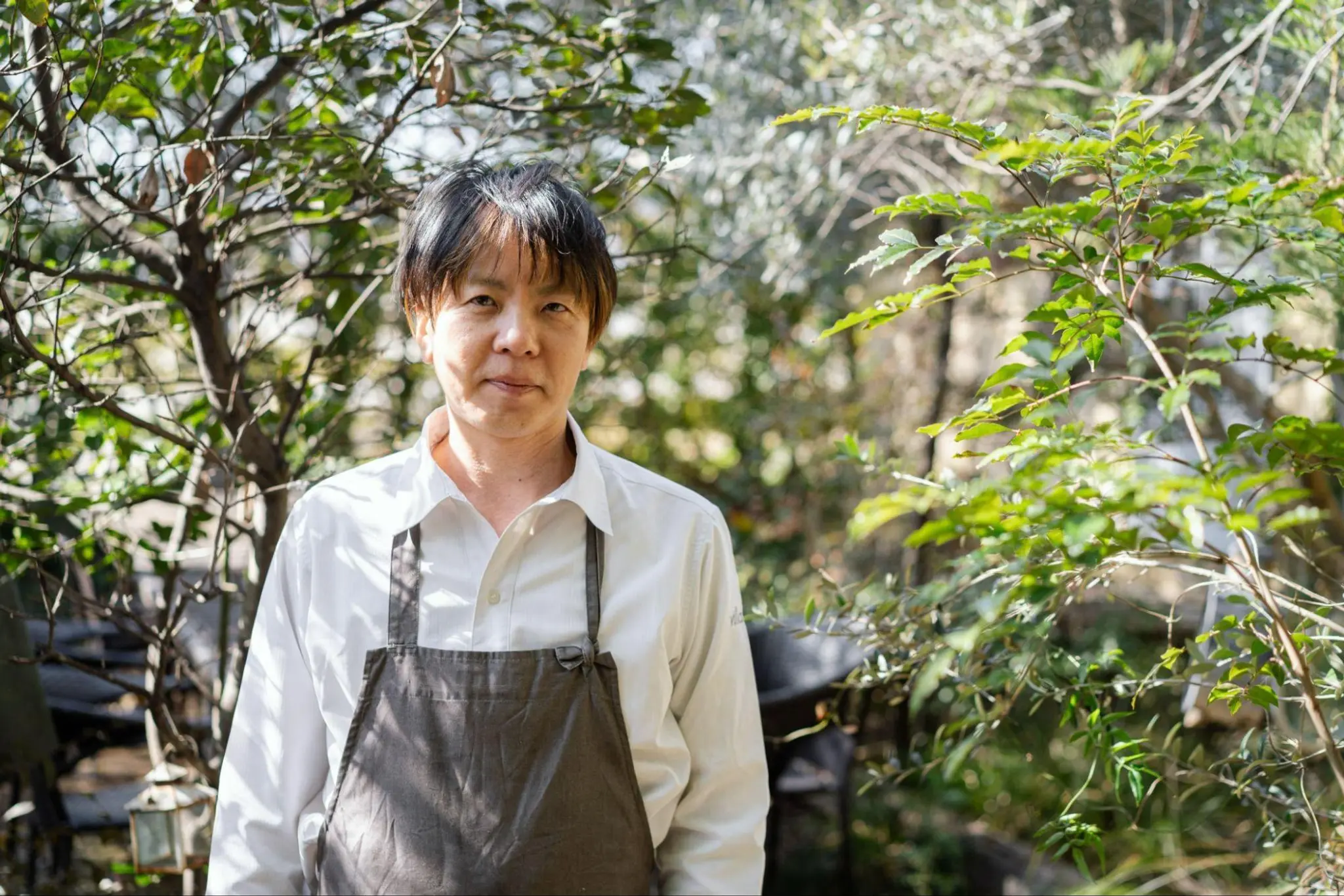
Of course, there are differences between last year and this year, and the risks associated with the weather are significant. Sometimes, crops may spoil before harvest. For example, even if things went well last year, this year we’ve had more rain, which delayed planting, and pests have eaten the plants, preventing them from sprouting. Because the vegetables are grown with so much effort, I really want to offer "delicious" produce to my customers.
The Flavor That Expands with Every Bite — Enjoying True Deliciousness
ーーーWhat do you consider most important when preparing your dishes?
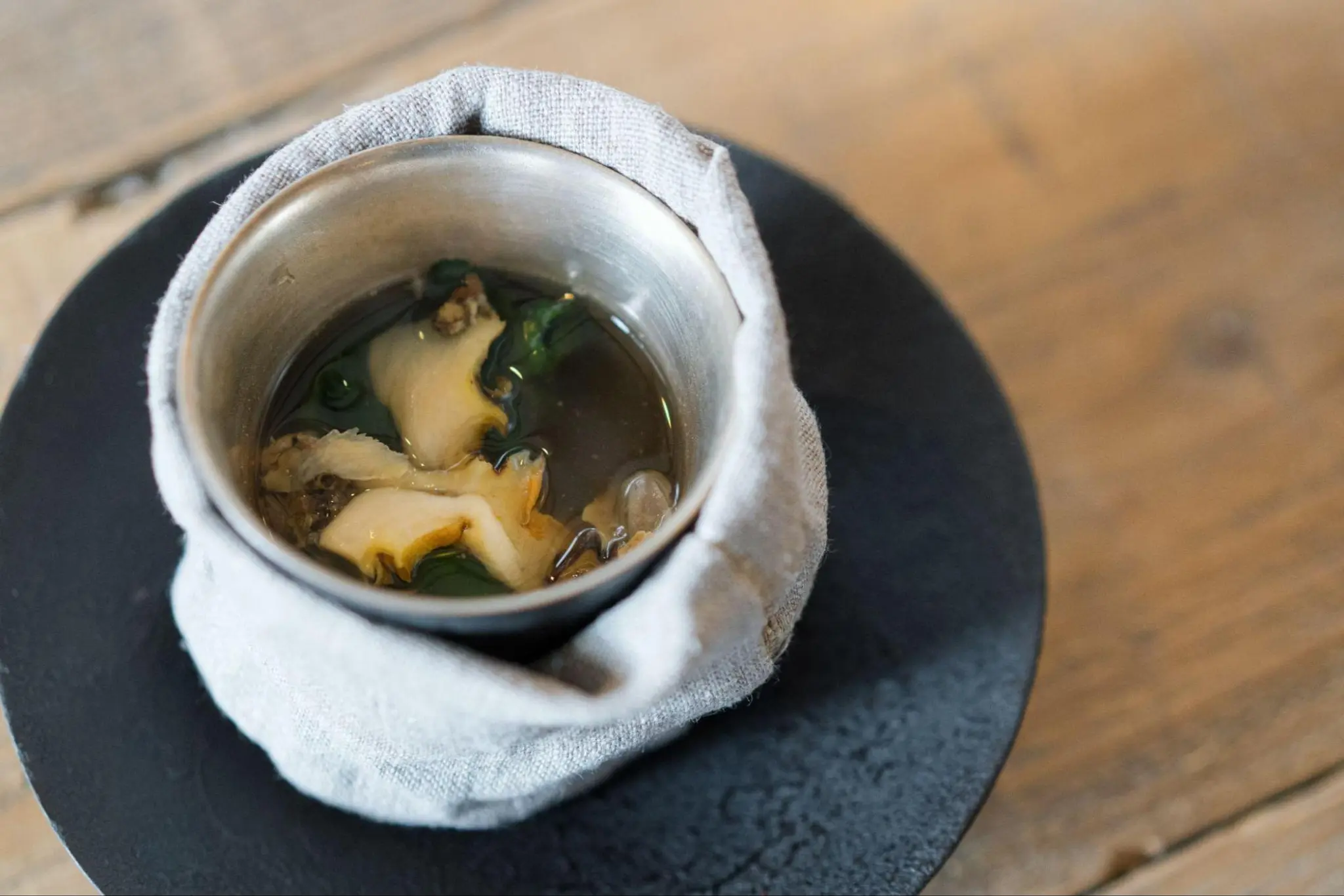
What I value most is "deliciousness." I understand the importance of a chef's philosophy and sustainability. However, with that being said, if the most important aspect, which is deliciousness, is ignored, then I believe that’s not right. If a dish doesn’t taste good, no matter how much fermentation is involved or how much curiosity a chef has in creating something unconventional, it ultimately becomes something inedible. I believe there’s a personal preference in the dishes I create, but what’s most important is that I, myself, find it delicious.
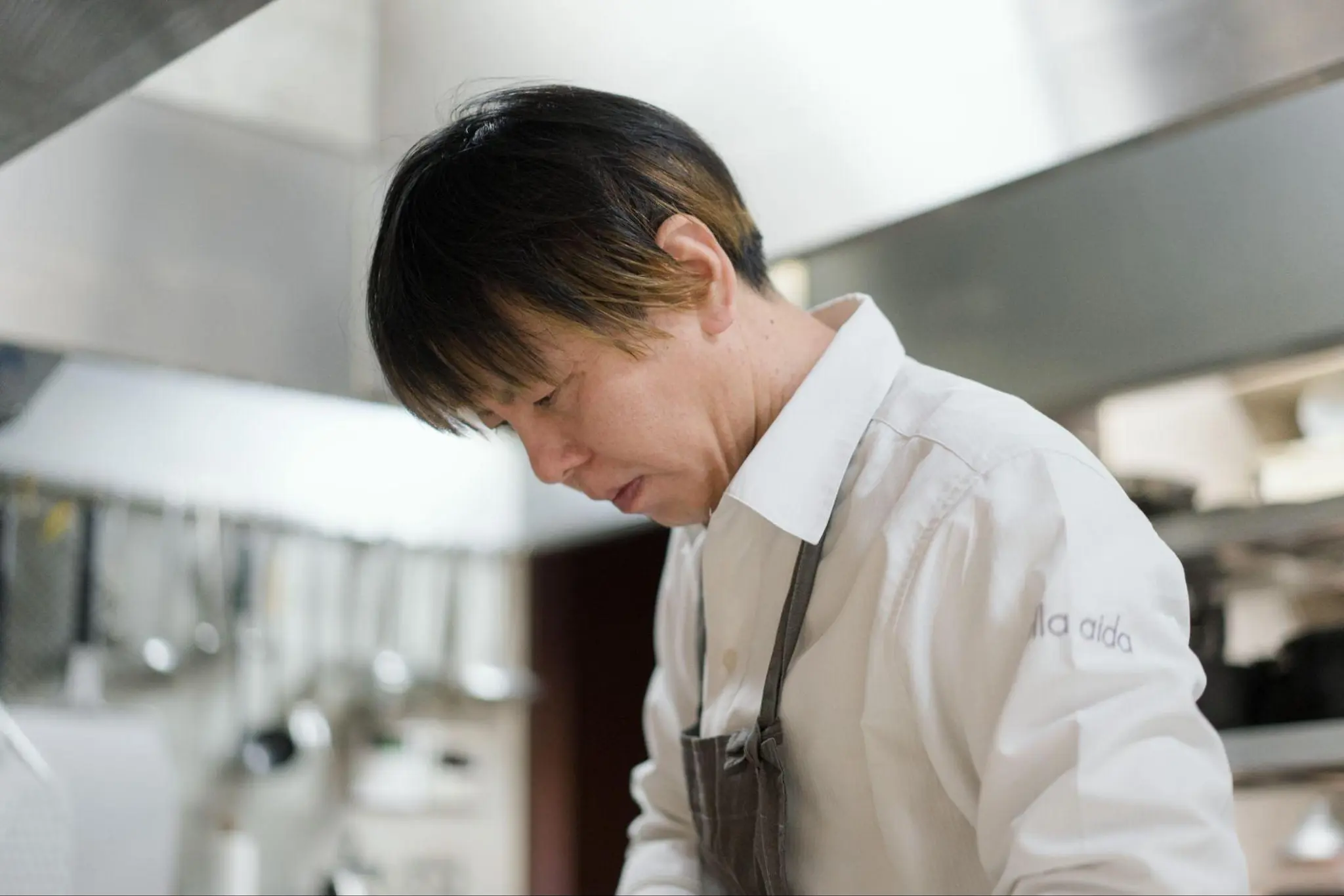
It’s not good to be too ordinary, nor is it good to go overboard. Personally, I especially enjoy "chewable dishes." I believe that chewing properly is important in order to truly taste the flavors. I’m not a fan of dishes that don’t require much chewing or focus too much on texture. The temperature of the dish is also crucial. If I focus too much on the presentation and the dish ends up cold, no matter how delicious it tastes, it can still feel like "it’s cold." I believe that "the food I make is the most delicious." I want my customers to taste dishes that I confidently believe are delicious.
I don’t think "just normal good food" is enough to satisfy my customers. I want them to feel that the dish is thoughtful, meaning, "This is the chef’s style." Even with something as simple as a salad, I make it warm or add spices. By doing this, I believe my personality comes through in the dishes, and I would be happy if my customers thought, "I’m glad I came here."
ーーーIs it still exciting to hear the word "delicious" directly from your customers?
That kind of feedback is a great source of motivation when preparing dishes, and I’m always happy to hear, "This was delicious." When I get feedback, I can feel, "This is good, it suits their taste," and it boosts my spirits as a chef. On the other hand, when customers eat in silence, it makes me feel uneasy. It’s fine if they tell me that something isn’t good.
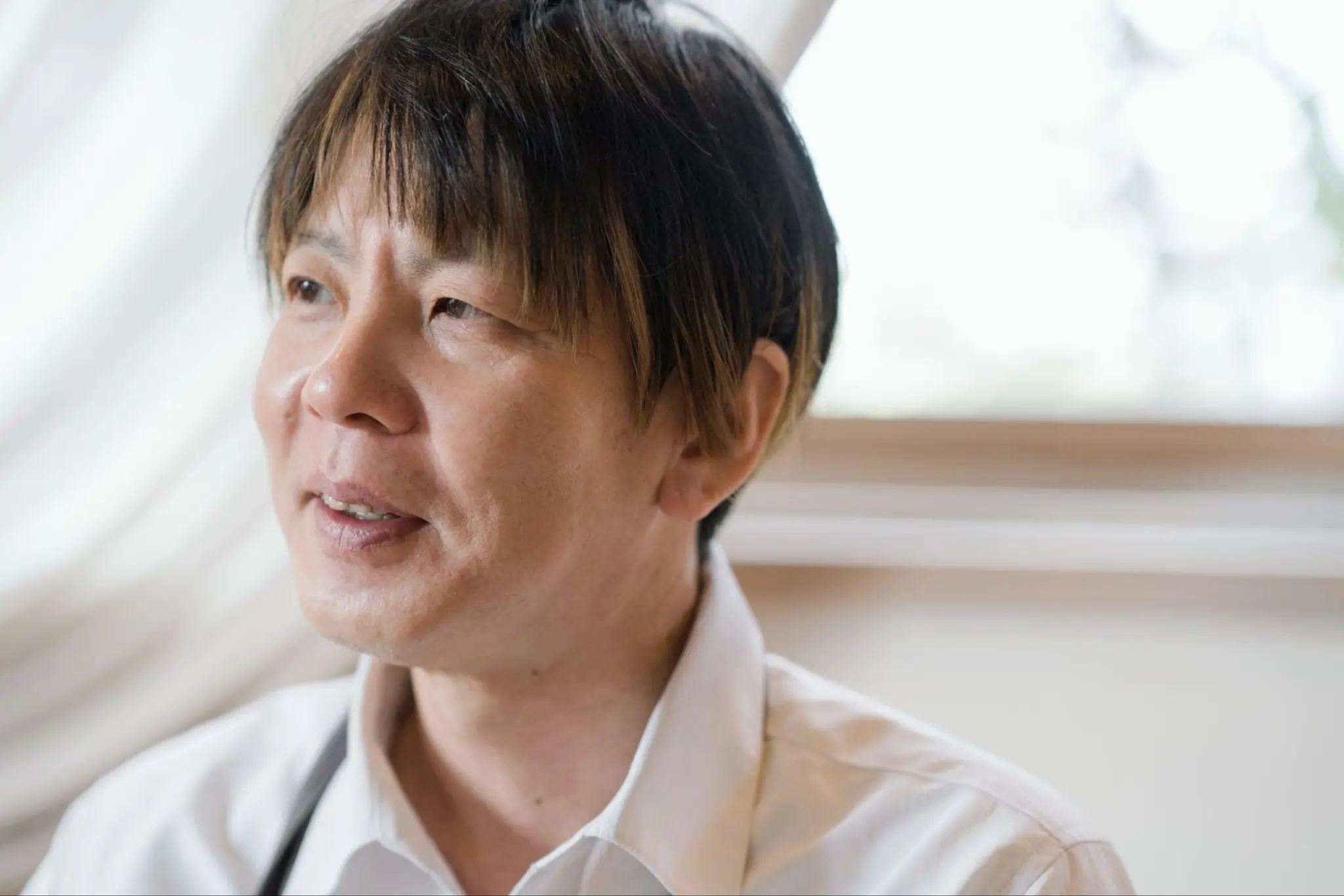
Connecting People Through Food – The Heartfelt Exchange Created by Cooking
ーーーWhat are your future aspirations or challenges you'd like to take on?
I’m good at and absolutely love connecting people through food, so I want to continue doing that. Depending on the reservation situation, there are days when we welcome two chefs from Tokyo, two local farmers, and two general customers, for a total of six people. The seating arrangement sometimes pairs two completely different people together. Everyone comes to our restaurant with the shared desire to visit【villa aida】, and from there, conversations start and connections are made. After the meal, I sometimes sit down and drink with the guests. The style of the chef making the dishes while enjoying conversation together is likely a special experience unique to our restaurant in Japan, and I would be happy if new connections between people were born from our restaurant.
I’m also invited to events in other prefectures where I connect local chefs, producers, and customers. After the event, we often have a debriefing or celebration, and I tend to discuss future plans while cooking. Since I travel abroad frequently, I believe I can propose ideas based on the information I gather overseas and help make someone’s ideas a reality. In rural areas, there is often a demand for dishes that utilize local ingredients, so I want to share the information and ideas I’ve gathered through media and contribute to regional revitalization.
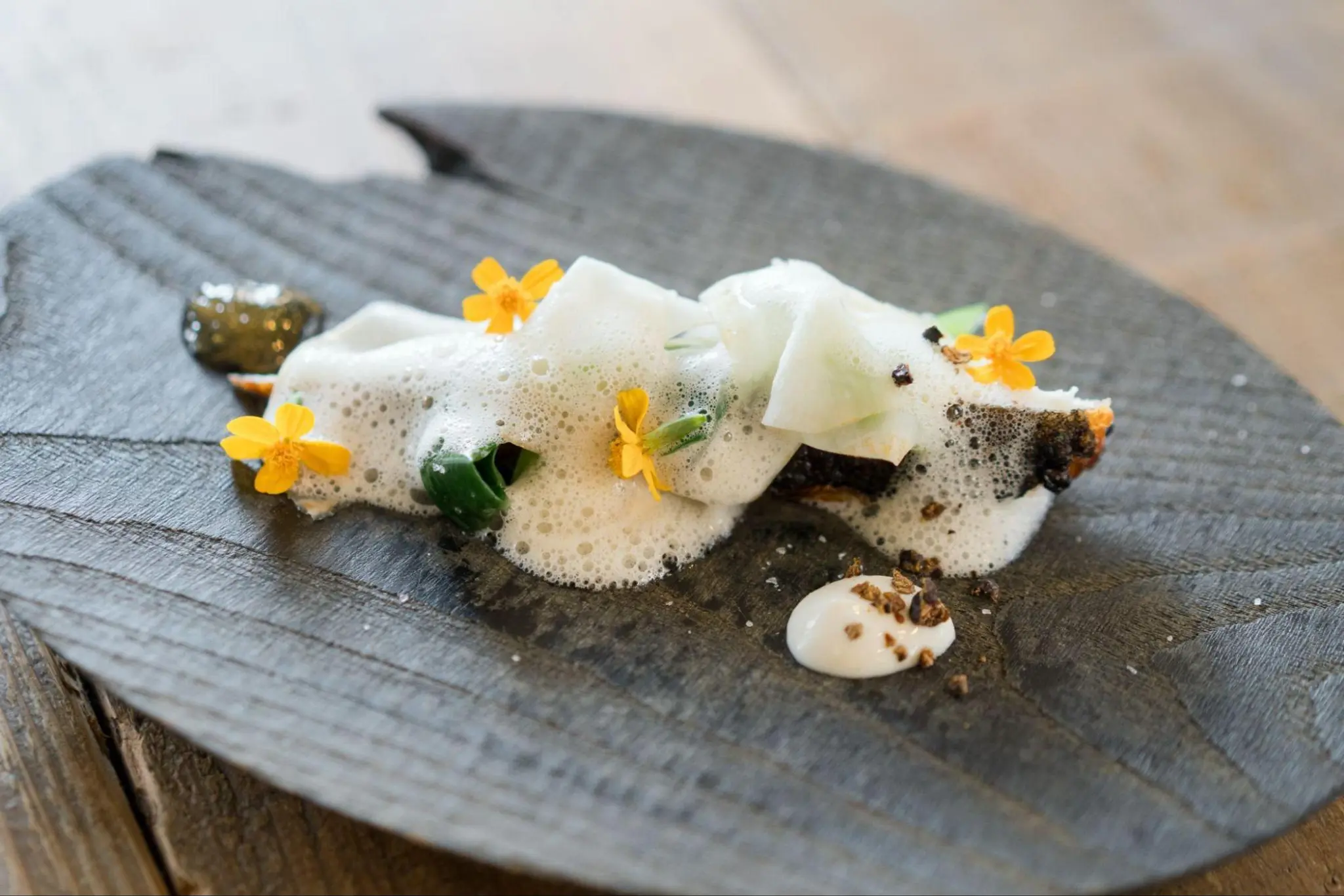
The Truth of "Deliciousness" – The Health and Comfort That Food Desired by the Body Brings
ーーーFinally, Chef Kobayashi, what does "delicious" mean to you?
"Delicious" means that it’s good for your body. It’s important to feel what your body craves. For example, when it’s cold, you might crave a warm daikon radish, rather than a cold tomato and eggplant salad, right? There’s food that fits the season and environment. To live comfortably, it’s essential to eat what your body desires. When you think more deeply about it, the food your body craves will naturally make both your body and heart respond. I once had a meal based on the concept of "food as medicine," and I felt a deep, comforting sensation in my body. When I eat things like herbal soups, I realize they are right for me. Being able to eat what I truly want at that moment is real deliciousness, and being able to eat what you desire when you want it is what I think "delicious" really means.
Moving forward, I want to continue making dishes that I confidently think are "delicious" and keep offering true deliciousness to my customers in this place.
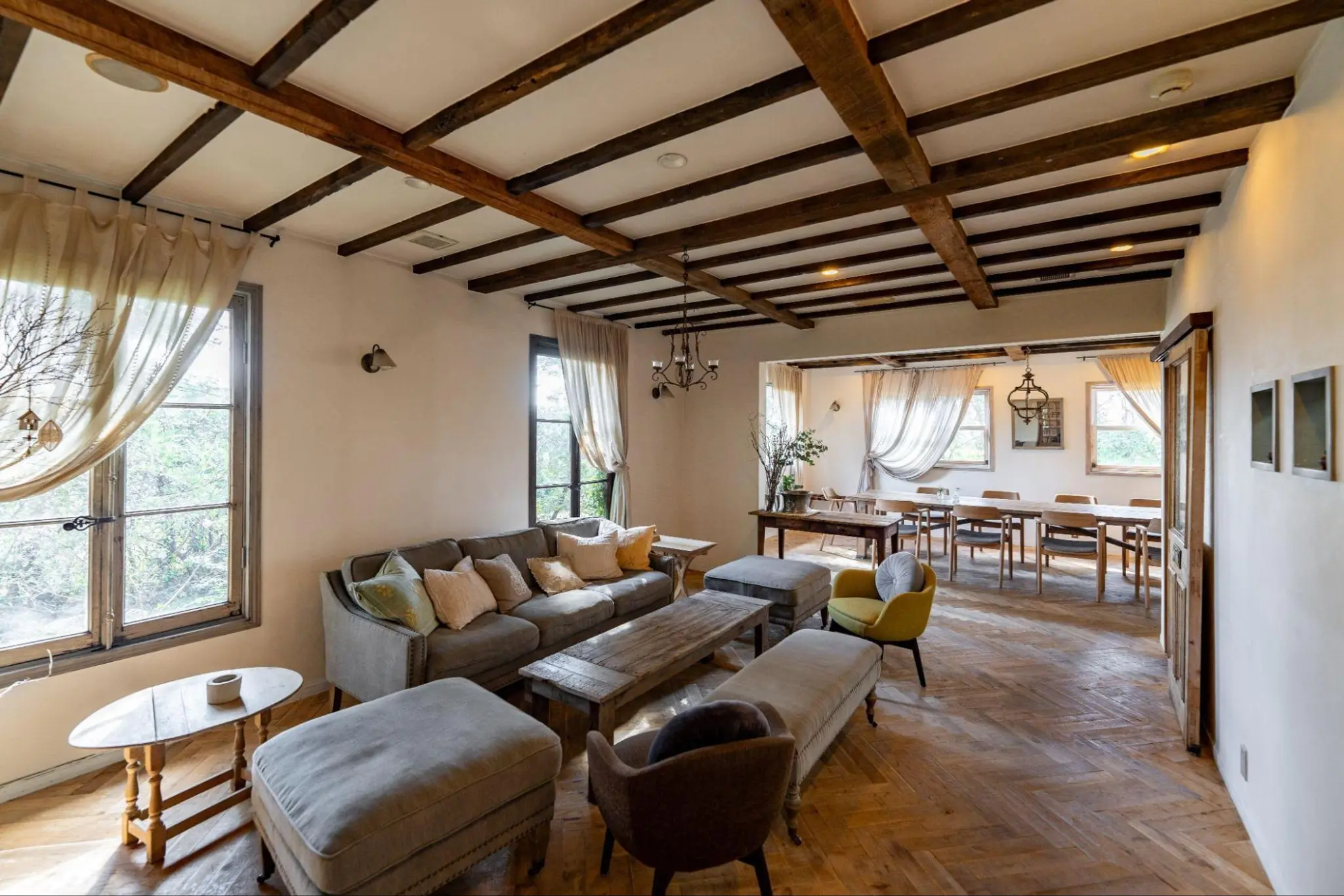
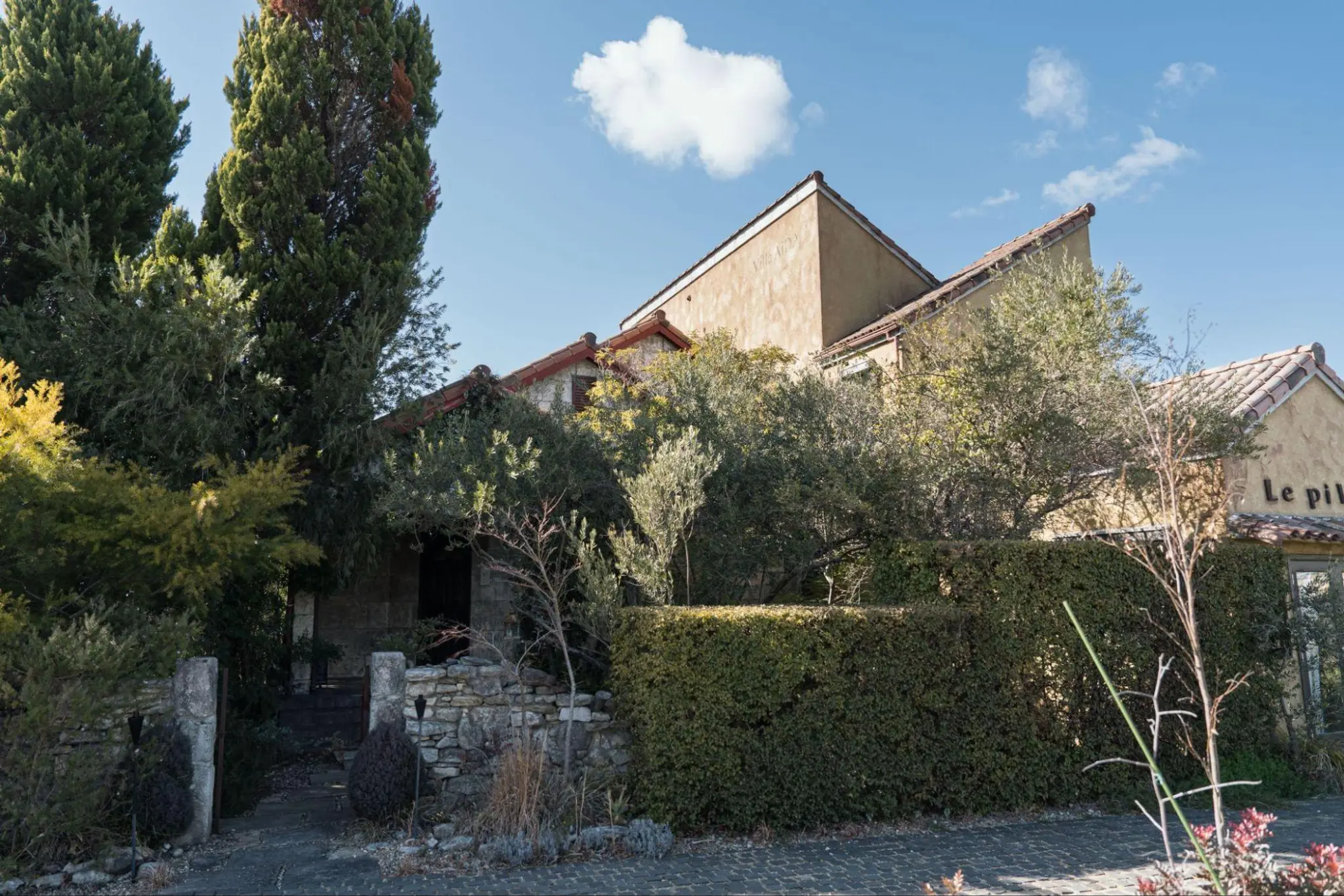
Surrounded by the vast nature of Wakayama Prefecture, the restaurant, located in the heart of a field, reveals a calm and serene space enveloped in silence as soon as you open the door. It’s not just about enjoying the food; through Chef Kobayashi’s thoughtful words, carefully chosen one by one, I now understand why so many people’s hearts are moved and captivated by his personality. The connection between people, warm hospitality, harmony with nature, and delicious food all come together to create the essence of 【villa aida】. I hope you experience this one-of-a-kind moment, where both your heart and body are fulfilled, at 【villa aida】.
Interview & Text / Food Analyst Ai (Maiko Tanahashi)
Photography / Masato Suzuki
Restaurant Information
- AutoReserve Magazine
- Japan’s world-renowned flagship restaurant
- The story of flavor born from homegrown vegetables! 【villa aida】 Chef Kanji Kobayashi's vision of true deliciousness