Going Solo to France. Enchanted by Basque Cuisine, Embracing the Path of Spanish Cooking
ーーーWhat inspired you to pursue a career in cooking?
My family ran a fish shop, so I naturally grew up around food and began considering a path in the culinary world from a young age. When I decided to become a chef, I set my sights on learning French cuisine and moved to France at the age of 21 to fulfill that dream.
ーーーHow did your family react when you made the decision to go to France on your own?
My parents were surprised, but they seemed to understand since I had been attending a language school on my own, paying for it with my earnings to learn French. At that time, it was my first time flying on an airplane or even leaving Japan. I remember trying to pay for the water served on the plane—[laughs]—I was completely fearless but also clueless about many things back then.
ーーー I see you gained experience in multiple places after moving to France?
I trained at three-star and two-star restaurants in France and Switzerland and eventually became sous-chef at a restaurant in the French Basque region, a place I had always dreamed of working. The Basque region, spanning both southwestern France and northern Spain, offers an easy crossover between countries. When I visited the Spanish Basque region, I was struck by the local cuisine's intensity and richness.
Even though it’s part of the same Basque region, the Spanish Basque area stood out with its superior quality in gastronomy, economics, and culture. Restaurants there offered a wide variety of dishes, ranging from home-style meals to sophisticated gourmet cuisine. With high-quality ingredients and exceptional culinary skills, it was a feast of talent and craftsmanship.
Chefs Nurtured by Customers Who Know "Deliciousness"
ーーーWhat was the most impactful experience you had in Spain’s Basque region?
What impressed me most was that customers there truly knew what "delicious" meant. The high cultural and economic standards raised the expectations for food quality. In this environment, if a restaurant serves subpar dishes, customers will send them back for a redo.
Restaurants also prioritize using top-quality ingredients. Seafood brought in by fishermen and produce from local farmers sell quickly, and restaurants serving excellent cuisine are always bustling with patrons. The restaurant where I worked, situated in the heart of San Sebastián—known as a culinary hotspot—allowed me to train in an environment where customers’ expectations for food were particularly stringent. It was an invaluable experience as a chef.
ーーーWhat characterizes Spanish cuisine?
Spanish cuisine is incredibly diverse, varying from region to region, making it hard to generalize. However, one defining characteristic is the focus on using garlic and olive oil to highlight the natural flavors of the ingredients. In this regard, Spanish cuisine shares a philosophy with Japanese cuisine: making the most of good ingredients. For example, in Japanese cooking, the way you cut an ingredient can enhance its taste. In Spanish cooking, the emphasis is similarly on how best to bring out the natural flavor of the ingredients.
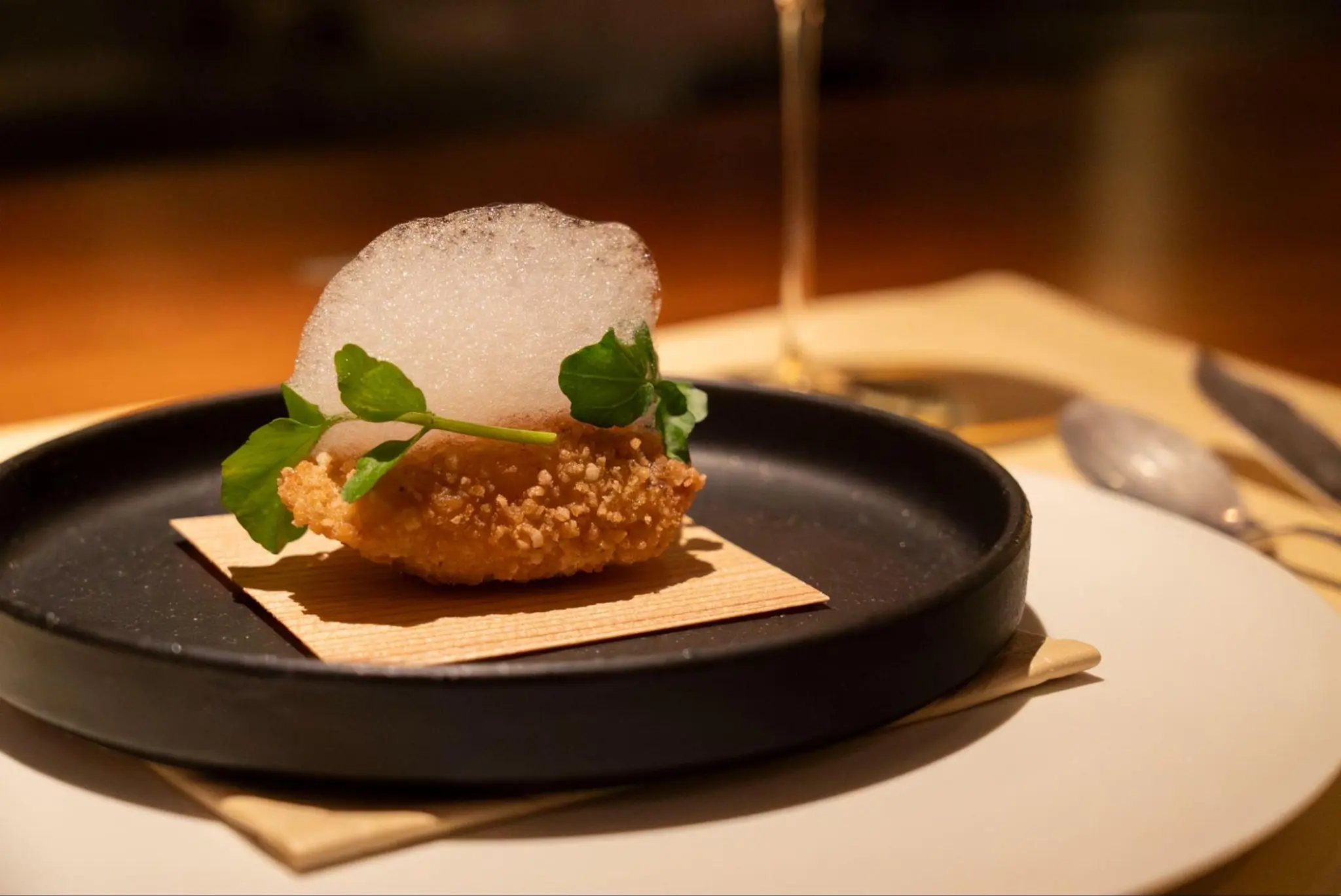
ーーーYou also worked at a Japanese restaurant after returning to Japan, didn’t you?
I met Chef Yamamoto from 【Ryugin】 through a friend and joined him on international lectures he gave in Spain and France. Being part of his team, I was deeply inspired by the collaborative pursuit of high-quality cooking.
My experience with Western cuisine was largely about structured, goal-oriented processes. Western cooking methods follow clear paths, with measurable steps leading to consistent results. However, Japanese cuisine often feels more intuitive and process-oriented in ways that are hard to articulate. For example, extracting the perfect broth from kombu and katsuobushi requires subtle techniques that are not easily communicated.
At 【Ryugin】 , these intricate steps were deconstructed logically while still respecting each chef’s personal touch. It wasn’t just about numbers and measurements; it was about combining technique with artistry. This method of cooking—balancing scientific rigor with creativity—is something I now apply in my kitchen with six staff members. We aim to create high-quality dishes by integrating both theory and numbers while allowing each chef’s unique sensibilities to shine through.
The Pandemic as a Once-in-a-Lifetime Opportunity to Truly Focus on Cooking
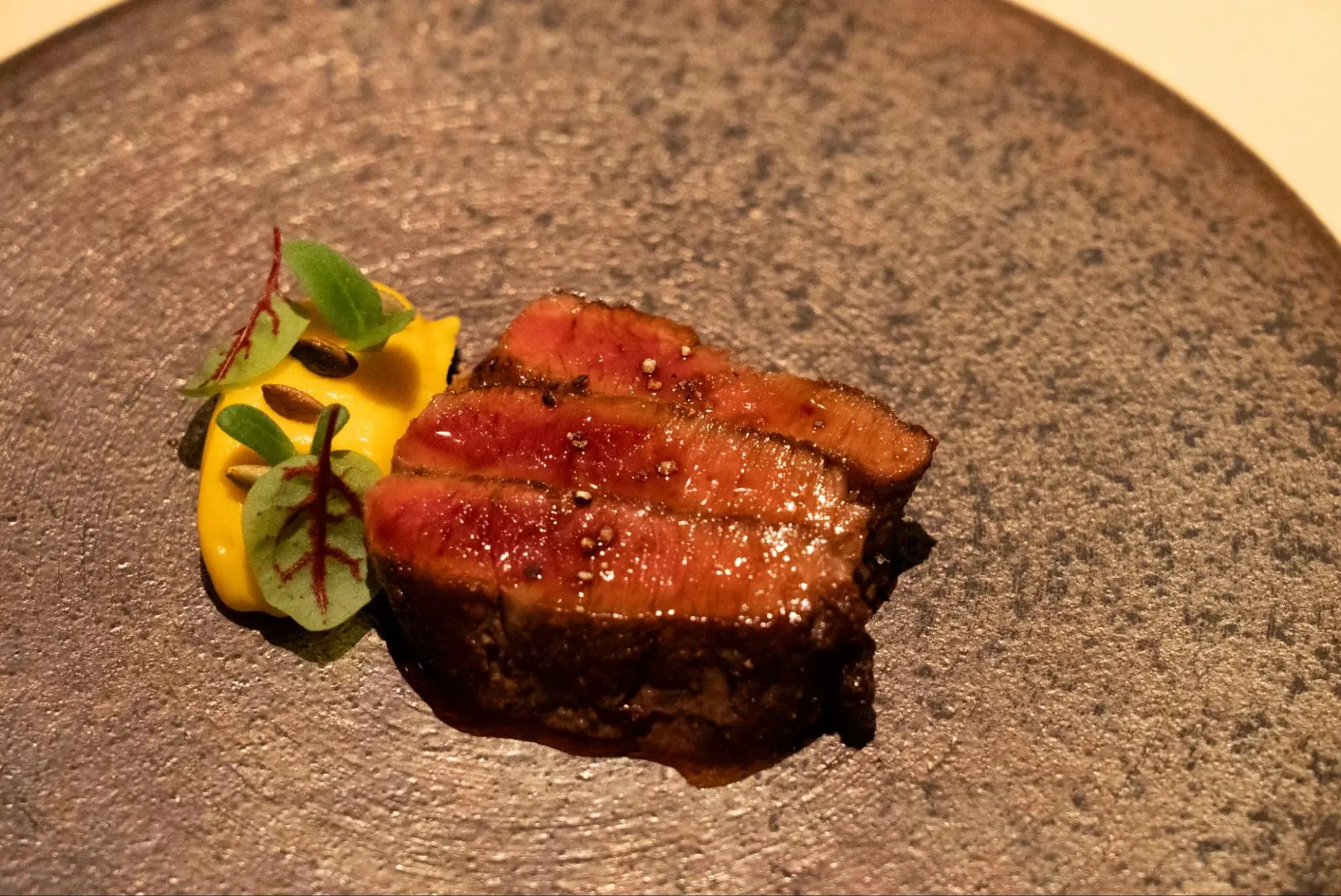
ーーーWhere do you find inspiration for your cooking?
In addition to learning firsthand in Spain and France, I draw inspiration by visiting restaurants both domestically and abroad. These experiences go beyond mere sightseeing; I immerse myself in each setting, engaging all five senses—taste, sight, smell, touch, and hearing—to truly absorb what I encounter.
My cooking at 【ZURRIOLA】 is built on everything I’ve learned throughout my life, with a foundation in Spanish cuisine. Guests recognize it as a unique experience they can't get at an Italian or French restaurant—it’s about having “a meal only possible at ZURRIOLA”, and that distinction is what defines my personal style.
ーーーWhat do you prioritize when preparing dishes for guests?
It’s about finding a balance between what the customer desires and what I, as a chef, want to create.
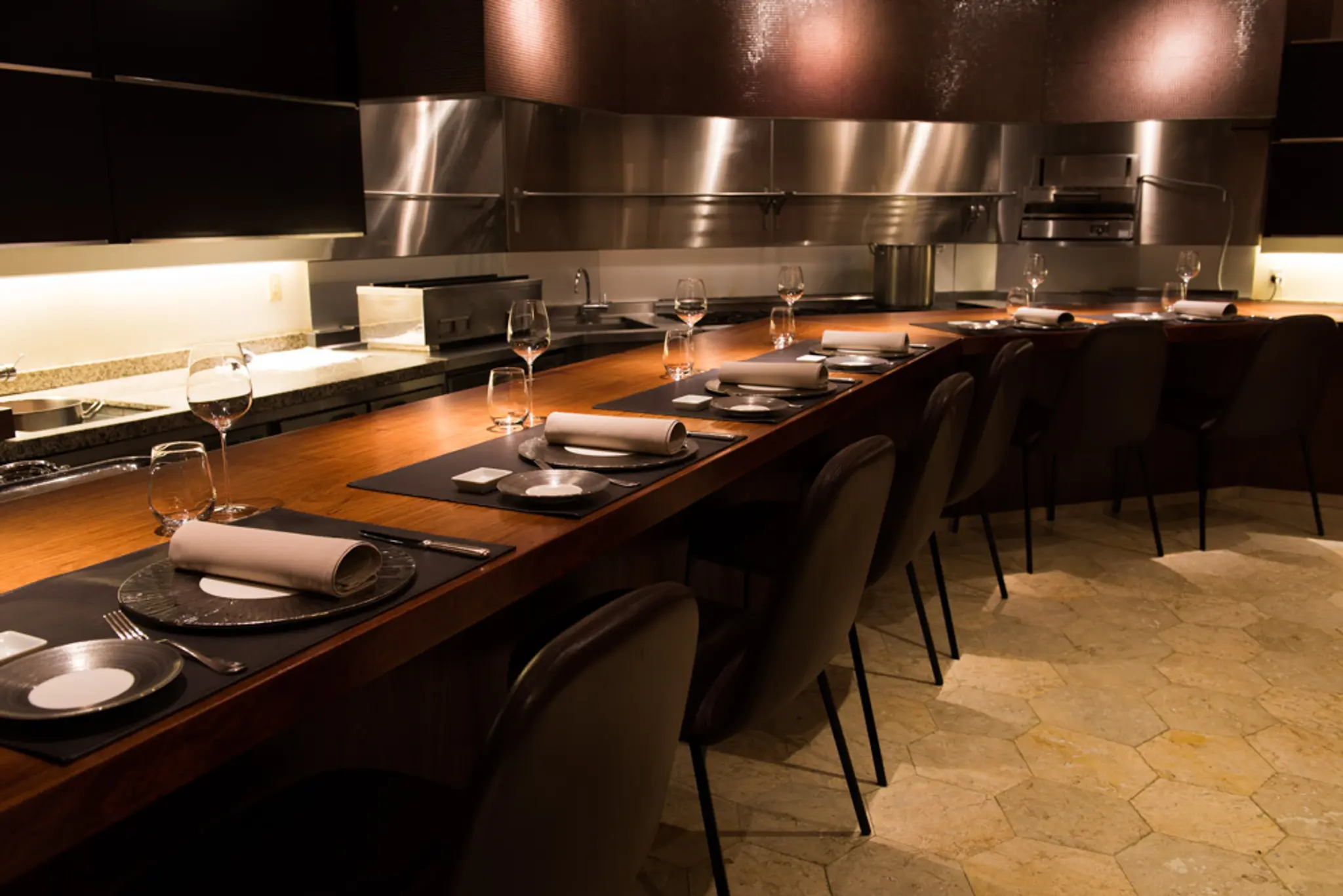
Our open kitchen features counter seats where I can observe guests while cooking. However, I intentionally don’t ask, “How was it?” after a meal. I can gauge satisfaction from customers’ expressions and reactions as they eat. People’s responses to taste are honest and direct.
ーーーWhat inspired the development of your current style?
The pandemic forced me to reevaluate everything about cooking. The uncertainty of COVID-19 brought a flood of conflicting information, making it difficult to determine the right course of action. During that time, the entire building where ZURRIOLA is located had to cease operations, and we too had to temporarily close. But rather than relying on short-term fixes, I chose to focus on what I needed to do in silence and with commitment.
ーーーWhat could you do even if customers weren’t present?
Periods like the pandemic, where you don’t have customers coming through your doors, are rare in life. While the pandemic posed financial challenges, it became an invaluable time to deeply reflect on cooking. I dedicated myself to research, experimenting at home every day and refining my techniques without interruption.
It allowed me to think more deeply about balancing the relationship between my cooking and customer experience. Some dishes I created during that time remain a key part of our course menus today. In that sense, the pandemic became a once-in-a-lifetime chance to fully commit to my craft and improve my artistry in the kitchen.
Shaping a Unique Culinary Identity: Bridging Self, Ingredients, and Guests
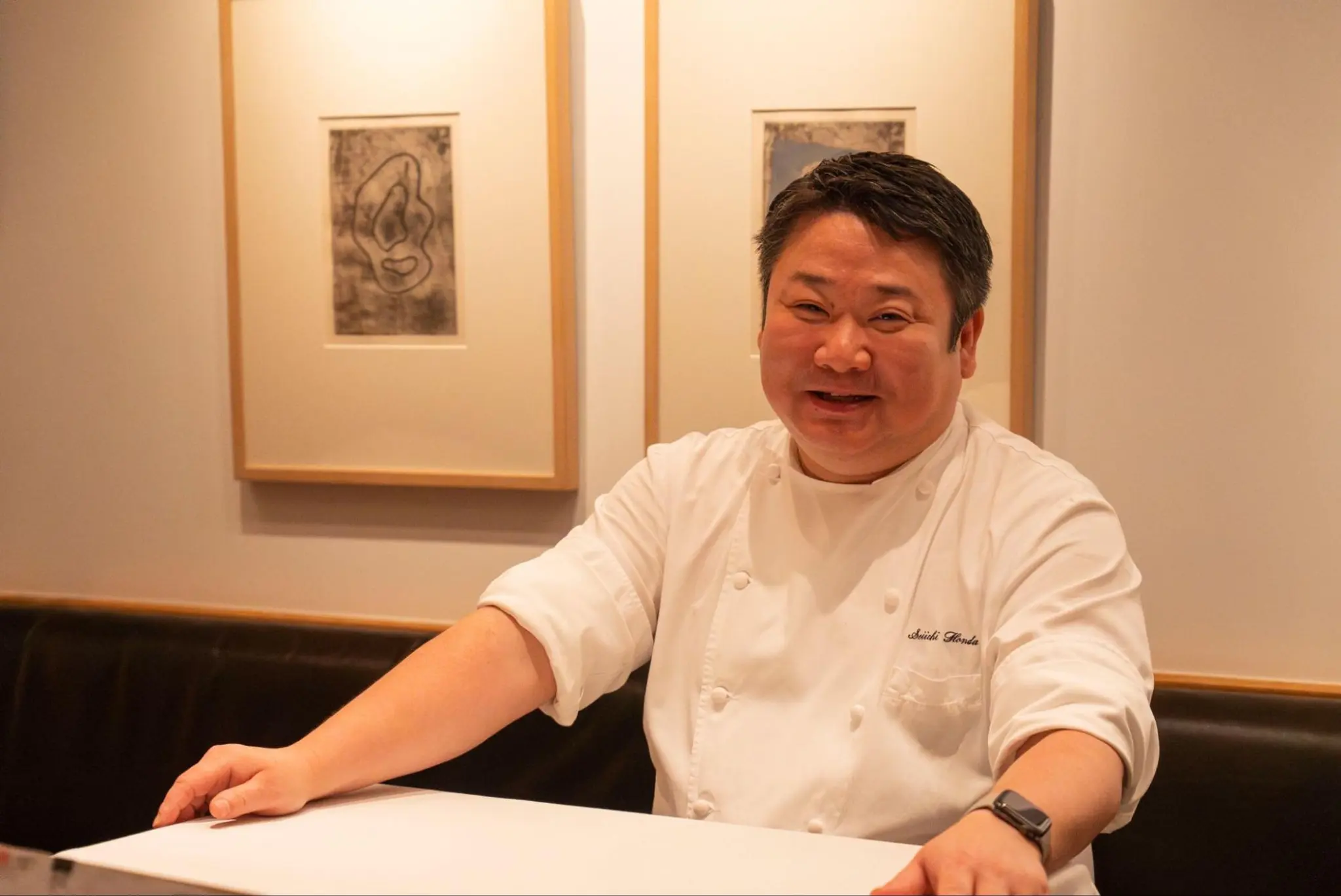
ーーーWhat considerations do you have for inbound customers?
First and foremost, it’s about having a smile and ensuring that guests enjoy the experience of being in Japan. In terms of language, we always have staff members who speak English. Additionally, I can communicate in Spanish and French. We've also made it easier for inbound customers to make reservations online and created English menus to reduce any obstacles or uncertainties.
While we focus on removing reservation hurdles and addressing potential guest concerns, our goal isn't to replicate the convenience of dining at home but to let visitors fully enjoy the experience in the moment. Sometimes, communicating with imperfect language helps create a unique connection where guests learn about local flavors and enjoy the exchange of culture. I want visitors to appreciate the experience, even with language barriers.
ーーーWhat are your future aspirations?
My goal is to find high-quality ingredients and to create dishes that express my individuality while highlighting each ingredient’s distinct character.
Lately, I’ve been visiting restaurants in different rural areas, and I’ve been deeply impressed by places where chefs capture the essence of local ingredients. The seasoning in these restaurants strikes a perfect balance of saltiness and acidity, with well-integrated flavors that are refined and purposeful. It felt like experiencing a dish where everything is in harmony at the right moment—where flavors are balanced precisely where they matter the most.
As a chef, my role is to bring out the best in each ingredient and blend it seamlessly into dishes. My mission for the next ten years is to continually find the right balance between myself, the ingredients, and our guests—creating dishes that showcase my personal style.
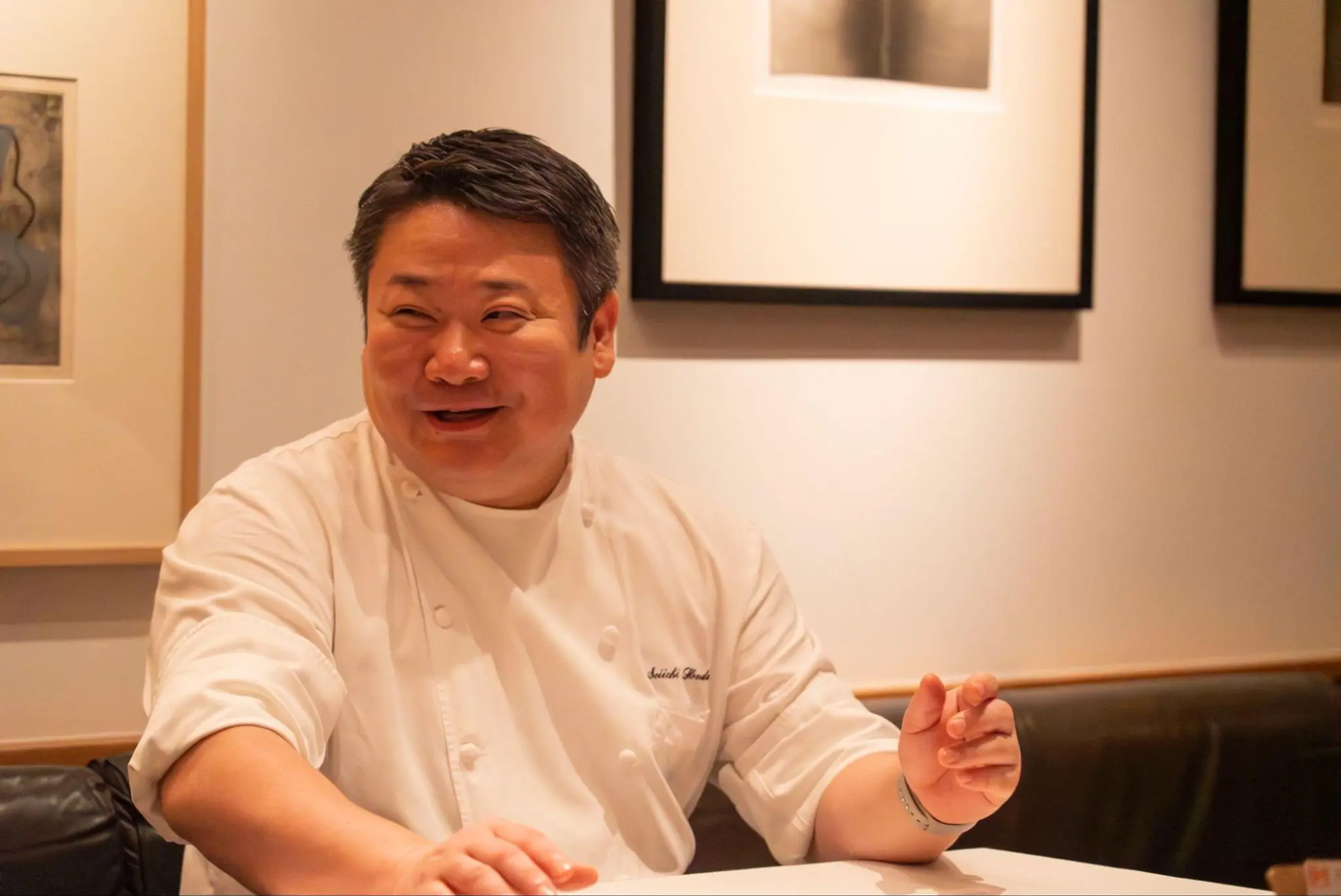
ーーーWhat does “delicious” mean to you?
"Delicious" is not just about taste; it’s a combination of atmosphere, the company you share your meal with, and the sensory experiences of sight, sound, and more.
For me, two key elements stand out: who you’re eating with and experiencing a clear and distinct deliciousness with the first bite. A truly good dish should reveal its excellence right from the first taste. Communicating a simple, clear, and direct message of deliciousness is something I’ll continue to prioritize in my cooking.
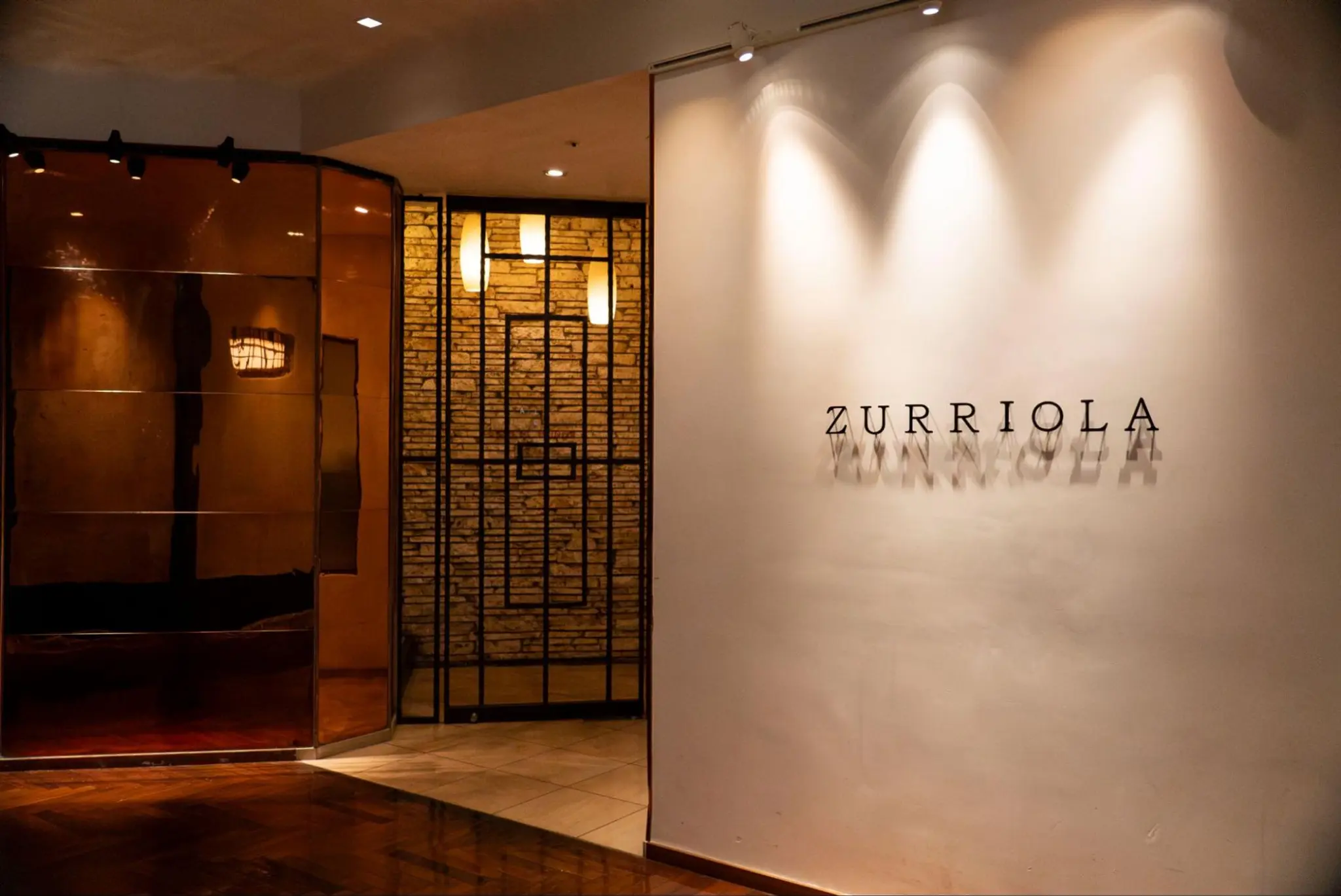
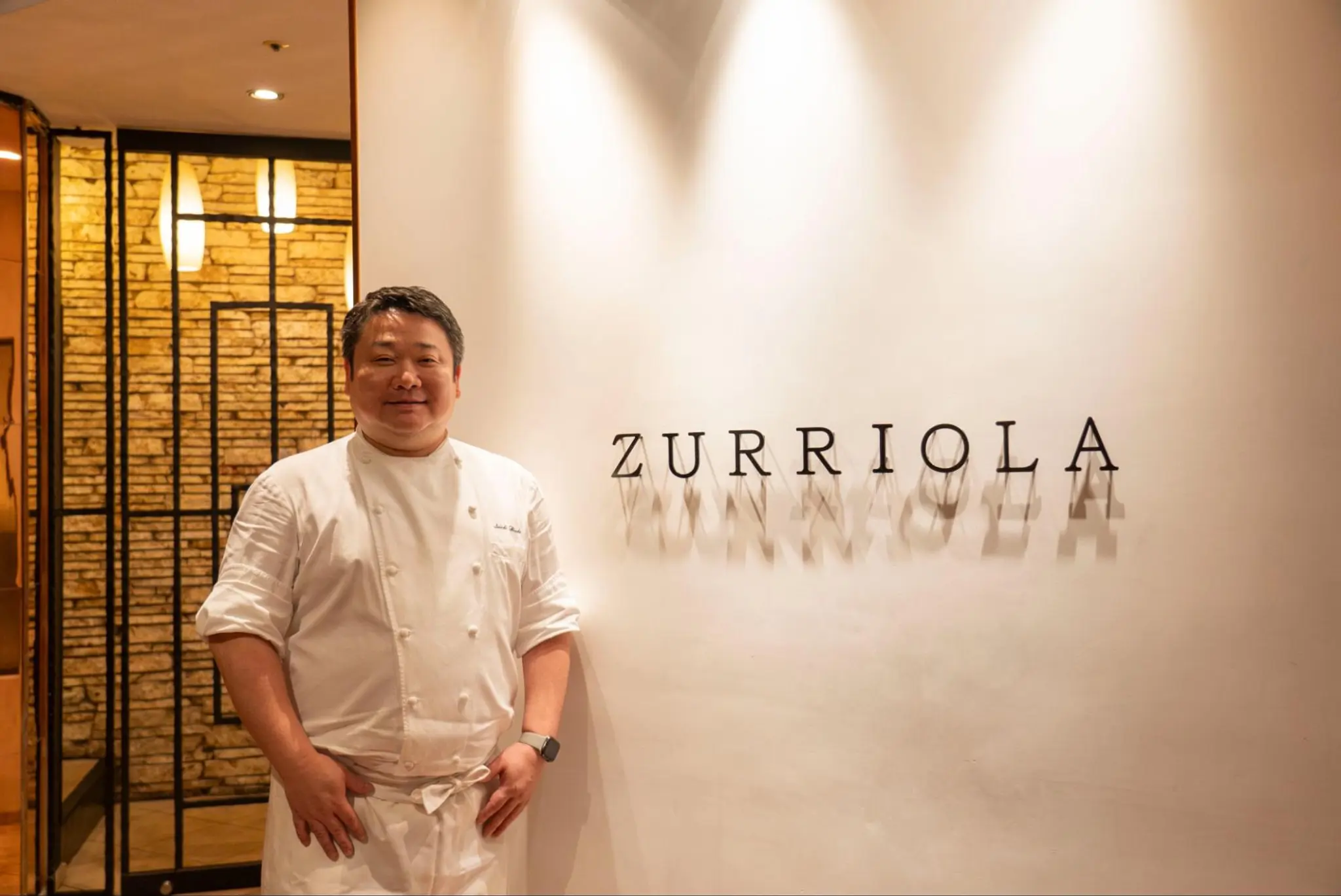
Walking through the black lattice doors at the entrance, you’re greeted by the words "TALLER de SEIICHI HONDA" on the wall. Taller, meaning atelier in Japanese, and it’s a reflection of Chef Honda’s own sensibilities, experiences, and passion, encapsulated in this space.
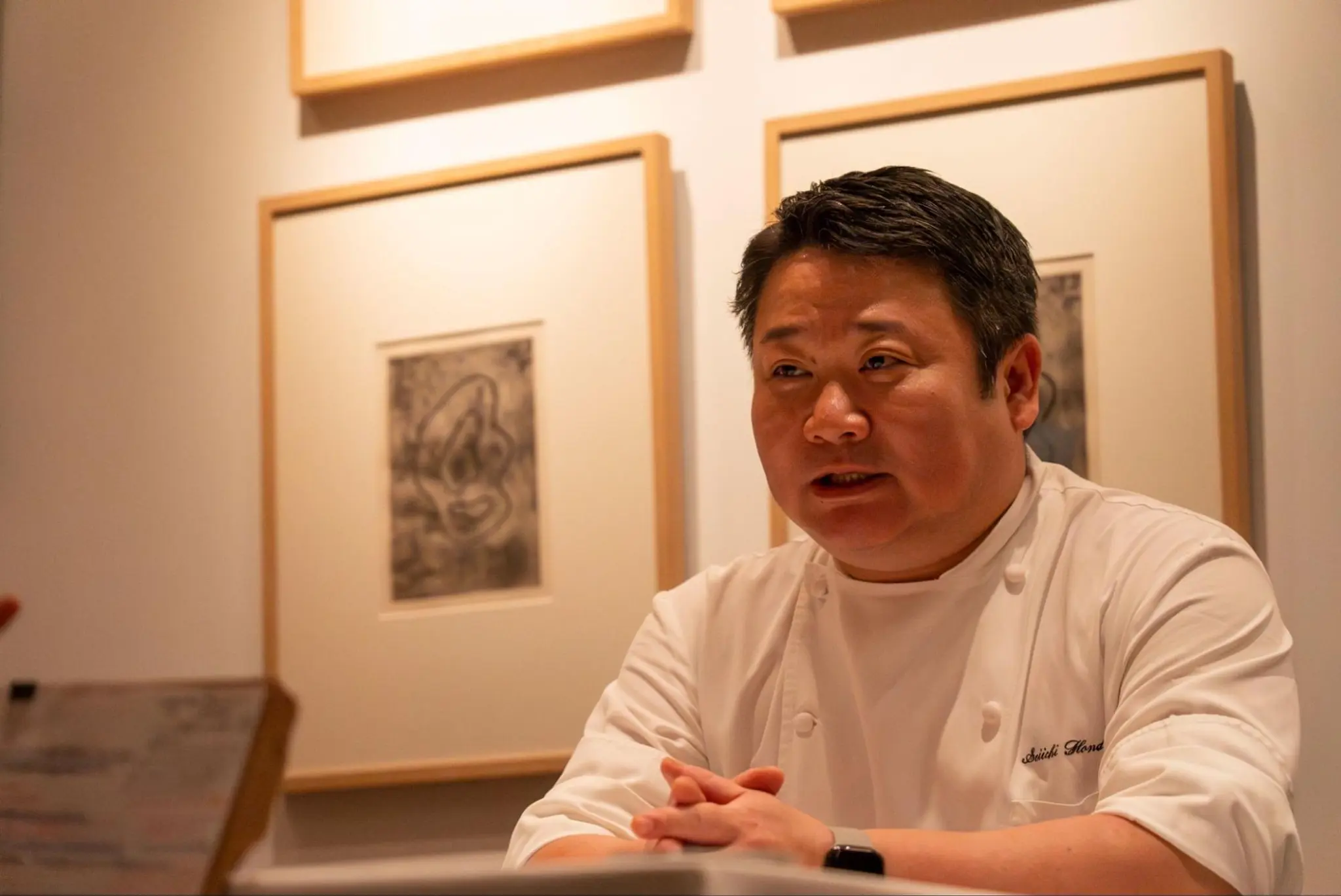
Inside the restaurant, there’s a watercolor painting of the San Sebastián coast, a place where Chef Honda spent formative years as a chef. It serves as a beautiful reminder of his beginnings and commitment to staying true to himself. We look forward to seeing how Chef Honda continues to push culinary boundaries and create exceptional dining experiences at 【ZURRIOLA】.
Article by Yuka Sada
Photography by Azusa Nakaoka
Restaurant Information
- AutoReserve Magazine
- Japan’s world-renowned flagship restaurant
- A Unique Palette of Modern Spanish Cuisine: Ginza’s 【ZURRIOLA】