Qu’est-ce que préfecture de Hokkaidō ?: Spanning wide coasts and fertile plains, Hokkaido offers a dining landscape shaped by clear seasons and abundant harvests. Menus frequently spotlight cold-water seafood such as crab, sea urchin, scallops, and salmon roe, alongside vegetables, wheat, and dairy that thrive in the northern climate. Noodle counters serve regionally distinct ramen styles, while grills featuring lamb known as jingisukan and richly spiced soup curry add character to casual meals. Bakeries, cheese makers, and patisserie draw on local milk, and many eateries highlight produce sourced directly from farms and fishing ports. A frontier-era history and influences from Ainu traditions are often noted as threads that inform today’s ingredients and techniques, from preserved fish to foraged plants. The beverage scene ranges from sake and beer to emerging wines and ciders, inviting flexible pairings. From market stalls to relaxed bistros, the island presents a spectrum of flavors that travelers frequently seek out.
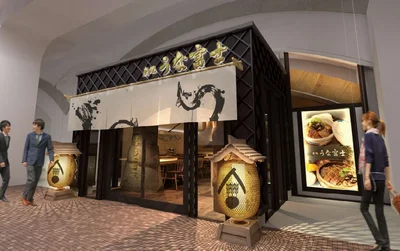
Qu’est-ce que Eel ?: Eel-focused restaurants highlight the pleasure of slow grilling over charcoal, where glossy tare lends a gentle sweetness and sheen while the skin turns lightly crisp and the flesh stays tender. Many menus feature kabayaki alongside salt-grilled fillets, and some kitchens employ a steam-then-grill method to emphasize a delicate texture. Bowls and lacquered boxes of eel over rice are common, as are regional styles that invite multiple ways to eat in one sitting. Diners may encounter white-grilled cuts seasoned simply, omelets rolled around eel, or a clear broth made with the liver. The counter often showcases the sizzle and aroma from the grill, shaping a dining experience that balances smoke, sauce, and craftsmanship. Attention to butchery, skewering, and precise heat control is central to the appeal, with small side dishes and pickles rounding out a meal that favors nuance and measured richness.


.jpg?format=webp)


.jpg?format=webp)

.jpg?format=webp)



.jpg?format=webp)


.jpg?format=webp)


.jpg?format=webp)
.jpeg?format=webp)
.jpg?format=webp)
.jpg?format=webp)
.jpeg?format=webp)
.jpeg?format=webp)




