Qu’est-ce que préfecture de Shiga ?: Shiga centers its dining culture around Lake Biwa, where lake fish, river catch, and a quiet tradition of fermentation shape distinctive flavors. Menus often feature funazushi, simmered or grilled freshwater dishes, and preparations that showcase Omi beef and locally grown vegetables. Breweries and tofu makers draw on clear water sources, adding depth to the region’s sake and artisan staples. Historic post towns and the travels of Omi merchants are frequently credited with nurturing a spirit of hospitality, seen today in thoughtful courses, tea service, and seasonal sweets. Influences from temple cuisine on nearby Mt. Hiei also echo in vegetable-forward plates and delicate broths. From casual eateries by the lakeshore to refined rooms in restored townhouses, diners encounter cooking that shifts with the seasons and reflects both lake and mountain. It is a place where travel routes, craftsmanship, and nature gently converge at the table.
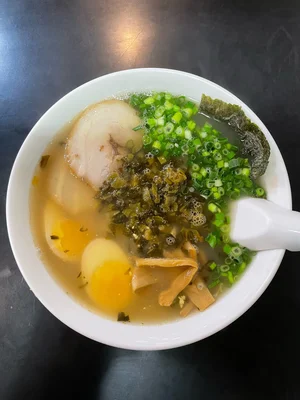
Qu’est-ce que Ramen ?: Ramen celebrates the harmony of broth, noodles, and toppings, offering a bowl that can feel comforting or bold depending on the style. Common broths include shoyu, shio, miso, and pork bone, often slow-simmered to draw out layered flavors, then balanced with a house tare and fragrant oils. Noodles range from ultra-thin to springy, curly strands, with firmness typically made to order to suit personal preferences. Toppings such as chashu pork, seasoned egg, menma bamboo shoots, nori, and scallions add aroma, texture, and contrast. Many shops feature an open kitchen and counter seating, where the pace is lively and the final assembly happens in view. Whether you gravitate toward a light, clear soup or a richer, opaque broth, the category invites exploration through regional styles, limited specials, and subtle variations in seasoning. The result is a customizable dining experience centered on balance, warmth, and satisfying slurpability.
.png?format=webp)
.png?format=webp)
.png?format=webp)
.jpg?format=webp)
.png?format=webp)
.png?format=webp)


.jpg?format=webp)
.jpg?format=webp)
.png?format=webp)
.jpg?format=webp)
.png?format=webp)
.jpg?format=webp)

.jpg?format=webp)
.JPG?format=webp)
.JPG?format=webp)
.JPG?format=webp)
.png?format=webp)
.JPG?format=webp)
.jpg?format=webp)
.png?format=webp)


.jpg?format=webp)

.jpeg?format=webp)
.jpg?format=webp)


.jpg?format=webp)

.jpg?format=webp)
.jpg?format=webp)

.png?format=webp)
.jpg?format=webp)
.jpg?format=webp)
.png?format=webp)
.jpg?format=webp)
.jpg?format=webp)
.jpg?format=webp)
.jpg?format=webp)
.jpg?format=webp)
.jpg?format=webp)
.jpg?format=webp)
.jpg?format=webp)
.jpg?format=webp)
.jpg?format=webp)
.jpg?format=webp)
.png?format=webp)
.png?format=webp)
.png?format=webp)
.png?format=webp)
.jpg?format=webp)
.jpg?format=webp)
.png?format=webp)
.png?format=webp)
.png?format=webp)
.png?format=webp)
.png?format=webp)
.png?format=webp)
.jpg?format=webp)
.png?format=webp)
.jpg?format=webp)
.png?format=webp)
.jpg?format=webp)
.jpg?format=webp)
.jpg?format=webp)
.jpg?format=webp)
.jpg?format=webp)
.jpg?format=webp)

.png?format=webp)
.jpg?format=webp)
.jpg?format=webp)
.jpg?format=webp)
.png?format=webp)
.jpg?format=webp)




.jpg?format=webp)
.jpg?format=webp)
.JPG?format=webp)
.jpg?format=webp)

.jpg?format=webp)
.jpg?format=webp)
.png?format=webp)


.jpg?format=webp)
.png?format=webp)
.jpg?format=webp)
.jpg?format=webp)
.jpg?format=webp)
.jpg?format=webp)
.jpg?format=webp)
.jpg?format=webp)
.jpg?format=webp)