Che cosa è Kumamoto?: Shaped by the vast Aso caldera and nourished by clear spring water, Kumamoto presents a dining landscape where land and sea meet. Amakusa brings seasonal seafood, fertile plains offer rice and vegetables, and local herds contribute Akaushi beef. Menus often feature regional signatures such as basashi, karashi renkon, and Kumamoto ramen layered with fragrant black garlic oil; taipi-en, a vermicelli soup born of cultural exchange, appears in casual counters and family kitchens alike. As a former castle town, the area nurtured a tradition of preservation and brewing, reflected in makers of miso, soy sauce, and shochu. From morning markets to relaxed neighborhood eateries, cooking tends to balance straightforward flavors with bold aromas. Many kitchens draw on time-honored techniques while responding to the seasons, creating meals that echo Kumamoto’s terrain, waterways, and enduring culinary stories.
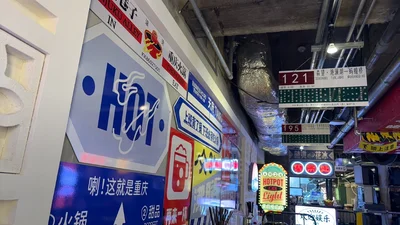
Che cosa è Hot Pot?: Hot Pot invites diners to gather around a bubbling pot and cook ingredients to taste. Restaurants commonly offer a choice of broths, from clear and savory to rich, peppery, or herbal, and many feature a divided pot so contrasting flavors can be enjoyed at once. Platters may include thinly sliced beef or lamb, seafood, handmade meatballs, tofu, mushrooms, leafy greens, and a variety of noodles. The experience is interactive: guests simmer each item briefly, then dip it into customized sauces built from sesame, soy, garlic, scallion, chili oil, and more. Some menus add tomato or pickled vegetable broths, while others highlight numbing-spicy mala. Many venues provide a condiments bar, and simple timing tips can guide newcomers through textures and doneness. Toward the end, the broth gains depth from the ingredients, often becoming a base for noodles or a simple porridge. This style lends itself to leisurely meals, group celebrations, and flexible, shareable dining.

Provare a modificare le parole chiave o le condizioni
・Controllare che non ci siano errori di battitura o di ortografia nelle parole chiave ・Inserire uno spazio per separare le parole chiave ・Inserire le parole chiave nell'ordine "località, nome del negozio" e si potrebbe ottenere più risultati ・Provare a inserire il "numero di telefono del negozio"
Se avete trovato un ristorante che non è presente nell'elenco di AutoReserve, aiutateci ad aggiungerlo.
Aggiungere un ristorante

.jpg?format=webp)


.jpg?format=webp)



