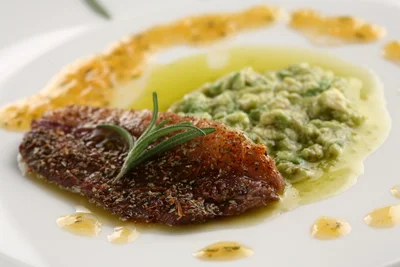
Che cosa è Mie?: Mie offers a dining landscape shaped by the meeting of fertile mountains and the rich waters of Ise-Shima. Menus often highlight spiny lobster, abalone, oysters, and seasonal coastal catch, alongside the deeply marbled character associated with Matsusaka beef. Hearty bowls of Ise udon with a dark, soy-based sauce, rustic fisherman-style rice dishes, and charcoal-grilled specialties reflect everyday flavors of the region. Local rice, tea, citrus, and sake from Iga add gentle accents, and simple plating lets ingredients speak. Markets in port towns and roadside eateries along old routes create casual stops for travelers. The historic pilgrimage to Ise Grand Shrine is frequently cited as a force that nurtured a distinctive hospitality, where quick, satisfying fare developed to welcome visitors. Today, that spirit can be sensed in thoughtful service and an emphasis on freshness, making the prefecture an engaging place to explore regional Japanese cuisine.
Che cosa è Turkish?: Turkish cuisine invites diners to explore a spectrum of flavors shaped by Anatolian traditions and Mediterranean influences. Charcoal-grilled kebabs, spiced köfte, and slow-braised stews highlight the depth that careful seasoning can bring, while wood-fired ovens turn out pide and lahmacun with crisp edges and tender centers. Meze sets the tone in many meals: an array of small plates—such as creamy yogurt dips, stuffed vine leaves, and bright salads—designed for sharing and pairing with warm bread. Ingredients like eggplant, chickpeas, tomatoes, and fresh herbs appear frequently, joined by tangy yogurt, sumac, and pomegranate molasses. Dumplings such as mantı offer delicate textures, and seafood may feature where coastal traditions are reflected. To finish, sweets like baklava or künefe complement robust Turkish tea or thick, aromatic coffee. From casual counter service to leisurely, family-style settings, the experience often emphasizes generosity, conviviality, and the pleasure of variety.