Che cosa è Niigata?: Niigata’s dining scene reflects its snow-fed rivers and the Sea of Japan. Rice paddies stretch from coastal plains to mountain terraces, and many eateries highlight local grains alongside an array of regional sake from local breweries. Seafood-focused counters, casual noodle shops, kappo-style kitchens, and izakaya create options for different occasions. Signature tastes often include hegi soba bound with seaweed, comforting noppe stew, and sweets such as sasadango, with seasonal vegetables and wild plants shaping menus throughout the year. A distinctive thread in Niigata’s food history is the Kitamaebune maritime trade, which introduced kelp and dried goods that continue to influence flavors and techniques. Another hallmark is the use of snow cellars, or yukimuro, to mellow sake and preserve ingredients, lending gentle textures and aromas. Whether you are seeking a simple bowl after a day outdoors or a thoughtful pairing of seafood and sake, you can find welcoming tables across the prefecture.
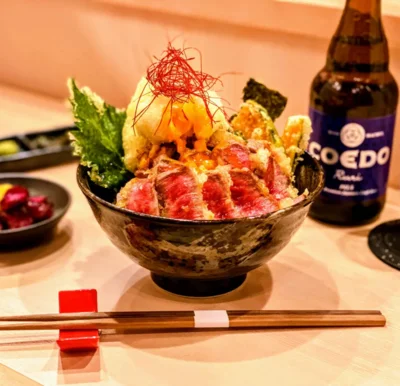
Che cosa è Tempura?: Tempura highlights the pleasure of batter and oil handled with restraint and precision. Diners often encounter prawns, white fish, squid, and seasonal vegetables lightly coated in a chilled batter and fried at a high temperature, yielding a crisp shell with tender textures inside. The experience frequently centers on timing: pieces arrive moments after leaving the fryer, inviting a relaxed pace as each bite is enjoyed while hot. Condiments such as tentsuyu with grated daikon, sea salt, or matcha salt offer contrasting accents. Menus may feature a counter service where items are presented one by one, mixed assortments for sharing, or pairings with rice and noodles like tendon, tempura soba, and udon. Variations in oil blends, batter thickness, and cut size create distinct aromas, sounds, and textures—from a gentle crackle to a lively sizzle—encouraging guests to compare nuances across ingredients and styles.




.jpg?format=webp)


.jpg?format=webp)



