Che cosa è Shiga?: Shiga centers its dining culture around Lake Biwa, where lake fish, river catch, and a quiet tradition of fermentation shape distinctive flavors. Menus often feature funazushi, simmered or grilled freshwater dishes, and preparations that showcase Omi beef and locally grown vegetables. Breweries and tofu makers draw on clear water sources, adding depth to the region’s sake and artisan staples. Historic post towns and the travels of Omi merchants are frequently credited with nurturing a spirit of hospitality, seen today in thoughtful courses, tea service, and seasonal sweets. Influences from temple cuisine on nearby Mt. Hiei also echo in vegetable-forward plates and delicate broths. From casual eateries by the lakeshore to refined rooms in restored townhouses, diners encounter cooking that shifts with the seasons and reflects both lake and mountain. It is a place where travel routes, craftsmanship, and nature gently converge at the table.
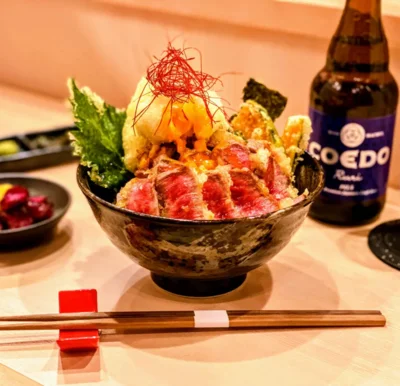
Che cosa è Tempura?: Tempura highlights the pleasure of batter and oil handled with restraint and precision. Diners often encounter prawns, white fish, squid, and seasonal vegetables lightly coated in a chilled batter and fried at a high temperature, yielding a crisp shell with tender textures inside. The experience frequently centers on timing: pieces arrive moments after leaving the fryer, inviting a relaxed pace as each bite is enjoyed while hot. Condiments such as tentsuyu with grated daikon, sea salt, or matcha salt offer contrasting accents. Menus may feature a counter service where items are presented one by one, mixed assortments for sharing, or pairings with rice and noodles like tendon, tempura soba, and udon. Variations in oil blends, batter thickness, and cut size create distinct aromas, sounds, and textures—from a gentle crackle to a lively sizzle—encouraging guests to compare nuances across ingredients and styles.




.jpg?format=webp)


.jpg?format=webp)



