Che cosa è Shinagawa-ku?: Shinagawa-ku in Tokyo offers a dining landscape shaped by its waterfront setting and easy access to major stations. Visitors encounter a spectrum of experiences, from lively izakaya lanes and noodle counters to refined hotel dining and contemporary bistros. Seafood-focused menus appear frequently, reflecting proximity to the bay, while sushi, yakitori, and ramen remain familiar anchors alongside French, Italian, and pan-Asian kitchens. Many shopping streets encourage casual snacking and takeout treats, inviting an unhurried walk between bites. The ward is often associated with the legacy of an Edo-period post town on the Tokaido, a past that inspires a welcoming, traveler-friendly spirit in today’s eateries. Weekday business crowds and weekend families create different rhythms, so late lunches, early dinners, and after-work gatherings can feel equally natural. Seasonal ingredients, thoughtful pairings with sake and wine, and a balance of tradition and innovation make Shinagawa-ku a place where everyday meals and special occasions comfortably meet.
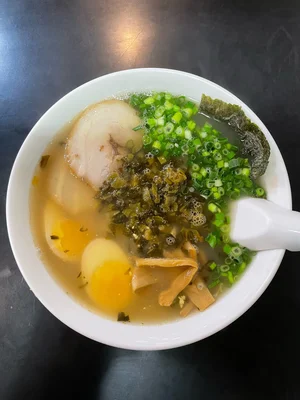
Che cosa è Ramen?: Ramen celebrates the harmony of broth, noodles, and toppings, offering a bowl that can feel comforting or bold depending on the style. Common broths include shoyu, shio, miso, and pork bone, often slow-simmered to draw out layered flavors, then balanced with a house tare and fragrant oils. Noodles range from ultra-thin to springy, curly strands, with firmness typically made to order to suit personal preferences. Toppings such as chashu pork, seasoned egg, menma bamboo shoots, nori, and scallions add aroma, texture, and contrast. Many shops feature an open kitchen and counter seating, where the pace is lively and the final assembly happens in view. Whether you gravitate toward a light, clear soup or a richer, opaque broth, the category invites exploration through regional styles, limited specials, and subtle variations in seasoning. The result is a customizable dining experience centered on balance, warmth, and satisfying slurpability.
.png?format=webp)
.jpg?format=webp)
.png?format=webp)
.png?format=webp)


.png?format=webp)


.jpg?format=webp)
.jpg?format=webp)


.jpg?format=webp)
.jpg?format=webp)
.jpg?format=webp)
.jpg?format=webp)
.jpg?format=webp)
.jpg?format=webp)
.jpg?format=webp)


.png?format=webp)
.png?format=webp)
.png?format=webp)
.png?format=webp)
.png?format=webp)
.png?format=webp)
.jpg?format=webp)
.jpg?format=webp)
.jpg?format=webp)
.jpg?format=webp)
.jpg?format=webp)
.jpg?format=webp)

.jpg?format=webp)
.jpg?format=webp)
.png?format=webp)
.jpg?format=webp)
.jpg?format=webp)
.jpg?format=webp)
.jpg?format=webp)
.jpg?format=webp)
.jpg?format=webp)
.jpg?format=webp)
.jpg?format=webp)
.jpg?format=webp)
.jpg?format=webp)
.jpg?format=webp)
.jpg?format=webp)
.jpg?format=webp)
.jpg?format=webp)
.jpg?format=webp)
.png?format=webp)
.jpg?format=webp)
.jpg?format=webp)
.jpg?format=webp)
.jpg?format=webp)
.jpg?format=webp)
.png?format=webp)


.jpg?format=webp)
.jpg?format=webp)
.jpg?format=webp)
.jpg?format=webp)
.jpg?format=webp)
.jpg?format=webp)
.jpg?format=webp)
.jpg?format=webp)
.jpg?format=webp)
.jpg?format=webp)
.jpg?format=webp)
.png?format=webp)

.jpg?format=webp)
.png?format=webp)
.jpg?format=webp)


.jpg?format=webp)


.jpg?format=webp)


.jpg?format=webp)
.jpg?format=webp)
.jpg?format=webp)


.jpeg?format=webp)
.jpeg?format=webp)
.jpg?format=webp)
.jpg?format=webp)
.jpg?format=webp)
.jpg?format=webp)
.jpg?format=webp)
.jpeg?format=webp)
.JPG?format=webp)
.JPG?format=webp)
.JPG?format=webp)
.JPG?format=webp)
.JPG?format=webp)