Was ist Akita?: Akita sits between the Sea of Japan and forested mountains, and its dining culture reflects a landscape shaped by rice fields, cold winters, and clear water. Menus frequently feature kiritanpo hot pot, Hinai-jidori chicken, iburigakko smoked pickles, and seasonal seafood such as hatahata, alongside mountain vegetables gathered in spring. Sake from local breweries pairs naturally with these dishes, with styles that echo the region’s climate and craft traditions. In markets, countryside eateries, and onsen towns, travelers encounter preparations that favor clean flavors, charcoal aroma, and careful preservation techniques. Folklore like the Namahage and snowbound life have long encouraged convivial meals around a shared pot, a custom that still informs hospitality today. Many diners explore tasting flights at breweries or seek set menus that highlight rice, miso, and smoked notes. Akita’s culinary rhythm feels unhurried, inviting a measured appreciation of ingredients, seasonality, and the stories behind each bowl.
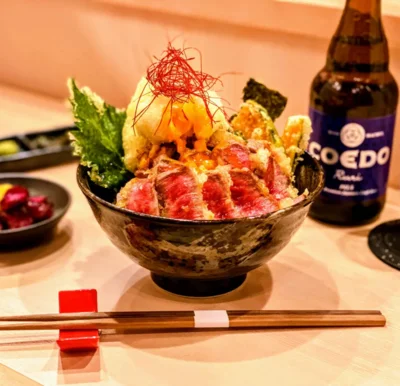
Was ist Tempura?: Tempura highlights the pleasure of batter and oil handled with restraint and precision. Diners often encounter prawns, white fish, squid, and seasonal vegetables lightly coated in a chilled batter and fried at a high temperature, yielding a crisp shell with tender textures inside. The experience frequently centers on timing: pieces arrive moments after leaving the fryer, inviting a relaxed pace as each bite is enjoyed while hot. Condiments such as tentsuyu with grated daikon, sea salt, or matcha salt offer contrasting accents. Menus may feature a counter service where items are presented one by one, mixed assortments for sharing, or pairings with rice and noodles like tendon, tempura soba, and udon. Variations in oil blends, batter thickness, and cut size create distinct aromas, sounds, and textures—from a gentle crackle to a lively sizzle—encouraging guests to compare nuances across ingredients and styles.


.jpg?format=webp)
.jpg?format=webp)


.jpg?format=webp)
.jpg?format=webp)



