Was ist Aomori?: Aomori sits between rugged coasts and forested highlands, giving its dining scene a balance of pristine seafood and hearty mountain fare. Mutsu Bay scallops, Pacific and Sea of Japan fish, and vegetables from cool fields appear in humble eateries and contemporary kitchens alike. Regional comfort foods such as senbei-jiru hot pot, shellfish grilled with miso, and apple-forward sweets and ciders suggest a clear sense of place, while local ramen styles that blend miso, curry, and milk add a playful note. The area’s taste has been shaped by the meeting of Tsugaru and Nanbu traditions, where preservation, fermentation, and miso-making supported long winters and still inform everyday cooking. Markets and morning fairs provide seasonal bowls and bento-friendly side dishes, and festival days bring lively street snacks that pair well with sake and fresh juices.
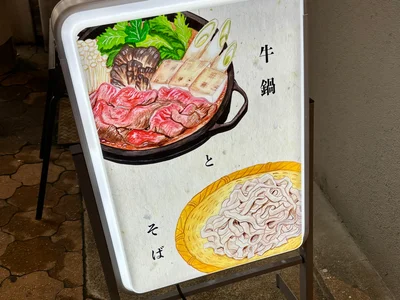
Was ist Japanese Hot Pot?: Japanese Hot Pot invites diners to gather around a simmering pot and cook ingredients at the table, creating a relaxed, interactive meal. Clear kombu stock, soy-based broths, and miso blends are commonly offered, each shaping the flavor of meats, seafood, tofu, mushrooms, and seasonal vegetables. Styles vary widely: shabu-shabu highlights quick swishing of thinly sliced beef with citrusy ponzu or nutty sesame sauce; sukiyaki features a gently sweet soy base; yosenabe brings a mix of hearty additions; chanko-nabe evokes the comfort of generous portions; and motsunabe showcases savory offal with garlic and chives. Many places present curated platters and à la carte selections, allowing guests to pace the meal and adjust the pot as they go. Toward the end, noodles or rice are often added for a satisfying finish known as shime. Rising steam, the sound of a gentle simmer, and shared timing create a dining experience that feels both warm and engaging.


.jpg?format=webp)

.jpg?format=webp)


.jpg?format=webp)



