Was ist Ishikawa?: Ishikawa on Japan’s Sea of Japan coast offers a dining culture shaped by rich seasons and a proud craft tradition. Seafood from the Noto Peninsula inspires menus featuring sweet shrimp, nodoguro, and winter crab, while Kaga cuisine highlights local vegetables, delicate broths, and careful technique. Classic dishes such as jibu-ni, along with rice grown in mineral-rich fields and salt from coastal pans, often appear in thoughtful multicourse meals. Kanazawa’s legacy as a castle town nurtured tea ceremony aesthetics and fine tableware like Kutani porcelain and Wajima lacquer, influencing how chefs compose flavor and presentation today. Confectionery frequently incorporates gold leaf, reflecting an artistry associated with the region. Restaurants range from intimate counters to contemporary dining rooms, and seasonal omakase or set menus are often found. Sake breweries draw on clear water and varied climates, pairing naturally with seafood and mountain produce. Visitors encounter a food scene that values restraint, texture, and a quiet sense of luxury without ostentation.
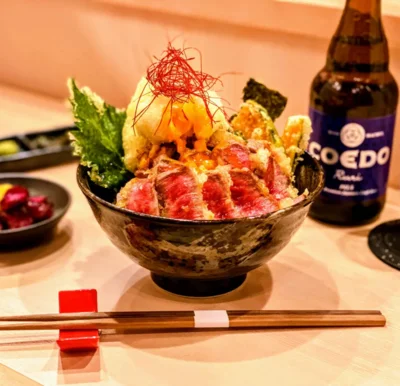
Was ist Tempura?: Tempura highlights the pleasure of batter and oil handled with restraint and precision. Diners often encounter prawns, white fish, squid, and seasonal vegetables lightly coated in a chilled batter and fried at a high temperature, yielding a crisp shell with tender textures inside. The experience frequently centers on timing: pieces arrive moments after leaving the fryer, inviting a relaxed pace as each bite is enjoyed while hot. Condiments such as tentsuyu with grated daikon, sea salt, or matcha salt offer contrasting accents. Menus may feature a counter service where items are presented one by one, mixed assortments for sharing, or pairings with rice and noodles like tendon, tempura soba, and udon. Variations in oil blends, batter thickness, and cut size create distinct aromas, sounds, and textures—from a gentle crackle to a lively sizzle—encouraging guests to compare nuances across ingredients and styles.


 United States Nutzerbewertungen3.91(1Einträge)




.jpg?format=webp)


.jpg?format=webp)



