Was ist Kumamoto?: Shaped by the vast Aso caldera and nourished by clear spring water, Kumamoto presents a dining landscape where land and sea meet. Amakusa brings seasonal seafood, fertile plains offer rice and vegetables, and local herds contribute Akaushi beef. Menus often feature regional signatures such as basashi, karashi renkon, and Kumamoto ramen layered with fragrant black garlic oil; taipi-en, a vermicelli soup born of cultural exchange, appears in casual counters and family kitchens alike. As a former castle town, the area nurtured a tradition of preservation and brewing, reflected in makers of miso, soy sauce, and shochu. From morning markets to relaxed neighborhood eateries, cooking tends to balance straightforward flavors with bold aromas. Many kitchens draw on time-honored techniques while responding to the seasons, creating meals that echo Kumamoto’s terrain, waterways, and enduring culinary stories.
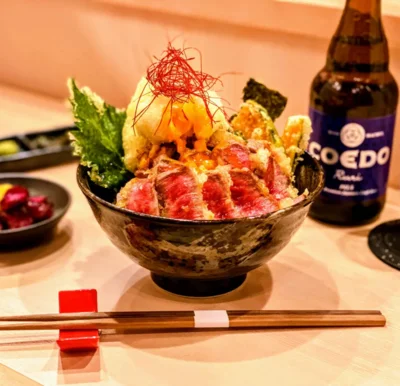
Was ist Tempura?: Tempura highlights the pleasure of batter and oil handled with restraint and precision. Diners often encounter prawns, white fish, squid, and seasonal vegetables lightly coated in a chilled batter and fried at a high temperature, yielding a crisp shell with tender textures inside. The experience frequently centers on timing: pieces arrive moments after leaving the fryer, inviting a relaxed pace as each bite is enjoyed while hot. Condiments such as tentsuyu with grated daikon, sea salt, or matcha salt offer contrasting accents. Menus may feature a counter service where items are presented one by one, mixed assortments for sharing, or pairings with rice and noodles like tendon, tempura soba, and udon. Variations in oil blends, batter thickness, and cut size create distinct aromas, sounds, and textures—from a gentle crackle to a lively sizzle—encouraging guests to compare nuances across ingredients and styles.
.jpg?format=webp)
.jpg?format=webp)
.jpg?format=webp)
.jpg?format=webp)
.jpg?format=webp)
.jpg?format=webp)
.png?format=webp)
.png?format=webp)
.png?format=webp)
.png?format=webp)
.png?format=webp)
.png?format=webp)




.jpg?format=webp)


.jpg?format=webp)



