Was ist Nagano?: Nagano’s dining scene reflects its mountains, clean water, and four clear seasons. The region is often associated with Shinshu soba made from highland buckwheat, fragrant miso, nozawana pickles, apples and grapes, and comforting foods such as oyaki. Local tables feature river fish and mountain vegetables, while wagyu from the area and occasional game appear in menus that balance rustic flavors with careful technique. Sake from long-running breweries and an emerging wine culture complement these dishes. Travelers encounter everything from casual noodle shops to refined kaiseki at ryokan, alongside farmhouse kitchens that highlight produce from nearby fields. Histories of the Nakasendo post towns and the temple life around Zenko-ji are said to have shaped hospitality traditions, from tea-house fare to influences of shojin cooking. Throughout the year, seasonal ingredients take the lead, offering a gentle snapshot of Shinshu’s landscape in each course without rushing to extremes.
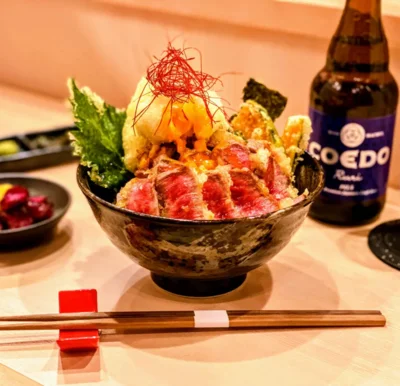
Was ist Tempura?: Tempura highlights the pleasure of batter and oil handled with restraint and precision. Diners often encounter prawns, white fish, squid, and seasonal vegetables lightly coated in a chilled batter and fried at a high temperature, yielding a crisp shell with tender textures inside. The experience frequently centers on timing: pieces arrive moments after leaving the fryer, inviting a relaxed pace as each bite is enjoyed while hot. Condiments such as tentsuyu with grated daikon, sea salt, or matcha salt offer contrasting accents. Menus may feature a counter service where items are presented one by one, mixed assortments for sharing, or pairings with rice and noodles like tendon, tempura soba, and udon. Variations in oil blends, batter thickness, and cut size create distinct aromas, sounds, and textures—from a gentle crackle to a lively sizzle—encouraging guests to compare nuances across ingredients and styles.
.jpg?format=webp)
.jpg?format=webp)
.jpg?format=webp)
.jpg?format=webp)
.jpg?format=webp)
.jpg?format=webp)
.png?format=webp)
.jpg?format=webp)
.jpg?format=webp)
.jpg?format=webp)
.jpg?format=webp)
.png?format=webp)




.jpg?format=webp)


.jpg?format=webp)



