Was ist Nara?: Nara invites diners to explore a calm yet richly layered food culture shaped by centuries of tradition. The region is known for specialties such as kakinoha-zushi wrapped in persimmon leaves, Miwa somen with a refined texture, narazuke pickles matured in sake lees, and delicate sweets made with Yoshino kudzu. Temple districts introduce shojin ryori that highlights vegetables and grains, while kitchens across the prefecture draw on Yamato vegetables, locally raised beef, and clear broths that emphasize balance and seasonality. Sake and tea have long accompanied meals here, and pairings tend to favor subtle, harmonious flavors. From quiet alleyway counters to family-run eateries and contemporary dining rooms, the scene offers variety without losing its understated character. As a former capital, Nara’s temple and festival calendar is often said to have influenced celebratory dishes and preservation methods, a heritage that continues to inspire chefs and artisans who present time-honored tastes with a thoughtful, modern touch.
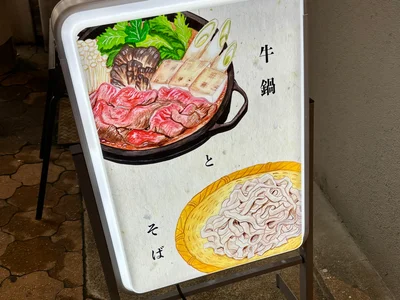
Was ist Japanese Hot Pot?: Japanese Hot Pot invites diners to gather around a simmering pot and cook ingredients at the table, creating a relaxed, interactive meal. Clear kombu stock, soy-based broths, and miso blends are commonly offered, each shaping the flavor of meats, seafood, tofu, mushrooms, and seasonal vegetables. Styles vary widely: shabu-shabu highlights quick swishing of thinly sliced beef with citrusy ponzu or nutty sesame sauce; sukiyaki features a gently sweet soy base; yosenabe brings a mix of hearty additions; chanko-nabe evokes the comfort of generous portions; and motsunabe showcases savory offal with garlic and chives. Many places present curated platters and à la carte selections, allowing guests to pace the meal and adjust the pot as they go. Toward the end, noodles or rice are often added for a satisfying finish known as shime. Rising steam, the sound of a gentle simmer, and shared timing create a dining experience that feels both warm and engaging.
.jpg?format=webp)

 United States Nutzerbewertungen3.75(1Einträge)


.jpg?format=webp)
.jpg?format=webp)
.jpg?format=webp)
.jpg?format=webp)

.jpg?format=webp)

.jpg?format=webp)