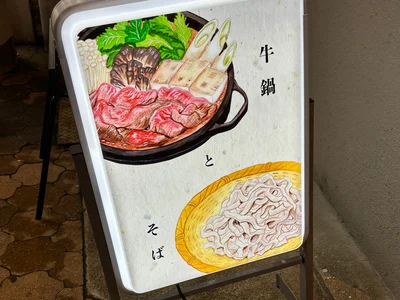
Was ist Yamagata?: Yamagata in northern Japan offers a dining culture shaped by mountains, rivers, and distinct seasons. Chefs build menus around local rice, wild greens, mushrooms, and fruit, while sake breweries take advantage of pure water and cold winters to produce nuanced styles. Visitors encounter hearty specialties such as imoni taro soup by the riverside, handmade soba that highlights fragrant buckwheat, and richly marbled Yonezawa beef prepared in a range of methods. The prefecture is also noted for cherries and pears, inspiring desserts and preserves, and for ramen traditions that include refreshing chilled bowls in summer. Casual izakaya, noodle shops, and confectioners stand alongside ryokan dining that showcases seasonal kaiseki approaches. Markets and farm stands add opportunities to sample regional pickles and miso. A unique historical thread is Yamagata’s connection to the safflower trade, which is often said to have influenced local color aesthetics and a careful sensibility toward ingredients.
Was ist Japanese Hot Pot?: Japanese Hot Pot invites diners to gather around a simmering pot and cook ingredients at the table, creating a relaxed, interactive meal. Clear kombu stock, soy-based broths, and miso blends are commonly offered, each shaping the flavor of meats, seafood, tofu, mushrooms, and seasonal vegetables. Styles vary widely: shabu-shabu highlights quick swishing of thinly sliced beef with citrusy ponzu or nutty sesame sauce; sukiyaki features a gently sweet soy base; yosenabe brings a mix of hearty additions; chanko-nabe evokes the comfort of generous portions; and motsunabe showcases savory offal with garlic and chives. Many places present curated platters and à la carte selections, allowing guests to pace the meal and adjust the pot as they go. Toward the end, noodles or rice are often added for a satisfying finish known as shime. Rising steam, the sound of a gentle simmer, and shared timing create a dining experience that feels both warm and engaging.