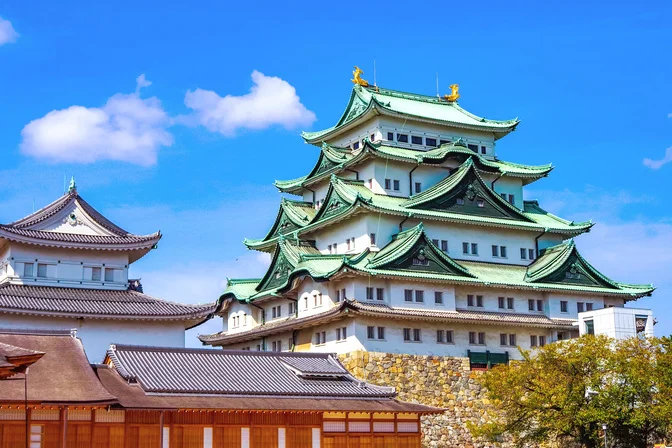
What is Japan?: Japan’s dining scene is often described as a dialogue between seasons, craftsmanship, and regional identity. From sushi, tempura, and kaiseki to ramen, yakitori, and wagashi, menus tend to highlight clarity of flavor and careful presentation. Travelers may notice distinct local styles: Hokkaido’s seafood, Tohoku’s comfort stews, Tokyo’s soba and modern interpretations, Kansai’s okonomiyaki and kushikatsu, Shikoku’s udon, Kyushu’s tonkotsu ramen, and Okinawa’s island influences. Many venues emphasize dashi, fermented seasonings such as miso and soy sauce, and precise knife work. A tradition linked to tea ceremony hospitality is said to shape the understated service and attention to detail found in many dining rooms. Street-side counters, casual izakaya, and refined multicourse experiences coexist, encouraging spontaneous tastings and planned outings alike. Seasonal specials, chef’s selections, and collaborative pop-ups appear in various neighborhoods, suggesting a food culture that balances heritage with ongoing creativity.
What is Dandan Noodles?: Dandan Noodles are often associated with Sichuan cuisine and are known for a layered interplay of heat, aroma, and nuttiness. A typical bowl features springy wheat noodles topped with minced pork, preserved vegetables, and scallions, with chili oil and Sichuan peppercorn lending a gentle tingle. Many places prepare a sesame or peanut paste to create a creamy base, then build depth with doubanjiang, garlic, and toasted spices. Brothy versions offer a silky, spoonable experience, while dry or “ban” styles coat the noodles in a glossy, fragrant sauce. Guests commonly choose a preferred spice level and may add greens, crushed peanuts, or vinegar for balance. The cooking usually begins with blooming aromatics in hot oil, followed by an emulsified sauce or light stock that is ladled over freshly cooked noodles. The result highlights contrast—spicy and savory, smooth and crunchy—delivering a comforting, slurpable bowl that invites exploration of regional interpretations.
Popular at Japan
.JPG?format=webp)
.jpg?format=webp)
.JPG?format=webp)
.png?format=webp)
.jpg?format=webp)
.jpg?format=webp)
.jpg?format=webp)
.jpg?format=webp)
.jpg?format=webp)
.png?format=webp)
.jpg?format=webp)
.jpg?format=webp)


.JPG?format=webp)
.JPG?format=webp)
.jpg?format=webp)
.JPG?format=webp)
.jpg?format=webp)
.JPG?format=webp)
.jpg?format=webp)


.png?format=webp)
.png?format=webp)
.png?format=webp)
.png?format=webp)
.png?format=webp)
.png?format=webp)
.jpg?format=webp)
.jpg?format=webp)
.jpg?format=webp)
.jpg?format=webp)
.jpg?format=webp)
.jpg?format=webp)
.jpeg?format=webp)
.jpeg?format=webp)
.jpeg?format=webp)
.jpeg?format=webp)
.jpeg?format=webp)
.jpeg?format=webp)
.png?format=webp)


.jpeg?format=webp)
.jpeg?format=webp)
.jpeg?format=webp)
.jpeg?format=webp)
.jpeg?format=webp)
.jpeg?format=webp)


.JPG?format=webp)
.jpg?format=webp)
.JPG?format=webp)
.JPG?format=webp)
.JPG?format=webp)