What is Kyoto?: Kyoto is a prefecture where culinary tradition and seasonal sensitivity shape an inviting, quietly refined dining culture. Visitors encounter kaiseki that highlights nuanced dashi, temple-inspired shojin cuisine, comforting yudofu, and homestyle obanzai that makes thoughtful use of Kyoto vegetables. The region is also associated with delicate wagashi and desserts featuring Uji matcha, while local sake from the Fushimi area is often paired to emphasize balance and aroma. Tucked into wooden townhouses and along calm lanes, many venues favor restrained presentation, attentive service, and harmony between tableware and ingredients. Markets and small producers encourage menus that shift with the calendar, keeping flavors closely tied to place and time. A distinctive thread in Kyoto’s food history is the interplay between courtly tastes and monastic discipline, which has long nurtured an appreciation for nuance over showiness. As a result, dining here often feels rooted yet evolving.
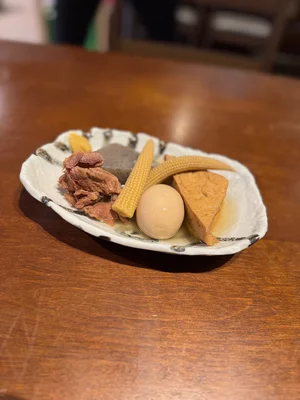
What is Oden?: Oden is a comforting Japanese one-pot style in which assorted ingredients are gently simmered in a fragrant dashi broth. Typical selections include daikon radish, hard-boiled eggs, konnyaku, tofu, fish cakes such as chikuwa and hanpen, mochi-filled pouches, and occasionally beef tendon. As the items bathe in the broth, they gradually take on savory depth, inviting a slow, unhurried pace of eating. Many venues present a large steaming pot at the counter, where guests choose pieces by sight and aroma, often pairing them with a dab of hot mustard. Broths vary: some lean light and clear with kelp and bonito, others show a soy-forward profile, and certain regions offer miso-based styles. The category welcomes variation in portioning and pacing, from a single piece to a small assortment, making it adaptable to different occasions. Diners often appreciate the warmth, the subtle interplay of textures, and the quietly nostalgic atmosphere it can evoke.
Popular at Kyoto

.jpg?format=webp)
.jpg?format=webp)

.jpg?format=webp)
.jpg?format=webp)

.jpg?format=webp)



.jpg?format=webp)
.jpg?format=webp)
.jpg?format=webp)
.jpg?format=webp)
.jpg?format=webp)
.jpg?format=webp)


 Ratings from United States users3.53(1 review)


.jpg?format=webp)
.jpg?format=webp)
.jpg?format=webp)
.jpg?format=webp)
.jpg?format=webp)
.jpg?format=webp)

