What is Miyagi?: Miyagi sits between the Sanriku coast and fertile plains, shaping a dining scene where seafood and rice take center stage. Menus often feature oysters, bonito, flatfish, and other seasonal catch; harako-meshi in autumn; and a comforting winter hotpot with seri (Japanese parsley). Sendai is widely associated with grilled beef tongue, while zunda—sweet edamame paste—appears in confections and café fare. Sasa kamaboko, Sendai miso, and craft sake complement homestyle dishes and contemporary plates alike. From fishing towns to the former castle city of Sendai, experiences range from lively markets and casual counters to quietly composed, kaiseki-inspired courses. A local food culture shaped by Date-era aesthetics is said to value clean flavors, good rice, and thoughtful presentation, and chefs increasingly reinterpret classics with modern techniques. Travelers often seek out morning markets, oyster huts, and neighborhood izakaya to sample the region’s abundance, where seasonality guides the table and conversations with producers add depth to the meal.
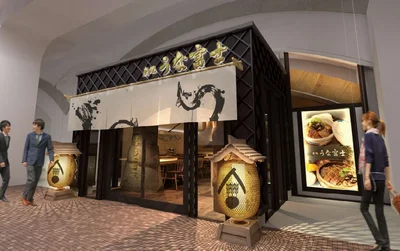
What is Eel?: Eel-focused restaurants highlight the pleasure of slow grilling over charcoal, where glossy tare lends a gentle sweetness and sheen while the skin turns lightly crisp and the flesh stays tender. Many menus feature kabayaki alongside salt-grilled fillets, and some kitchens employ a steam-then-grill method to emphasize a delicate texture. Bowls and lacquered boxes of eel over rice are common, as are regional styles that invite multiple ways to eat in one sitting. Diners may encounter white-grilled cuts seasoned simply, omelets rolled around eel, or a clear broth made with the liver. The counter often showcases the sizzle and aroma from the grill, shaping a dining experience that balances smoke, sauce, and craftsmanship. Attention to butchery, skewering, and precise heat control is central to the appeal, with small side dishes and pickles rounding out a meal that favors nuance and measured richness.


.jpg?format=webp)


.jpg?format=webp)



.jpg?format=webp)


.jpg?format=webp)


.jpg?format=webp)
.jpg?format=webp)
.jpeg?format=webp)
.jpg?format=webp)
.jpeg?format=webp)
.JPG?format=webp)
.jpeg?format=webp)
.jpeg?format=webp)
.jpg?format=webp)
.jpg?format=webp)
.jpg?format=webp)
.jpg?format=webp)
.jpg?format=webp)
.jpg?format=webp)



