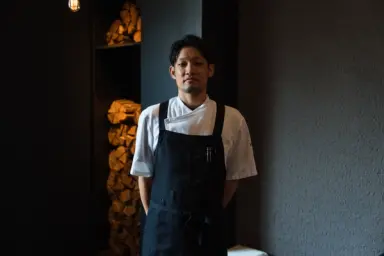
Inheriting the teachings of great chefs while confronting the limitless possibilities of firewood, 【L'eclaireur】.
Encountering the Multifaceted Allure of Firewood
ーーーCan you tell us about the concept and unique features of your restaurant?
The most distinctive feature of our restaurant is that we specialize in wood-fire cooking. Although I have never worked at a restaurant that primarily uses firewood, I was deeply inspired during my visit to Spain, where I saw many establishments incorporating wood-fire cooking. This experience left a lasting impression on me and became a key inspiration when conceptualizing this restaurant. As you can see, we do not have gas stoves here. Aside from an induction cooktop, nearly all the heating and cooking is done using firewood—that is my approach.
Additionally, the name 【L'eclaireur】 is French for "shedding light on something new." Based on this concept, we strive to bring a fresh perspective to ingredients, illuminating them in our own unique way.
ーーーWhat aspects of wood-fire cooking do you find most appealing?
Using firewood to cook ingredients is, of course, one method of preparation, but I also see it as a form of seasoning. For example, when drying or curing ingredients with salt, if you smoke them over firewood for about three days, they can be used as seasonings. I view the unique aroma of firewood as a type of seasoning in itself, and I thought that if I could add my own approach to this element, it would make cooking even more exciting.
I’m not sure whether this perspective is shared by all chefs or if it’s unique to my own sensibilities. However, I have realized that simply grilling over firewood is not enough—the way the heat is applied, the smoking process, the type of wood used, and even how the wood is utilized afterward can significantly alter the flavor. This diversity in how ingredients can be approached is what fascinates me and makes me believe in the vast potential of wood-fire cooking.
ーーーHow do you feel about using firewood in practice?
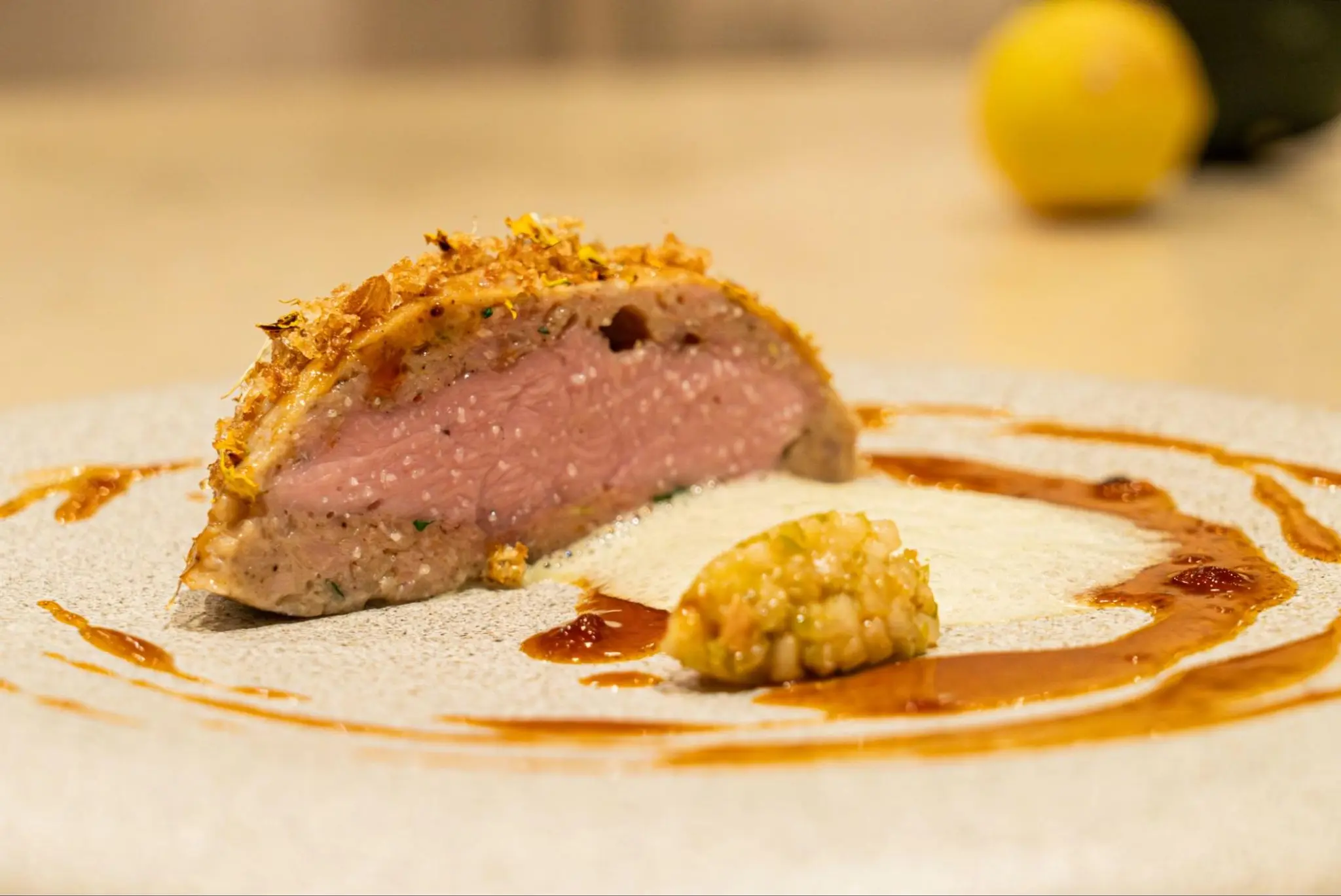
I feel that the possibilities are endless, and every day, I experience the complexity and depth of working with firewood—it’s not something that offers easy answers. I often think, "There must be even more untapped potential in firewood."Even after turning to ash, firewood still has many uses. For example, if you collect the ashes and place potatoes in a donabe (earthenware pot) for about five hours, they reach a state similar to steam-roasting. The residual heat gently cooks them, resulting in a moist, baked-sweet-potato-like texture with a delicate infusion of firewood aroma.
Even the slightest difference in heat control or the condition of the firewood can significantly alter the character of the ingredients. I feel that I still have a long way to go in my research, and my cooking style is still in the process of being refined.
ーーーWhat kind of techniques are necessary to maintain a consistent state of firewood?
The moisture content of firewood changes, which in turn affects how it ignites, so this is the aspect I pay the most attention to. However, if you ask me to "explain how to handle firewood," it’s actually quite difficult to put into words (laughs). For example, in a regular restaurant that uses an oven, I can teach the staff precise techniques for cooking meat. But when it comes to firewood, there’s a significant element of intuition involved—it’s something that has to be learned through experience. I have my own method, and the staff observe how I handle firewood, then adapt it in their own way. In a sense, "firewood handling can't be fully taught", which is both a unique characteristic and a challenge. Even if the same dish is cooked using firewood, if a different person is tending the fire, customers sometimes say, "It tastes completely different!" That’s when I realize how much firewood cooking reflects the individuality of the person using it.
ーーーGiven the strong presence of firewood, do you find it challenging to balance it with other ingredients and seasonings?
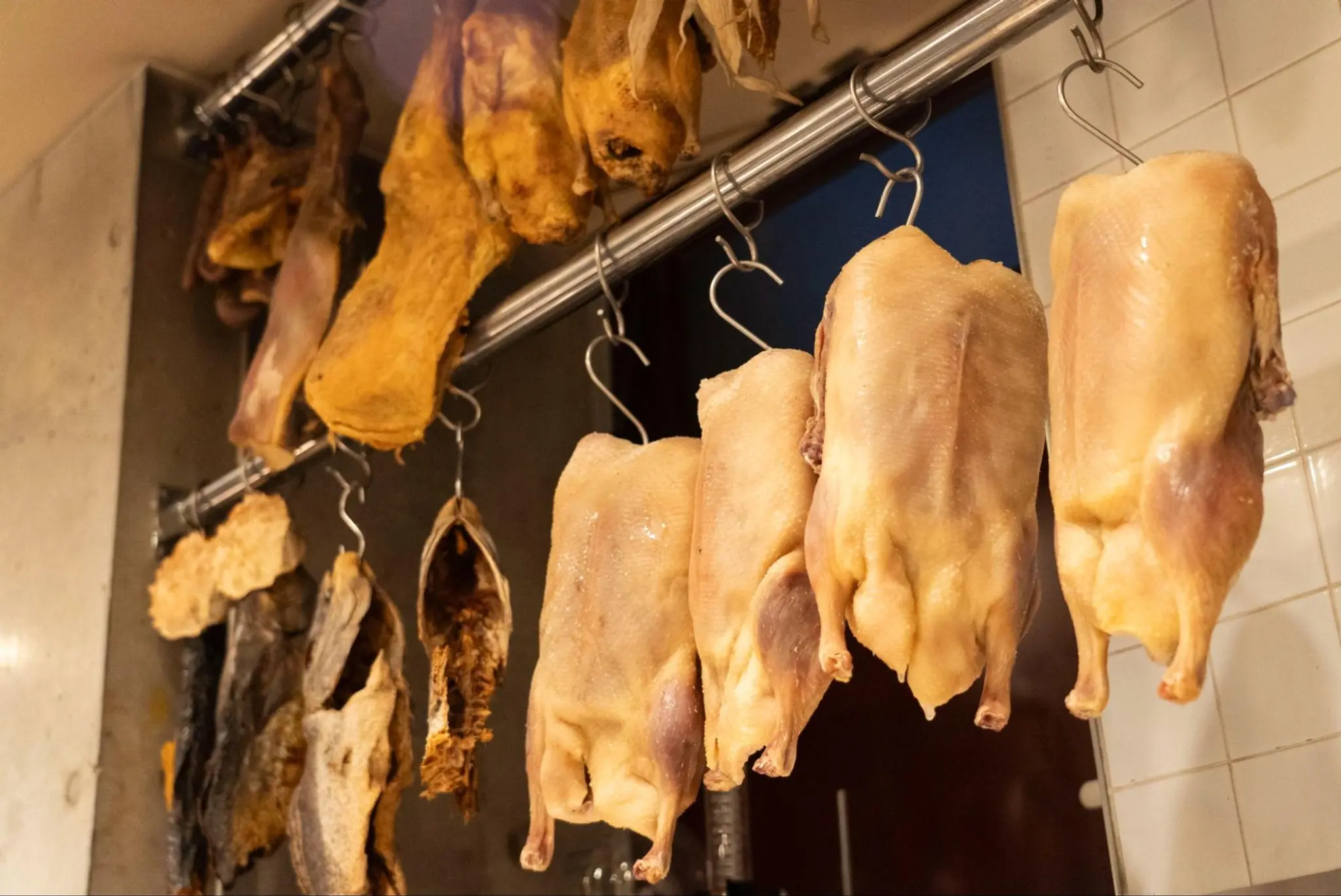
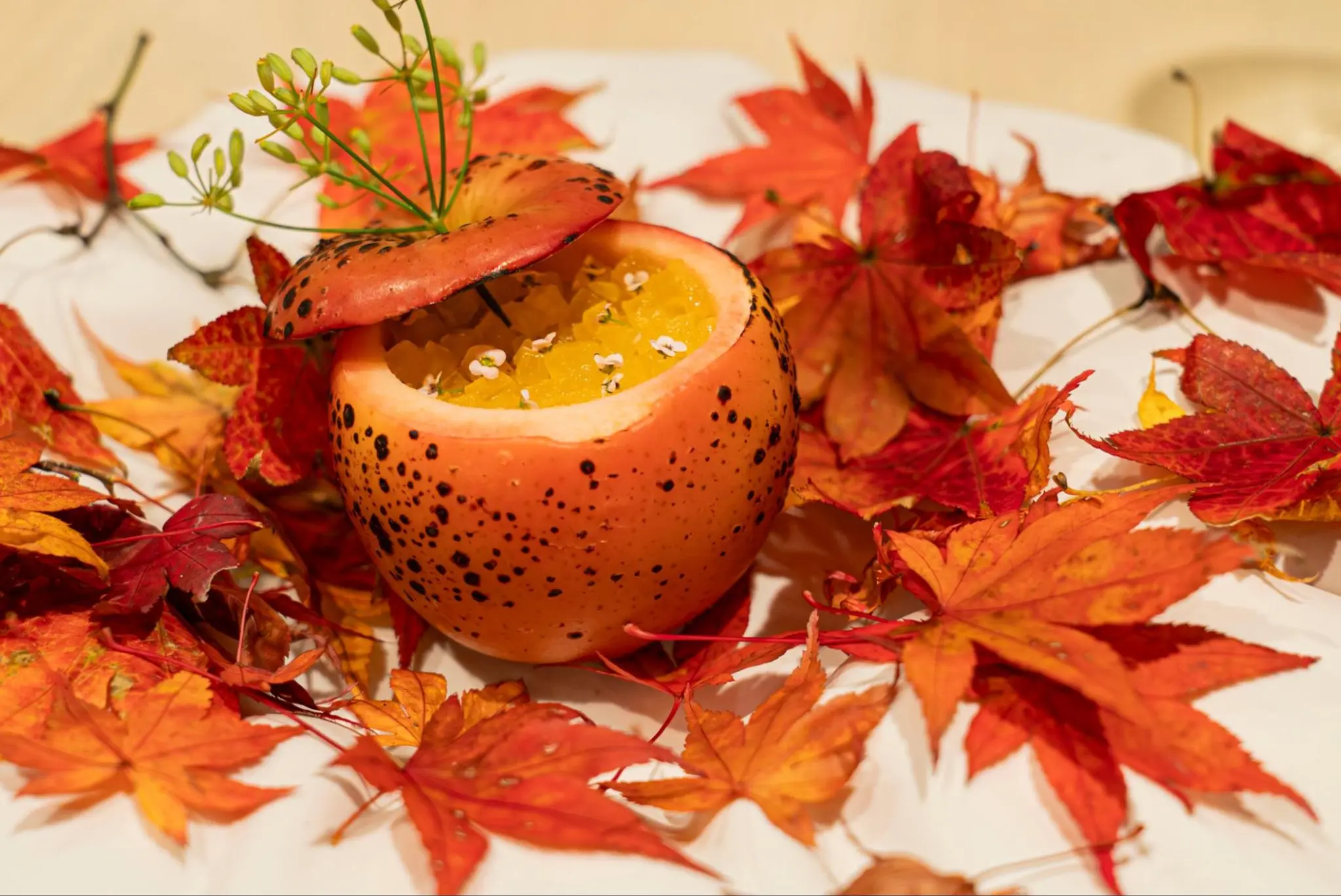
I always make sure to create a "bridge" between the firewood and the ingredients. For example, when making a dressing, I incorporate oil that has been smoked over firewood, or I burn wood and infuse the aroma into milk to create a sauce. I’ve only started integrating this approach in the past year. Lately, I’ve found that fermented foods like miso pair best with firewood and serve as the perfect "bridge." I also experiment with combining firewood with kombucha (a fermented beverage) or making our own smoked fish flakes, similar to katsuobushi but using sea bream instead—what we call "tai-bushi." These elements, which act as bridges, have helped bring cohesion to the overall flavors of my dishes.
Before realizing this key point, I always felt a lingering sense of discomfort in my cooking.For example, when I tried to create a cold appetizer by lightly searing lobster or tuna and pairing it with a delicate-tasting sauce, it didn’t taste good at all (laughs). No matter how I adjusted the balance, the flavors just wouldn’t come together. Looking back, I now realize that I had underestimated the influence of firewood. That was the most difficult aspect for me to overcome.
The teachings of great mentors and the passion of producers form the essence of Taguma’s cuisine.
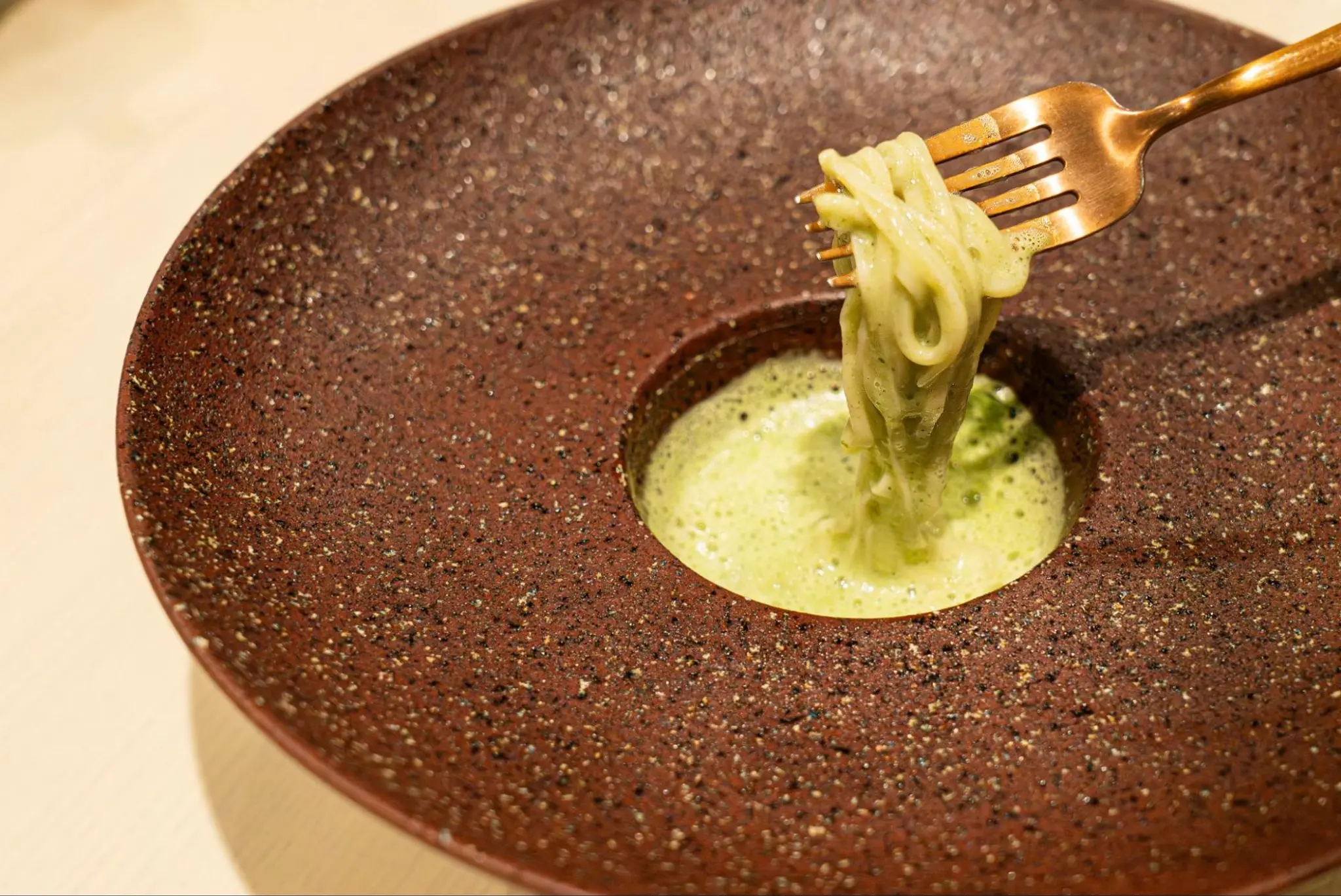
ーーーCould you tell us about the characteristics of your dishes and the structure of your course menu?
To be honest, I don’t have a clearly defined concept or characteristics for my cuisine. However, one thing that is certain is my deep respect for classical cooking techniques and styles. What I continuously strive to do is take the knowledge and experiences I gained from the great chefs I trained under in France and express them in my own way. Rather than simply replicating their methods, I filter their approach through my own perspective, adding my own touch before presenting it to my guests.
Our course menu consists of approximately 12 to 13 dishes, including amuse-bouches. When it comes to ingredients, I believe that most restaurants today carefully source the finest products from various regions across Japan, and I do the same. Compared to the past, we now live in an era where it’s much easier to build direct connections with producers. When I receive exceptional ingredients, I naturally want to use them, which often leads to changes in the menu. In essence, "receiving great ingredients" is a reflection of the ever-changing seasons, so as the seasons shift, the menu naturally evolves along with them.
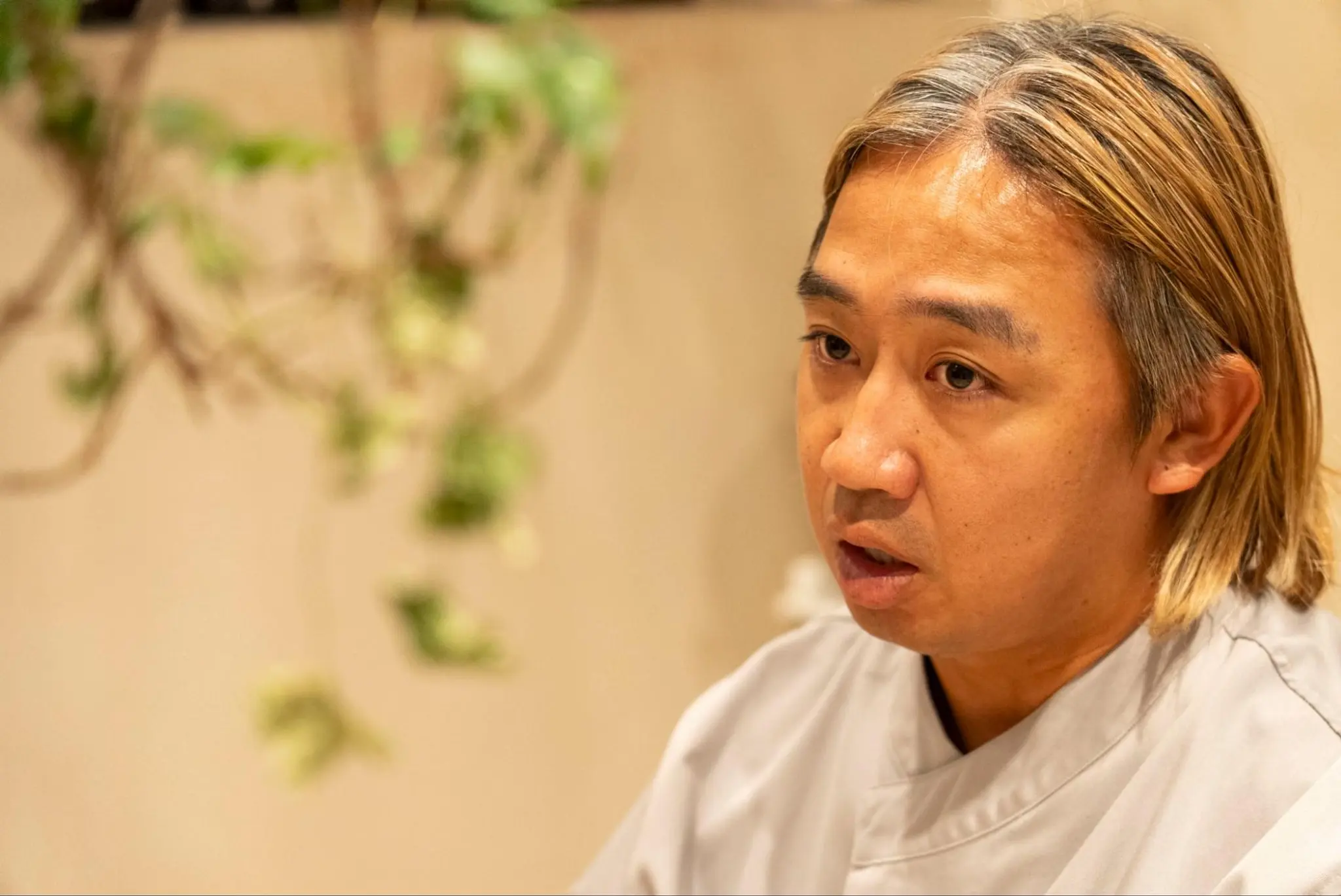
ーーーAre there any particular principles or commitments you uphold when sourcing ingredients?
What I value the most is the passion and dedication of the producers. Ingredients that carry a strong sense of commitment and care always tend to be in excellent condition and have outstanding flavor. It’s difficult to express in words, but when you take a bite, you can feel it. And when you talk to the producers, you can sense it even more .That’s why I source all my ingredients directly from farmers, ensuring a direct connection with the people who cultivate them.
Since I spent most of my time in France, when I first opened my restaurant, I hardly knew any Japanese producers. In the beginning, I searched for them on my own, but I struggled to find the right people. However, over the past year, I’ve finally been able to connect with exceptional producers. What’s even more valuable is that they, in turn, introduce me to other great producers. These growing connections have been truly invaluable, and I’m deeply grateful for them.
For example, recently, I’ve been sourcing vegetables from Kyoto, and there’s a reason behind this. There is a nationally designated cultural heritage site called 【Daisho-ya Ueno-ke】, which has been preserved since the Edo period and is jointly managed by the national government and Kyoto Prefecture. I’ve been entrusted with overseeing its operations, and we are planning to open it soon. This opportunity came about thanks to producers recommending me for the role. It all started when I met a vegetable producer at Saikō-ji Temple in Maizuru, which led to introductions to game hunters specializing in deer and wild boar, as well as fishermen from Miyazu Bay. Through these connections, everything gradually came together to where we are now.
For herbs, I source them from a producer at the foot of Mount Fuji. As for beef, I receive it from Shiga, where it is aged for about 100 days with potato mold to enhance its flavor. As a result, I hardly use any French ingredients—most of what I work with now comes from Japan.
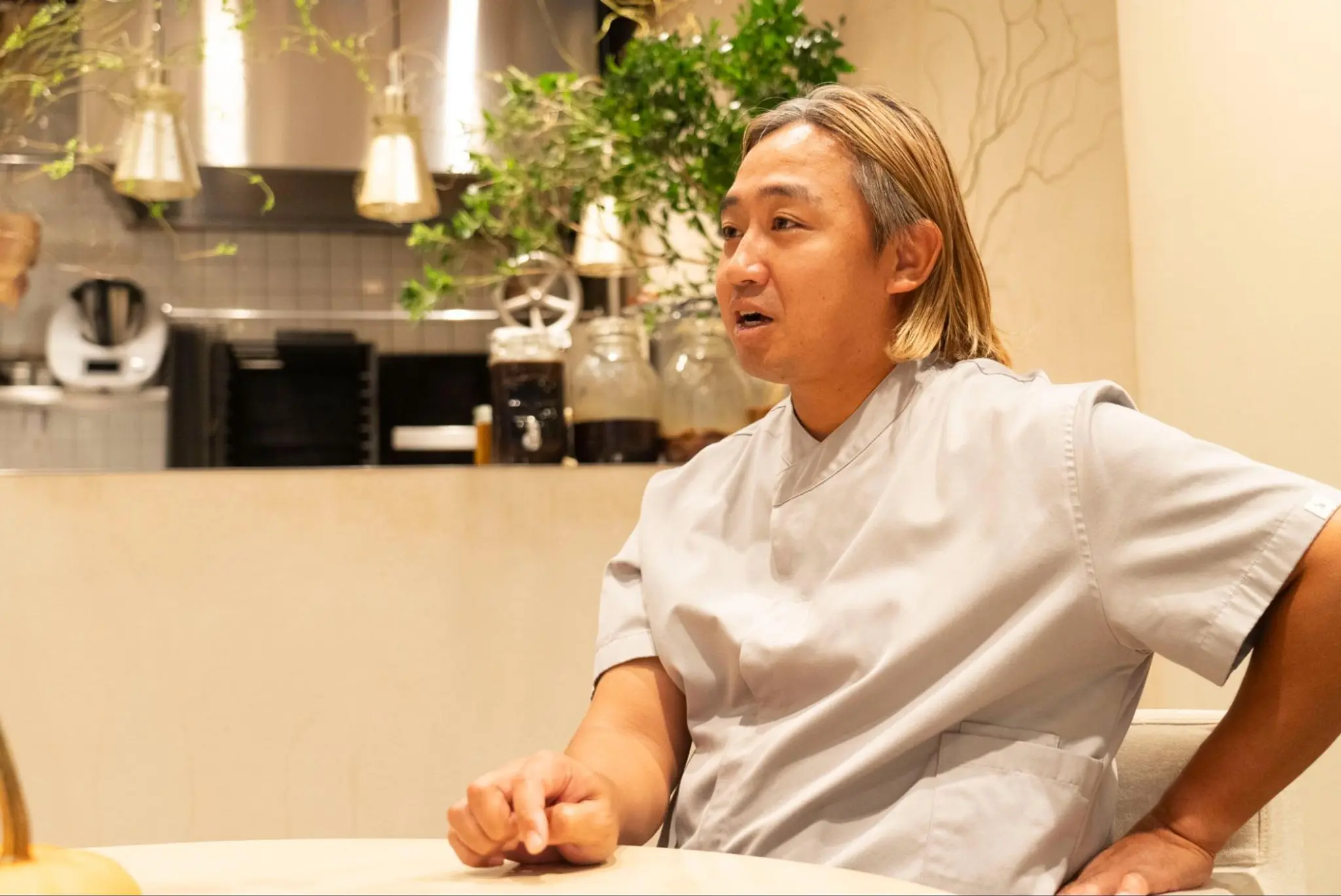
Luck on His Side – A Challenge in a Foreign Land That Transformed His Life
ーーーWhat inspired you to decide to go to France?
Around 2008 was a major turning point in my life. At the time, I was already thinking about going to France when, by chance, Dominique Bouchet visited 【Les Enfants Gâtés】 in Daikanyama, where I was training. During his visit, the chef introduced me to him, which set everything into motion. Before I knew it, the opportunity to train at 【Dominique Bouchet】 in Paris was arranged, and that marked the beginning of my journey in France.What started as a single opportunity eventually turned into 10 years of training in France.
ーーーTen years is a long time! Do most chefs train for that long?
The reality is that obtaining and renewing a visa every year is extremely difficult, and ironically, those who go to France with strong determination often end up returning after just one or two years. On the other hand, people who simply go with the flow and live recklessly tend to stay much longer (laughs). Initially, I planned to stay for just one year before returning to Japan. However, I ended up spending ten years there, and I believe the biggest reason was the incredible connections I made with people along the way.
ーーーYou trained at some truly prestigious establishments. From the beginning, did you go with the mindset of trying to absorb as much as possible?
Not at all! As I mentioned earlier, I originally planned to return to Japan (laughs). Around 2014, there was a surge in popularity of Nordic cuisine in Tokyo, but in Paris, it had already been a major trend. I was thinking of traveling through Scandinavia before heading back to Japan when I happened to meet Chef David.
Chef David, who was widely regarded as a genius, was known for his approach to French cuisine infused with Nordic influences. Even though he was only one year older than me, I was truly amazed by his creativity. I remember thinking, "I can't believe someone this innovative exists!" It left a deep impression on me. That moment made me decide—I wanted to learn under him, and so I chose to stay in France.
ーーーDuring your training years, what was the most difficult experience or a moment that left a lasting impression on you?
It was around my eighth or ninth year in France. That period was the toughest and most pressure-filled time in my life as a chef. However, it was also when I learned the most. Training under a truly great chef was an invaluable experience, and I am incredibly grateful for it. That being said, this was also the time when I struggled the most, shed the most tears, and felt the most mentally exhausted (laughs).
ーーーWhen you returned to Japan in 2018, you were running your restaurant in a different way than you are now, correct?
Tokyo has many great restaurants and intense competition, so I thought it would be difficult to survive solely with a restaurant business. Since I was skilled at pastry making, I decided to launch a patisserie business alongside the restaurant. At the time, people around me would say, "You're taking a detour!" But once I started, it led to opportunities to collaborate with various luxury brands. Even now, I continue to supply pastries and beverages through contracted partnerships and participate in events. This experience has become a valuable asset, and in the end, I believe it was the right decision for me.
There were times when I hesitated and considered focusing solely on the patisserie business. However, I realized that if I went down that path, I would no longer be able to cook as a chef, and that thought made me feel a deep sense of regret. I knew that if I didn’t continue pursuing cooking, I would end up regretting it—so I decided to stay true to my passion.
Leveraging a Wealth of Experience to Aim for Even Greater Heights
ーーーWhat is the most important thing for you when creating a dish, and what message do you want to convey through your cooking?
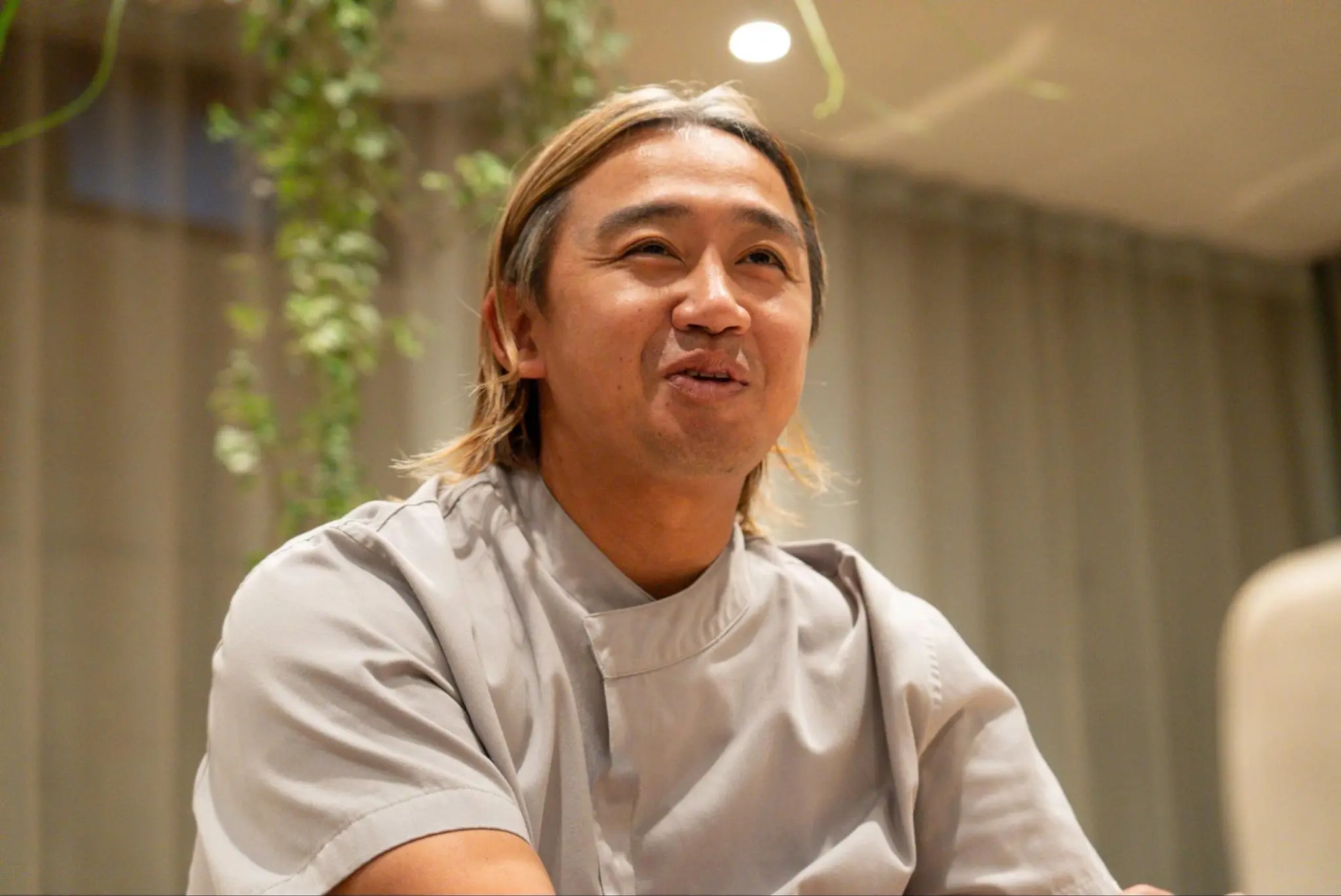
I believe that a restaurant is a place where customers should leave with a smile, so that is always my top priority when creating a dish. If you have a genuine desire to bring joy to others, the techniques and skills will naturally follow .I also share this mindset with my staff, encouraging them to always think, "Let's create smiles for our customers."
Another important thing is to fully dedicate yourself to what’s in front of you every single day. As humans, we all have moments where we cut corners or feel the urge to. But giving 100% effort in every moment—though it sounds simple—is actually one of the hardest things to do. One phrase that left a deep impression on me during my training years was :"Does this action add value to your future?"That question has stayed with me ever since, and even now, I keep it in mind with everything I do.
I want my staff, as members of the restaurant, to take responsibility for their actions every day and to approach everything with dedication and sincerity. No matter what the task is, I hope they give it their all and face it with a strong sense of commitment.
ーーーWhere do you draw inspiration for your dishes, and what aspects do you focus on most?
Experiencing a wide variety of things is important, but one thing I consciously avoid is spending too much time on social media. This is actually one of the lessons I learned from Chef David. He always emphasized that while experiencing food firsthand is valuable, simply looking at photos on social media leads to imitation, which is something to avoid. In particular, I try not to look too much at Japanese cuisine or Japanese restaurants. Once you see something, it inevitably stays in your mind, and when developing new dishes, it can subconsciously influence your creations.
I feel that Parisian-style cuisine suits me best, so I take inspiration from local chefs there and also make it a habit to read classic culinary books every day. One of my favorite references is a book featuring the signature dishes of renowned chefs from the 1970s onward. It showcases their specialties, and I often use it for inspiration .Aside from that, ingredients themselves play a crucial role. Conversations with producers—learning about how they traditionally eat and use their ingredients—provide me with invaluable insights and ideas for my own cooking.
ーーーWhat are your future plans, and is there anything new you would like to challenge yourself with?
What I’m currently working on in Kyoto is exactly the kind of challenge I want to continue pursuing. Producers create delicious ingredients because they want to eat delicious food themselves—that’s their philosophy. I want to coexist and collaborate with them, respecting their craft while bringing my own expertise as a chef into the process .They are professionals in growing ingredients, while we are specialists in cooking them. The idea of working together, combining our strengths to create something special, is incredibly exciting to me .Bit by bit, these connections between people expand, and in the end, everyone comes together with a smile. That’s what makes cooking the most enjoyable for me.
I’ve already received offers from other regions, not only in Kyoto. It looks like I’ll have the opportunity to challenge myself beyond French cuisine and explore various other genres. Moving forward, I want to continue exploring the possibilities between exceptional local ingredients and wood-fire cooking in different regions. My goal is to create experiences that only we can offer, using our unique approach to bring smiles to our guests' faces.
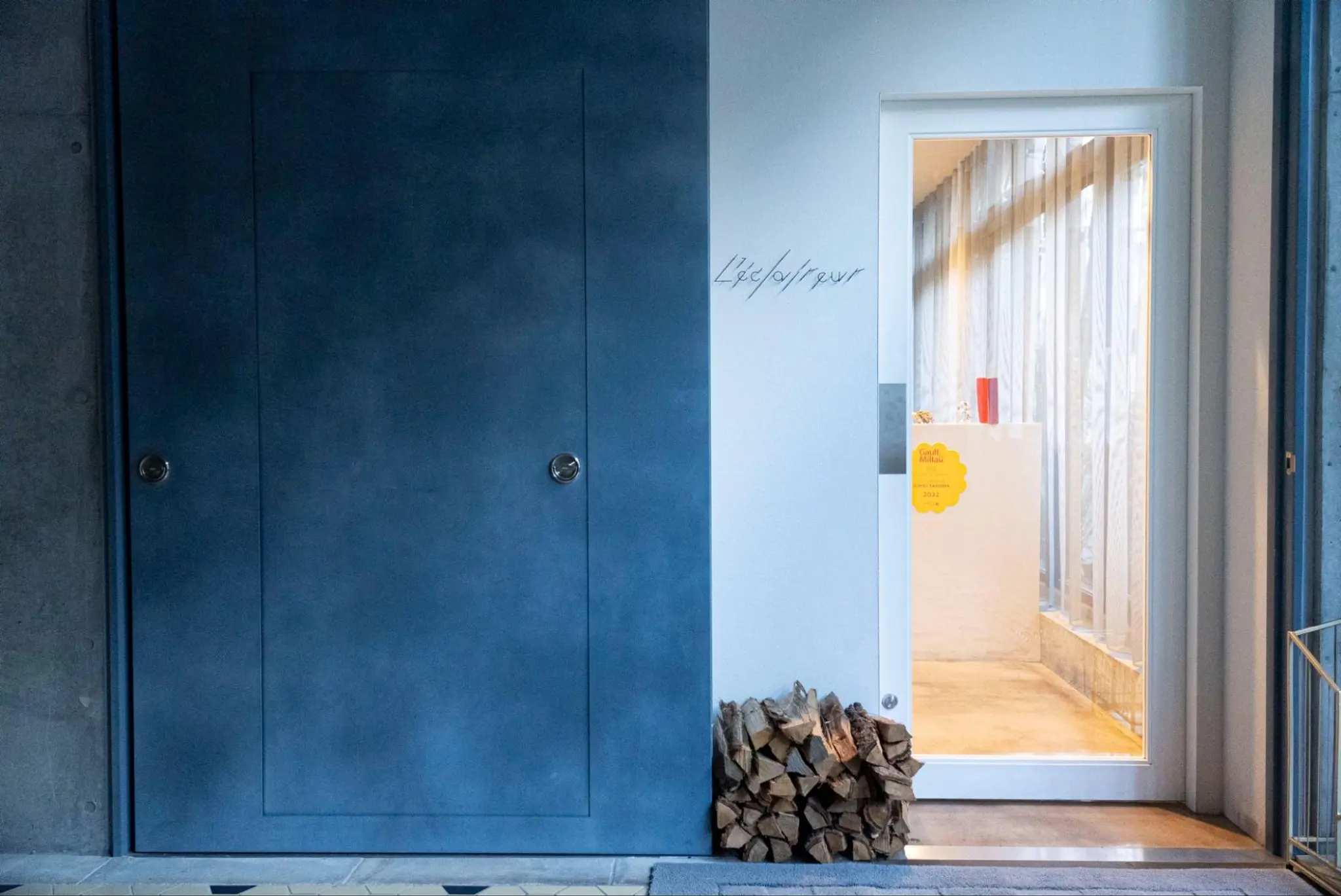
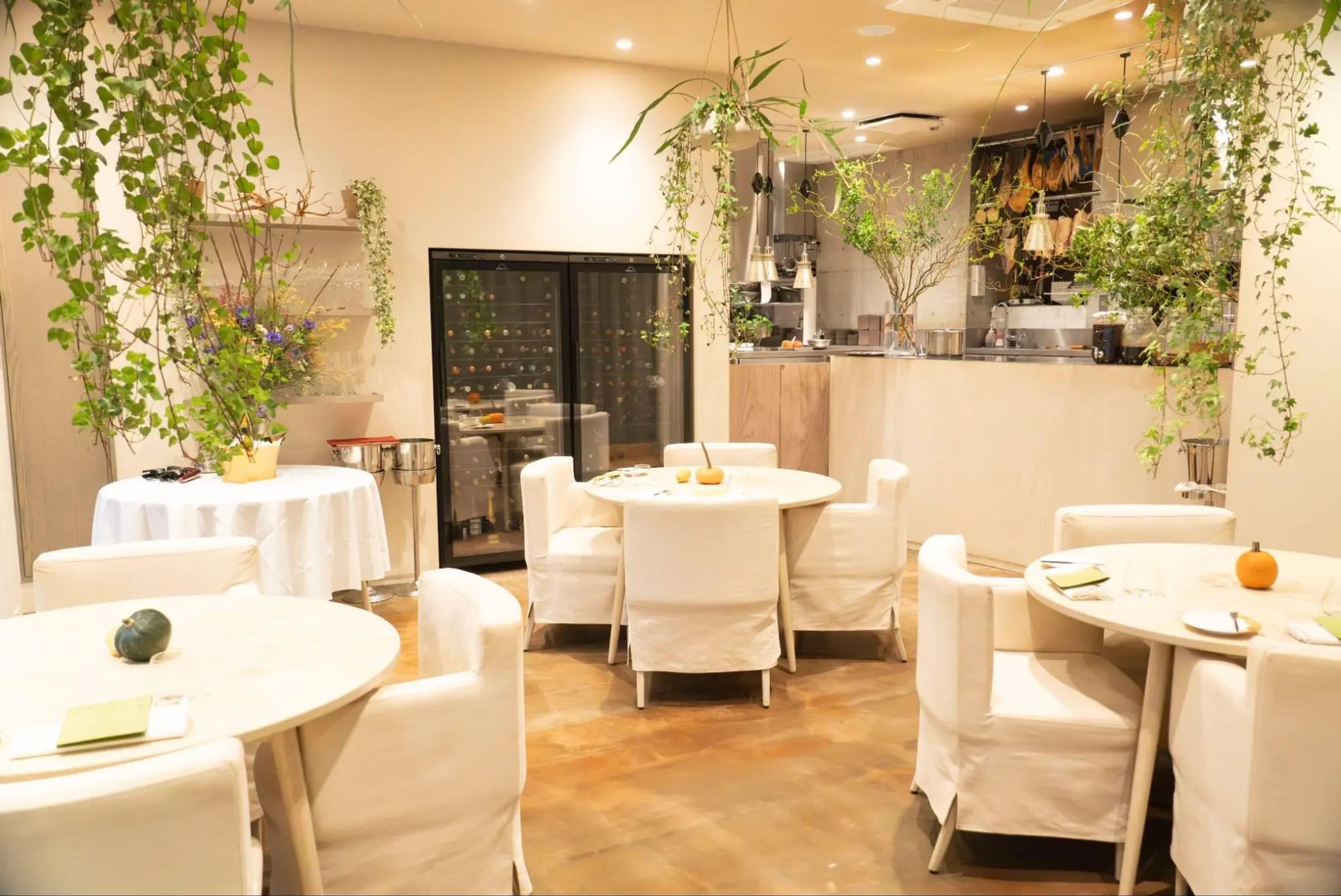
The restaurant’s interior is filled with aromatic wood smoke, complemented by vibrant botanical decorations, while flames flicker in the wood-fired oven. One of the most primitive cooking methods, wood-fire cooking, is inherently unpredictable due to its natural origins. Yet, Taguma's relentless curiosity and passion for exploration transform even this unpredictability into a source of creative joy. This philosophy aligns perfectly with the meaning behind the restaurant's name, 【L’eclaireur】, which translates to "those who bring light to various things."Taguma’s vision extends beyond restaurant management—he shines a light on regional ingredients, food culture, and producers, continuously proposing new values and perspectives. His journey is one to watch closely.
Interview by / Yuri Yanagiya
Written by / AutoReserve Magazine Editorial Team
Photography by / Azusa Nakaoka
Restaurant Information
- AutoReserve Magazine
- Restaurants recommended by top chefs
- Inheriting the teachings of great chefs while confronting the limitless possibilities of firewood, 【L'eclaireur】.