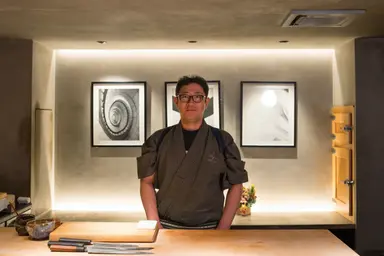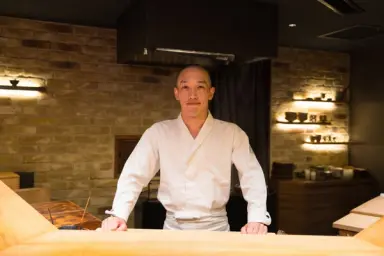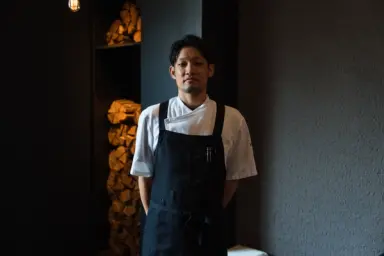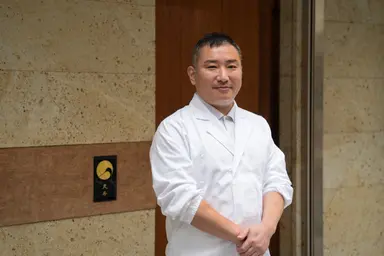
A Special Experience with French Cuisine that Embodies Transparency in Ingredients – Thoughts on Cuisine and Space at 【Yd'or】
A Place to Be Remembered – The Meaning Behind the Name
ーーーWhat thoughts are embedded in the name of 【Yd'or】?
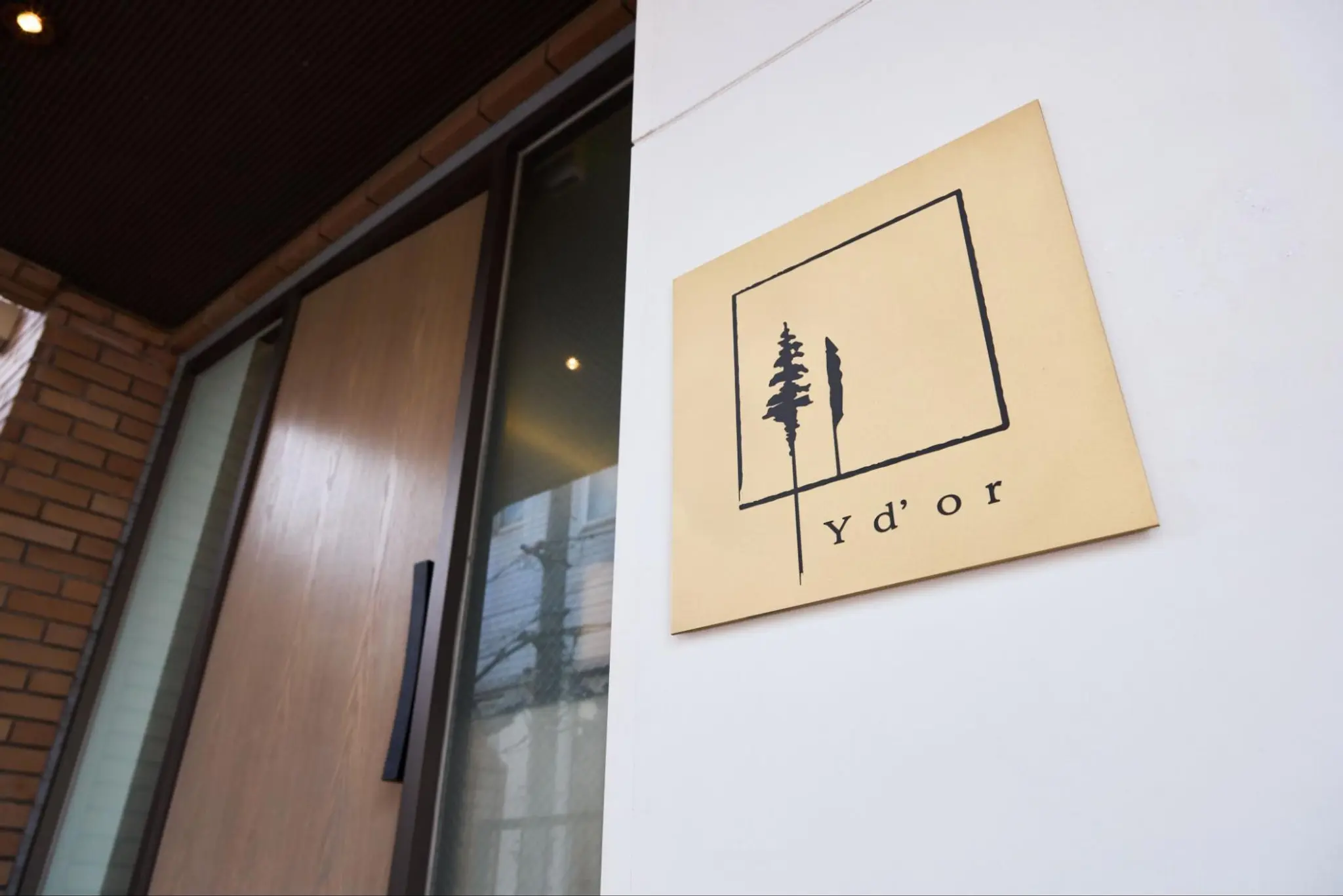
To me, a restaurant should be a "radiant presence"—one that evokes anticipation before a visit, excitement during the meal, and lingers in memory even after returning home. I wanted to express both my reverence for restaurants and my vision for the kind of restaurant I aspire to create, all in a single name. The letter "Y" in French is a pronoun used to refer to a previously mentioned place, symbolizing the restaurant as a destination. Meanwhile, "d'or" means "golden," signifying brilliance and excellence.
ーーーI heard that the restaurant’s logo also holds a special meaning.
The logo is inspired by the pine trees on Noirmoutier Island, where I worked in France. On that island, pine fragrance was sometimes used for smoking food, and incorporating it into dishes left a strong impression on me. I wanted to embed those memories into the logo. Additionally, the square-shaped path-like pattern surrounding the logo represents "an endless road," symbolizing that the world of cuisine has no limits. It conveys my determination to continue exploring and never stop moving forward. In fact, the shape of Noirmoutier Island is subtly hidden within the logo’s design. It’s a small playful touch, but since the island holds a special place in my heart, I wanted to incorporate it into the design. I hope you take a moment to find it!
The Connection That Led to Daikanyama in Pursuit of the Ideal Space
ーーーHow did you go about selecting a location for your restaurant?
At first, I walked all over Tokyo searching for properties, exploring areas like Ebisu, Hiroo, and Moto-Azabu. I repeatedly observed the flow of people and the atmosphere of these neighborhoods during the day and night, on weekdays and weekends, in search of a place that truly felt right. There were many potential locations, but something always felt off, and I struggled to find a place that truly resonated with me. I had decided that if I felt even the slightest sense of discomfort, I wouldn’t open a restaurant there, which made the decision process even more difficult.
Then, out of the blue, Chef Aihara from 【Simplicité】 contacted me and said, "We’re moving to a new location nearby—would you like to use this space?" I was completely surprised. In fact, I had a special connection with 【Simplicité】—I was present on the day it first opened. I never imagined that I would one day take over that very space. The moment I heard Chef Aihara’s offer, I immediately thought, "This is the place!" Without even asking about the conditions, I gave my answer the next day: "I’ll do it."
I believe this was fate. No matter how long I had searched, I couldn’t find the right location, and then, naturally, this opportunity came to me. I had no hesitation—the ambiance, the size, everything about the space matched my ideal vision. I want my guests to feel a sense of stepping into another world as they enter the restaurant and enjoy their dining experience in that special atmosphere.
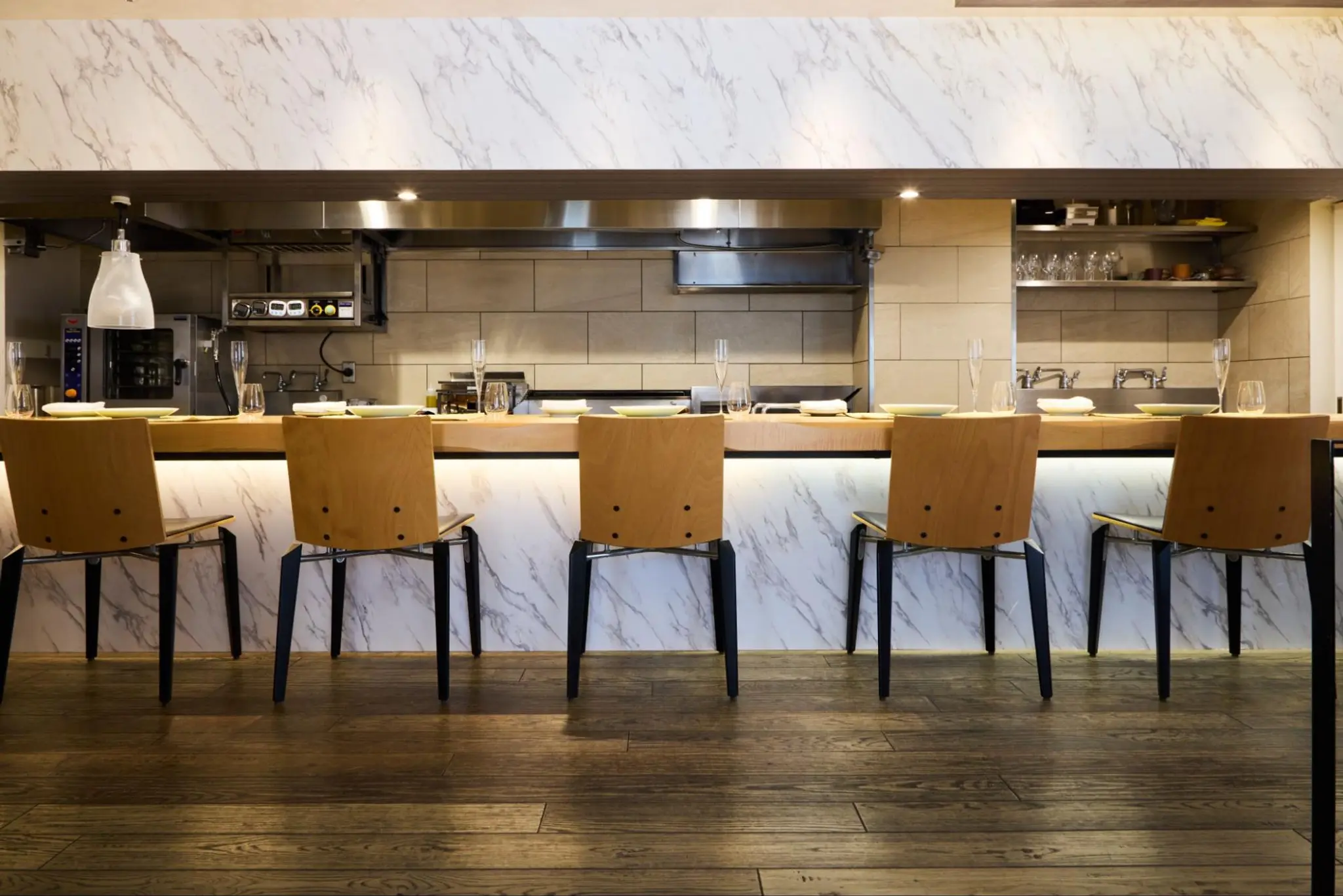
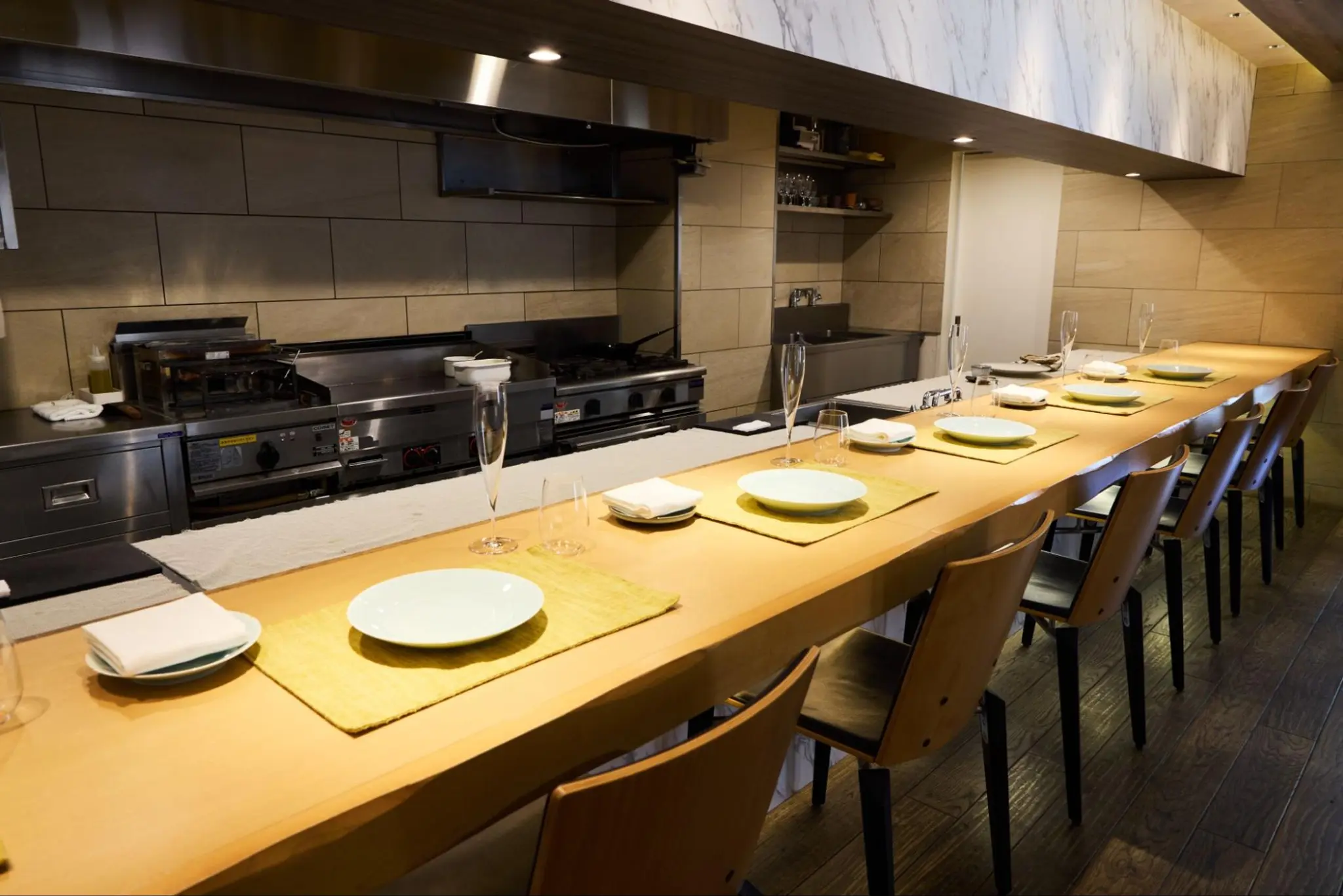
In a restaurant, the workflow within the kitchen is an extremely important element. If the space is too tight, it can become stressful, but the layout of this restaurant, which I inherited, allows movement with just a simple "Excuse me," without any unnecessary strain. A smooth workflow eliminates unnecessary movements, allowing me to focus entirely on the cooking. Additionally, guests can enjoy watching their dishes being prepared right before their eyes, creating a shared experience—almost as if we are spending this time together.
I believe that this sense of live-action cooking, where guests can witness their meals being completed in front of them, makes the dining experience even more special. That’s why I had always envisioned opening a restaurant centered around counter seating, where I could directly see my guests' expressions. I also love the fact that there are stairs leading up to the counter seats. It’s just a few steps, but I feel that this small ascent enhances the sense of stepping into another world—building anticipation for the special experience that is about to begin. This restaurant is not just a place to serve food, but a space designed to orchestrate the entire dining experience. If guests can feel that, it would make me truly happy.
Before becoming independent, I was fortunate to have the opportunity to train at sushi restaurants in Tokyo, where I learned the art of movement and space utilization unique to counter-style dining.
A Culinary Journey That Led to My Own Unique Style
ーーーWhat inspired you to become a chef?
My starting point was a part-time job at a yakitori restaurant during high school. There, I learned more than just grilling techniques—I discovered the power of the atmosphere that food creates. I loved the "bright and lively" space where guests enjoyed their meals while chatting happily. Initially, I had only intended to work part-time, but over time, I started thinking how wonderful it would be to create such an atmosphere through my own cooking. That’s when I decided to pursue a career as a chef.
However, as I took my first steps into the profession, I quickly realized that even a seemingly simple dish like yakitori required immense skill and experience. To refine my craft further, I immersed myself in the world of French cuisine, which I believed to be the most technically demanding culinary field. Determined to master it, I committed myself to learning everything I could. Through my experiences in various kitchens, I acquired diverse skills, from handling ingredients to understanding the depth of sauces. Beyond the technical aspects, I also underwent "spiritual training"—learning not just how to cook, but how to embody the role of a chef. Every day was a lesson in both technique and philosophy.
ーーーAre there any experiences from your training days that still influence you today?
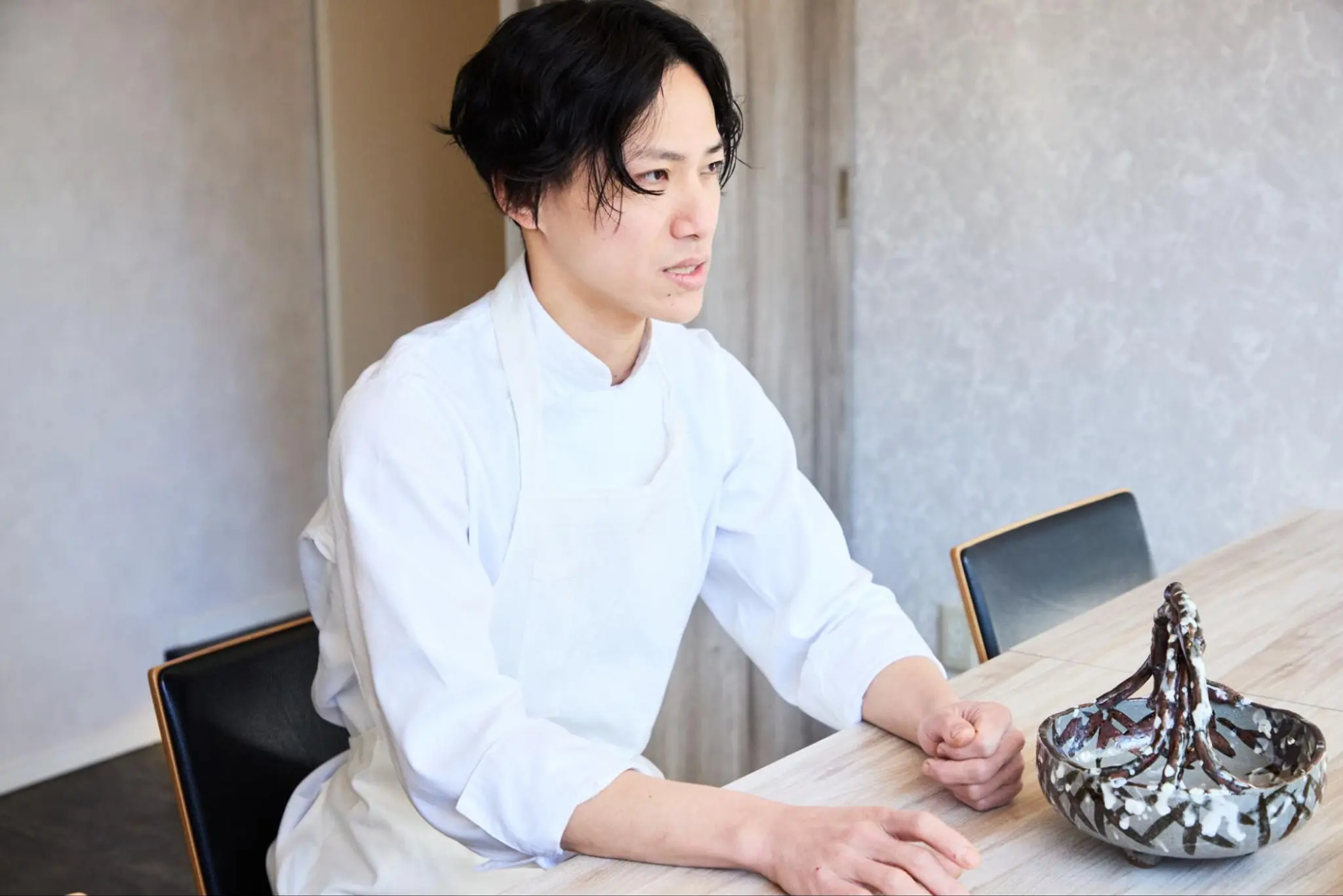
At 【Lyla】 in Akasaka, my perspective on cooking changed dramatically through conversations with Chef Nariyuki. Until then, I had focused solely on executing tasks correctly as instructed. However, Chef Nariyuki constantly asked me, "What do you think?"
Even when developing new dishes, rather than simply following his instructions, we engaged in discussions like, "How can we best utilize this ingredient?" or "Is there a better combination?" At first, I was unsure, but as I kept thinking and refining my ideas, I found myself able to express my thoughts about cooking in my own words. I also wanted to meet his expectations, so I put my heart into thinking through every dish. One of the biggest lessons I learned during this time was shifting from a passive to an active approach—becoming proactive in creating dishes rather than just following orders.
ーーーHow was your training experience in France?
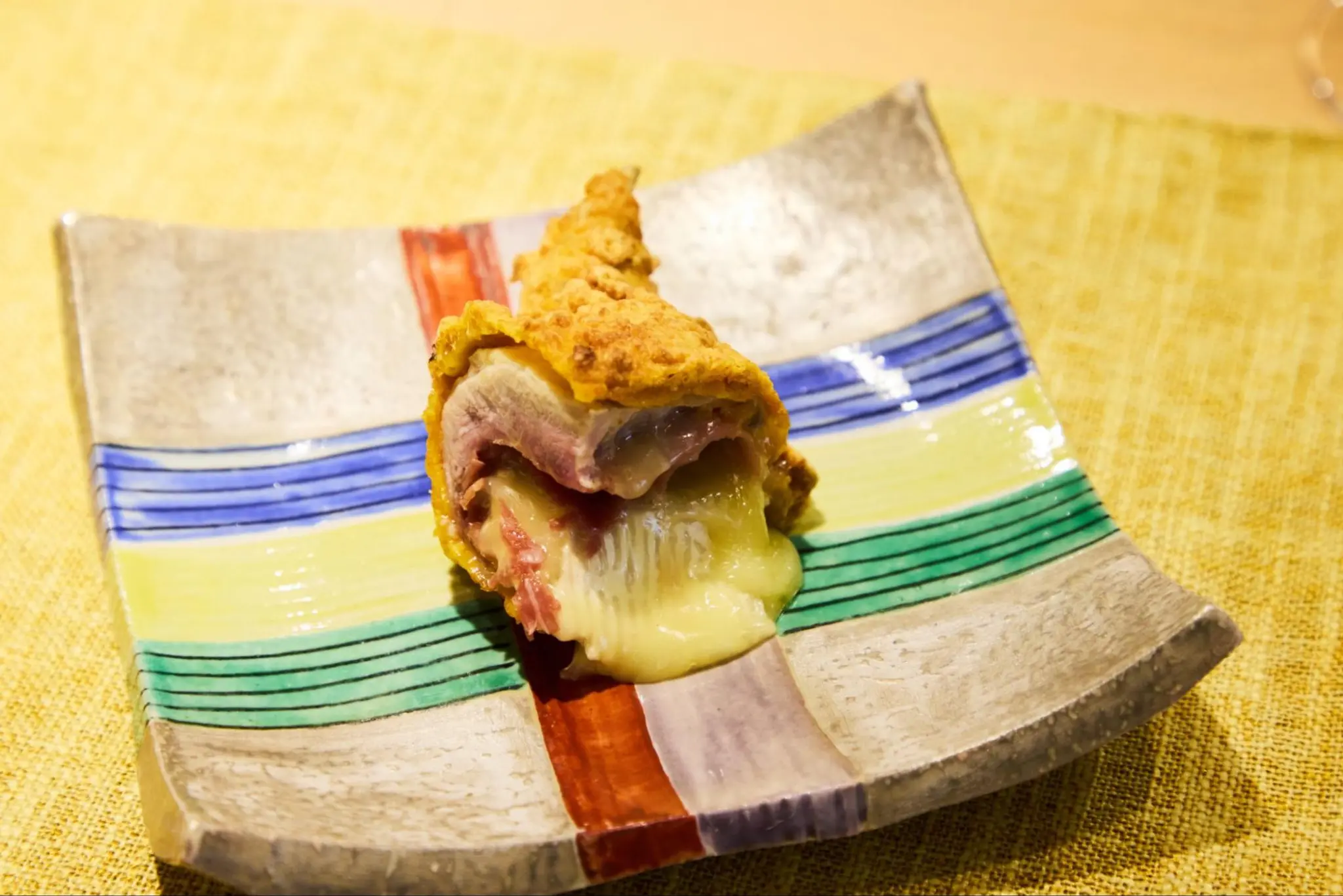
My time at 【La Marine】, a Michelin three-star restaurant on Noirmoutier Island in France, was an invaluable experience. I came to understand that French cuisine is not just about mastering techniques to create visually stunning dishes—it is about combining ingredients and cooking methods to form a complete and harmonious dish. I also deeply realized how a chef’s instincts, experience, and the background of the ingredients all profoundly influence the final creation.
At the time, French cuisine was strongly focused on "creating beautiful plates," with an emphasis on the amount of effort and technical skill put into each dish. However, as the number of steps increased, temperature control became more challenging, sometimes resulting in dishes losing their essence. Guests came to enjoy a delicious meal, yet the focus often shifted toward eating something akin to an artistic masterpiece. I couldn't help but question, "Is this truly the essence of French cuisine?" That sense of discomfort stayed with me.
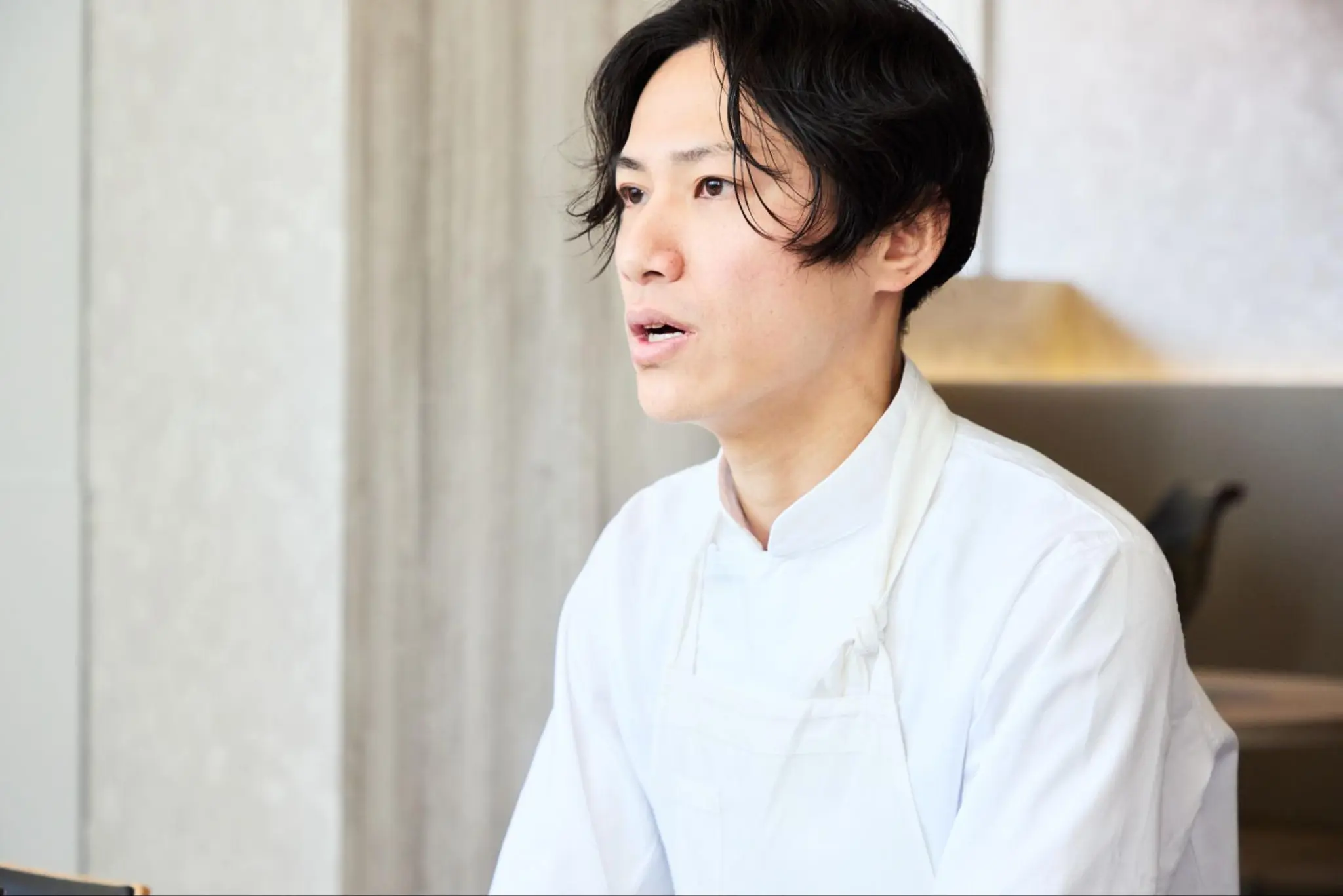
At that time, I encountered the cuisine of Chef Alexandre Couillon at 【La Marine】. His dishes showcased local ingredients in a simple yet refined manner, with meticulous control over heat and temperature. Each dish was paired with precisely calculated sauces, bringing out the uniqueness of the ingredients. Chef Alexandre Couillon’s cooking had such a distinctive style that anyone could immediately recognize it as his. I was deeply impressed that a chef in France could create such cuisine, and I felt a strong desire to learn from him. Without hesitation, I sent my résumé and made my way to France.
What I learned from Chef Alexandre Couillon was not just about "using high-quality ingredients to make delicious food," but rather, "how to express the background of those ingredients." This, to me, is the true essence of French cuisine. My encounter with him played a crucial role in shaping the culinary style I pursue today.
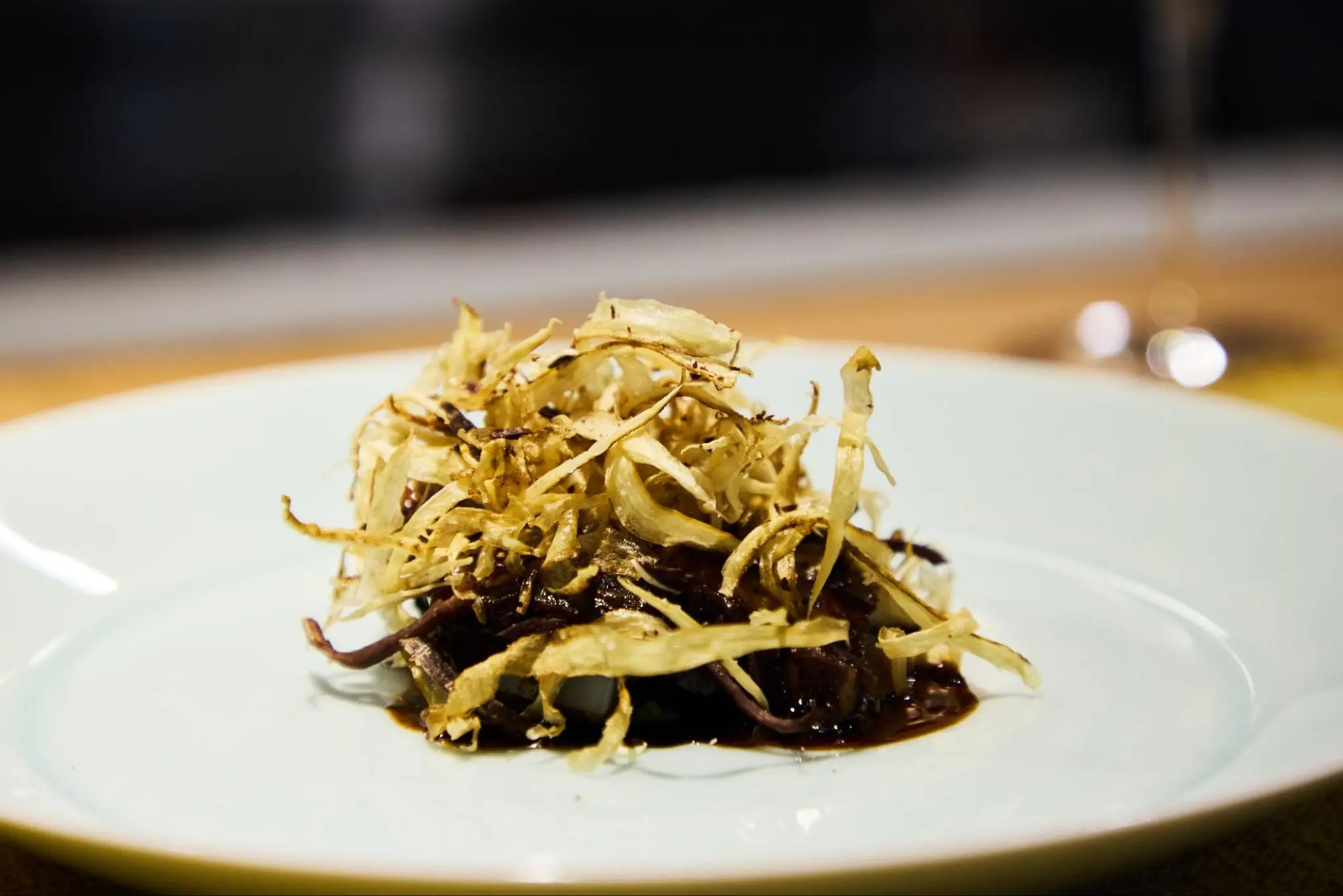
ーーーWhat is the culinary style you aim to achieve?
My goal is to create "French cuisine that can only be experienced here." Having learned classical techniques, I seek to incorporate the unique advantages of Japan’s environment to develop a style that is uniquely my own. I define this as "French cuisine that transparently embodies the essence of its ingredients."
During my training in France, I noticed that the aroma I was familiar with when preparing dashi in Japan was difficult to achieve. Through my observations, I realized that the difference in water quality played a significant role. French hard water takes longer to extract umami, which is why stocks and sauces in French cuisine have evolved to be simmered and reduced over long periods. In contrast, Japan’s soft water allows for the extraction of delicate aromas and umami in a much shorter time. Recognizing this, I set out to create a distinctly Japanese approach to French cuisine. By eliminating excess elements, I aim to bring out the pure essence of each ingredient, allowing their natural flavors to stand out on their own. Achieving this requires an intricate balance in every aspect—how the broth is extracted, how sauces are made, how heat is applied, and how ingredients are handled. In addition to the classical techniques I learned in France, my experiences working in yakitori and sushi restaurants have honed my understanding of heat application and ingredient handling across different culinary genres. By integrating these elements, I continue to refine my vision of "French cuisine that transparently embodies the essence of its ingredients."
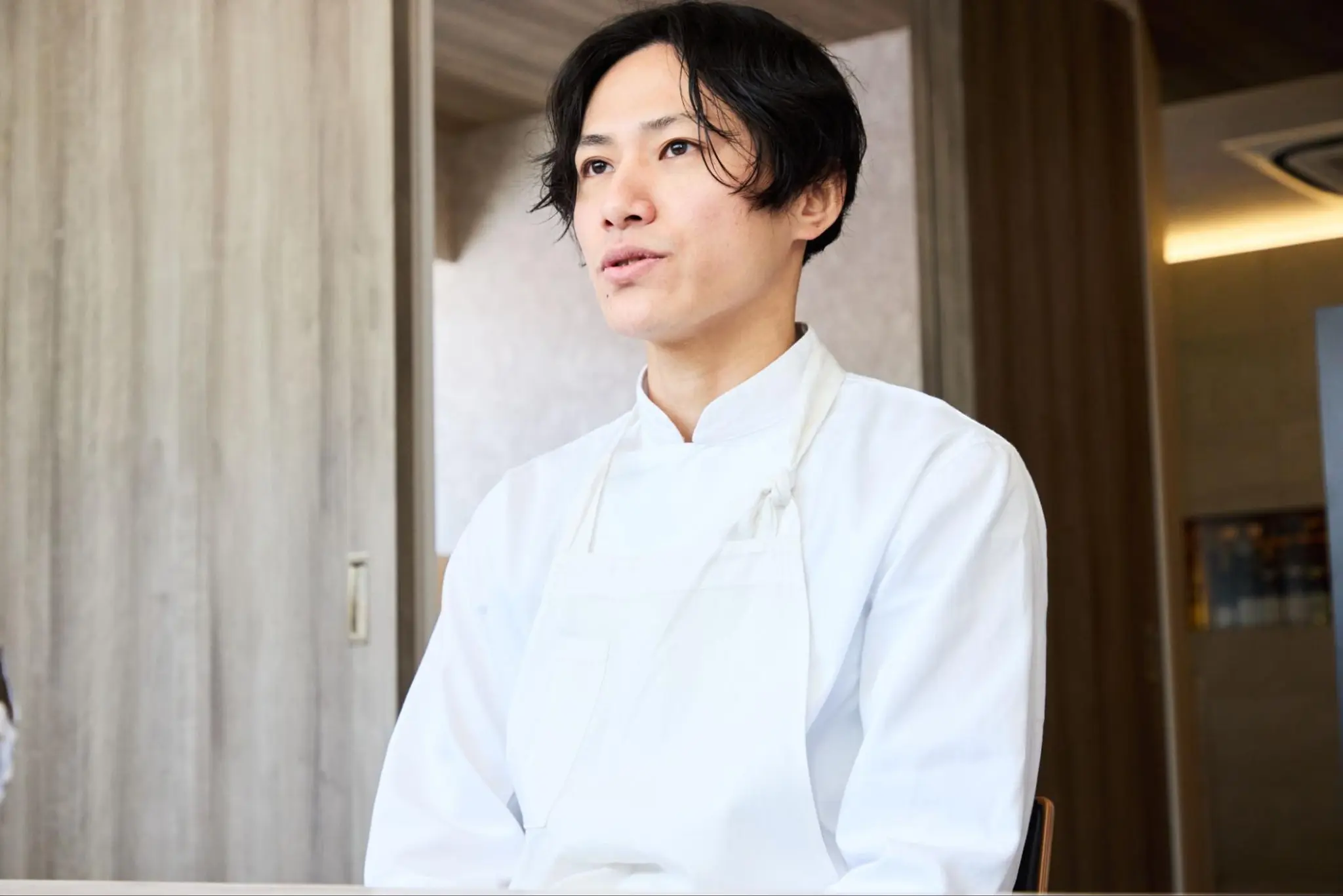
Beyond Deliciousness – Chef Kanagawa’s Commitment to Guest Experiences
ーーーWhat are your key philosophies when it comes to cooking?
I believe that cooking is an "experience." Each dish encapsulates the environment where its ingredients were grown, the thoughts of the producers, and the techniques and experiences of the chef. That is why I place great importance on creating "dishes with a story."
When selecting ingredients, I don’t simply choose them because they are in season or because they taste good—I want to convey the deeper background behind each one. For example, I frequently use organic vegetables from Odawara, not just because of their high quality, but because I deeply resonate with the philosophy of their producer, Satoshi Kubodera. He prioritizes growing vegetables in the most natural environment possible, and I find great value in this approach. Because of that, I strive to highlight the natural qualities of vegetables in my cooking. I avoid unnecessary modifications, instead focusing on bringing out the inherent strength of each ingredient in the simplest way possible.
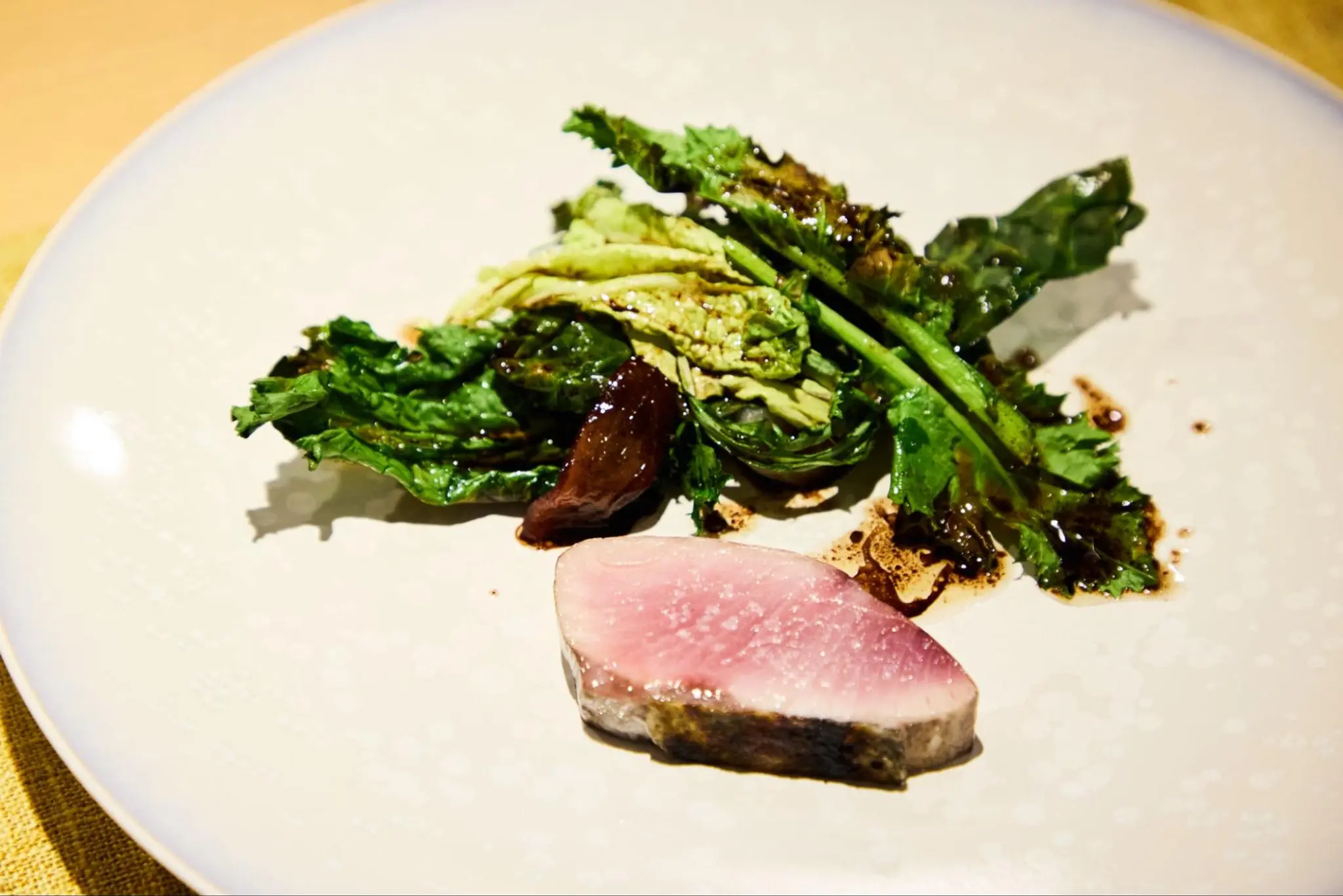
ーーーIs there anything else you consciously focus on?
Perhaps "a sense of cleanliness." The preparation process in French cuisine involves an immense amount of unseen effort. Precisely because these details are invisible to guests, I believe the greatest care should be taken in these aspects. I pay attention to small but essential details, such as ensuring no fingerprints are left on plates, avoiding unnecessary contact with dishes once they have been wiped, and washing my hands every time I return to the counter.
Since our restaurant finishes dishes in front of guests at the counter, they not only observe the food but also the chef’s demeanor and the atmosphere we create. In a typical French kitchen, many tasks require chefs to lean forward, but I always remain conscious of my posture. This is one reason I avoid excessive use of ovens and instead rely on charcoal grills and salamanders for cooking. I believe that a chef’s movements and presence contribute to the overall impression of a restaurant, making them an integral part of the dining experience.
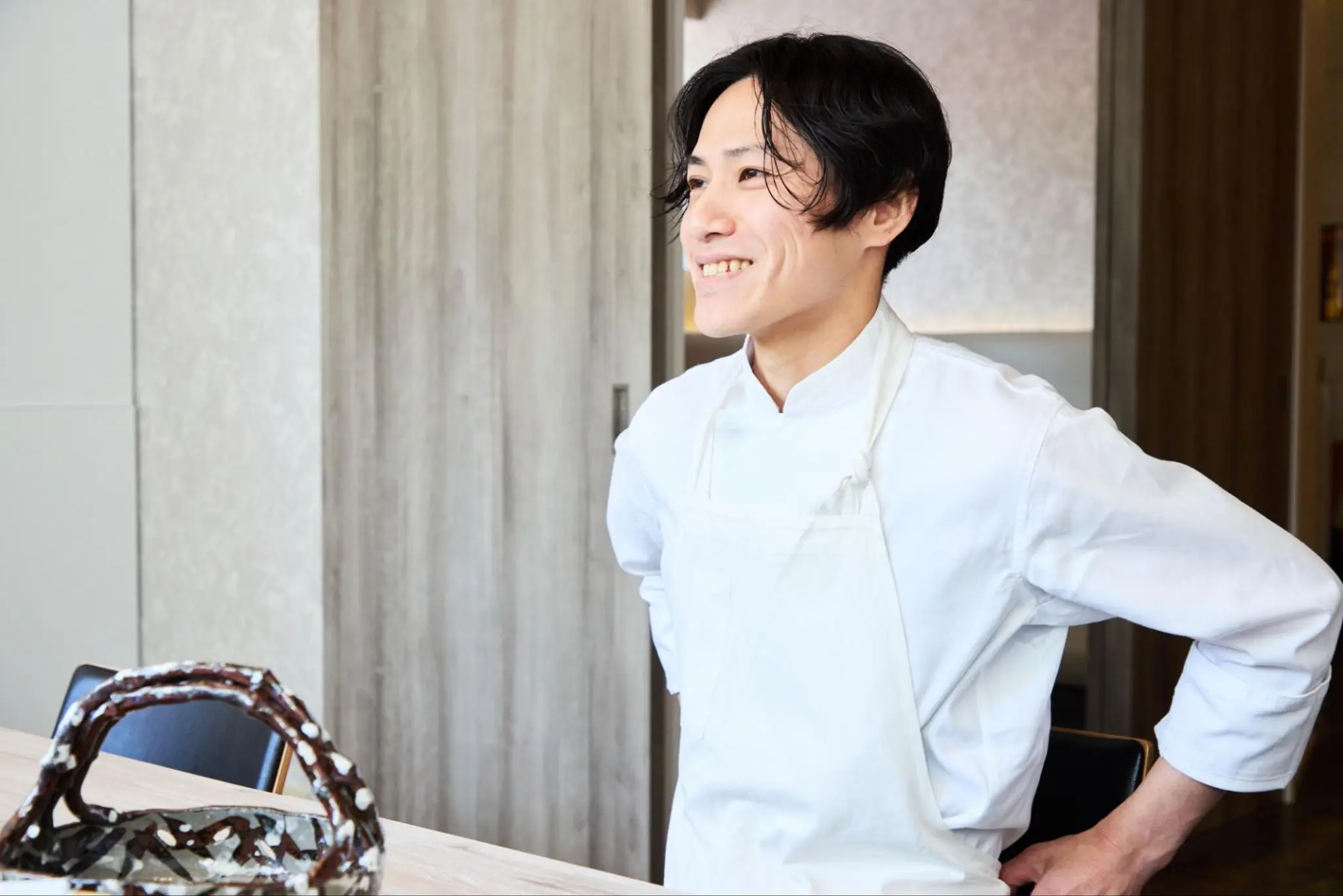
Once we have created a well-maintained space—including cleanliness and the way we carry ourselves—I want our guests to feel free to interpret and experience it in their own way. This is also why I keep my explanations of the dishes as simple as possible—I want to leave room for the guests’ own impressions and interpretations. With this mindset, we welcome our guests every day. Of course, for those who want to learn more about the dishes, we are always happy to provide detailed explanations!
ーーーWhat are your future aspirations?
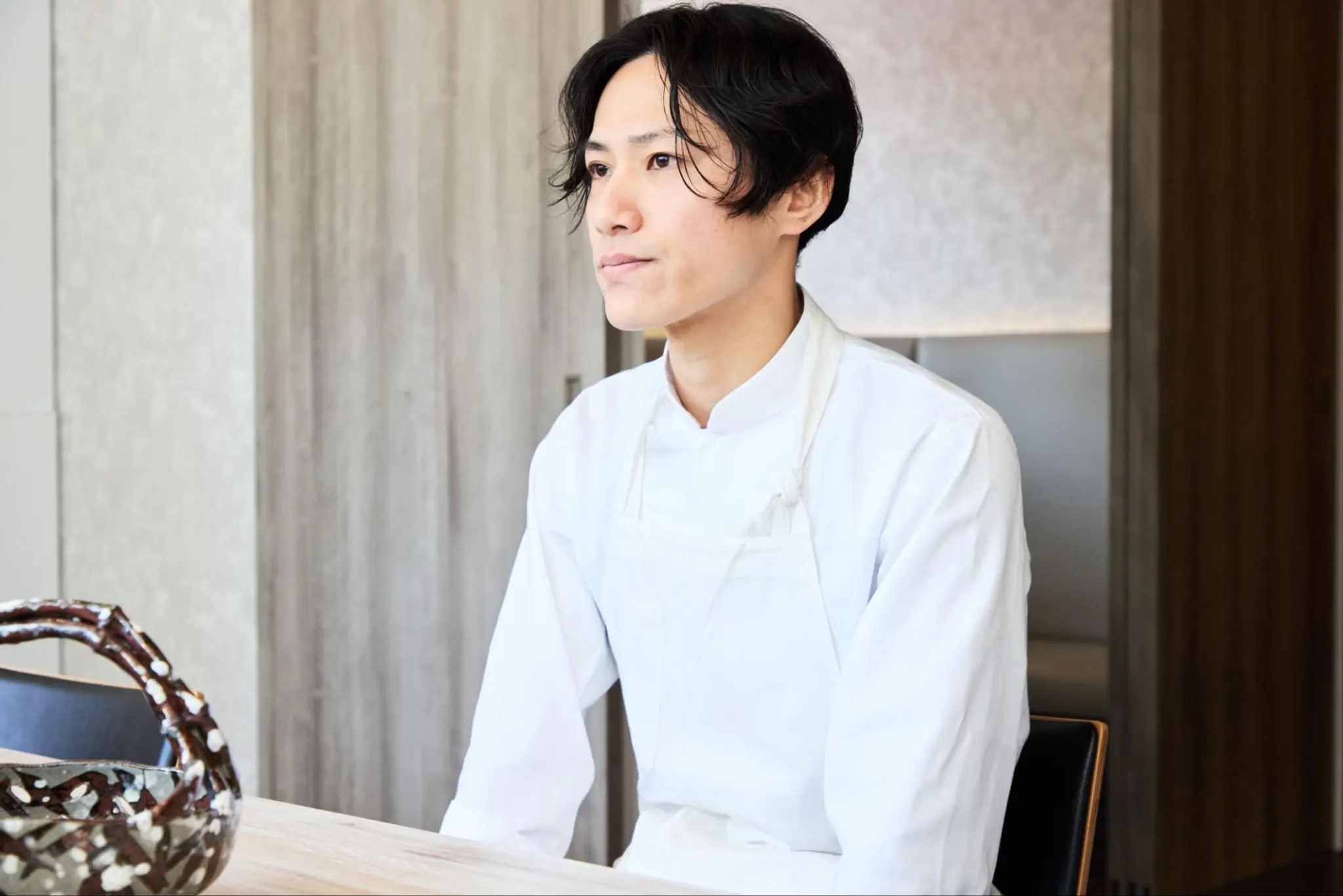
I want to build a team that can provide the best possible experience for our guests. Together with my staff, I aim to create an even more refined restaurant that fully embodies the world of 【Yd'or】—not just through the food but through the entire dining atmosphere. A chef’s job is not just about making delicious food; it’s about continuously thinking, "What kind of experience do we want our guests to have?" My goal is to create a team where both the chefs and service staff take pride in bringing joy to our guests and where we can all truly enjoy the act of hospitality together. That is the vision I am working towards.
ーーーLastly, what does "delicious" mean to you?
I believe that "delicious" encompasses anticipation, excitement, and lingering memories. Guests feel a sense of excitement even before they arrive at the restaurant, they enjoy both the flavors and the experience while dining, and after they leave, they recall, "That meal was truly delicious." I think it is only when we create such an experience that the word "delicious" truly comes to life. Moving forward, I want to continue providing dining experiences that remain in our guests' memories as something truly "delicious."
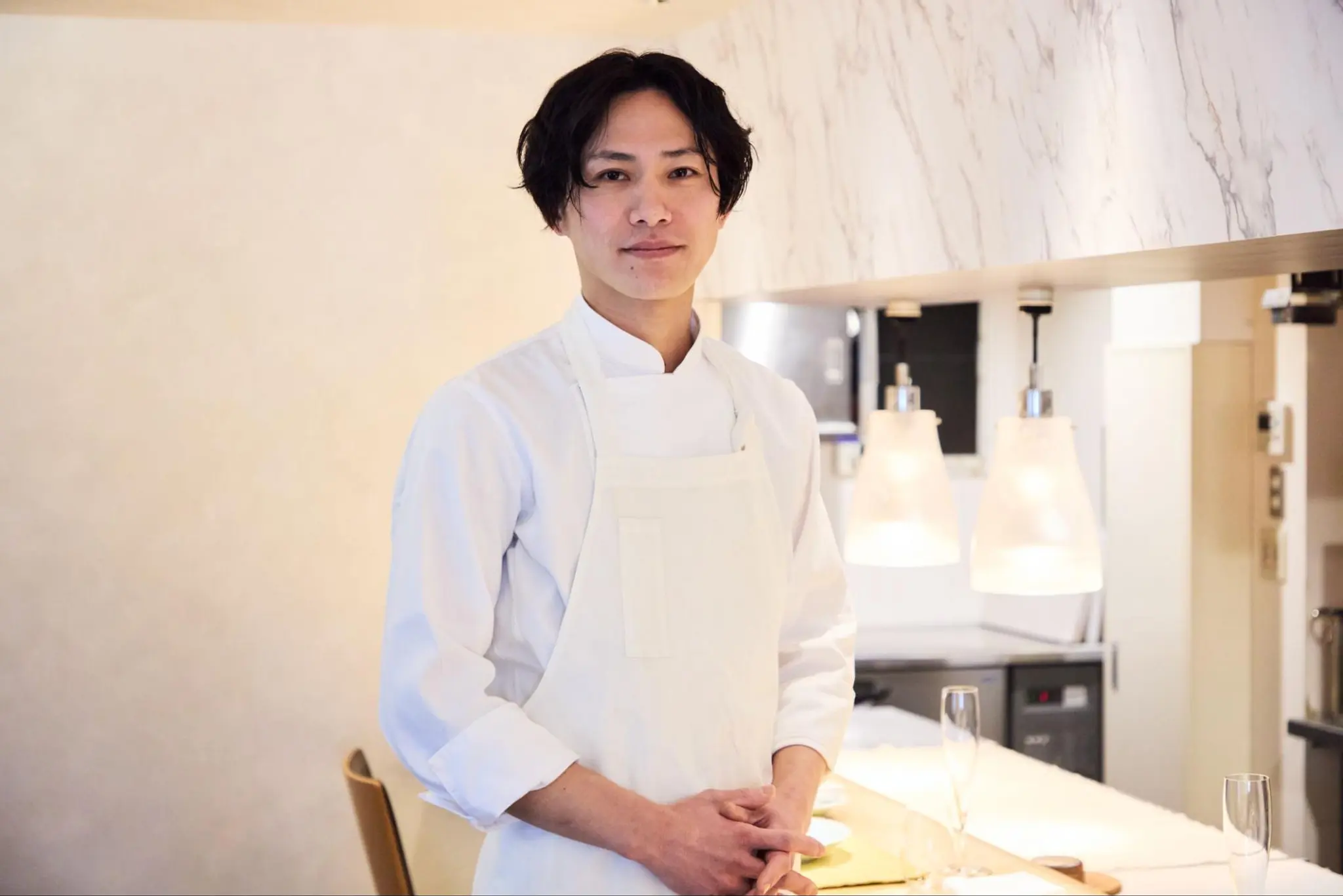
【Yd'or】 relentlessly pursues "French cuisine that transparently embodies the essence of its ingredients." Watching Chef Kanagawa speak about his passion for cooking, his meticulous attention to movement, and his commitment to creating a thoughtful space, it was clear that there was not a single trace of doubt in his approach. His personality is deeply reflected in the restaurant itself. Chef Kanagawa’s unwavering dedication to his craft as a chef is truly remarkable, and his future endeavors will undoubtedly continue to captivate us. He will surely go on to provide many more guests with "a one-of-a-kind dining experience that can only be found here."
Interview & Writing / Yuko Arakawa
Photography / Tomohiro Yasui
Restaurant Information
- AutoReserve Magazine
- The hottest new shop right now
- A Special Experience with French Cuisine that Embodies Transparency in Ingredients – Thoughts on Cuisine and Space at 【Yd'or】