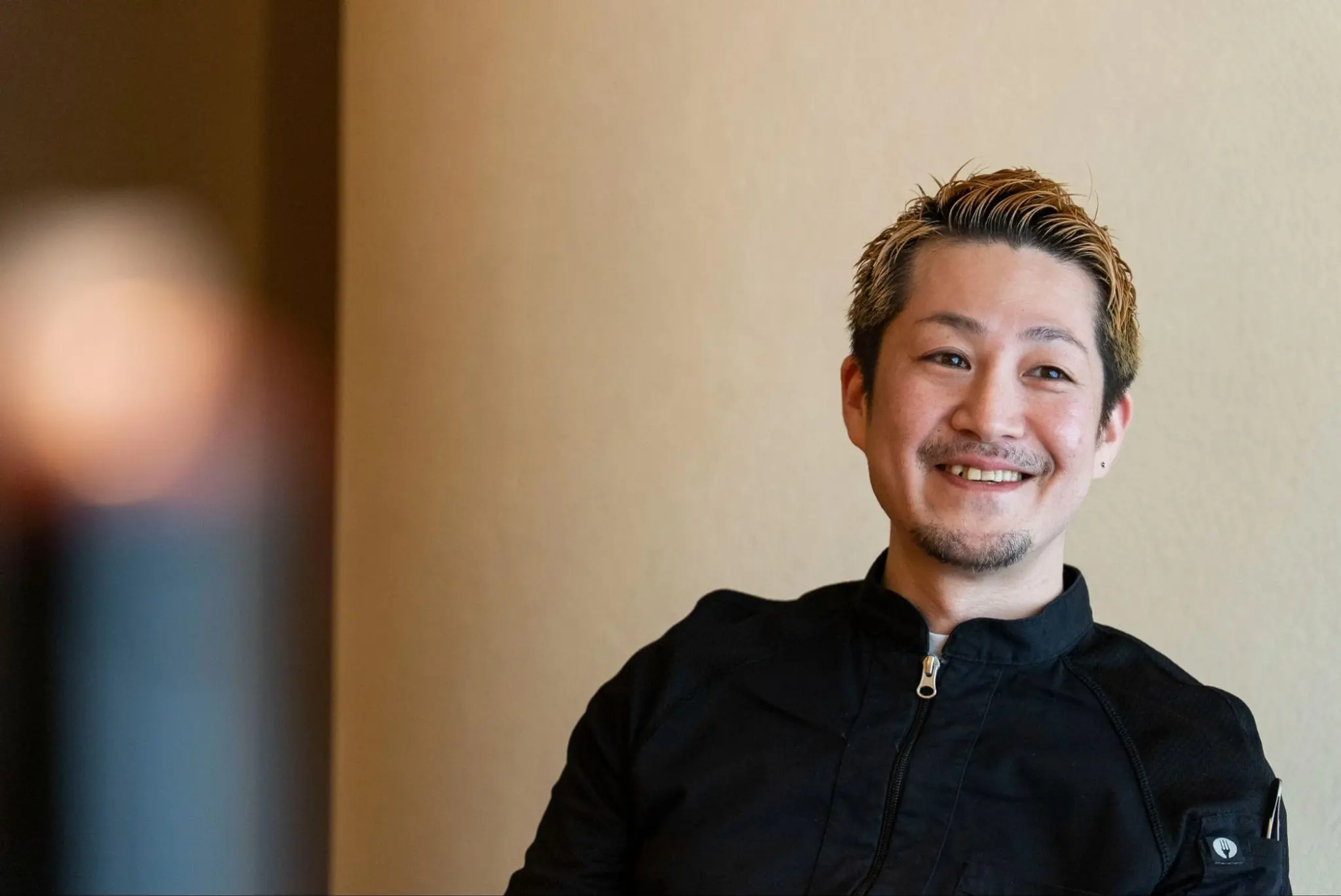
The Ideal Vision Envisioned by Chef Koudai Sato of 【emer】, Showcasing a Unique World through One-of-a-Kind Cuisine
Moved by Pasta at a Restaurant Chain, He Embarked on the Culinary Path
ーーーCould you tell us what inspired you to become a chef?
After graduating from high school, I had no particular goals and drifted through various companies. During that time, by chance, I ate a “Tomato Spaghetti with Blue Crab” at a certain restaurant chain, and it was so delicious that it became the trigger for me (laughs). I was deeply impressed by that flavor and was shocked thinking, “There’s something this delicious in the world.” It was also a time when I was uncertain about my future, so I felt it was fate and decided to pursue the culinary path.
I’m from Hokkaido, and since I wanted to become a chef, I aimed to work at the best restaurant in the region. While exploring different places, I encountered an Italian restaurant that was located in Chitose at the time. Back then, Chitose was truly rural, but this innovative restaurant offered a luxurious course meal priced at 18,000 yen, and the food was outstanding—I was shocked again. I really wanted to work there, so the day after I ate there, I called and begged to be allowed to train. When I told the chef how moved I was by the food, they accepted me.
ーーーThat’s impressive initiative. So your journey as a chef began at that restaurant!
At that time, I was really rebellious and a bit cheeky, so even now I think, “I’m surprised I wasn’t fired” (laughs). I often got into arguments with the staff, and I even went ahead and prepared fish that the chef had strictly told me never to touch — I was a complete mess (laughs). Still, they didn’t give up on me and patiently took care of me. I’m truly grateful even now, because if I hadn’t met that chef, I wouldn’t have the foundation as a chef that I have today. I worked there for about four years and left when the chef expanded to Tokyo.
After that, I tried working at various other places to learn more, but nothing really felt right. Then, through a friend’s introduction, I learned about a restaurant in Venice, which became the trigger for me to take the bold step of going to Italy.
Learning the “Mindset” Behind Cooking Beyond Recipes
ーーーHow was your experience after moving to Italy?
The first restaurant in Venice where I was introduced quickly didn’t meet the quality I was seeking at the time, so I left soon after. What I especially noticed abroad was the delicate and meticulous work ethic of Japanese people. Even though they excelled in creativity, the differences in how the staff worked stood out to me... Still, I wanted to work at what is called the pinnacle even in Italy, so I knocked on the door of a world-renowned restaurant known as the best in the world. That restaurant was a three-Michelin-star establishment, and after actually tasting the food, I was convinced of its extraordinary level of deliciousness and was determined to work there. It was the same flow as when I was in Hokkaido (laughs). At that time, the restaurant operated with a team of about 40 people, including front-of-house staff, and I was accepted under the condition that I would handle all tasks, including odd jobs and front-of-house duties. Starting there, I gradually began to be entrusted with kitchen work.
―――What impressions do you have from your experience at the world’s best restaurant?
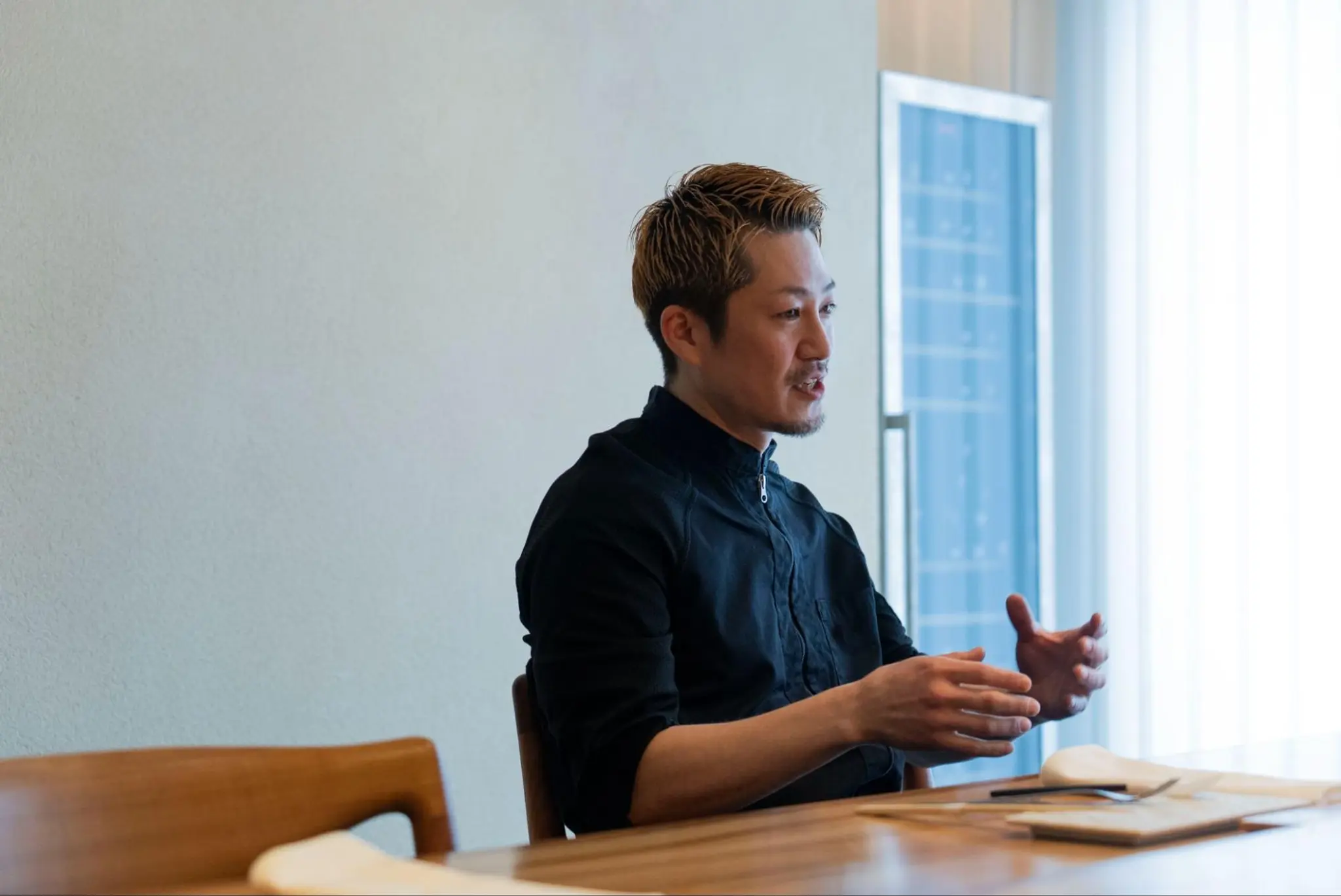
It was truly rewarding and really enjoyable. Being part of the world’s best team and holding three Michelin stars means we had to maintain the same quality for the following year. I couldn’t afford to let the restaurant lose its star because of a mistake I made, so every day was a serious challenge. Also, since the kitchen was filled with chefs who came to test how much they could compete, no one worked with a casual or complacent attitude. Even a small mistake meant you could be told, “Don’t come back tomorrow.” Working in such a tense environment where everyone was fiercely striving to grow and take on different sections was truly a valuable experience. I stayed there for three years and felt my senses as a chef sharpened significantly.
ーーーWhat did you gain from those challenging yet rewarding days?
I believe it’s the mindset of how to create a dish that cannot be replicated by simply following a recipe. No matter how well you memorize recipes from high-end restaurants, they become meaningless when factors like the condition of the ingredients, water hardness, humidity, and temperature at the time of eating vary. What’s important is to seriously face the ingredients in front of you and observe them carefully.
For example, even with a single fish, whether it’s male or female, muscular or not, what it ate yesterday, and when it was caught—all these affect the best cooking method. You can’t expect a standardized dish made from the same recipe to hit the mark every time. To create a groundbreaking dish, a “milestone” unlike anything before, you need to face ingredients daily, build a story around them, and work with genuine dedication. This mindset remains central to my culinary identity and is, I believe, the greatest lesson I learned in Italy.
Creating a “One and Only Dish” That Is Not a Copy of Anyone Else’s Work
ーーーPlease tell us about the process from your return to Japan until you opened 【emer】.
After training at the world’s best restaurant, I returned to Japan full of enthusiasm... but that same year, the Great East Japan Earthquake struck, making it impossible to open a new restaurant. Tokyo’s safety was even uncertain, so I decided to temporarily return to my hometown in Hokkaido.
However, Hokkaido was still quite rural, and considering the chaos in Japan at the time, I felt it wasn’t the right timing to open a restaurant based on the concept I wanted to present. I also worried that the cutting-edge techniques I had learned in Italy might not be generally accepted as they were, so I began studying various types of restaurants. While conducting what you might call “market research” — seeing what kinds of cuisine are being served in Japan and what customers are seeking — I first assessed the current situation and grasped the overall sense before deciding to open my own restaurant.
ーーーYou initially opened your restaurant in Hokkaido, correct?
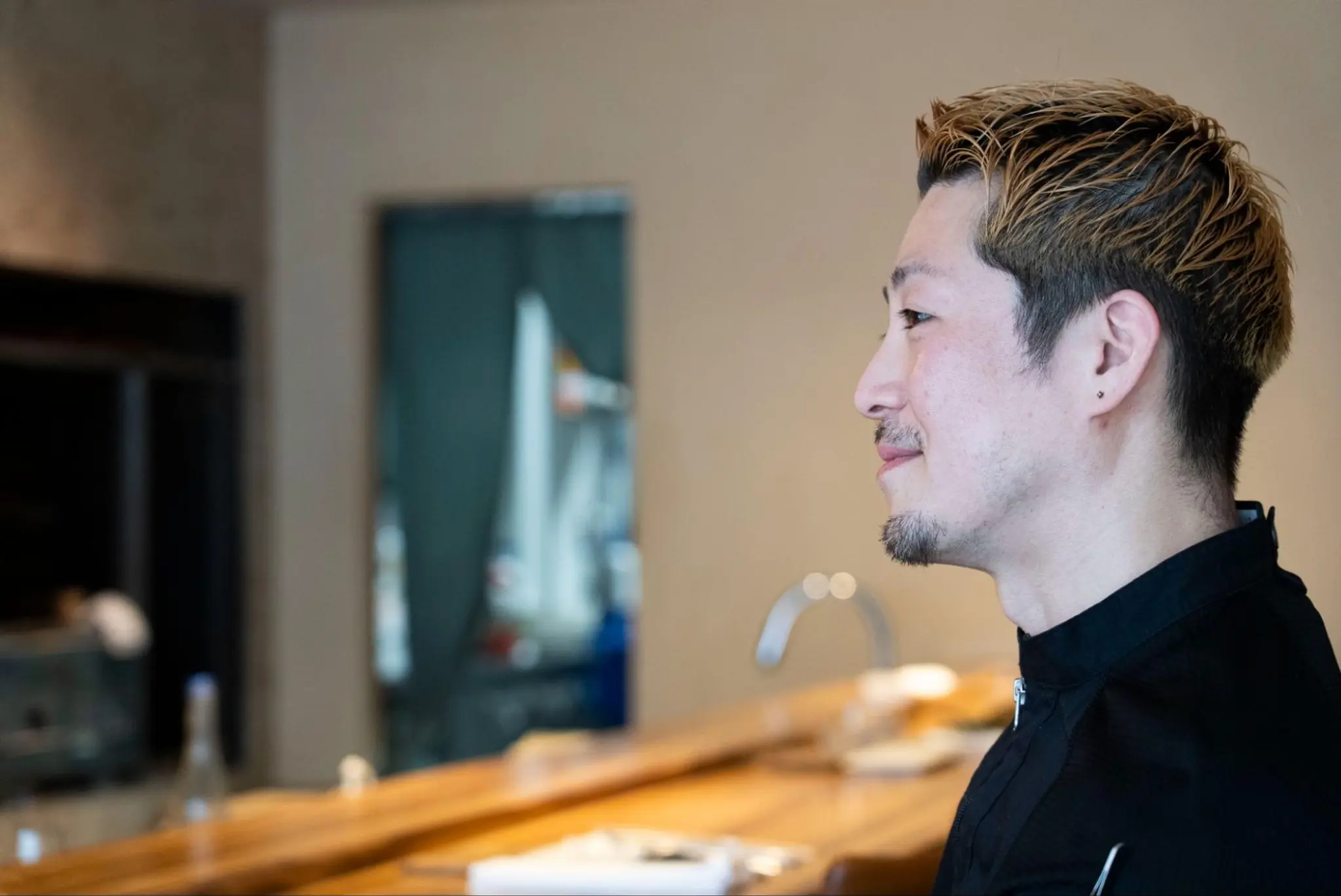
At first, driven by a desire to establish Italian culture, I started a restaurant in Sapporo serving regional Italian dishes. However, many customers wanted familiar Italian classics like carpaccio and caprese, so it didn’t go very well. Despite that, a core group of loyal customers began to gather, and I shifted from focusing solely on meat dishes to offering course meals. After that change, the restaurant started filling up with customers from Tokyo and quickly became very successful.
Afterwards, I temporarily closed the restaurant, worked under other chefs again, took on new challenges and even won awards. Then I closed again and opened a new restaurant in Akasaka — my days were very hectic. At one point, a close acquaintance brought me information about a property and strongly encouraged me, saying, “You should open your own place here.” Although I was hesitant at first, I was drawn by the prospect of creating a restaurant exactly as I envisioned, which led me to open in Nishiazabu, Tokyo.
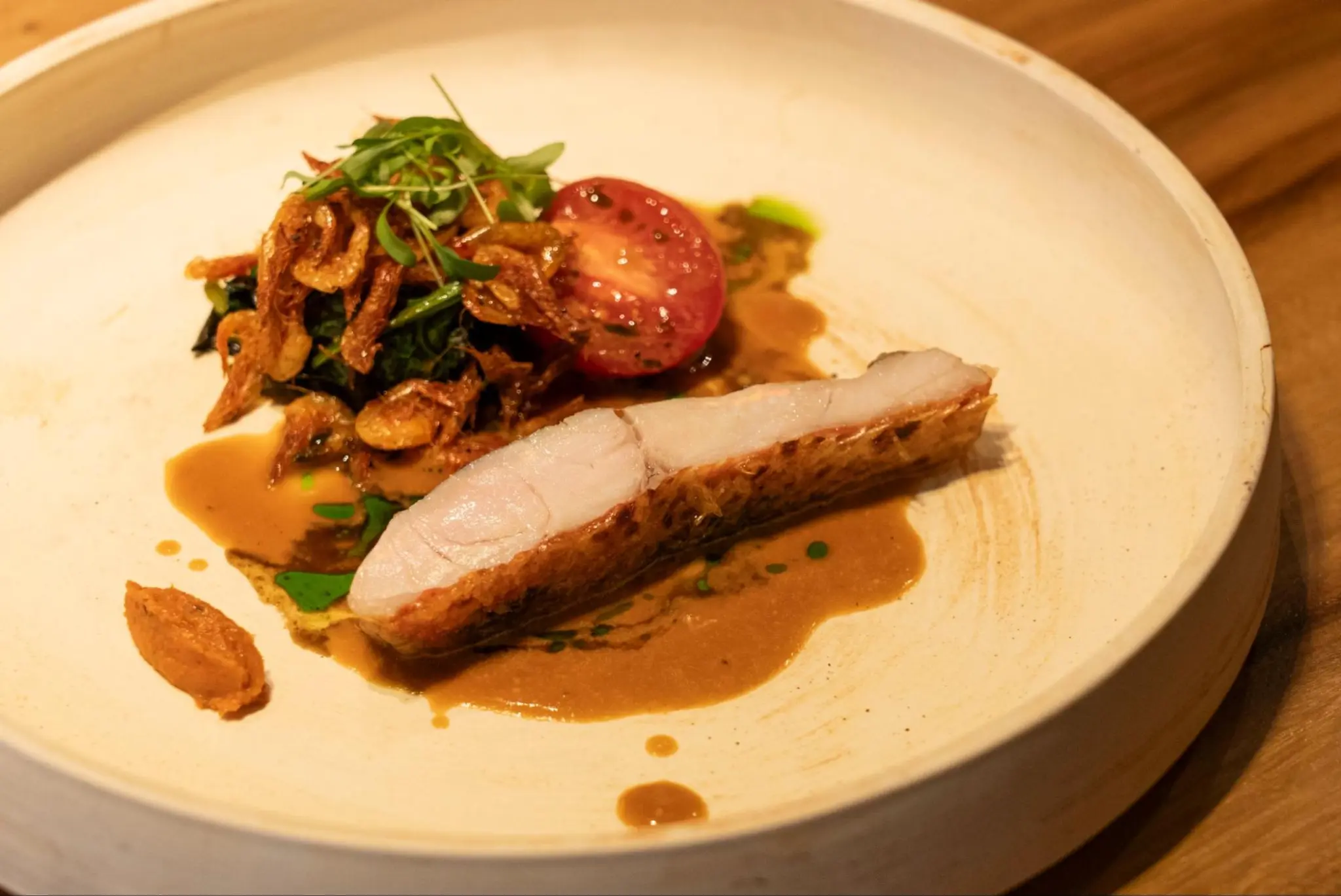
ーーーHow do you perceive the genre called “Innovative”?
I don’t particularly focus on any genre; I simply serve the dishes I want to create every day. It seems that people around me naturally label it as “Innovative.”
However, I think “Innovative” means “revolutionary,” and the moment you intentionally try to create such cuisine, it stops being truly “Innovative.” For me, cooking is all about how to express overflowing ideas and originality in a dish, how to make the most of the ingredients I source and prepare them in my own way. I face ingredients every day with the determination to give my all as a chef and create new dishes daily. Otherwise, since I get bored easily by nature, I would quickly lose interest. The name 【emer】 was inspired by the word “emergency.” It reflects my thought that if I get bored, I might quit anytime (laughs). I have never consciously aimed at a specific genre, but I feel that what is commonly called “Innovative” in the world is a perfect genre to condense the kind of cooking I want to pursue.
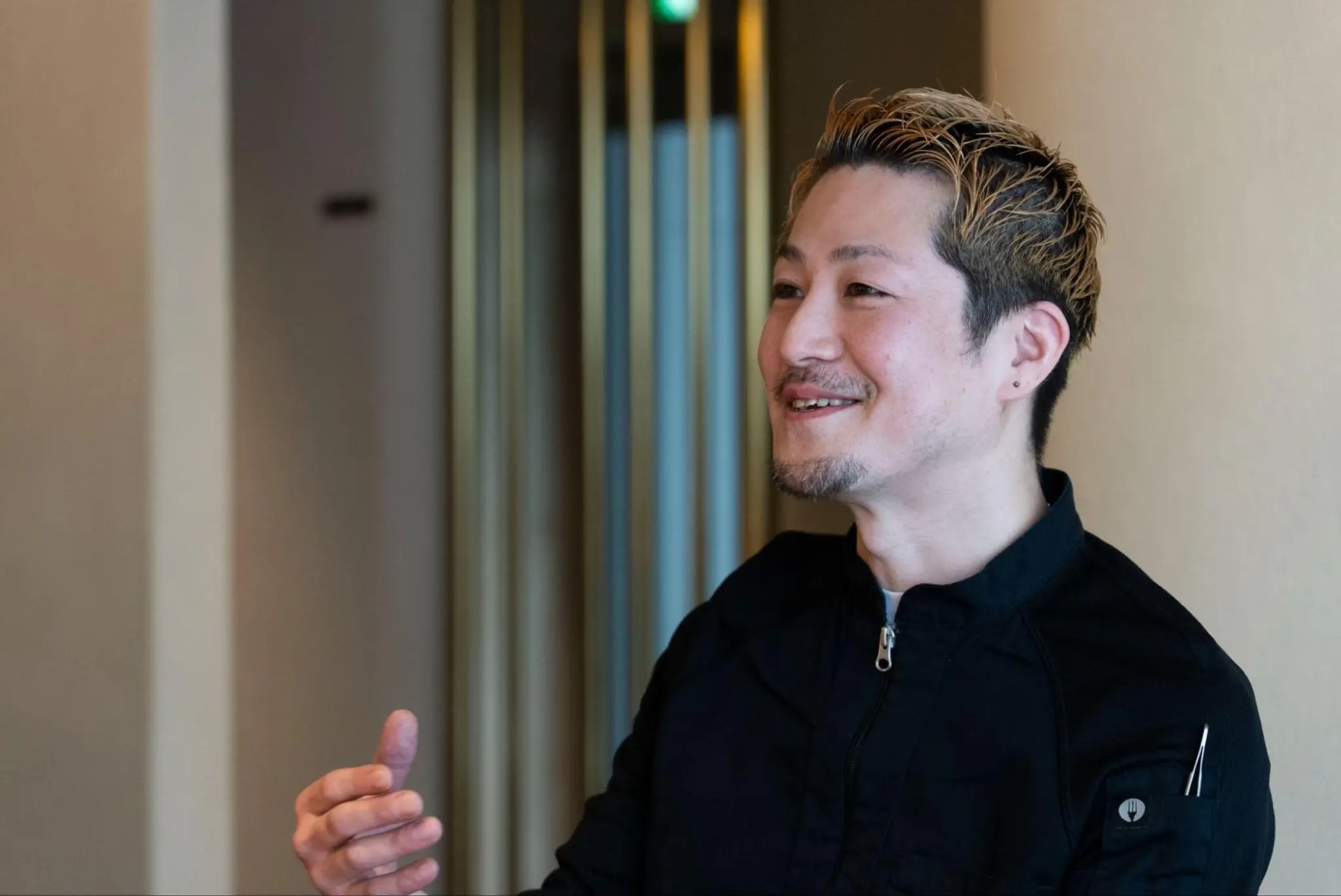
ーーーHow do you source your ingredients?
Just like with my cooking, I’m constantly updating where I get my ingredients. I personally travel all over the country, and when I meet wonderful farmers, I talk with them and, if our ideas align, I trust them completely and have them send me their produce. Since soil characteristics vary by region, I enjoy forming hypotheses and searching for ingredients accordingly—that’s something I often do.
For example, Yamanashi Prefecture lies at the foot of Mt. Fuji, where the soil is limestone. Limestone soil drains water too quickly, causing water to accumulate deeper below, so I figured that vegetable roots must grow quite long. I guessed that this would produce vegetables with a more natural, wild herb-like aroma, and I went there to check it out. It’s exciting when my predictions are correct, and it makes me eager to think about how to cook the ingredients. The process of responsibly searching for ingredients as a chef is also very enjoyable.
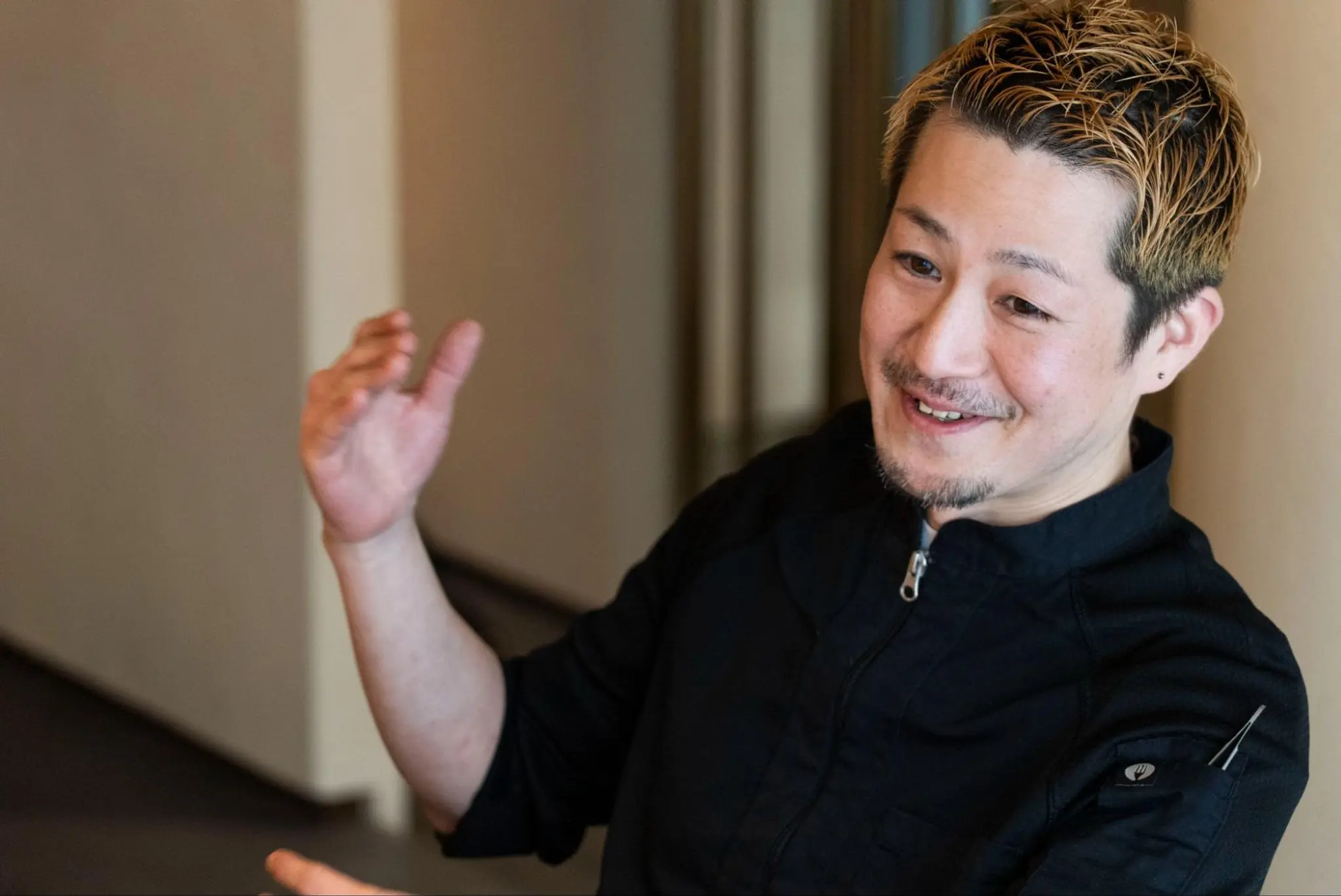
ーーーPlease tell us about your particular approach to cooking.
There’s a connection to how I source ingredients, but one key point is not limiting myself to specific ingredients. Since I entrust the purchase of not only vegetables but also fish and meat to what’s best and fresh on the day, I constantly study how to combine the ingredients at hand with what I have in stock to create dishes. Even for a single ingredient, there are many preservation methods—fermentation, salting, and so on. I have both refrigerators and aging rooms, and if cooking were simply about grilling or boiling the ingredients as they are, I feel there would be no point in me preparing the dish.
In the past, before refrigerators existed, “prosciutto” was developed as a way to make pork last longer. By crossing such traditional wisdom with modern times, I focus on how to cook without relying on refrigeration using the latest equipment and hygienic environments. Also, since aging and fermentation change over time, how to balance these time frames to achieve the perfect ratio is important. Considering all these factors and continually updating to the latest style of cooking—that is the true meaning of why I cook. There’s no need to imitate anyone else; what matters is how much “myself” is expressed in the finished dish. Without being confined by common ideas of “deliciousness,” I want to continue pursuing dishes that only I can create.
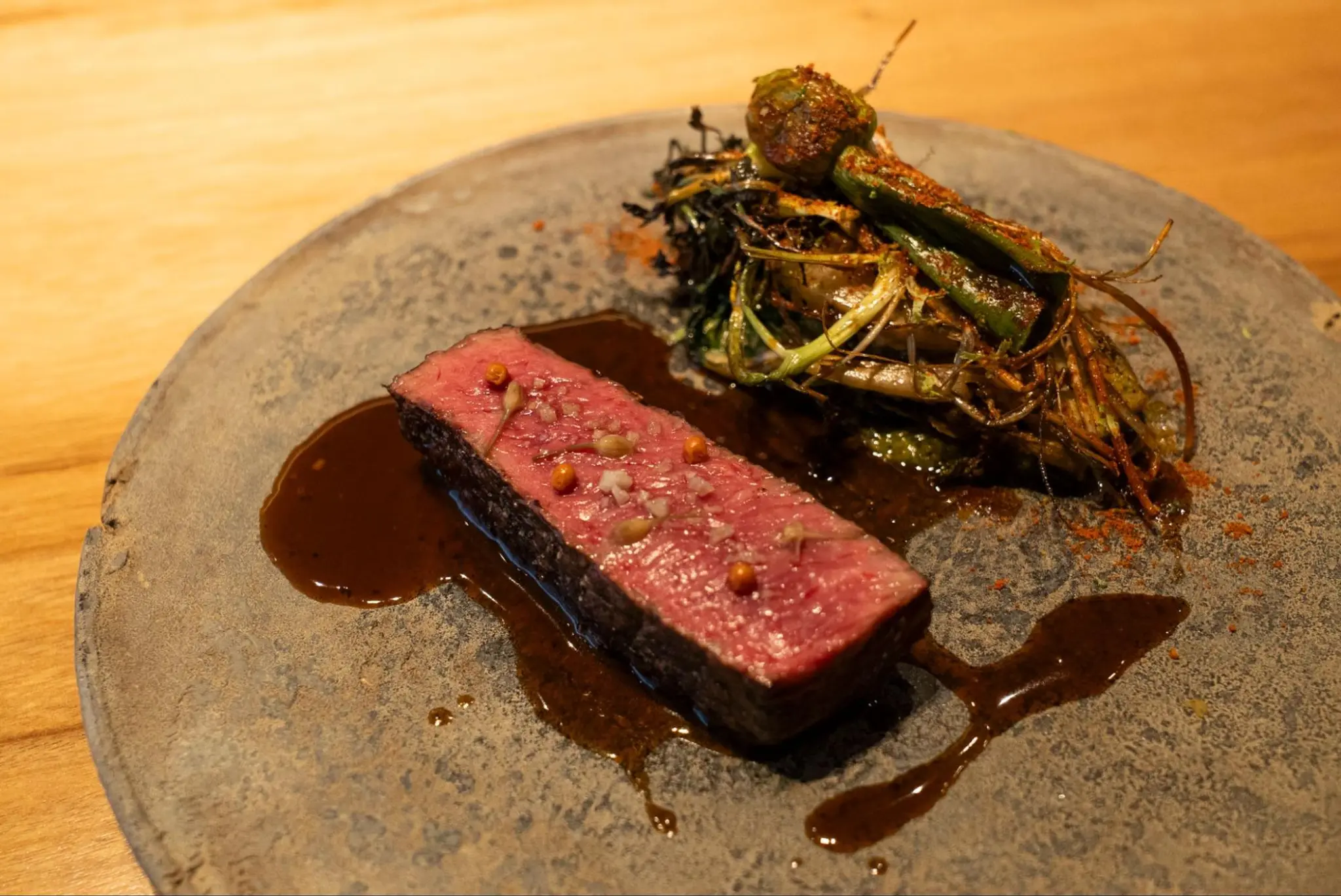
Overturning the Concept of “Delicious” with an Overwhelming Dish
ーーーWhat are your future prospects and challenges you want to take on?
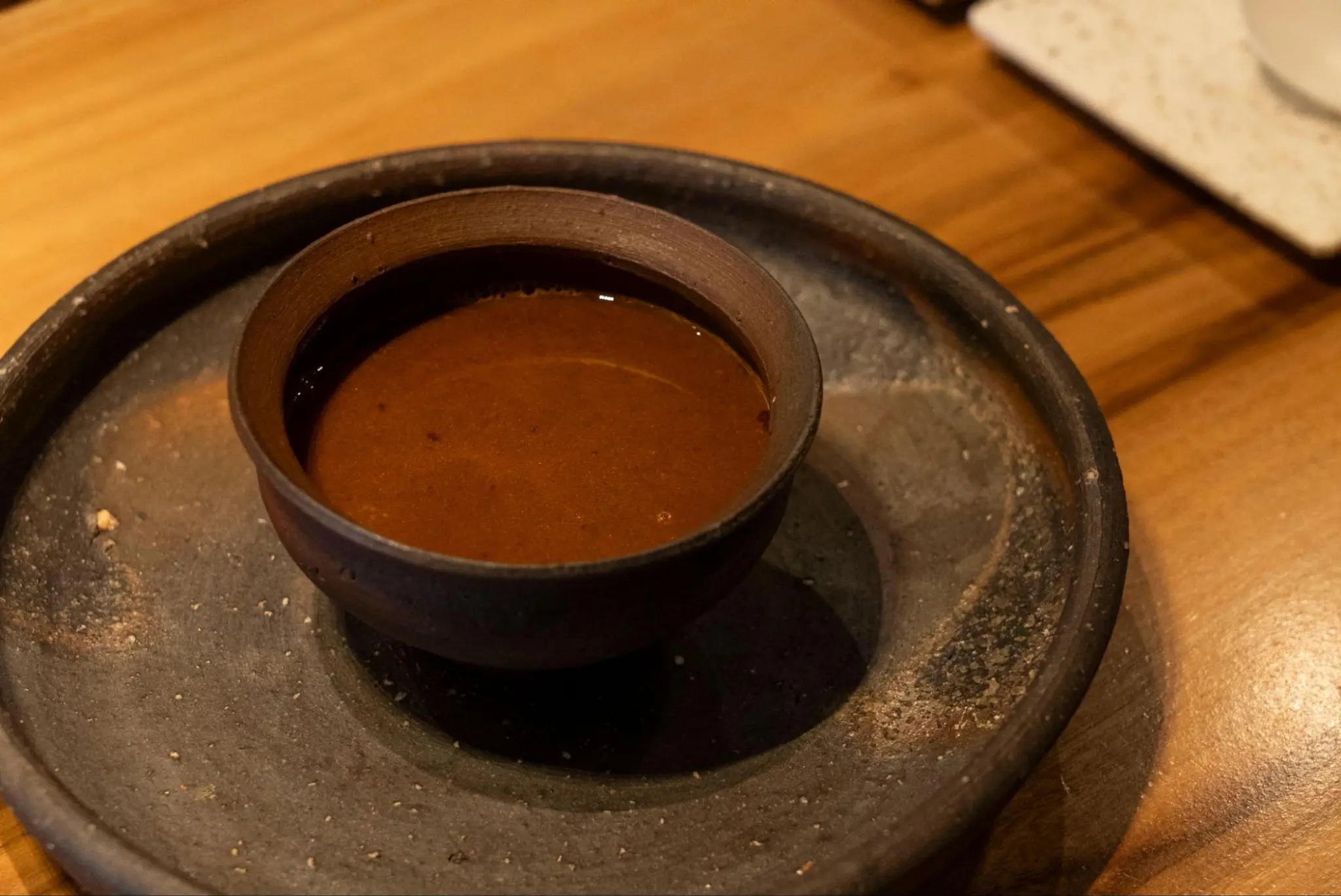
Originally, I started this restaurant with the idea of quitting after two years. So, I’m still thinking about what lies ahead. Currently, I run the restaurant alone without any staff, so I only use textured tableware to avoid fingerprints when carrying plates. If I wanted to use pure white plates, it would be difficult by myself. Also, if I aim to earn a Michelin star in Tokyo, I would need to build a team. In that case, I think it might be better for me to graduate from being a player and focus on team building. On the other hand, I also think it might be nice to buy land in the countryside and open an auberge. I’m overthinking and can’t decide yet (laughs). I’m 41 years old now, but I believe my physical and mental peak will be at 45, so I want to reverse-engineer where I want to be and what I want to be doing at that peak and act accordingly.
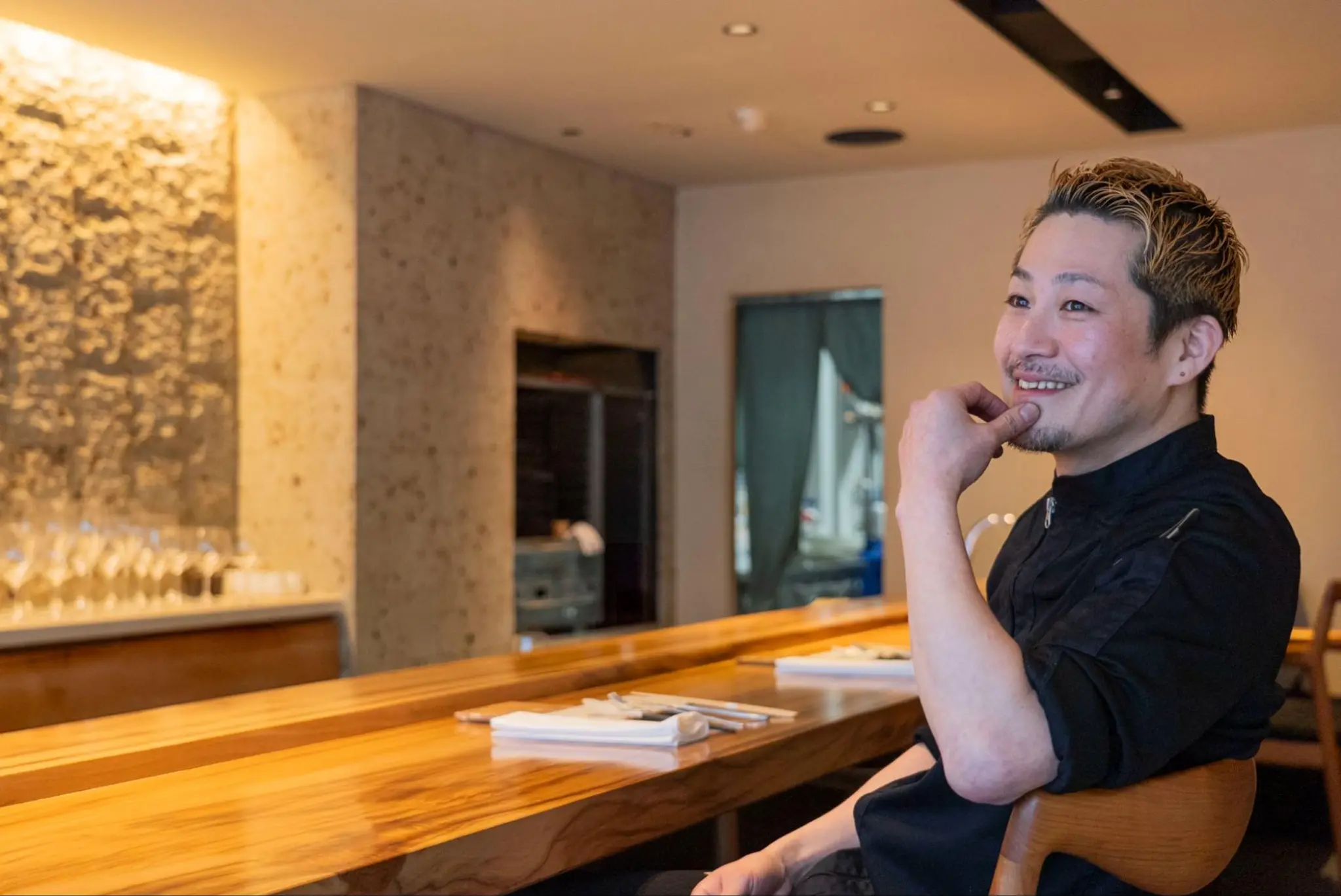
I truly love cooking, and as long as I’m doing that, I’m probably happy. Cooking is the only thing I’ve continued for over 20 years despite being someone who easily gets bored, and I consider it my true calling. So, whatever form it takes in the future, as long as I have time to immerse myself in cooking and be passionate about it, I think I’ll be more than happy.
ーーーFinally, what does “delicious” mean to you, Chef Sato?
I believe there are many kinds of “delicious,” and it’s natural for each person to have their own idea of what is “delicious.” Even though people say I create cutting-edge cuisine, I still find freshly fried horse mackerel at an izakaya after work to be “delicious!” (laughs). Nowadays, it’s probably harder to find something that isn’t delicious because the world is full of great food. It’s very difficult to define “delicious” in such a world, but generally, I think “delicious” means a taste that slightly updates what you’ve experienced before. If something is too extreme, you can’t understand it and don’t think it’s “delicious.” I believe that each person gradually updates their sense of “delicious,” building their own personal standard over time.
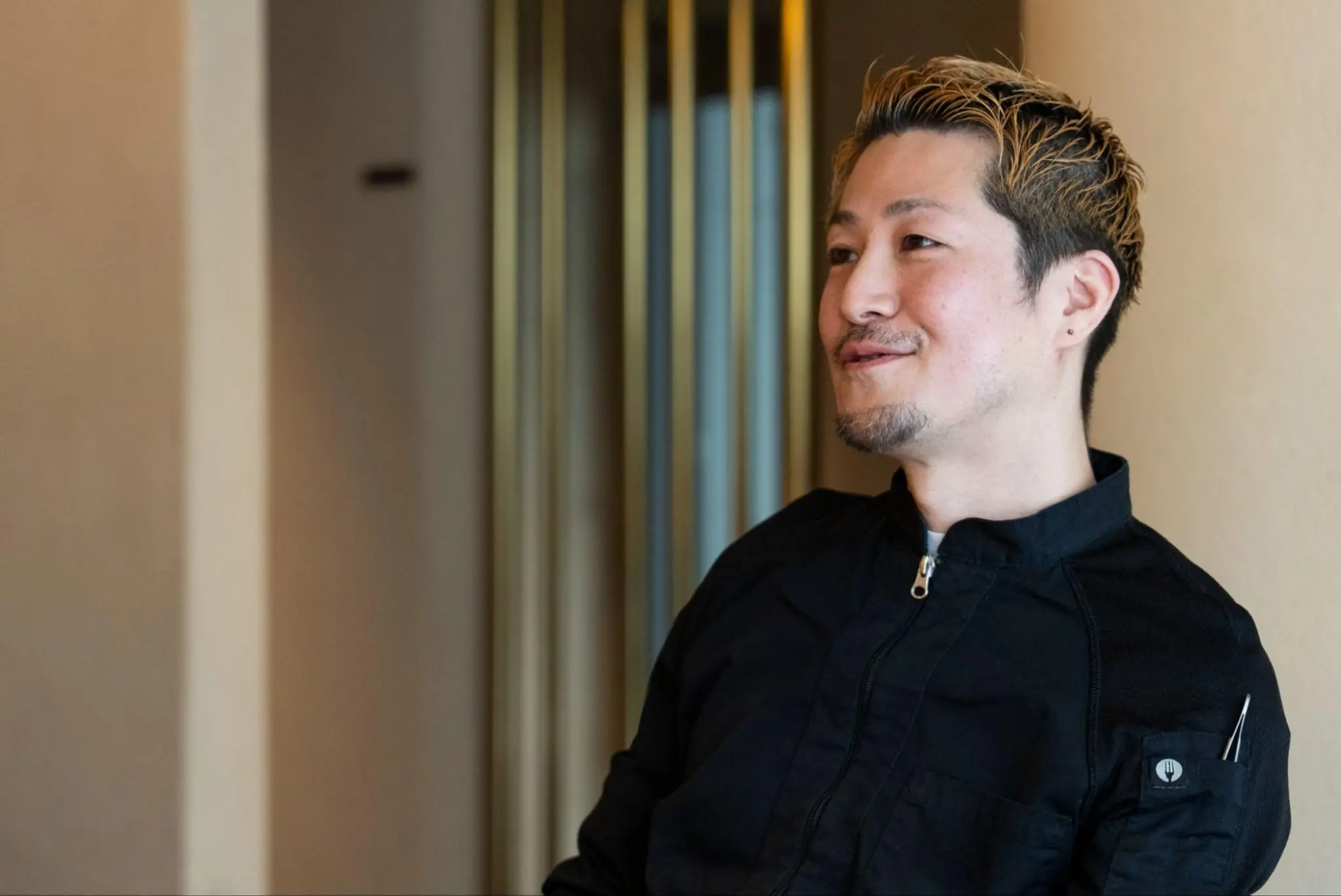
However, as I mentioned earlier, I truly love cooking and spend about 21 hours a day thinking about it. Because of that, my sense of “delicious” is quite different from the general idea. For me, “delicious” can mean a dish that conveys an overwhelming, almost unreasonable chef’s ego, or a value judgment that makes you feel there’s no resisting the food if it’s made by that person... It might sound like a story from a slightly different world. I myself aim for that kind of “delicious,” and I believe that when you pursue cooking deeply, it transcends “delicious” and enters the realm of “art.” Though it’s often hard for people to understand (laughs). Nowadays, with so much information available, clear indicators are necessary. But I also hope that the “essence of cooking” that falls outside those boundaries will someday be recognized as its own field.
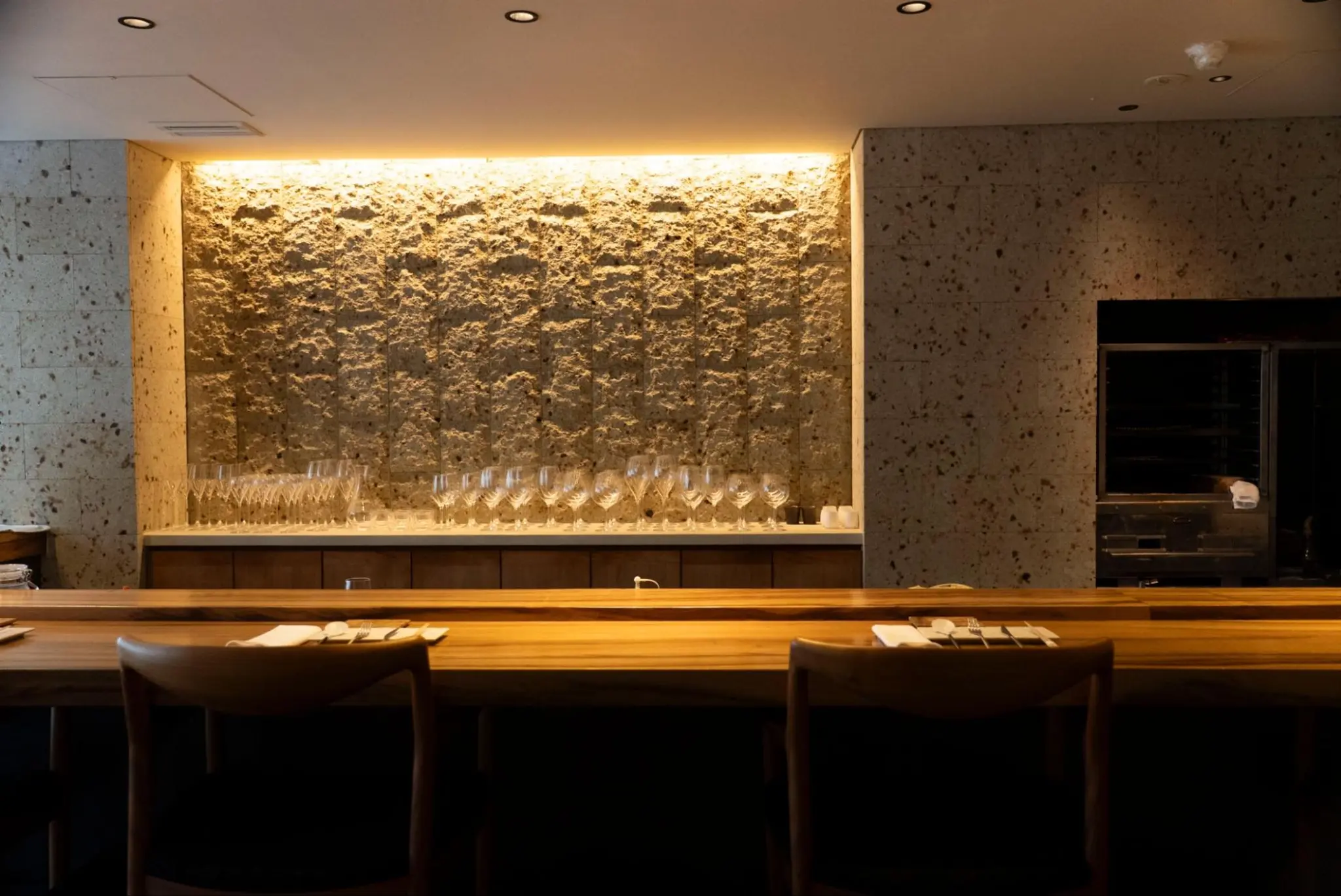
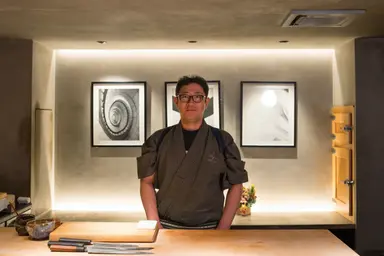
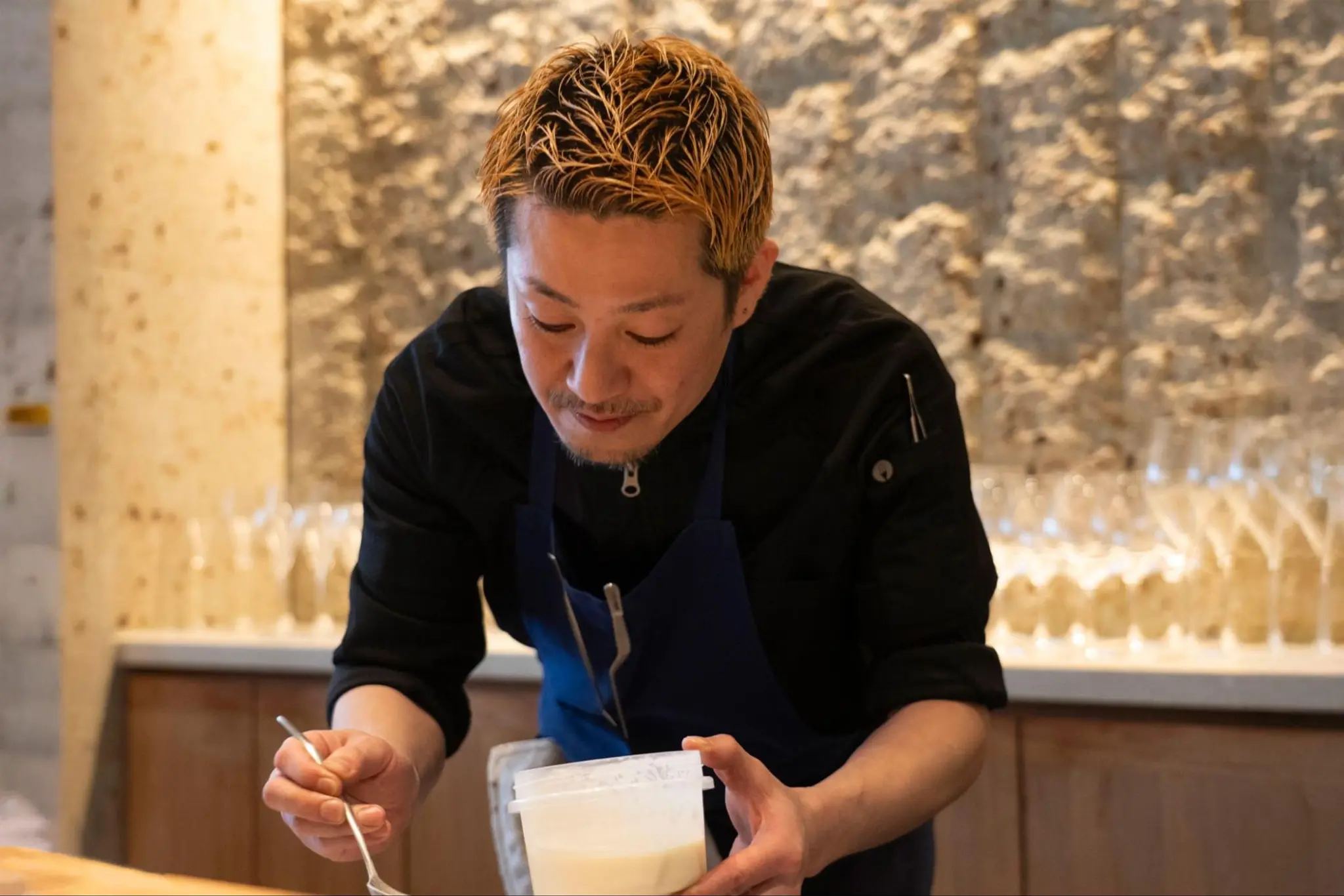
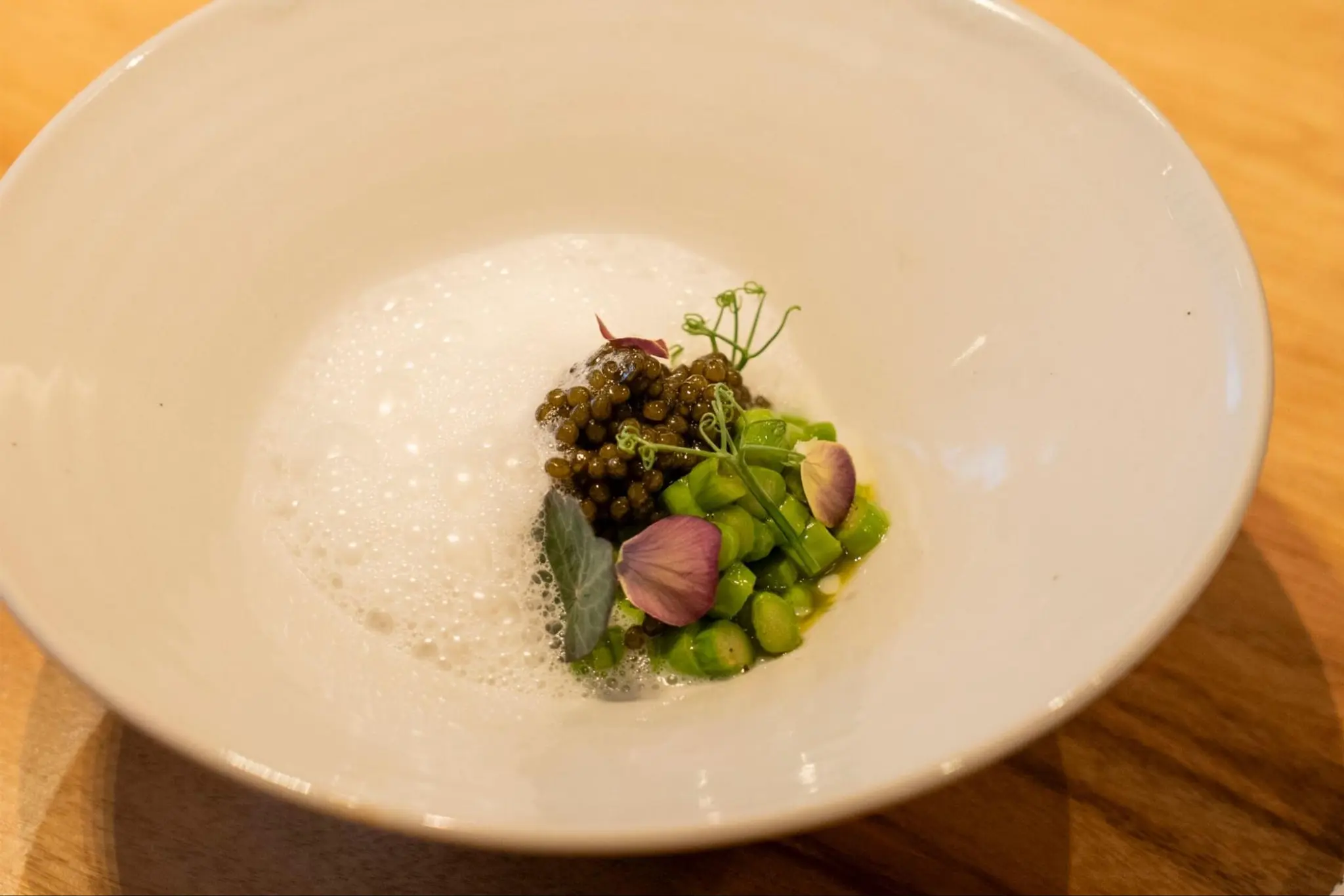
At 【emer】, the space feels surprisingly spacious for a restaurant with only six counter seats, lined with sophisticated tableware and cutlery. Aside from the food, Chef Sato has no particular preferences—he simply conveyed the concept and left the interior and dishware orders entirely up to others. “I try not to have to think about anything other than the cooking,” says Chef Sato, who continuously creates innovative dishes. Even so, he admits he holds back quite a bit on what he really wants to do. With a smile, he explains, “If I serve dishes that are too extreme, customers might be surprised,” and he enjoys balancing those differences almost like a game. It seems there is still much more to come in the ideal future Chef Sato aims for. Someday, I hope to experience that unique world where his full passion flows freely in every dish.
Interview and Text by Mayako Ishige
Photography by Azusa Nakaoka
Restaurant Information
- AutoReserve Magazine
- The hottest new shop right now
- The Ideal Vision Envisioned by Chef Koudai Sato of 【emer】, Showcasing a Unique World through One-of-a-Kind Cuisine