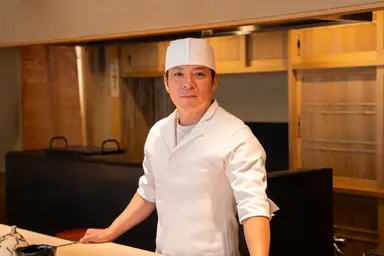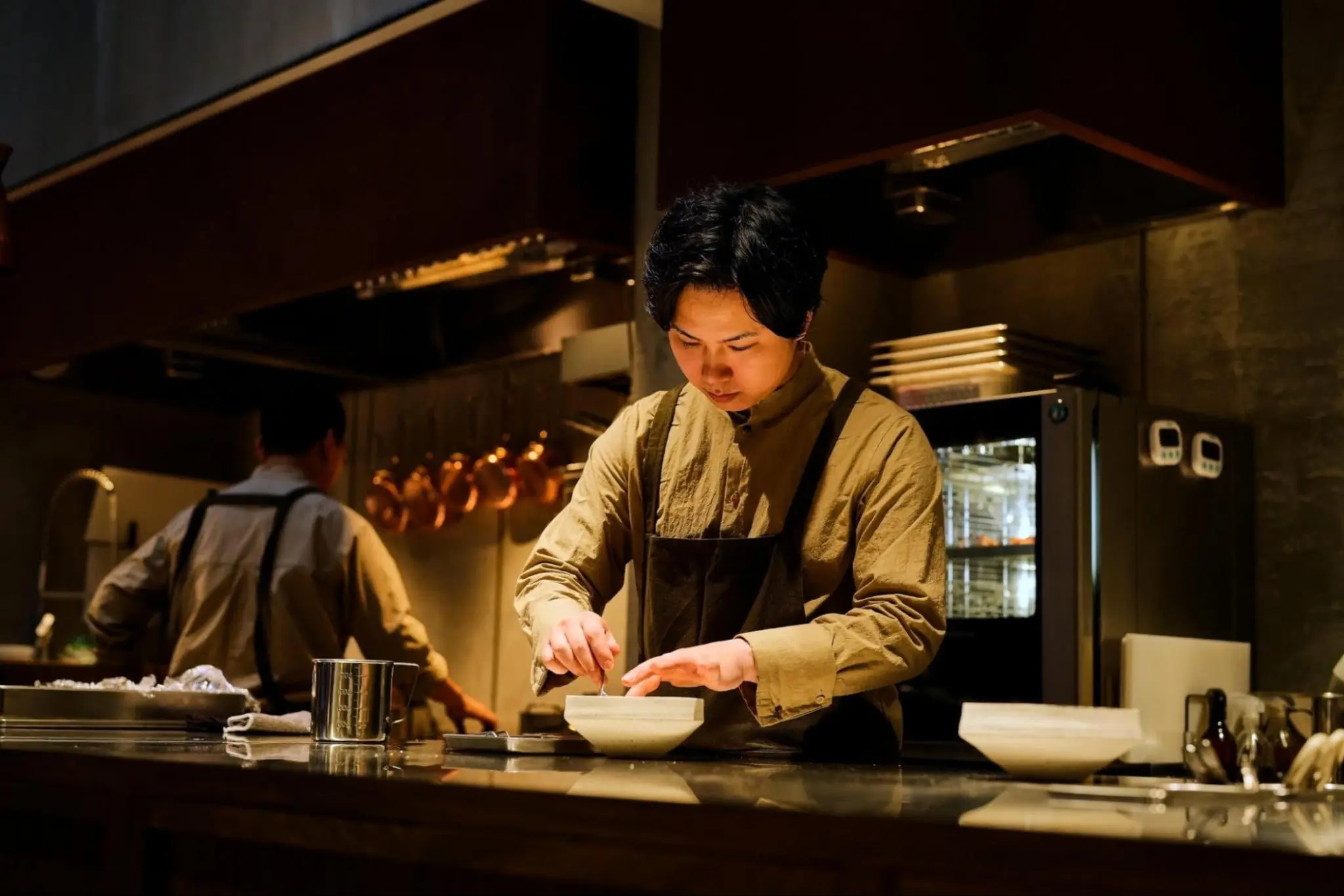
A Completely New Culinary Adventure! The Thoughts of Chef Yuuki Mamizuka of 【genso】 Who Never Stops Moving Forward
Fascinated by the World of French Cuisine, Starting Training at a Long-established Restaurant
ーーーWhat inspired you to become a French chef?
I first started seriously engaging with French cuisine when I enrolled in a culinary school in Osaka. Since my parents both worked, I often cooked dinner for myself from a young age. However, by the time I graduated from high school in my hometown of Oita, I didn't have a clear vision for my future. I entered the culinary world with a vague sense of direction, but as I started properly learning cooking, I became deeply captivated by the charm of French cuisine. I think it was the refined dishes born from careful work that really struck a chord with me. If I had to express it in the words of my teenage self, I would say it was simply "cool!" (laughs).
While attending school, I started working part-time at a long-established French restaurant, and after graduating, I worked there for about three years. The restaurant's master was strict in his work, but he treated me, a young beginner who didn’t know left from right, with great care. I learned the "basics of cooking" from the master, starting with the proper way to use a knife, and eventually, I was entrusted with preparing the main dishes as a chef. This was all thanks to the master's affection and guidance. However, at the time, I was so caught up in the daily tasks that I didn’t fully recognize how much support I was receiving from those around me. Looking back now, I can’t thank them enough.
ーーーWhy did you decide to go to France to learn cooking?
The next place I worked was a small bistro with only three staff members, including myself. I was almost solely responsible for the kitchen work, serving classic French dishes like pâté en croûte (pâté wrapped in pastry) and foie gras terrine in a casual setting. Unlike the previous restaurant where the kitchen was my main battleground, this time I had far more opportunities to interact with customers. If a customer made a request, such as wanting a specific dish, I had to be flexible and adjust… or rather, I had no choice but to meet their demands (laughs). I was really trained in adaptability.
For the regular customers, I think I was like a younger brother at 22 or 23 years old. It was a homely atmosphere, and it was an easy place to work. However, I began to question my own cooking. In an environment where I was allowed to do whatever I wanted, every dish I made was becoming more and more "my own style." There was no one to give me guidance from above, so I found myself unsure of what was right. The customers said it was delicious, but I began to feel unsatisfied with my cooking, thinking, "I haven’t even grasped the basics of cooking yet…"
I briefly considered working in Tokyo, but driven by the momentum of deciding to leave Osaka, I ended up heading to Bordeaux, France. During the day, I attended a language school to learn French, and at night, I worked part-time at a local restaurant. I continued this lifestyle for two years and then worked as a chef at the same restaurant for another two years. In France, I not only learned technical skills but also had the invaluable experience of immersing myself in the French people’s national character and their approach to food. That, I believe, was the greatest takeaway.
Embracing Unconventional Thinking and the Bold Creativity of the French Without Fear of Failure
ーーーWhat is the French perspective on food?
In the local restaurants, Japanese food culture had become quite popular, and ingredients like soy sauce and miso were commonly used in cooking. However, French chefs used these ingredients in a way that was either very creative or, dare I say, fearless (laughs). You would find Japanese ingredients appearing in completely unexpected situations. While there were some combinations that clearly didn’t work, the French chefs would simply not care about the failure and would keep trying repeatedly, attempting to make it their own flavor. I was amazed by their rich creativity. For me, as a Japanese person, it was shocking, but as long as the customers found it delicious, that was all that mattered. In France, a multi-ethnic country, incorporating various cultural influences and expanding the range of flavors has become the norm. French cuisine has evolved by embracing different cultures. I strongly felt that I had to break free from the fixed ideas within myself.
In the restaurant, there were other foreign workers, including Chinese and Italians, and many chefs came for training from overseas. As a result, the staff would often prepare dishes from their own countries as "staff meals," and we would gather around these dishes to discuss things like "let's try incorporating this cooking method" or "let's experiment with this ingredient," and these ideas would eventually be incorporated into the restaurant’s menu.
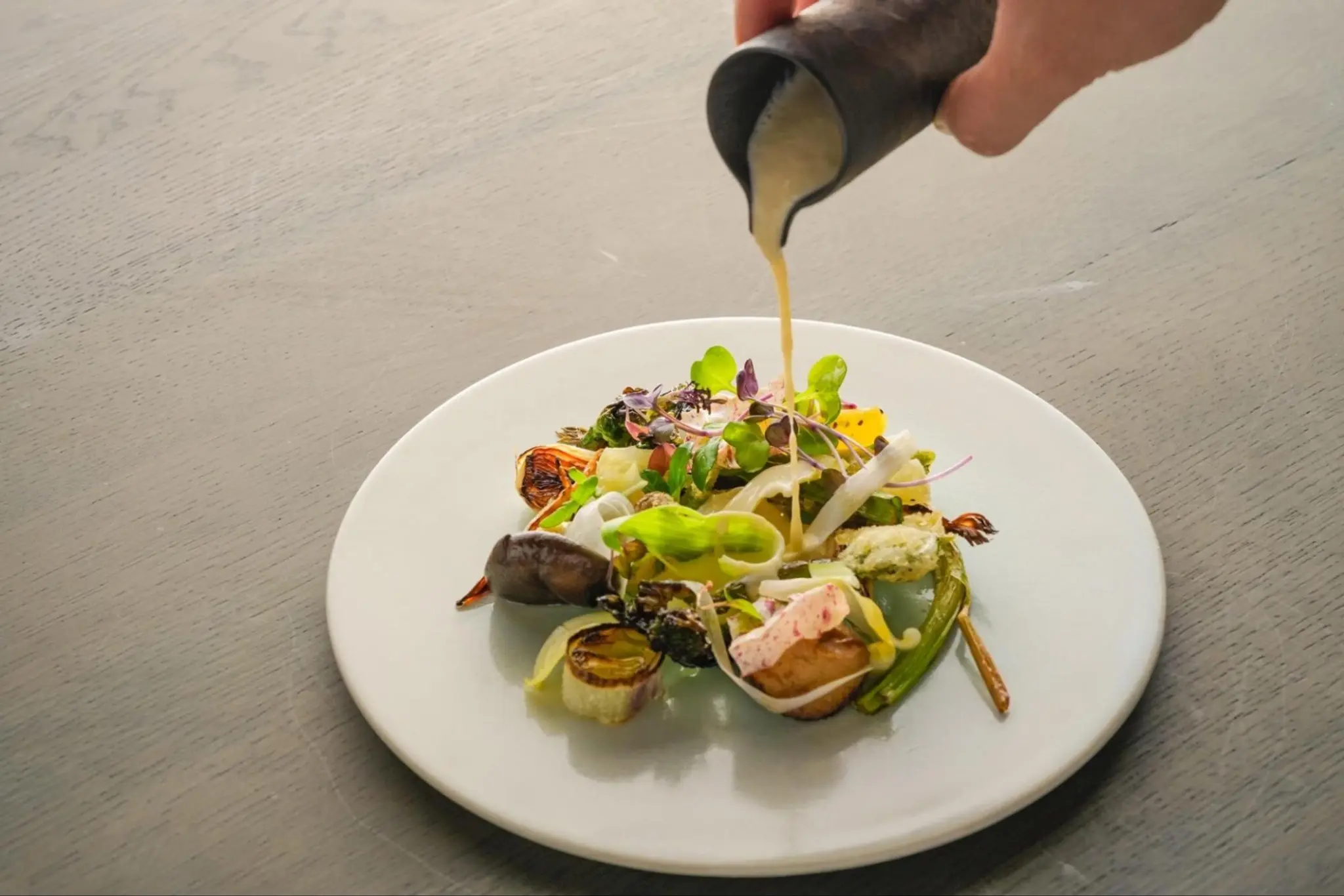
Delicious food is just delicious, and it doesn't have to conform to any particular mold. The approach to food that I learned from the French has become the core of the concept at my restaurant. While the base of the cooking is rooted in the logic of French cuisine that I trained in, I am not at all concerned with sticking to one particular genre. I use rice, miso, and even kombu. I aim to simply pursue "deliciousness," without being bound by preconceived notions, and to make customers happy.
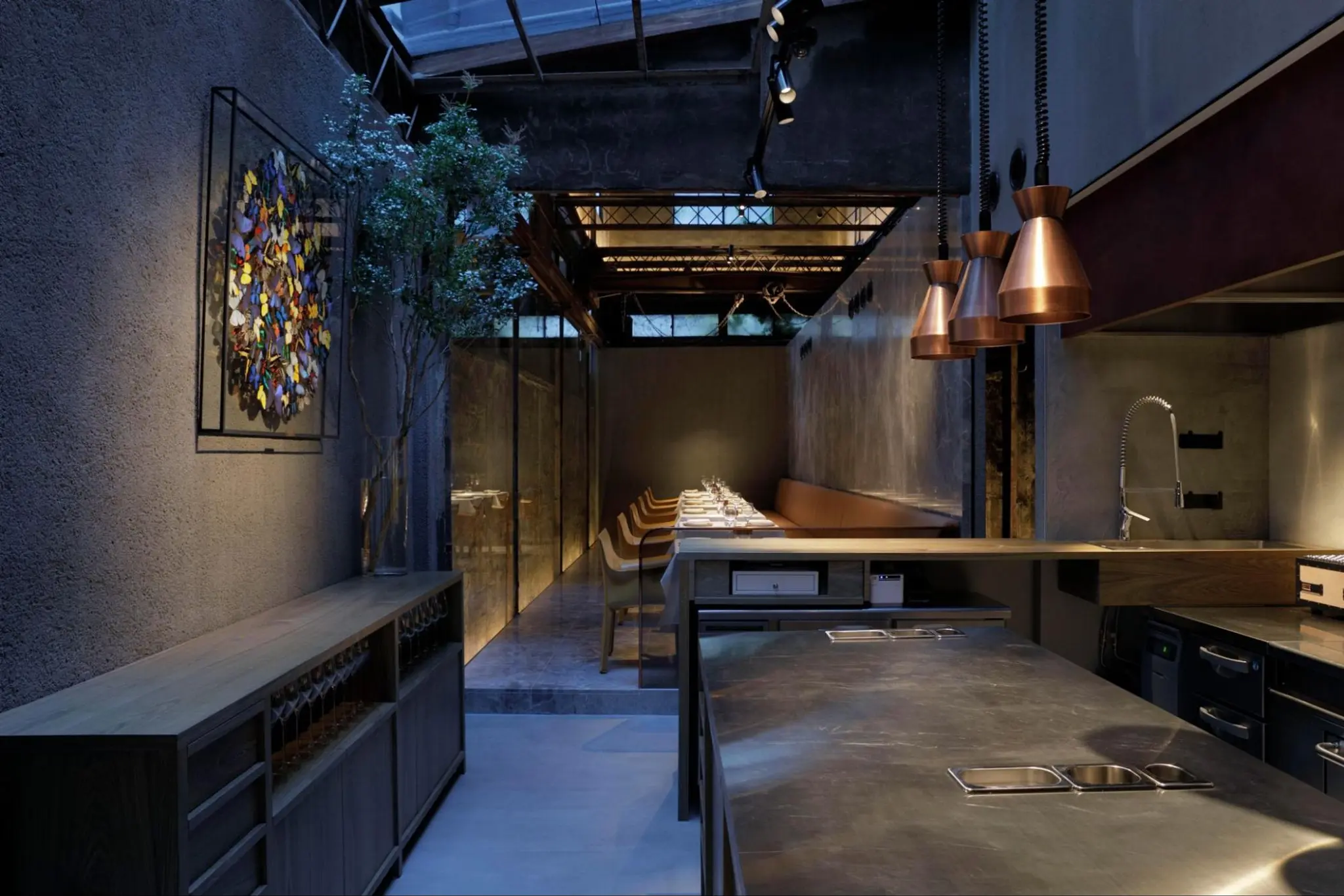
From a Metal Factory to a Restaurant! Renovation with the Customer's Perspective
ーーーCan you tell us about the process leading up to the opening of 【genso】 in 2023?
After returning to Japan, I worked at a Michelin-starred restaurant in Osaka at the InterContinental Hotel. Later, I was invited to be the first chef at a casual French restaurant that opened in Kitashinchi. Then, in 2023, I participated in a project to renovate a space that had once been a metal factory and later used as an atelier, turning it into a restaurant. As a key member, I was involved in everything from conceptualizing the restaurant to designing the kitchen.
The building was narrow with deep dimensions, so during the renovation phase, I had some concerns about whether we could even create a restaurant in this space. However, in the end, I believe we managed to create a unique space that truly reflects 【genso】's character. The open kitchen does not face the customers directly but instead has the seating and kitchen arranged side by side. We also carefully discussed and worked through the ideal chair heights and table sizes. Being able to communicate my needs from the customer's perspective to the designer and being involved in the creation of the restaurant from scratch was a very valuable and educational experience.
New Cuisine and Quality Service Created by a Team of Four Staff Members
ーーーCan you tell us more about the concept behind the cuisine?
This connects to the restaurant’s name, 【genso】, and I thought about how to elevate the four essential elements for life—"fire, earth, water, and wind"—into the cooking concept. "Fire" represents the cooking of ingredients and heat conduction. "Earth" is about the vegetables cultivated by the producers and the dishes made from the earth. "Water" refers to the water used in cooking or that customers drink. Being from Oita, I use Hita Tenryo water. And "wind" represents the natural fragrances of herbs and ingredients.
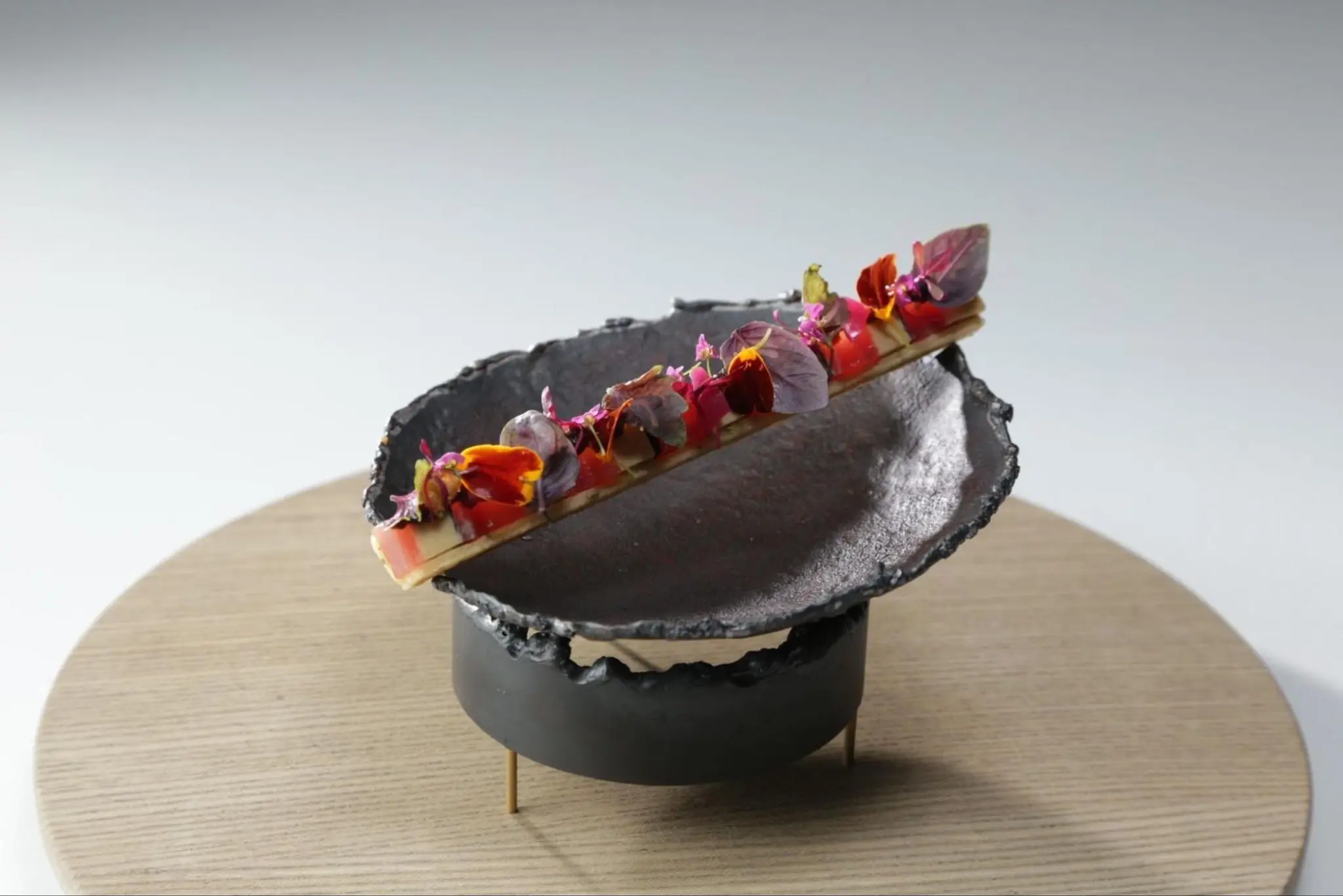
We kept elements of the original metal factory in the restaurant’s interior, including the walls and pulleys, so we serve two dishes inspired by "iron" at the start and end of the course. For the amuse-bouche, we use iron sculptures made by an artist as serving vessels, and the dish features tuna, which is rich in iron, foie gras, and edible flowers to create a unified color theme. The last course is a tea dessert. It features chocolate shaped like an iron pipe, served alongside herbal tea.
The course consists of 13 dishes, with two iron-inspired dishes and specialties using seasonal vegetables, and the menu changes completely every two months. The entire staff conducts multiple tastings, sharing feedback and brainstorming to structure the menu. At our restaurant, the four-person team, consisting of myself as the Executive Chef, a chef, a pastry chef, and a sommelier, all serve customers together. Though we each have our titles, we work as a team to serve the guests. We also wear coordinated uniforms so that everyone can respond the same way if a customer asks about a dish, ensuring constant communication.
ーーーThere are both 'alcoholic' and 'non-alcoholic' pairings as well?
Just as each dish has its own story, we hope that customers can enjoy the drinks as if they are reading through a narrative. For example, with alcoholic beverages, it’s not just wine that we offer; we select alcohol from around the world, such as Shaoxing wine or makgeolli, to expand the flavors of the dishes. For non-alcoholic options, we draw out the umami of tea by adding salt or create drinks using dashi. We also serve fermented drinks, such as cola syrup that we make from scratch during the fermentation process, offering customers surprising pairings that they wouldn't normally experience.
ーーーCan you tell us about the ingredients you use?
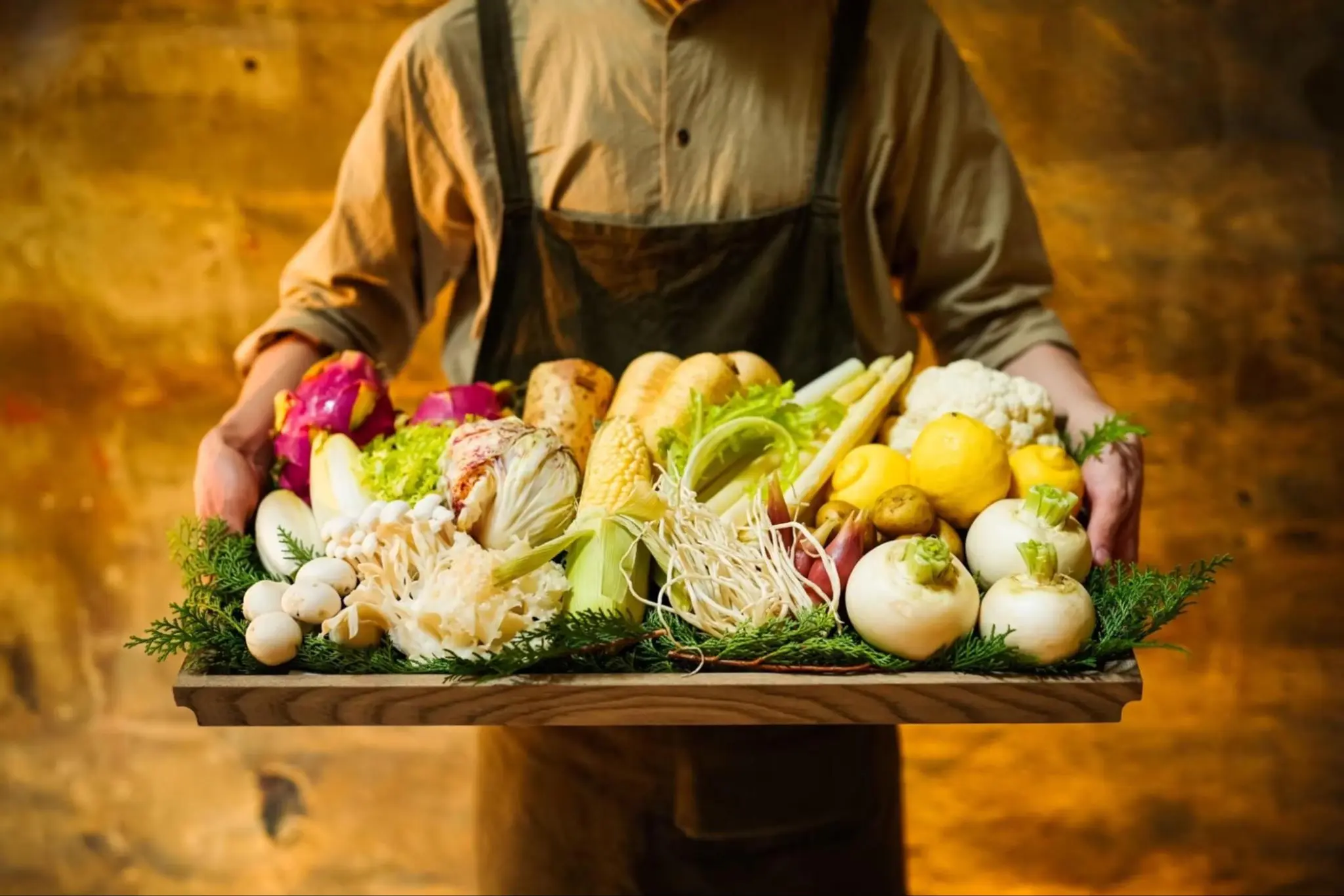
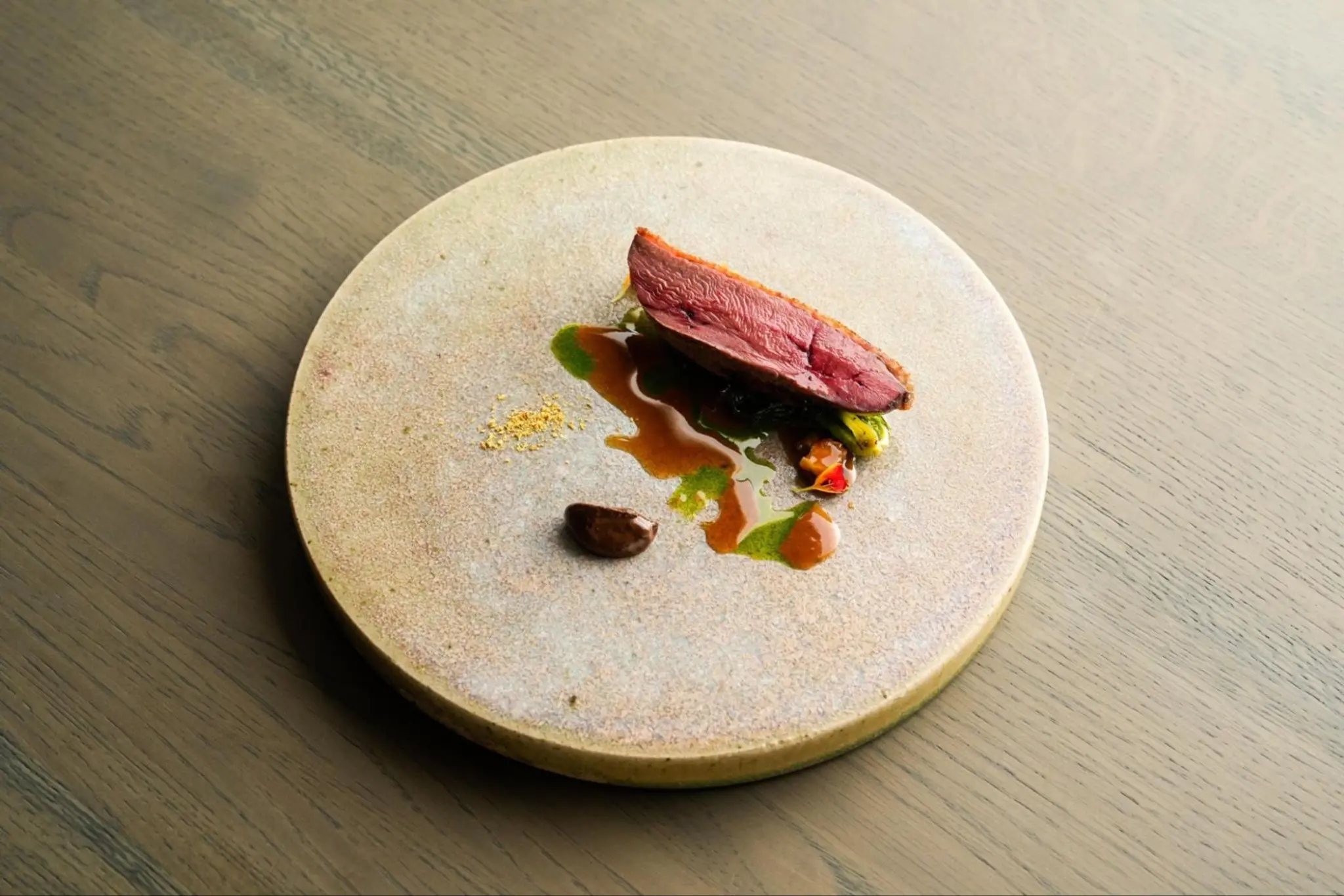
For vegetables, I regularly visit the market, keeping an eye out for new and interesting items. As for meat, I often source directly from producers, such as Mangalitsa pork from Hokkaido or Shinkamo duck from Niigata. When I find an ingredient I want to try, I contact the producer and order it right away to see if it can be incorporated into the menu through trial preparations. My approach is to select and use the best ingredients from all over Japan.
ーーーLastly, what does "delicious" mean to you?
Of course, the balance of the five basic tastes when the food enters your mouth is important, but whether something is "delicious" is also greatly influenced by the situation you’re in. Food after an argument is probably not going to taste good, and during a business meeting, you might not even be able to taste the food because of the tension. Whether it’s a date or a family meal, I believe that a pleasant atmosphere can make the food taste even better.
From the perspective of a chef, a dish that makes you say "Wow!" after the first bite is simply "delicious." A dish that leaves an impact in one bite has a clear sense of what it wants to highlight, meaning there is no uncertainty in the flavor. Also, dishes with refined beauty are undeniably "delicious." From just the visual information, you can tell it’s delicious even before you eat it. This is also the type of cuisine we aim for at 【genso】. And another point, experiences and encounters that you’ve never had before stay in your memory as "delicious." Whether it's an unfamiliar ingredient or an unexpected combination, those kinds of experiences stick with you. At our restaurant, we also focus on creating memorable dishes, not just through taste but through other elements like the aroma of smoked food or the experience of eating with your hands instead of using knives and forks, all contributing to the "deliciousness" beyond just the flavor.
Our restaurant is still in its early stages since opening, and we are currently in the phase of laying the foundation. First and foremost, we want to make sure that our customers will return, with both our food and service maintaining a high level of quality. Every day, we strive to move forward with the entire staff, making today better than yesterday and tomorrow better than today. Moving forward, we want to create a restaurant that continues to improve, so that our customers can say, "The course I had this time was even better than the last one."
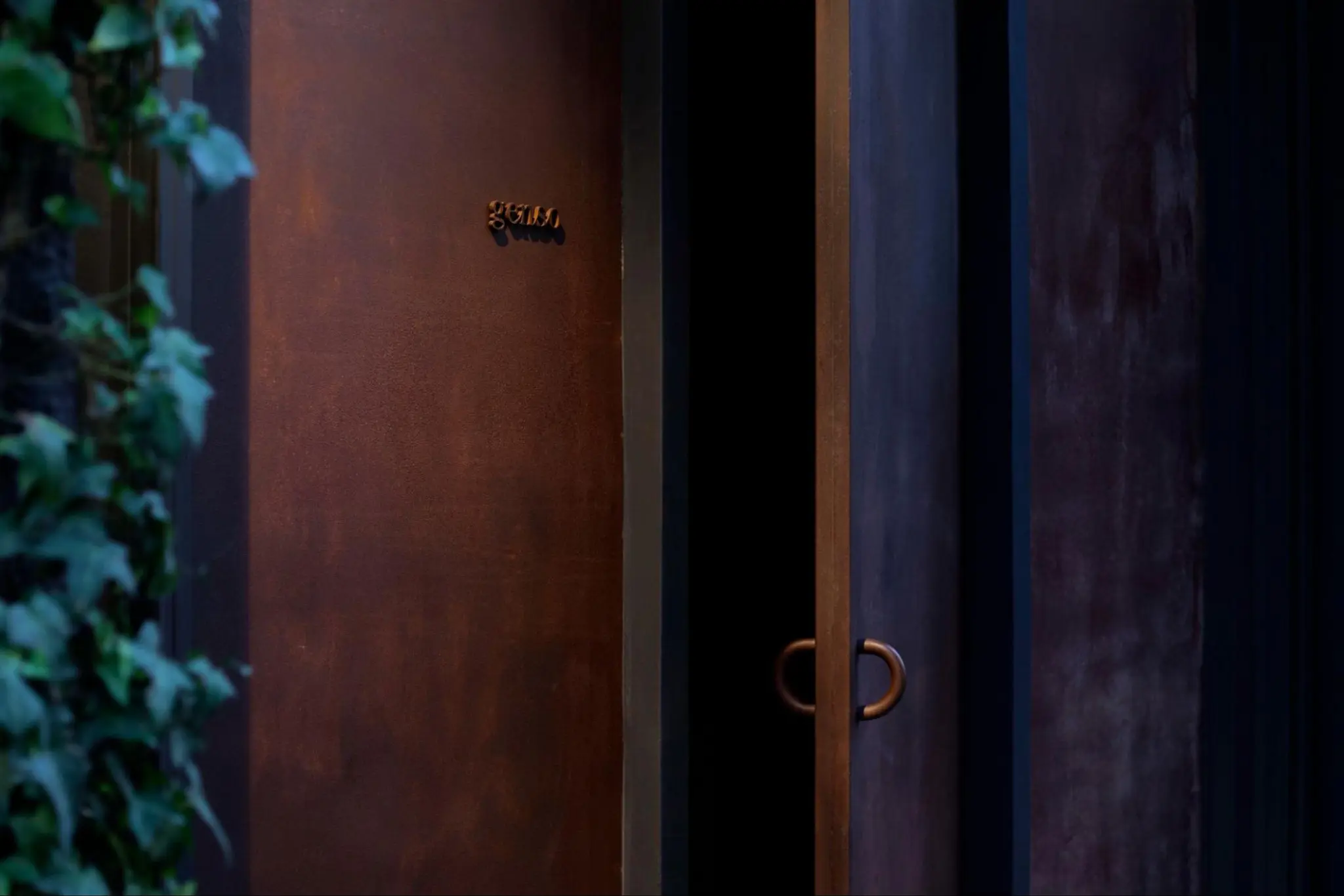
With his eyes sparkling, I couldn't help but imagine the youthful, beaming smile of Chef Mamizuka shouting, "That's so cool!" After that, he straightened his path, first mastering classic French and bistro cuisine, then refining his skills in France. Now, at 【genso】, he continues to create unique dishes, exploring new endeavors every day with his trusted team. This new gem in Kansai promises an experience filled with inspiration and excitement every time you visit. I highly recommend paying a visit at least once.
Interview and Text by: Reiko Aoki
Restaurant Information
- AutoReserve Magazine
- A Completely New Culinary Adventure! The Thoughts of Chef Yuuki Mamizuka of 【genso】 Who Never Stops Moving Forward