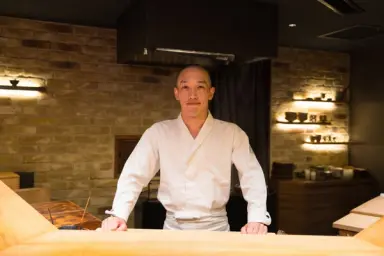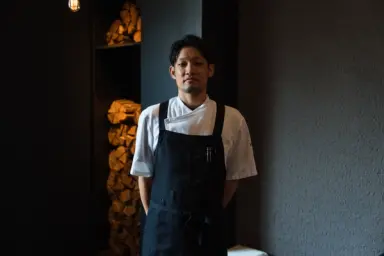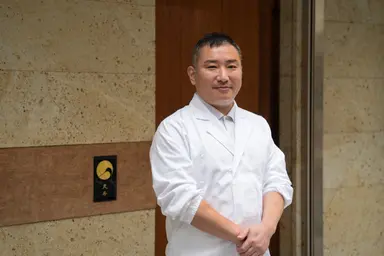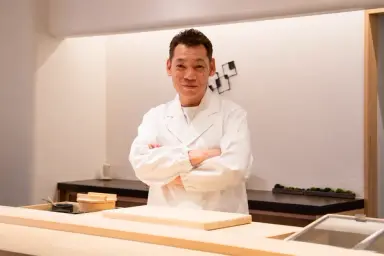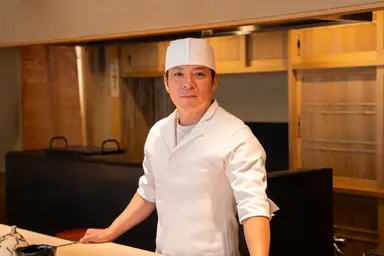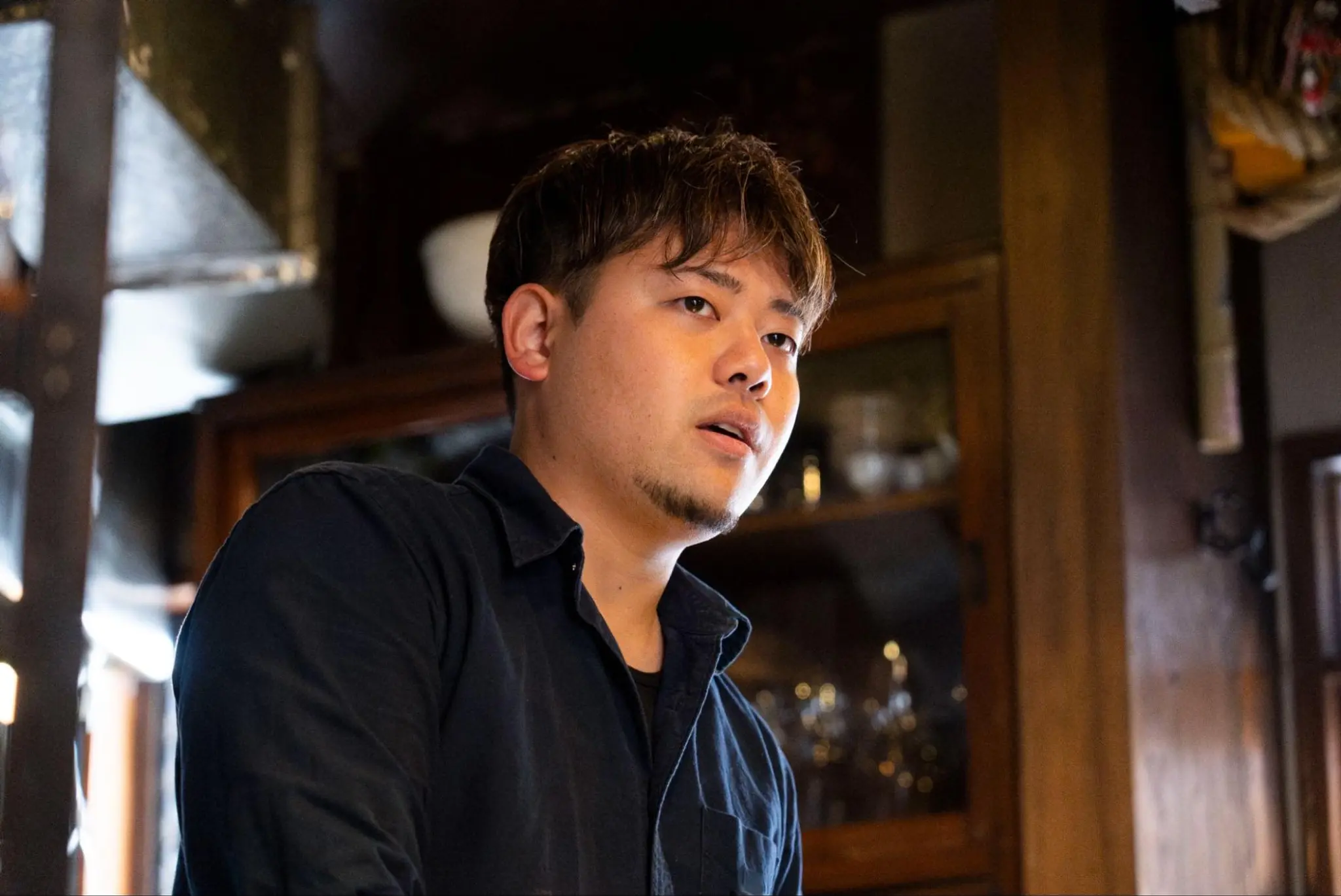
【Gokusai Tsubaki】 stays true to its culinary philosophy by working hand in hand with ingredient professionals, offering a single-course menu to showcase its craftsmanship.
The essence of Usui-style Mapo Tofu, perfected through countless trials and refinements.
ーーーCould you start by telling us about the characteristics of your restaurant?
I generally limit the restaurant to two groups per day, with a maximum of six guests. This is because I value the connection with my customers—I want to cook while engaging in conversation and personally serve each dish. Keeping it within my reach allows me to maintain that intimate experience.
Before becoming independent, I trained at 【Saika】 in Kyoto, which specializes in classical Sichuan cuisine. However, my approach is different—I base my cooking on Cantonese cuisine while incorporating seasonal ingredients and appropriate techniques, offering a variety of dishes without being confined to a specific genre.
ーーーI heard that Mapo Tofu is one of your signature dishes!
I feel like it’s my customers who consider it a specialty. A specialty is essentially a restaurant’s signature dish, and I believe there are two types: one where a restaurant creates something entirely unique, and another where it elevates a well-known dish to a higher level of quality. For me, rather than focusing on originality, I prefer to take dishes that people are already familiar with and refine them to the highest standard. This mindset applies not just to Mapo Tofu, but to all the dishes I create.
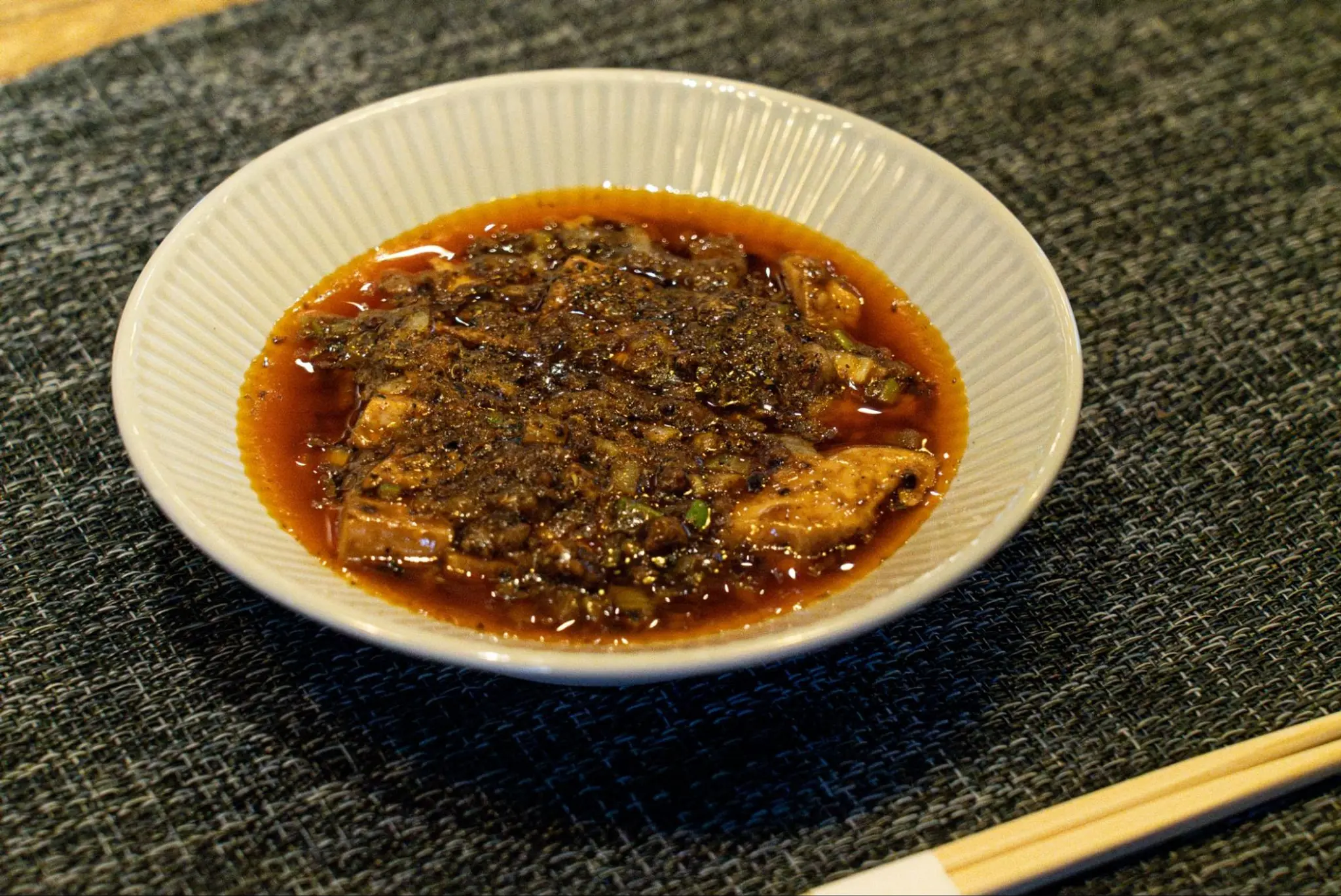
ーーーAre there any particular elements or special techniques you focus on when making your Mapo Tofu?
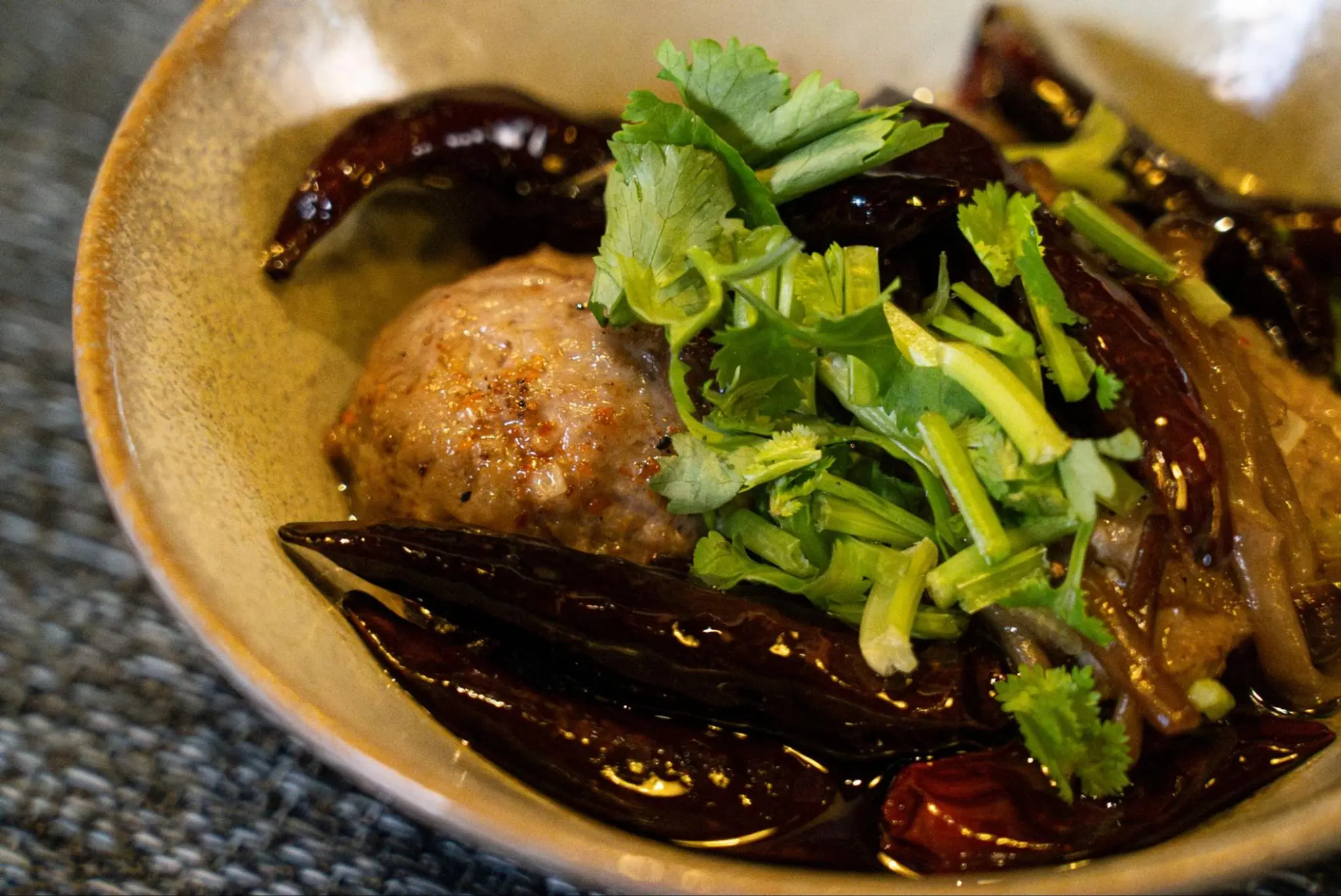
I use Wagyu beef in my Mapo Tofu. The reason for this is that through my studies and practice, I have experimented with various types of meat, such as lamb and pork. However, I found that Wagyu has a unique fragrance called "Wagyu-ko" (Wagyu aroma), which pairs exceptionally well with Mapo Tofu. This aroma is exclusive to Wagyu and cannot be replaced with foreign beef. Even when you quantify umami levels, Wagyu stands out significantly. Typically, when using pork or other meats in Mapo Tofu, the meat is cooked beforehand. However, since I use Wagyu, I take extra care not to overcook it. Wagyu has a low melting point, which makes it prone to dissolving easily. To preserve its rich flavor and aroma, I do not pre-fry the meat. Instead, I slice it raw and briefly cook it just before serving. Additionally, I source whole cuts of "Sankaku Bara" (triangular short rib) from a specialized supplier. The beef fat from these cuts is rendered into an aromatic oil, which I specifically prepare for my Mapo Tofu, enhancing its depth of flavor.
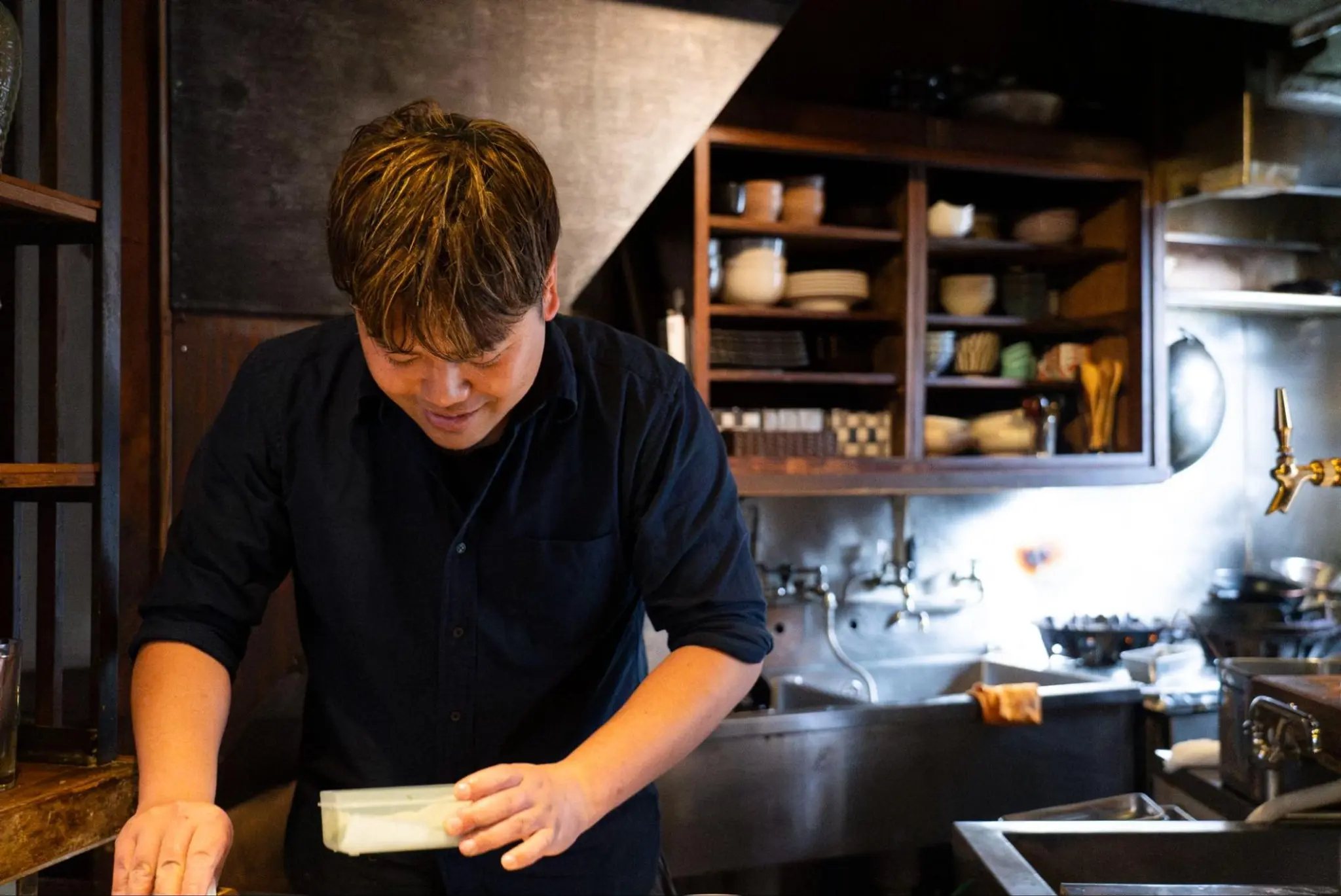
In Chinese cuisine, not just Mapo Tofu, aroma is of the utmost importance. The first priority is fragrance, the second is color, which should be vibrant and visually striking, and finally, the third is taste. The philosophy is that if a dish is aromatic and visually appealing, it will naturally taste delicious as well. With Mapo Tofu, it follows the same principle: first comes the aroma, then the color and sheen, and lastly, the flavor .As for seasonings, I use orthodox ingredients, but I am particular about sourcing the highest quality and most well-balanced ones. Since I want to emphasize the sweetness and umami of Wagyu beef, I avoid using strong-flavored ingredients like Doubanjiang (fermented chili bean paste). Instead, I create a flavor profile that lingers lightly and fades smoothly, ensuring a clean and refined aftertaste.
Respect for ingredient professionals leads to the creation of truly authentic cuisine.
ーーーDo you have any particular commitment to ingredients?
I have absolute trust in producers and wholesalers. I believe that the ingredients chosen by professionals are of the highest quality, far beyond what I could select myself. That’s why my principle is never to be picky or insist on only using a specific ingredient from a particular region—I never let personal preferences get in the way. People working in fish markets, for example, dedicate their entire lives to fish—they build their careers, homes, and families around it. When you think about it that way, we chefs can never surpass their expertise in selecting the best fish. The same applies to vegetables and meat. That’s why I entrust all ingredient selection to the professionals. For me, it’s about never overestimating my own knowledge and never assuming that I know everything.
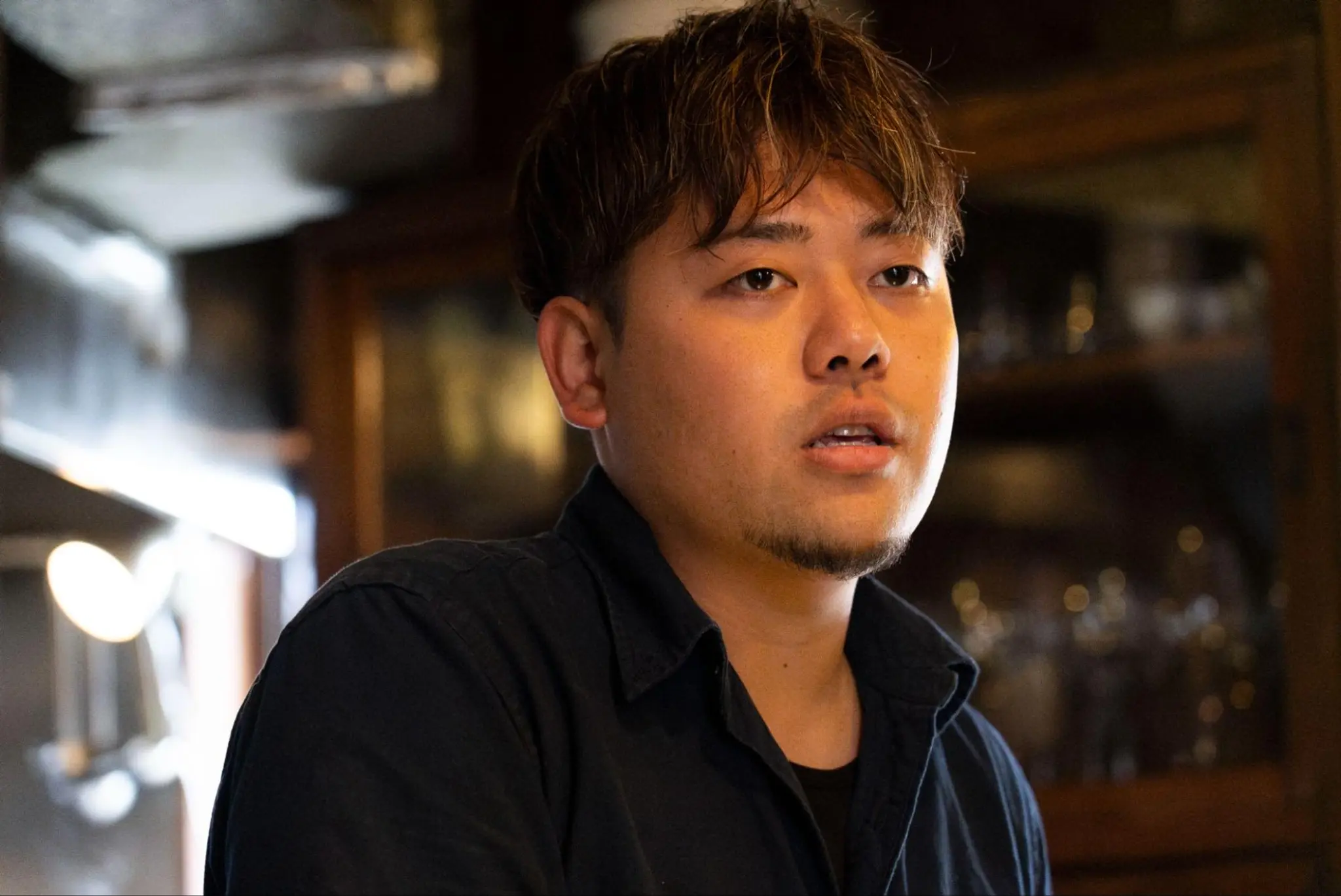
ーーーDid you have this mindset from the very beginning of your career as a chef?
Yes, I’ve always believed that when it comes to ingredients, I can never surpass those who have dedicated their lives to perfecting their craft day after day. That’s why I make it a point to listen carefully to professionals. For example, when it comes to fish, I always ask, "Is this fish best served as sashimi?" or "Would it taste better steamed?" I rely entirely on their expertise. On the other hand, if I tell them that I want to make a steamed dish with fish, they will give me precise advice, saying things like, "This fish loses all its moisture if oversteamed, so you should steam it for this exact amount of time."I simply follow their guidance and cook accordingly.
When I was training at 【Saika】, I also worked part-time at the fish market every morning for two years. While Chinese cuisine does use fish and seafood, it doesn’t handle as wide a variety as Japanese cuisine, so I wanted more hands-on experience with different types of fish. It wasn’t so much about studying—my curiosity was the driving force. It was tough, but I never saw it as a burden, and it turned out to be an incredibly valuable learning experience. When I started my own restaurant, I actually wanted to work at Toyosu Market as well. In the end, I was fortunate that my restaurant became busy, and I simply couldn’t make the time. But even now, I still have the desire to work there.
ーーーWhat is the most important aspect for you when creating a dish?
I believe that as chefs, we are merely entrusted with ingredients—we are in a position where we are allowed to use them. Our job is to bring out the best in each ingredient through proper handling and cooking techniques, ensuring that we serve them in their most delicious state to our guests. Every ingredient and seasoning has a "correct way to be used," and I always strive to cook in a way that respects that. For example, bitter vegetables should be carefully treated to remove their bitterness and presented in their purest form, while fish with rich fat content should be cooked in a way that locks in their flavors. Similarly, strongly flavored fish should be fried to mellow out its intensity. Each ingredient has its ideal preparation and cooking method, and it is our responsibility as chefs to follow that.
I personally believe that cooking is not about complete freedom. Instead of prioritizing creativity, I place greater importance on precision and correctness. For me, cooking is about applying the proper techniques and handling each ingredient in the way it is meant to be used—that, to me, is the right way to cook.
For example, when creating a dish that combines meat and vegetables, I naturally choose seasonal vegetables. However, this is not a matter of personal creativity or intuition—it is simply the correct choice.I don’t consciously try to create something unique or original. Instead, by consistently making the right choices, the dishes I prepare—such as Mapo Tofu—naturally become a reflection of my cooking style.
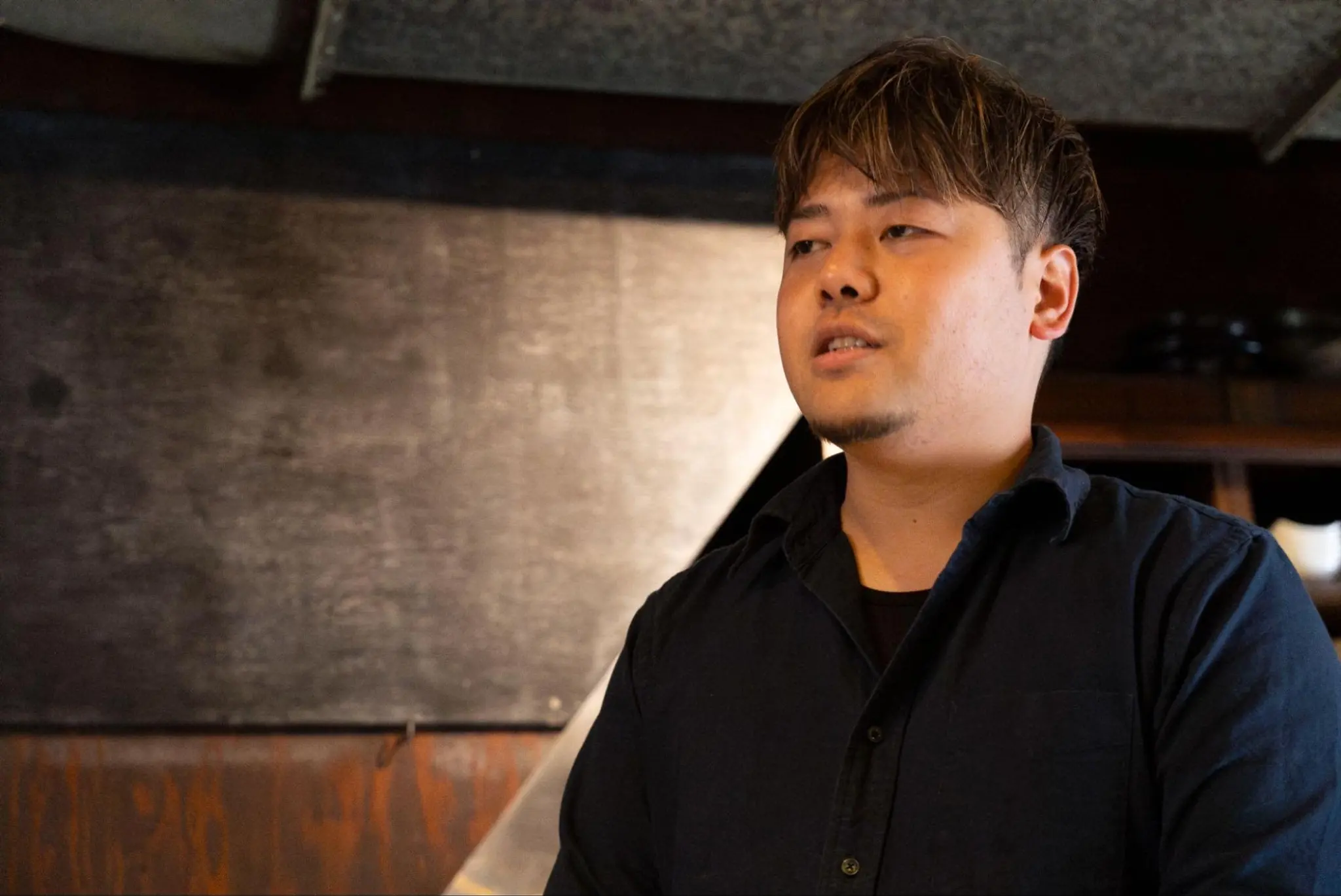
ーーーDo you have any particular principles or considerations when it comes to ingredient pairings?
When using mild-flavored vegetables, I pair them with umami-rich meats—this isn’t based on intuition but rather a logical approach. Within that framework (logic), the specific ingredients I choose reflect my personal style, so it’s a continuous process of trial and error.I also find a lot of inspiration when I visit other restaurants, not just Chinese ones. It’s fascinating to see how the same ingredient can be treated so differently—in Chinese cuisine, it might be fried at extremely high temperatures, while in Japanese cuisine, it may be prepared in a completely different way. These contrasting approaches make me realize just how diverse cooking methods can be, and I find that really exciting.
Never forgetting one's roots, always valuing the connection with guests.
ーーーIt has been about six months since your restaurant opened. How do you feel about the response so far? I imagine the expectations from your customers must be quite high.
I am truly grateful when customers tell me that my food is delicious. My restaurant is in Tokyo, but it’s not in a central urban area, and it’s a place that relies solely on the quality of its food. Given the challenges of the location, I initially expected it to be difficult, but the high percentage of repeat customers has been a huge and unexpected blessing. Some people see my career and refer to me as a "rising star", but I don’t think it’s about me being exceptional. It’s not about me personally, but about the food itself.I also tend to approach things in a way that fits within my capabilities. Before opening this restaurant, I started by renting an Italian restaurant during lunchtime and operating a lunch service. Gradually, as I gained confidence and experience, I eventually opened this restaurant. Now, I feel like I’ve reached a point where what I want to do and what I can do are finally aligned.
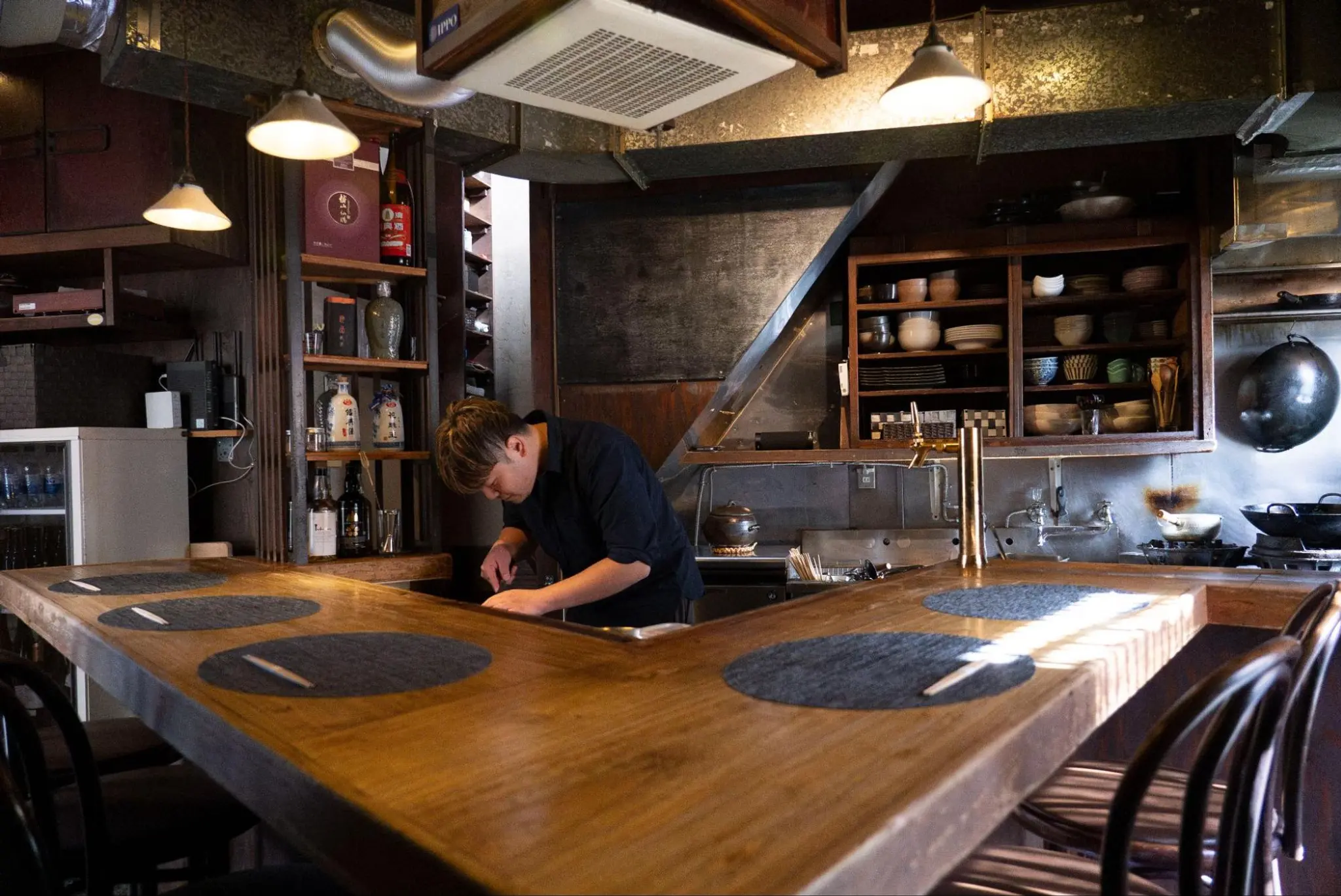
ーーーHow do you feel about the unique sense of closeness with your guests that comes from having an open kitchen?
It’s incredibly enjoyable! Conversations flow naturally, and every day I get to work in a way that feels truly fulfilling. Since my guests can see everything I do, I make sure to explain each dish properly. One of the greatest appeals of Chinese cuisine is the dynamic way dishes come together right in front of you. The bold movements, the sizzling sounds, the intense heat—these visual elements enhance the experience, making the food even more enticing.
ーーーWhat is the composition of your dishes?
My course menu consists of about 10 dishes, priced at ¥10,000, and during Shanghai crab season, it’s ¥15,000. In this area, my restaurant is considered high-end, but for customers who frequently dine at luxury restaurants in central Tokyo, my pricing is unbelievably affordable. I feel like I’ve been able to carve out a space where I can do what I want within a reasonable range. For me, high-priced courses often end up being dominated by expensive ingredients, which I find a bit restrictive. If I were bound to only using premium ingredients, it would actually limit my creative freedom, which I would find challenging .That being said, luxury ingredients don’t just mean things like caviar—high-quality fish and vegetables can be just as expensive. Moving forward, I hope to continue sourcing top-tier ingredients within a reasonable price range, ensuring that I can maintain the balance I strive for.
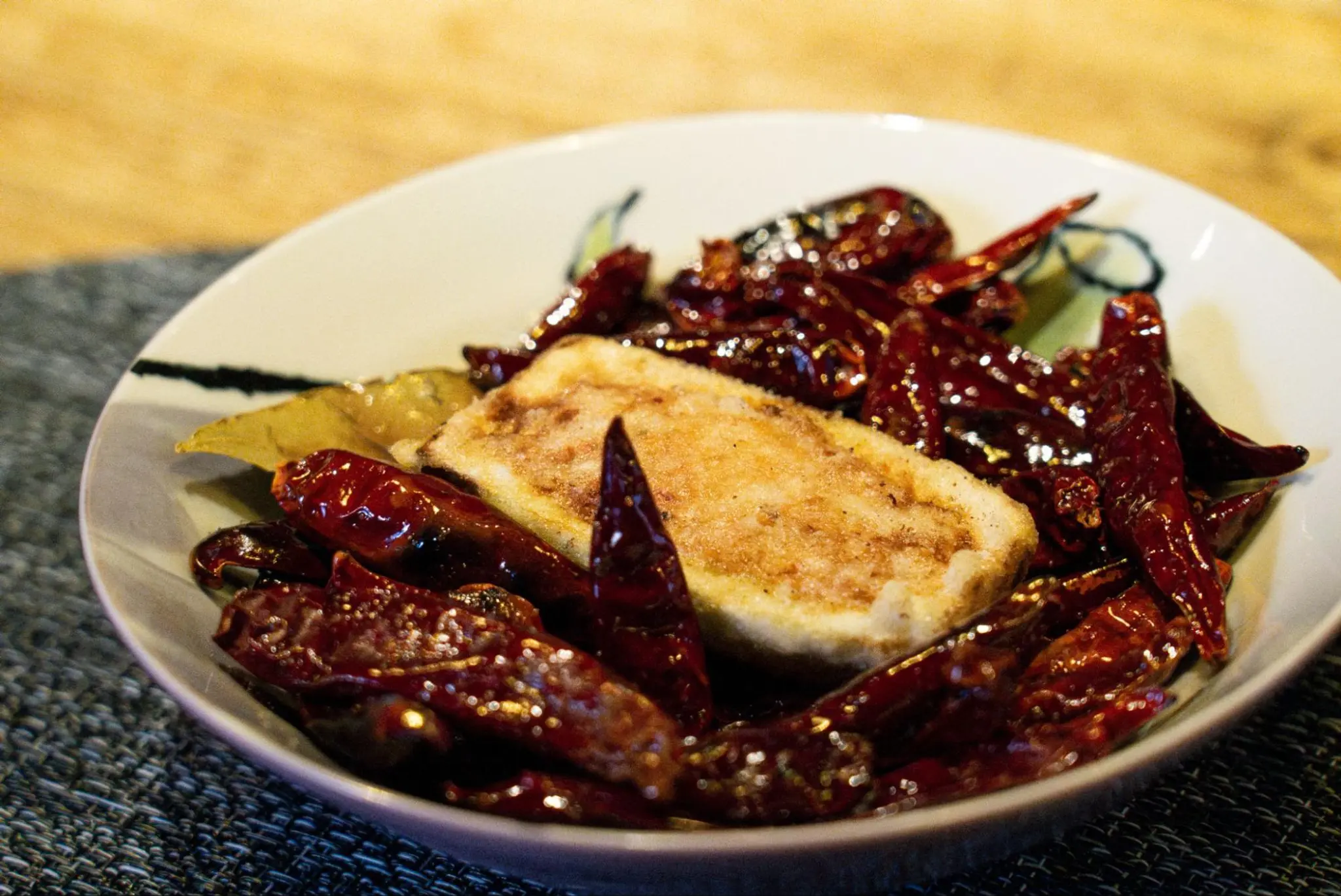
I also offer a Mapo Tofu set meal for lunch on weekends only. While dinner is strictly reservation-only, I’ve kept the lunch service going because I want local residents to be able to drop by casually.
To be honest, ever since opening, many people have discovered me and my restaurant through social media, making reservations far in advance and eagerly anticipating their visit. I’m incredibly grateful for this, but at the same time, it feels somewhat unreal—I receive a lot of compliments, but no one ever scolds me.
In a way, lunch service helps keep me grounded. It allows me to stay connected to everyday life, rather than getting caught up in the excitement and recognition that come with running a high-demand restaurant.
Creating an environment where I can always enjoy my work.
ーーーCould you tell us about your background and career path?
I was born in Tokyo, and after graduating from high school, I enrolled in Tsuji Culinary Institute (Tokyo Campus). I really enjoyed the Chinese cuisine classes, which were held a few times a year, and that inspired me to pursue a career in Chinese cooking. However, the Tokyo campus didn’t offer a specialized Chinese cuisine program. After consulting with my instructor, I was introduced to the Osaka campus, where I studied for a year. I then worked as an assistant instructor for another year, gaining hands-on experience. However, since I had no intention of becoming a teacher (laughs), I took the opportunity to train at 【Momo no Ki】, which was located in Okachimachi at the time, for three years. After that, I spent another three years training at 【Saika】, refining my skills before setting out on my own.
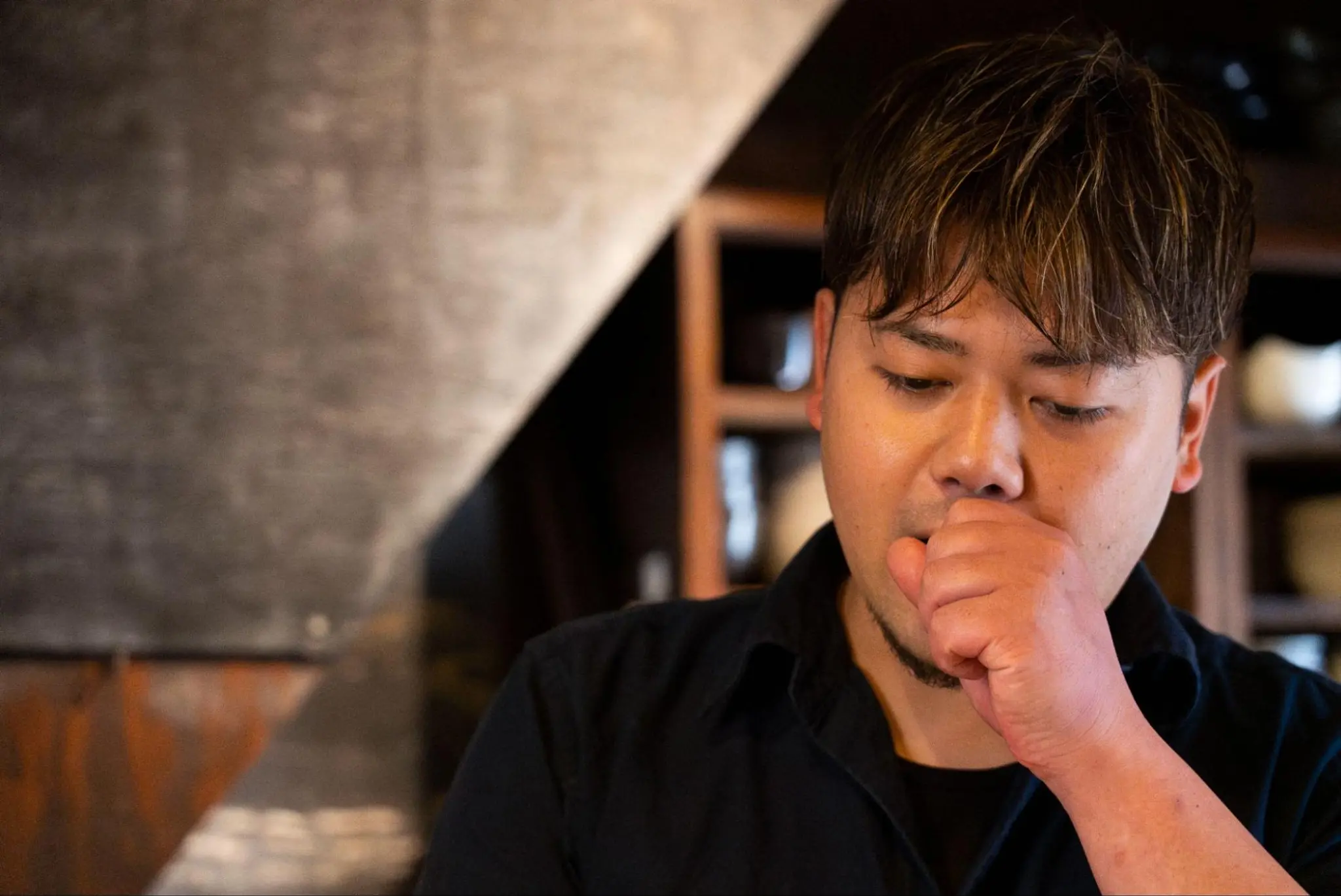
ーーーAre there any memorable experiences or lessons from your training at renowned restaurants?
At 【Momo no Ki】, where I first trained, I went through a one-week apprenticeship at the beginning. When I saw the level of the cuisine, I was absolutely overwhelmed. However, rather than feeling intimidated, my strongest reaction was excitement—I thought, "This looks like so much fun!" Of course, there was strict discipline, but I never felt pressured or discouraged by it.
The most important lesson I learned at 【Momo no Ki】 was the uncompromising quality of every single task related to ingredients. For example, when making stir-fried greens, I was instructed to cut every piece to the exact same size. That might sound simple, but as a beginner, I had to use a ruler to measure and cut about a kilogram of greens, one leaf at a time (laughs) .And since not all of it was used in a single day, about half would be left over for the next day. By then, the edges of the pre-cut leaves would start to brown slightly, so my next task was to go through every single leaf again and remove the discolored parts, one by one (laughs) .This was just one example, but it was during this time that I truly internalized the importance of attention to detail and maintaining the highest quality in every step of the process.
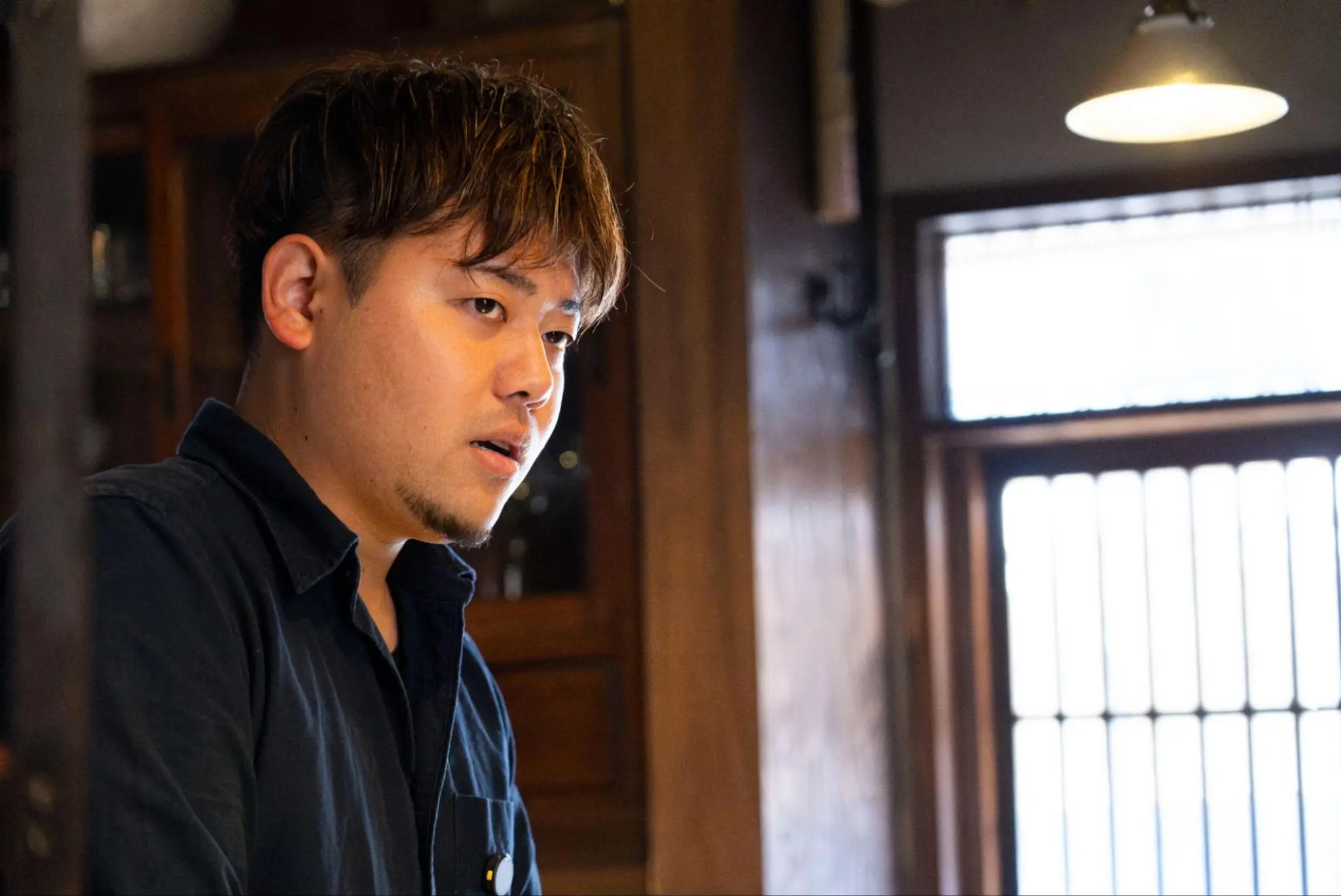
ーーーHow was your three-year experience at 【Saika】?
The restaurant did not typically take on apprentices, so I consider myself extremely fortunate to have been given the opportunity to train there. Chef Saito personally prepared all 12 servings each night—entirely on his own, which was already an incredible feat. But beyond his technical skill and the quality of his cuisine, what truly impressed me was his deep connections with producers.
During my time at 【Saika】, I was exposed to a different perspective on ingredient selection compared to my time at 【Momo no Ki】, which was incredibly stimulating. I also learned the importance of creating a work environment that allows me to enjoy what I do over time.
For me, training and even working part-time at the fish market weren’t about enduring hardships—I kept going simply because I enjoyed it. I never once had the mindset of “enduring tough training”. Of course, in order to do what I love, there are always things I must do. But my approach has always been: "I have a goal, so I will do whatever is necessary to achieve it."
Whether it’s ingredient selection, relationships, or the overall work environment, I believe that working under stressful conditions where I can’t perform at my best is counterproductive. Instead, I always ask myself, “What kind of environment allows me to work at my best while enjoying it?”
That question has become the foundation of my career as a chef. That’s why, at my restaurant, I have designed my work environment 100% on my own terms, ensuring that it aligns perfectly with the way I want to cook and serve my guests.
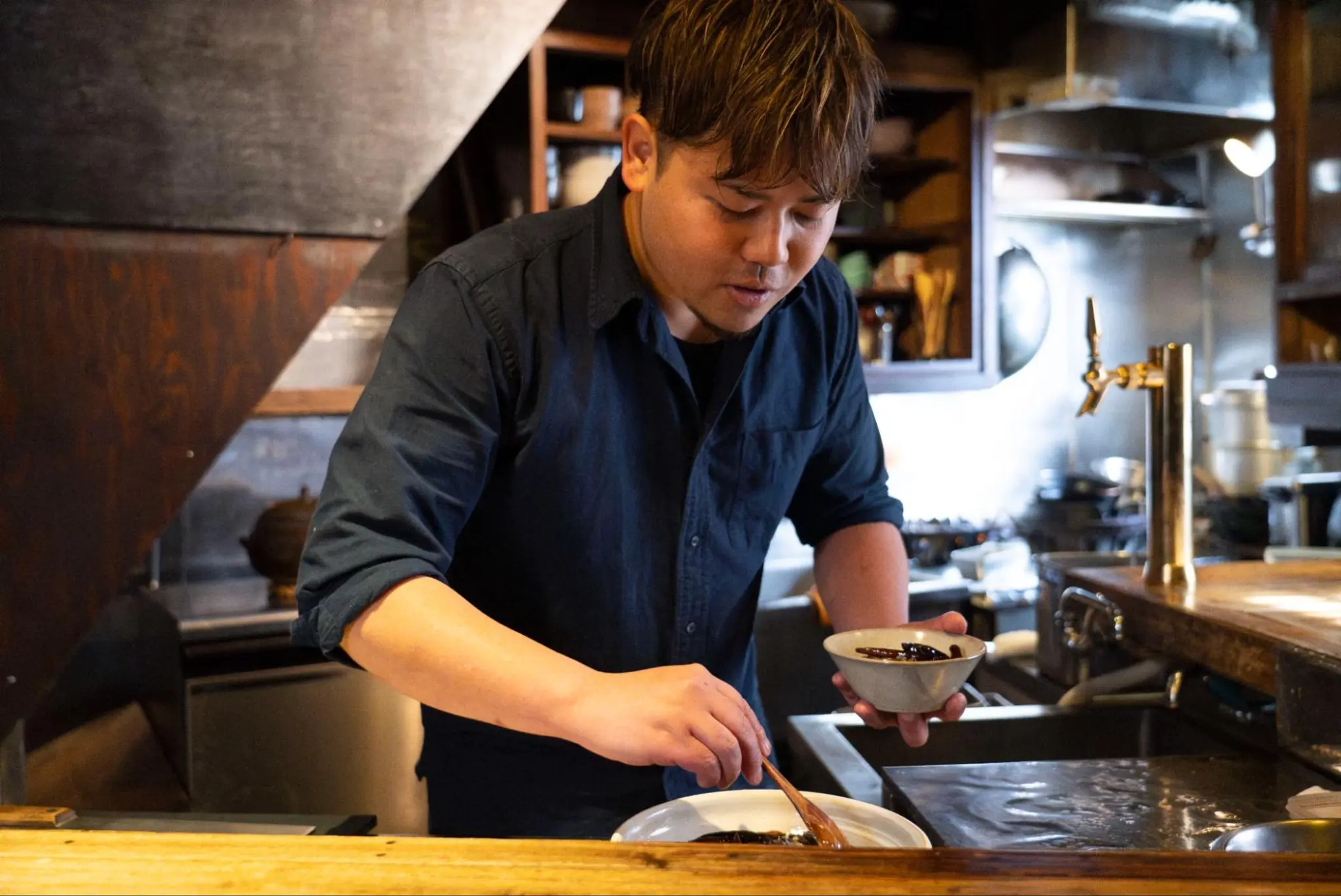
The curiosity for food that sparked in childhood remains endless.
ーーーWas there a specific moment or experience that inspired you to become a chef?
I grew up in a family with a deep appreciation for food, both at home and when dining out. Because of that, I developed a strong interest in food from a young age and naturally enjoyed cooking. As an elementary school student, I made handmade udon noodles, and by middle school, I was buying pork bones and chicken carcasses to make homemade ramen from scratch. Cooking has always been something I loved, and even now, that passion remains unchanged .Cooking is simply fun—I truly enjoy it. At the same time, I always feel that I still have so much more to learn. If I ever reached a point where I believed I was the best, I think I’d lose motivation (laughs). So in the end, I still feel like I’m just getting started.
ーーーDo you have any future plans or dreams for your career?
Someday, I would like to open a "children's cafeteria". With my current style, the number of people I can interact with is naturally limited. That’s also one of the reasons why I continue offering lunch service—it allows me to reach more people. I also have a strong desire to give back to society, and if I can create something in the future that brings joy to children, that would be truly fulfilling.
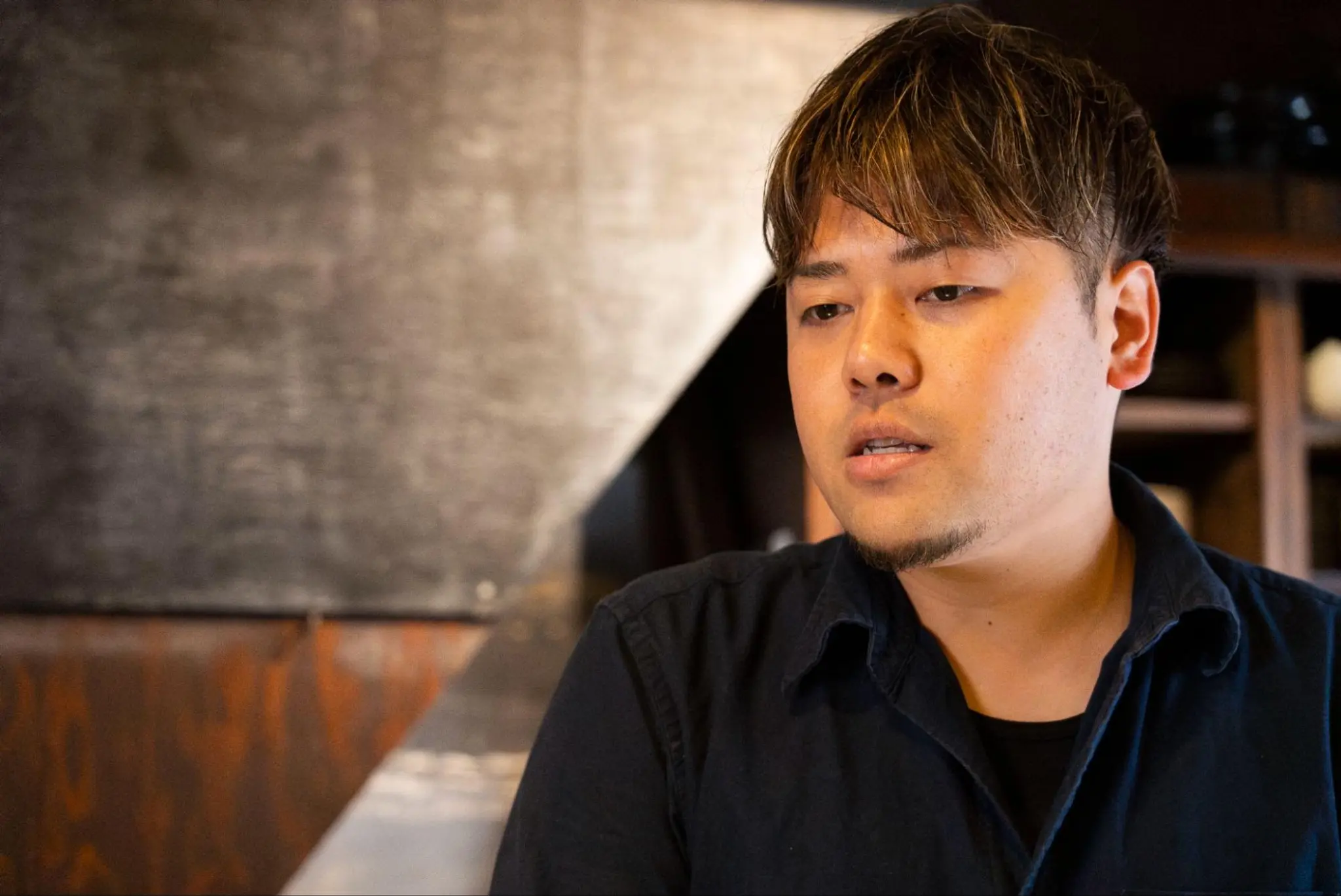
ーーーFinally, what does "delicious" mean to you?
For me, "delicious" means "fun."I feel just as happy when a guest says, "That was fun!" as when they say, "That was delicious!"—maybe even more so. After all, my guests are entrusting me with a significant part of their day, their meal. If they leave thinking, "That was a great day," that’s the most important thing to me. To make that happen, I believe that I have to enjoy myself first. If I’m not having fun, my guests won’t either. That’s why I put my full energy into both my cooking and my connection with each guest, knowing that my enthusiasm will naturally come through.
Another thing I always keep in mind is working with a sense of composure. My guests look forward to their visit for months, while for me, it’s part of my daily routine. I never want to forget the importance of bridging that gap and ensuring that I meet their expectations with the same level of excitement they bring. If I lose my composure and feel pressured, cooking can become just a task, and that’s when quality starts to decline. I make sure to never fall into complacency—instead, I approach each dish with care and intention. By incorporating elements of enjoyment into my daily work, I want to continue welcoming guests in my own way, offering high-quality cuisine and warm hospitality that feels genuine and personal.
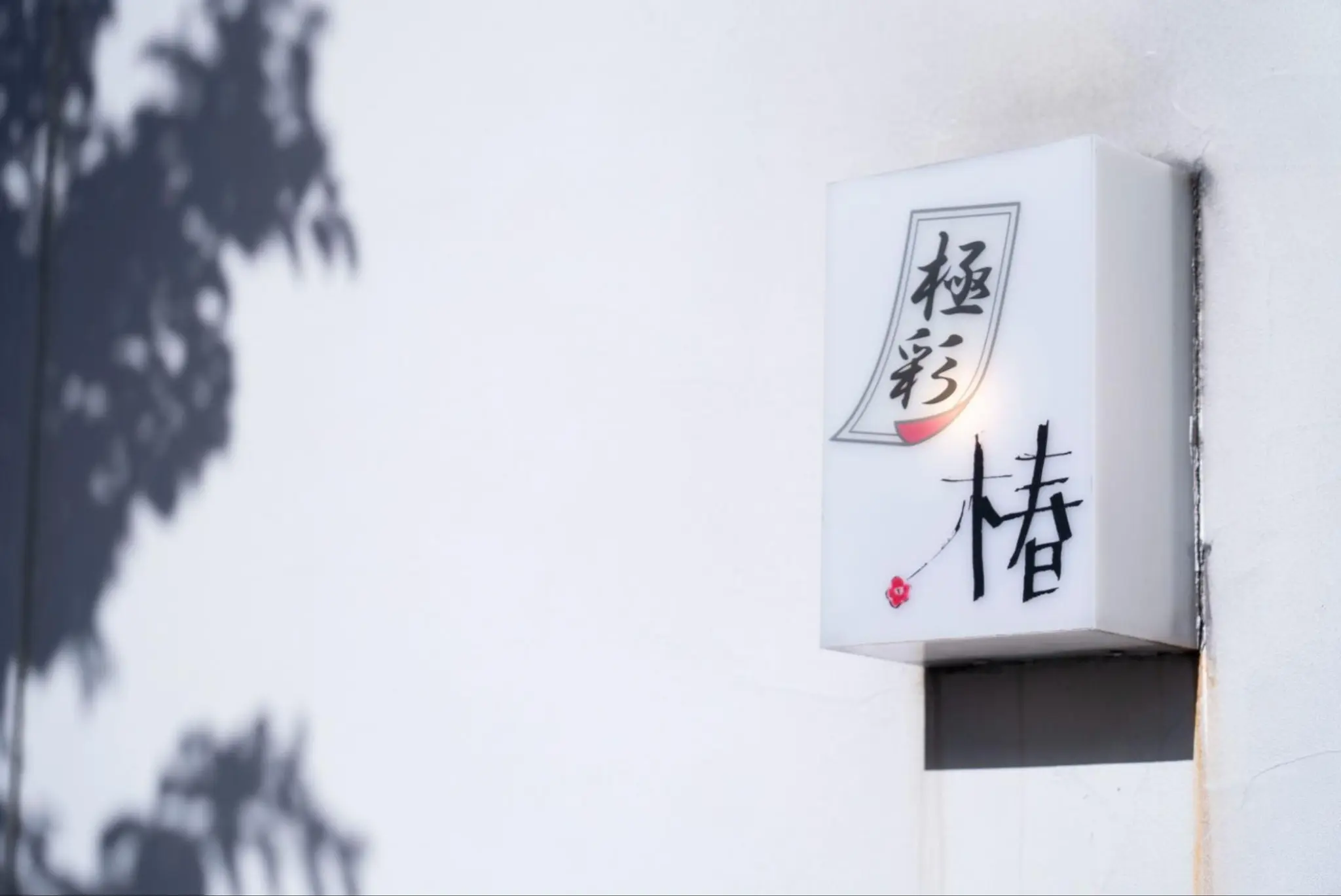
Even now, as a professional chef, Usui’s curiosity and joy for food remain unchanged. At the same time, he does not leave room for his own creativity or philosophy to interfere with the essence of cooking, which is only possible thanks to the expertise of producers and wholesalers who truly understand the ingredients. His deep respect for those who know the flavors of ingredients best, combined with a logical approach to using them in the “correct” way, leads him to a striking belief: “Cooking is never truly free.”
The perfect balance of passion and composure that defines Chef Usui’s approach to cooking is what makes 【Gokusai Tsubaki】 so captivating. Without a doubt, it will continue to enchant and inspire many guests for years to come.
Interview by Yuri Yanagiya
Written by AutoReserve Magazine Editorial Team
Photography by Azusa Nakaoka
Restaurant Information
- AutoReserve Magazine
- The hottest new shop right now
- 【Gokusai Tsubaki】 stays true to its culinary philosophy by working hand in hand with ingredient professionals, offering a single-course menu to showcase its craftsmanship.