

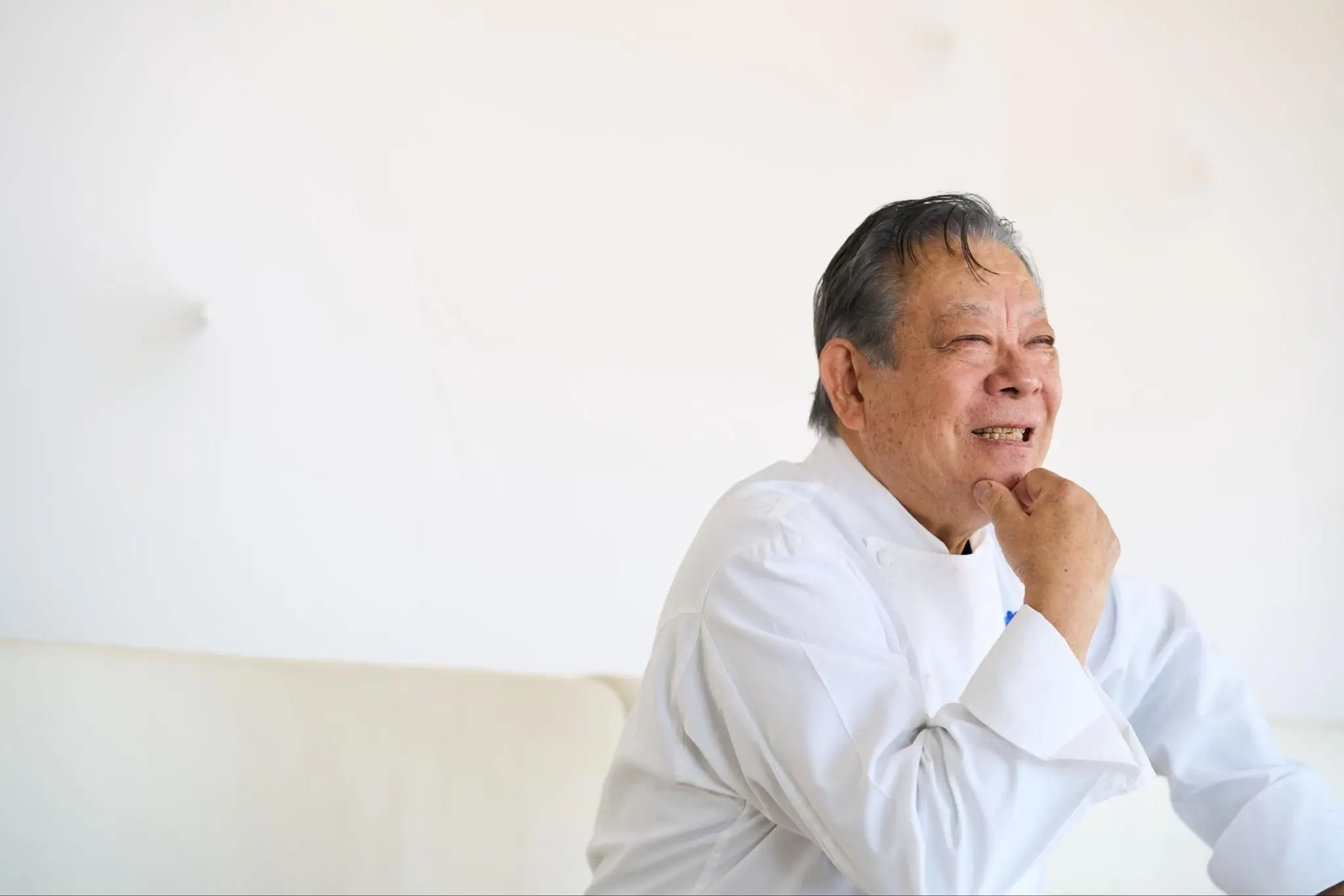
A Life of Chef Tateru Yoshino from 【Hôtel de Yoshino】: Facing Cuisine with Devotion, Unshaken by the Tides of Time
A Culinary Path Born from Filial Devotion
ーーーWhat inspired you to become a chef?
I was born on Kikaijima Island as the eldest son of my family. The reason I chose the path of a chef stemmed from a sense of filial piety—believing that the eldest son should give back to his parents. I wanted to one day refine my skills and do something meaningful for them. However, it wasn’t as though I had dreamed of becoming a chef since childhood.
When I was in the lower grades of elementary school, I moved to Tokyo for two years to undergo treatment for a compound fracture. Having never once left my rural island of Kikaijima, “Tokyo” was an entirely different world to me. Everything I saw and experienced was fresh, almost a cultural shock—you could say I was overwhelmed by the new stimuli. Looking back now, I believe that my early experiences in Tokyo opened up my future. When I returned home after recovering from my injury, I struggled to keep up with my peers academically and felt frustrated. But thanks to my innate competitive spirit, by the time I was in high school, I had become a top student. That’s when the desire to “someday return to Tokyo” began to grow within me.
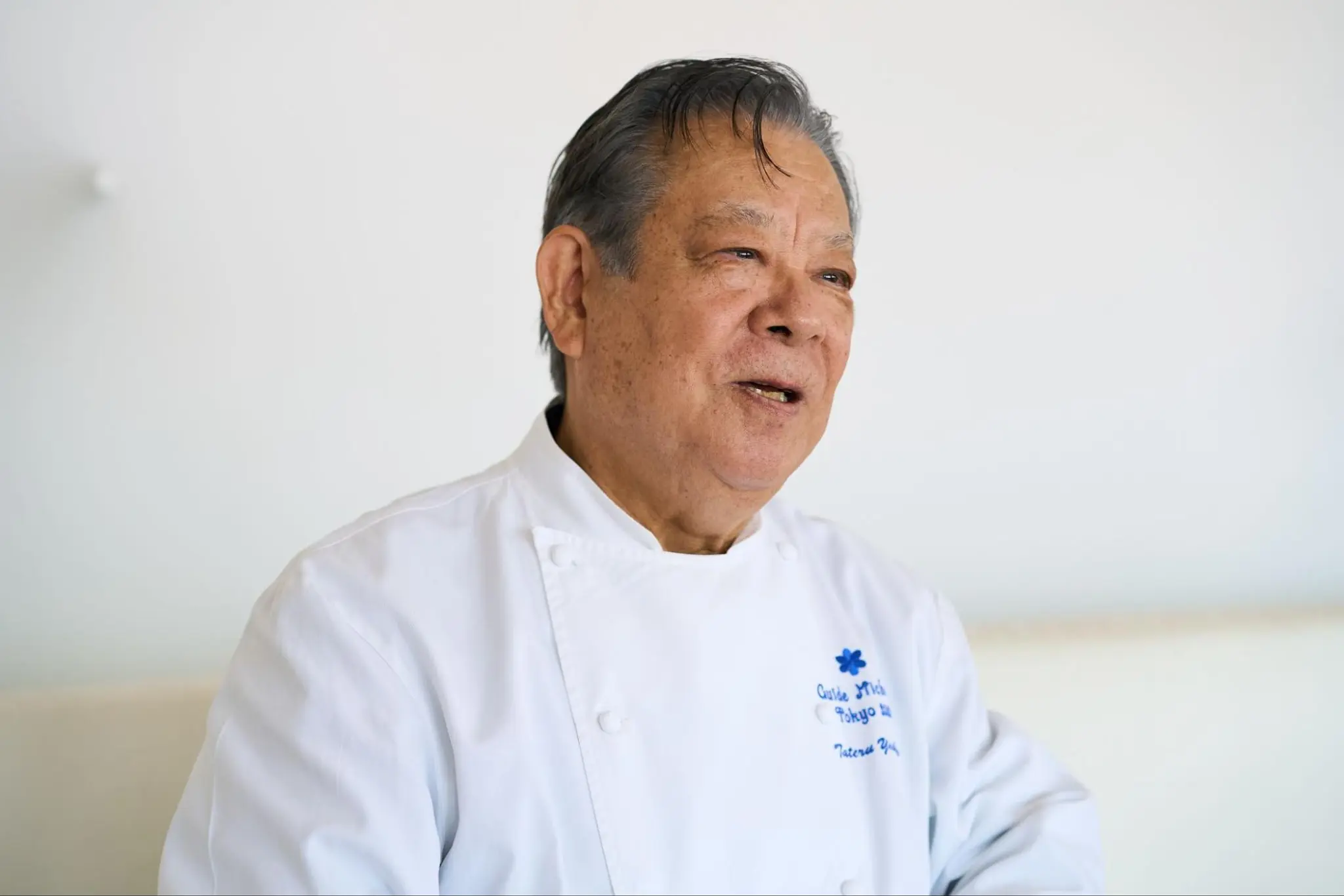
When I was struggling to decide my path after graduating from high school, I felt a sense of discomfort seeing my friends all say they would “go to university and become salarymen.” I couldn’t imagine placing myself in an environment where I wasn’t able to make decisions on my own. I wanted to carve out my own path. After much deliberation, I joined the Self-Defense Forces in Kagoshima—not as a long-term goal, but simply as a means to earn money on my own so I could eventually move to Tokyo. After arriving in Tokyo and working as a newspaper deliveryman for about half a year, I got a job as a waiter at 【Coq d'Or】, which was located in Futako-Tamagawa at the time.
After about five months of getting used to the job, I began to think, “The kitchen looks more fun.” The aromas wafting from the kitchen reminded me of the dining hall my aunt used to run when I was a child, and I suppose I was naturally drawn to it. 【Coq d'Or】 already had a full kitchen staff and no openings, but they introduced me to a Western-style restaurant called 【Rengaya】, where one of the staff was planning to become independent. I quit my newspaper job and began my journey in earnest as a chef.
ーーーHow was the start of your journey as a chef?
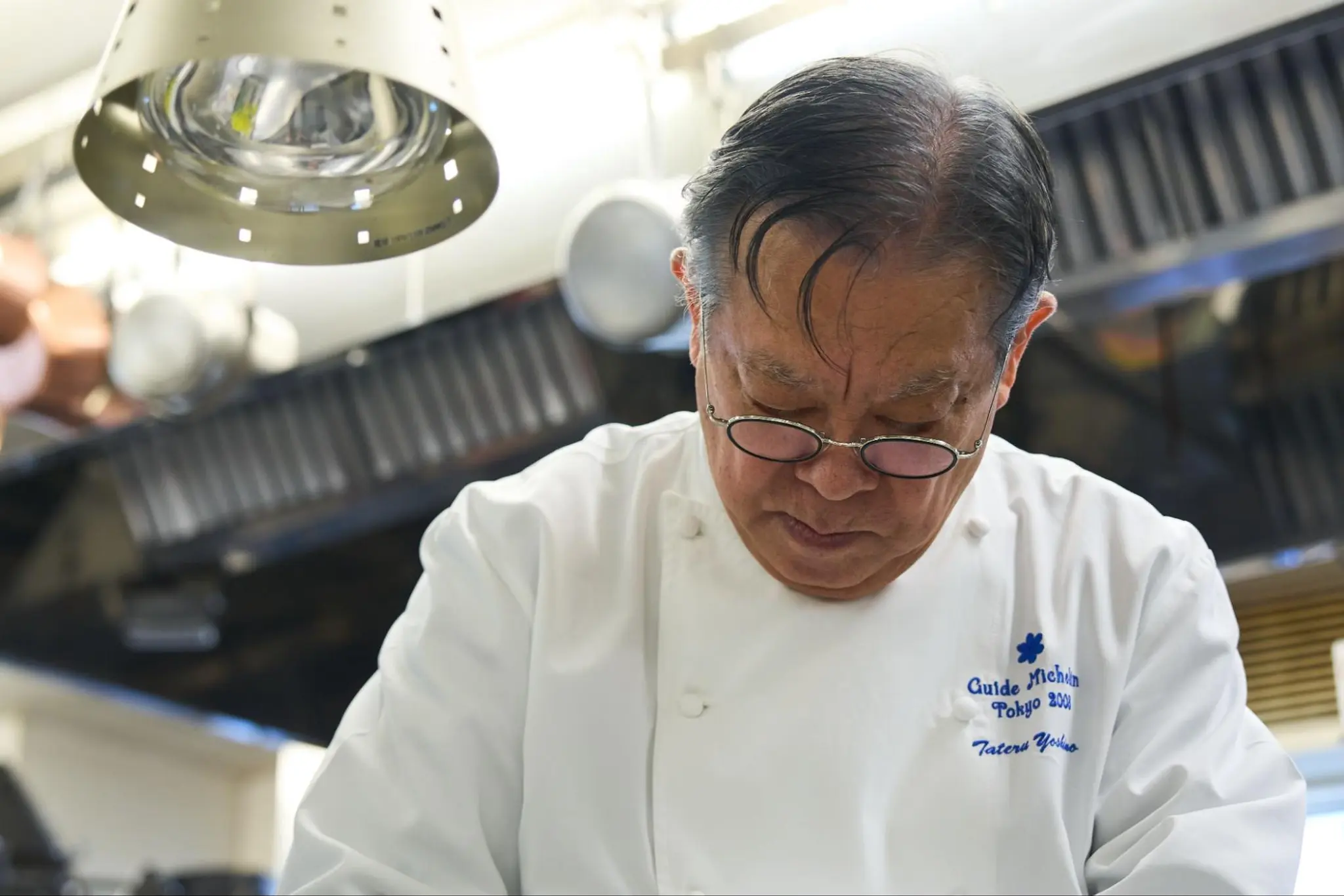
At the time, the restaurant operated with a three-person team, and I was the third in line in the kitchen. I didn’t know much back then, but every day felt exciting. That’s because I had a clear goal: to return to my hometown and repay my parents. I was simply happy that a path toward that goal had opened up. Holding on to that feeling, I kept telling myself, “Hard work will pay off someday,” and stayed committed every day. The restaurant was running smoothly, but eventually, disagreements began to arise between the owner and us, and I ended up leaving 【Rengaya】. I then started working again at a branch of 【Coq d'Or】, this time as the third-ranking chef among a kitchen staff of over ten people. The restaurant was bustling every day, but whenever I found a spare moment, I’d buy books on French cuisine and pastries to study at the restaurant. Around that time, Paul Bocuse had come to Japan, and I even went to dine at his restaurant in Tokyo to learn from the experience. I always believed that to hone your skills, you had to devote time and put in the effort without hesitation. After that, I continued building my experience at various hotels in Tokyo and at the authentic fine-dining French restaurant 【Les Gens】.
Seizing the Path of French Cuisine in a Foreign Land
ーーーYou trained in France after that, didn’t you?
At the age of 25, I got married. My father-in-law suggested that my wife and I open a small restaurant together, but at the time, I still had limited experience in French cuisine. I told him I wanted to go to France and explore the local culinary scene. Just two weeks later, he handed me a ticket to France. Without hesitation, I set off. That said, due to some issues, my wife and I ended up parting ways during the flight to France (laughs). Once I arrived, I was suddenly on my own, having to fend for myself in a foreign land where I knew neither the language nor the customs. All I had with me was a small amount of money, a letter of introduction addressed to Joël Robuchon, and the phone numbers of two senior colleagues.
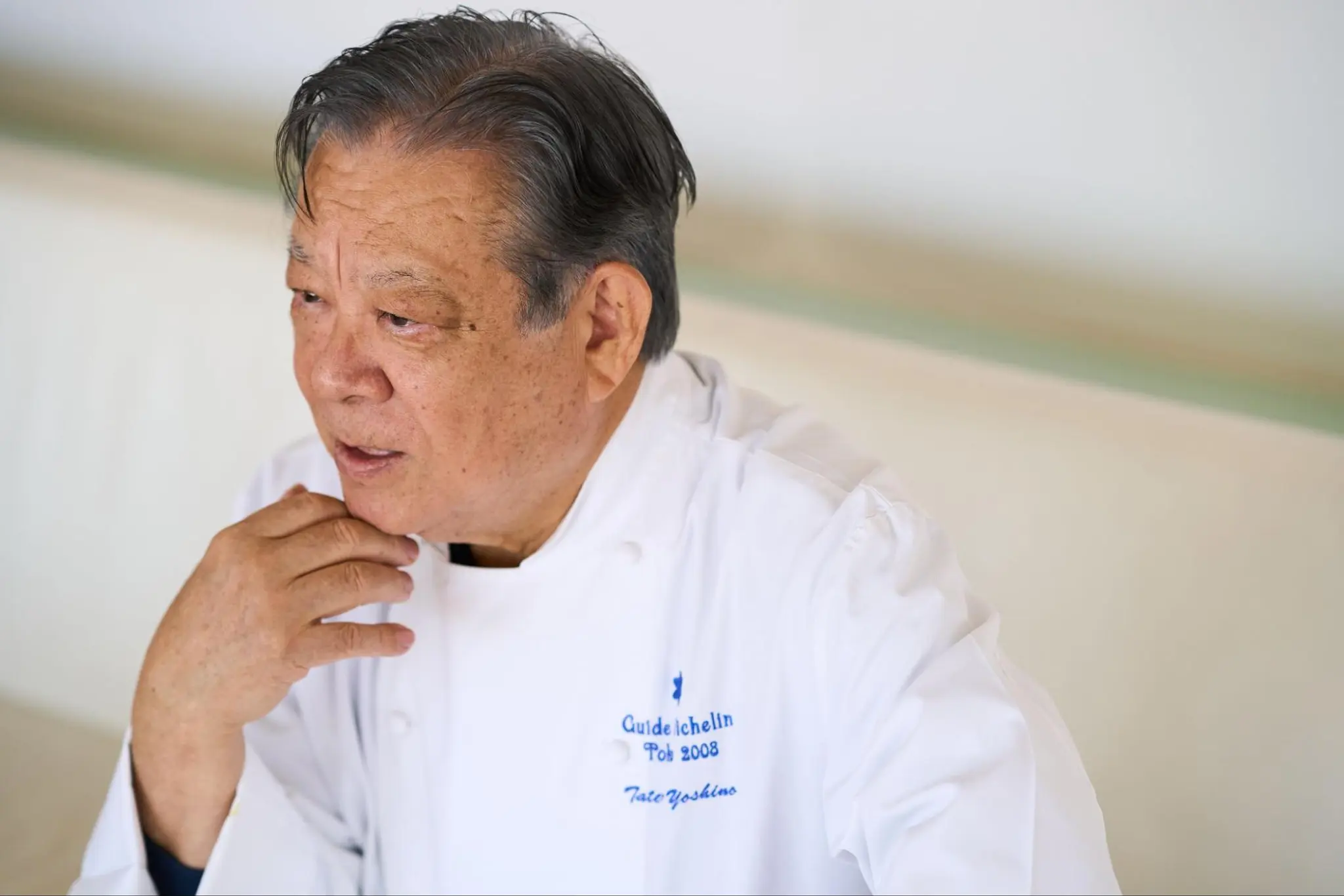
In a way, my training in France had already begun at that moment. One of my senior colleagues introduced me to a job at a Michelin one-star restaurant, but of course, I didn’t understand French and was promptly turned down. Still, I had no choice but to survive. I pleaded for help and was eventually introduced to a bustling bistro in Saint-Germain-des-Prés. Since the bistro was extremely busy, I was thrown straight into action from my very first day. Despite the language barrier, all the ingredients were local, and for someone like me who had only ever worked with imported products, everything was a series of fresh discoveries. It was so exciting that I even felt it was more enjoyable than working in Japan. They had cooking tools I had never seen before, and as a chef, nothing had ever thrilled me more. I was exhausted every single day, though! (laughs)
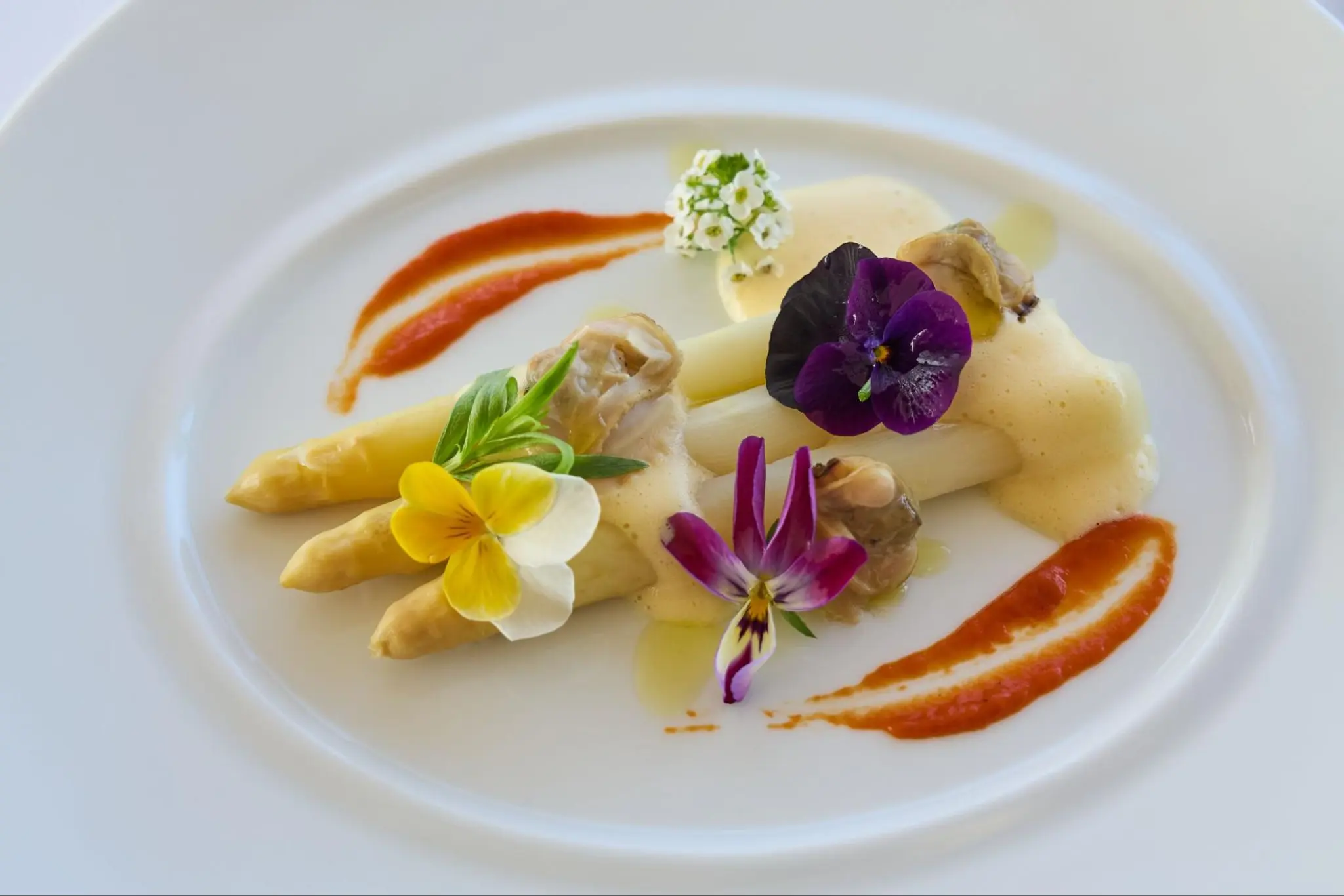
After gaining about six months of experience at the bistro, I was approached with an opportunity to become the sous-chef at a restaurant rated 15 toques by Gault & Millau, which specialized in Basque regional cuisine. I passed the entry test with flying colors thanks to the dish I prepared, and I was finally able to deepen my knowledge and experience in regional cooking. Around this time, my financial situation and work environment began to stabilize as well.
ーーーAfter gaining hands-on experience in France, when did you transition into the world of high-end French cuisine?
As my financial situation improved, I was able to dine at Michelin three-star restaurants, and whenever I was deeply impressed by a chef, I would boldly ask them, “Please let me work here.” You could say I was rather fiery and full of passion back then (laughs). I went on to train at places like 【L'Archestrate】 and 【Troisgros】. Though I originally went to France just to explore its food scene, before I knew it, four and a half years had passed. Just when I was packing up to return to Japan, I suddenly remembered the letter of introduction I had addressed to Joël Robuchon. In a hurry, I went to dine at 【Jamin】, and it turned out to be the most incredible dining experience of my entire stay in France—truly unforgettable. I handed the letter to Robuchon and managed to speak with him. He chuckled and said, “This letter’s pretty old, isn’t it?” (laughs). My final training ground in France was at 【Jamin】. Chef Robuchon was extremely strict, but I enjoyed every single day and learned an immense amount under his guidance.
ーーーWhat lessons did you gain from your experiences at top-tier French restaurants such as 【Jamin】?
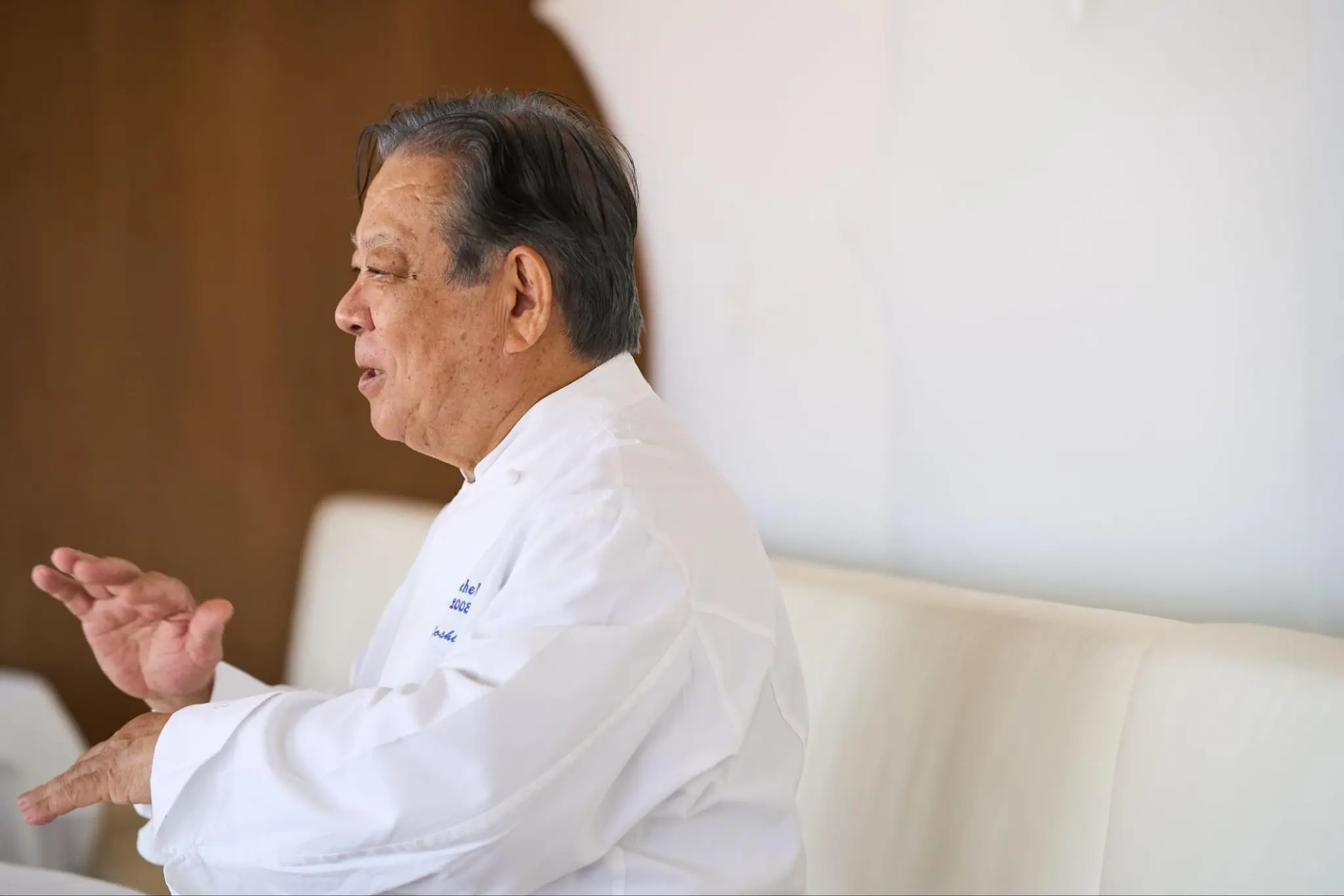
Being able to taste world-class cuisine created through exceptional technique and sensibility, and to closely observe the work of top-level staff firsthand, became an invaluable asset to me. I’ve always been confident in my ability to quickly absorb and reproduce what I learn, but I believe it's essential not only to focus on one position, but to grasp the whole picture.No matter how prestigious the restaurant, it means nothing if you don’t cultivate the ability to perceive the entire operation and truly make the learning your own.
Turning Experience and Confidence into a New Challenge
ーーーCould you share an episode from after your return to Japan?
I returned to Japan in 1984 and began working as the head chef for the opening of 【Koutei】 in Akasaka, Tokyo, determined to test my skills on my home turf. Two years later, I became the chef at the Art Deco-style restaurant 【Loire à la bouche】 (now: Maison de Musée) in Aoyama, which had formerly been the private residence of Mr. Hideki Yokoi. It was the height of Japan’s economic bubble at the time, and the restaurant’s sales were booming—it also gave me a huge boost in personal confidence. I published several books as well. In one titled The Bounty of the Wild, I introduced the concept of gibier (game meat), which was still quite rare in Japan back then, so I believe it felt refreshing and innovative.
ーーーWhen did you first think about opening your own restaurant?
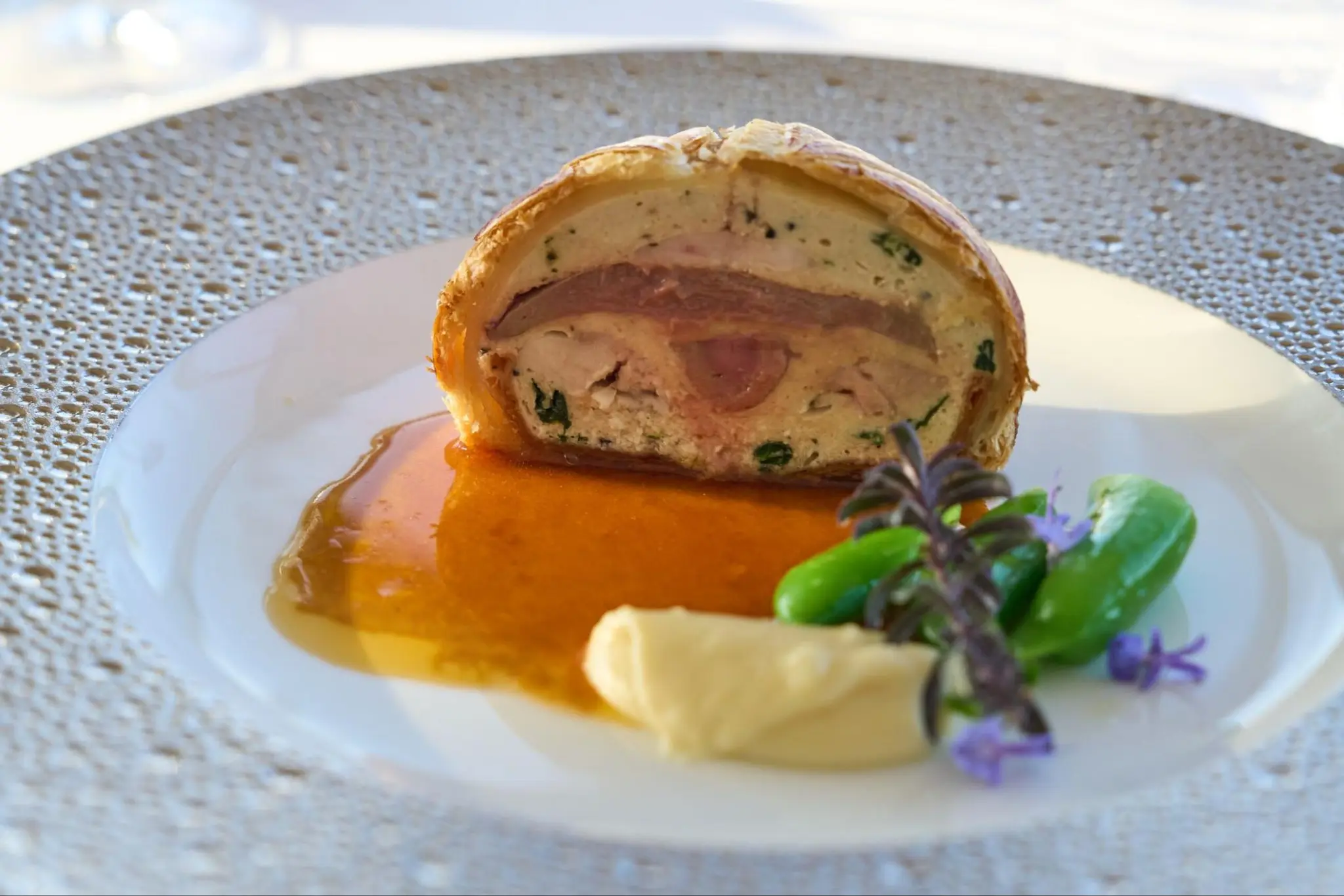
At one point, a friend approached me with the idea: “Let’s open a restaurant together in Odawara.” Since Odawara is close to a fishing port, I thought it would be exciting to cook with freshly caught local seafood. That’s what convinced me to head to Odawara, and in 1989, I opened 【Stella Maris】.
I paid close attention to ingredients, using organic vegetables, fish from Sagami Bay, and even electrolyzed water. I also experimented with new ingredients and ideas—like ice cream made from Jersey cow milk, which was still rare in Japan at the time. I published books during that period as well. Life was certainly busy, but it was deeply fulfilling.
Rising to Become a Globally Recognized French Chef
ーーーYou later opened your own restaurant in France once again, correct?
At the time, French cuisine was still not widely familiar in Japan, and even as I was cooking, I couldn't help but feel that the dishes I was creating didn’t quite align with Japanese tastes. For example, in France, it’s uncommon to serve beef as a main course, whereas in French cuisine in Japan, beef is often featured. There were significant differences in ingredients and preparation methods, which left me with mixed feelings.
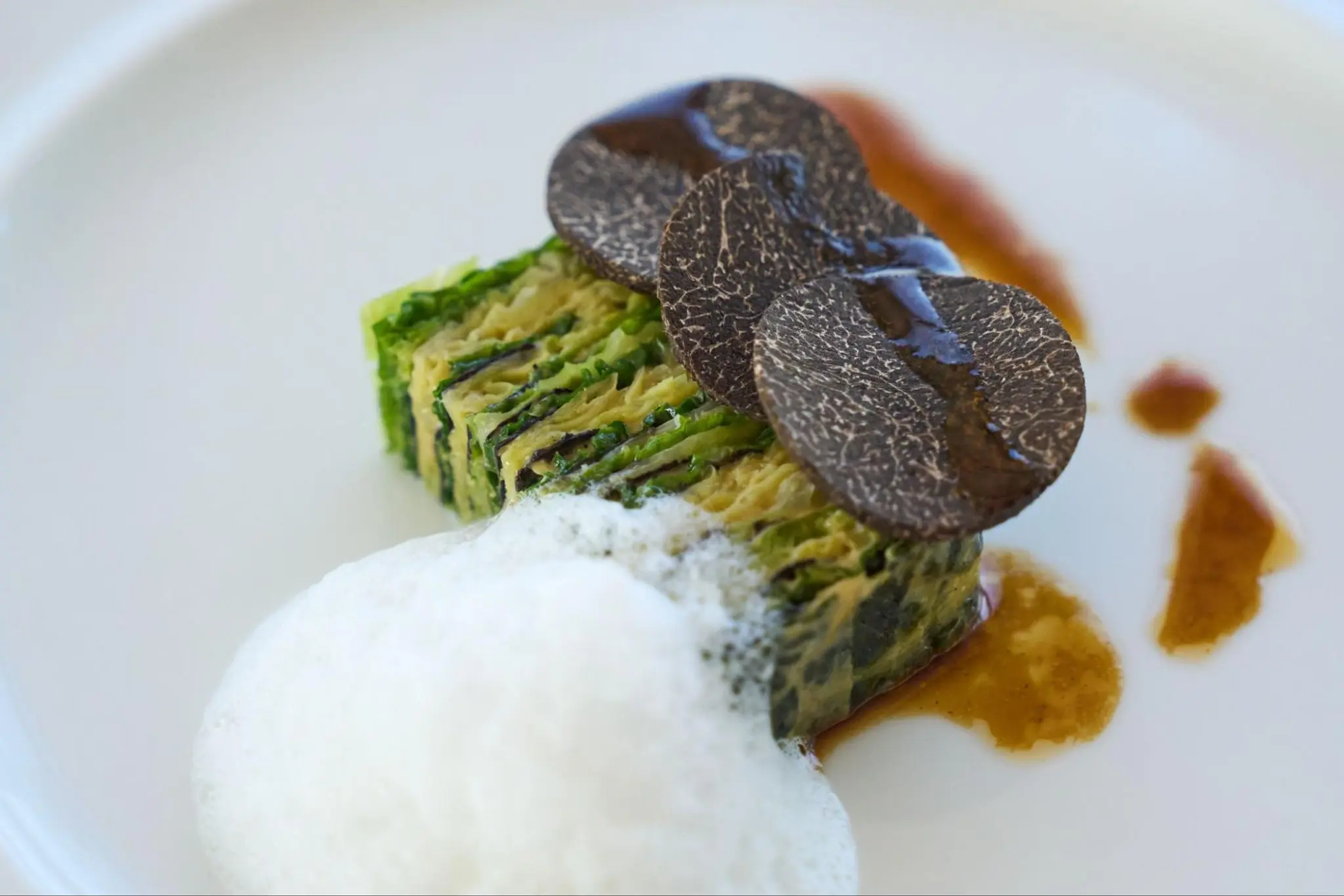
It was around then that an opportunity to open a restaurant in Paris came up. I felt confident that my cooking would be a perfect match for the French palate, so I immediately said yes. Given the global climate at the time, being Japanese presented certain challenges, but I resolved to take on the role of executive chef and culinary director, determined to prove myself in Paris. That decision led to the opening of 【Stella Maris Paris】 in 1997. In the beginning, it was difficult to attract customers. However, once I elevated a classic French dish—tête de veau (simmered calf’s head)—into my own unique creation, it caught the attention of newspapers and magazines. Gradually, the restaurant began to draw attention, especially after opportunities arose for me to appear on television alongside Chef Joël Robuchon.
ーーーSince then, you’ve received numerous prestigious awards and recognitions.
In 2000, I was honored with a high score—19 out of 20 points—at a competition held in Paris, where chefs presented their own interpretations of lièvre à la royale (royal-style wild hare). It was a tremendous honor, especially because only two people had ever received that score before: Joël Robuchon and myself. Winning over even three-star and two-star restaurants was a major turning point for me. I believe that the many awards and achievements I’ve received—such as having the opportunity to cook at the World Economic Forum in Davos—are the result of years of relentless effort and continuous challenges.
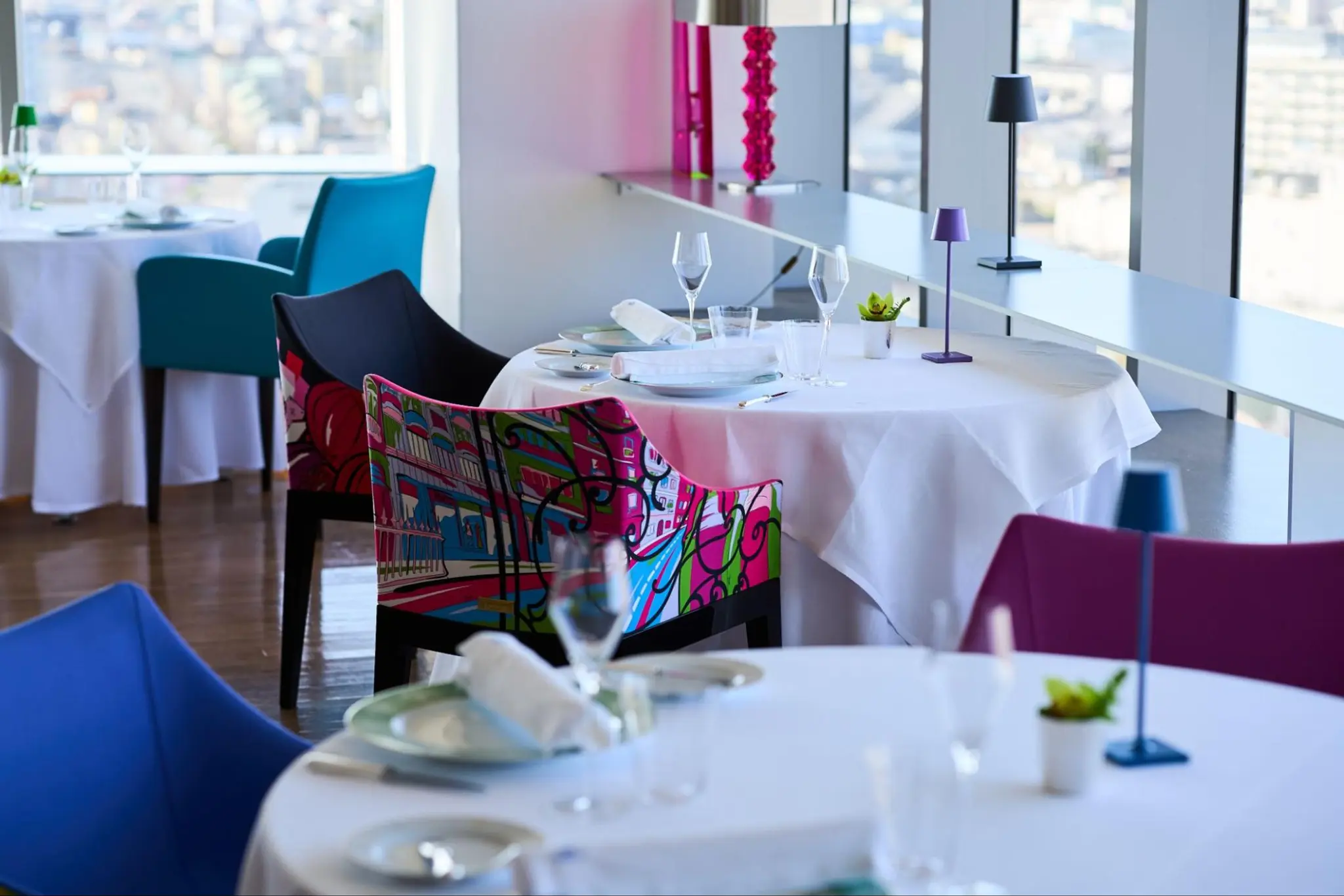
In 2003, I became involved in the renovation of the Shiba Park Hotel and the opening of Park Hotel Tokyo in Shiodome, marking my return to culinary challenges in Japan after ten years. In Japan, I actively opened several restaurants, including the 2005 launch of my own establishment, as well as locations across the country, starting with Ginza in Tokyo. I even had the opportunity to cook for guests on a cruise ship at one point! (laughs)
The Secret to Creating Fine Cuisine Lies in Health and a Sincere Relationship with Ingredients
ーーーWhat do you consider most important when creating dishes?
I believe the most important thing is sourcing quality ingredients. Whether it’s meat or fish, experience is key to selecting good produce. The ability to judge quality is something that’s cultivated over time. Recognizing and facing ingredients with sincerity is the first step to creating great cuisine. When I train my apprentices, I always emphasize the importance of sincerity. I believe cooking is born through a dialogue with the ingredients. If you approach them with an honest heart, the answers will naturally reveal themselves. That’s something I truly believe in. Additionally, a chef’s own health is indispensable. Only when you’re healthy can you fully engage with the food and maintain focus. “Staying healthy” and “facing ingredients with sincerity”—these are the two most essential things a chef should value.
ーーーCould you share your future vision or challenges you’d like to take on?
We live in an era where diverse styles of cuisine are constantly emerging. I think that’s a wonderful thing in itself, but I’m not the type to chase trends. If the knowledge and experience I’ve cultivated in French cuisine over the years can be of use to the next generation, that would truly make me happy.
As for concrete plans moving forward, I aim to further strengthen my activities in Wakayama, and I’m planning to relocate within the next year to a year and a half. I hope to build a new restaurant equipped with modern kitchen facilities and move forward with a refreshed space. Most importantly, I want to continue my work while maintaining my own health. That, above all, is something I value.
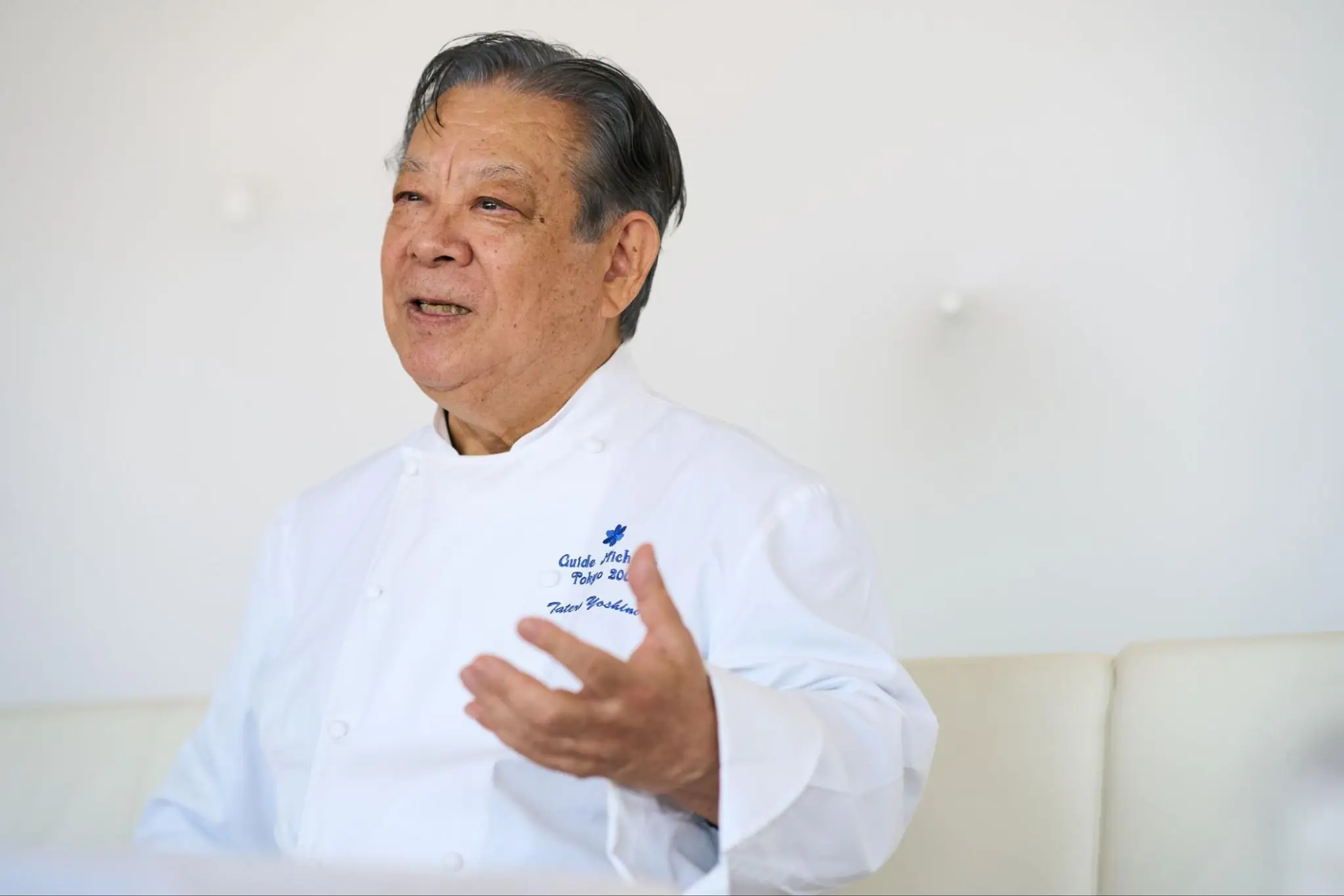
ーーーLastly, what does “delicious” mean to you, Chef Yoshino?
Everyone has different tastes and ways of perceiving flavor, so defining “delicious” is truly difficult. Your physical condition or mood on a given day can influence how you taste things, and the atmosphere of the space in which you're dining also plays an important role. There are many moments when we feel something is “delicious,” and it’s something that arises through all five senses.
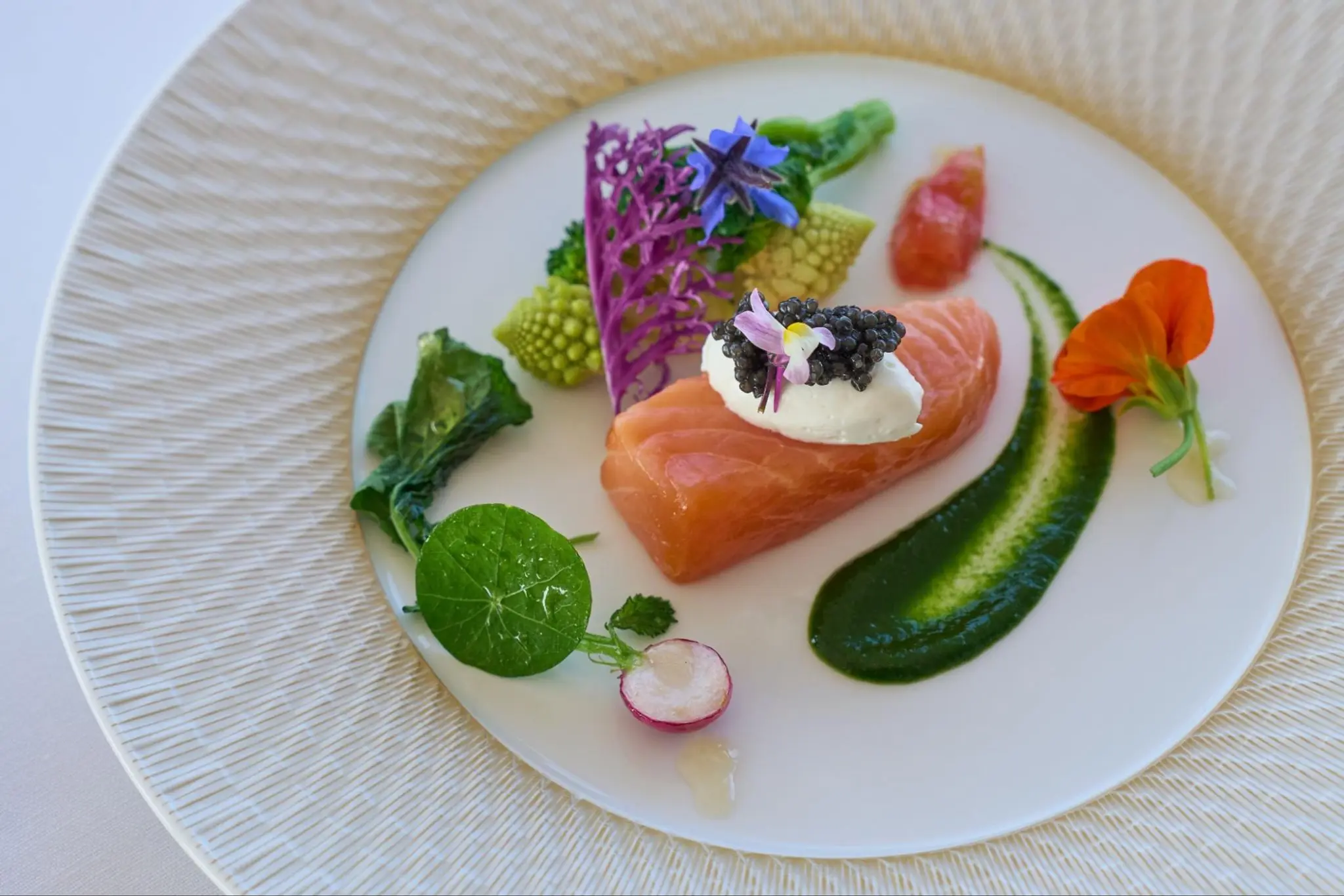
As a chef, I feel incredibly fortunate to be able to work in a region where I can access “good water.” Water significantly influences the taste of sauces and soups, and it affects the overall flavor of a dish. Just like sourcing quality ingredients, I place great importance on water. When it comes to cuisine, I always treasure my own standards of what “delicious” means. I strive to sharpen my five senses at all times, constantly tasting and adjusting as I cook. I also encourage my apprentices to always check the flavor carefully as they cook. The “visual presentation” of a dish is also crucial—it’s the first thing that allows the guest to feel excited and think, “This looks delicious!” I’m particular about how a dish looks, and I hope to continue creating cuisine that resonates with people’s hearts—not just through taste, but through the overall experience of “deliciousness.”
Awarded the Chevalier of the Ordre du Mérite Agricole by the French government and becoming the first Asian to serve as a judge for the prestigious Meilleur Ouvrier de France (MOF) competition, Chef Tateru Yoshino has left a remarkable legacy in the culinary world. Though a master who helped lay the very foundation of French cuisine in Japan, he continues to strive for greater heights, embracing new challenges with unwavering dedication. Never resting on his laurels, Chef Yoshino remains deeply committed to perfecting his craft and engaging with cuisine at the highest level. His way of life and outstanding achievements serve as a powerful guide for future generations of chefs. Nestled in the beautiful natural surroundings of Wakayama, 【Hôtel de Yoshino】 stands as one of Japan’s must-visit culinary destinations.
Interview & Text: AutoReserve Magazine Editorial Team
Editor: Ai the Food Analyst (Maiko Tanahashi)
Photography: Masato Suzuki
Restaurant Information
- AutoReserve Magazine
- Japan’s world-renowned flagship restaurant
- A Life of Chef Tateru Yoshino from 【Hôtel de Yoshino】: Facing Cuisine with Devotion, Unshaken by the Tides of Time

.jpg?format=webp)

