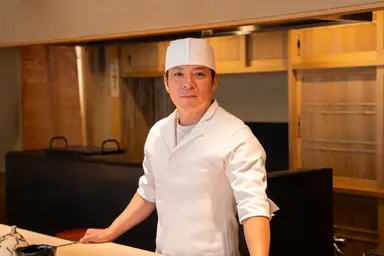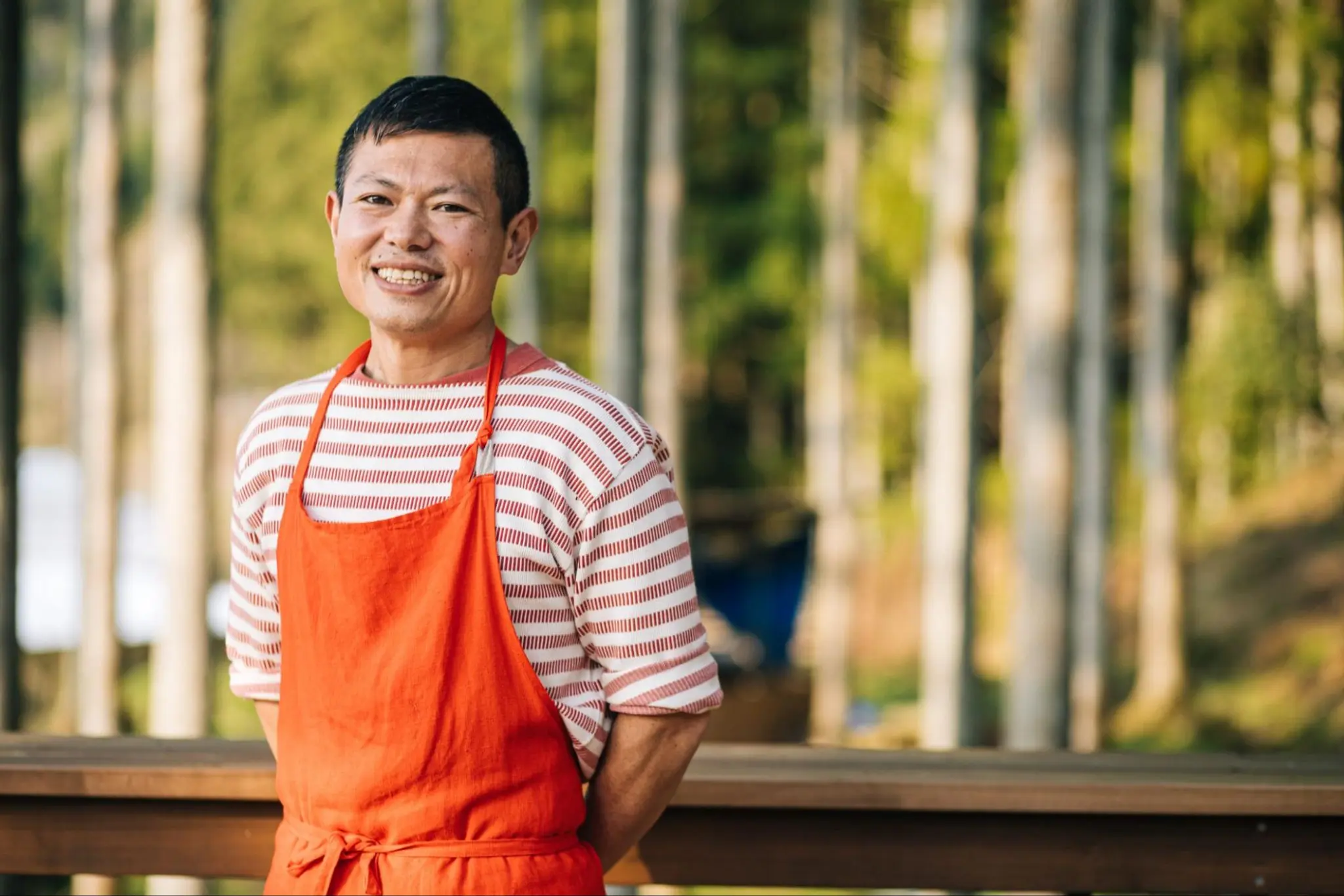
Living in Harmony with Local Ingredients: Chef Kouki Watanabe of 【Inakano Taihou】 on Cuisine and Lifestyle
The Struggle with a Fate Born as the "Second Generation"
ーーーPlease tell us what inspired you to become a chef.
From the moment I was born, I was labeled the "second generation," and naturally, it seemed inevitable that I would take over the family business. However, as I grew older, my interest in cooking waned. By the time I entered high school, I felt, "I don’t want to be a chef; working from morning till night is tough," and I even considered pursuing a career unrelated to cooking. For example, I thought that working at a tofu shop might be better because although mornings would start early, the evenings would be free, allowing me time to enjoy myself. But I quickly realized how difficult that was (laughs). During high school, a friend said they were going to attend Tsujigakuen Culinary School, and upon hearing that, I decided to at least try the culinary path. However, at that time, my desire to play and have fun was stronger than my will to work, so I couldn’t fully express my true feelings to my parents.
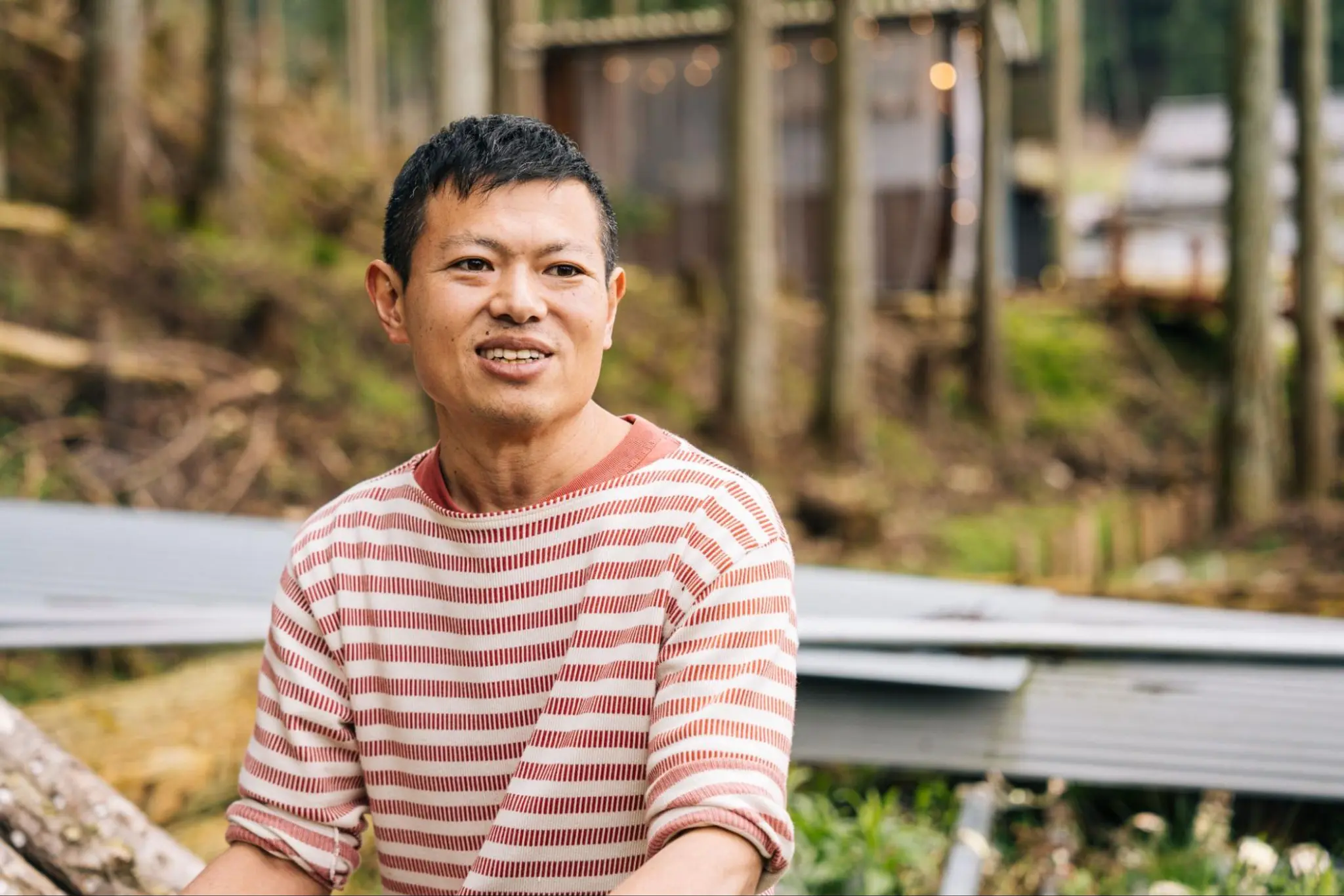
Although I stepped into the world of cooking, the beginning was filled with tough work and days of being scolded. On top of that, my chronic herniated disc caused worsening back pain, sometimes making it impossible to continue working. People around me said I was probably just slacking off, but in reality, the pain was so severe that I couldn’t even stand up. After enduring these difficult times, I once left the culinary world. However, during my travels to various restaurants afterward, I was fortunate to meet many chefs. Interacting with people who were genuinely dedicated to cooking gradually changed my mindset. At that time, my curiosity about cooking itself was stronger than concerns about the job.
ーーーWhat sparked your deep interest in Chinese cuisine?
It happened after I returned to my family’s restaurant. At first, I was somewhat resistant to going back, but as longtime customers warmly yet firmly said things like, “The second generation is back! But you still can’t beat your father,” I gradually accepted my role and started to love cooking more and more. This led me naturally to be drawn to the depth of Chinese cuisine. I became especially interested in Sichuan cuisine and immersed myself deeply in its charm.
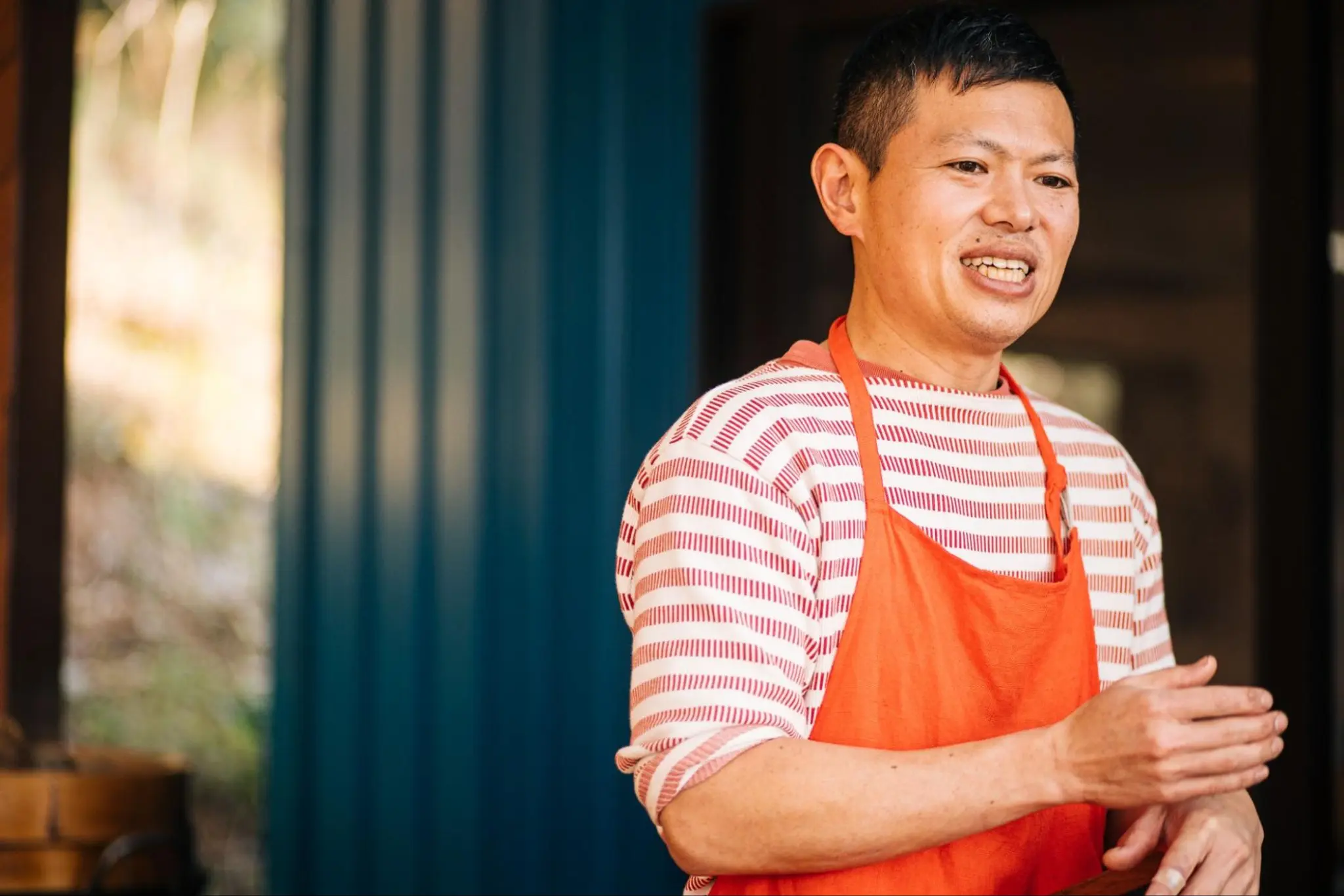
Driven by a strong desire to experience authentic flavors, about 15 years ago I visited Sichuan for the first time with my father. Directly encountering genuine Sichuan cuisine, I discovered the richness of diverse flavors and various cooking techniques, and was deeply impressed by its profound depth. This experience greatly changed how I approached cooking, and I came to see it not merely as a job but as a passion to be dedicated to. Drawing from what I learned in Sichuan, I introduced authentic Sichuan dishes into my family’s restaurant. Delivering true flavors to customers deepened my passion for cooking even further.
ーーーI hear you also have a strong focus on wine and ingredients. Was there a particular trigger for this?
Meeting Masanobu Egami of Kyoto’s “Ether Wine,” renowned as an ambassador of natural wine, sparked my interest in pairing food and wine. However, at that time in Japan, there were no Chinese restaurants serving natural wine, and initially we received many harsh criticisms from customers. But by persistently offering what I believed was delicious, the number of wine-loving friends from around the world gradually grew, and the pairing of “Chinese food and wine” began to attract attention in Japan as well.
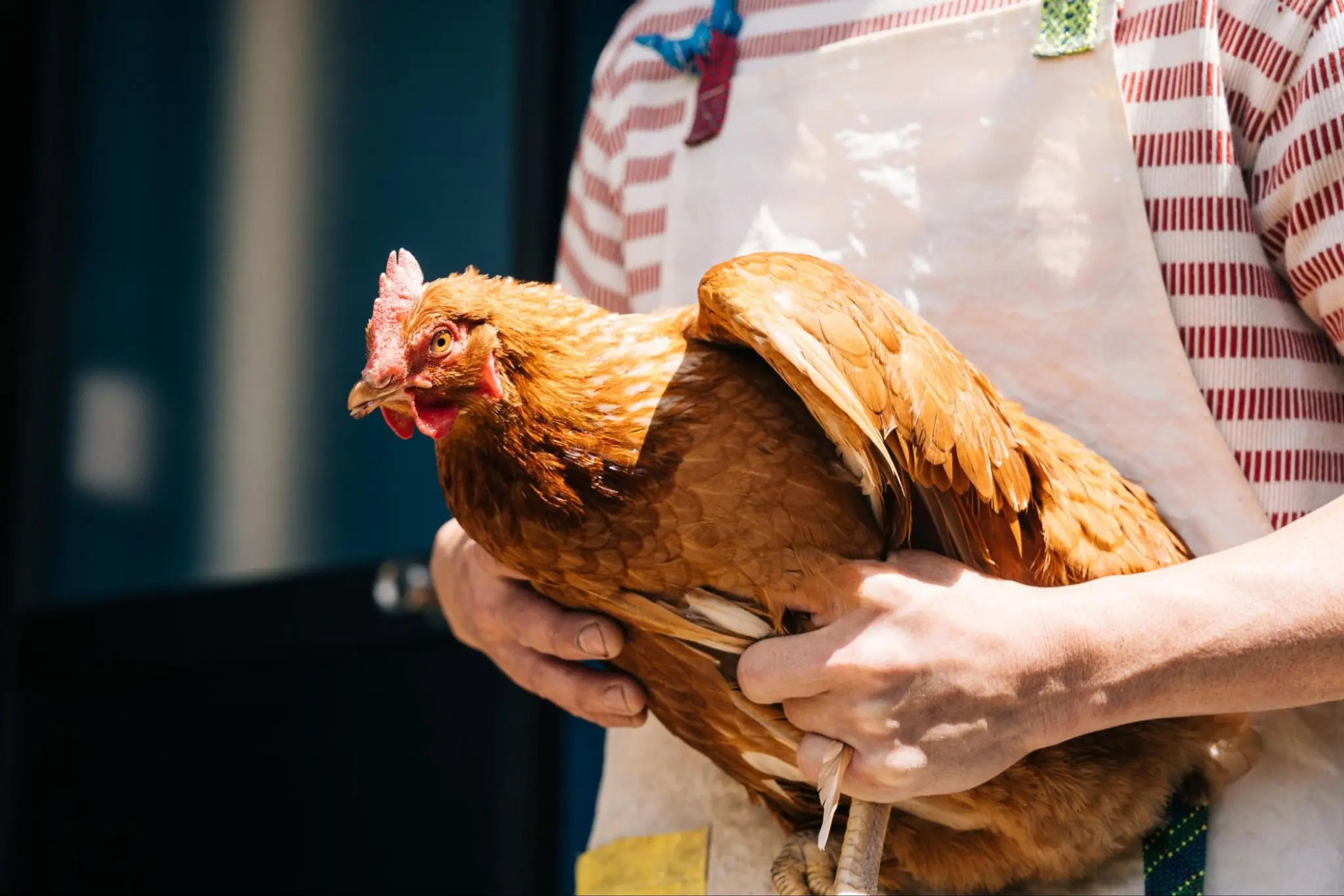
My perspective on ingredients, the foundation of cooking, also changed around this time. Triggered by the COVID-19 pandemic, I began to reevaluate domestic ingredients in Japan, with a particular focus on those from Kyoto. Through my interactions with producers, I gained a deeper understanding of agriculture and developed a stronger commitment to ingredient quality. One ingredient I became especially particular about was chicken. I met Mikisuke Minechi, the farm manager, and when I visited his farm, I instinctively felt, “This is a really great place.” As we barbecued together and cooked with a wok, the desire to start something in such a place gradually took root.
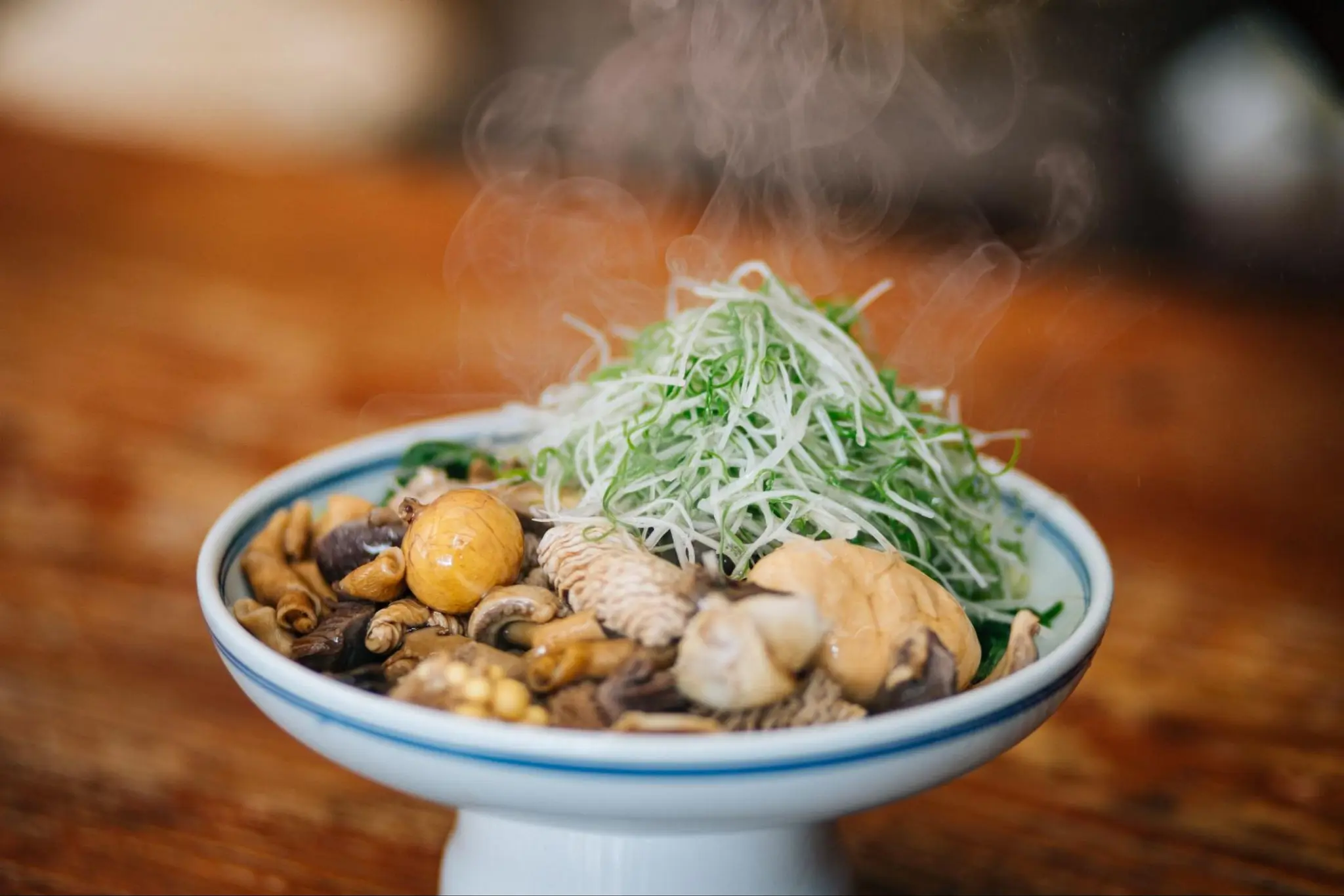
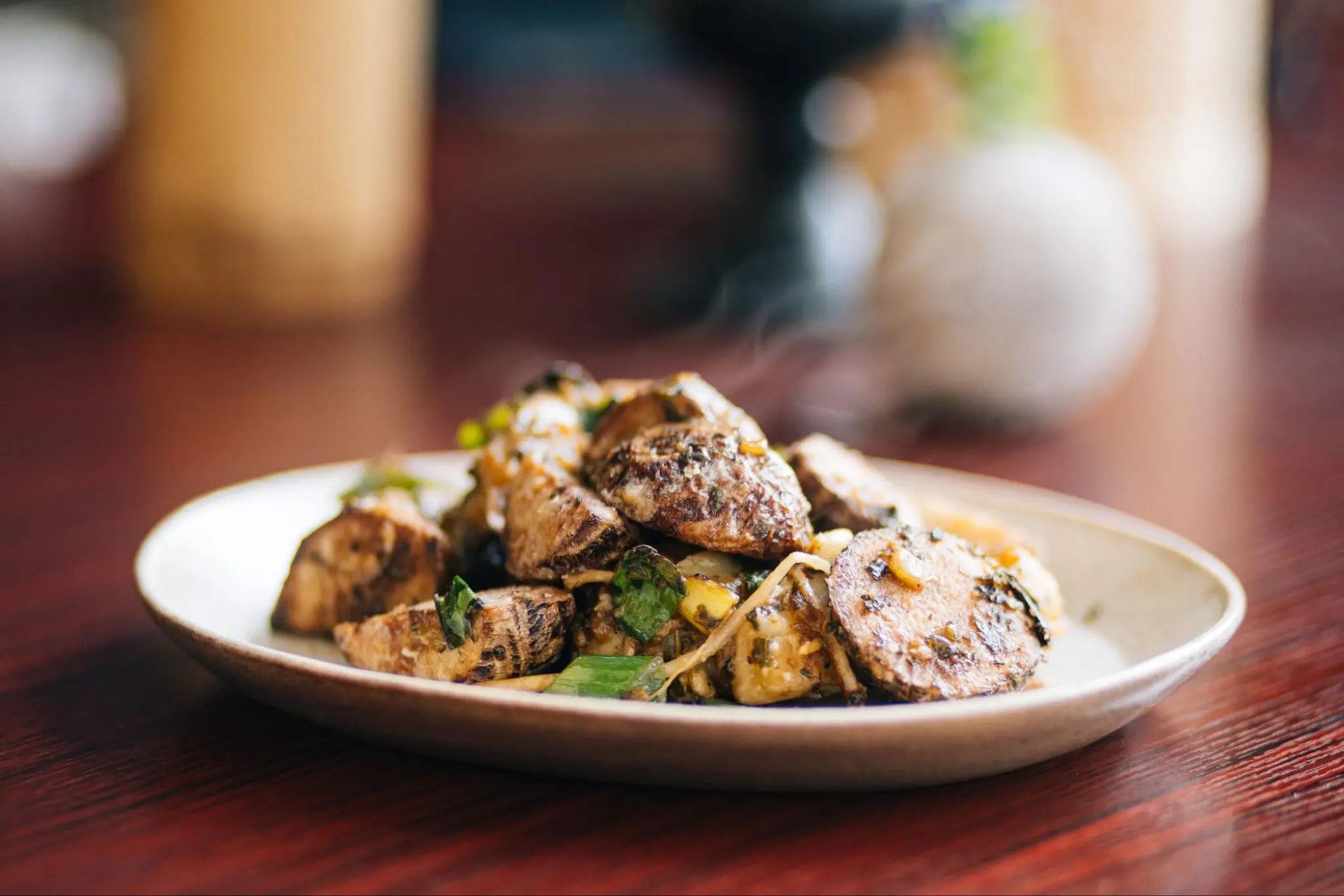
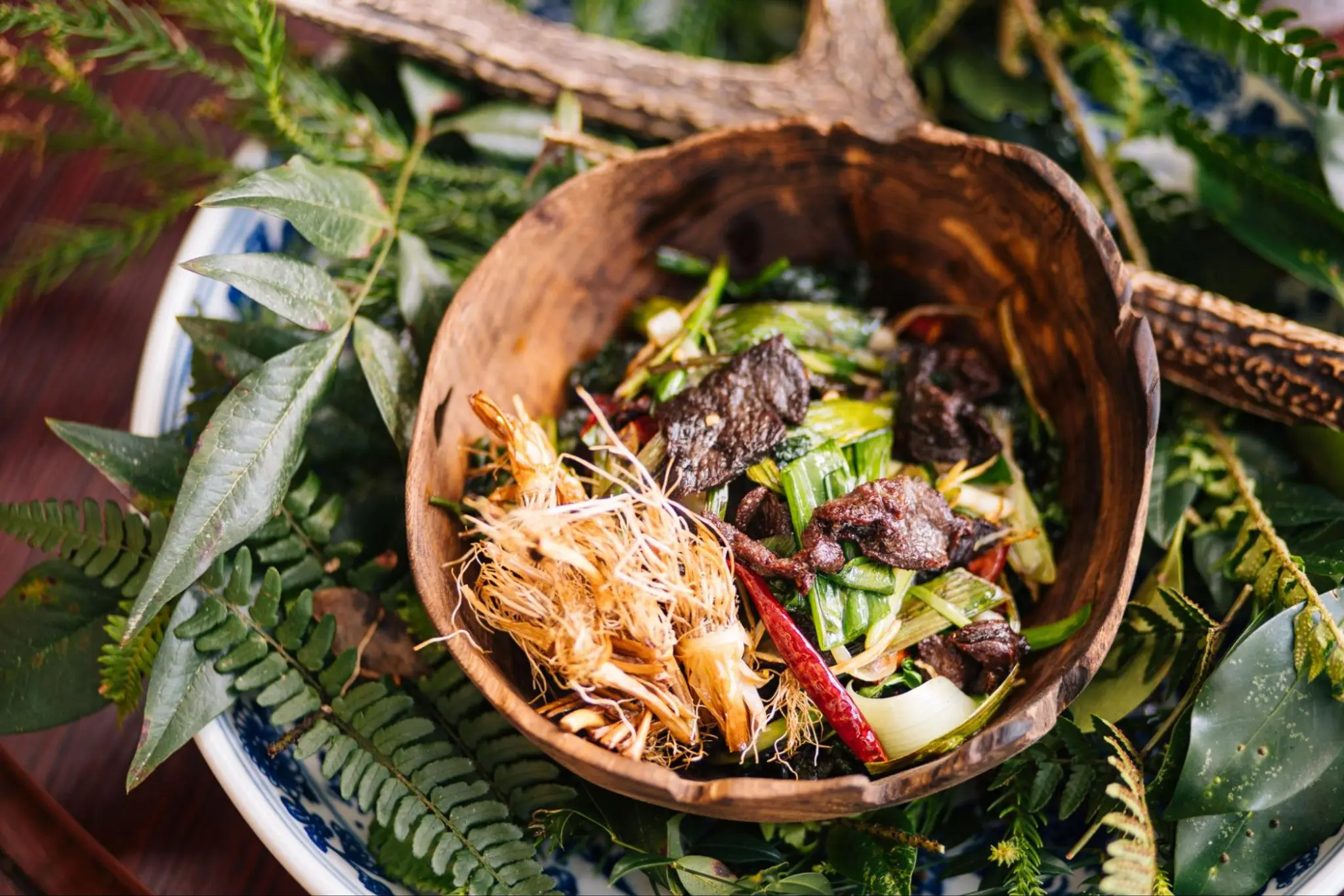
Leeks and Freshly Blanched Offal with Homemade Nam Pla Soy Sauce
The rich flavor of chicken fat combined with homemade nam pla adds depth to the taste. The sweetness of the leeks and the unique characteristics of various chicken offal parts stand out, creating a rich and flavorful dish.
ーーーDid you always have the desire to own your own restaurant?
I didn’t decide from the beginning to open my own place independently. Gradually, I started welcoming customers while collaborating with the farm, and that gradually took shape. My encounter with wine expanded my world of food, and connecting with producers significantly changed my perspective on cooking, leading to the realization of a new style of restaurant. Looking back, I believe it was all guided by my curiosity about food and the people I met along the way.
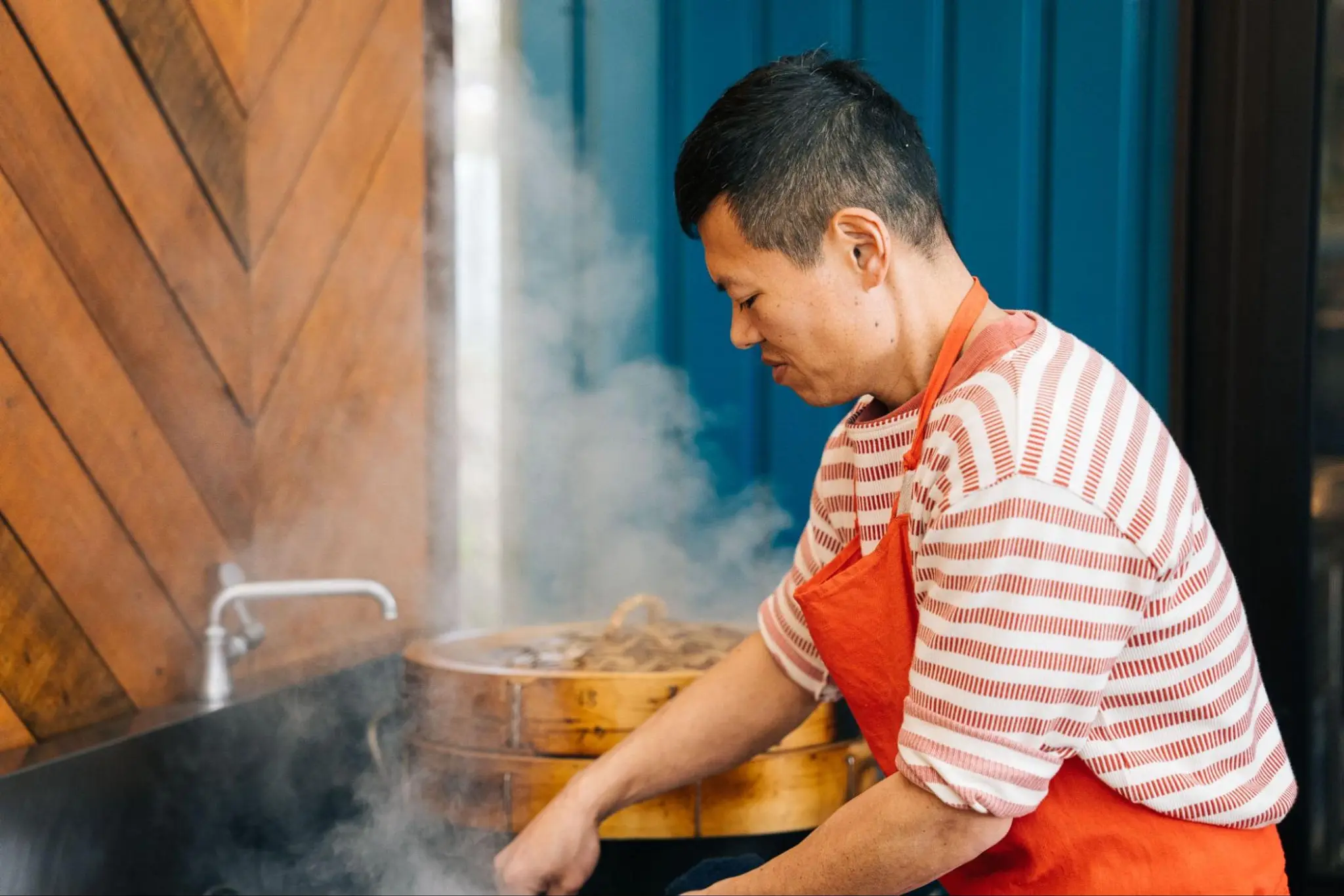
Recognizing the True "Seasonality"...
ーーーPlease tell us about the characteristics of your dishes and what you value most in cooking.
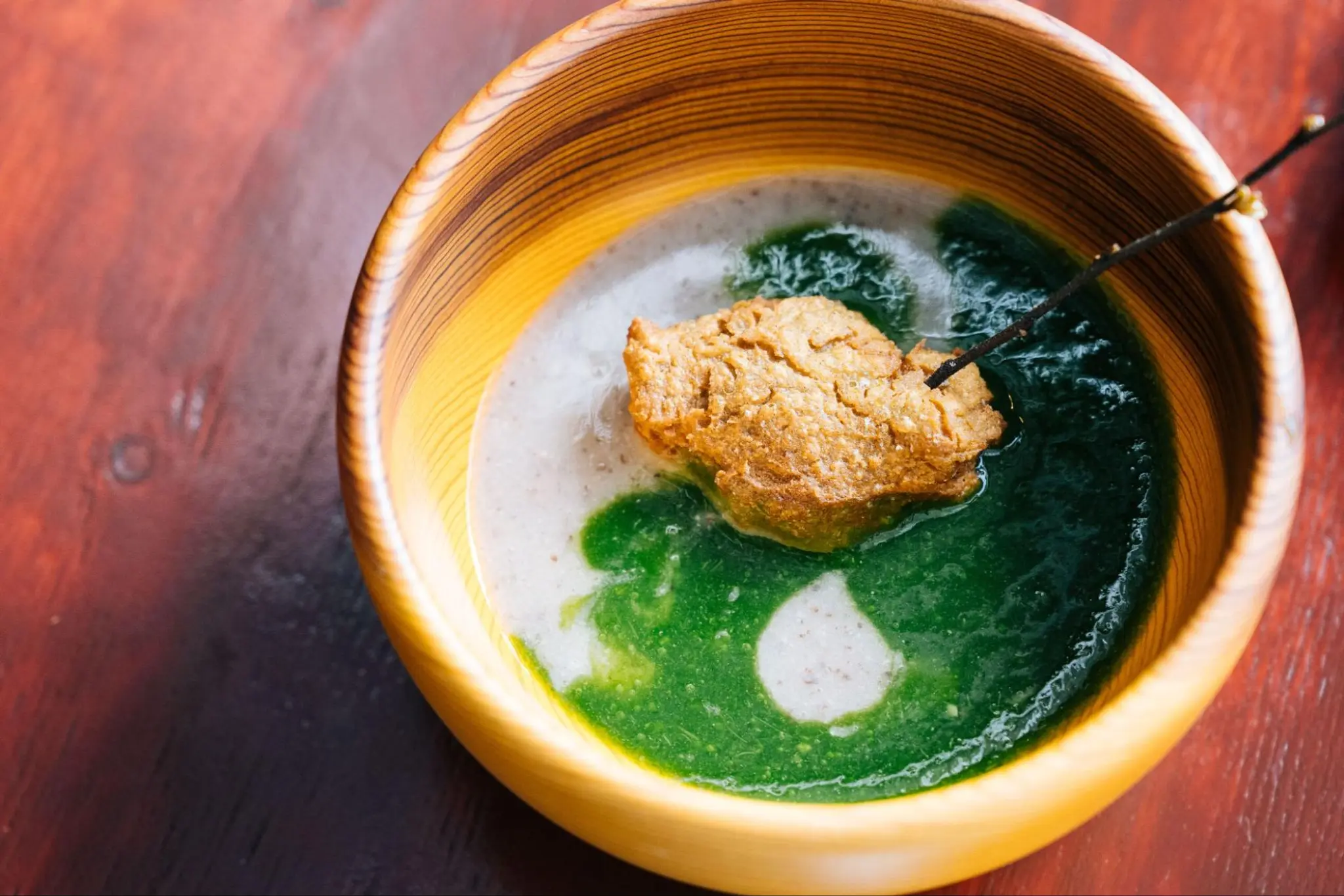
The most important thing I hold when cooking is to maintain a humble attitude toward the ingredients. While chefs tend to learn techniques and want to incorporate many methods, I believe the true essence lies in maximizing the natural flavor of the ingredients. For example, tara buds (mountain vegetable shoots) shine brilliantly when simply deep-fried as tempura. Their natural aroma and slight bitterness are condensed into a single dish, offering a flavor rarely experienced in the city. By pursuing cooking that draws out the strength of such ingredients as they are, we provide dishes that allow customers to fully feel nature’s bounty. At first glance, this approach might be seen as “like Japanese cuisine,” and some chefs may feel that without adding some kind of twist, the dish might not stand as a complete creation. However, for me, the true pleasure of cooking lies in savoring the gifts that nature provides just as they are. By carefully handling the ingredients and bringing out their natural power to the fullest, I reflect my respect for the ingredients in the dishes I create.
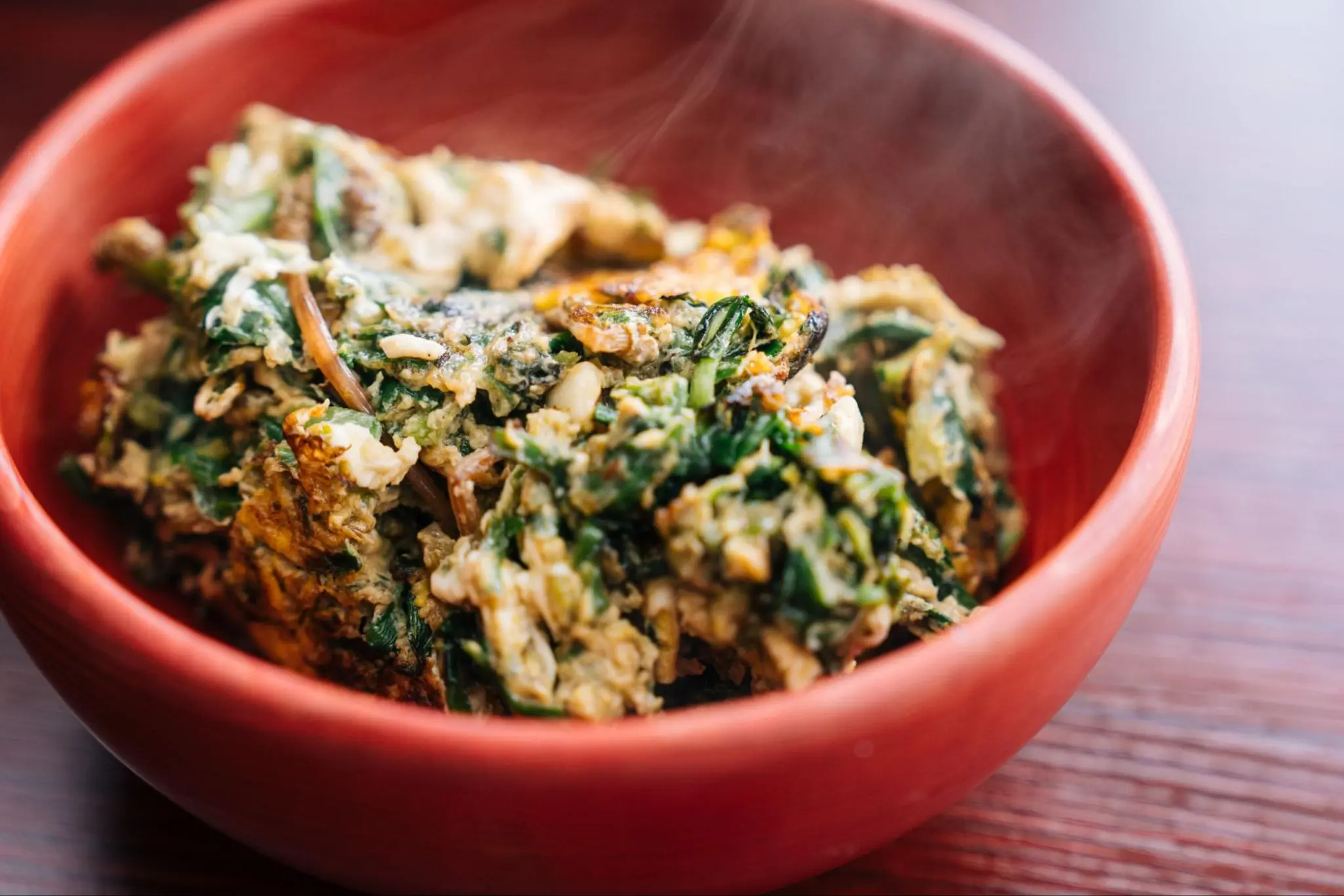
By the way, concepts like “local production for local consumption” and “utilizing local ingredients” are often discussed in cooking, but that alone does not represent a truly fundamental approach to ingredients. What I value is the concept of “Shindofuji” (身土不二), which means that the body is intimately connected to the surrounding land. This emphasizes the relationship between ingredients and their environment. For example, wild plants, chicken, and vegetables harvested in this area convey the unique strength of the region itself—something that cannot be experienced in the city. I believe that facing such ingredients and making the most of their charm is the true mission of a chef.
ーーーI understand you also use fermented ingredients in your cooking?
I pay particular attention to the preservation and fermentation of ingredients. For example, we sometimes ferment black-eyed beans harvested last summer for long-term storage. During the fermentation process, mold appears, but by intentionally controlling this, we can promote fermentation rather than spoilage. By adjusting the balance of microbes, we protect the ingredients and are able to bring out deeper flavors.
In my approach to cooking, it is important not to overwork the ingredients but to maximize their natural potential. While valuing ways to offer dishes unique to this place, I aim to convey flavors that reflect the character of the local land.
The Changing Way of Life as a Chef Brought by Lifestyle Changes
ーーーHave you experienced any changes within yourself since opening your restaurant in this area?
When I lived in Kyoto city, I had almost no opportunities to touch the soil, but since coming here, I feel my own constitution has changed. Also, after starting agriculture, I realized that the “seasonality” we usually perceive is actually adjusted by human hands.
Thanks to greenhouse cultivation and breeding improvements, many ingredients appear on the market outside their original natural seasons. For example, edamame beans are seen around May. Naturally, in the original environment, May is when new shoots begin to appear. Also, eggplants considered autumnal crops can sometimes be harvested as early as June, depending on the variety. In this way, the seasonality of ingredients is flexibly adjusted by technology, which is one aspect of modern agriculture. While these innovations are wonderful, I want to cherish more the charm of ingredients nurtured in the land, which allow us to feel the lingering traces of the changing seasons. I want to embrace the natural flow and enjoy the value of what can be tasted at each moment.
ーーーCould you please elaborate more on the concept of “dishes that can only be made here”?
When I worked at restaurants in the city, there was a demand for quick service, and it was normal to serve plates one after another. However, by choosing a style that serves only one party per day here, I have been able to carefully engage with customers while preparing dishes. I feel this change has had a significant impact on my way of life. Moreover, through living in this area, I have come to feel a deep connection with nature that cannot be experienced in the city.
For example, when I once closely watched a family of deer moving under a full moon night, I was inspired by the quietness and the beauty of nature’s cycle, which sparked new ideas for dishes. In the busy life of the city, opportunities to gain such inspiration from nature are very rare. The unique scenery here enriches my sensibility as a chef. Living surrounded by nature strengthens my feeling that “I truly live on this land.” I find myself looking up at the sky more often and becoming more aware of daily changes. Life in the countryside makes me feel like I am merely a guest in nature, but creating dishes in this environment has also transformed the way I engage with ingredients.
One of the attractions made possible by the one-party-per-day style is the calm and meaningful time for conversation. During meals, sharing direct feedback with customers and deepening exchanges through explanations such as “This ingredient was grown this way” or “This fermentation technique brings out such flavors” is an invaluable experience for a chef.
Towards a New Future Guided by Community Connections
ーーーWhat do you consciously focus on or value when building relationships with local people?
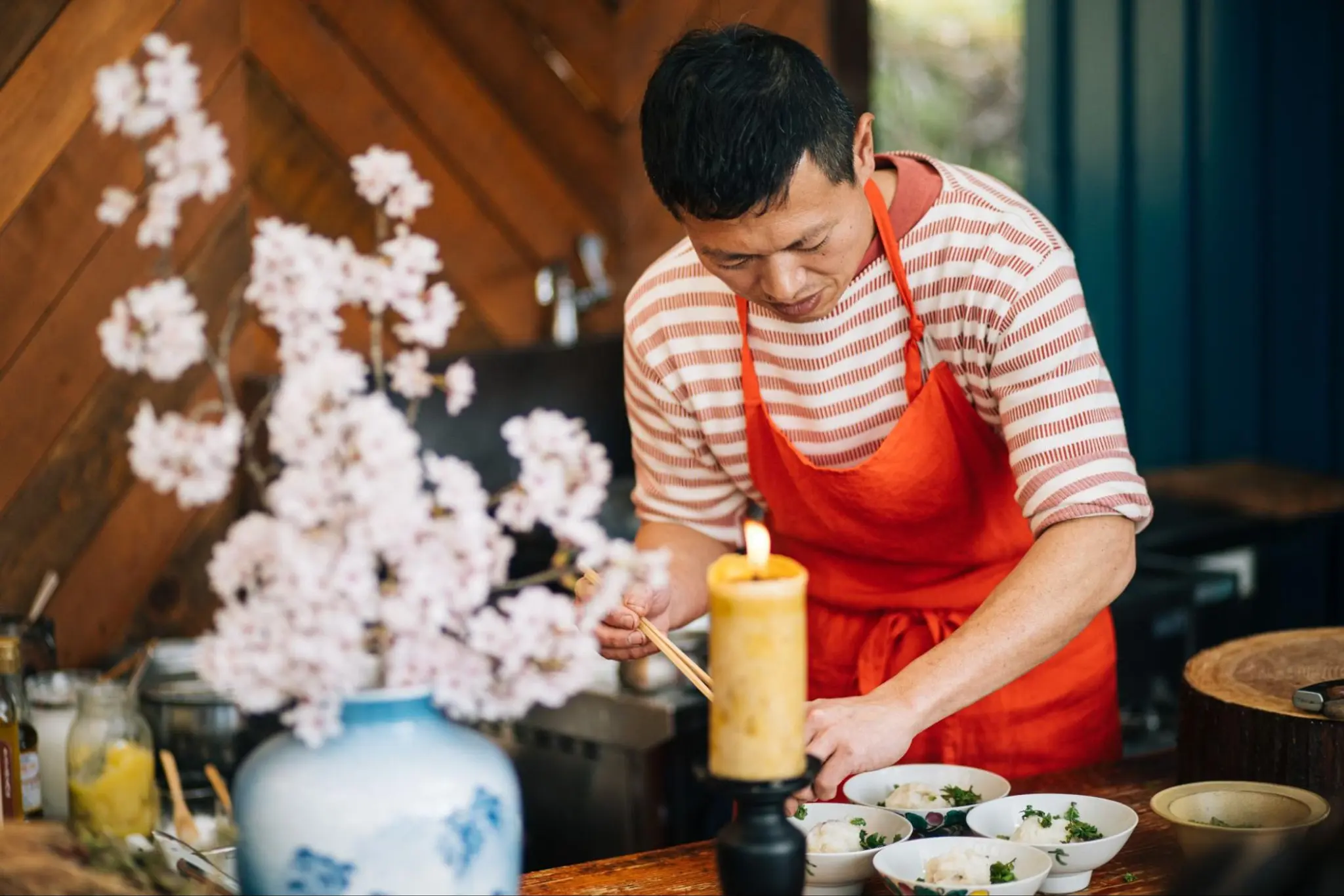
Because I established my restaurant in the countryside, I feel a deeper connection with the local community. Bringing dishes to cherry blossom viewing parties, chatting with local elders, and one day turning seasonal vegetables that arrived into pickles to share with the community—these small exchanges have strengthened the bond with the region. It’s not just about young people gathering to have fun, but about building relationships across generations that recognize and support each other. That, to me, is what “vitality” truly means.
ーーーDo you have any challenges or goals you wish to pursue moving forward?
Looking ahead, rather than setting grand, ambitious goals, I believe it is important to protect the environment we have now and grow together with the local community. No one can predict how the world will change. That is why I think it’s essential not to be swept away by changes but to continue a lifestyle centered around cooking. Ideally, we want to build a community where people support each other even in times of disaster. Instead of just going to evacuation centers and relying on what’s given, living in uncertainty and anxiety, it’s crucial to rebuild our lives where we are, creating safety and security.
For example, we are working on securing well water to ensure a stable supply of drinking water, and we are advancing plans to achieve self-sufficiency in ingredients by using vegetables and fruits grown nearby. Through these efforts, even in disasters, we aim to build a foundation where local residents can support each other and proactively rebuild their lives.
As part of efforts to adapt to natural changes, I strive to live in harmony with nature by utilizing farmland. By engaging with the plants and crops of each season and reflecting their blessings in my cooking, I incorporate the joy of coexistence with nature into daily life. Through cooking, people connect, and the community thrives. While continuing to protect this land, I also want to pursue new challenges.
Imbuing the Energy of Ingredients into Cuisine
ーーーLastly, what does “delicious” mean to you?
To me, it is not simply about sensory pleasure but about feeling the life force inherent in the ingredients. For example, in today’s era, foods with higher sugar content tend to be rated as “delicious.” Indeed, it is common to see sugar percentages displayed in markets, and the sweeter something is, the easier it sells. However, true deliciousness is surely more than just that. The kind of deliciousness I aim for is different from such “manufactured sweetness.
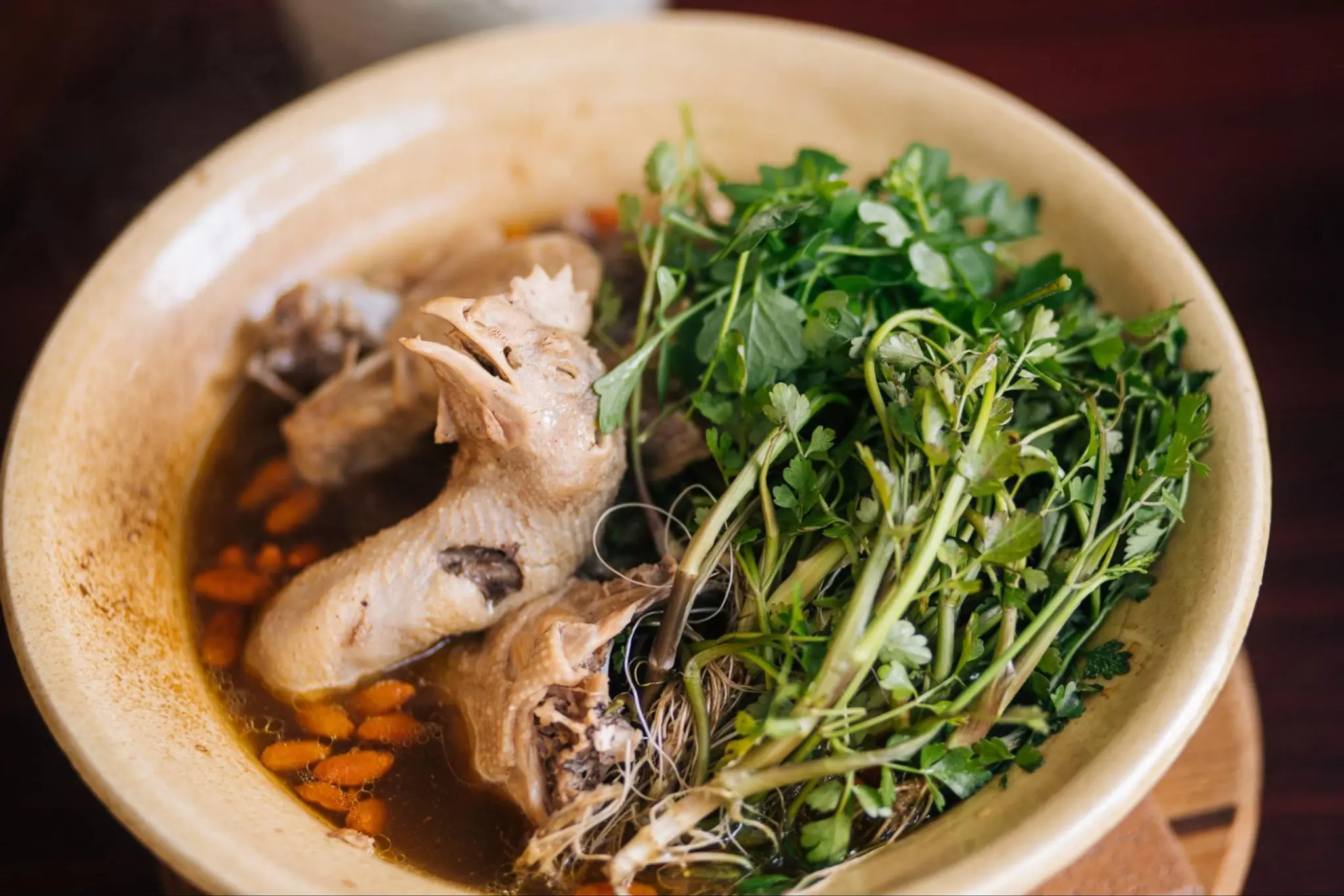
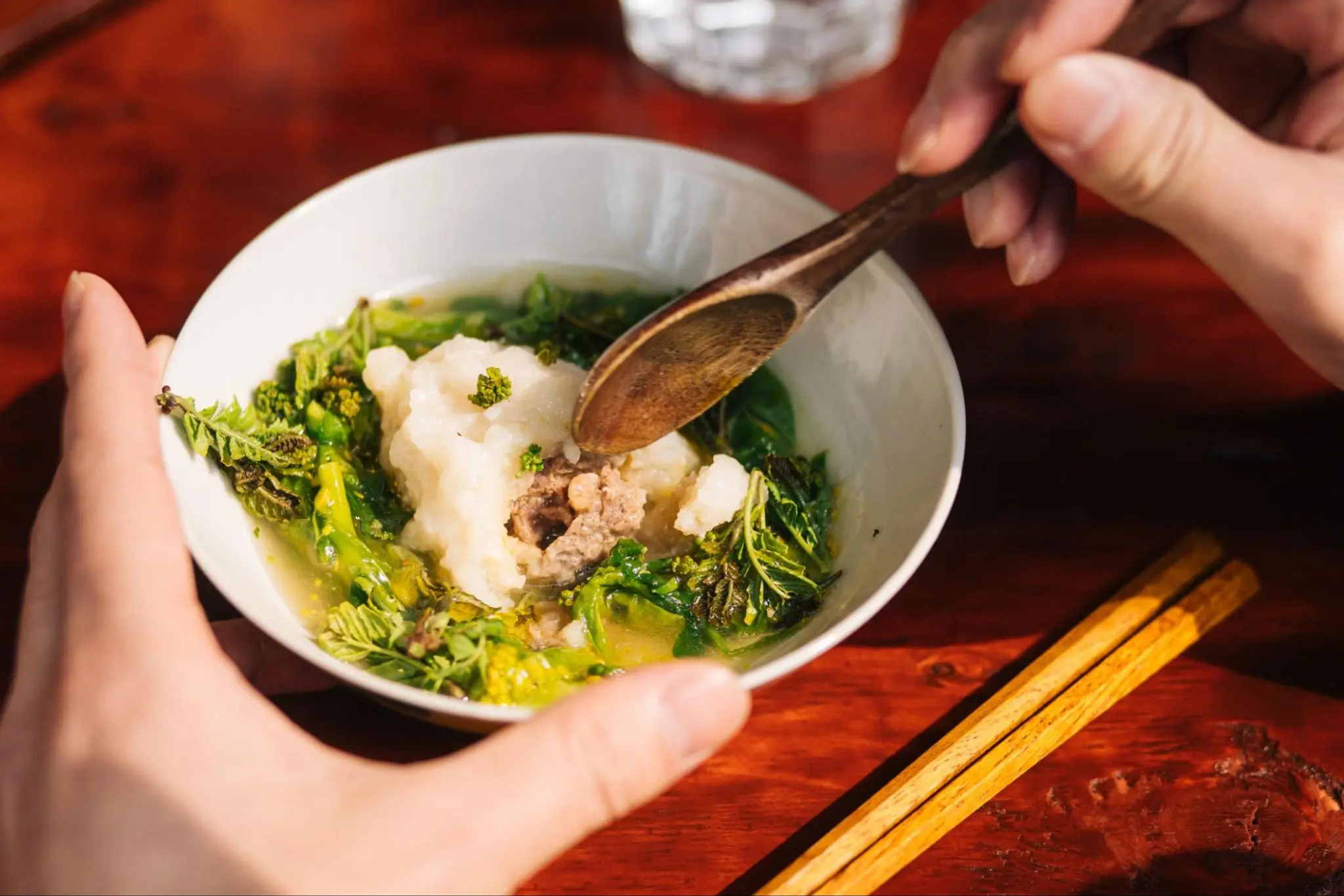
I believe that deliciousness is determined by the environment where the ingredients were raised and the energy they carry. The chicken used in today’s soup was raised in a spacious environment, nurtured by the blessings of nature, resulting in a robust flavor. With each sip, you can feel not only the umami but also the life force of the ingredients on your palate and in your heart.
The rice served alongside is grown in the rice paddies right in front of our restaurant, inherited from a local elderly farmer. We carefully plant each grain by hand, and the rice is sun-dried, harmonizing with the surrounding natural environment to fully express the blessings of the land.
For example, the blended rice, which includes the “Ise Hikari” variety and the Indica variety “Princess Sari,” offers a natural fragrance without an overly sweet taste, allowing you to experience the breath of the land — in other words, the true “flavor of the land.”
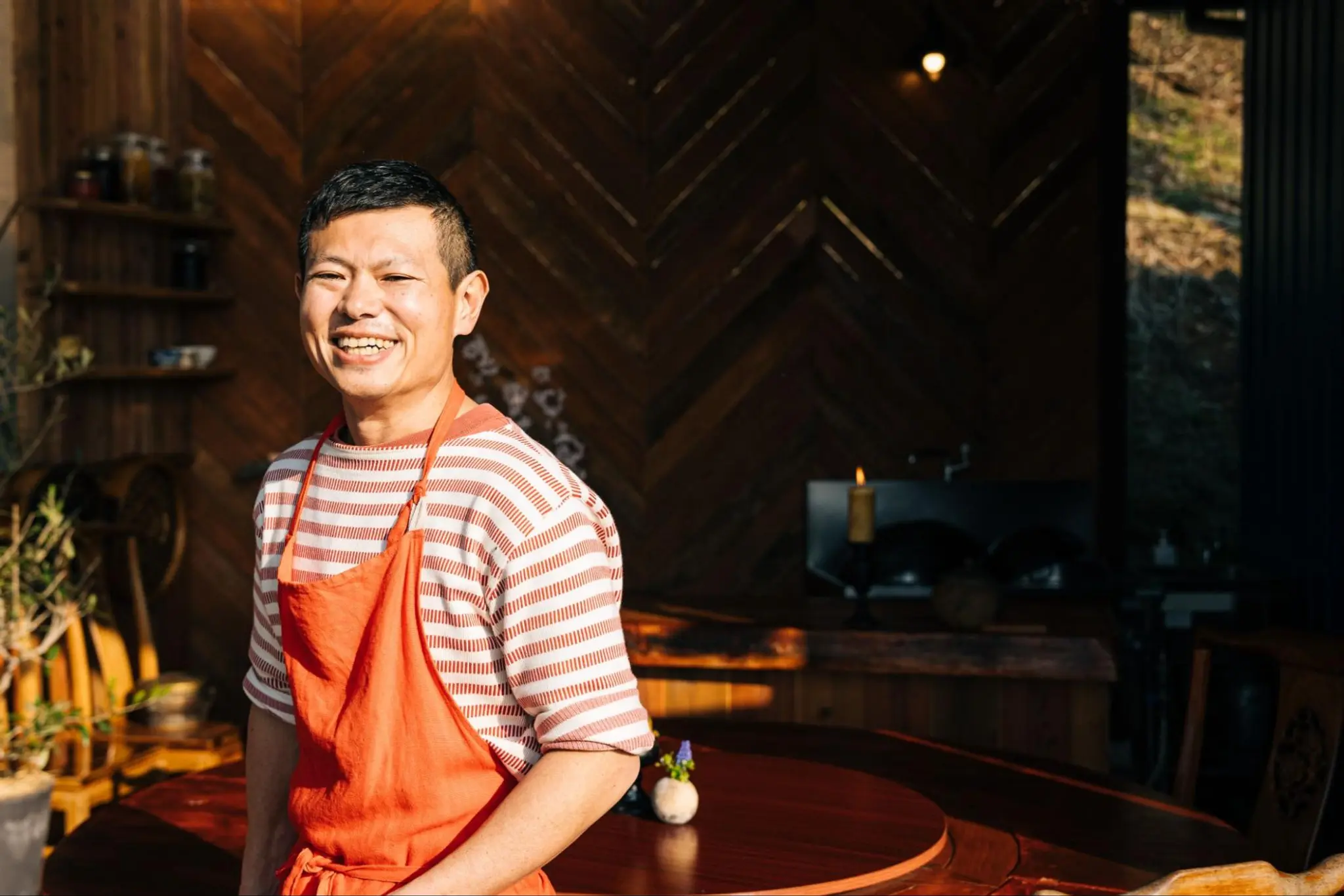
I believe that true “deliciousness” is felt through ingredients that convey the strength and essence of life nurtured in harmony with nature. While values around food evolve with the times, what I hold dear is “authentic flavor.” Moving forward, I want to continue creating dishes that harness the power of life cultivated in this land and deliver genuine deliciousness.
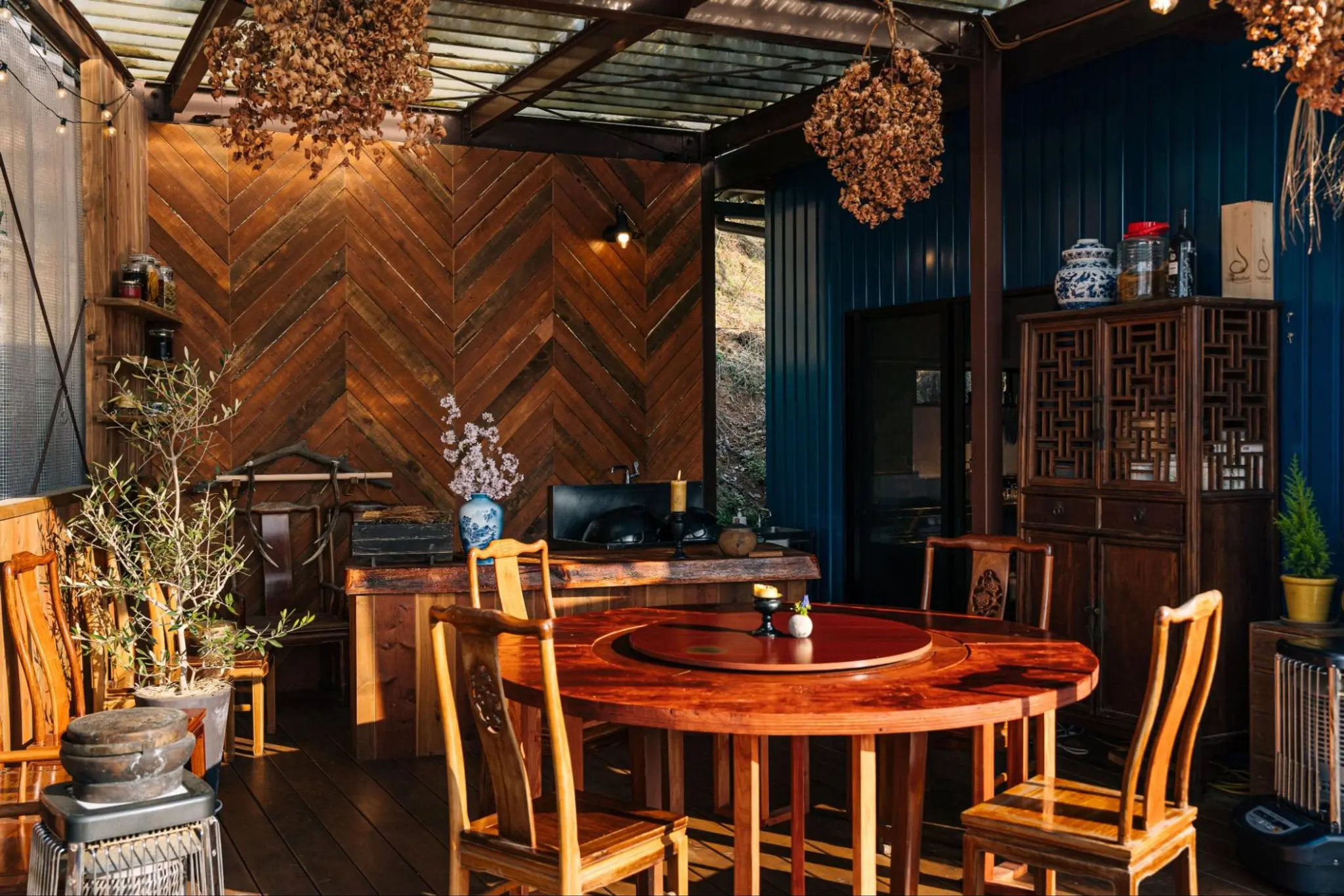
【Inakano Taihou】 embraces a philosophy of engaging with nature through cuisine and valuing connections with the local community. Guided by Chef Kouki Watanabe, visitors can tour the fields and chicken coops to experience firsthand how the ingredients are cultivated. Here, one can savor an approach to food that is rarely considered in the city—engaging all the senses. This experience reminds us that cooking is not just about eating but is a practice deeply connected to nature and the community. Dining here offers a meaningful opportunity to reflect on one’s relationship with food in daily life.
Interview and Text by Food Analyst Ai (Maiko Tanahashi)
Photography by Masato Suzuki
Restaurant Information
- AutoReserve Magazine
- Restaurants recommended by top chefs
- Living in Harmony with Local Ingredients: Chef Kouki Watanabe of 【Inakano Taihou】 on Cuisine and Lifestyle