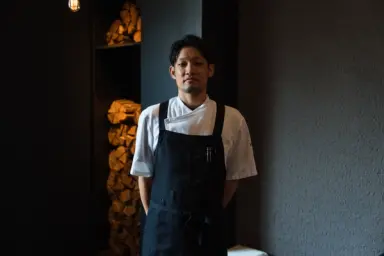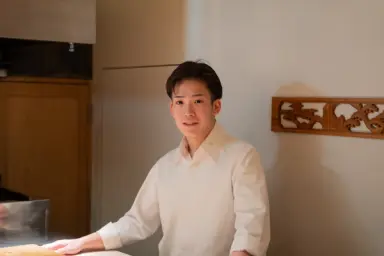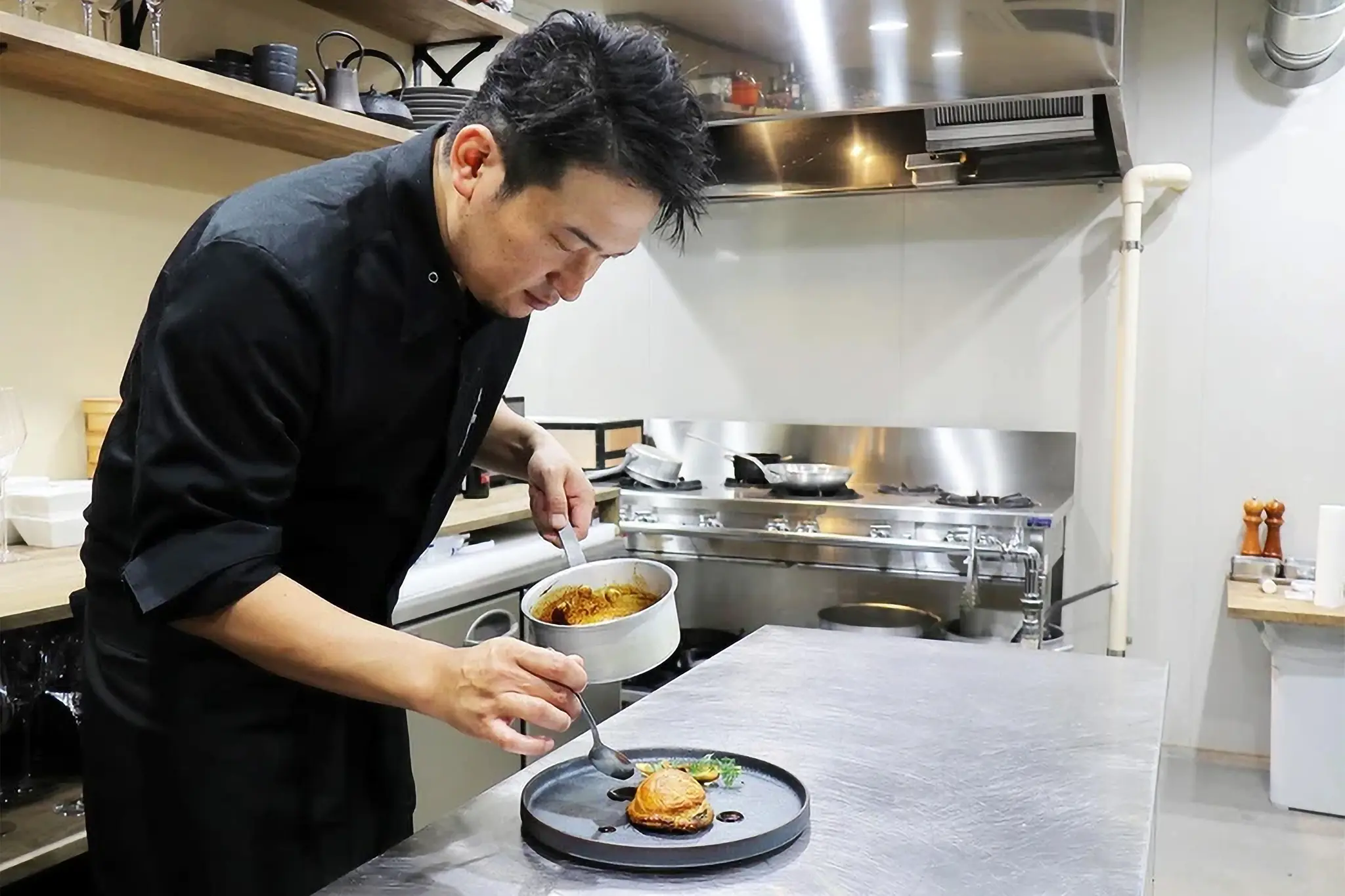
Pursuing the Path of Cuisine: The Passion That Chef Kazunori Kimura of 【kimura】 Continues to Pour into His Hometown, Akita
An Unwavering Love for His Hometown Behind His Determined Resolution
ーーー What is the most important aspect of 【kimura】?
It is undoubtedly the fact that we cook exclusively with ingredients from Akita Prefecture. We do not use any ingredients from outside the prefecture, nor do we incorporate imported ingredients such as foie gras, caviar, or truffles. Some ingredients are only available in certain seasons, making procurement challenging at times. However, every morning, I personally visit the market to carefully select seasonal ingredients, and with the cooperation of local producers, I have upheld an unwavering commitment since opening: "To let our guests fully savor the flavors of Akita Prefecture."
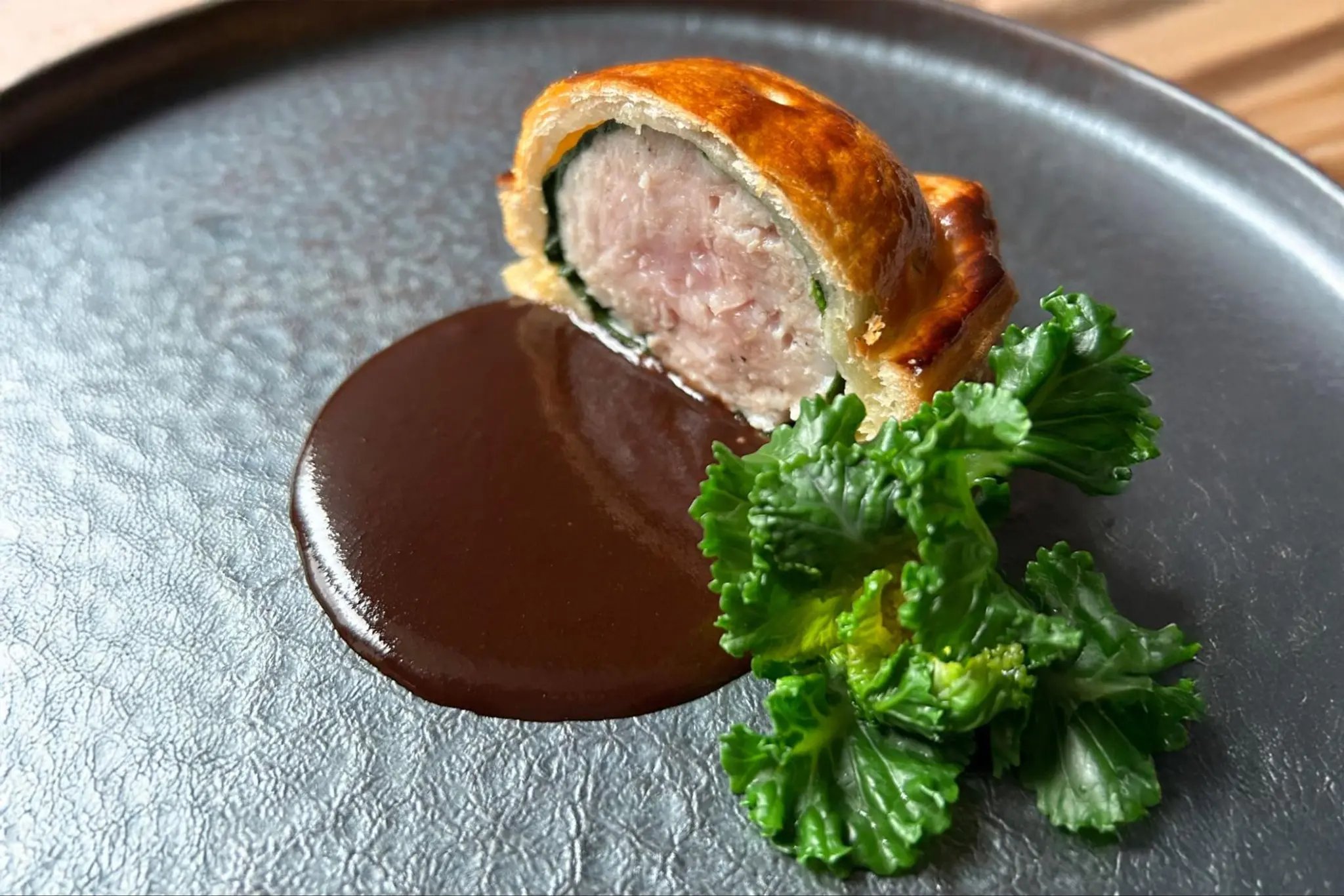
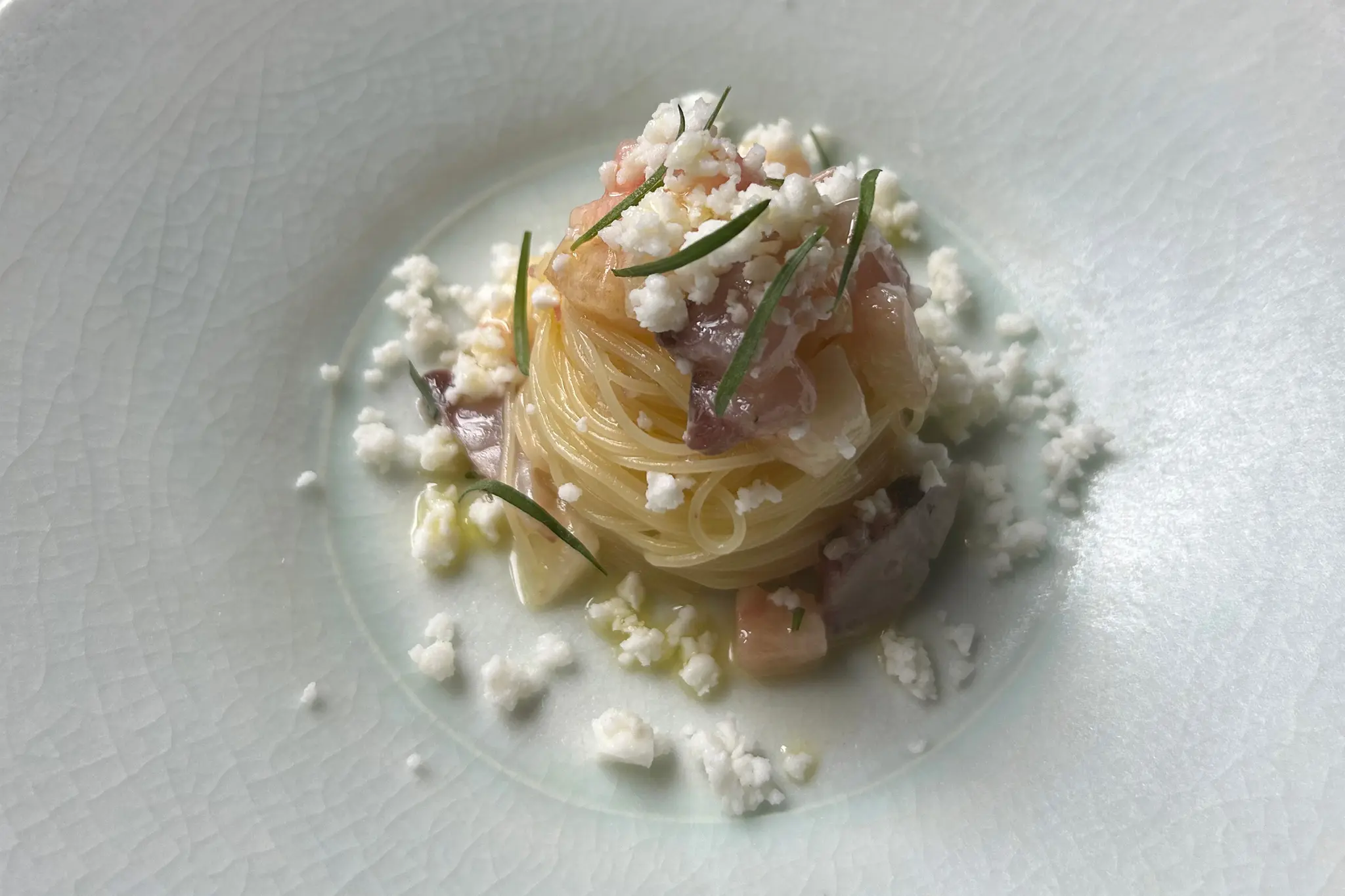
Our menu consists solely of a monthly changing course. In the middle of the course, we serve pasta, but the other dishes may lean more toward French cuisine. Over the course of my approximately 20 years of experience in Tokyo, including my training years, my background has been almost evenly split between Italian and French cuisine. Because of this, I don’t focus too much on categorizing my dishes by genre. Instead, I prioritize cooking methods that best highlight the quality of Akita’s ingredients to provide the finest hospitality.
ーーー Did you always know from a young age that you wanted to become a chef?
In my elementary school graduation album, I wrote that my dream for the future was to become a carpenter. Since childhood, I had a vague aspiration to pursue a hands-on craft rather than work in an office. My interest in the culinary world developed when I was in middle school. The turning point was watching the television show Iron Chef, which greatly inspired me. Additionally, the chefs at a long-established ryotei (traditional Japanese restaurant) near my home carried themselves with such style and elegance that I deeply admired them at the time.
Believing that the only way to become a top-tier chef was to train in Tokyo, I left home immediately after graduating from high school. Behind this strong determination was an unwavering commitment to one day opening my own restaurant in Akita. It was also around this time that the Italian cuisine boom was taking off, and as someone who loved food, I became fascinated by flavors I had never encountered before, further deepening my interest in Italian cuisine.
However, when I enrolled in culinary school, there was no dedicated Italian cuisine course yet. After learning the fundamentals of cooking, I specialized in Western cuisine, mainly French. When it came time to find a job, I chose to work at an Italian restaurant. The school had posted job openings on a bulletin board, and after visiting the restaurant as a customer, I was immediately captivated by its sophisticated, authentic flavors. I fell in love with the food, and that very restaurant became the place where I took my first steps as a chef.
Bold Yet Steadfast—Aiming for the Pinnacle as a Chef
ーーー When did you begin your training in French cuisine?
At the time, while honing my skills at an Italian restaurant, I would spend my free time exploring various restaurants in Tokyo. One day, by chance, I visited a French restaurant with a friend, and the experience struck me like a bolt of lightning. It may sound simplistic to put it into words, but I still vividly remember being overwhelmed with amazement and emotion, thinking, “This is unbelievably delicious—this is incredible!”
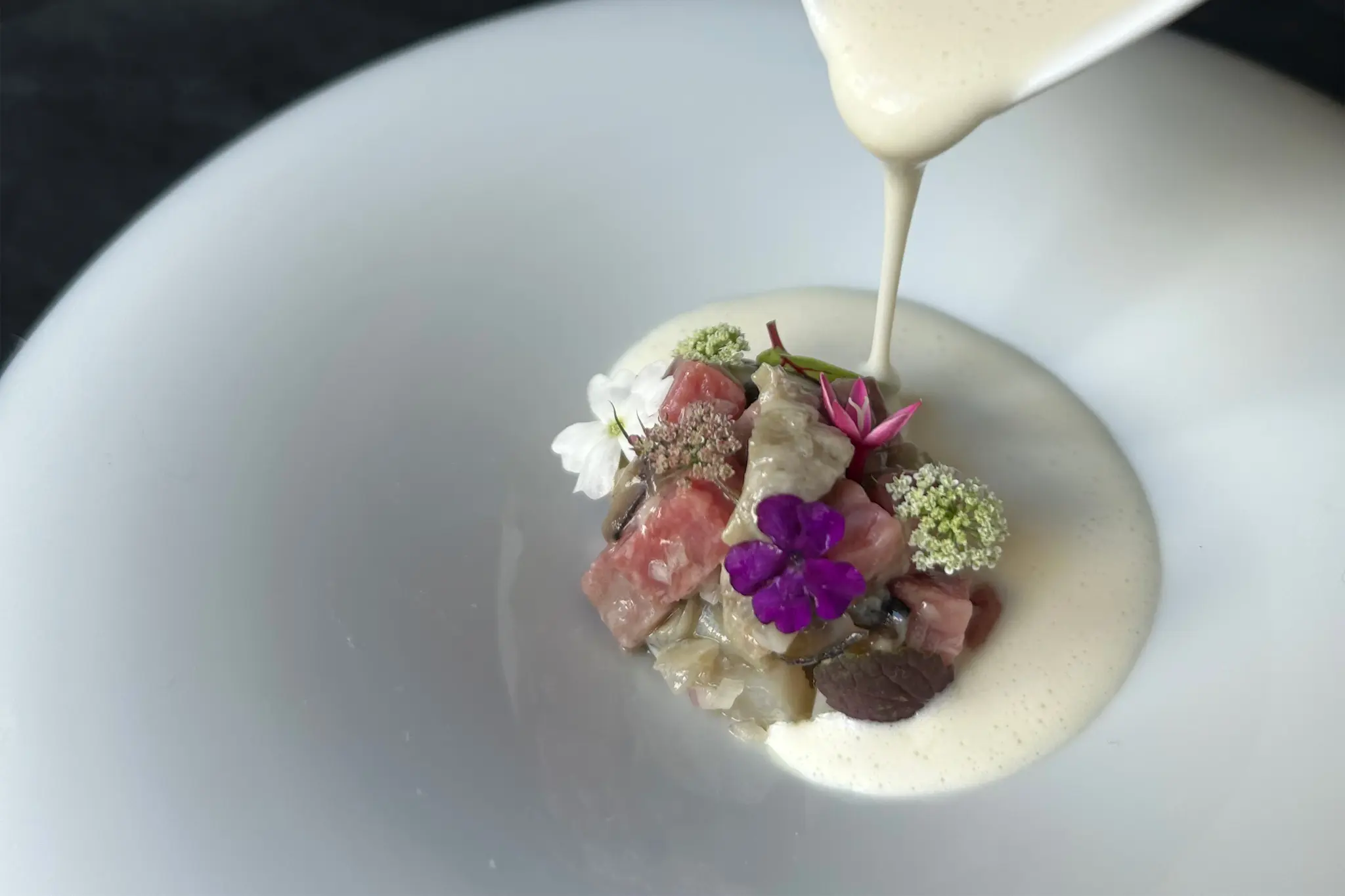
The Italian cuisine I had been learning at the time focused on bringing out the natural umami of the ingredients. For example, a perfectly grilled piece of meat would simply be served with a slice of lemon and finished with a drizzle of olive oil, emphasizing the colors and simplicity of the ingredients. However, French cuisine was entirely different—it devoted an extraordinary amount of time to elements that weren’t even visible, such as sauces, and each plate was meticulously crafted like a piece of art. I was so overwhelmed by the desire to create dishes like that myself that I couldn’t suppress my impulse. Without thinking ahead—perhaps a reckless decision driven by youthful passion—I called the restaurant that very night and pleaded, “Please let me work here!” (laughs).
ーーー How was your experience working in a French restaurant?
From the perspective of the veteran chefs, my career in Italian cuisine must have seemed insignificant. I was treated as a complete newcomer, starting once again from zero as a chef. Not only were the cooking techniques different, but even the specialized terminology used in the kitchen was entirely distinct between Italian and French cuisine. I had to let go of all the skills and knowledge I had acquired up to that point and absorb an entirely new set of techniques. It was a mentally demanding period, but I clenched my teeth and persevered, determined not to quit until I had fully grasped the essence of French cuisine. I dedicated myself to this pursuit for two years.
I have never trained abroad or worked at a Michelin-starred restaurant. However, I have been incredibly fortunate to be surrounded by remarkable people. I had numerous opportunities to work alongside senior chefs who had refined their skills at renowned establishments both in Japan and overseas. Learning authentic flavors and top-tier techniques firsthand from them was an invaluable experience, and I cannot express enough gratitude to my mentors.
The fact that the head chef of the Italian restaurant where I worked for about six years in Tokyo had a background in French cuisine, as well as the unexpected transition of 【THE MOON】 in Roppongi Hills—where I served as sous-chef—from Italian to French cuisine, became invaluable experiences for me. These unforeseen encounters and opportunities have shaped my journey and contributed to the borderless and unconventional character of the cuisine at 【kimura】.
ーーーYou also hold a sommelier certification, correct?
Every moment I spent in Tokyo was part of my preparation to open my own restaurant in my hometown of Akita. Earning my sommelier certification was also a step toward that goal, as I was concerned that I might not find a right-hand person to support me in Akita. At the time, even my local friends had told me that there was a shortage of skilled professionals. With that in mind, I believed that if I, as the owner-chef, had extensive knowledge of wine, I would be able to run the restaurant on my own. Balancing work while attending sommelier school and studying late into the night made that period the most physically demanding of my life. However, thanks to my mentor, who I consider a true master, I had the invaluable opportunity to experience wines from all over the world.
At our restaurant, we offer a wide selection of high-quality wines without being restricted by country or region, sourcing from Europe, America, Japan, and beyond. For wine enthusiasts, we provide a pairing course that complements our dishes, and whenever we acquire an exceptional wine, we create special dishes designed to enhance its rich aromas. Thanks to my intense studies, my culinary repertoire has expanded significantly. By the way, when it comes to sake, we exclusively serve selections from Akita! (laughs)
Weaving the "Deliciousness" of Akita at the Counter
ーーー Did you open 【kimura】 immediately after returning to Akita?
I spent about two years working at local restaurants first. Since I had left Akita right after high school, I needed time to build relationships with suppliers and producers in the area. Finally, in 2018, I opened 【kimura】 near JR Akita Station. My goal was to create a one-of-a-kind restaurant—one that would make people want to travel all the way to Akita just to dine here. Thanks to the support of many, a large portion of our regular guests now come from outside the prefecture, and we are also seeing an increasing number of reservations from overseas.
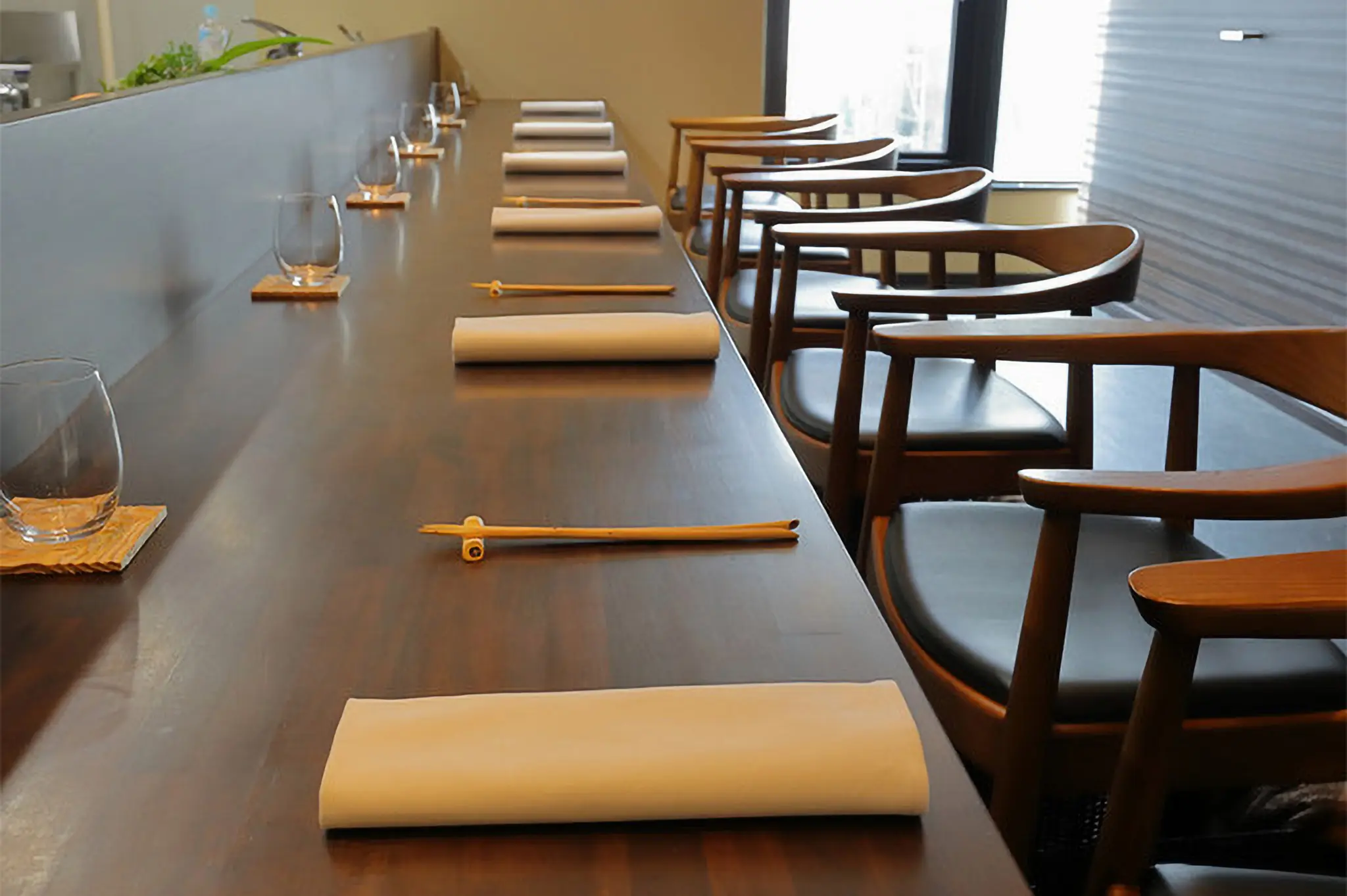
At our restaurant, I introduced a counter-style dining experience for the first time in my career as a chef. In the beginning, I was not accustomed to direct customer interaction, so I found myself constantly reacting to the guests' responses, feeling both elated and anxious at times. However, I now believe it was the best choice, as it allows our guests to enjoy each dish at its absolute peak of freshness and flavor. The longer food sits, the more its deliciousness fades. With this counter setup, I have been able to minimize the time lag between plating and serving, ensuring that each dish reaches the guest at its very best.
ーーーCan you tell us about your approach to sourcing ingredients?
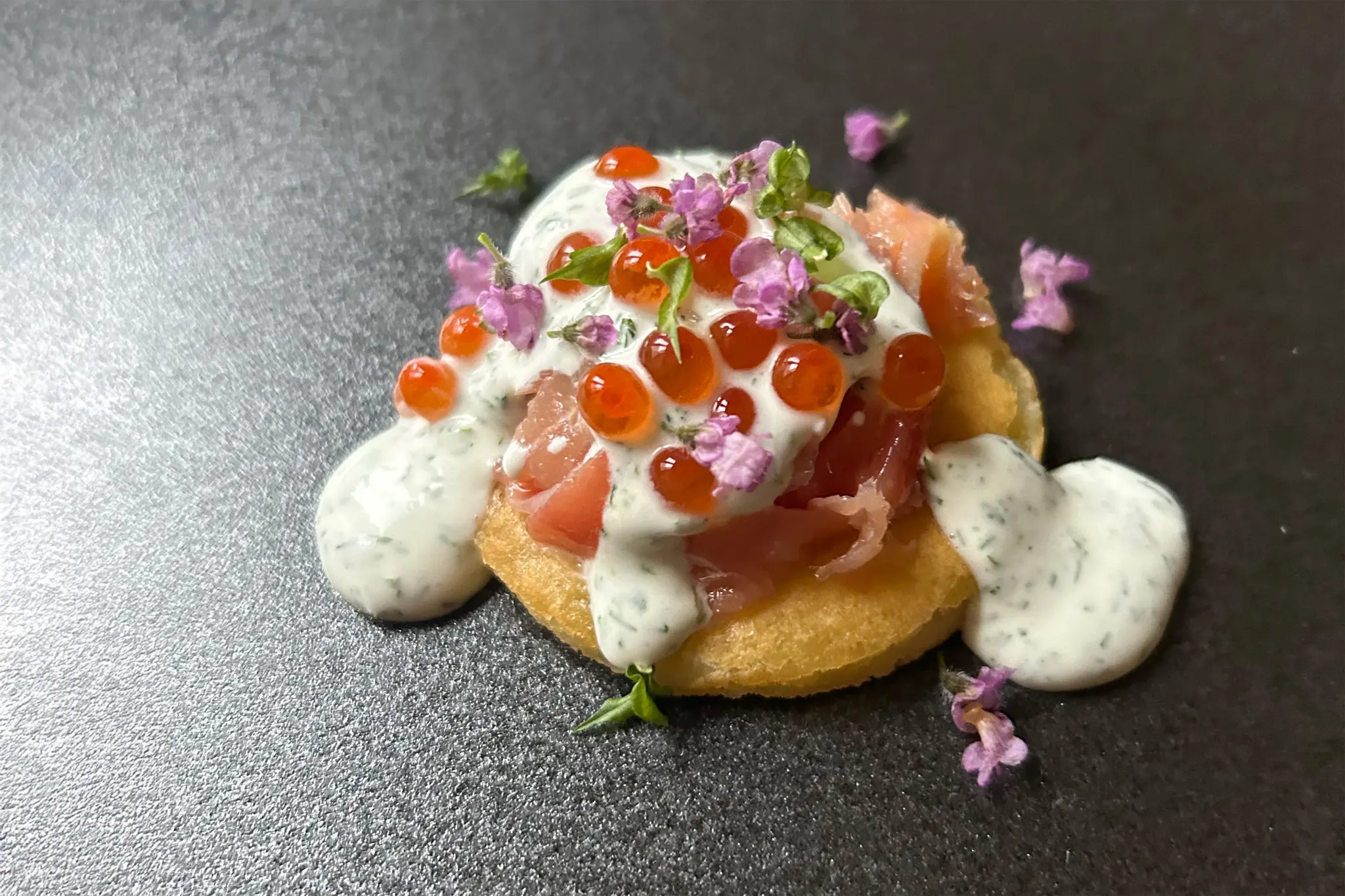
I go to the market every morning to procure ingredients, and on days when I have free time, I visit producers directly to trade game meats such as venison, duck, and Asian black bear. In Akita, there is a deep-rooted culture of eating horse meat, so I also purchase it directly from local producers. I frequently stop by roadside stations and direct-to-market stalls.
Since relying solely on what’s available at the market is not enough to source all ingredients from within the prefecture, I keep my antenna up and find ways to acquire the best products. Recently, young farmers have been taking on the challenge of growing rare Western vegetables, so I sometimes make requests, saying, "There’s a vegetable I’d like to have," and they cultivate it for me.
This experience has once again made me realize how important horizontal connections are for chefs in rural areas.
Local Ingredients Shape the Food Culture
ーーーAre there any ingredients unique to Akita that you recommend?
I highly recommend trying the exceptionally fresh wild mountain vegetables in spring and mushrooms in autumn. Because they go from harvest to preparation in such a short time, we can serve dishes that would be impossible to replicate in Tokyo. Of course, there are incredible ingredients outside of Akita as well, and from a restaurant efficiency standpoint, it might make more sense to source products from all over the country. For instance, when it comes to sardines, the fatty ones from Hokkaido often get the spotlight. However, my goal is to maximize the potential of sardines caught in Akita, elevating them into dishes that will impress even guests from outside the prefecture.
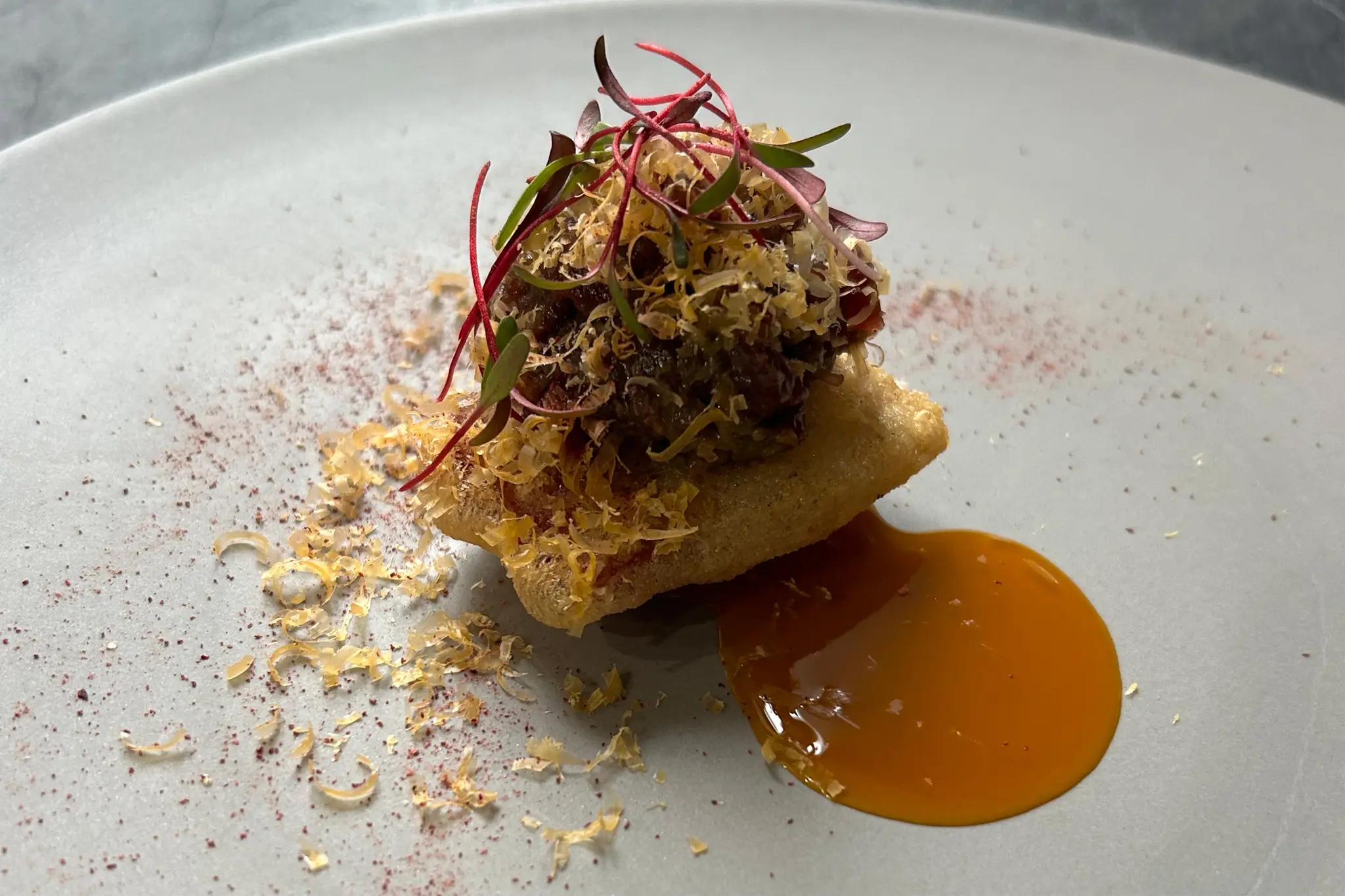
Rather than categorizing ingredients as "high-end" or "low-end," we chefs often discuss the importance of respecting and making the most of what is available right in front of us. By doing so, we can preserve the local food culture while also elevating the motivation and skills of producers. Every morning at the market, I meet fellow local chefs, and we actively exchange ideas with a shared enthusiasm: "Let's all work together to bring more recognition to Akita!"In the Tohoku region, more chefs like myself are returning from Tokyo to open their own restaurants, which I find incredibly reassuring.
ーーー Finally, what does "delicious" mean to you, Chef Kimura?
For a restaurant, serving "delicious" food is a given—the real question lies in what comes beyond that. The true essence of a restaurant is tested by how much it can provide guests with an enjoyable experience.At our restaurant, the counter-style kitchen allows us to showcase live cooking moments, such as rolling out homemade pasta or finishing dishes with sauce right in front of our guests. Perhaps a casual conversation with our staff will become the most memorable part of a guest’s visit.
I am still learning when it comes to hospitality, but if guests leave with both their stomachs and hearts fulfilled, nothing would make me happier. Moving forward, I will continue to showcase the charm of Akita through every dish we serve, offering our guests a truly special dining experience.
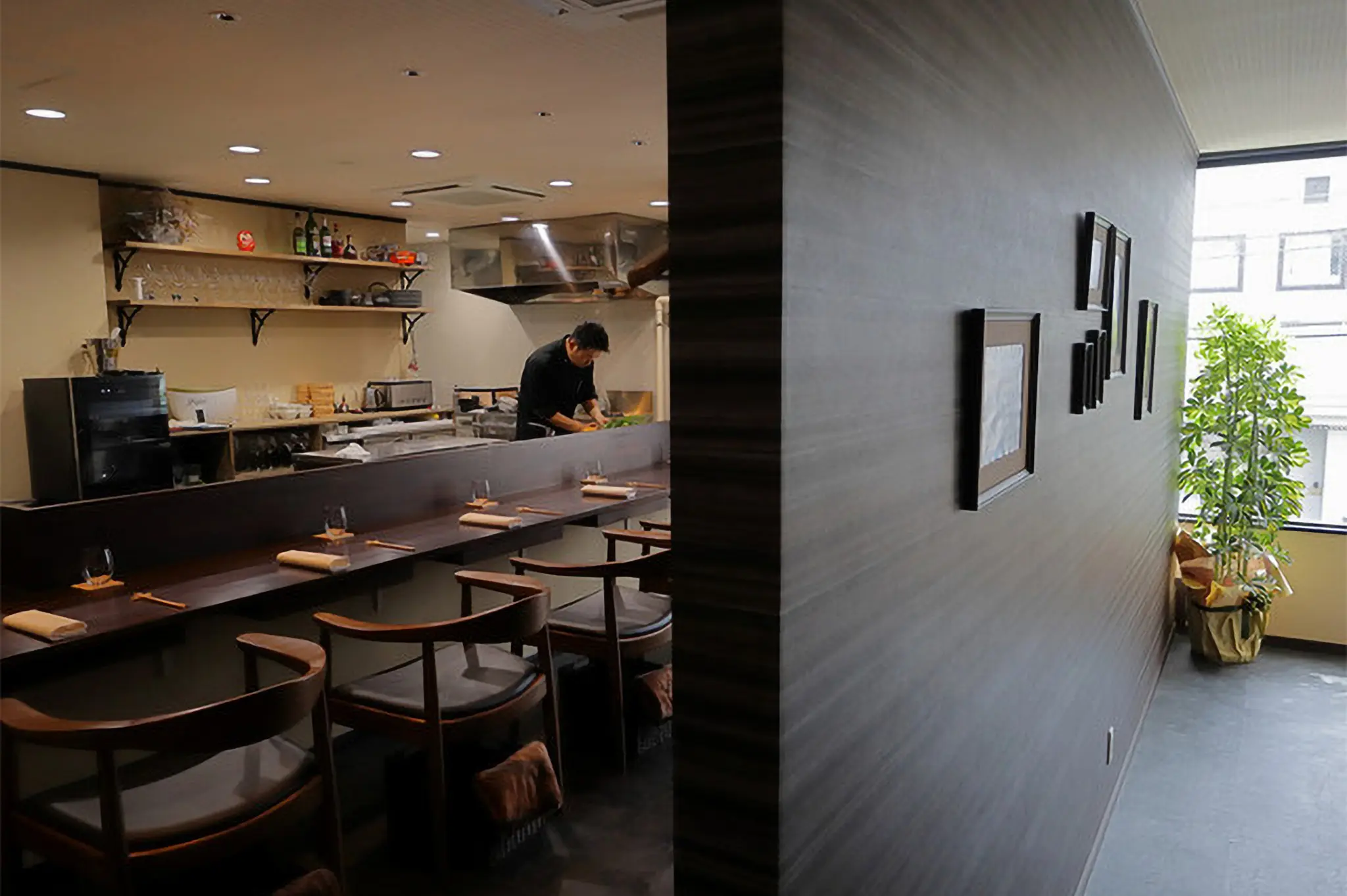
From Tohoku to Tokyo in pursuit of culinary training. From Italian cuisine to French cuisine in search of new flavors. While these episodes might give the impression of an unconventional journey, Chef Kazunori Kimura has steadily built his career step by step to realize his dream. With a shy smile, he admits, "I still get a little nervous cooking in front of people." Yet, the moment he starts preparing a dish, his movements flow effortlessly, creating one exquisite plate after another—both visually and in flavor. Indeed, Chef Kimura’s craftsmanship itself is a feast to behold. One can only imagine the delight of savoring his creations with a glass of wine in hand, indulging in the experience to the fullest.
Interview & Writing / Reiko Nakajima
Restaurant Introduction
- AutoReserve Magazine
- Pursuing the Path of Cuisine: The Passion That Chef Kazunori Kimura of 【kimura】 Continues to Pour into His Hometown, Akita