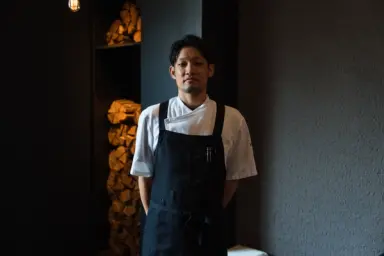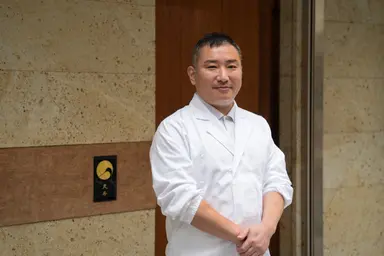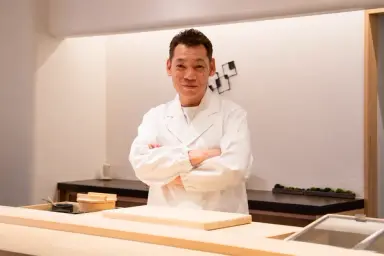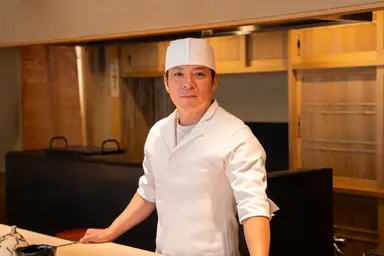
The Art of a Dish Woven by Water and Dashi! The Essence of Japanese Cuisine Pursued by Chef Yoshiro Kiyama of 【Kiyama】
The Growth of a Chef and the Path to Independence
ーーーCan you tell us what inspired you to become a chef?
I have always loved food, but even more than that, I loved "movement." I felt more at ease moving my body than sitting and studying, so during high school, I was very active in part-time jobs. Naturally, I ended up working in many different types of restaurants, such as a yakiniku restaurant, a fugu restaurant, and an izakaya. Although my high school was a preparatory school for further education, I chose to start working instead of continuing on to university. My desire to "get into the field quickly" was strong, so I decided not to attend a vocational school but to dive into the world of food service. At 18, I started working at a restaurant in Gifu. About a year and a half into my training, I met a senior who had trained in Kansai, and he advised me, "Staying in Gifu won't be enough. If you want to pursue Japanese cuisine, you must go to Kyoto." Trusting his words, I decided to head to Kyoto, the heart of Japanese cuisine, to further my training.
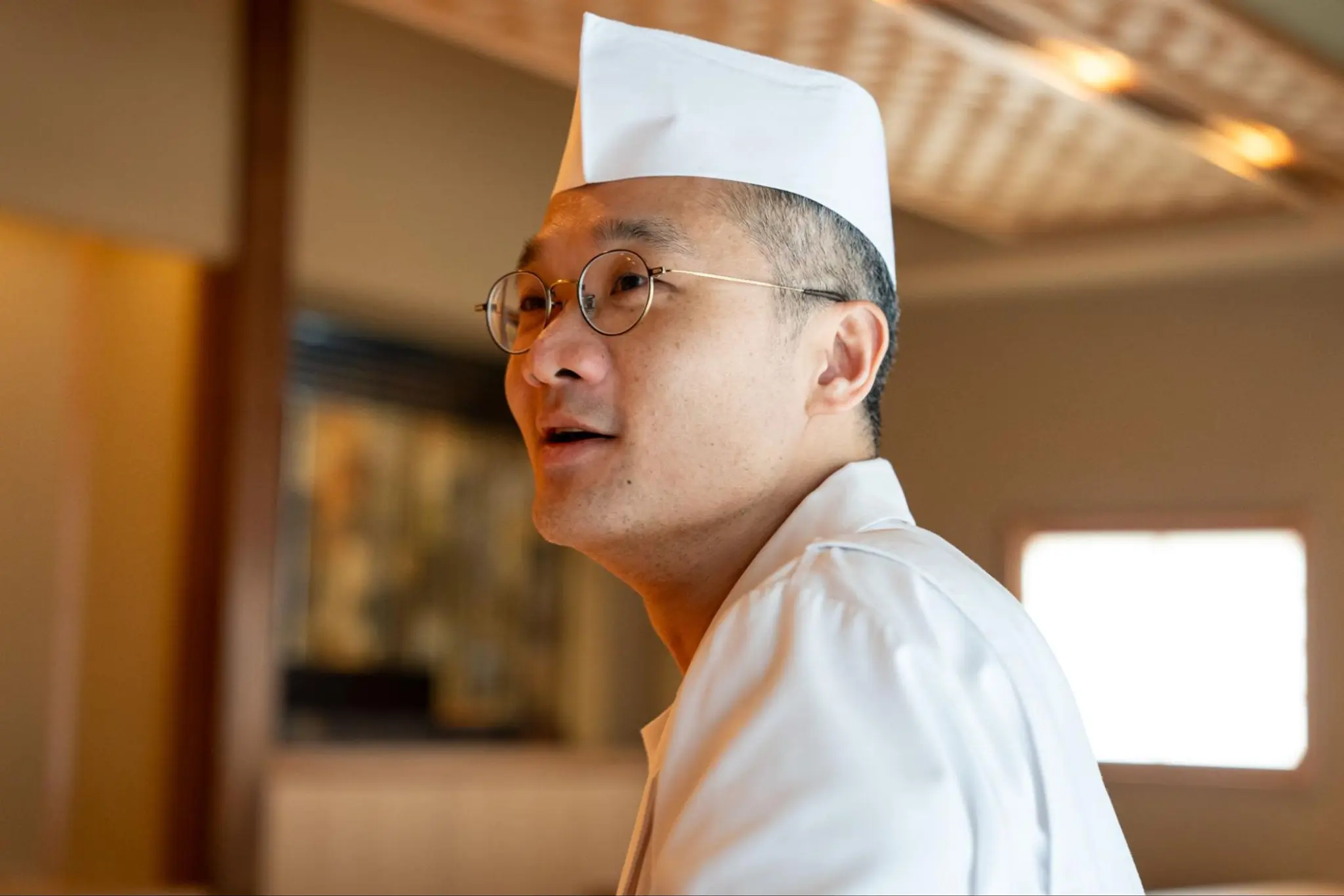
At the age of 20, I moved to Kyoto and, following my senior's advice, began training at 【Wakuden】. It wasn't through a special introduction; I called them myself, went through the interview process, and was accepted into the company. The person who conducted the interview was Chef Takeo Iwasaki, who was the executive chef at the time, and he would later become my mentor. Under Chef Iwasaki's guidance, I embarked on serious training and began to build the foundation of my career as a chef.
ーーーCan you share the story leading up to your opening?
My training at 【Wakuden】 lasted 16 years. During that time, I also served as the head chef at one of their branch locations and gained a wealth of experience. The idea of becoming independent started to take root as my desire to “own my own restaurant” grew stronger during my years of training. However, the biggest challenge was deciding where to open my restaurant. In Kyoto, it is common for restaurants to be located in traditional townhouses or old houses. However, during my training, I had experience working in a townhouse, and I knew that issues such as drafts and pests could be problematic. I believed that a more modern, comfortable, and functional space would be more suitable. In Tokyo, it is not uncommon to see renowned restaurants in the ground floors of apartment buildings, so I was confident that I could do the same in Kyoto, which led me to choose this location.
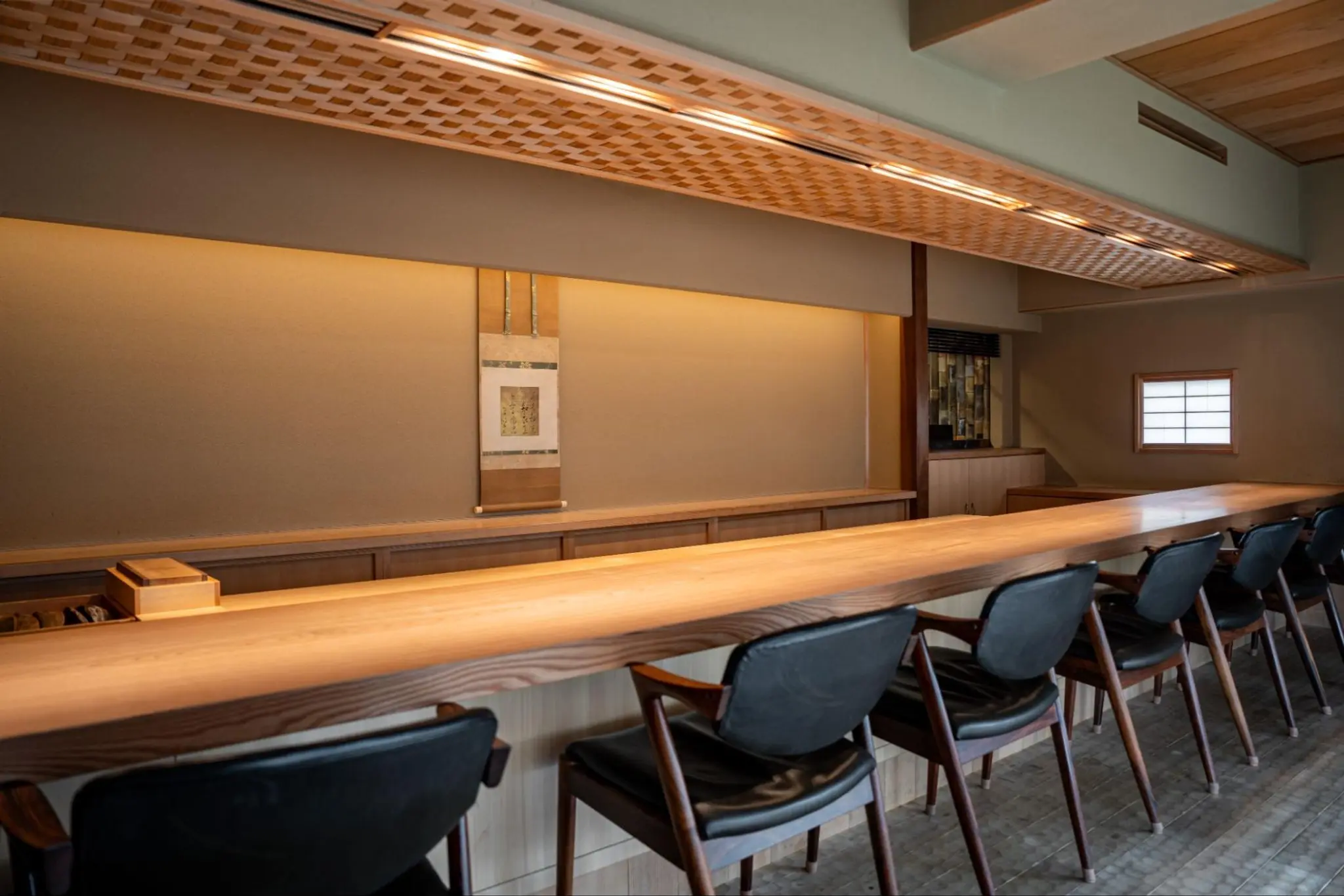
When I was searching for a property, I happened to find a room in this building and instantly felt that "this could be a great place for a restaurant." I immediately consulted with the president of 【Wakuden】, and after hearing his words, "It’s a good location," I was encouraged to proceed with negotiations with the property owner. Initially, the property owner told me that it would be difficult to contract as a restaurant, but after I strongly conveyed my desire to open a restaurant here, they agreed, and we were able to open in April 2017.
A few years later, I was offered the opportunity to use the second floor space. Initially, I wasn't interested in expanding the restaurant, but after considering the need for a better staff training environment, I decided to expand to the second floor. This allowed us to secure a place where the staff could grow further, and with the support of many people, we have continued to thrive to this day.
The Blessings of Water and Dashi and the Pursuit of Skill — The Attitude of Continually Refining Japanese Cuisine
ーーーCan you tell us the characteristics of your cooking, Chef Kiyama?
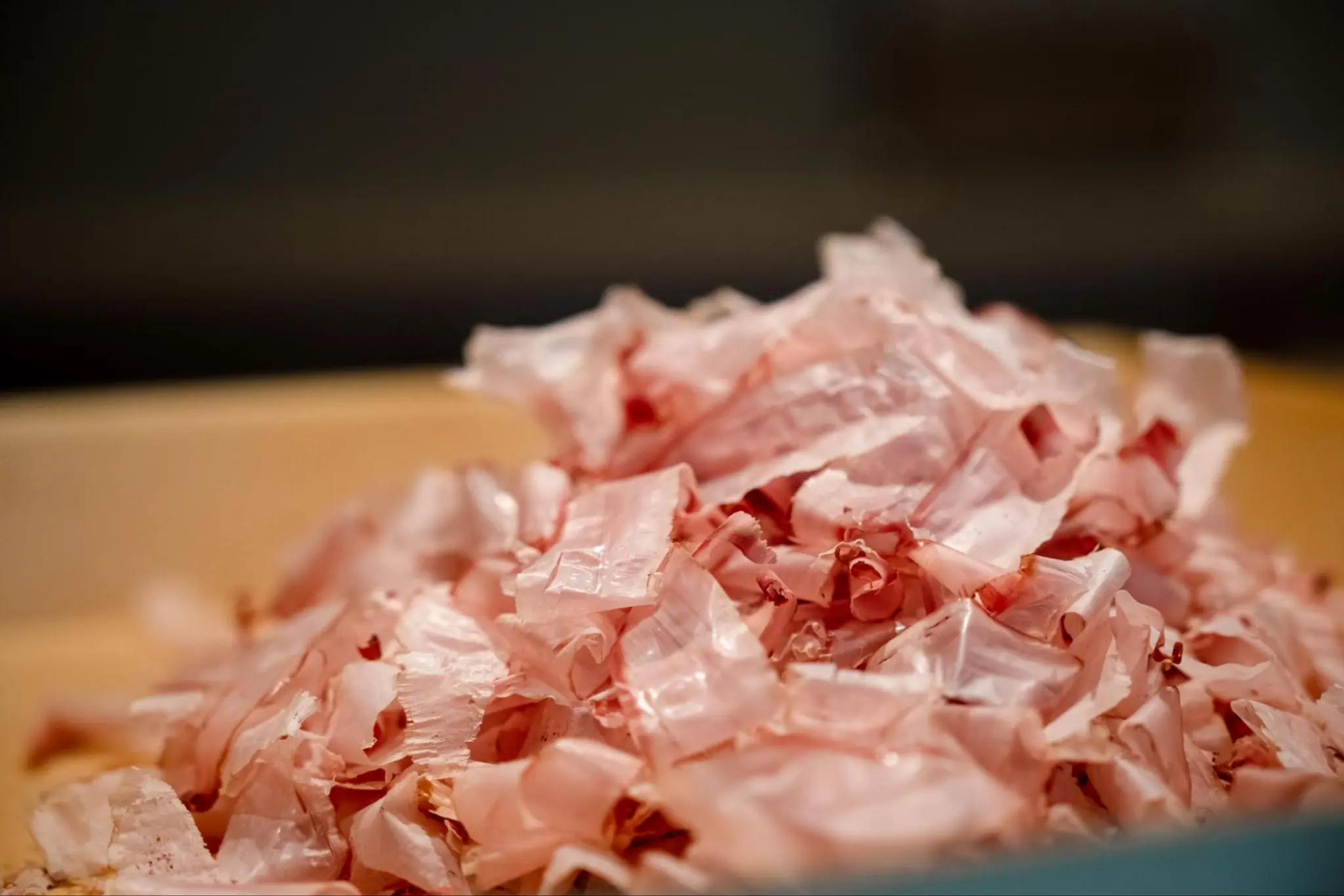
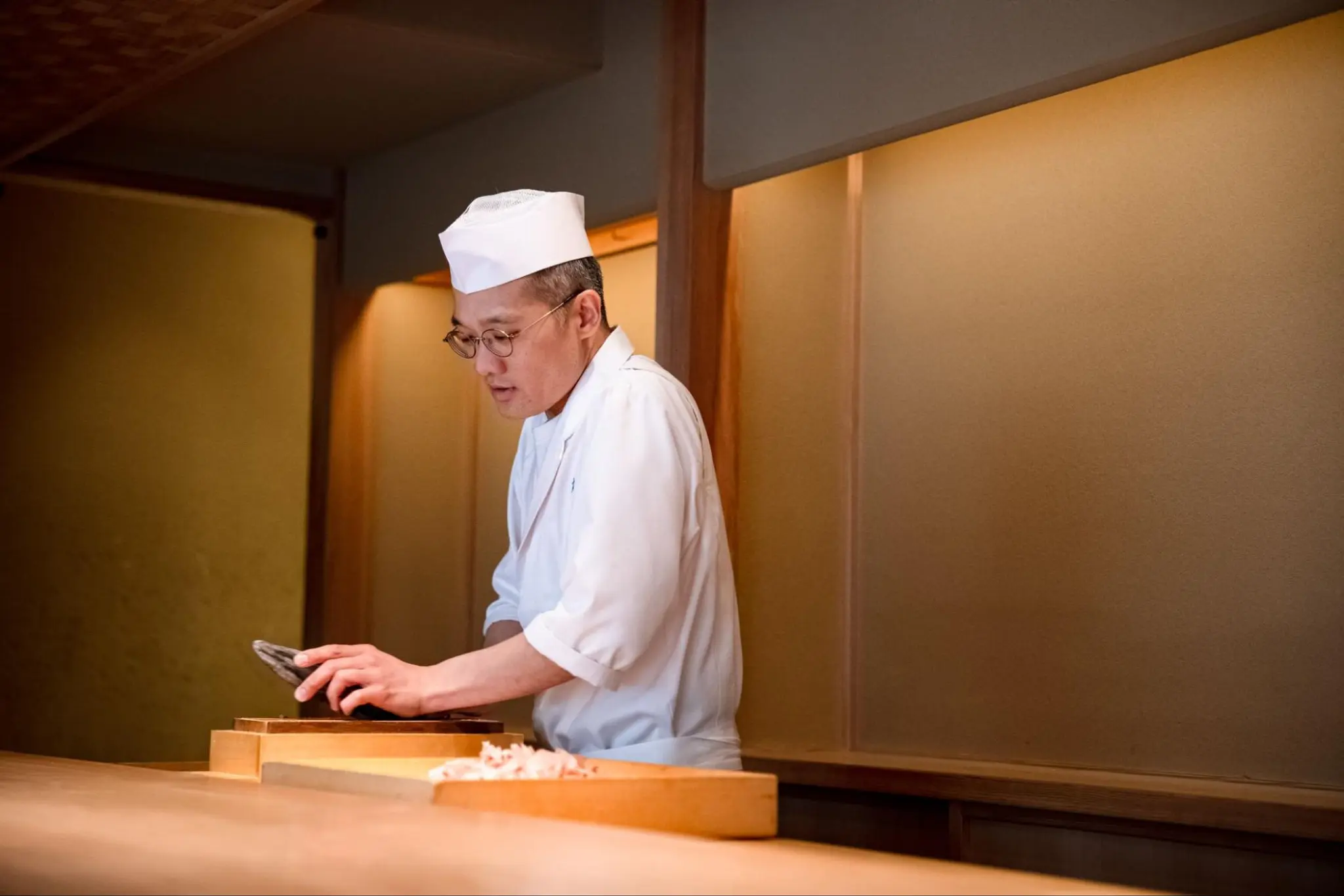
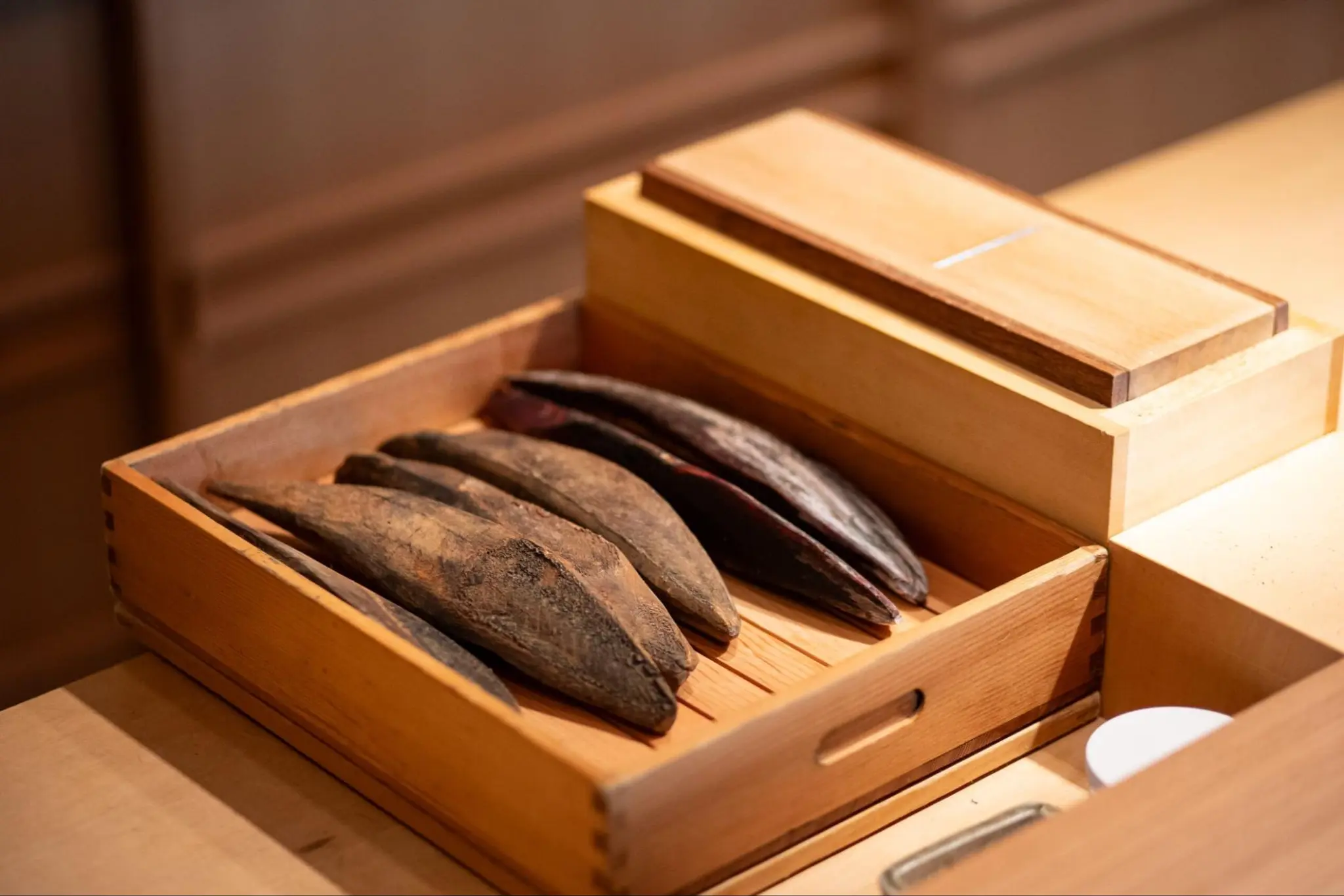
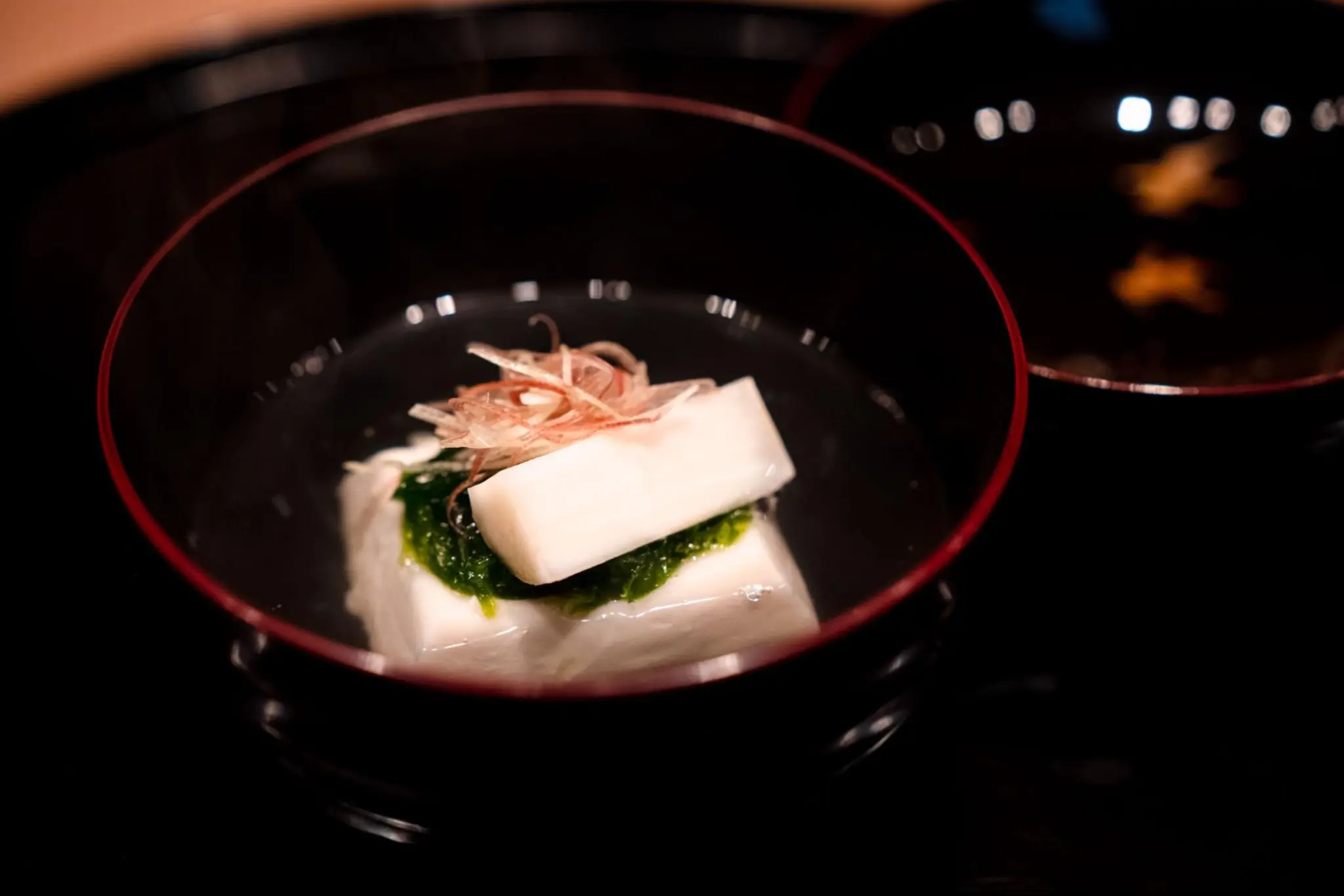
The most important elements in my cooking are "water" and "dashi." In Japanese cuisine, dashi is the foundation of everything and is the key to determining the flavor. At our restaurant, whenever we serve a soup bowl, we always carefully make the dashi with freshly shaved bonito flakes. The bonito flakes we use are exclusively those made by Mr. Sezaki of "Kinshichi Shoten." I trust them so much that I’ve never considered using any other bonito flakes.
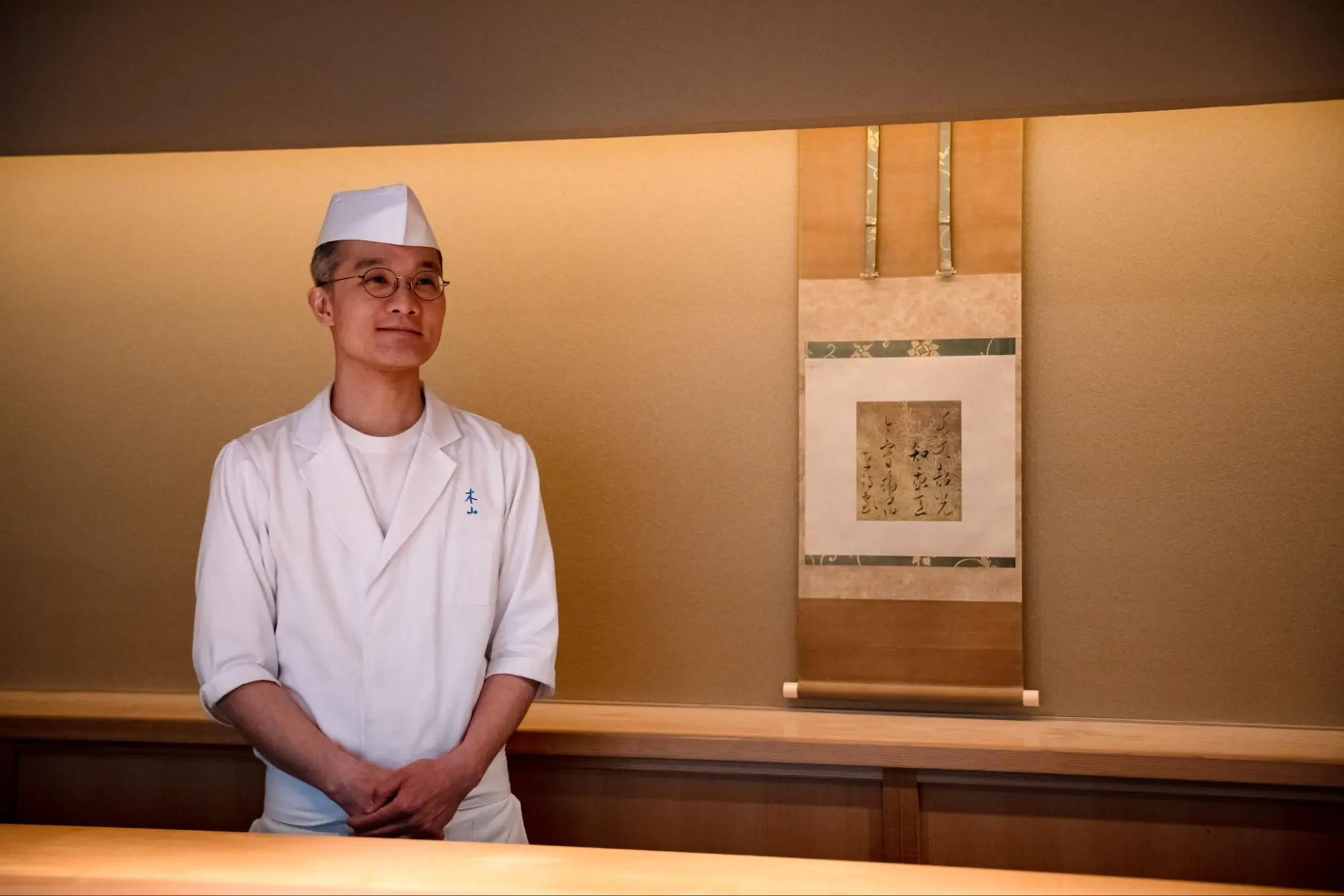
Additionally, an essential element in Japanese cuisine is "seasonality." I believe that Japanese cuisine is not just about eating but is inherently a part of Japanese culture. By paying attention to elements such as the choice of dishware, hanging scrolls, and flower arrangements, I aim to express the aesthetic of Japanese cuisine and create an enjoyable dining environment. Through the texture of the dishes, the beauty of the hanging scrolls, and the fragrance in the air, I aim to satisfy the five senses of our guests and provide a meal that allows them to feel the beauty of Japan's seasons and culture.
ーーーI hear that you insist on using well water for your cooking.
I learned that well water sprang up on our property during the final stages of preparing to open the restaurant. Originally, I had planned to get water from nearby shrines, such as the Shimogoryo Shrine and the Nashi-no-ki Shrine. Kyoto is home to many shrines where you can draw water, so I thought I could ensure good-quality water by visiting them. However, a well-digger acquaintance visited and strongly advised me, saying, "Good water will come from this location, and if you don’t dig now, you won’t be able to do it later." Kyoto has a land structure with vast underground water veins, so it’s likely that digging a well would yield water. Upon learning this, I decided to go ahead with the well-digging. As the construction progressed, we adjusted accordingly, and when high-quality water started flowing, I was truly delighted.
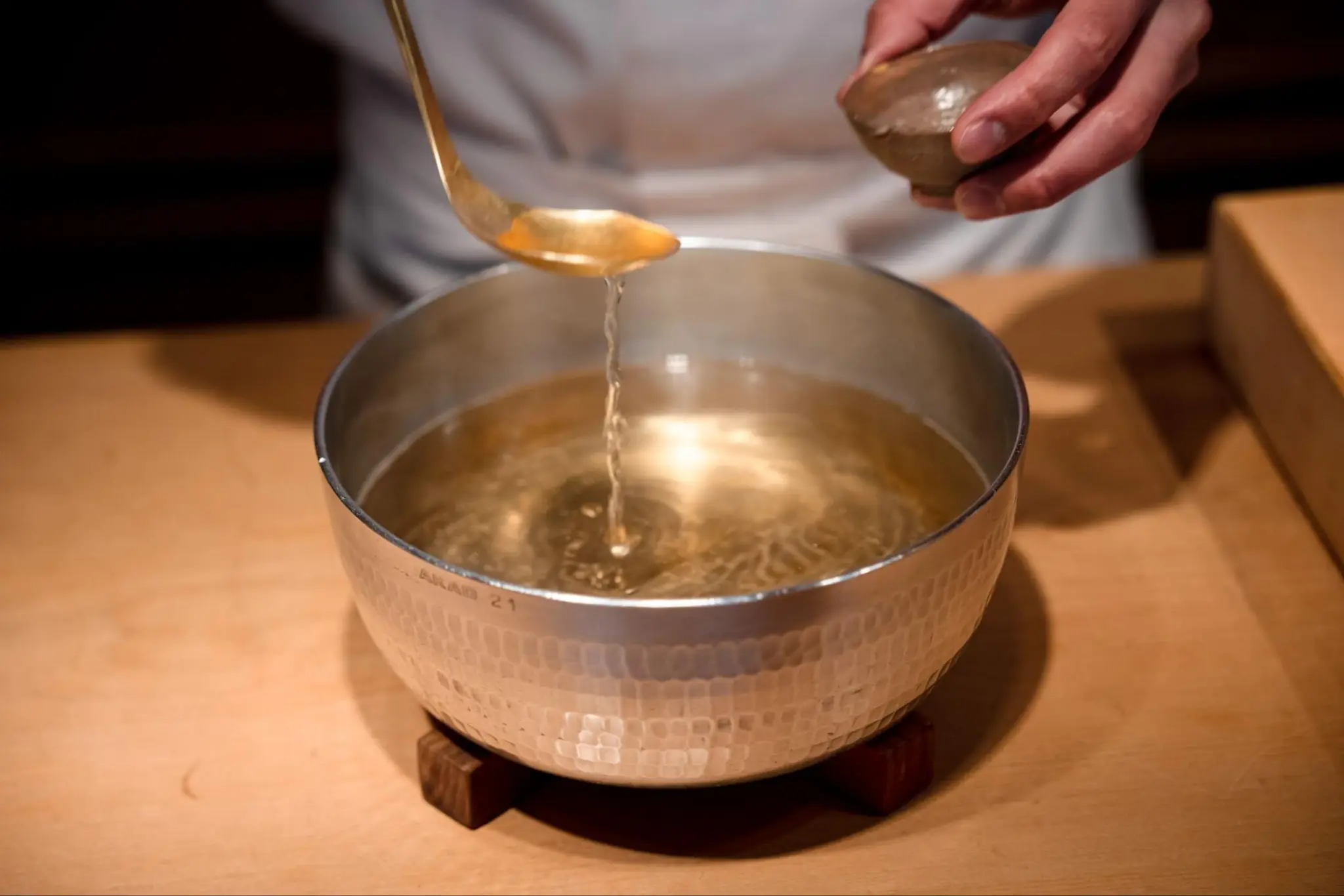
Well water is not just used for washing ingredients; due to its ultra-soft nature, it is utilized in every aspect of cooking and becomes an important element in creating depth of flavor. Vegetables remain fresh and crisp, and fish like sweetfish and soft-shelled turtles thrive when left in the well water. This is the reason why Nishiki Market keeps the well water running constantly. This cannot be achieved with tap water.
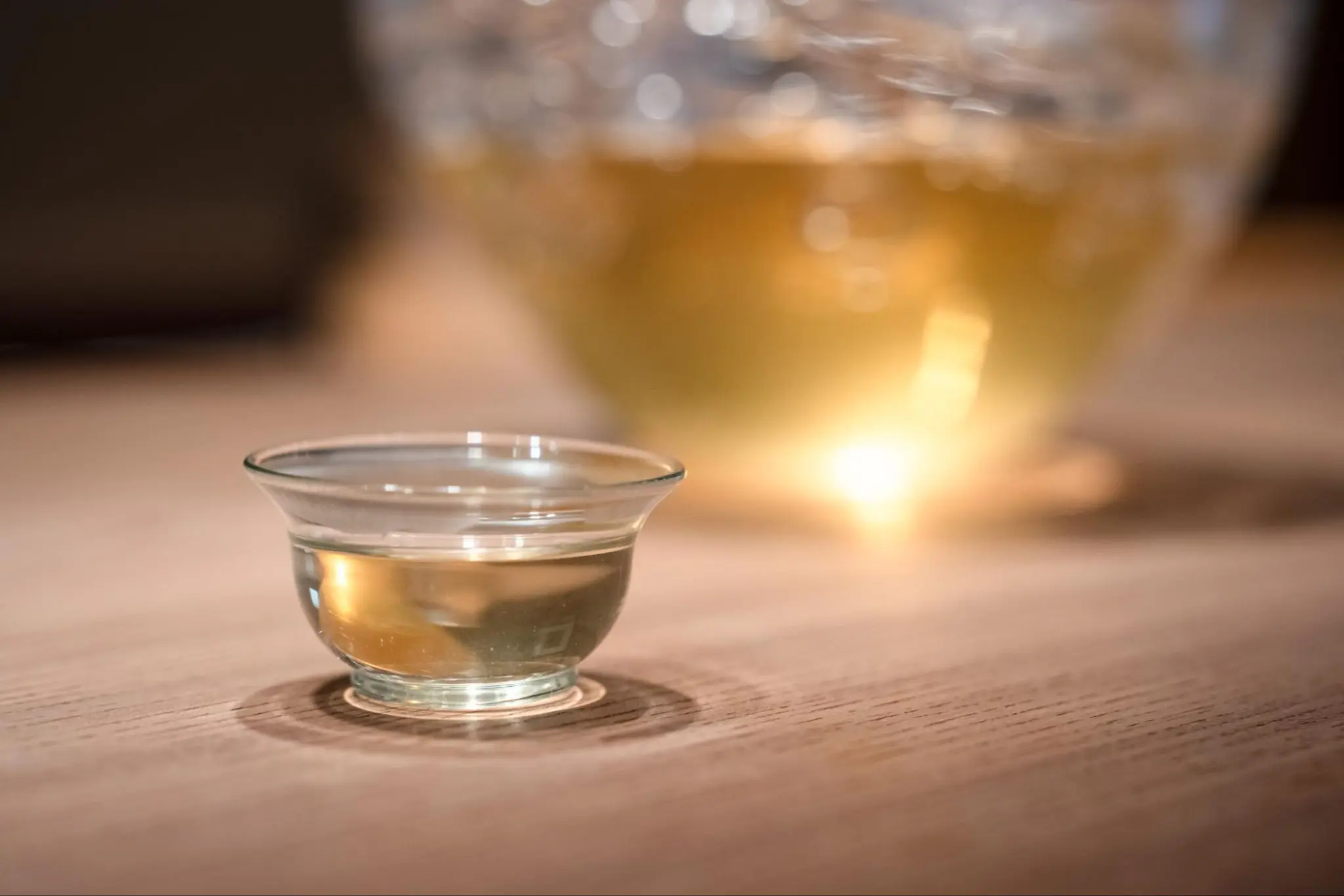
Additionally, there are benefits when it comes to temperature control while making dashi. The temperature of well water remains constant throughout the year, so in summer, it feels cooler than tap water, and in winter, it offers a pleasant warmth. By using this stable characteristic, we can slowly extract the umami at the optimal temperature, resulting in a clear taste without any off-flavors. Using well water highlights the delicate flavors of ingredients and maximizes their natural umami, which is a significant advantage in the preparation of Japanese cuisine. Our meals are designed from start to finish with the use of well water in mind. I believe you will not only taste the benefits of the well water but also feel its effect in the light, refreshing aftertaste.
ーーーWas there a special thought or trigger that led you to start making dashi every day?
While I was preparing for my independence, I went to meet my mentor, Mr. Iwasaki, to seek his advice. It was during this meeting that I unexpectedly received the idea of shaving bonito flakes and making dashi in front of the customers. This happened before I had mentioned the well water to Mr. Iwasaki. After telling him about the well water, my desire to use it carefully grew even stronger, and I felt a strong conviction that “this can be realized!” It made me realize that I could make use of the benefits of the historical water veins. Digging the well was not part of the original plan, but through this chance encounter and guidance, it led to a significant decision, and the well water has since become an essential element in the cooking at our restaurant.
ーーーCan you tell us what you consider important when making food?
The most important thing to me is "to make better food tomorrow than today." For a chef, surpassing yesterday’s self is the only true growth, and I believe that this continuous improvement is what elevates the quality of the restaurant.
For example, when shaving bonito flakes, today I finished shaving them 10 minutes before serving the soup, but tomorrow I aim to finish 9 minutes before. These small adjustments, repeated over time, influence the final result of the dish, which ultimately leads to the deliciousness that customers experience. I believe that by cherishing these small accumulations, the attitude and approach of a chef are shaped.
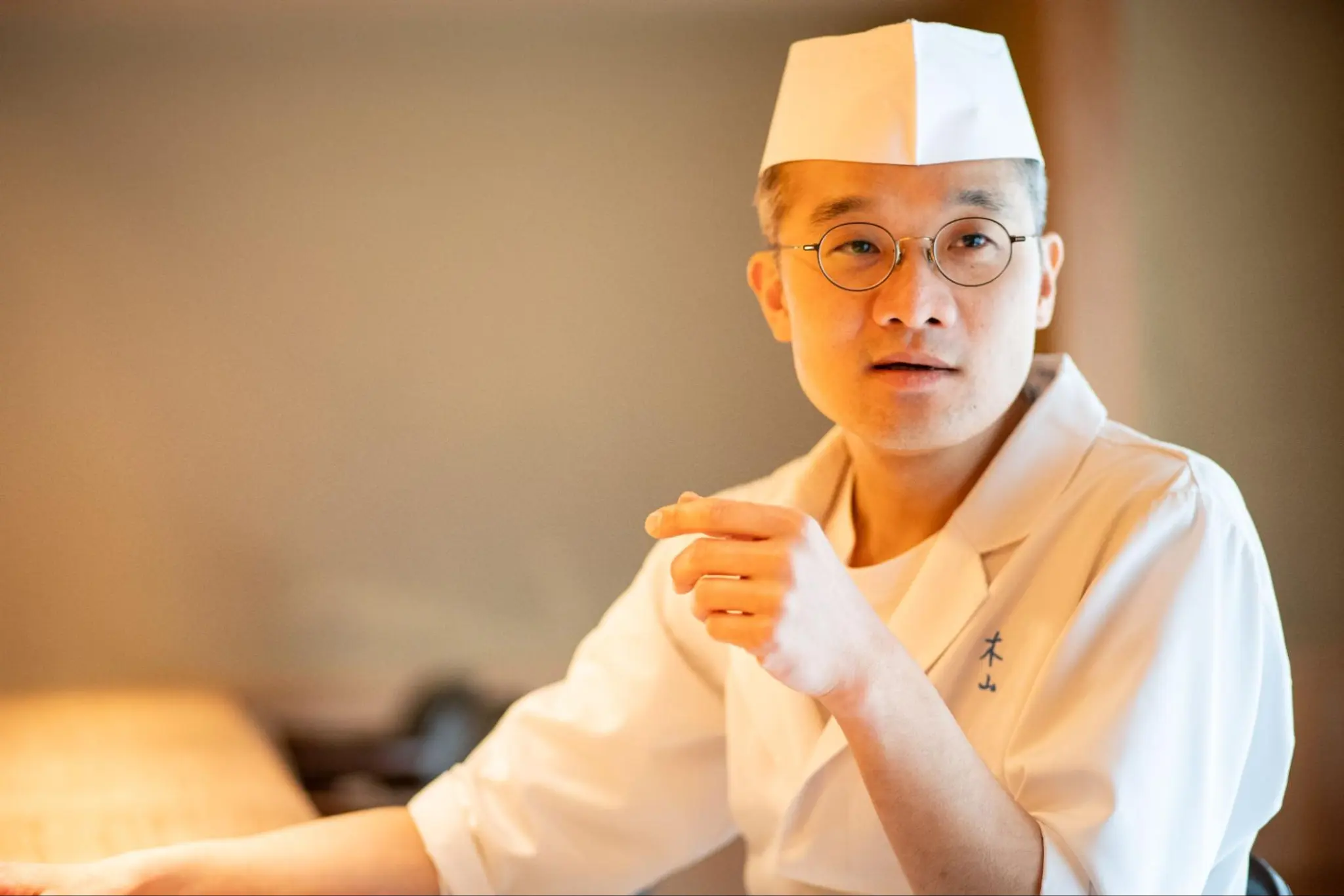
It is also important to prevent falling into a rut. When it comes to cooking, if you repeat the same thing every day, it becomes a task. The more familiar you become, the more you move your hands unconsciously. But if that happens, your passion and focus on the cooking fade, and there’s nothing left to convey to the customer. Cooking is not just a technique, it’s something that "conveys the heart." That’s why it’s important to put your thoughts into each dish and give it your full attention. While giving your best to the dish in front of you, you should always continue to improve it. I am constantly aware of how to elevate the quality of my cooking.
Efforts accumulated for customer satisfaction lead to recognition
ーーーI heard that you received a Michelin star just six months after opening. How did that feel?
I received a Michelin star six months after opening, but that was never something I aimed for. I believe it is the result of my daily dedication to cooking and my pursuit of customer satisfaction. When I opened this restaurant eight years ago, Kyoto was full of energy due to a rush of new restaurants and the Kyoto boom, which created a lively atmosphere.
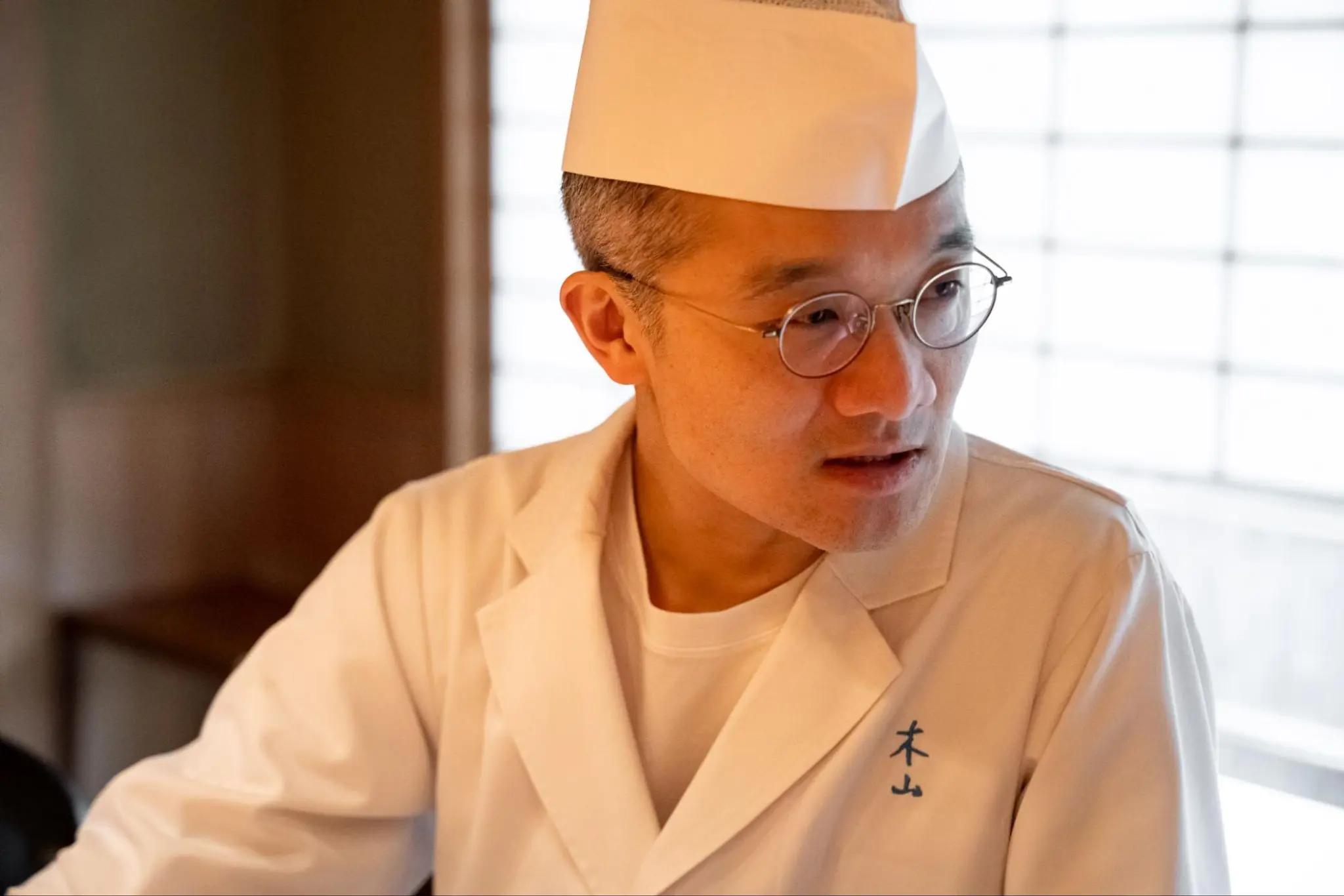
About 15 years ago, the generation above us began to open their own restaurants and establish well-known establishments one after another. Seeing this, our generation, the next generation, also began to open restaurants in their 30s, which gradually became more common. Supported by the flow of the times, I too decided to open my own restaurant. After opening, I received an overwhelming number of media requests, and with weekly interviews continuing, the restaurant’s commitment and approach to cooking became widely known. Many customers who took an interest in our restaurant began to visit. I believe that these events ultimately contributed to the Michelin recognition.
The Michelin recognition was, of course, a great encouragement for me as a chef, but what made me happiest was that my family and staff were genuinely thrilled. It was something I could not have achieved alone, and I was deeply grateful to be able to share this recognition with those who supported me. At the same time, receiving the Michelin star meant that the expectations and responsibilities for the restaurant increased. However, while it is important to meet the expectations of our customers, I believe that the true essence of the restaurant is not defined by the Michelin star but by the attitude of the chef and the way Japanese cuisine is approached. My most important thought is to continue prioritizing the satisfaction of the customers in front of me and, moving forward, to continue engaging with them sincerely.
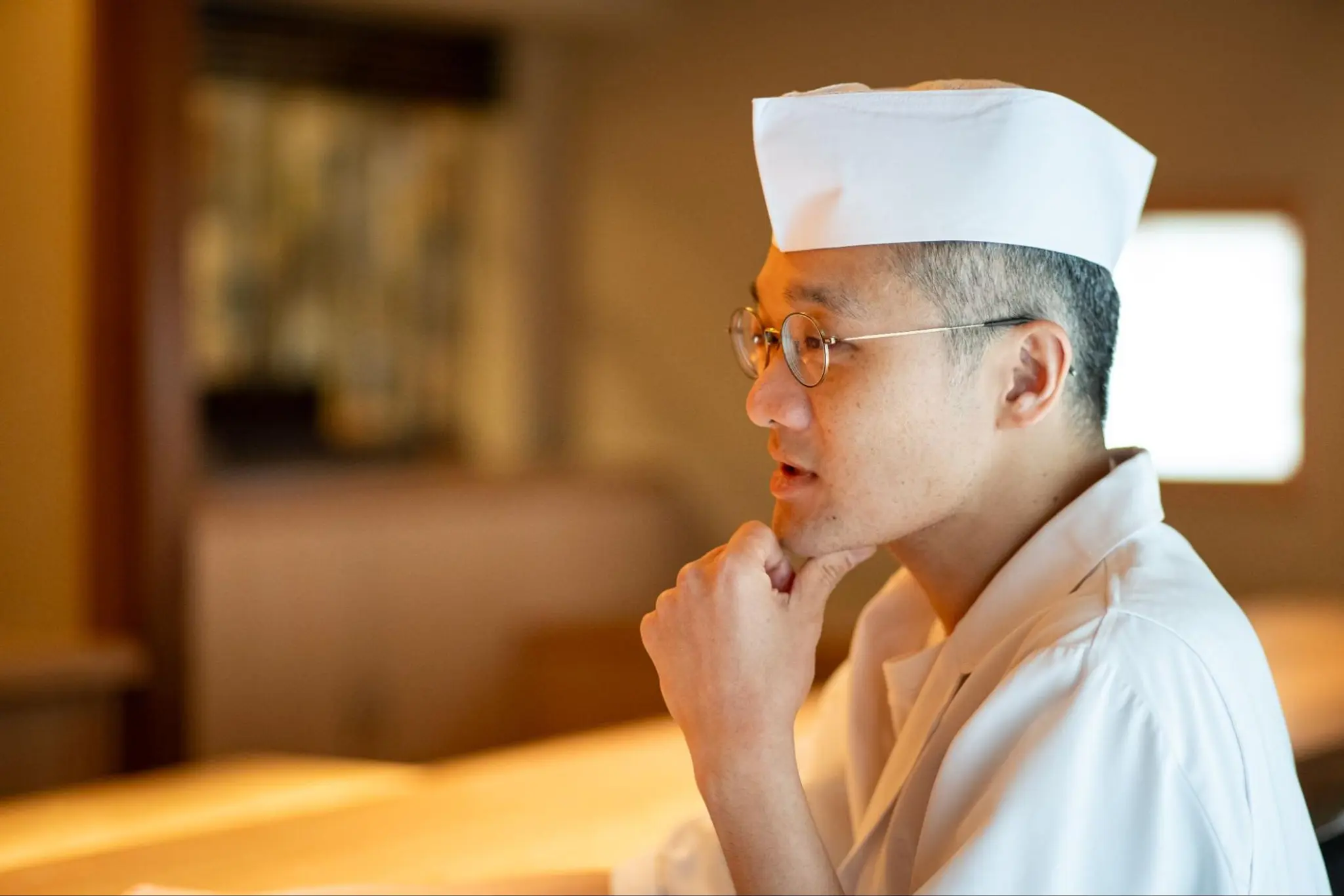
Continuing to deepen my craft in this place... what I can do to further my culinary journey
ーーーHow do you perceive Japanese cuisine?
As I mentioned earlier, I believe that Japanese cuisine is not just food, but a culture. It incorporates various elements such as hanging scrolls, decorations, flowers, and ikebana, all of which are interconnected with the culture of the tea ceremony. As Japanese chefs, we believe that continuously learning about culture is essential to offering authentic Japanese cuisine. This learning is something that continues throughout our lives, and it requires a comprehensive understanding of Japanese culture, including tea ceremony, ikebana, calligraphy, traditional art, as well as Noh, Kyogen, and Kabuki. Moreover, by deepening customers' understanding of Japanese culture, I believe that they can enjoy Japanese cuisine even more profoundly. For example, by learning the meanings and history behind the designs on the lid of a soup bowl or the hanging scrolls, customers can enjoy not just the food itself, but the entire culture surrounding Japanese cuisine.
ーーーWhat are your future aspirations and challenges you'd like to take on?
My dream is to "spend my life cooking in this place, with this water." Since becoming independent, I have continued to offer my dishes in this area of Kyoto, but I have no interest in expanding the restaurant. Instead, my ideal is to provide the best food within my reach, and I value deepening what I do rather than expanding it.
That being said, I do want to focus on creating an environment that nurtures staff within the scope of what is within my reach. The growth of a chef is determined by the accumulation of experience and learning in the field. Therefore, I believe it is necessary to create a system that allows young chefs to acquire more skills. A few years after opening, I expanded the second floor with the purpose of creating a new kitchen space to broaden the positions for staff. It was important to provide a place for the younger chefs to grow.
Additionally, I plan to increase opportunities for visiting production areas. While it is important for chefs to learn in the field, even more crucial is to "understand where the ingredients are born" in order to deepen the understanding of cooking. By directly experiencing how ingredients are grown and the intentions of the producers, it becomes clearer how the ingredients should be handled. Therefore, I plan to visit production areas with my staff and increase our learning opportunities in the future.
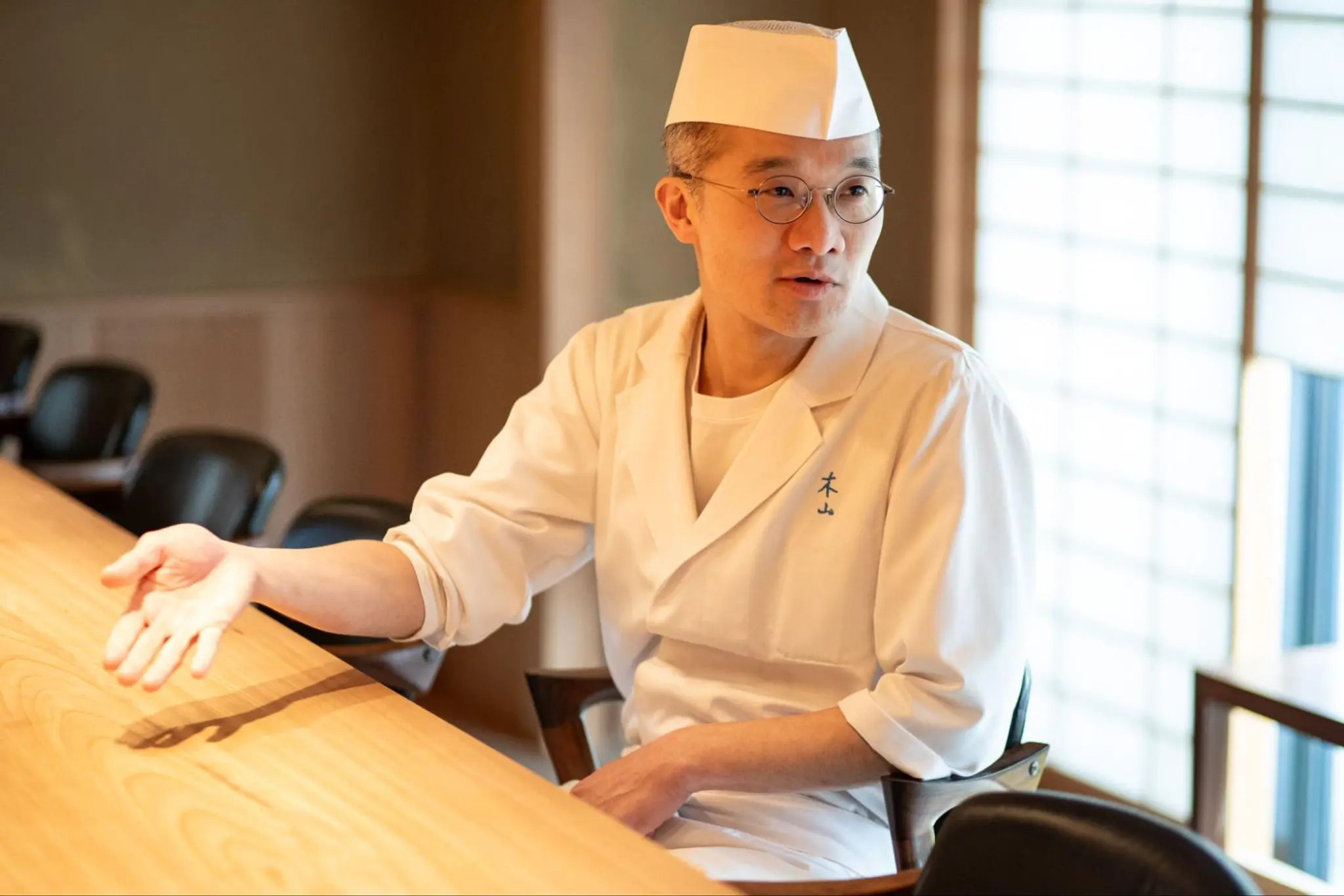
ーーーFinally, what does "delicious" mean to you, Chef Kiyama?
"Delicious" is not simply about good taste. Rather, I believe the essence of deliciousness lies in how the chef's heart is conveyed. Cooking is not just about eating; it is the thoughts and efforts put into it that make it resonate with the heart. For example, when a young chef strives to improve their knife skills, even just a little bit more than yesterday. The dishes that result from this accumulated effort naturally carry those feelings and are conveyed to the customer. Moreover, the moment a customer feels "delicious" is not only about the dish itself. I believe that by conveying the culture and history behind the dish, as well as the chef's dedication, a deeper sense of emotion can be experienced.
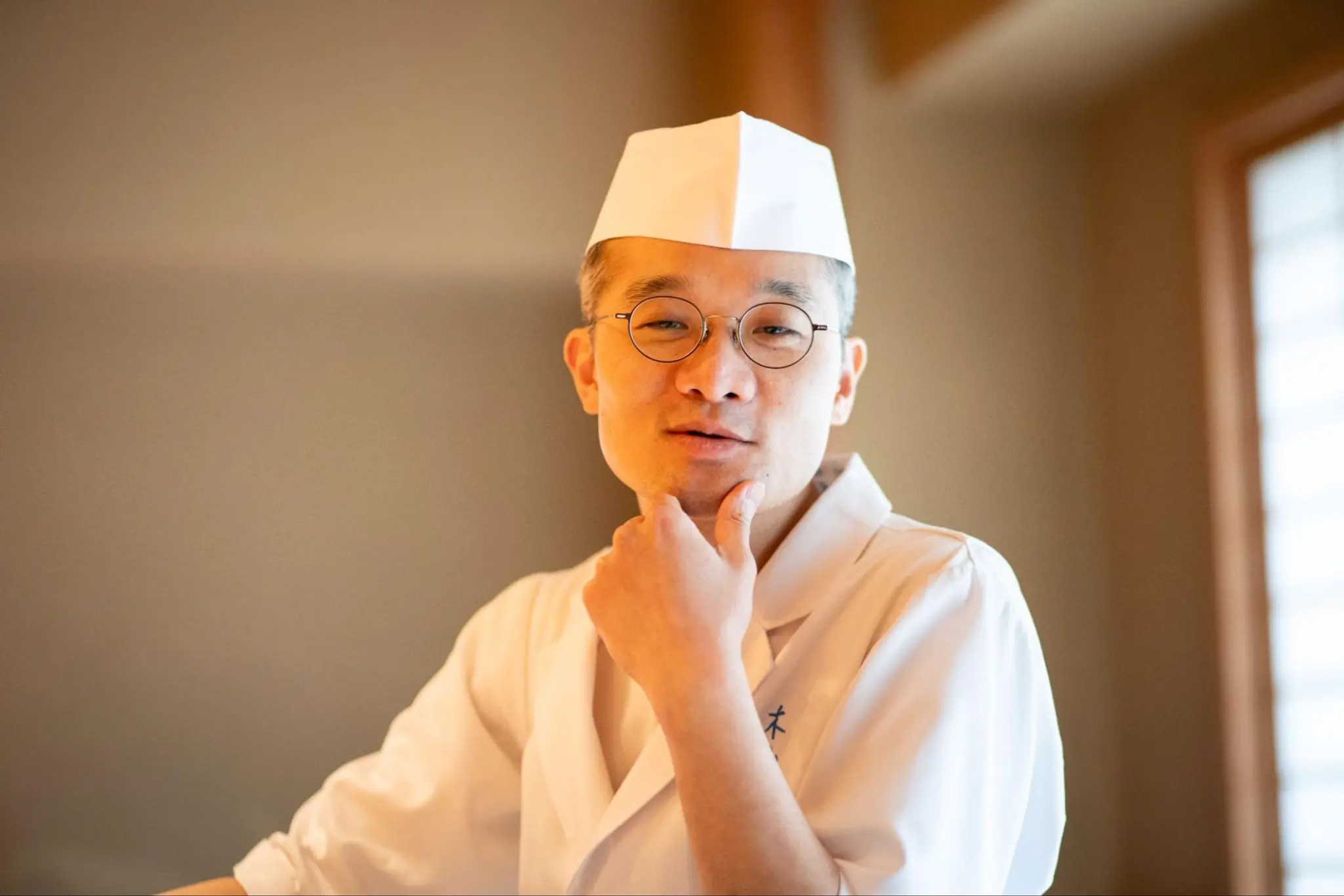
"What is delicious?" It is not the chef who decides that, but the person eating the food. However, as a chef, it is important to put your heart into your cooking and pay attention to the details. By valuing these two things, something that can surely be conveyed to the customer will be created. That, I believe, is the "deliciousness" that I, as a chef, should create. That is why, when providing Japanese cuisine, I am conscious of the importance of culture. Every element that enhances Japanese cuisine enriches the dining experience along with the flavor of the dish. I believe that through Japanese cuisine, we can preserve Japan's historic culture and convey its value, which ultimately leads to the "deliciousness" of Japanese cuisine.
Chef Yoshiro Kiyama, a chef who continues to challenge the preservation of food culture as a lover of Japanese cuisine, provides valuable moments for his guests to engage with food in a tranquil and beautifully arranged setting. The dishes, which maximize the potential of the ingredients, reflect Chef Kiyama's unwavering beliefs and spirit as a Japanese chef, and the thoughts embedded in each dish are clearly conveyed. Chef Kiyama, who speaks of the importance of maintaining the proper attitude as a chef and the essence of Japanese cuisine, shows no hesitation in his gaze. As I reflect on his pursuit of the "essence" of Japanese cuisine, I am reminded of its profound beauty. I am certain that 【Kiyama】 is a must-visit gem that represents the best of Japan’s culinary heritage.
Interviews and Writing / Food Analyst Ai (Maiko Tanahashi)
Photography / Masato Suzuki
Restaurant Information
- AutoReserve Magazine
- Japan’s world-renowned flagship restaurant
- The Art of a Dish Woven by Water and Dashi! The Essence of Japanese Cuisine Pursued by Chef Yoshiro Kiyama of 【Kiyama】