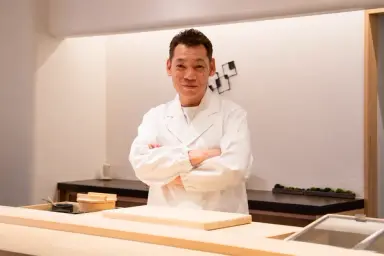
Enjoy the Hidden Flavors of Quality Ingredients: Diverse Prosciutto Creations at 【nacol】 in Asakusa
Pairing Exquisite Prosciutto with Natural Wine
―――How has the response been since opening six months ago?
I believe we’ve made a great start. Before Asakusa, I spent six years in Shimbashi and four and a half years in Kamata. Last month, we welcomed as many as 520 customers, including regulars from my previous restaurants and new guests who love prosciutto and wine. About half of them were repeat customers, with around 30 having already visited three times. I’m truly grateful for that.
―――What makes your restaurant unique?
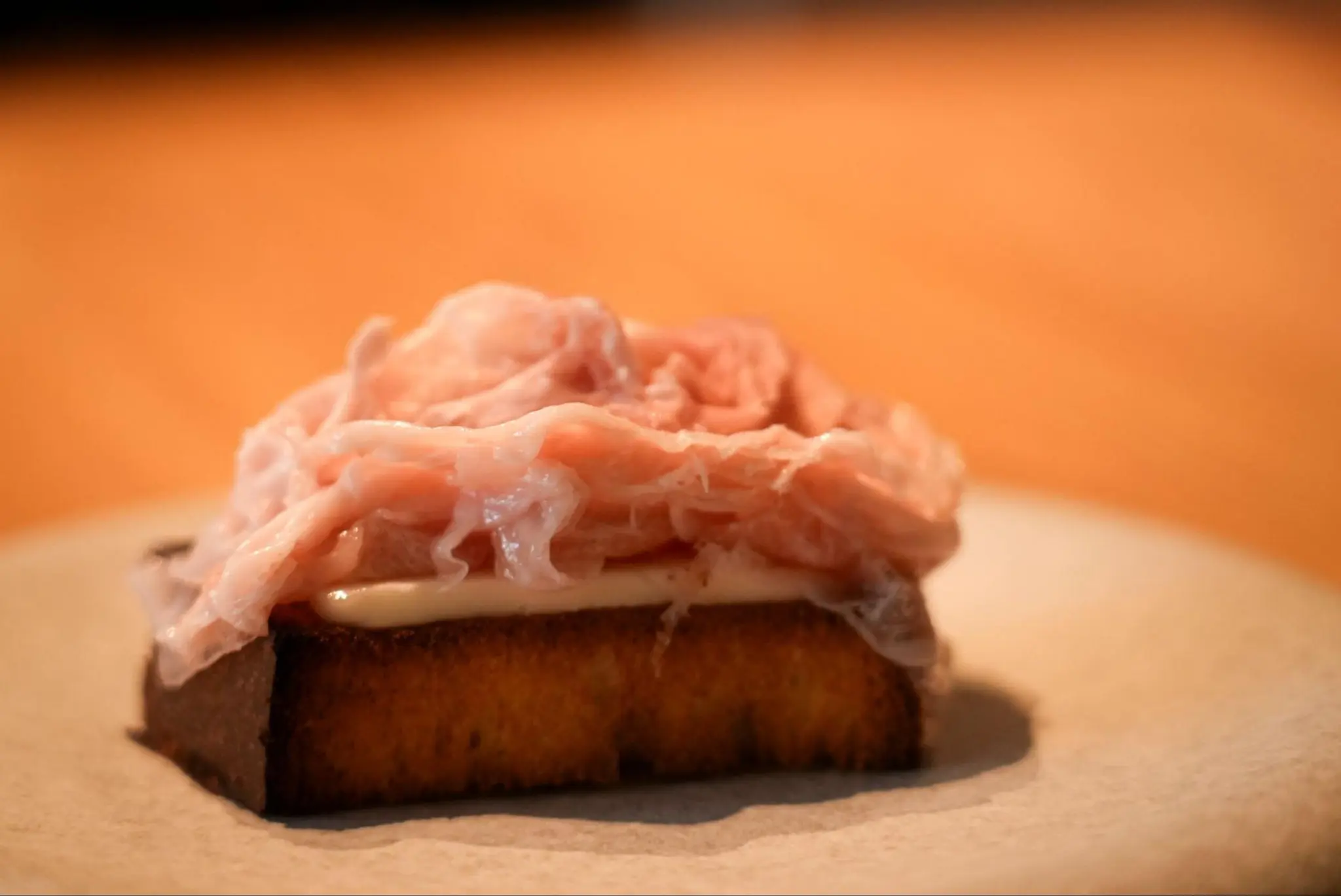
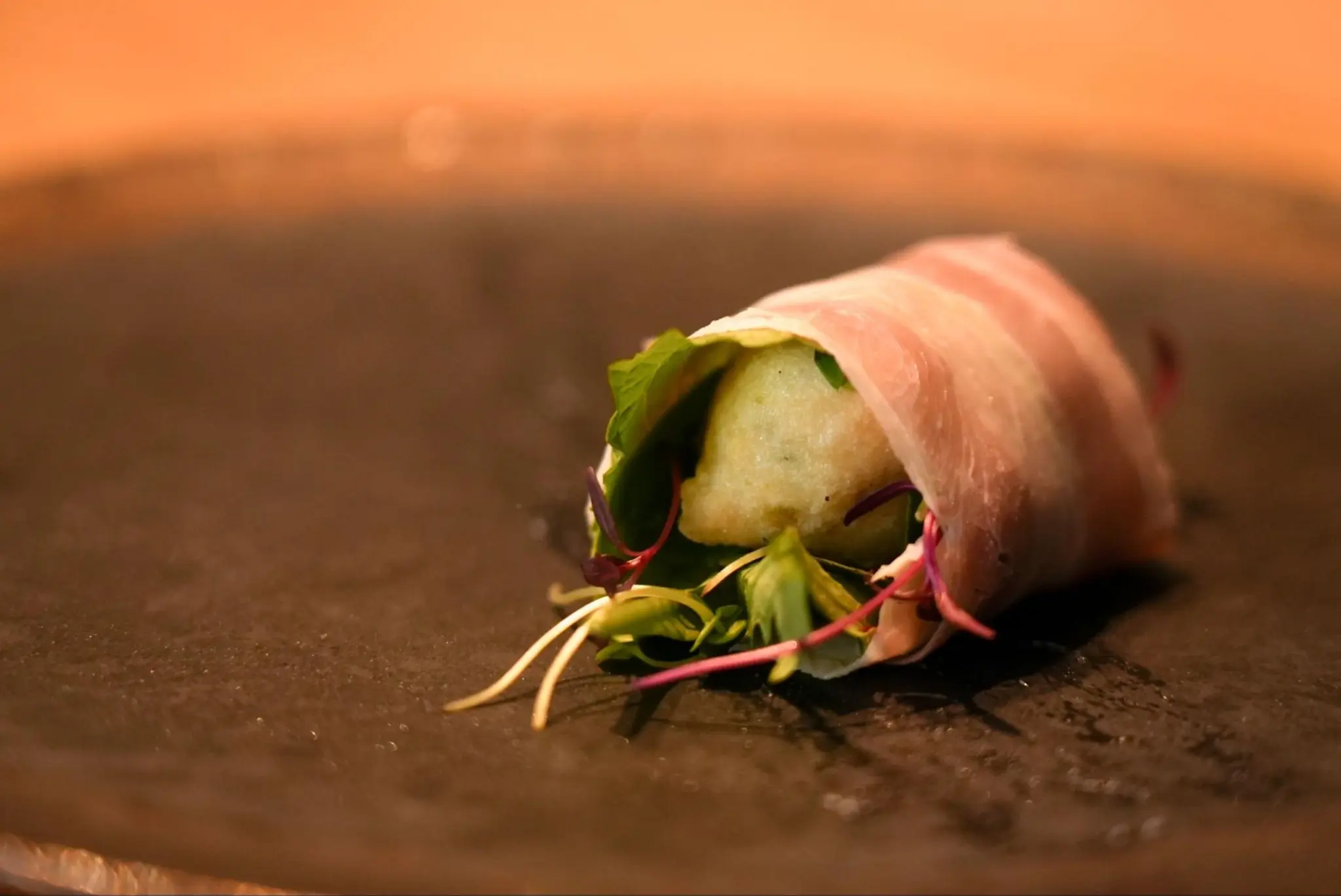
We offer a course menu and à la carte dishes that combine Italian cuisine with elements of Japanese flavors, primarily featuring natural wines from Italy. Our prosciutto selection includes 24-month aged French Jambon d'Auvergne, 14-month aged Jambon de l'Ardèche, and 36-month aged Spanish Jamón Ibérico de Bellota, with prosciutto being used in about 60% of our course dishes.
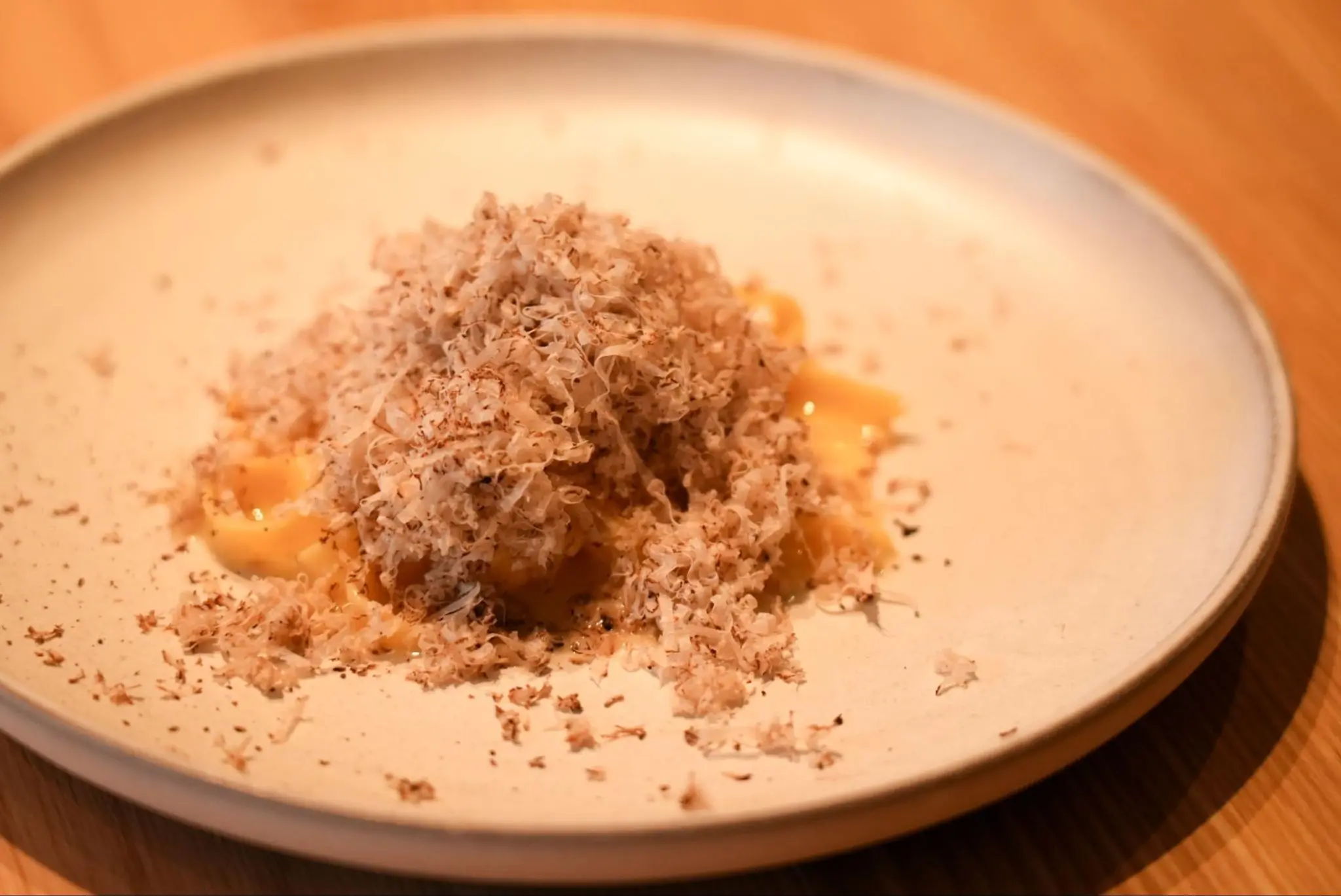
We prepare several plates that highlight the saltiness, fat, and umami, paired with seasonal ingredients, along with homemade hand-pulled pasta, bread, soup, and dessert, making for a total of 9 to 10 dishes. It's enjoyable to create a new menu each month, ensuring our customers can experience a variety of textures and surprises.
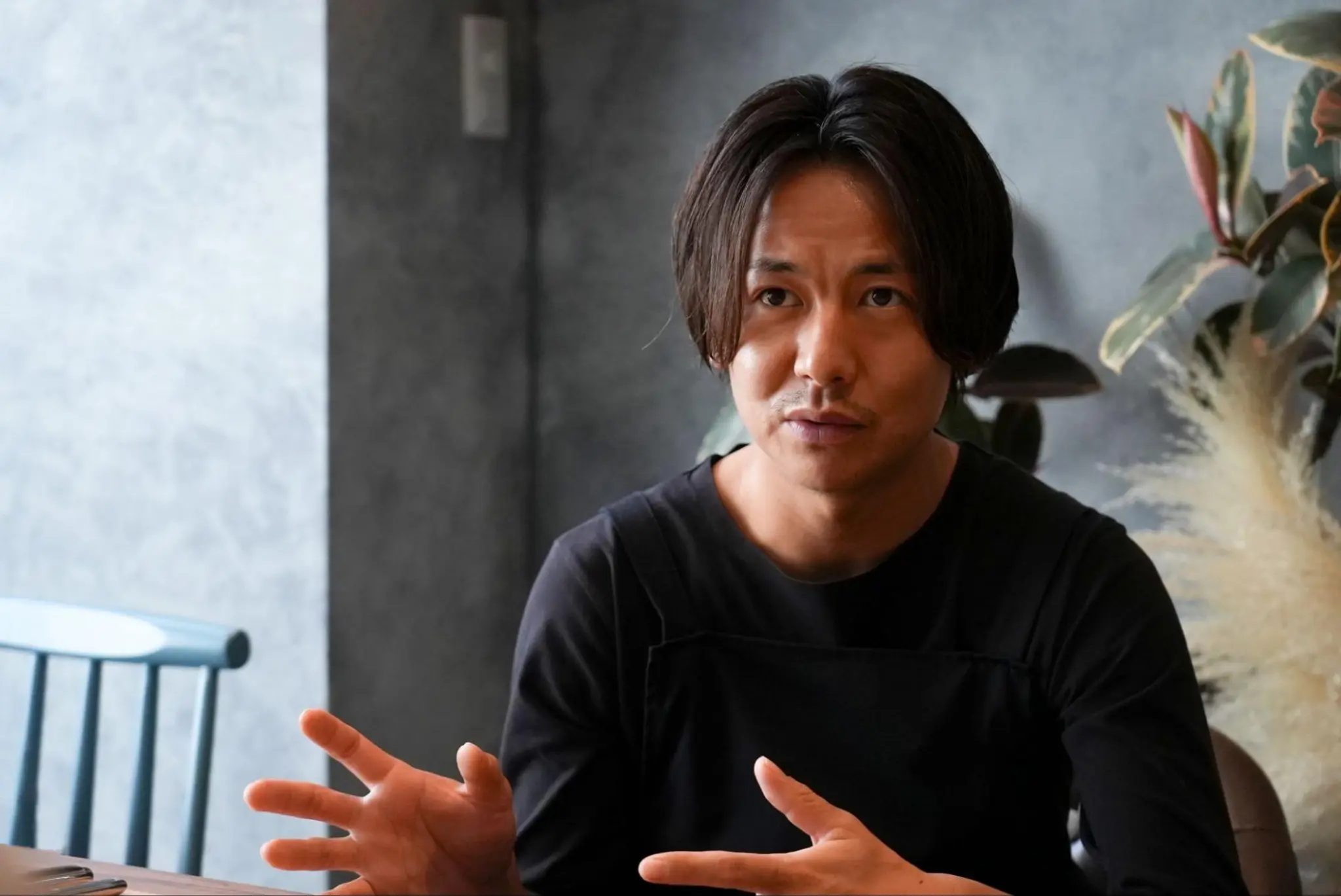
―――When you think of prosciutto, you typically imagine it as a side dish or appetizer, but it is surprising to know that it can also be the star of a course meal.
That's right. At our restaurant, we have a fixed course menu that features thick-cut brioche topped with prosciutto and fermented butter, as well as a dish where prosciutto is wrapped in rice. It's delicious when paired with fruits and vegetables, and it also works wonderfully with seafood.
―――What kind of drinks do you pair with prosciutto?
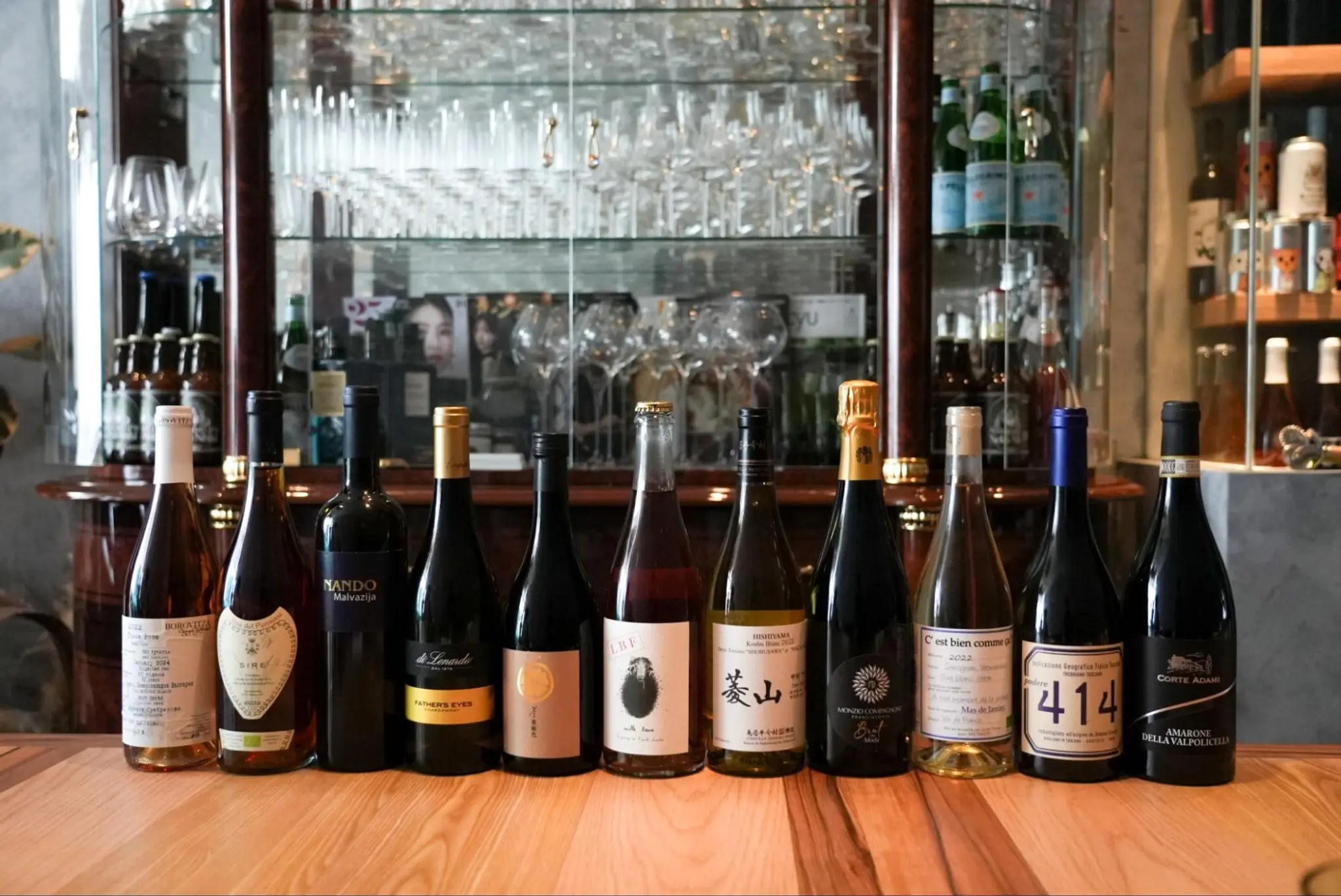
We offer a selection of drinks centered around Italian wines, as well as wines from France and Japan. We also have some unique options like Bulgarian wine and craft beer. Many natural wine producers base their offerings on this year's harvest rather than aiming for a specific flavor from the start, so you can really see their personality and philosophy reflected in the wine. This is also similar to how prosciutto is made.
As I hold a sommelier certification, I select wines that pair well with the dishes or, conversely, create dishes that highlight unique wines. Since natural wines are produced in limited quantities, our lineup can change frequently. I want to cherish the pairings that emerge from letting nature take its course.
Encounter in Modena: Redefining the Concept of Prosciutto
―――When did you first discover the appeal of cured ham?
When I was 20 years old I spent a year and a half training in Modena, northern Italy, and my perception of prosciutto changed dramatically. To be honest, until then, I only thought of prosciutto as an appetizer served with cheese or tomatoes, but in Italy, it’s a familiar ingredient found everywhere in the city. Supermarkets have sections called salumeria that sell prosciutto and salami, where you can buy them freshly sliced. In panini shops, you can choose your favorite prosciutto, and they generously stuff it into the sandwich. I was shocked by how the differences in ingredients, as well as the cuts and techniques used, could change the flavor and create a texture that melts in your mouth.
At that time in Japan, there were few restaurants that featured prosciutto as the main ingredient, and I had an intuitive desire to open a place that offered lesser-known regional dishes and wines!
―――What do you prioritize when sourcing prosciutto?
Choosing reliable prosciutto is essential. I look at the pigs before they become prosciutto. Even if the origin and price are the same, the quality and flavor differ between the front and hind legs. Furthermore, factors such as whether the pigs are fat or lean, what they eat, and the environment in which they were raised are important. Recently, I traveled to France to speak directly with producers, and prior to that, I went to Spain.
While they may not share every detail, you can sense the producer's personality and their passion for making prosciutto. Talking to them directly is invigorating. Recently, a producer I know visited Japan and stopped by the restaurant. I hope to continue keeping in contact with them..
―――I imagine your passion for prosciutto is also coming through to others, right?
At the very least, I think my commitment to the idea that 'not everything is good just because it’s cheap' is being communicated. Opportunities for on-site inspections are limited, so my relationships with importers are also important. I try to choose the best prosciutto from trusted sources.
Decision at 15. Lessons Learned from My Father and Brother
―――What was your background before 【nacol】?
I wanted to work in the culinary field, so I started working right after graduating from junior high school. At that time, I vaguely thought about eventually owning my own business and growing it. My first job was at a company called ‘Shogyo Geijutsu’, where I learned about customer service and cooking in an actual restaurant. After that, I worked at ‘Global Dining’ to gain more practical experience and consciously focused on learning about restaurant operations.
My father is a French chef, and I am the youngest of six siblings. My brothers all started working immediately after graduating from junior high school. My oldest and second oldest brothers had already become independent and started their own businesses. Watching them, I felt a strong desire to start earning my own living as soon as possible.
―――Did you need determination to become a chef and gain experience on the same level as adults?
I didn’t feel any particular determination. It was more about figuring out where to focus in my life. I didn’t want to waste time. While my friends were going to high school, I wanted to work and start a business as soon as possible. I wasn’t particularly passionate about food or had a strong attachment to cooking, but none of my siblings chose the culinary path, so I thought, 'Maybe I’ll go into cooking.' Since my father is a French chef, I thought, 'Why not try Italian cuisine?'
I’m quite shy and not the type to easily build relationships, so rather than attending culinary school or training at a famous restaurant, I considered that I could grow by learning at a company that was exploring various forms of business in the food industry. I feel like I’ve lived my life making my own choices.
Determination and Loneliness from Becoming a Business Owner
―――Was there a particular trigger for your independence?
After returning from Italy, I spent about eight months involved in the launch of an Italian restaurant.
From there, my desire to do something on my own gradually grew. I became independent at the age of 22.
I found a good property in Shimbashi and invested all of my personal savings of 3 million yen, along with a loan of 6 million yen from the bank, totaling 9 million yen in startup costs. On the day of the opening, I had only 150,000 yen left in my bank account (laughs). It was at a level where 'if I went into the red in the first month, it would be bad! I'd be out of business immediately', but I went with the momentum of my youth, and in hindsight, it was a reckless gamble.
However, the location in Shimbashi was good, and the pricing strategy matched the trends of the time. Fortunately, we continued to be profitable from the first month, and at the right moment, we expanded and relocated to Kamata.
―――Do you feel that you've gained confidence from your experience?
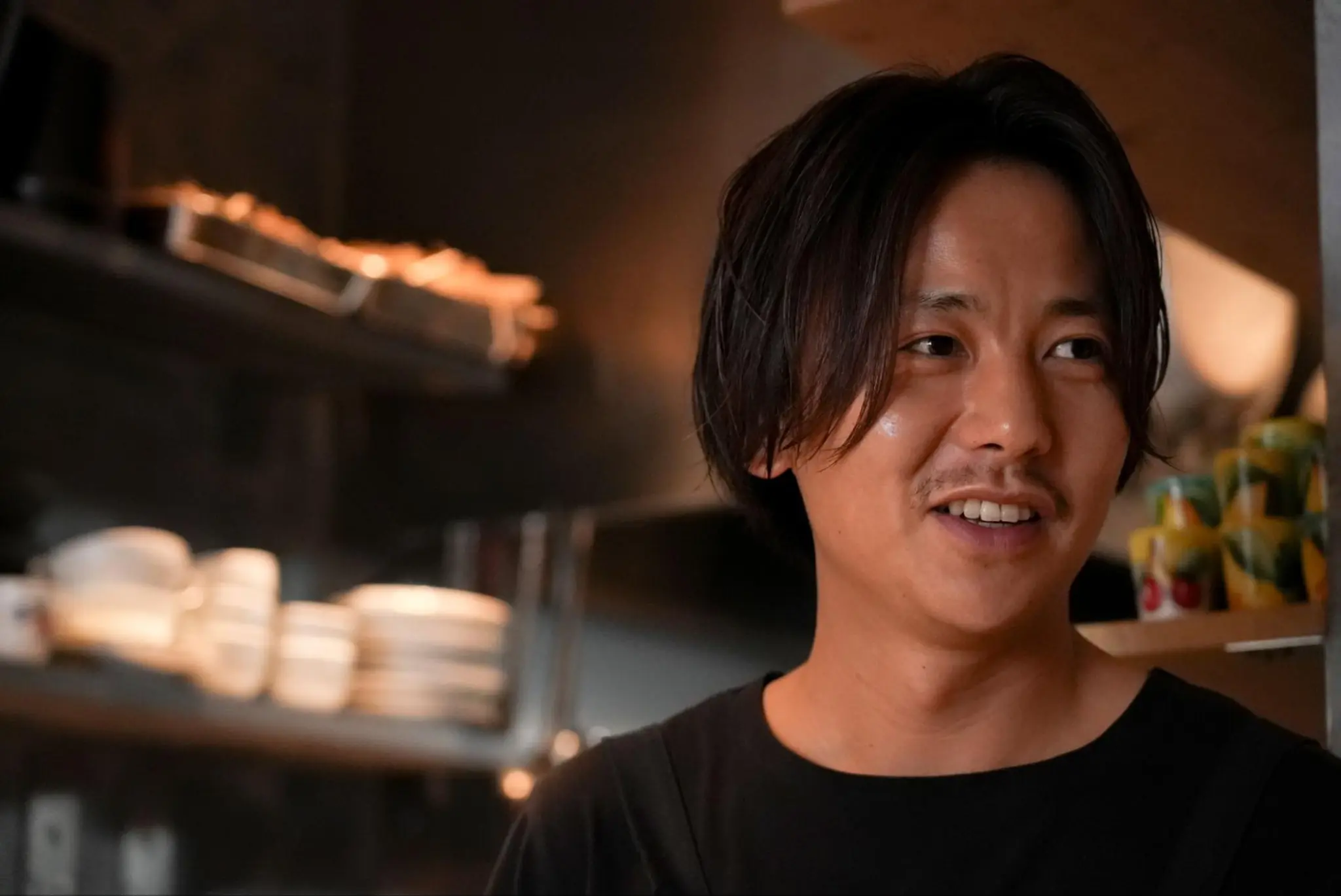
I’m not sure if I would call it confidence, but I’ve come to understand the intuitive sense of what leads to failure and what is likely to be okay. There are feelings and perspectives that you only gain once you become a business owner, hire employees, and take on responsibilities like sourcing ingredients and paying expenses. Nothing starts until you take that first step, and nothing ends either. You decide the acceleration and the speed. You bear all the responsibility. You no longer get praised or scolded. It can be lonely, but I believe my mental strength has been strengthened. With experience, I think I've become much tougher.
―――Do you ever feel doubt or unsure about your judgment and standards?
I do feel unsure. However, I don't often feel doubt. I’m a person who relies on intuition, so I trust my instincts and take action quickly. My ability to act is quite strong. If I fail, I don’t dwell on it too much; once it’s done, it’s done.
How the COVID-19 Pandemic Transformed Quality Expectations in Food
―――What has been your biggest struggle so far?
The biggest challenge has definitely been COVID-19. At that time, our Kamata location had around 30 seats and a large number of employees. It was mentally tough to continue operating under strict constraints regarding time and staff, in addition to managing payroll.
―――Has your management policy changed after the pandemic?
It has changed significantly. My emphasis on quality over quantity has become even stronger. After experiencing the pandemic, I feel a renewed joy in being able to operate without restrictions, and I've noticed that customers are increasingly valuing who they dine with, where they eat, and what they eat. That’s why I want to be a place that can provide 'an unforgettable dining experience in each meal'.
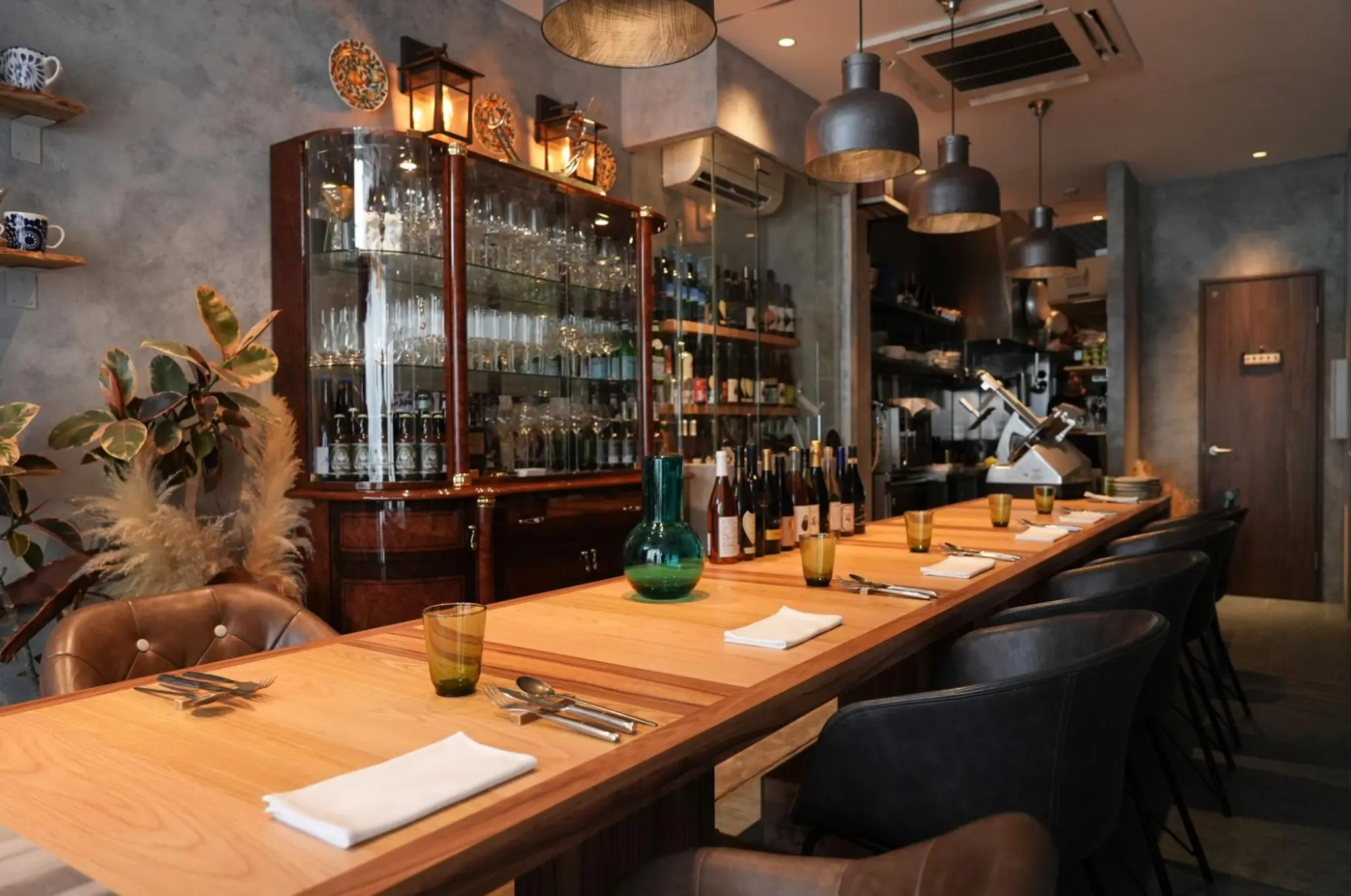
We have a maximum of 8 seats at the counter. I value the distance that allows for enjoyable conversations while maintaining eye contact across the counter. There’s a live, immediate feel in being able to serve the high-quality ham I select—from sourcing to slicing—instantly. The current ideal form of 【nacol】, which I created from scratch, includes the interior design as well. I also love this quiet area behind the Asakusa Temple.
―――What does 'delicious' mean to you?
I would say it’s a sense of happiness. Eating delicious food can instantly brighten one’s mood. For some, it fills them with a warm and fuzzy feeling. I want to pursue that kind of 'deliciousness'.
――― Is there anything you want to challenge yourself with in the future?
I aim to achieve a Michelin one-star rating. Since there are many Italian restaurants, I think the competition is tough, and I know I still have areas to improve. But I want to see how far my cooking can go.
Launching a Prosciutto Company in Pursuit of the Ultimate Ham"
―――What are your future plans?
I named the restaurant 【nacol】 because I wanted it to be a place that feels natural, without exaggeration or pretension, both the food and the wine, as well as myself. The name comes from 'natural,' taking 'na' and 'l,' with 'co' from 'company' in between. I am also formulating plans to start a prosciutto company, experimenting with homemade prosciutto in Yamanashi and Ibaraki.
Moving forward, I want to engage with our customers more thoughtfully and kindly. Just as I experienced, I aim to change customers’ perceptions of ham. I will welcome guests here, valuing my own hospitality.
ーーーFinally, what does "delicious" mean to you?
Perhaps it's a sense of happiness. The feeling of your mood instantly brightening after eating delicious food. For some people, it might be a feeling of warmth or being filled with gentle emotions. I want to pursue that kind of "delicious."
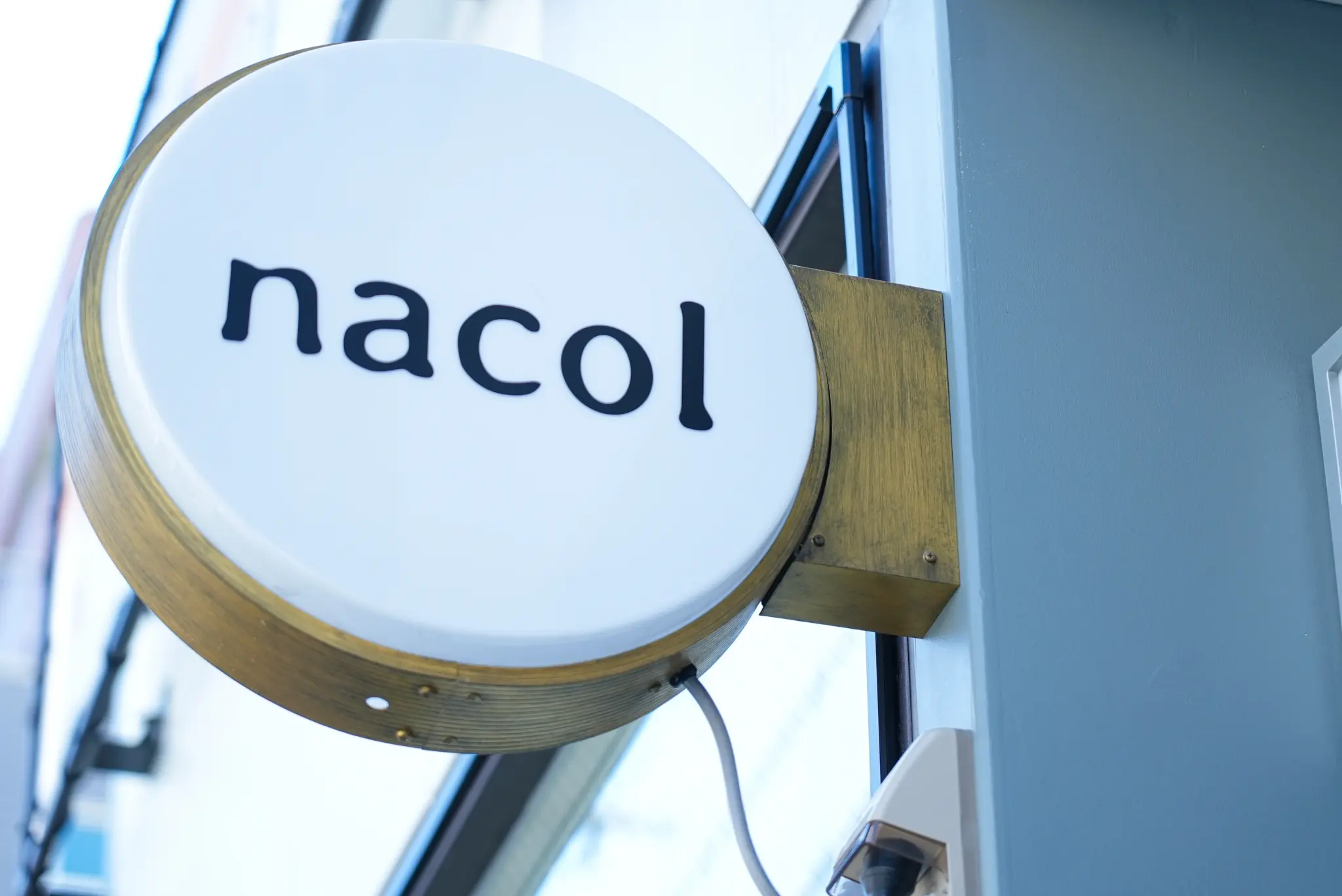
Just a 10-minute walk from the hustle and bustle of the Senso-ji Temple area, opening the door reveals a rich aroma wafting from the kitchen that lifts the spirit, and conversations with Chef. Iegame over the counter flow effortlessly. One can indulge in the warmth and comfort as if invited to a private home while savoring exquisite prosciutto and wild-tasting natural wines.
Interview and text by: Yuri Yanagiya
Photography by: Azusa Nakaoka
Restaurant Information
- AutoReserve Magazine
- The hottest new shop right now
- Enjoy the Hidden Flavors of Quality Ingredients: Diverse Prosciutto Creations at 【nacol】 in Asakusa