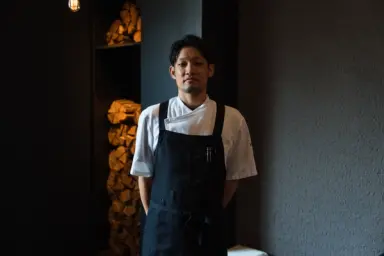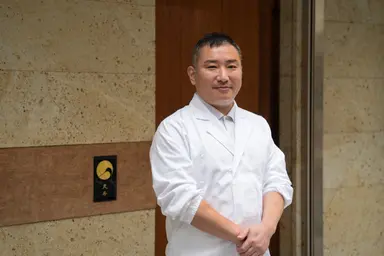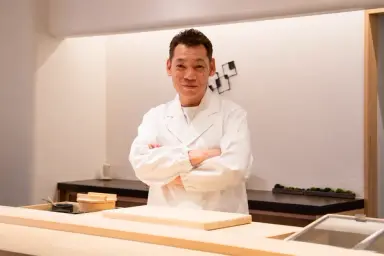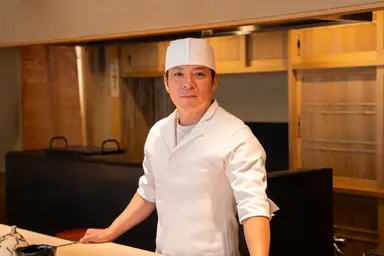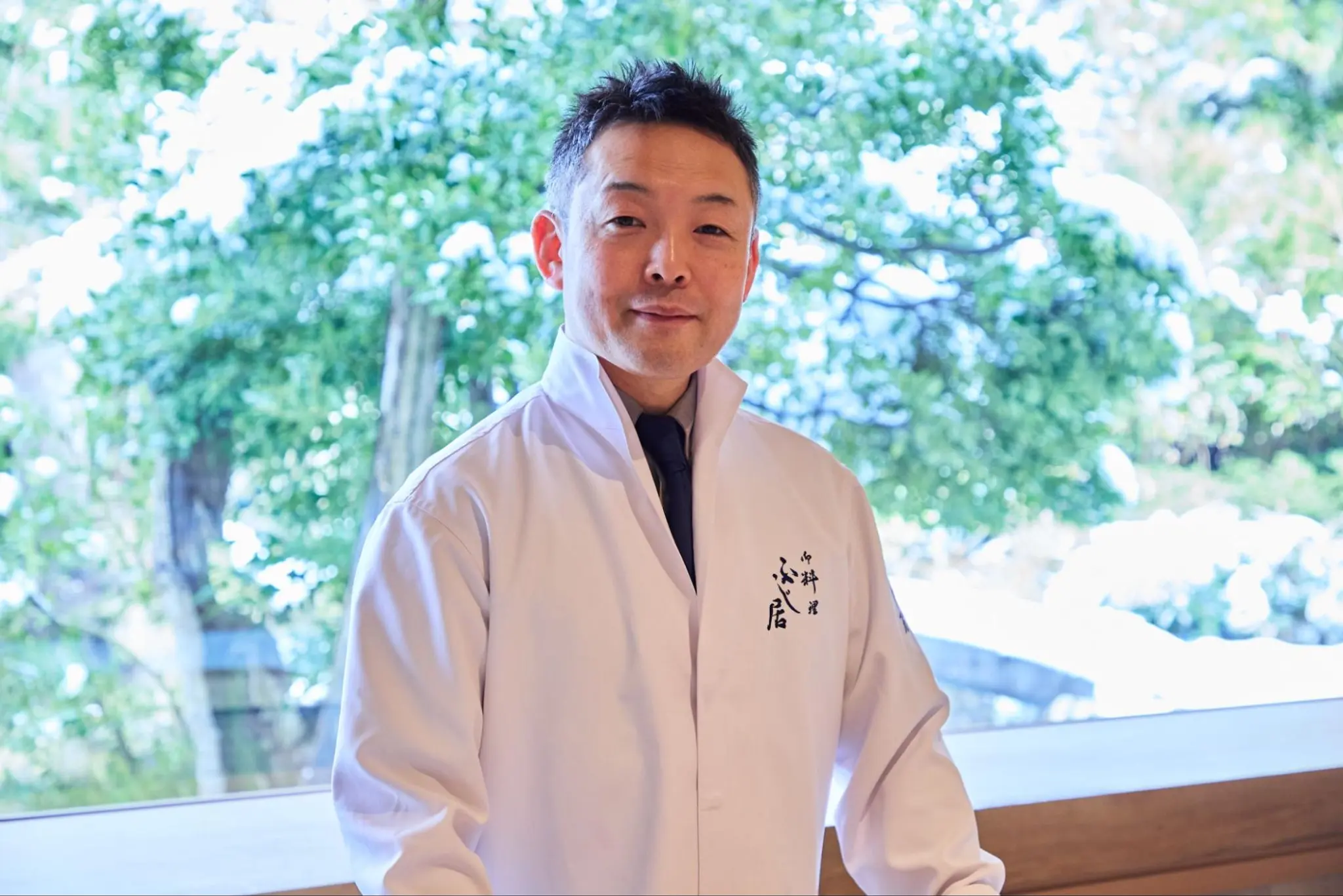
With unwavering love for their hometown, 【Oryori Fujii】transmits the tradition and beauty of Japanese cuisine from Toyama.
Aiming to be a Japanese chef, I trained at prestigious restaurants in Kanazawa and Kyoto
ーーーCould you tell us what inspired you to become a chef?
My father ran a fresh fish shop, and since he worked on weekends, he couldn’t take me out, and I even struggled to find subjects for my summer vacation drawing diaries. There were times when he was so busy with catering orders that he couldn’t come home, and I had to go with my mother to deliver his clothes. As a result, when I was little, I swore I would never become a businessperson. I thought being a company employee who worked regular hours and stayed home on weekends would be ideal. However, when it came time to decide on my career path after high school, I found myself ordering brochures for culinary schools. Since I had been familiar with cooking from a young age, my interest naturally grew. Additionally, during that time, the television show “Iron Chef” was at its peak, and I admired the coolness of Japanese chefs. I also read the manga “Aji Ichimonme,” which was about chefs and ryotei (traditional Japanese restaurants), and I decided to pursue the path of Japanese cuisine. In culinary school, it’s common to experience various genres during the first year before deciding on a final career direction. However, from the beginning, I was set on Japanese cuisine. Rather than learning a broad range of genres, I wanted to take my time and deeply study Japanese cuisine, so I entered the course that trains experts in Japanese cuisine at Tsuji Culinary Institute.
ーーーAfter graduating, you started your training in Kanazawa, correct?
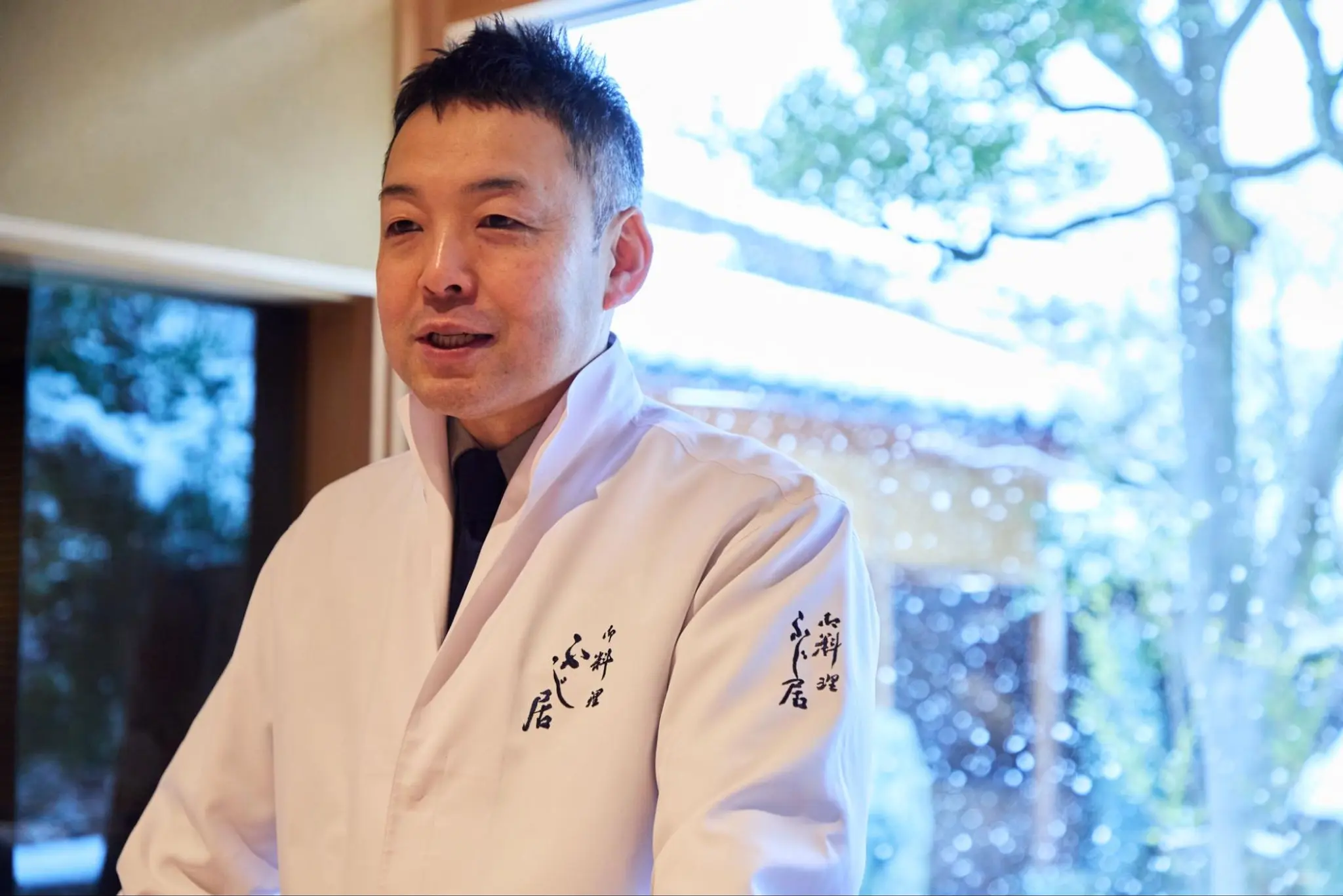
I worked at the ryotei 【Japanese Cuisine Zeniya】 in Kanazawa for five years, living in. Under the head chef, there were positions in charge of simmering, grilling, and other tasks, and the hierarchy was very strict. For the first two years, I was assigned to wash the pots. Gradually, I was entrusted with more responsibilities, and eventually, I was in charge of preparing sashimi.
During the harsh apprenticeship, some of my colleagues left, but I never seriously considered quitting. Instead, my desire to improve my skills and gain knowledge and education to survive in this world was much stronger. In the first two years, aside from washing the pots, there was a lot of cleaning and running errands for the seniors, so I didn’t even have time to think about quitting.
The head chef at 【Japanese Cuisine Zeniya】never cut corners. While being efficient as a professional, he never skipped any steps where it was crucial. Even when there was no time, he made sure not to omit a single step, and I learned that this was the standard. This attitude has influenced how I approach my own cooking today.
ーーーCould you tell us what led to your move to your next training location?
About five years into my training, I realized I still hadn’t developed the necessary skills to survive in this world, so I went to consult with the head chef. The head chef had trained in Kyoto, and he told me that his master was looking for someone in Kyoto at the time. That’s how I ended up training at 【Oryori Mashita】in Kyoto. Having been a former member of the baseball team, I had the habit of shaving my head whenever I wanted to focus, so I decided to shave it again as a way to refocus (laughs). I sent only my bedding ahead and went to Kyoto with just myself.
At my first training location,【Japanese Cuisine Zeniya】, I was thoroughly taught about discipline and the mindset of being a professional. However, at【Oryori Mashita】, I focused more on learning the art of cooking. There were only two senior apprentices besides myself, so the responsibility given to each of us was greater. Additionally, since the restaurant was located on the main street of Gion, Shijo-dori, there was a lot of foot traffic, which helped me develop quick reflexes and adaptability. Thanks to the experience at that time, I learned how to remain calm and handle situations even when a rush of customers came in, and I think gaining experience in such situations was crucial. For the next six years, I was truly nurtured by the head chef at Mashita. The head chef was also someone who never cut corners and maintained the stance of teaching all the knowledge he had learned to his apprentices. At the same time, he was flexible and creative, incorporating dishes like cheese into the seasonal appetizers. I felt that his ability to adapt while preserving tradition was one of the secrets to long-lasting success in the industry.
Learning how to utilize ingredients in local izakayas and ryotei in Toyama, and preparing for independence
ーーーHow did you start to imagine your own independence?
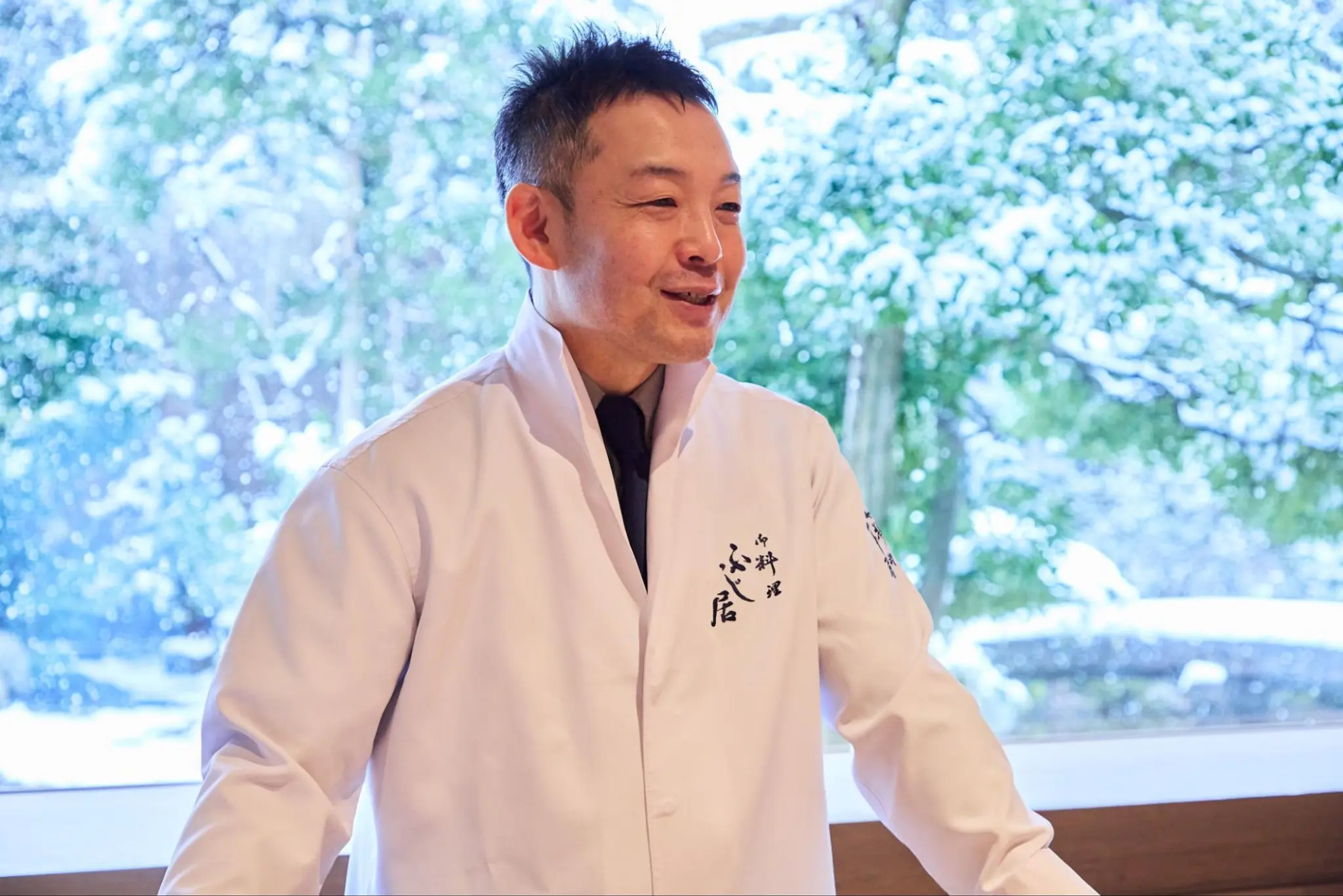
Little by little, I began to have ideas and thoughts about how I would do things if it were my own cooking, and I started imagining having my own restaurant. Honestly, when I consulted with the head chef of Mashita, he told me, “I’ve taught you everything I know,” and he sent me off with his blessings. I am truly grateful to the head chef, and during my last year with him, I worked with the intention of repaying the kindness I had received, passing on everything I had learned to my juniors. Thankfully, I am still in touch with the head chef today. If there is such a thing as a true master, I believe it is important to maintain a close relationship and never forget the gratitude I owe them. I realize that, throughout my growth, I have encountered teachers who have guided and influenced me at every stage.
ーーーCould you tell us about your journey from returning to Toyama to starting your own restaurant?
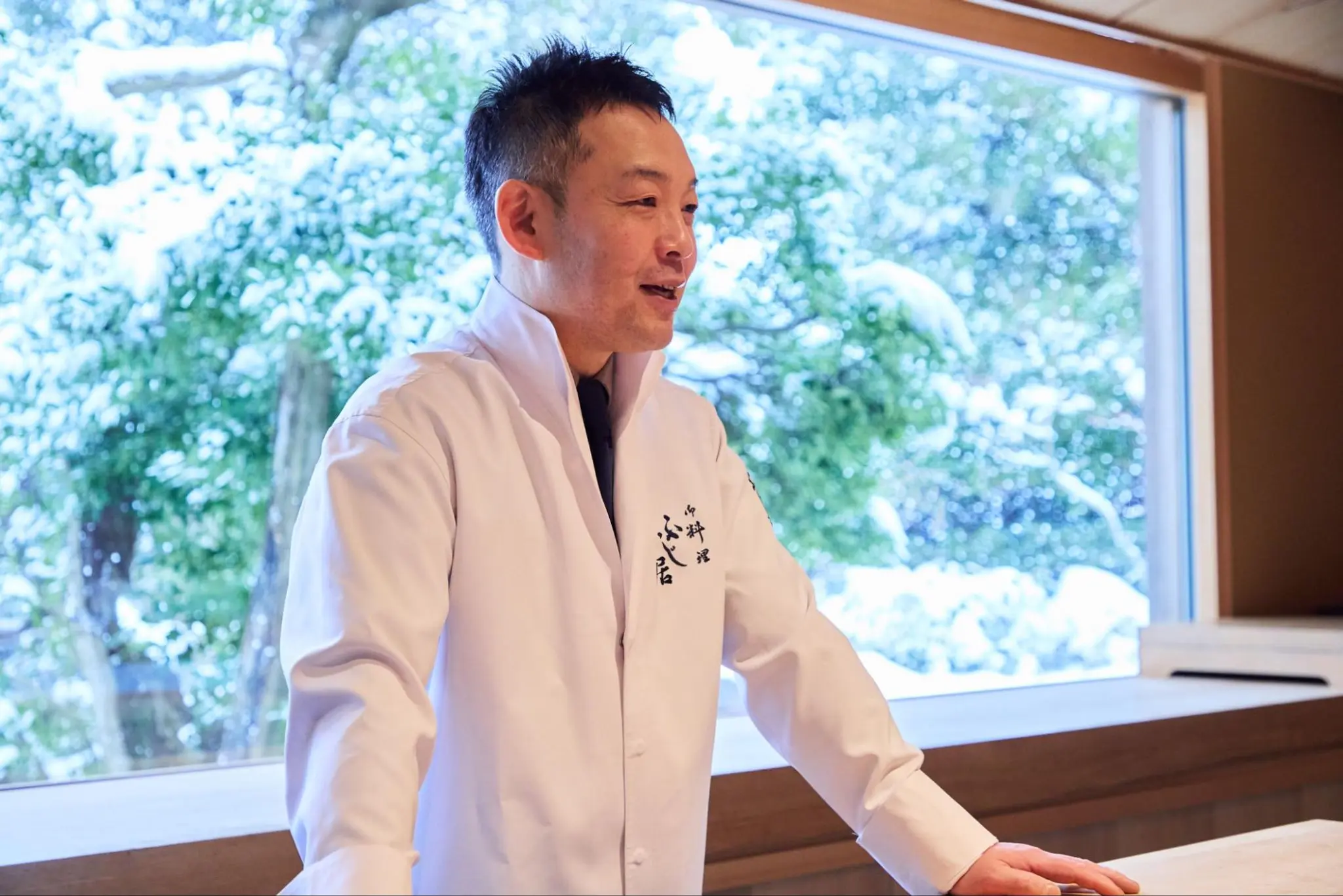
Although I had the desire to open my own restaurant, I was aware that I didn’t truly know Toyama since I had been away since high school, and I lacked confidence. So, I decided to work at a local restaurant to better understand Toyama and experience it firsthand, and I worked at an izakaya for about six months. During that time, I realized that many of the things I thought I could do, based on my experience in a ryotei, didn’t apply in an izakaya, and I found that my approach needed to change drastically. For example, in a ryotei, I would fillet a mackerel into three pieces, finely chop the entrails, and grill it while drizzling soy sauce over it – a more intricate cooking method. But when I was asked to grill a whole mackerel on a skewer at the izakaya, I couldn’t do it. I was even asked, “Did you really train in Kyoto?” and I had many frustrating experiences. However, I completely put my pride aside, and I desperately clung to the situation, learning many things. One of the most valuable discoveries was how local ingredients were used with flexible thinking in the izakaya. For example, the bay shell used for sashimi in Japanese cuisine, where the shell is soft and the flesh is used as sashimi after being pounded, was used differently at the izakaya. Instead of discarding the shell, they creatively used it as a decoration for the platter.
ーーーAfter that, you worked at a ryotei in Toyama, correct?
While working at the izakaya, I met the owner of 【Ebitei Bekkan】, a ryotei in Toyama. Through our conversations, I reaffirmed that my path was in Japanese cuisine and the ryotei industry. The owner, who had taken over the business from the previous generation, wanted to renew the restaurant by doing things that had never been done before. He appreciated my experience in Kyoto and Kanazawa and invited me to join him. Since I had returned to my hometown with the intention of eventually becoming independent, I honestly told him that I might not be able to stay long, but he told me, "It’s fine, only someone serious about it would feel that way," and I ended up working at 【Ebitei Bekkan】.
The owner wanted to see my skills in authentic Japanese cuisine, so I showed him everything I had learned without holding back. I blended what the owner had done in the past with what I had learned, creating dishes that combined both styles. Additionally, having been trained in making Japanese sweets in Kyoto, I shared my knowledge of monthly Japanese sweets preparation as well.
As I aimed for independence, the owner told me, "It’s fine to simulate running your own restaurant here," allowing me to cook while also considering aspects like cost calculation and business management. Until then, I had only pursued creating delicious food, so this experience was incredibly valuable. Outside of work, I spent time reading books on starting a business, listening to various senior colleagues, and visiting banks to make preparations. After three years at 【Ebitei Bekkan】, I opened my own restaurant in 2011.
After struggling for eight years as a business owner, moving to Iwase Town with its preserved old townscape
ーーーHow has it been since you opened your restaurant?
At first, I opened my restaurant in a location just about one taxi meter away from Toyama Station. That property was the best I could afford at the time, with a counter seating six, two tables, and a small tatami seating area. Since I had only focused on cooking up until then, I gradually started learning about other aspects like payment methods. There were times when customers didn’t come, but after being featured in a local free newspaper, more people started to know about us, and we began to receive more visitors. However, the more I focused on perfecting the food, the more difficult it became to make the business profitable. Since I was also offering à la carte dishes, managing the restaurant became a daily struggle, and I was constantly running around trying to keep things afloat.
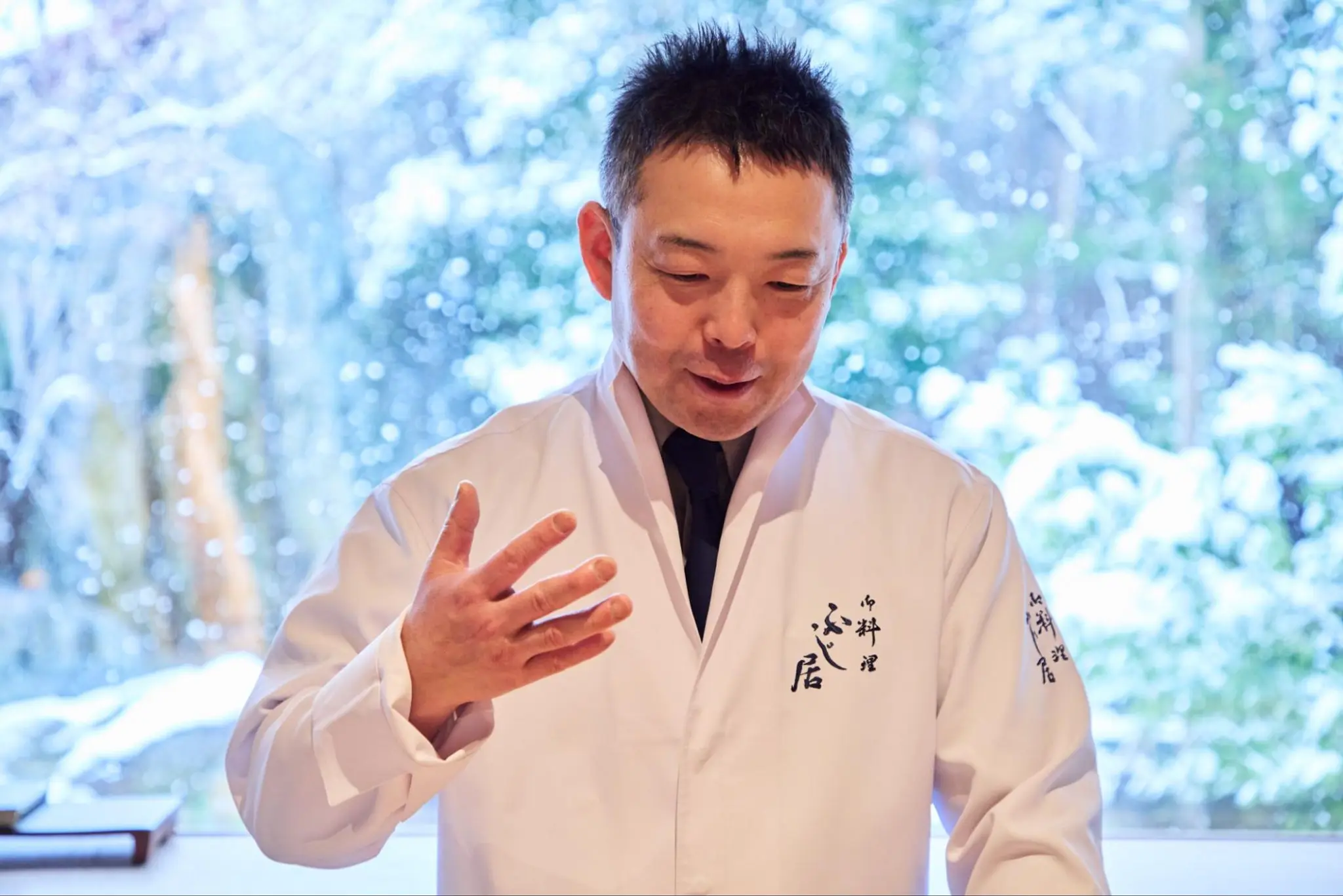
ーーーWhat prompted the move to the current location in Iwase Town?
At the time, the owner of the sake brewery Masuzen was a frequent customer of ours. He had been telling me for a while that Iwase Town, where the sake brewery is located, used to be a lively place that thrived with the Kitamaebune (cargo ships) trade but had become somewhat quiet. He expressed a desire to revitalize the area and asked if I would consider moving there. With his belief that good food attracts people, there were already several restaurant owners gathering in Iwase Town, including soba shops, Italian, and French restaurants.
At first, I declined the offer. However, after eight years of running my business, I felt that I had done all I could at that point. At that time, I was invited again, and I decided to move. The building we currently use was originally the home of someone who made a fortune through the Kitamaebune trade. While preserving the atmosphere of the garden from that time, the building was not in a state that could be used directly as a restaurant, so we decided to rebuild it. I was involved in the planning from the design stage as we worked through the concept together.
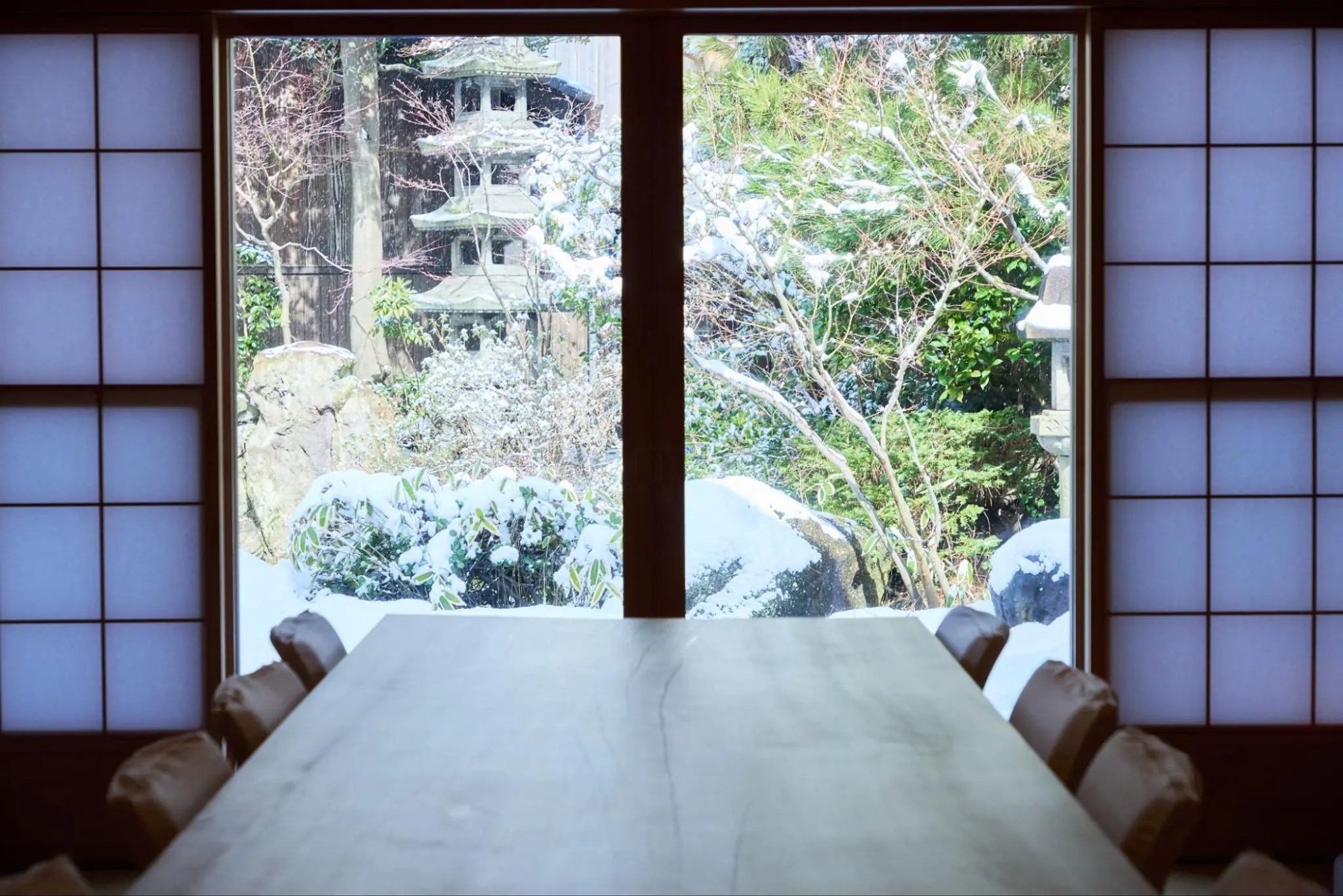
ーーーIs there anything you are particularly conscious of when creating the space?
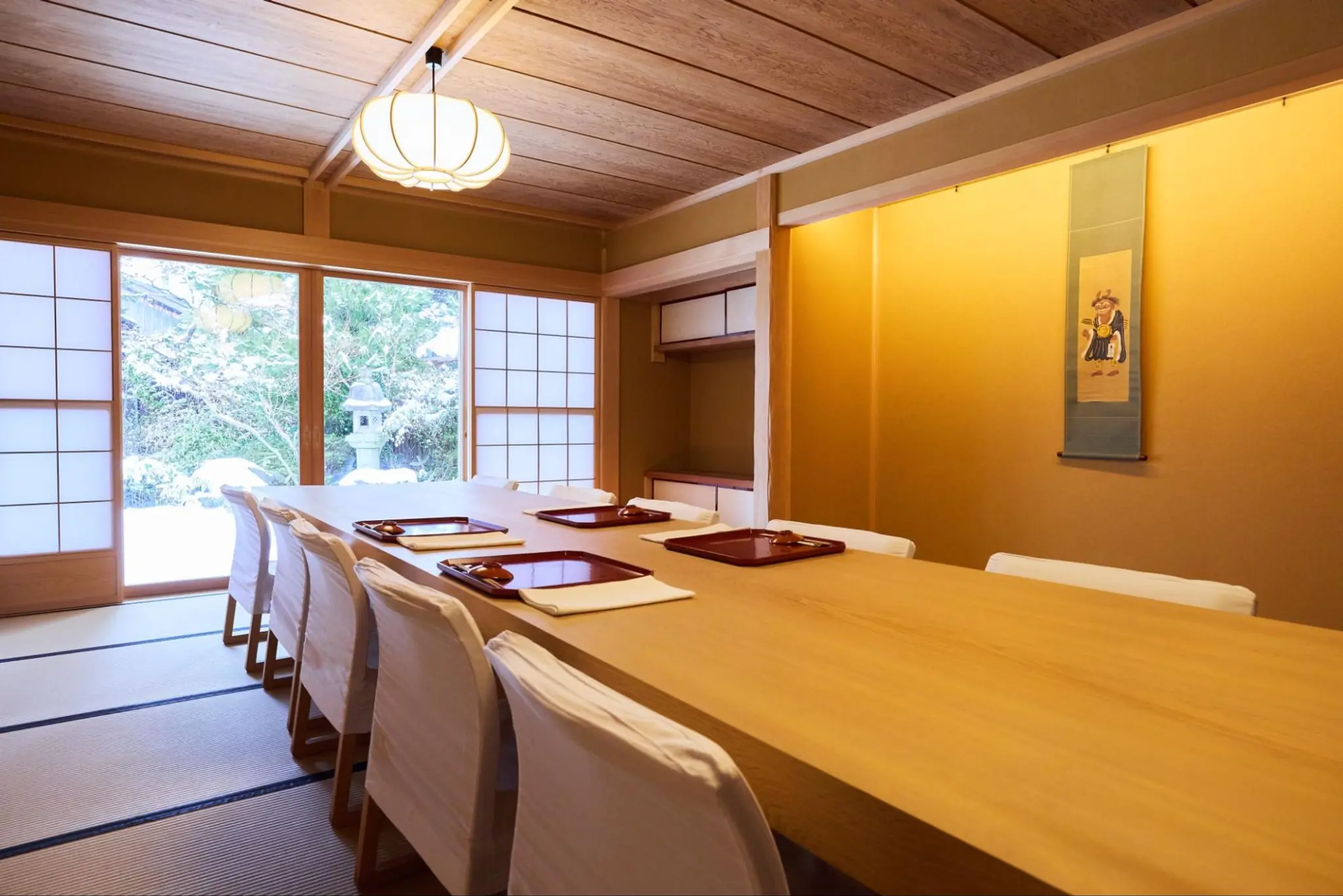
I focus on creating a space where guests can feel the essence of Japanese culture. Recently, many Japanese restaurants have a modern atmosphere, but I believe that for a Japanese restaurant, tatami mats are essential. I aim to create a space that reflects the traditional Japanese house in a positive way. By setting up a tokonoma (alcove) in the tatami room and displaying seasonal flowers and a hanging scroll, it enhances the hospitality for our guests. Initially, I thought about using low tables for seating, but after considering the comfort of our customers, I opted for tables and chairs as well as a counter with a sunken hearth. Additionally, since guests remove their shoes at the entrance, it helps them mentally transition from the outside world, making it easier to shift into the atmosphere of the restaurant.
ーーーHow did you get the restaurant on track after moving?
At first, with the desire to let as many people as possible know about us, I started with a slightly more affordable price range. From there, I began offering dishes that aligned with my ideals at a higher price range, which allowed us to attract customers from outside the prefecture who were seeking delicious food. With rising food prices and changes in the global situation, there were challenges that couldn’t be overcome through self-effort alone. Although we gradually raised our prices, our customers accepted it with the understanding that "it’s worth it at Oryori Fujii," and I was truly grateful for that.
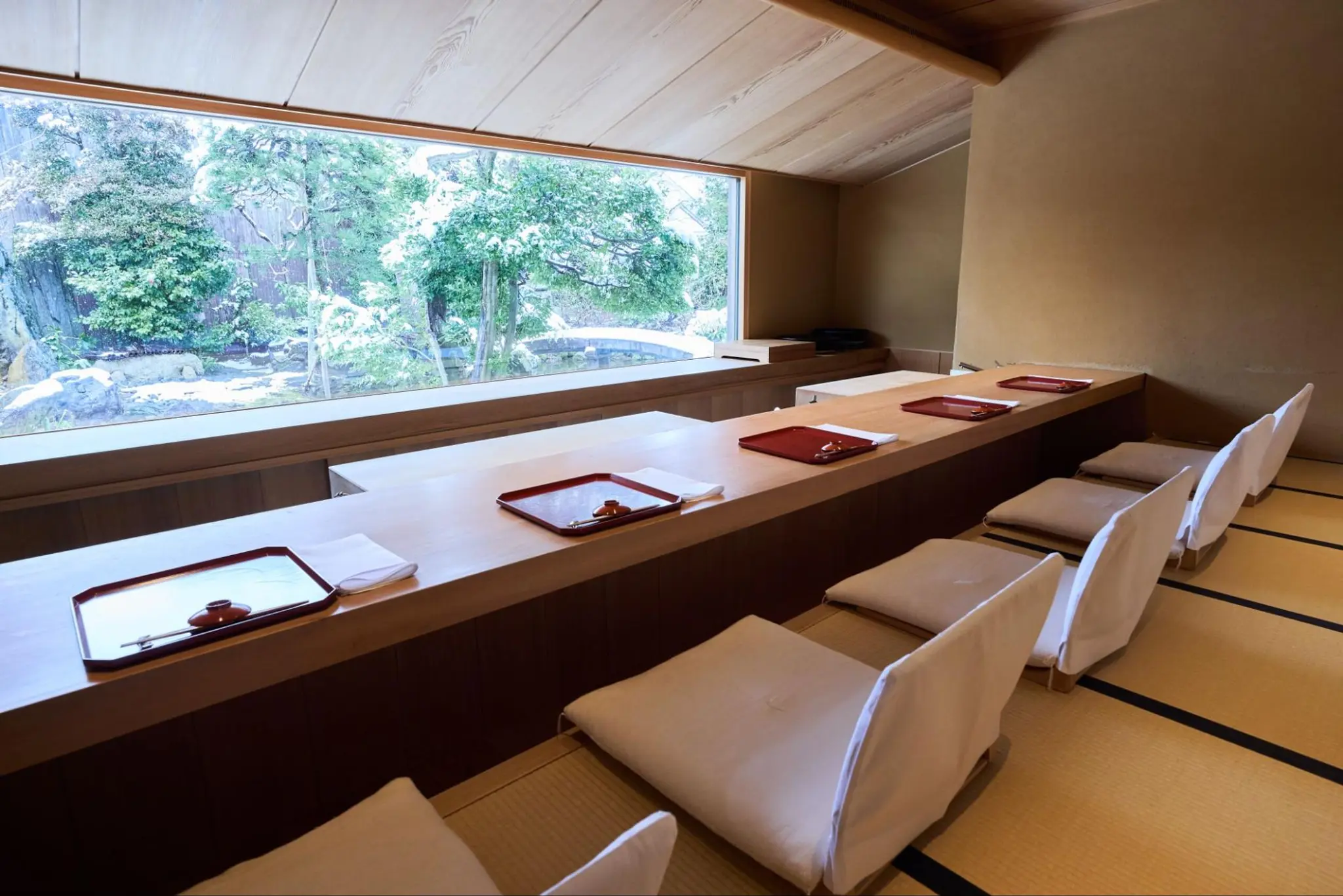
ーーーIt’s all about earning the trust of your customers.
Since the opening of the restaurant, I have consistently valued the belief of "doing things sincerely" and have always approached cooking with seriousness. I believe that this sincerity has been conveyed to our customers. When I first opened the restaurant, my desire to offer better dishes to our customers was so strong that I ended up running the business in a way that was not sustainable from a business perspective. However, I realized that if the restaurant were to close, everything would be lost. To be able to pay the staff’s salaries, I started thinking from the perspective that customers should pay a fair amount for what we provide. Recently, I feel that I have been able to balance my ideals with the reality of running a business.
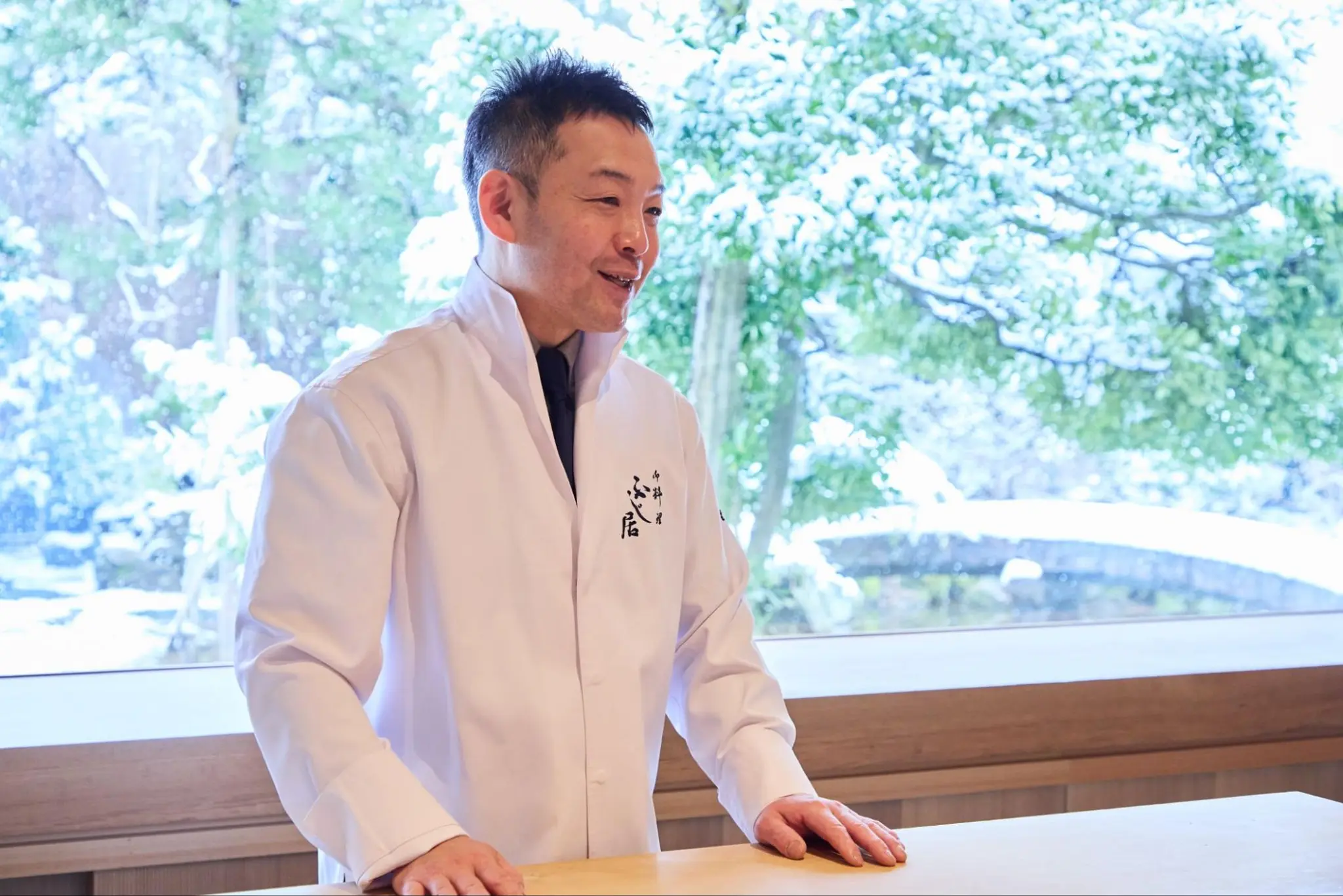
An Unwavering Desire to "Revitalize the Region" as a Resident of Toyama
ーーーCan you tell us about your commitment to ingredients?
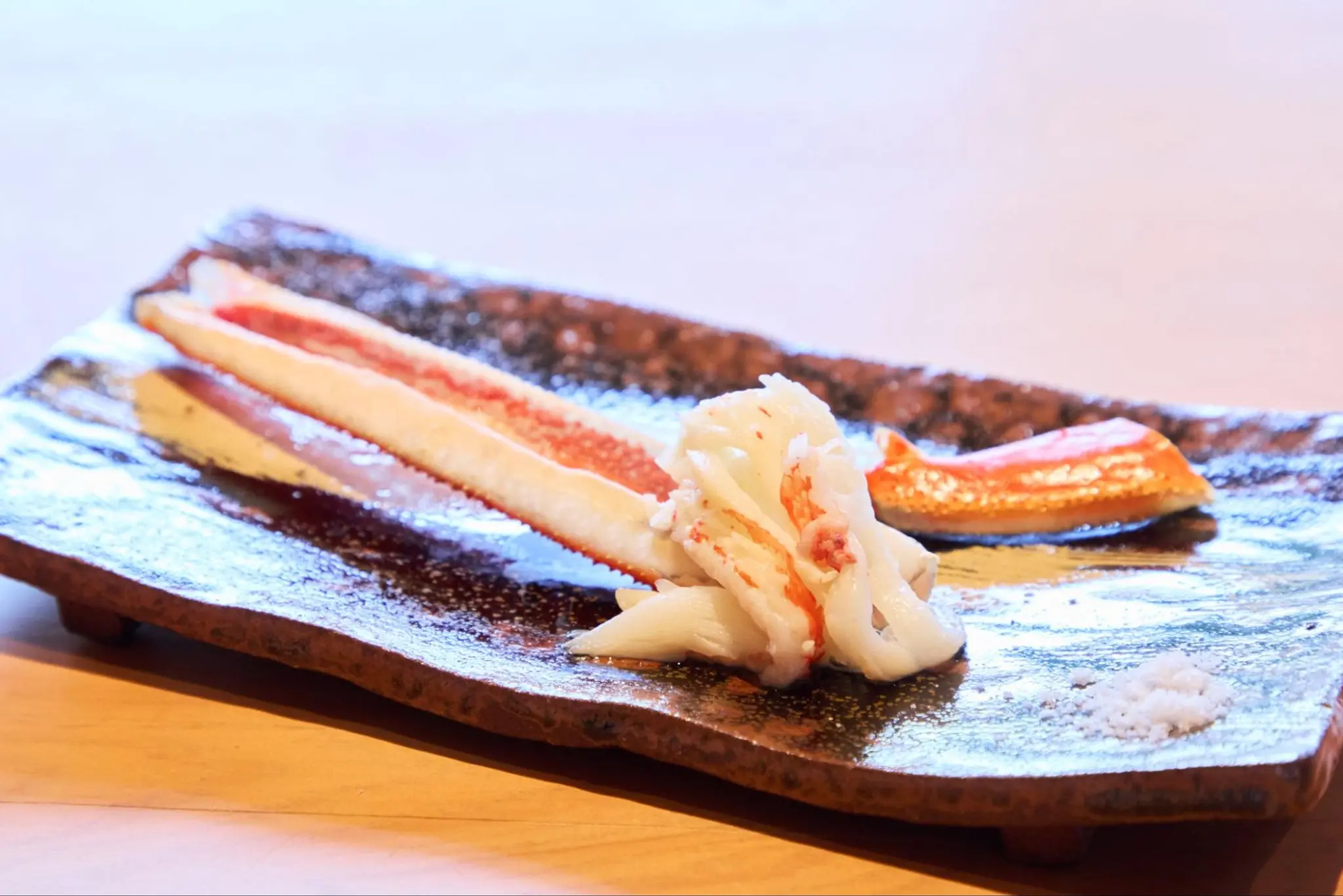
My strongest desire is to showcase the charm of Toyama, and at the same time, as a chef, I want to offer the best dishes in Japan. Ideally, I want to use only ingredients from Toyama. I can confidently say that the fish in Toyama is top-notch, but there are exceptions, such as sea urchin, which isn’t caught in Toyama, so I sometimes use sea urchin from Hokkaido. As for vegetables, there are times when other regions offer superior options, and I constantly wrestle with that. For example, Kyoto’s Kamo eggplant is a high-potential vegetable, but its ancestor, the round eggplant from Yoshikawa in Fukui Prefecture, has a wonderfully sweet and melt-in-the-mouth flavor, so I use it. Each region has its strengths, so when it’s not possible to use ingredients from Toyama, I carefully select those from neighboring prefectures, focusing on ingredients from the Hokuriku region as much as possible.
ーーーHow do you feel about the significance of running your restaurant in this area?
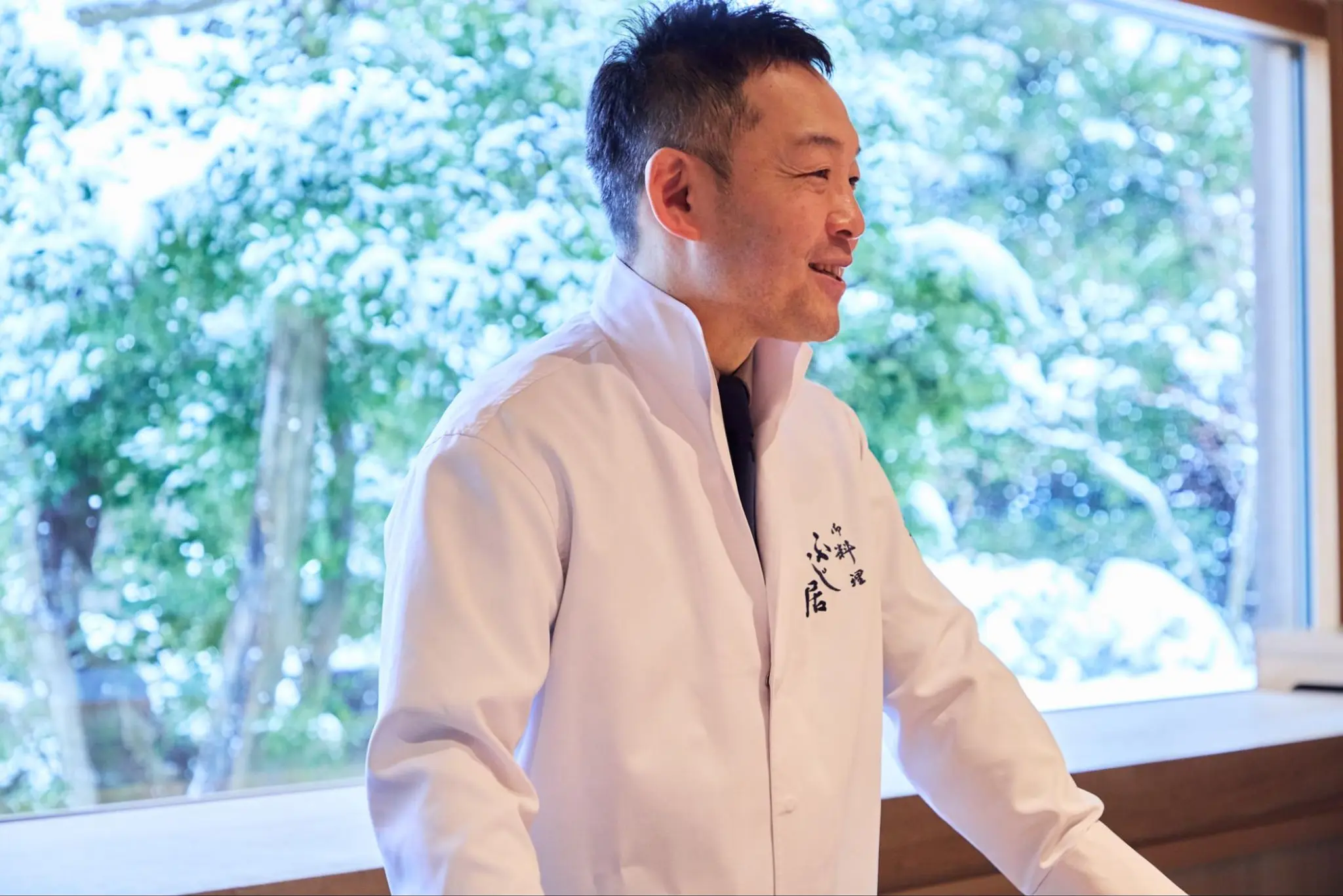
I have a strong desire to revitalize my hometown, and I feel that if I were to open a restaurant, it must be in Toyama. In Iwase Town, there has been an annual Hikiyama Festival every May for many years. Even though the number of people has decreased, the local community continues to work passionately to keep the festival alive, without reducing its scale. Additionally, my daughters are still 6 and 2 years old, and they are connected to the local nursery and elementary school. Beyond business, I have the awareness of being a resident, and I try to participate in local events as much as I can.
Although the pricing of our restaurant may make it difficult for local residents to visit frequently, once a year on the day of the Hikiyama Festival, we close the restaurant and invite all the people in the town to enjoy it. I’ve heard that in the past, people running businesses often became distant from the local community, but I want to work together with the people in the area to revitalize it. In fact, I’ve heard comments such as, "You’re trying to make the town more lively, and it’s creating a good atmosphere," and "Since Fujii came, the people in this town have changed a little," which I am truly grateful for. Looking back, I haven’t strategically planned anything in particular, but I believe that simply being honest and steadily working day by day is the quickest way to eventually reach the ideal place I aim for.
ーーーIs there anything you are particularly conscious of when training the next generation?
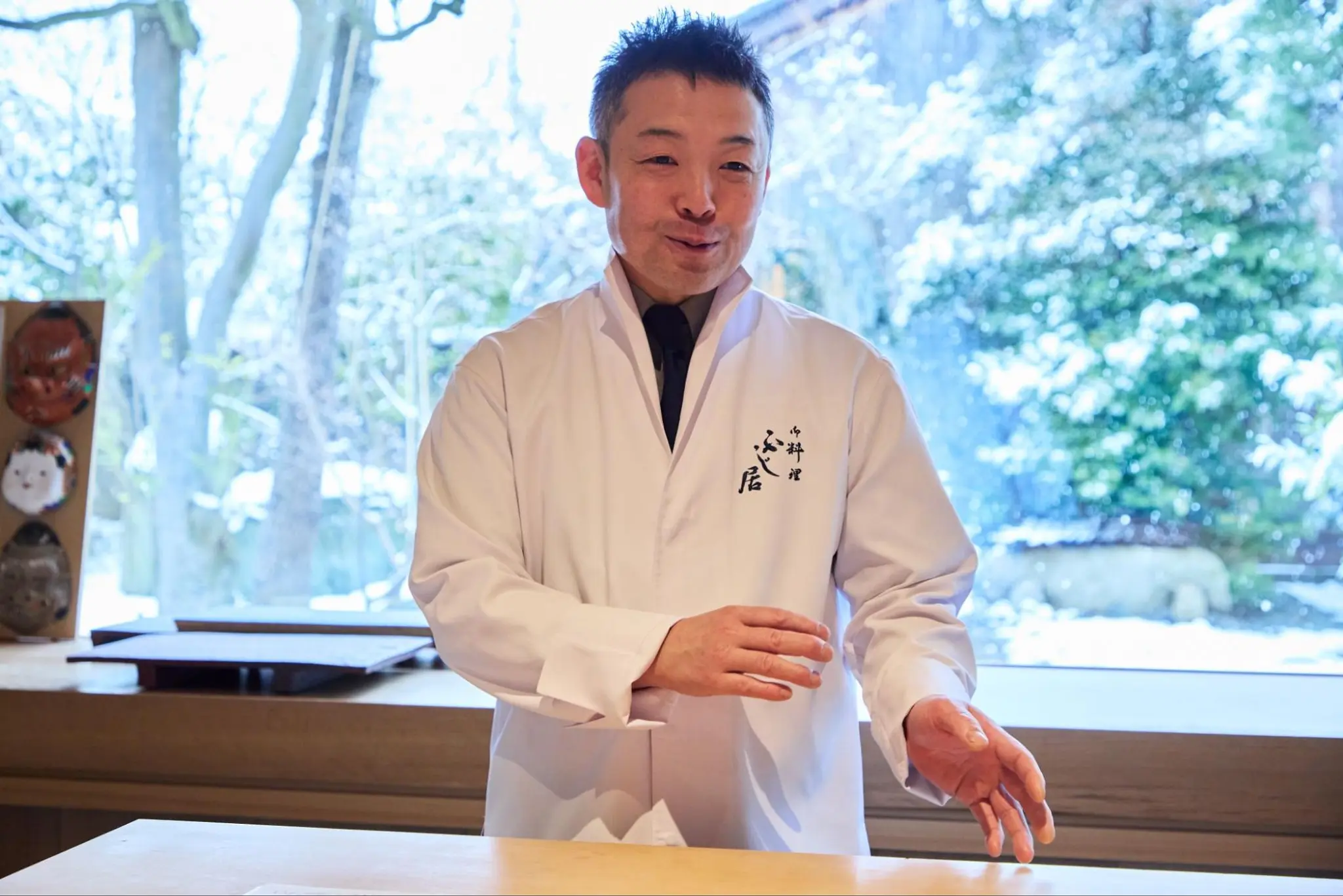
When guiding young staff, for example, if they make a mistake, I’ve never actually been angry about the mistake itself. However, I do get angry when they try to hide the mistake or cover it up with lies. I believe that it’s unacceptable for mistakes to appear in front of customers, whether in cooking or service. Since we operate with integrity as a legitimate establishment, I always tell my staff that they should be honest and sincere, without resorting to lies.
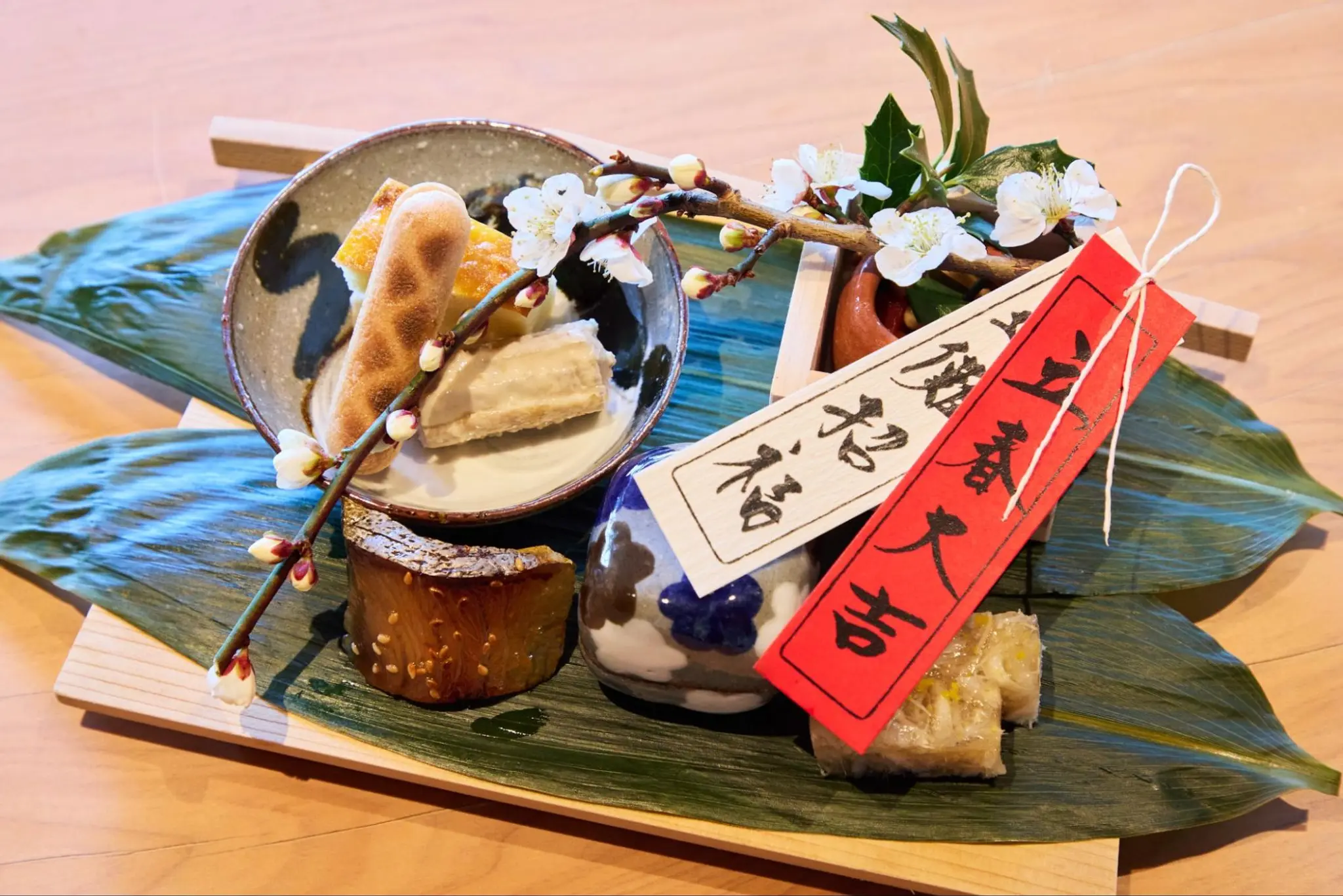
Additionally, when I teach, I also provide knowledge related to cooking. For example, with the hassun (assorted appetizers) for February, I include a red label that reads "Risshun Daikichi" (Great Luck for the Beginning of Spring). Rather than simply memorizing "Risshun Daikichi" because it’s February, I explain why we use this phrase. I believe that being able to explain the origins of seasonal symbols and customs will allow them to express the dish with a deeper understanding. There’s a difference in the depth of what is conveyed to the customers between expressing something with understanding and expressing it without.
Supporting Japanese Traditional Culture and Passing It Down to Future Generations
ーーーI’ve heard you often commission custom-made dishes.
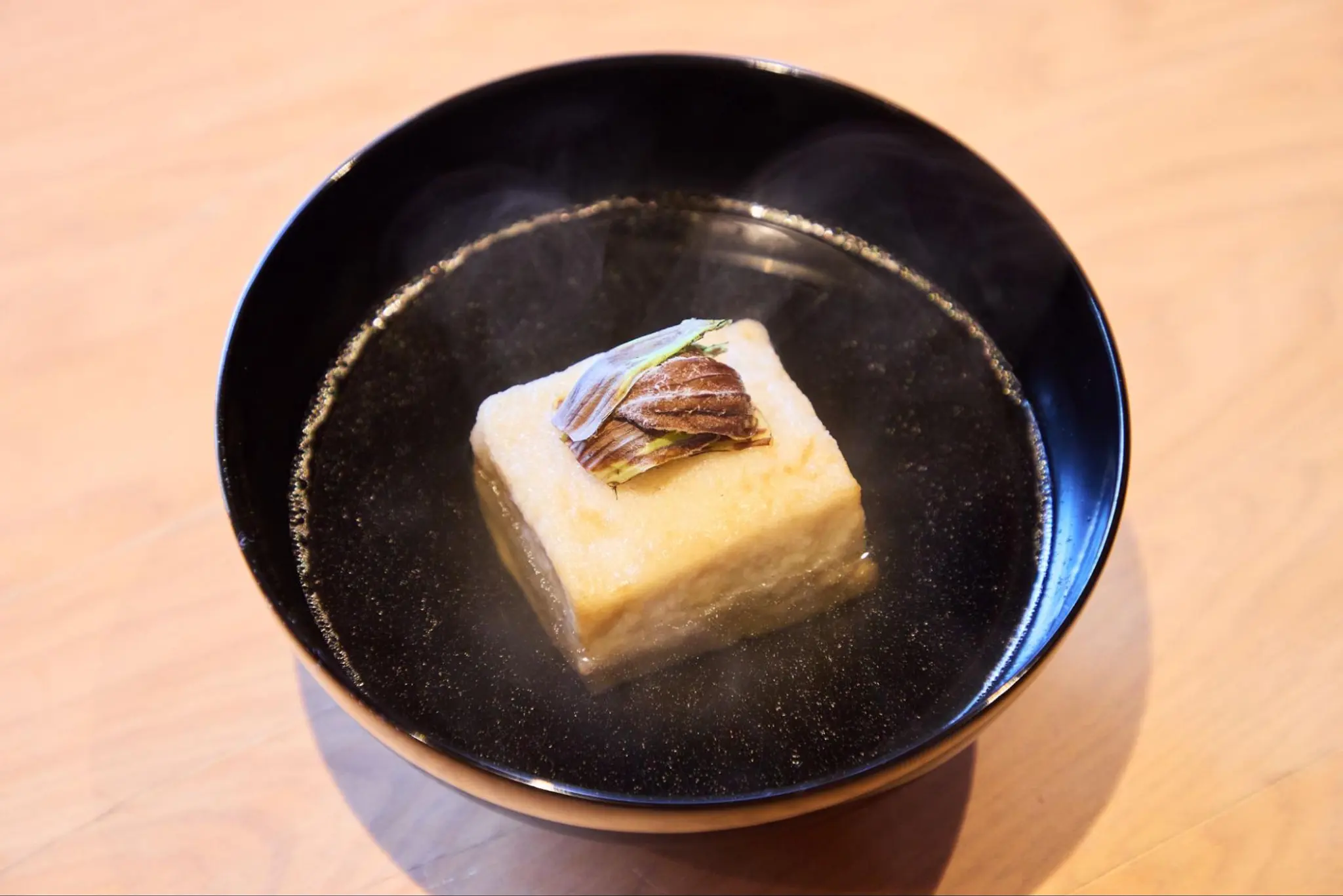
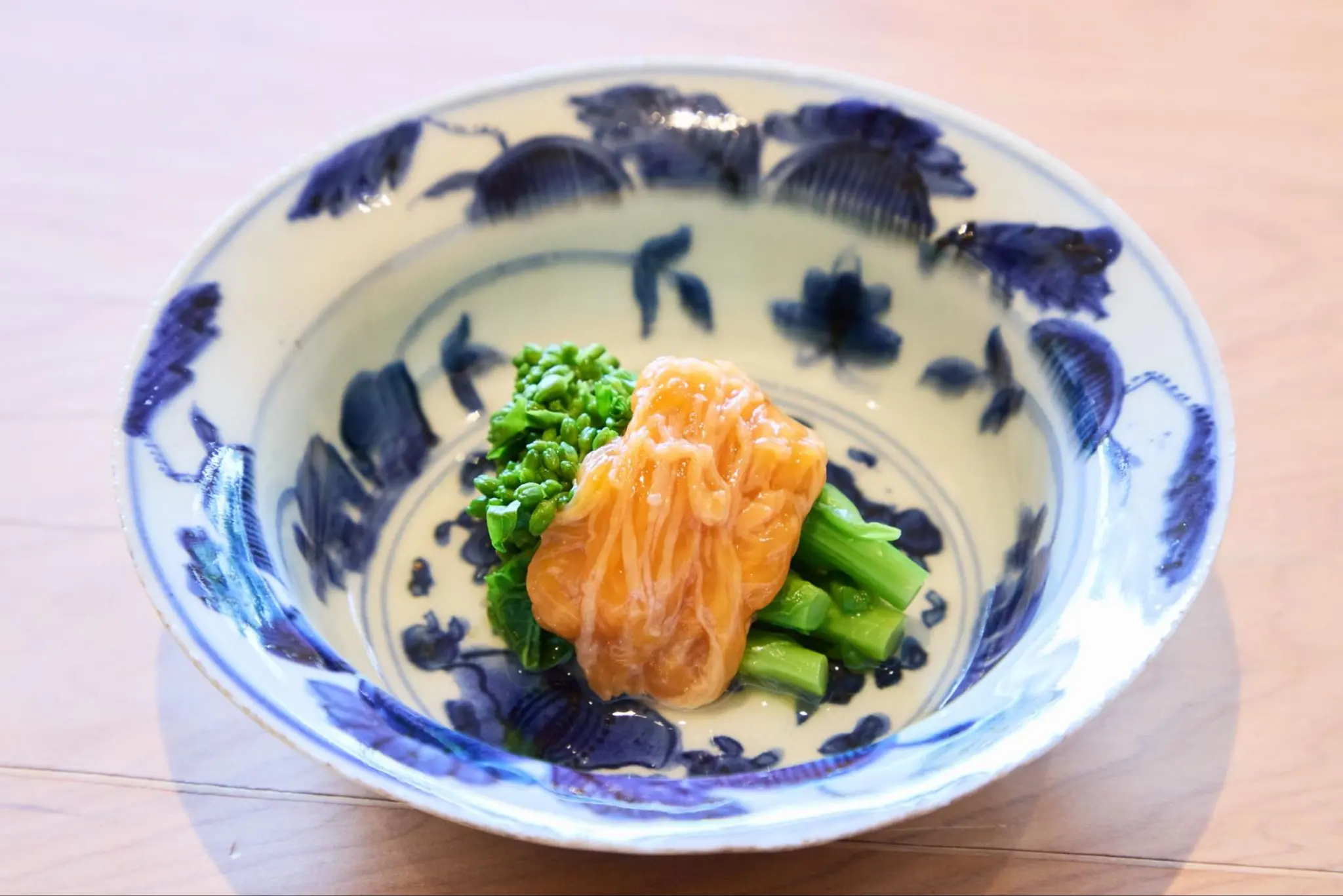
In the past, I thought antiques were wonderful, but considering the current situation in Wajima and my desire for Wajima lacquer craftsmen to continue to thrive, I’ve been placing orders with them recently. For example, the bowl used for the satoimo shinjou dish is a Wajima lacquer bowl. On the inside of the lid, there is a design of the Tateyama Mountain Range, with makie (lacquer painting) that incorporates raden (mother-of-pearl) and nashiji powder. I had it custom-made, conveying my requests in great detail. When a craftsman can experience various techniques on a single piece, it helps them refine their skills. As the work for these craftsmen continues to decrease, I feel it would be a shame for Wajima lacquer to fade away, so I hope to encourage more craftsmen to keep making these pieces.
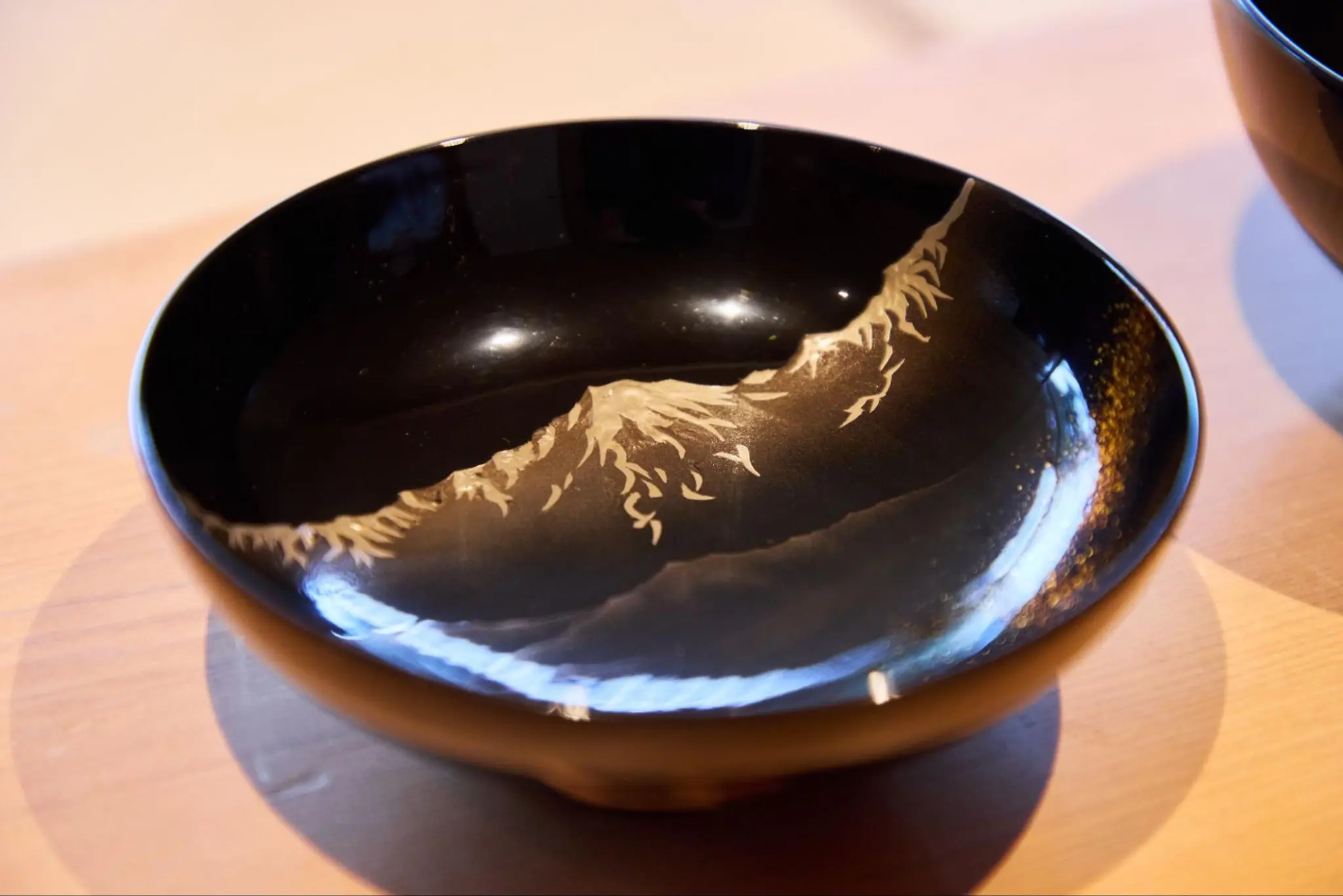
I believe that as Japanese chefs who are involved in Japanese culture, we are the ones who must contribute to preserving the culture of traditional crafts. Not only the tableware but also the sliding doors, tatami mats, and cushions in our restaurant are all the work of craftsmen. Without these artisans, what we do would not be possible. On the other hand, I’ve heard that nurturing successors in the world of traditional crafts is incredibly challenging. Therefore, if placing orders creates work, hones skills, and helps artisans grow, I want to strive to develop the ability to place proper orders for high-quality products. I also hope that people who were once called masters will continue to be nurtured in the coming era, and I would like to play a part in supporting Japan’s traditional crafts.
ーーーWhat are your future plans?
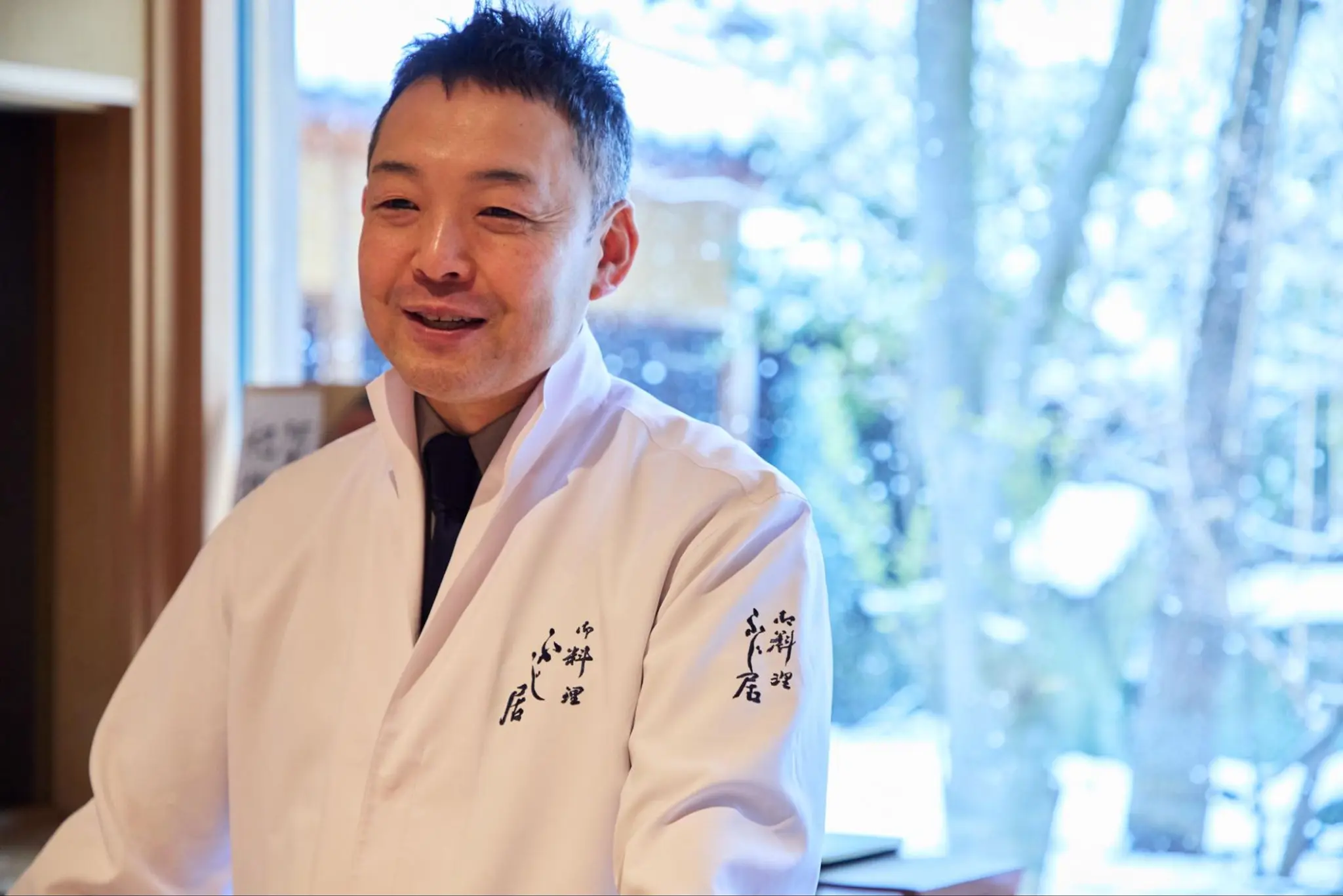
I’ve returned to my hometown with the determination to stay here for good, so I don’t plan to open a restaurant in other areas, nor do I have the idea of opening a second restaurant. I believe that the essence of this restaurant is tied to my presence, and I close the restaurant on the days when I am away on business. However, I don’t aim for a situation where things can’t be done because I’m not there. In the past, there was a mentality of "learn by watching," but I actively teach young staff everything I can, and I believe it’s important to create a system where if someone is absent, someone else can cover for them. By entrusting more responsibilities to my staff, I hope it motivates them to work harder, and my goal is to nurture staff who will eventually go on to open their own restaurants. I don’t have the desire for my children to take over the business; I want them to pursue what they love. Even if no one takes over the restaurant, I hope that someone, somewhere in Japan, will inherit and practice the "ism" I’ve created. If that happens, I would feel that my life has had meaning, and it would feel like passing on something valuable to future generations.
ーーーLastly, what does "delicious" mean to you, Mr. Fujii?
As the word "delicious" is written as "美味しい" in Japanese, I believe that the first essential element is beauty, starting with the appearance. In Japanese cuisine, from an aesthetic perspective, the food must first be beautiful. This is why I pay great attention to presentation. I carefully consider the combination of the dish and the plate, as well as the balance of empty space when the food is plated. I strive to create dishes where each element has a clear purpose. Something that is both beautiful and flavorful—that, I believe, is what can truly be called delicious.
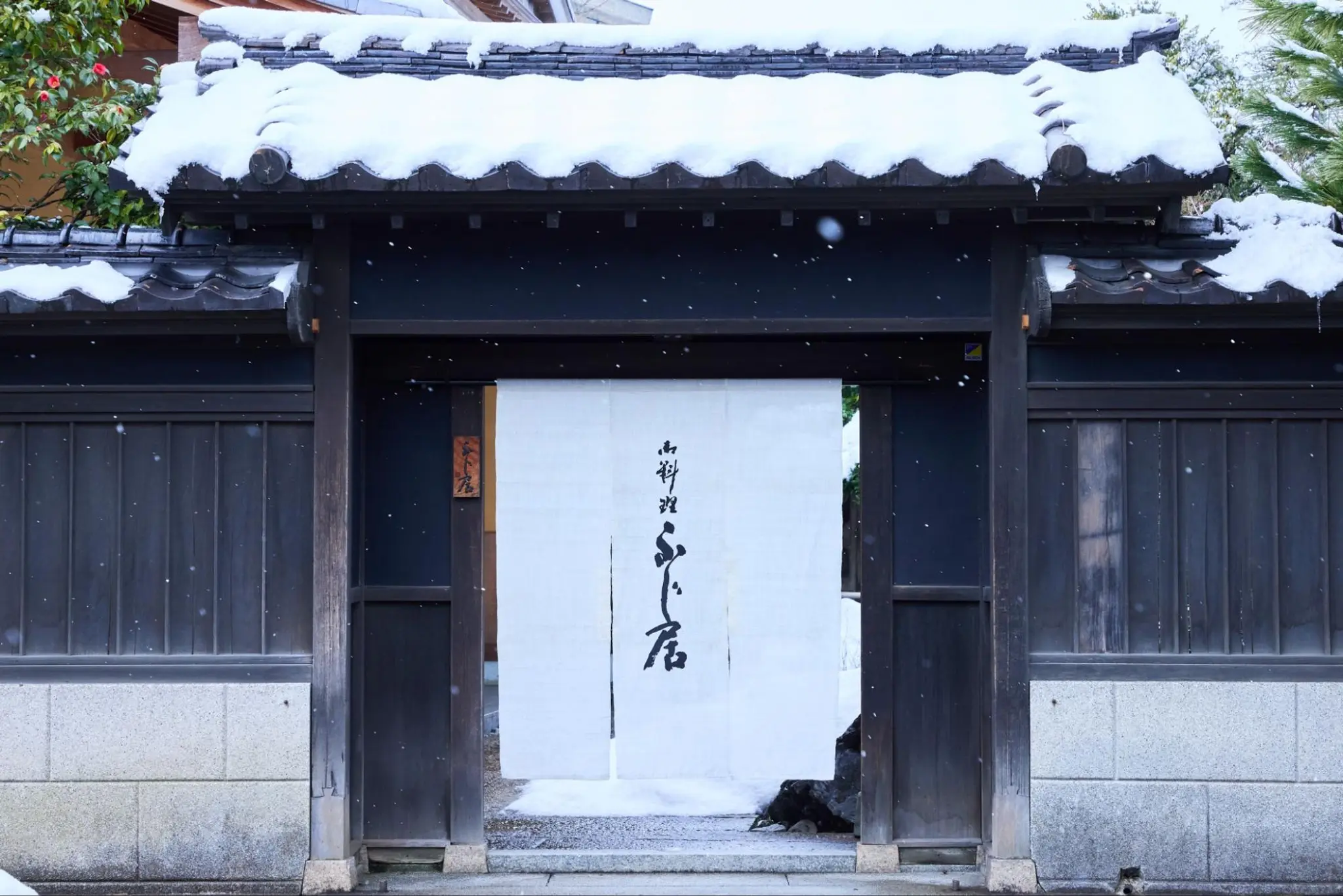
Passing through the sukiya-style gate that stands in the charming streetscape, stepping into the elegant mansion, and gazing at the Japanese garden adorned with lush greenery, large stones, and a pond, you are treated to exquisite dishes created by Chef Fujii, served on beautiful plates. The delicate seasonal dishes made from fresh ingredients from the Hokuriku region, paired with sake, sake vessels, and the overall presentation—all of it is flawless, and you can savor the profound happiness of experiencing the essence of Japanese cuisine while immersing yourself in the outstanding Japanese culture. The feelings and dedication of Chef Fujii, who has continued to face cooking with sincerity and devotion throughout his life, are infused into【Oryori Fujii】, which I truly feel is a world-class gem that Toyama can be proud of.
Interview and Text / Yuka Sada
Photography / Tomohiro Yasui
Restaurant Information
- AutoReserve Magazine
- Japan’s world-renowned flagship restaurant
- With unwavering love for their hometown, 【Oryori Fujii】transmits the tradition and beauty of Japanese cuisine from Toyama.