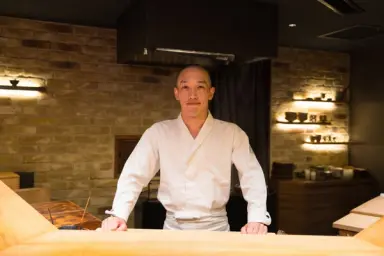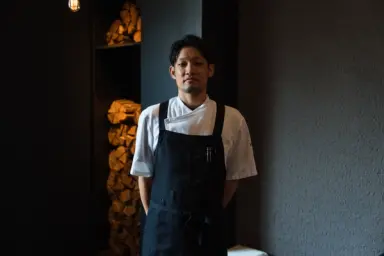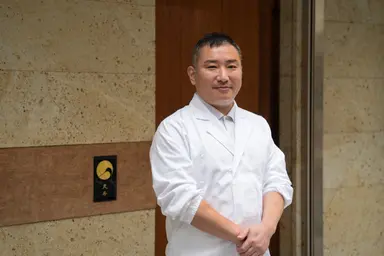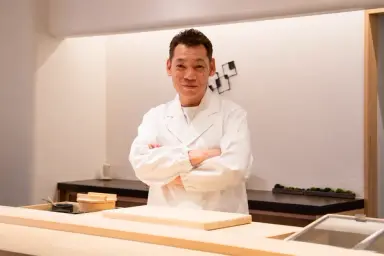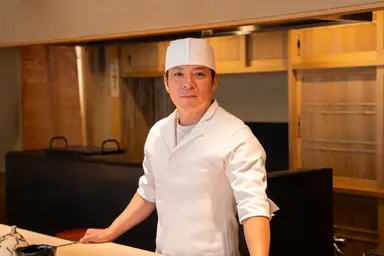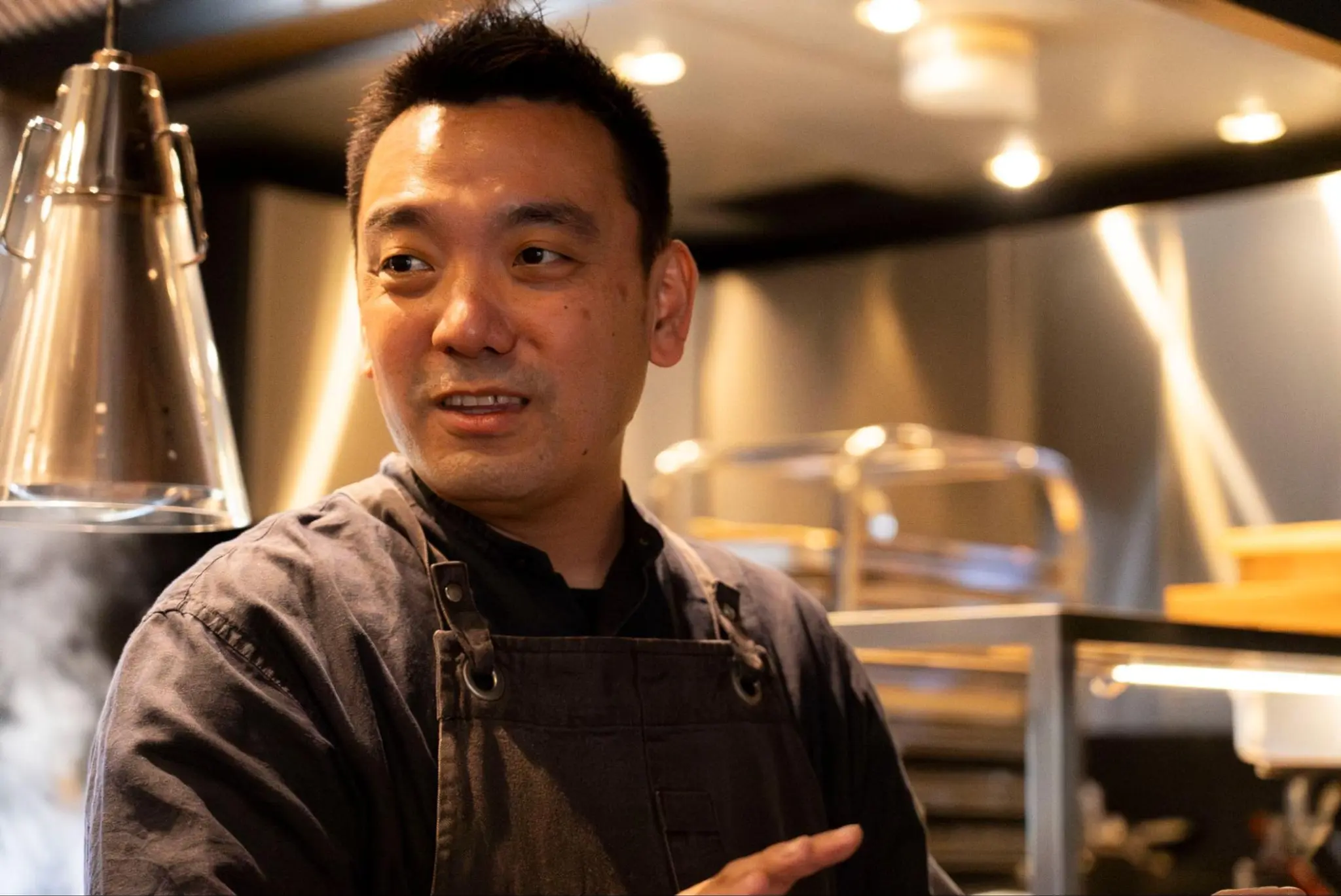
In the scenic land of Kizugawa, a top-class Italian restaurant in Kansai pursues cuisine that only he can create: 【ristorante NAKAMOTO】
Offering exquisite Italian cuisine that fully embraces the natural bounty of Kizugawa.
ーーーTell us about the first dish in your course menu.
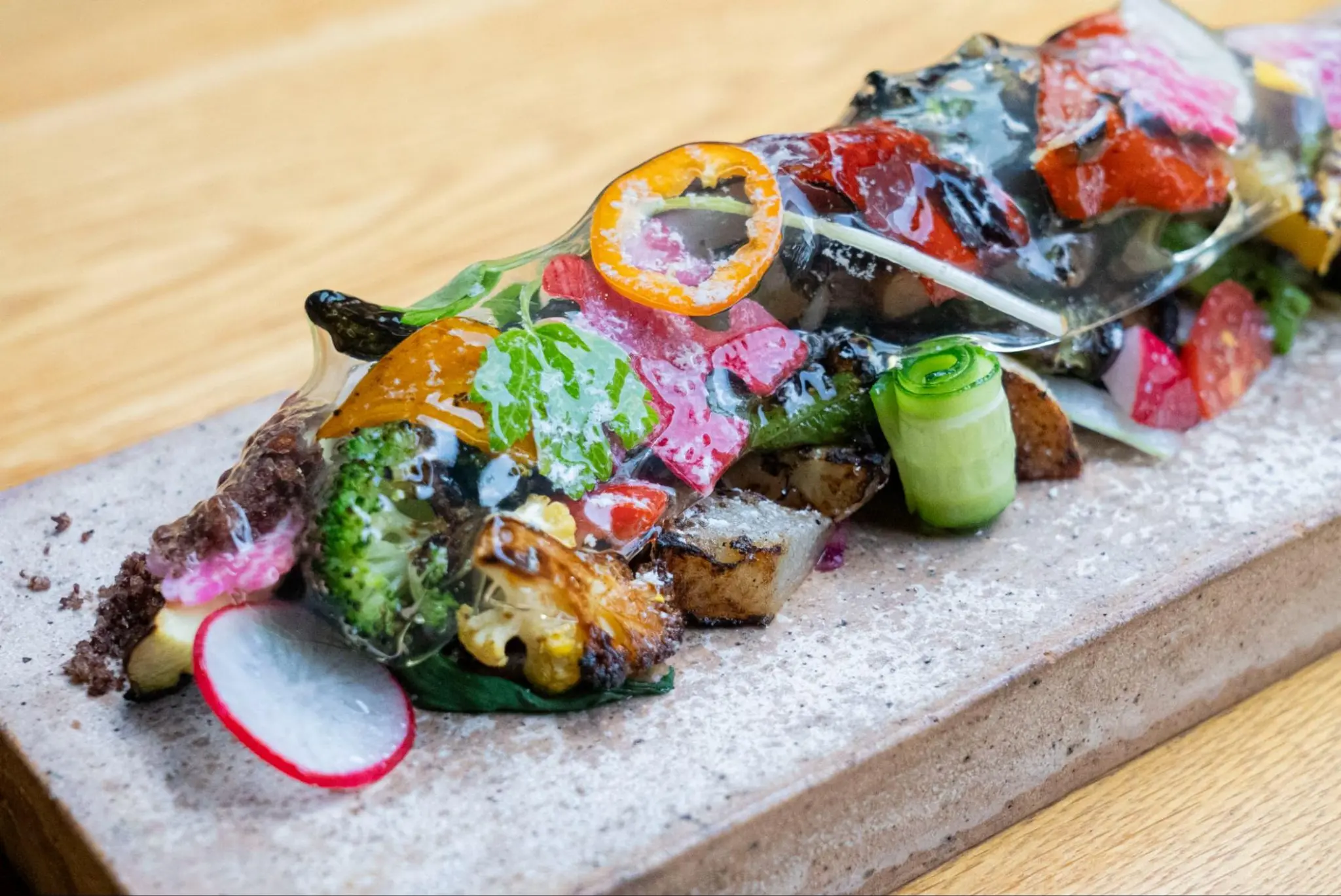
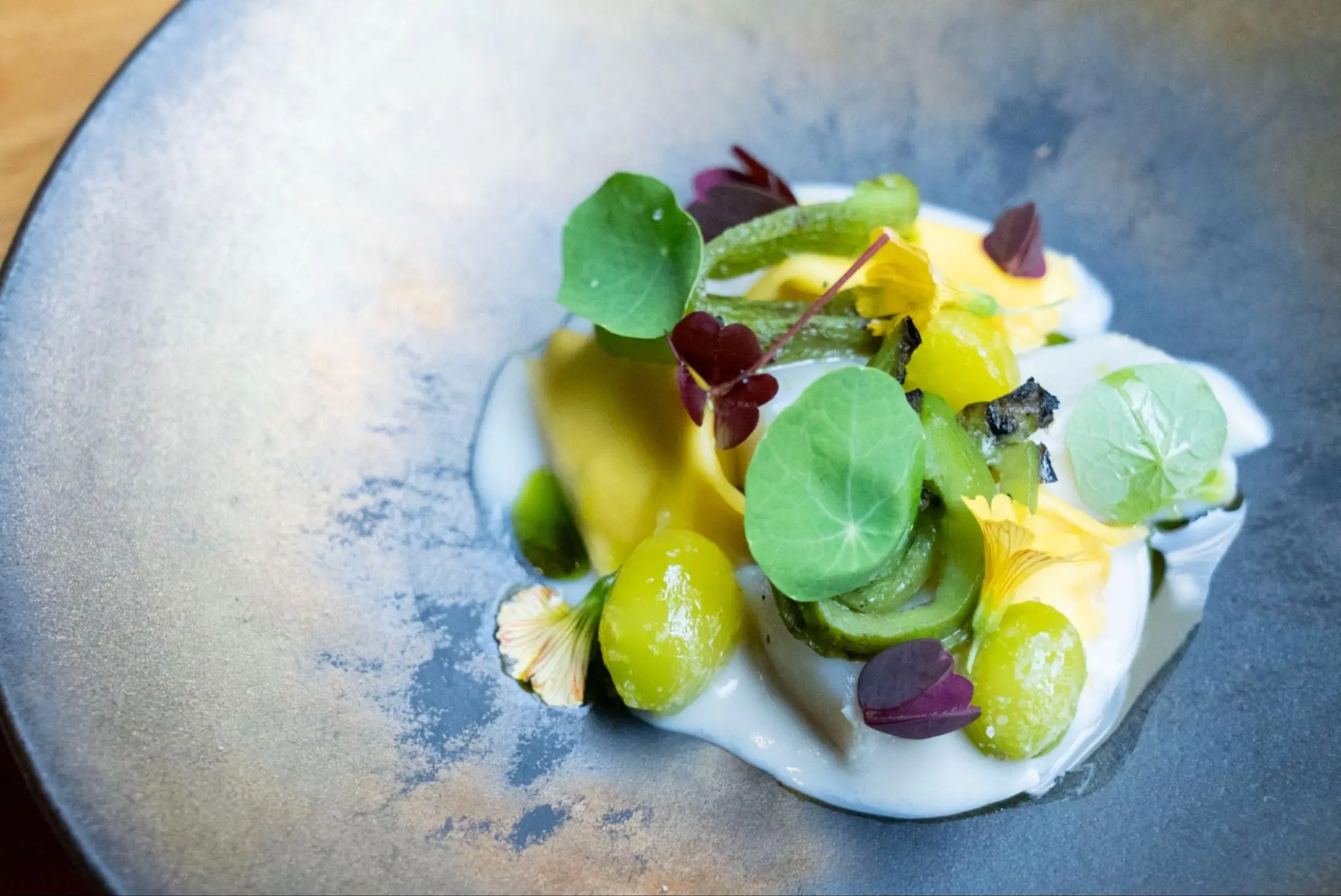
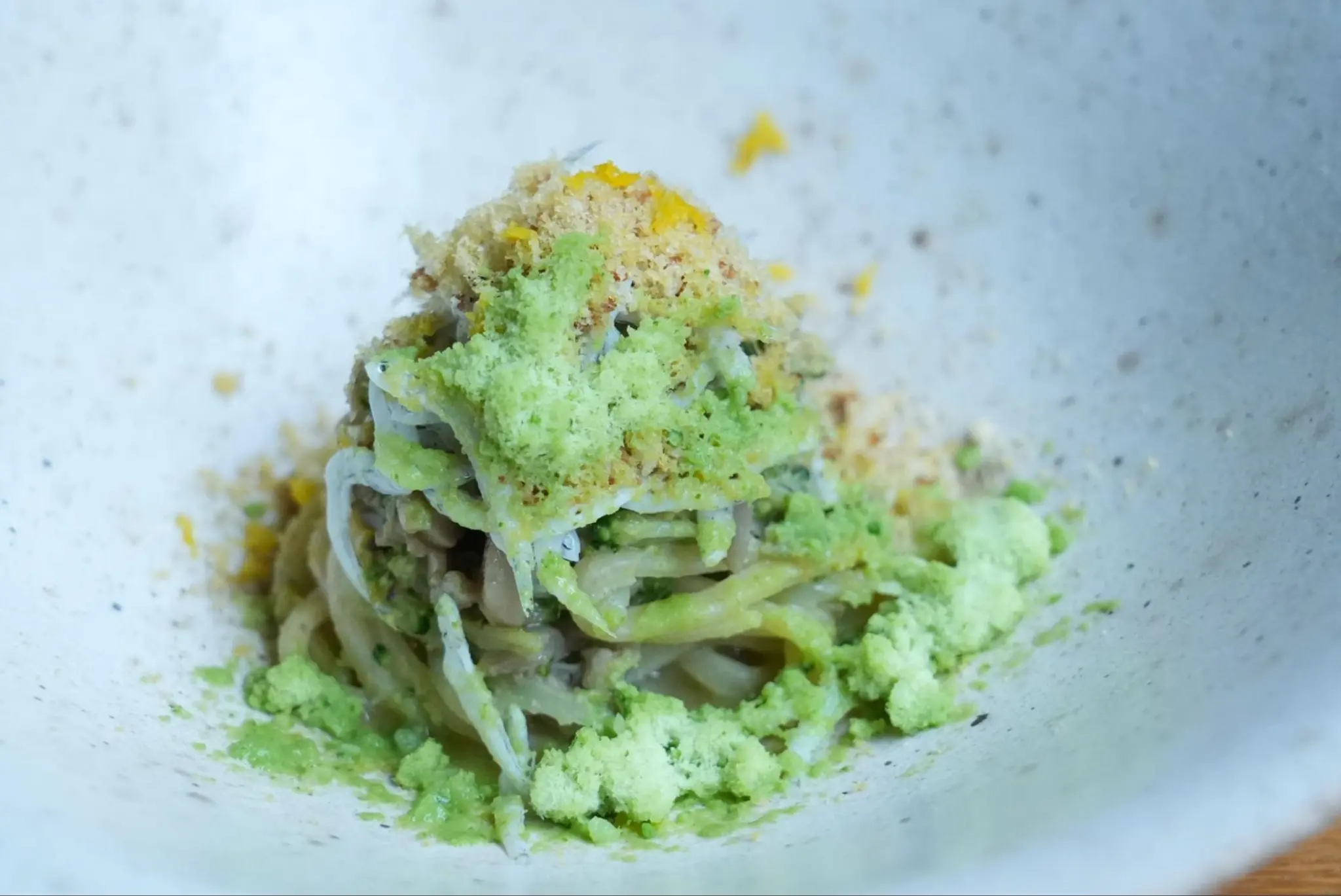
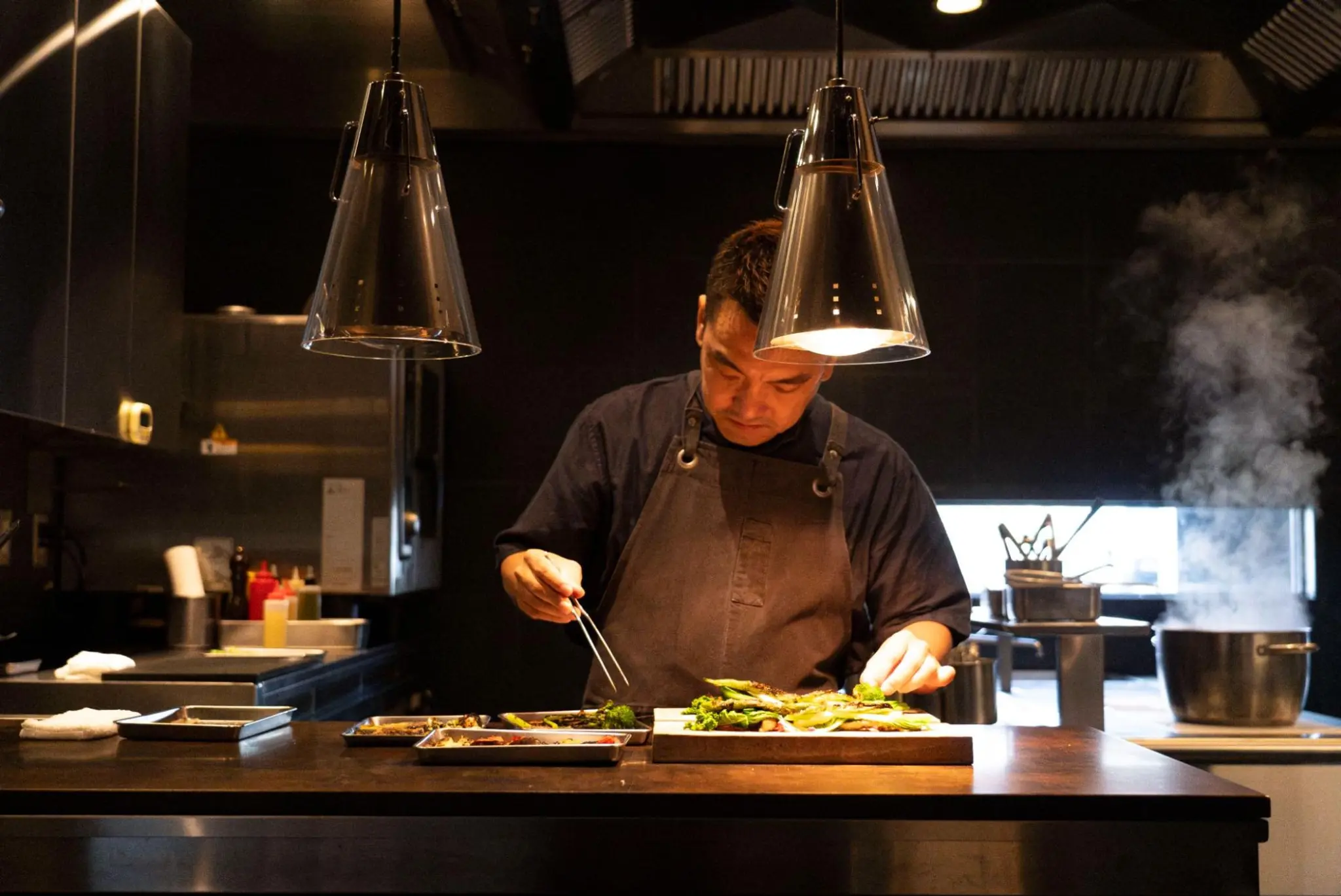
A dish featuring locally sourced vegetables includes around 30 different types, each prepared using methods such as charcoal grilling, smoking, or boiling, depending on what suits them best. The idea is to incorporate all the seasonal vegetables available at the time. Fresh vegetables are delicious even when simply grilled over charcoal, so I use a minimalistic approach with a single sheet of gelatinous dressing to allow guests to enjoy their natural flavors. This vegetable-centric dish has been a staple in our course menu since the restaurant opened.
ーーーWhat is the appeal of running a restaurant in a nature-rich area?
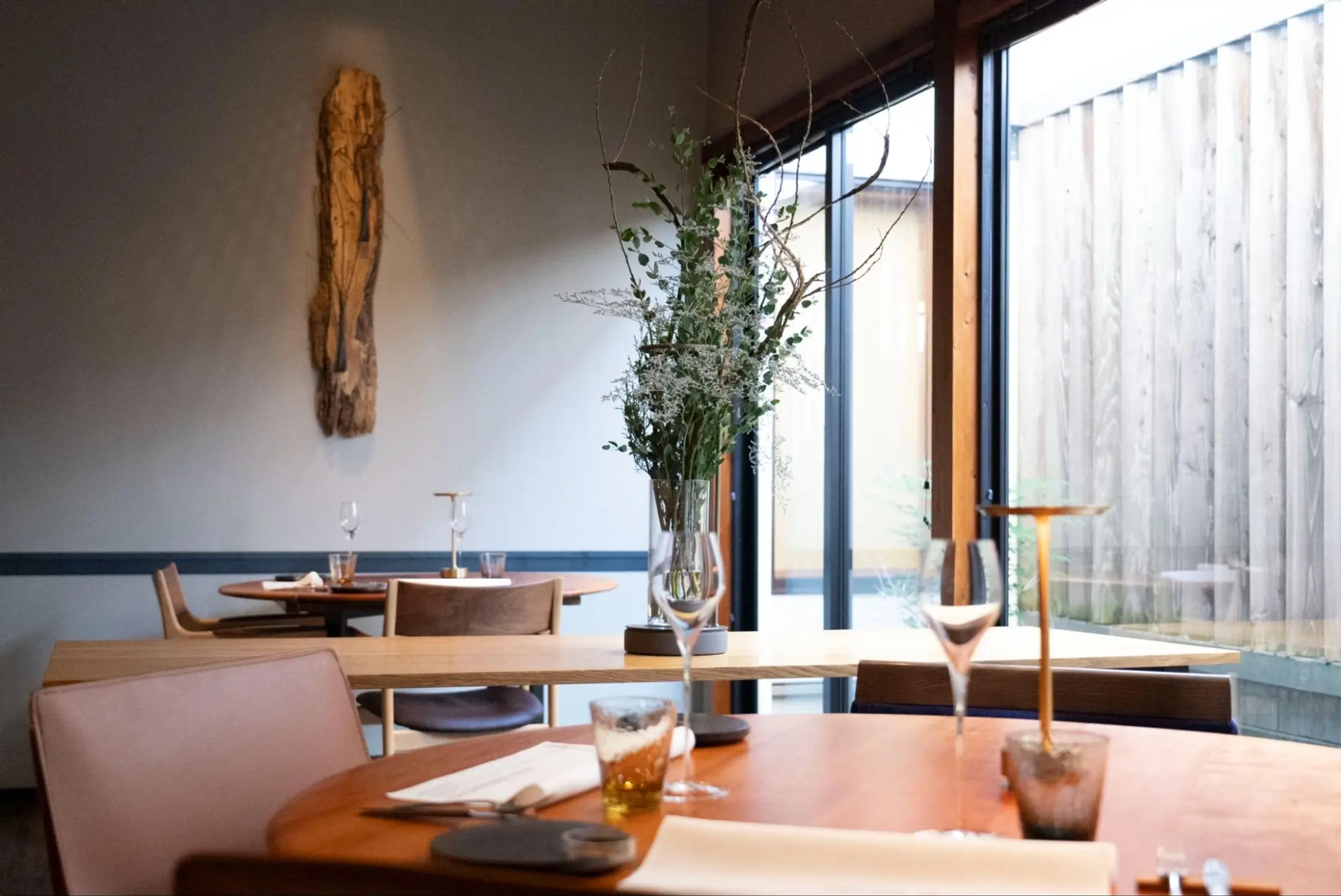
Kizugawa, located on the border between Kyoto and Nara, is a region without a livestock industry, nor is it close to the sea. However, Minamiyamashiro Village nearby grows many Kyoto vegetables, and there are numerous farmers in the area. It is because we are operating in this region that we are able to create dishes like the vegetable plate mentioned earlier, and being able to serve fresh vegetables is one of the joys of running a restaurant here. Vegetables purchased through co-ops or supermarkets are often visually appealing, but when it comes to cooking, the uniformity of their size is not a key factor for me. In fact, smaller vegetables tend to have more concentrated flavors, making them ideal for use in our courses. Being able to communicate with farmers about the size and harvest timing is one of the great advantages of sourcing locally.
ーーーWhen did you start considering opening a restaurant in your hometown?
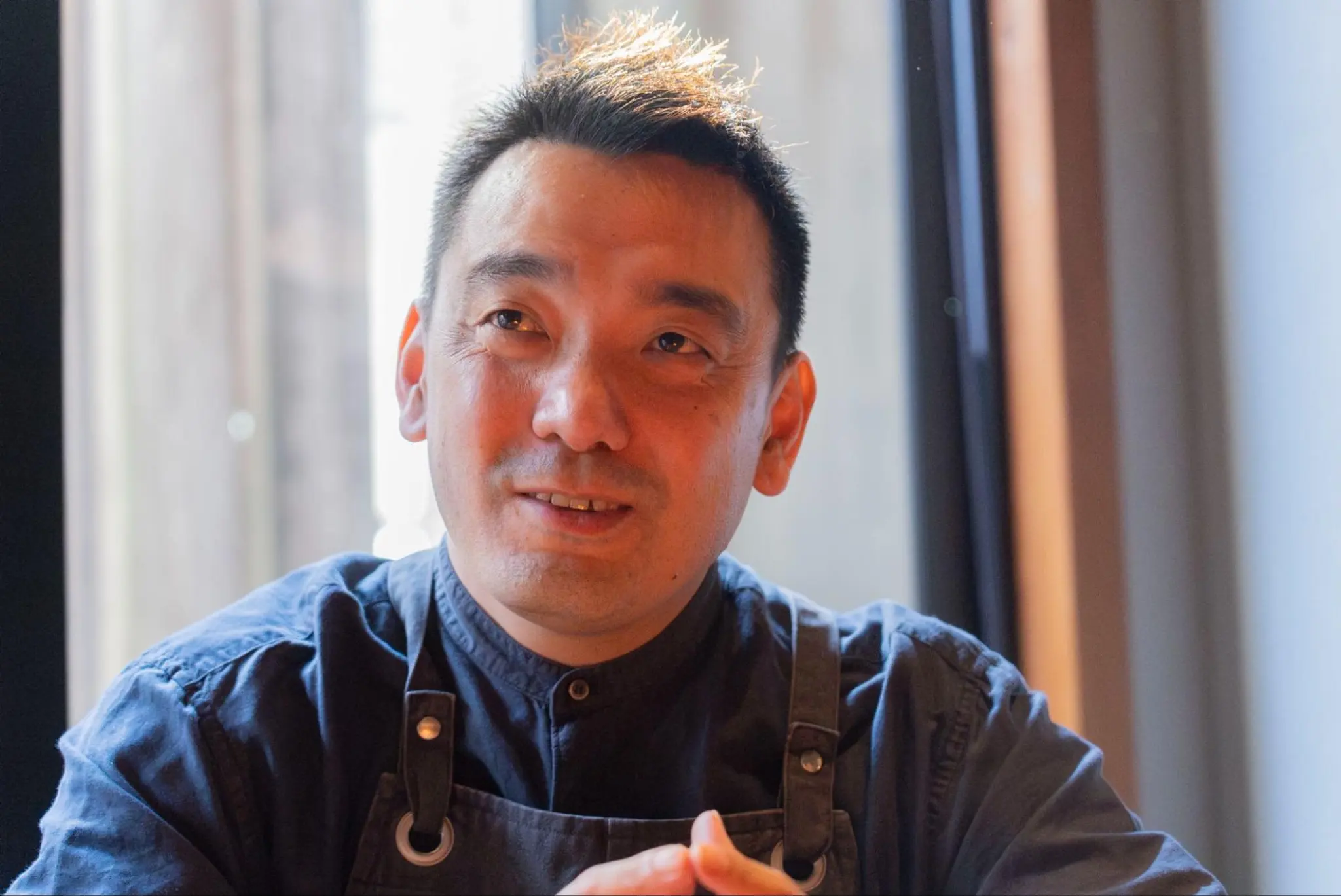
Actually, at first, I was drawn to city life. After I started cooking in 1995, tiramisu was introduced to Japan and became a huge trend. The Italian food boom originating from Tokyo was on the rise, and since the restaurants featured in cooking magazines were all based in Tokyo, I even thought that it might be better to go to Tokyo.
After graduating from a culinary school, I began my career as a chef at an Italian restaurant in Nara Prefecture. Later, I moved to Italy, where I learned that famous restaurants were not located in cities but in rural areas, with people traveling about an hour to dine. It wasn't simply because of the restaurant's location, but rather the culture of traveling from the city to the countryside to enjoy a meal. Experiencing this firsthand made me start thinking about opening a restaurant in my hometown. Over the course of my seven years of training in Italy, my desire to open a restaurant in my local area gradually grew stronger.
The renowned restaurant where I served as the head of the pasta department reclaimed its three Michelin stars.
ーーーHow did your training in Italy begin?
I began my training in Siena, a rural town in Tuscany, about an hour south of Florence. It is a famous wine-producing region and well-known for its traditional townscape, also being a popular tourist destination. The language schools there were reasonably priced, so I worked at a restaurant in Siena for about a year, which helped improve my language skills and allowed me to communicate better. As my skills grew, I developed a desire to experience higher-level restaurants. After sending letters to several establishments, I received responses, and the best opportunity came from the restaurant I had admired, 【Enoteca Pinchiorri】, where I was fortunate enough to work.
At the time, 【Enoteca Pinchiorri】 was the most famous Italian restaurant in Japan. The owner, with the intention of offering delicious Italian cuisine to the Japanese, had opened a branch in Ginza. At that time, it was rare for a Michelin-starred Italian restaurant to have a branch in Japan, which made it even more of an admired establishment. The main restaurant in Italy was one of the top luxury restaurants, and I had a strong desire to work in such an environment. At the age of 21, I had neither money nor connections, but when I thought about how I could experience high-quality meals costing 50,000 to 60,000 yen per day, I realized that working at that restaurant was the best way to do so, so I decided to join.
ーーーWhat kind of experiences did you have at 【Enoteca Pinchiorri】?
When I started working there, the Michelin rating was consistently two stars. Ten years prior, the restaurant had earned three stars, but after the chef who had achieved that left to open his own restaurant in Milan, the rating dropped back to two stars. In European Michelin standards, when a chef departs and a new one takes over, it is an unwritten rule that the rating must be reassessed, often resulting in a reduction by one star. During the ten years that the new chef was in charge, they worked tirelessly to reclaim the third star, but it remained elusive. When I joined, the restaurant had just undergone a complete kitchen renovation, and the team was determined to reclaim the third star the following year, creating an exciting and energized atmosphere.
In the midst of all this, I was entrusted with the responsibility of heading the pasta department. For a year, I was the sole person making pasta and serving it to the customers. It was an immense amount of pressure to prepare the main dish—pasta—on my own, especially for a large number of people, and I faced constant criticism, creating a tough environment. However, many renowned chefs who had worked at the pasta section of 【Enoteca Pinchiorri】 returned to Japan, and I never imagined I would be in charge of it myself. Taking full responsibility for the pasta at such a prestigious restaurant gave me a great sense of purpose, and I worked hard, putting my all into making it.
As a result, we were able to reclaim the Michelin star that year. No restaurant had ever regained three stars after having dropped to two, so this was a historic achievement for Italy. I was incredibly happy to think that the pasta I made contributed to this success. Pasta is such an essential part of Italian cuisine, and if I had failed at making the pasta, this achievement may not have been possible. This experience gave me immense confidence and has allowed me to pursue my vision in my current location. That sense of purpose is something that still remains unshaken to this day.
ーーーWhat are some memorable experiences you had during your time in Italy?
Italians, in a positive sense, really value "their own time." Even the business owners make sure to take proper breaks. Many young people work to save money and then spend it all on their summer vacations. It made me realize how deeply ingrained the culture of "enjoyment" is in their national character. Moreover, this "enjoyment" extends to food, and there's a mindset of thinking, "There’s a place outside the town where we can have delicious tomato sauce—should we go there?" There's a sense of enjoyment even during the journey itself, which was refreshing compared to Japan, where people tend to eat locally and quickly. It was a new experience for me.
During my training, I was once told, "When you think about how many times you can eat a proper meal in a day, a week, or in your lifetime, do you really want to waste those precious moments on food that doesn’t matter?" Indeed, the reason I worked in such a tough environment was because I wanted to make delicious food and learn as much as I could. This made me realize that I needed to approach making good food more seriously and take pride in the profession I had chosen.
Building on my experiences in Tokyo, I decided to pursue something that only I could do.
ーーーYou then gained experience in Tokyo as well, right?
The chef of 【Enoteca Pinchiorri】 was opening a restaurant in Tokyo and asked me to help, so I moved to Tokyo to work as the second-in-command chef. Although I had a strong connection to my hometown, I didn’t want to return without experiencing Tokyo, a city I had admired since my teenage years, and always wonder what it would have been like. I was grateful for the opportunity to gain that experience. When opening the restaurant in a prime location in Minami Aoyama, I was asked for my opinions on the interior design, which gave me a valuable experience of being part of the restaurant’s launch.
Before moving to Tokyo, I also worked at a restaurant in New York, which is often referred to as the greatest city in the world. However, when it comes to the "availability" of ingredients, I felt that it wasn’t quite on the same level as Tokyo. In Tokyo, both the chefs and the restaurant standards are extremely high, and I believe the city is world-class in every regard. Ingredients from all over the world gather there, and anything you need can be easily sourced from various suppliers and markets. But precisely because of this wonderful environment, it made me think, "What is it that can only be eaten in Tokyo?" and "What should my own cuisine be?"
ーーーHow did you perceive the food culture in Tokyo?
In Tokyo, there is definitely a tendency to incorporate trends and create innovative dishes, which are highly valued, so restaurants are constantly introducing new dishes every month. There are customers who seek this out, and some restaurants have found success with this approach, so I believe it is important. However, when it comes to offering a dish that I truly want customers to try when they visit, I must admit that the environment in Tokyo didn’t quite suit me. Additionally, working in Tokyo meant living in places far from the restaurant, and having to worry about the last train, which was also a concern for me. I felt that commuting time was a waste, so I started working with the condition that I could live within a 5-minute bike ride from my workplace. This allowed me to work without worrying about the last train and return home easily. However, many of my colleagues in Tokyo, especially mid-level staff, often spent 40-50 minutes commuting to work in central areas. When I imagined continuing to work in such an environment, I honestly felt it would be difficult to truly blend into the city.
When it comes to the ability to quickly execute a culinary idea, Tokyo undoubtedly excels. However, that’s not my strength. I wanted to settle more deeply into a place, slowly discover what the land has to offer, and truly absorb it into my own understanding. I wanted to create something that I could continue doing for a long time, something that felt like "this is it!"
I have family in my hometown of Kizugawa, and I thought it would be very Italian to open a restaurant where customers would come specifically to visit us. I didn’t want to see all the great restaurants concentrated only in Tokyo. Instead, I thought it would be exciting if people from Tokyo were willing to travel all the way here to enjoy a meal. My desire to create high-level cuisine that could only be made here began to solidify. Even after the initial two-year contract in Tokyo was over, I was offered the chance to stay, but I expressed my wish to return to my hometown. So, I decided to go back and open a restaurant there.
By sharing information with my peers, I want to learn together, challenge each other, and grow.
ーーーWhat experiences in Japan have contributed to shaping your current cooking?
My experiences in Italy have certainly formed the foundation of my cooking, but after returning to Japan and starting to talk with Japanese chefs, my approach to cooking, especially regarding heat control and handling fish, changed. For example, I wasn't particularly interested in charcoal before, but I learned that in Japanese cuisine, it is considered an ingredient in itself. When grilling with charcoal, the oil that comes out of the fish drips onto the charcoal, creating smoke that envelops the fish and enhances its flavor. Until then, I had only seen charcoal as a "heat source," but as I learned more about its purpose, I decided to start using it in my own restaurant. I began asking Japanese chefs about the different types of charcoal, and I experimented with using it in Italian dishes, grilling fish and meat with it.
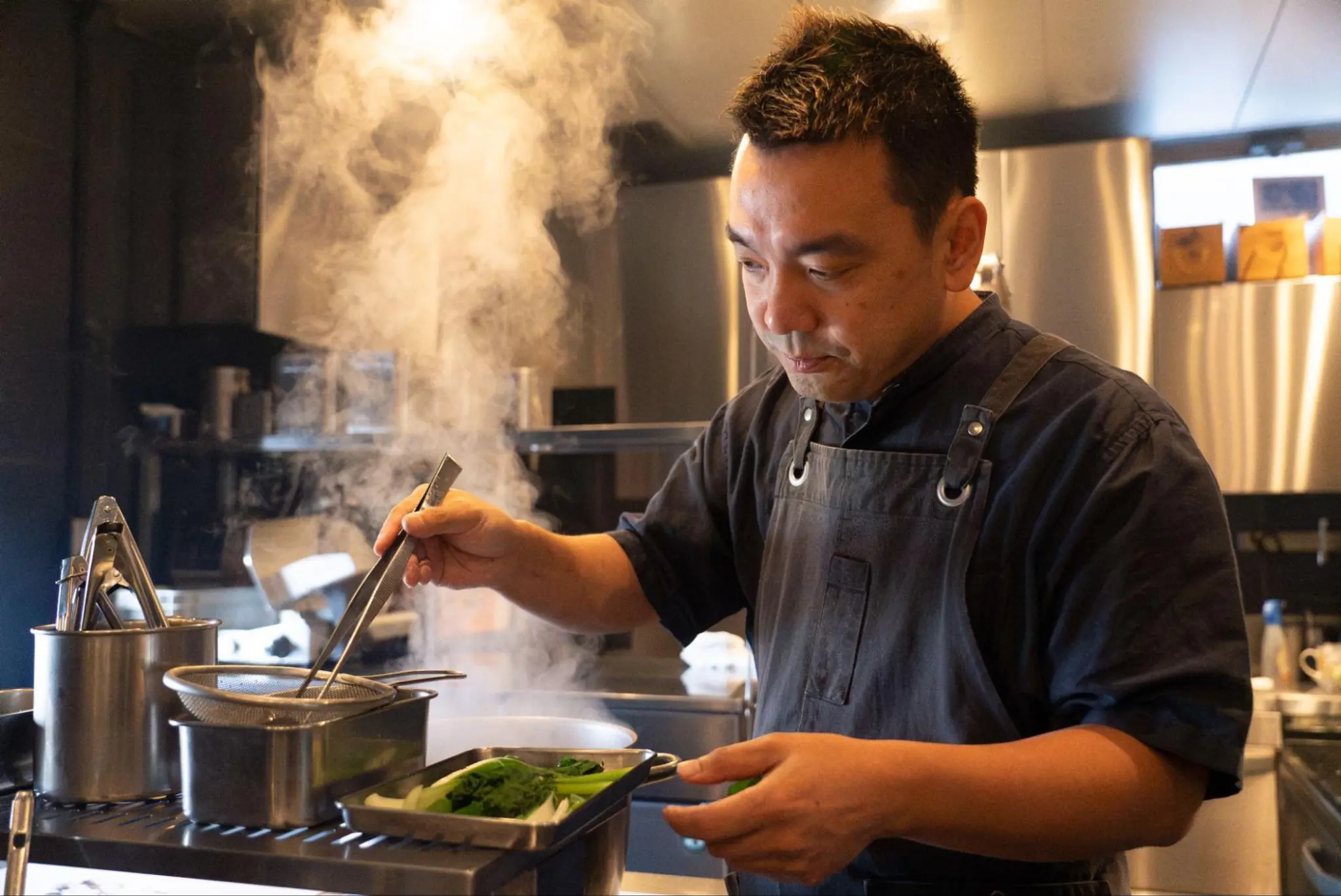
The perspective of whether to use charcoal as a heat source or as a seasoning is something I could only learn while being in Japan. By going to Europe, I was able to learn about various types of meat and processed products, and by running a restaurant in this area, I developed an interest in vegetables as well. The information I can gain changes depending on my environment, and it's fascinating to approach cooking from a different angle than what I had previously been exposed to.
In the beginning, I used to import rare vegetables that could only be found in Europe, believing they were the best option. However, when you eat European vegetables in Europe, the freshness is unmatched. As I started working closely with local farmers, I began to seriously consider the meaning of running a restaurant here, and I became more focused on using freshly harvested produce. By using ingredients right after they are harvested, I started to focus on how to create truly delicious dishes. Just like with the vegetable dish in our first course, I try not to overcomplicate things and instead aim to bring out the natural flavors of the vegetables. This is the approach I believe is best at this stage.
ーーーDo you usually interact with other chefs?
I want to share my experiences with younger chefs, so I hold study sessions about once every 1–2 months, gathering my peers after hours from 11 PM to around 3 AM. Due to the impact of COVID-19, these sessions have been on hold, but I plan to restart them soon. When I feel there's something I want to learn, I invite a professional in that field to teach, and I follow that approach. The next session will focus on fugu (pufferfish). For instance, when I wanted to use fugu in cooking, I could have bought it and experimented on my own, but I think it's also important to learn from a professional first. By learning from an expert, it becomes much easier to approach the task. Gaining experience from scratch requires both time and money, but I’ve been fortunate to have strong connections with like-minded instructors and peers who want to improve their culinary skills and understand the value and usage of ingredients. Since these people are eager to learn, even coming all the way to Kizugawa, the study sessions naturally become passionate and engaging.
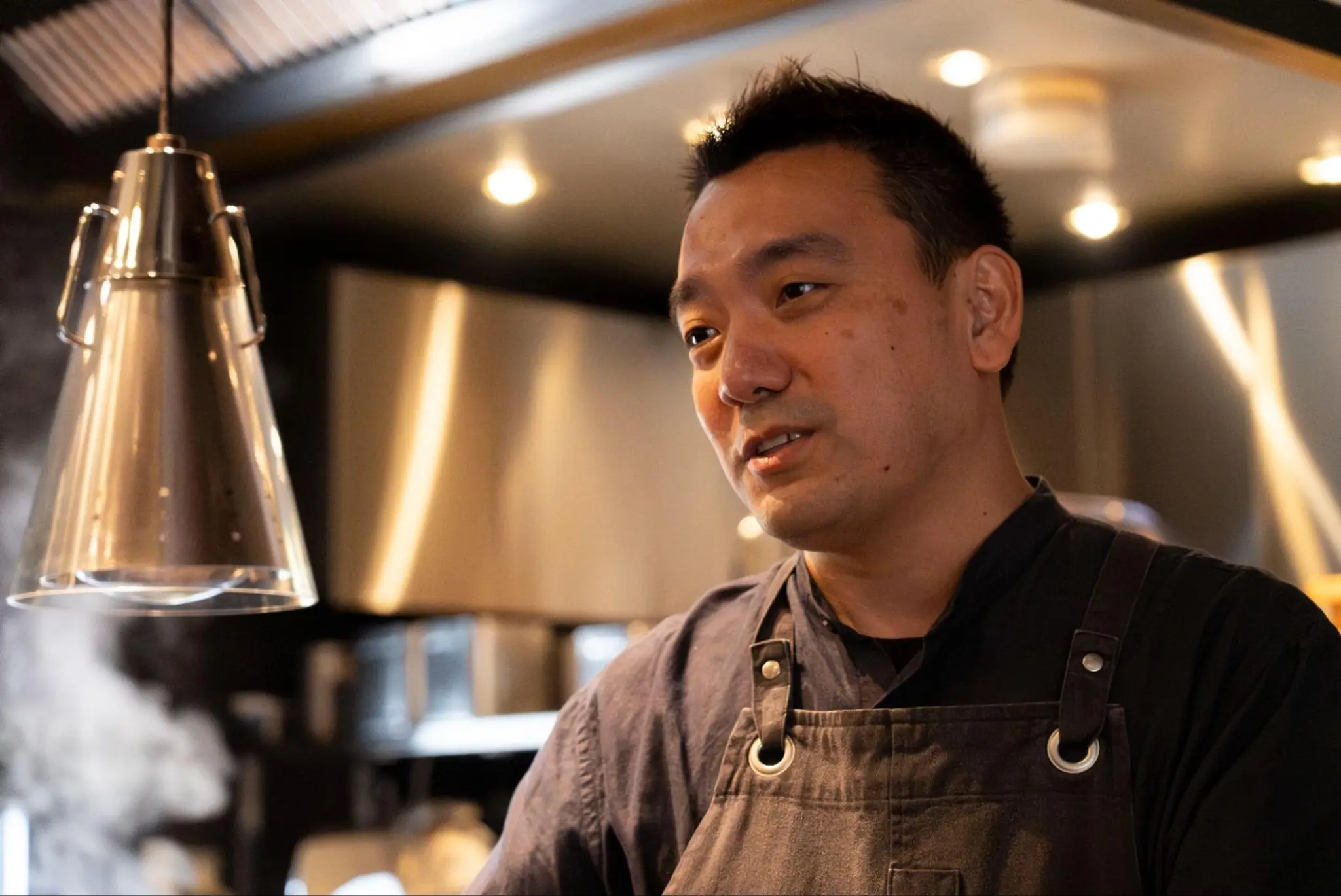
ーーーBy sharing information, the knowledge I gain can reach even more people.
Those who are eager to learn also have a strong desire to share what they've learned. As a result, they pass on their knowledge to younger people, and some even want to organize their own study sessions. If I were to keep this information to myself, there would be no development. By being the one to provide the knowledge, I believe I can encourage others to think, "I’d like to teach them." That's why I try to ensure that I’m not just receiving but also sharing information. For example, when someone asks me to share my suppliers, I’m happy to help, and by introducing producers, we all strive to create better products and level up together. Continuing to study new things and refining my cooking keeps me under healthy pressure, and I’m really happy to be able to grow and challenge myself alongside others.
The message I want to pass on to young people is: "Don’t think that just because you’ve done something once, you’ve mastered it."
ーーーHow do you view the current state of the food industry?
Nowadays, many famous chefs are sharing recipe information on social media, right? In the past, information like that wasn't available in books, and you had to go directly to learn from someone. Now, it's much easier to access. I feel like opportunities to travel to a specific place, negotiate with chefs, and learn from them have become less common. The trend we had when we were training—where we wanted to go to Europe to quickly acquire skills, even if it meant pushing ourselves hard—seems to be fading. As information becomes more accessible and simplified, the chances to build those invaluable experiences are decreasing.
For example, a recipe shared by a famous chef is designed to be something that anyone can follow and make to some extent. However, when you try to prepare the same dish for 50 people at a restaurant, it becomes much more difficult. Our job is to gather ingredients for a large number of servings every day and ensure that each dish has the same consistent taste, which is certainly not easy. I believe that those who publish recipes understand that just knowing the recipe doesn't mean it's easy to execute in a restaurant setting, which is likely why they share them. While it's great to look at the recipe and try making the dish, I think it can be a bit dangerous to assume you’ve mastered it after making it just once.
Honestly, I feel like there used to be more dishes where the craftsmanship of a particular chef made all the difference, even when using the same ingredients. Today, with the improved distribution of ingredients, it's easy to get high-quality, fresh ingredients if you have the money. As a result, there's more focus on performance and visual appeal, especially with influencers, which seems to have shifted attention away from the essential "deliciousness" of food. While this is certainly part of food trends, and I don’t mean to completely deny it, I do feel that there are other kinds of deliciousness that can get overlooked.
I hope that young people today, if they have a cuisine they want to learn, will push themselves to go abroad and study, even if it means using their own money. They should experience not just the food, but also the lifestyle and culture of the place, and immerse themselves in the atmosphere to reach their goals. One thing I often say is that confidence comes from the daily accumulation of effort. Don’t think, “It’s okay to slack off today.” During work, focus fully and do your best. And if you’re still scolded, it might be because you’re not yet at the level you need to be.
It's not true that you can never acquire skill. You may gain it in 2–3 years, or even in 5 years it may not be there yet. The difference lies in "how seriously you approach each day." Just because something works out well for one day doesn’t mean you’ve mastered it. True skill comes when you can consistently produce the same high-quality work, even during busy times when a lot of customers come. That’s when you can say your skills have truly developed. That’s why I want to convey that "you shouldn't think cooking is something you can easily master."
ーーーBy going through various experiences, it becomes ingredient for your growth.
I want young people to experience both good and bad moments, to be praised and criticized, and to go through a variety of experiences. By tasting failure, it becomes the flavor of life and may shape "your own individuality." If you continue without giving up and overcome setbacks, they no longer count as failures. But if you give up, then it ends as a failure. So, even if things aren’t going well now, if you keep pushing forward, you’ll eventually look back and think, "It was because of that experience that I am where I am today." Whether failure becomes a result or just part of the process is up to the individual.
Looking back on my time at 【Enoteca Pinchiorri】 when I was in charge of the pasta section, I was doing my best just to fulfill my responsibilities. But after overcoming those challenges, I was grateful to find that, without realizing it, I had gained confidence.
I want to continue making dishes that I believe are delicious, staying true to myself.
ーーーDo you have any thoughts on the culinary industry?
I want to elevate the status of the culinary industry as a whole, and the position of chefs in particular. In Europe, chefs have a much higher standing, partly because there are regulations that limit the number of restaurants in a single area, whereas in Japan, it’s common to have restaurants scattered throughout buildings. Japan has a large number of restaurants, and you can find good food almost anywhere, which creates the image that "anyone can make delicious food." However, that’s not the case; it’s the result of the chefs' hard work. I believe it’s important for people to recognize that, and I hope that the salaries and working conditions for chefs, including their pay, will improve.
In recent years, there has been a strong movement toward labor reform, with fixed working hours and efforts to reduce work time and improve efficiency. Of course, there are positive aspects to this, but for chefs, whose work is more craft-oriented, there are areas where short hours just don't work. If working hours are capped at 8 hours a day, it can result in only being able to serve lunch or dinner, but not both. Therefore, rather than applying an 8-hour workday to all industries uniformly, I think it would be better to adapt working hours to fit the nature of each industry. Restaurants are unique in that by concentrating intensely for a period, the work becomes ingrained in you and the final product is something you can serve to customers. So, a style like working 12 hours a day with 3 days off a week might even be more suitable.
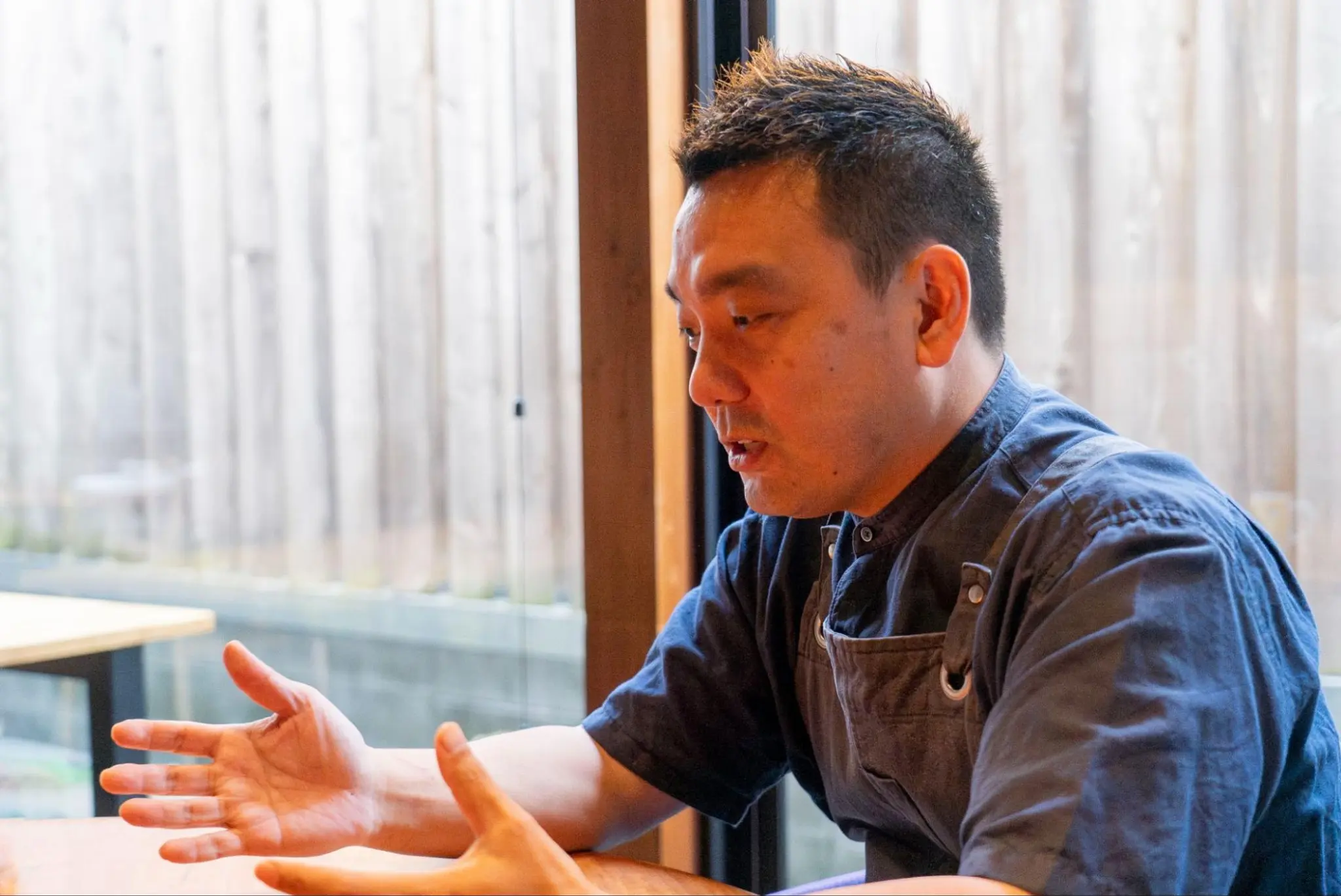
ーーーThe changes in working hours seem to have an impact on the growth of chefs as well.
If working hours are limited to 8 hours a day, there will likely be consequences, such as having to buy pre-made sauces or use frozen meat to simplify the process. I don’t want young chefs to become head chefs without fully understanding how to make stock from scratch, or relying on pre-made stock bases because they don’t know how to create them themselves.
A specific example of this is "fonds de veau" (veal stock), which is made using veal bones and shank. I want young chefs to properly learn how fonds de veau is made, how difficult it is to prepare it from scratch, and the level of skill required to make it.
In 20 to 30 years, if chefs who can make fonds de veau from scratch—from start to finish—are considered national treasures, the number of chefs who can make it may diminish due to the demand for efficiency. This makes me deeply concerned that we are currently living through a period that may one day be referred to as "the lost 30 years of the culinary industry." If there is no one left to pass on the essence and rigor of cooking, and the only way to learn is from books or YouTube, then cooking could change drastically. That’s why I strive to maintain an open attitude and continue organizing study sessions for people involved in the culinary world. I hope to be someone who remains open and willing to learn from others as well.
ーーーLastly, what does "delicious" mean to you, Chef Nakamoto?
When I went to Italy, I realized that the reason "mamma's" (mother's) cooking tastes so good is because it’s made with love and care for the family closest to her. For example, knowing that her child likes a particular flavor and cooking specifically for them is, in my opinion, the essence of cooking. It’s not so much about using luxury or rare ingredients like caviar or sea urchin; I don’t think that’s the most important thing.
In a restaurant, there are many customers, and it’s not possible to know the preferences of every single one. So, I have to serve what I think is delicious. As a result, customers naturally evaluate the dishes based on whether they align with their tastes. There was a time when I tried to change ingredients to cater to customer preferences, but then I reconsidered: I opened this restaurant because I wanted to create my own food, even if it meant taking risks. Why should I be concerned with pleasing every customer? I realized that it's okay for evaluations to differ from person to person. What matters is that I offer what I believe to be delicious. That’s how I am able to cook what I want today. I believe my taste is formed by my experiences—by the flavors I encountered growing up and the tastes I learned during my training. These combined experiences contribute to the flavor I am able to create now, at the age of 45. As I continue to gain new experiences, my taste may evolve, and even though I have been making the vegetable dish since the restaurant first opened, the way I cook the vegetables, the heat source, and the presentation have all evolved with time. The definition of "delicious" changes with the times, but I want to maintain a strong core within myself that doesn’t waver. I want to stay true to what I believe in and continue making the dishes I want to create.
With a sincere approach to cooking, Chef Nakamoto expresses concern over the evolving industry and the challenges chefs face, questioning the "norms" of the present day. His passion will likely lead to a larger movement, involving fellow chefs from Kizugawa City, Kyoto, Nara, and Osaka.
The restaurant where Chef Nakamoto showcases his skills, 【Ristorante Nakamoto】, is undoubtedly a renowned Japanese establishment worth visiting for its unique offerings that can only be enjoyed in this area. As you travel there, take the time to enjoy the surrounding scenery, sharpen your senses, and experience the vibrant, life-filled Italian cuisine he has created.
Interview & Article by / Yuka Sada
Photography by / Azusa Nakaoka
Restaurant Information
- AutoReserve Magazine
- Japan’s world-renowned flagship restaurant
- In the scenic land of Kizugawa, a top-class Italian restaurant in Kansai pursues cuisine that only he can create: 【ristorante NAKAMOTO】