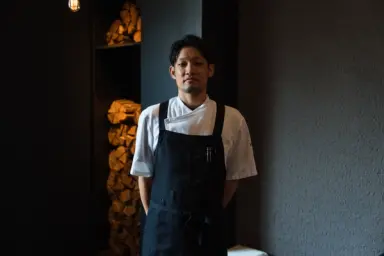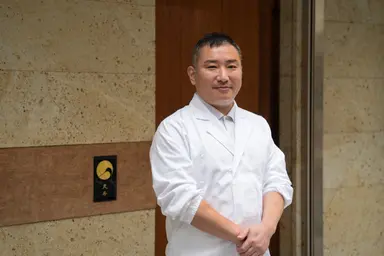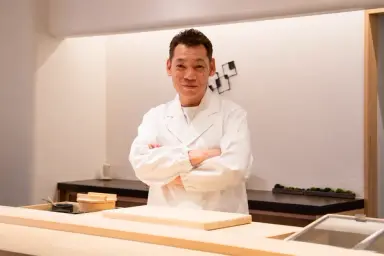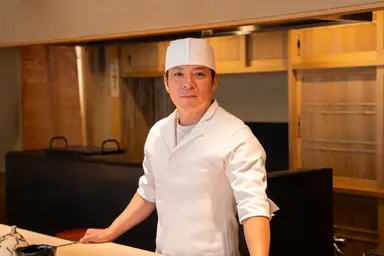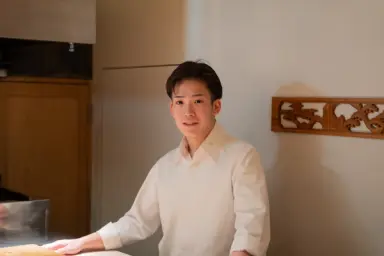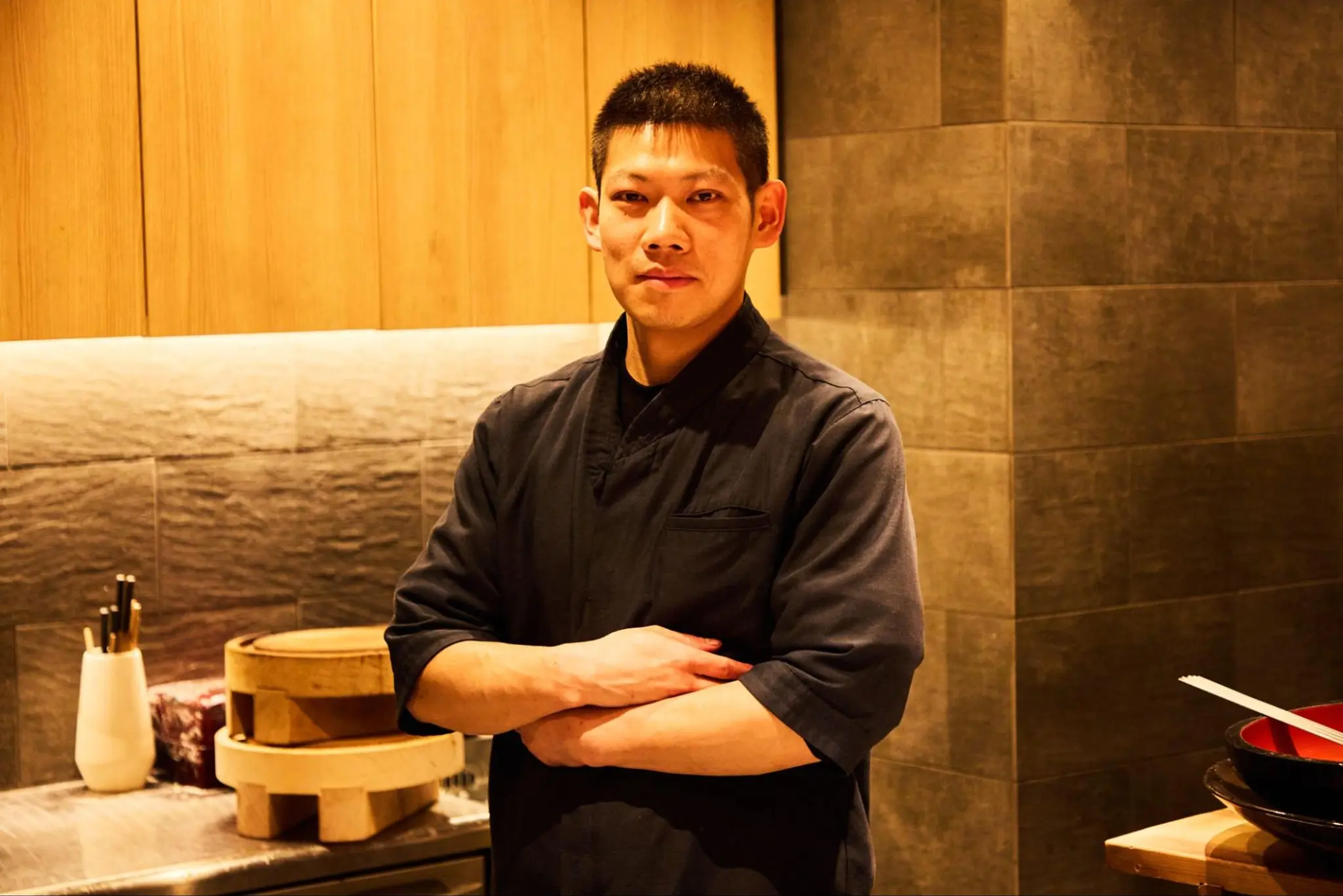
Experience a one-of-a-kind "Unagi Extravaganza." The challenge of Chef Ogiwara, woven with tradition and innovation.
Aspiring to Be a Chef from Childhood: A Journey Built on Experience
ーーーWhat inspired you to become a chef?
By the time I was in elementary school, I had already wanted to become a chef. There wasn’t any particularly dramatic moment that sparked it—it was simply because my family ran a diner. Helping out at the restaurant was a part of daily life, and before I knew it, cooking had become second nature to me. In elementary school, I was mainly doing chores like washing dishes and simple plating, but I remember being happy whenever I received a small allowance for helping out. That might have been my initial motivation (laughs). However, as time went on, I started to find cooking itself fascinating, and naturally, my dream solidified into becoming a chef.
ーーーDid you ever have any doubts about pursuing a career in cooking?
Not at all. I never even considered any other profession, and I simply enjoyed cooking more than studying. After graduating from high school, I had no hesitation in enrolling in culinary school. There, I learned fundamental techniques and theories, but as I delved deeper into the world of cooking, I realized how profound it was. By the time I graduated, I had a strong desire to gain more hands-on experience in actual restaurants. After finishing school, I decided to work in the field and started at a local kappo (Japanese fine dining) restaurant. However, wanting to broaden my knowledge of different cuisines, I eventually moved through several workplaces to expand my experience.
The Path to "Unagi" – How Diverse Experiences Shape the Present
ーーーAs you embarked on your journey as a chef, what kind of experiences did you gain?
After working at a local kappo (Japanese fine dining) restaurant, I went on to gain experience in a variety of culinary settings, including a fish market, an izakaya, a Japanese restaurant, a yakiniku (grilled meat) restaurant, and a Chinese restaurant. I never set out to specialize in unagi from the beginning. Instead, my primary goal was to learn as many techniques as possible and expand my culinary repertoire.
I spent about four and a half years at a Japanese restaurant in Yokohama, where I thoroughly mastered the fundamentals of Japanese cuisine. In addition to honing my cooking skills, I also developed practical expertise in efficient kitchen workflow, such as preparing banquet meals with a small team and managing prep work in a short amount of time. During peak banquet seasons, we sometimes served over 100 guests in a single day. This experience sharpened my ability to allocate staff effectively and optimize preparation within tight time constraints. The head chef there was a great mentor—his guidance was always precise and composed. If I made a mistake, he would reprimand me, but he always provided logical explanations for his critiques. Thanks to his teachings, I not only improved my technical skills but also learned the proper mindset and conduct expected of a professional chef.
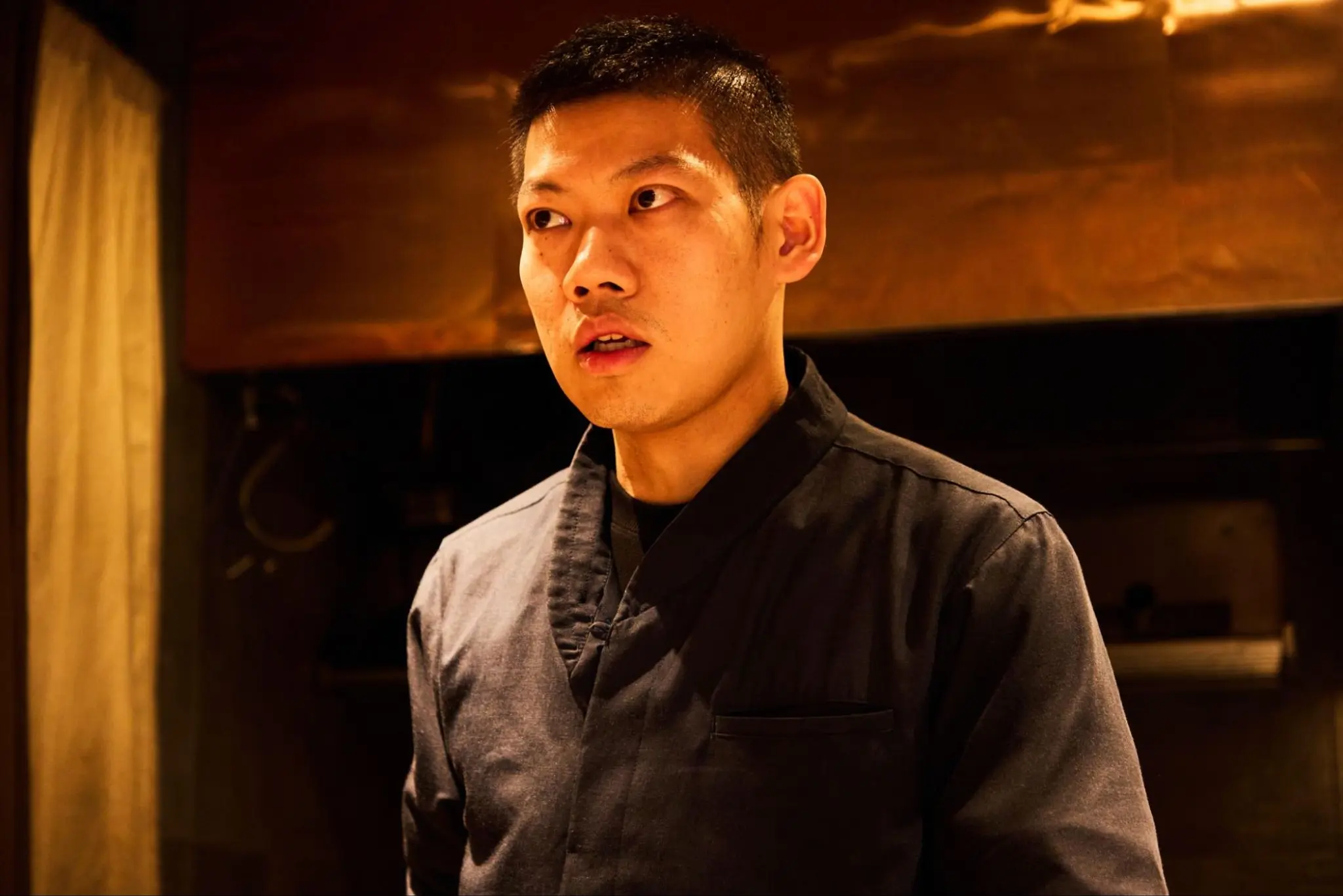
After that, at 【Yoroniku】, I learned about how the raising period of meat impacts its flavor. The taste and marbling of beef raised for 28 months differ significantly from those of cows raised for shorter periods. Understanding how rearing conditions and time affect flavor made me more conscious of selecting ingredients and mastering the art of heat control. This experience became the foundation for recognizing the differences in taste and texture based on the rearing period of eel, leading me to consider different cooking methods tailored to the region and individual characteristics of each eel.
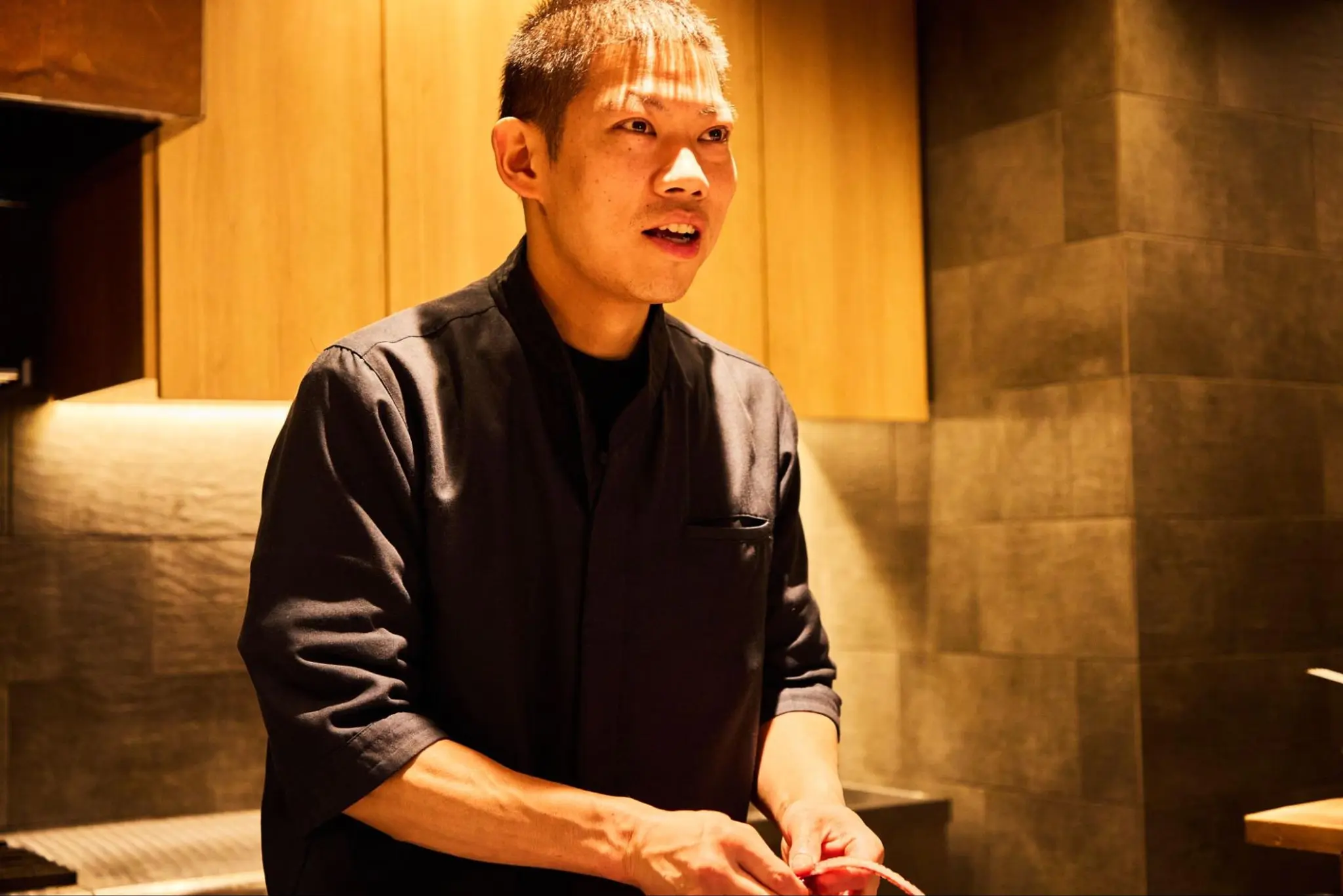
Additionally, during my one-year training at the Chinese restaurant【Wasa】, I learned how to use a wok and handle seasonings. Chinese cooking requires precise heat control, and I came to understand how stir-frying in a short time can enhance aroma and how balancing seasonings can completely change the impression of a dish. At my restaurant, I incorporate a miso sauce with Tianmianjiang (sweet bean sauce) for eel and use a wok to prepare dishes like "Unatama" (eel and egg stir-fry)—both of which are directly influenced by my experience at 【Wasa】.
Through these diverse training experiences, I strive to combine everything I’ve learned to create dishes that bring joy to my customers.
ーーーWhen did you decide to specialize in eel?
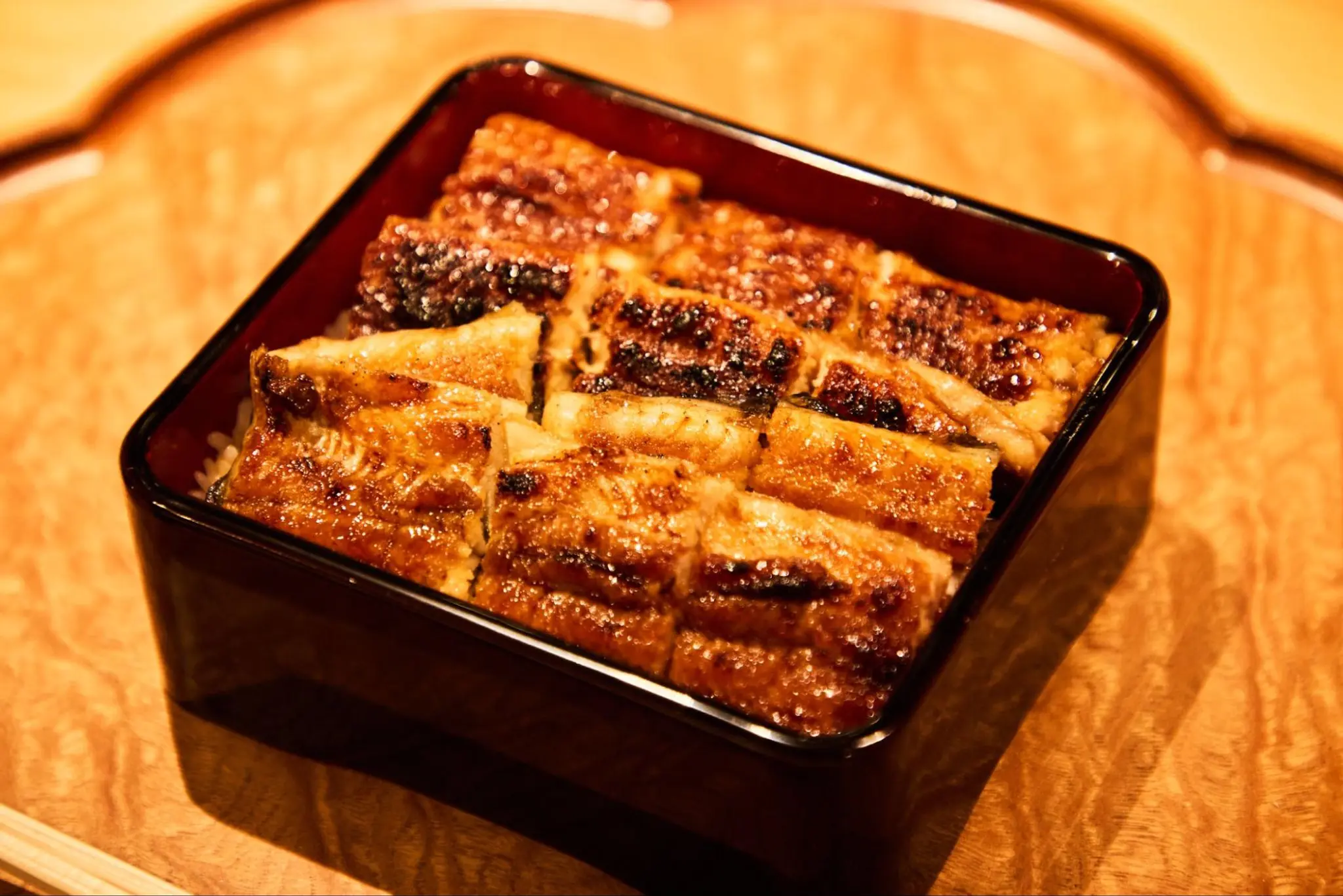
It was when I started thinking about opening my own restaurant. I considered establishing it either in my hometown of Tochigi or in Tokyo, but I realized that Tokyo was already saturated with Japanese restaurants. I felt that if I simply opened another traditional Japanese restaurant, it would be difficult to stand out. That’s why I decided that if I were to open a restaurant in Tokyo, I needed to do something unique—something that other restaurants weren’t doing. Since my family’s diner also served unagi, I decided to create a restaurant that focuses on a course menu centered around eel.
While unagi is the core of my cuisine, I make a conscious effort not to be bound by traditional concepts. I explore various cooking methods to push the boundaries of what’s possible with eel. Rather than just serving kabayaki, I strive to highlight the distinct characteristics of eel based on its origin and rearing period, creating dishes with even greater depth. It is through this continuous refinement that the cuisine of 【Sangubashi Asaya】 has taken shape.
Bringing Out the Unique Characteristics of Eel from Different Regions
ーーーI heard that you work with eels from multiple regions.
I source eel from various regions, including Hamamatsu, Miyazaki, Kagoshima, and Aomori. The origin and farming methods significantly impact the flavor and texture of the eel. For example, "Shinko Unagi" (young eel), which is raised for about six months to a year, has soft, fluffy flesh and thin skin. However, because it has a shorter rearing period, its flavor is relatively light and delicate. On the other hand, "Kyosui Unagi", which is raised for over two years, has a richer taste and aroma with a deep umami flavor. However, its thicker skin and muscular texture make it more challenging to grill. Eels that have been raised for a longer period also have higher fat content, and if not cooked properly, they can become overly heavy. That’s why I carefully evaluate each eel's origin and growth conditions to determine the most suitable cooking method. Every day, I refine my approach to bring out the best possible flavors and textures.
ーーーHow do you incorporate these differences into your cooking?
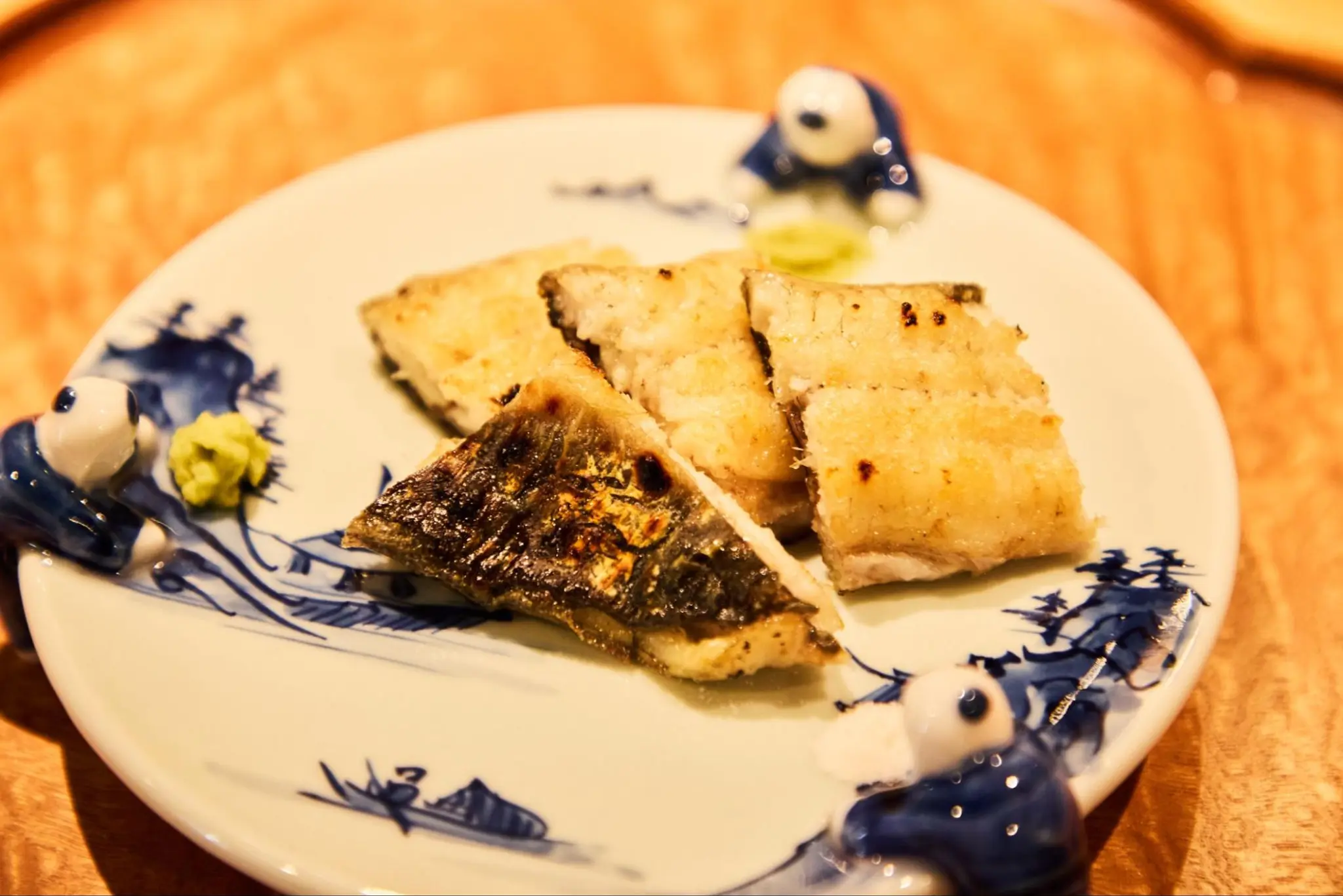
Eel varies greatly depending on its origin and the producer, even within the same region. At the same fish farm, factors such as feed and water quality can significantly alter the flavor. The differences are even more pronounced with wild eel, where each individual has unique characteristics. For example, if I’m preparing "Jiyaki" (grilling without steaming), I prefer Shinko Unagi because of its soft, delicate skin. On the other hand, for eel that undergoes a steaming process, I choose Kyosui Unagi, which has a thicker, more structured skin and holds up better.If Shinko Unagi is steamed for too long, it loses its flavor, while grilling Kyosui Unagi without steaming can make the texture too tough. That’s why I carefully adjust my cooking techniques and heat application to ensure that each type of eel is prepared in a way that best enhances its natural qualities.
The Essence of the "Unagi Extravaganza" Course – Ingredients × Technique × Creativity
ーーーAt 【Sangubashi Asaya】, you take a different approach to eel dishes compared to traditional preparations.
When people think of unagi, the standard preparations that come to mind are kabayaki (grilled with tare sauce) and shirayaki (grilled without sauce). However, I believe there are many more ways to enjoy eel. At our restaurant, we incorporate unique cooking techniques into our course menu to bring out new dimensions of eel’s appeal. Two signature dishes we offer are "Inrō-yaki" and "Unagi Sashimi"—dishes that you’re unlikely to find at other eel restaurants.
ーーーWhat kind of dish is "Inrō-yaki"?
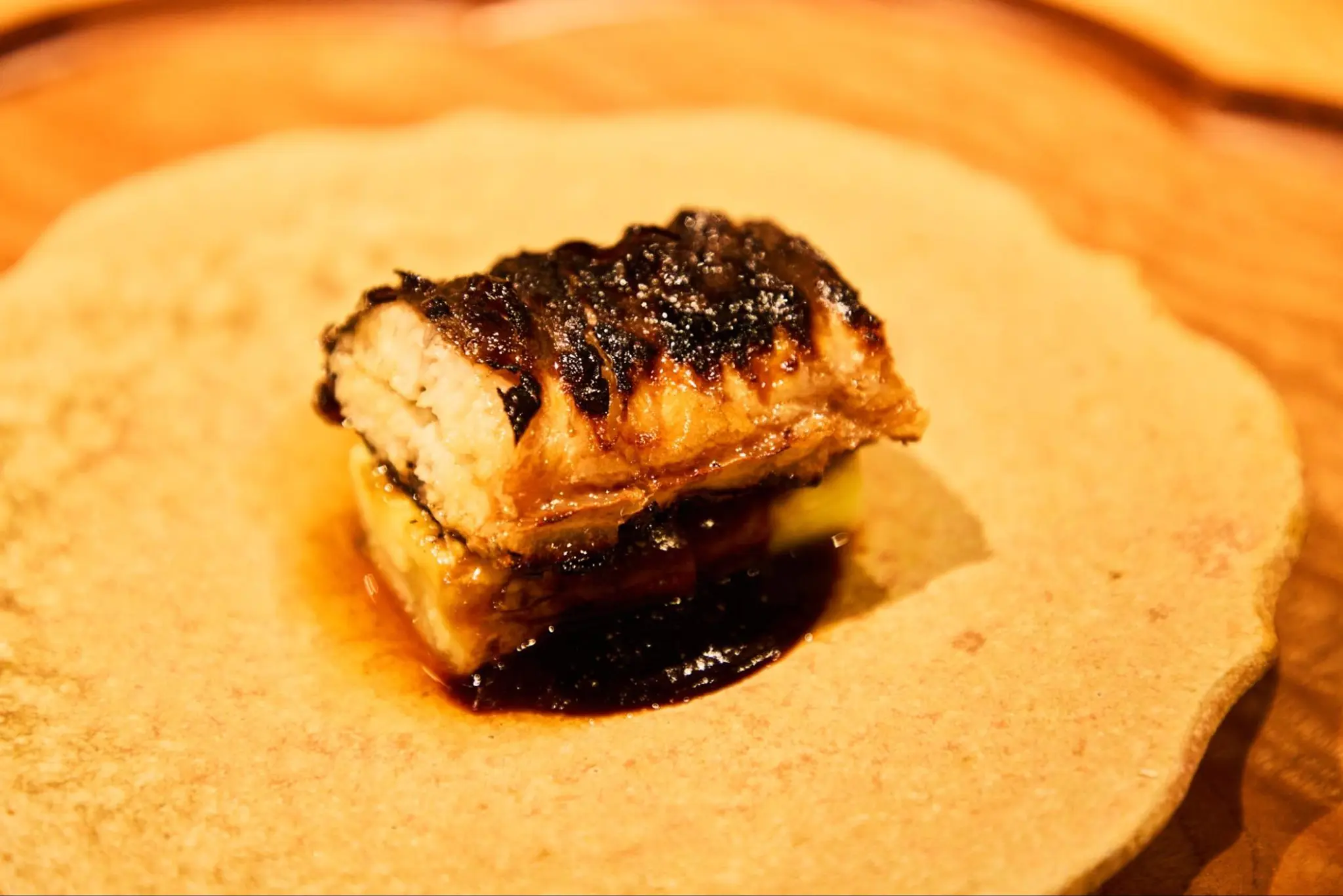
Inrō-yaki is a traditional Japanese cooking technique, where the inside of vegetables or fish fillets is hollowed out and stuffed with a filling before being cooked. I wanted to see if I could apply this Japanese culinary technique to unagi, so I experimented through trial and error.
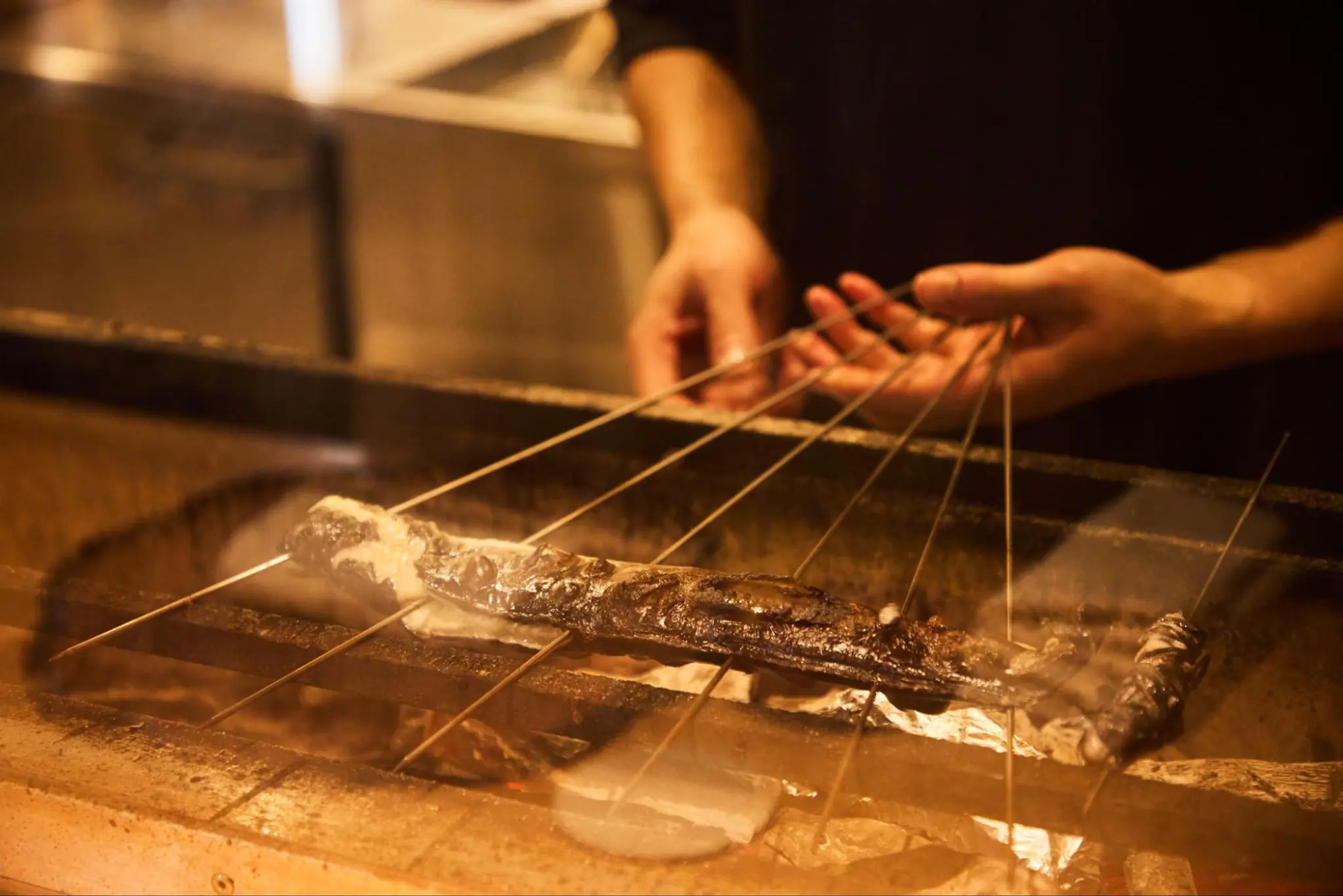
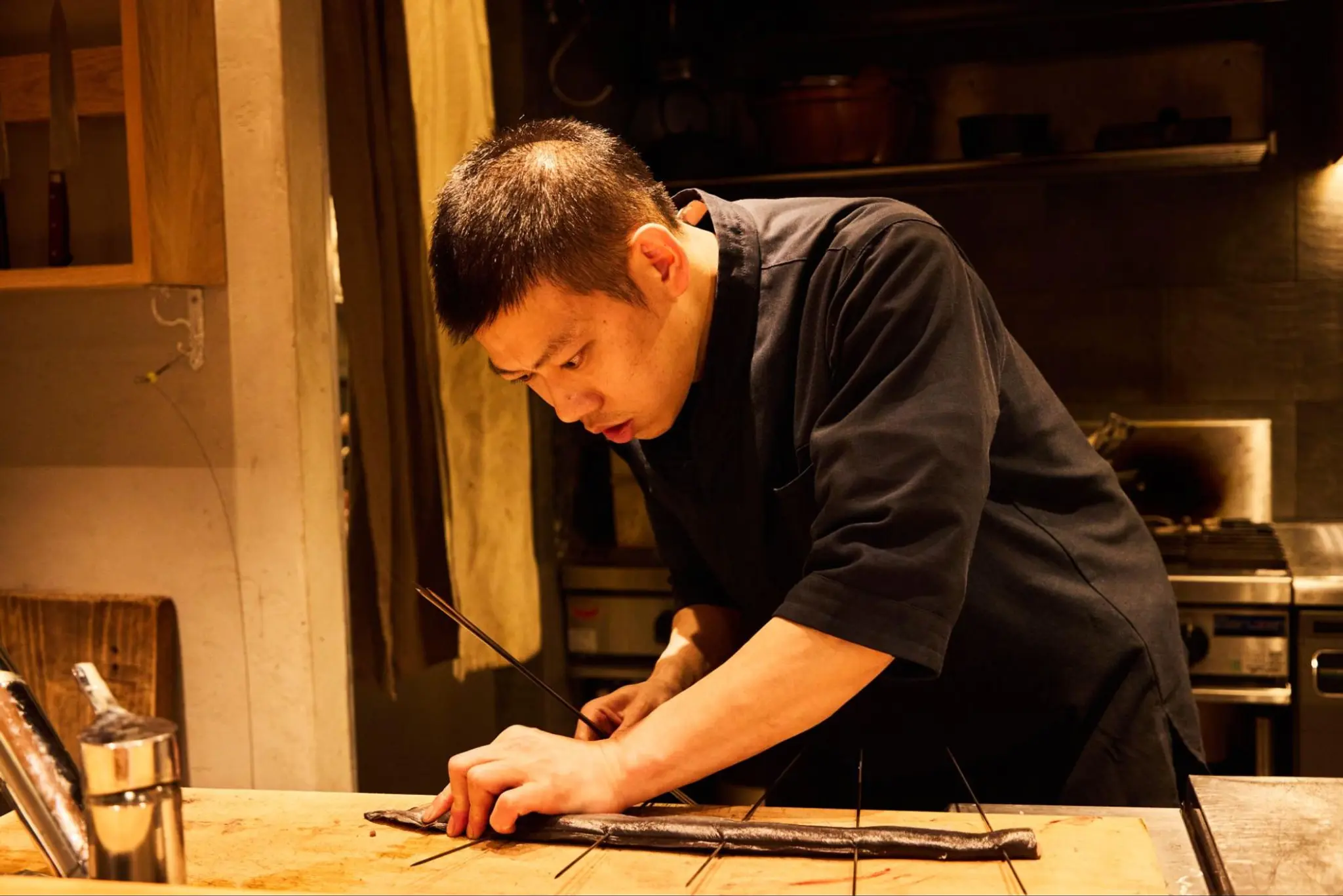
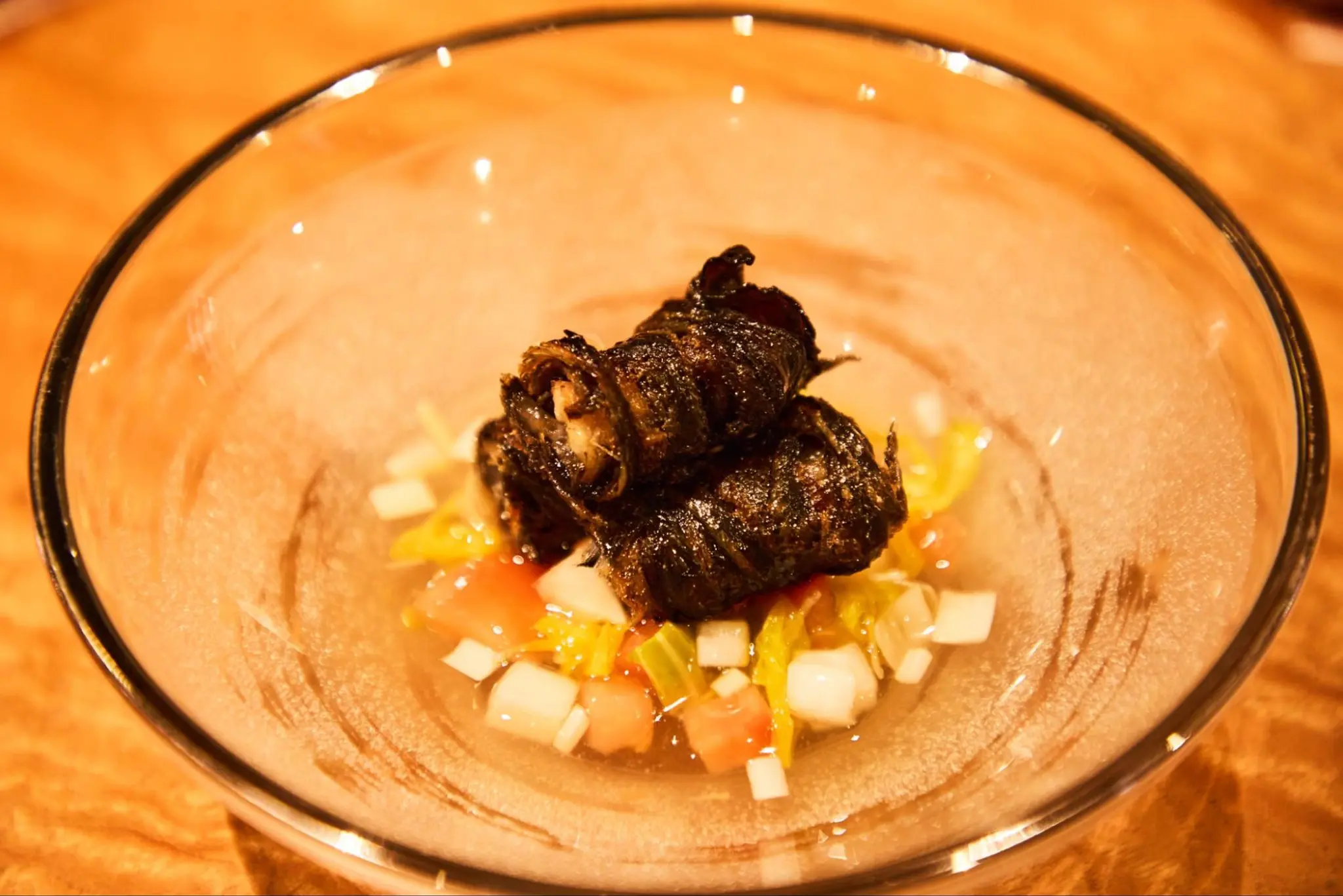
Unlike the standard Inrō-yaki, at our restaurant, I prepare it in a unique way: instead of filleting the eel, I remove the bones while keeping the body intact, then grill it and serve it with a miso-based sauce.
Traditionally, eel is often seasoned with salt or soy sauce, but I had always wanted to highlight the depth of miso’s flavor. That’s when I came up with the idea of combining miso with the cylindrical shape of Inrō-yaki. Grilling enhances the aroma, creating a perfect harmony between the eel’s umami and the rich depth of the miso. Since introducing this dish, it has been very well received by customers, which makes me truly happy. However, removing the bones while keeping the eel’s body intact is a challenging technique. Now, I can complete the process in about five minutes, but when I first started, it took me around 40 minutes per eel just for the preparation.
ーーーUnagi Sashimi is quite rare, isn't it?
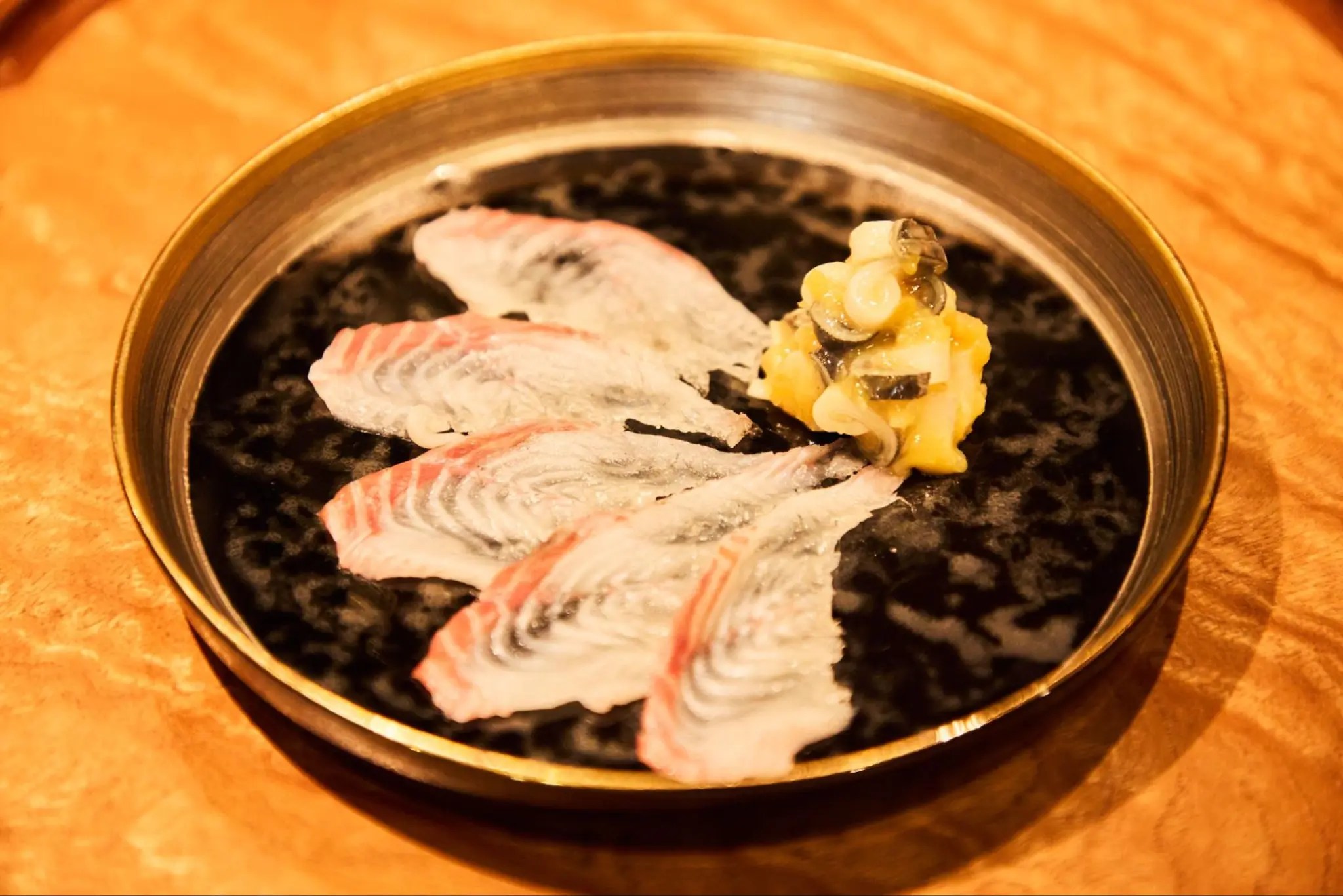
Yes, it's uncommon to eat eel raw, as it is typically cooked before consumption. However, when handled properly, unagi can be enjoyed as sashimi, offering a unique experience. Eel is a muscular fish, meaning that cooking softens its texture, giving it a fluffy consistency. In contrast, when eaten raw, it has a firm and slightly chewy bite, which provides an entirely different sensory experience.For our course menu, I carefully select only the highest-quality eels, ensuring exceptional freshness and precise preparation. This dish allows guests to enjoy the pure, unadulterated umami of eel in its most natural state.
ーーーThe combination of seasonal ingredients is also a key feature of your course menu, isn’t it?
The umami and texture of eel fat change significantly depending on the ingredients it is paired with. At our restaurant, we don’t serve a fixed menu; instead, we carefully adapt each dish based on the ingredients we source, considering the best way to bring out the unique qualities of eel.
For example, in our “Uzaku-style Grilled Fin”, we pair the eel with seasonal vegetables, creating a dish that allows guests to fully experience the flavors of the season.
I personally go to Tsukiji Market to source vegetables, considering which cooking method best suits each ingredient. I carefully select and pair ingredients based on the season, ensuring that the flavors harmonize naturally. One of the unique aspects of our course menu is that we change these combinations seasonally, allowing guests to enjoy a fresh and evolving dining experience throughout the year.
ーーーWhat kind of experience do you aim to provide through your course menu?
I would love for guests to realize just how versatile eel can be and think, "I never knew eel could be enjoyed in so many ways!"At our restaurant, we carefully select and use five to six different types of eel throughout the course. As guests progress through the meal, they can enjoy the contrasts in flavor and texture while discovering new dimensions of deliciousness through various cooking techniques.
Each course includes approximately 2.5 eels per person. While this might sound like a lot, I carefully vary the cooking methods and pairings to ensure that guests can enjoy the meal without feeling overwhelmed or fatigued. Eel is an ingredient with endless possibilities, where grilling techniques and seasoning choices can dramatically transform its flavor and texture. My goal is to bring out the full potential of eel, allowing guests to experience its rich variety of expressions throughout the course.
ーーーWhat is most important to you when creating your dishes?
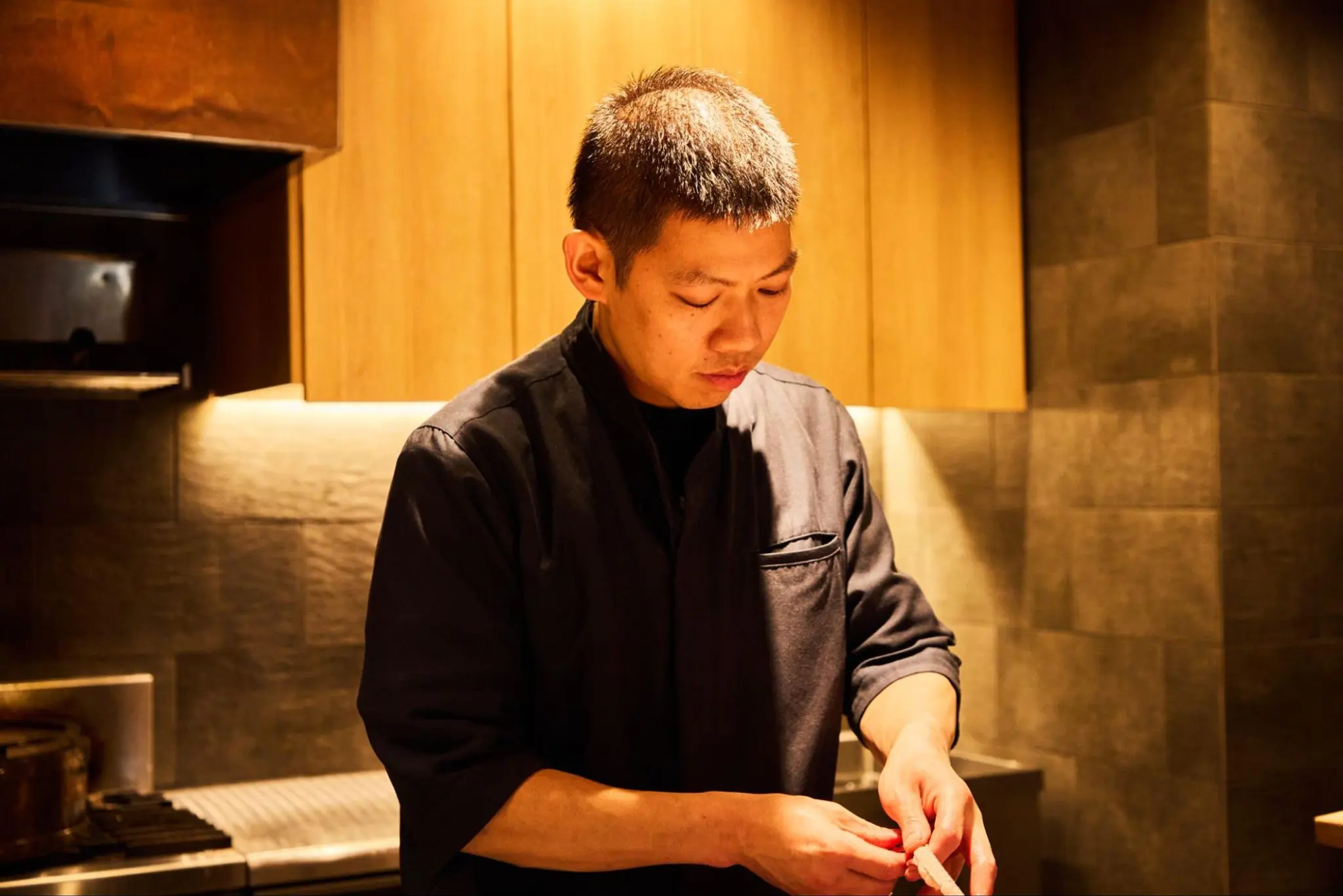
I always strive to surpass the dishes I created the previous year. In cooking, the moment you believe a dish is “complete,” progress stops. That’s why I never serve the exact same dishes year after year—I continuously make small improvements and updates over time. Eel has distinct characteristics depending on its origin and how it was raised, so I carefully assess these differences and pair them with seasonal ingredients while refining cooking techniques. My focus is to create the best possible combination at any given moment, ensuring that each dish is crafted with thoughtful precision and seasonal harmony.
ーーーWhat new challenges are you currently exploring?
Lately, I’ve been experimenting with a new take on "Hitsumabushi". It’s one of the most popular eel dishes, and its appeal lies in how it can be enjoyed in multiple ways. However, I believe there’s still room for innovation, and I’m exploring a unique approach that reflects the identity of our restaurant. Even though Hitsumabushi is a classic dish, I feel that there might be an even better way to present it. I’m working hard to refine the idea, and I look forward to unveiling it for our guests soon!
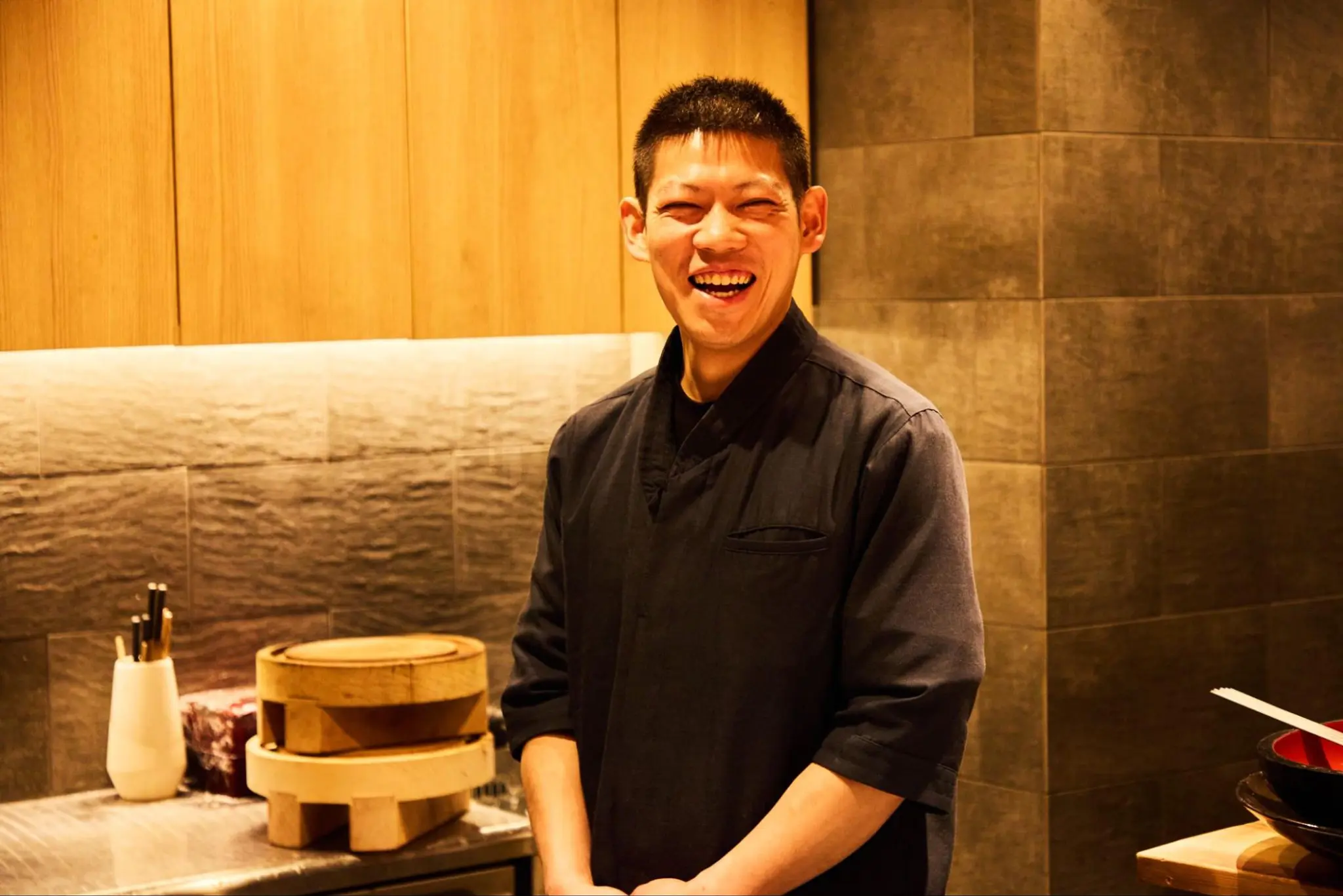
ーーー Finally, what does "delicious" mean to you?
To me, deliciousness is about understanding the unique qualities of each ingredient and applying the best possible cooking techniques to maximize its natural flavors. By bringing out the ingredient’s true potential, I believe we can enhance its appeal and create a more profound dining experience.
Texture is also a crucial factor in defining "deliciousness." Whether a dish is fluffy, crispy, or firm, the way texture is balanced can completely change how a dish is perceived. I carefully consider which texture best complements each dish to create a truly enjoyable eating experience.
But above all, thinking about how guests will enjoy the meal is the most important aspect. Cooking should never be about the chef’s self-satisfaction—it’s not just about what I find delicious, but about how guests experience and appreciate the dish. Observing their expressions and reactions allows me to continuously refine and improve my cooking. I believe this constant cycle of trial and improvement is what drives culinary evolution. If our guests fully enjoy the dishes we serve, and that becomes their own definition of "delicious," then there is nothing more rewarding for me.
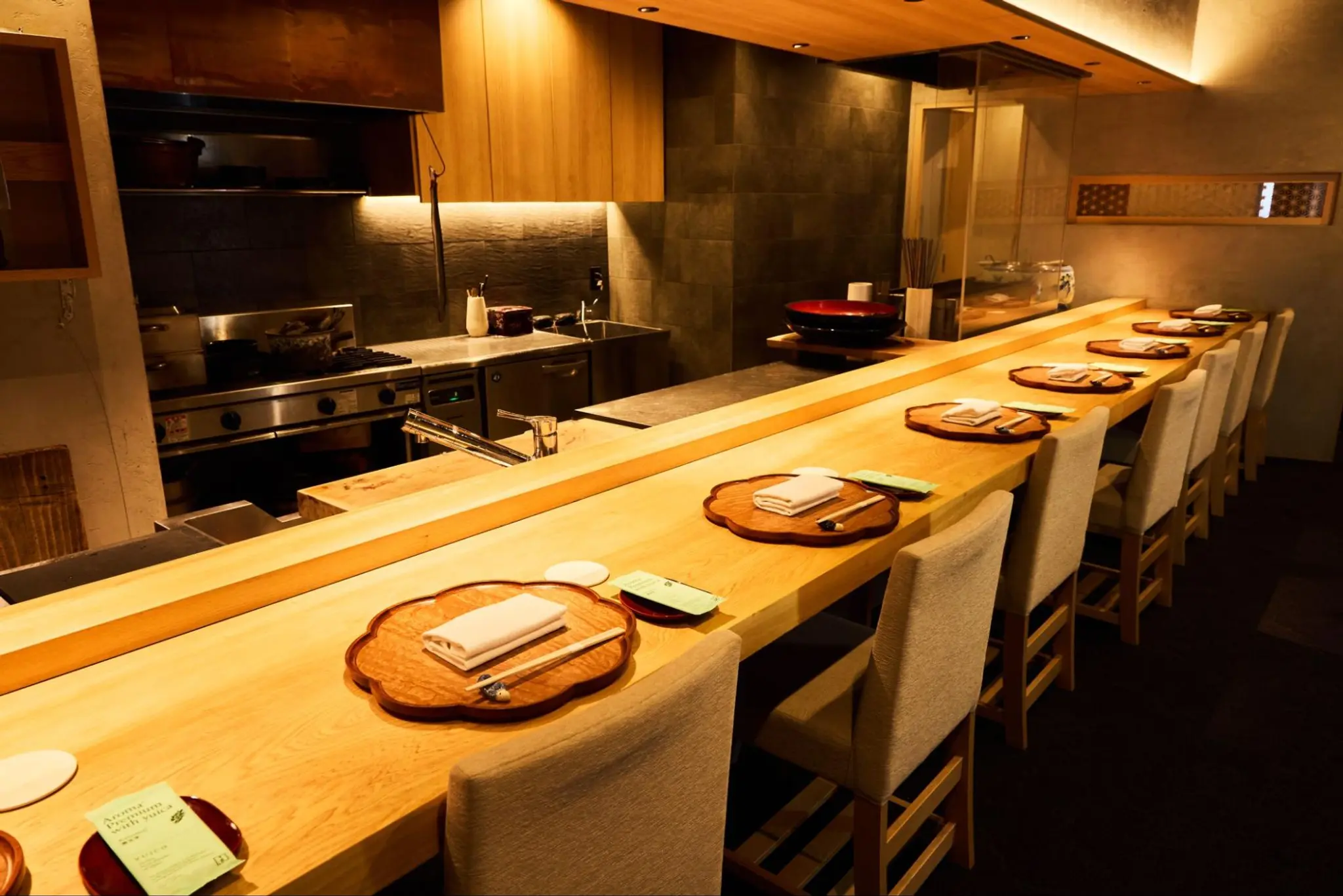
As you step through the doors, a simple yet refined Japanese space unfolds before you. Taking a seat, you can witness firsthand how Chef Ogiwara, while respecting tradition, continues to push the boundaries of eel cuisine, transforming it into a diverse array of innovative dishes right before your eyes. The aroma of perfectly grilled eel, the tender texture that melts in your mouth, and the delicate flavors that enhance its umami—each element embodies Chef Ogiwara’s deep passion and dedication as a culinary artist. It is a special moment where all five senses are indulged, a dining experience unlike any other. We invite you to savor this unforgettable journey at 【Sangubashi Asaya】.
Interview & Writing / Yuko Arakawa
Photography / Tomohiro Yasui
Restaurant Information
- AutoReserve Magazine
- Restaurants recommended by top chefs
- Experience a one-of-a-kind "Unagi Extravaganza." The challenge of Chef Ogiwara, woven with tradition and innovation.