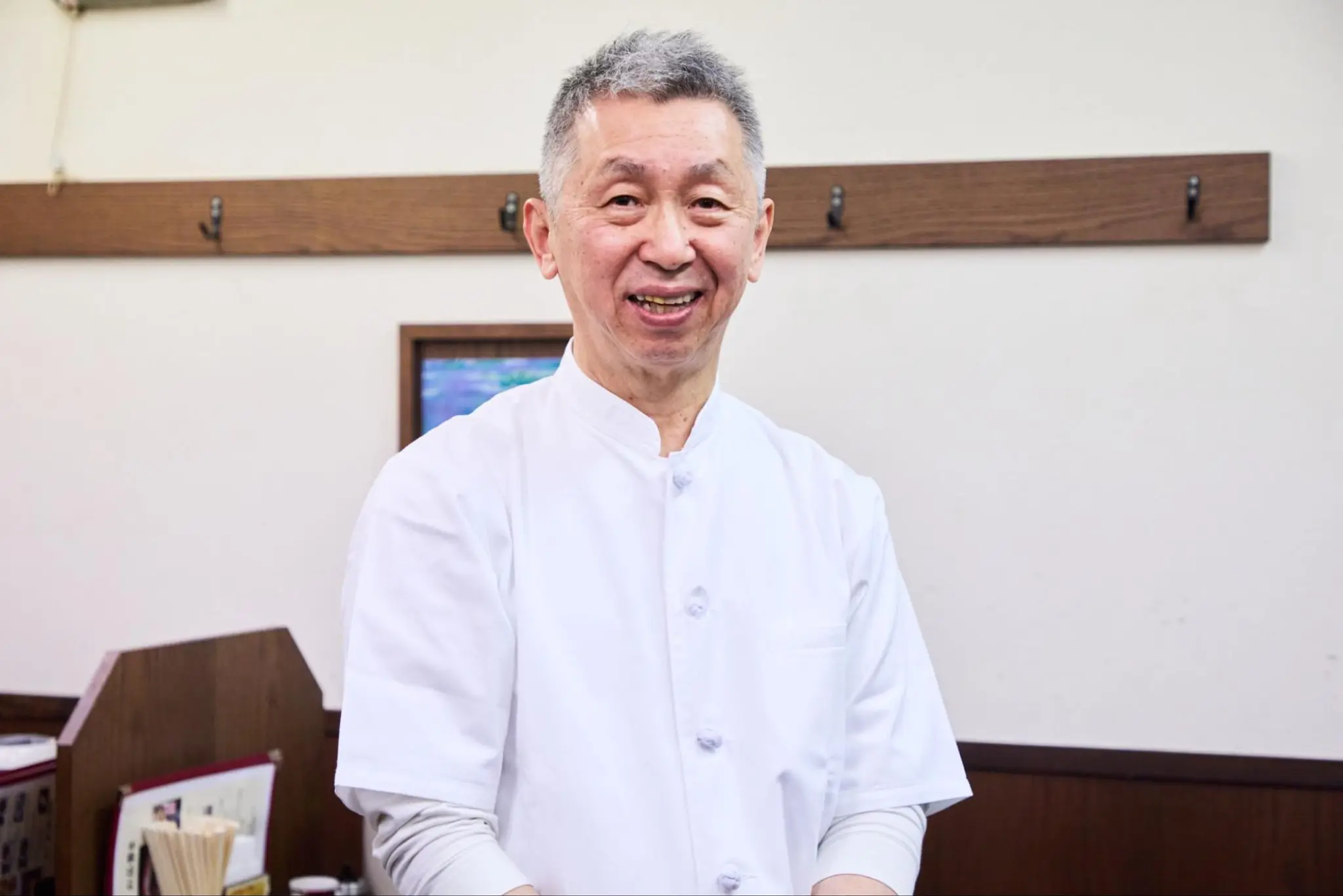
For the Sake of Every Customer’s “Delicious”! The Belief of Chef Yutaka Kazuie of 【Shinasoba Kaduya】—Devoted Not Only to Noodles, But Also to the Dining Space
A Bold Decision to Enter the Food Industry from a Completely Different World
ーーーWhat inspired you to become a chef?
It was due to financial circumstances. When I was 28, I found myself in a situation where I had to support my mother and younger sister. That became the turning point when I resolved to settle down and start a business of my own. I thought deeply about what I was capable of doing, and eventually made up my mind to enter the food industry. It was then that I met Chef Ishihara, the owner of the main branch of 【Tantan-tei】, and through that connection, I stepped into the world of ramen. Before that, I had never once thought about running a business, let alone entering the food industry.
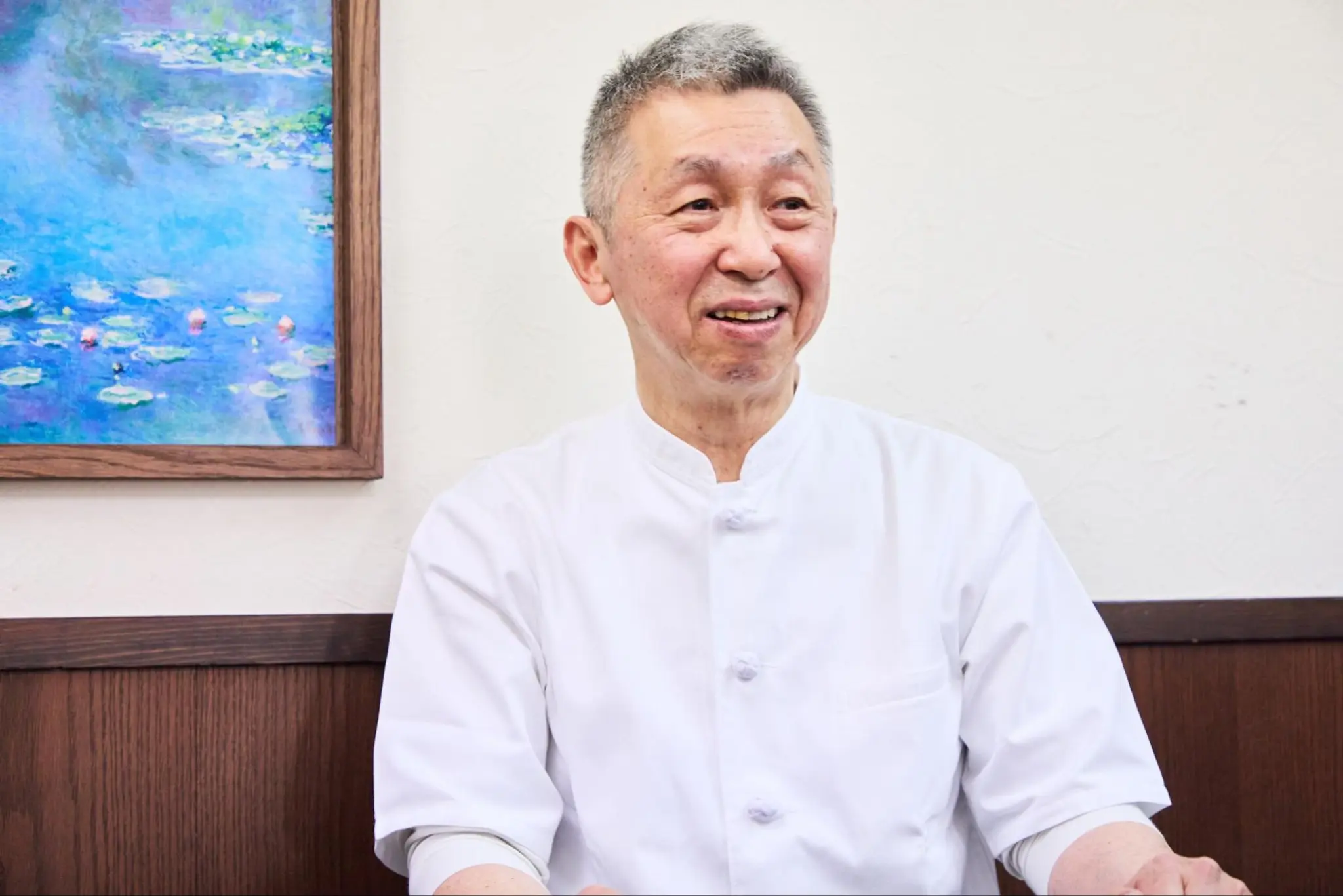
ーーーThe food industry is known for its fierce competition and high risk. What motivated you to take on the challenge?
When I decided to start my own business, I asked myself what suited me best—whether there was something in my life up to that point that I was passionate about or good at. What came to mind was food. I had been cooking at home since I was a child, so I thought perhaps cooking was something I could do. However, even if I could cook, I realized that pursuing something like French or Japanese cuisine, learning the craft through years of specialized training, and then opening a restaurant would be far too high a hurdle. Of course, there are risks involved, but with ramen—being a single-dish cuisine—I felt the barrier to entry wasn’t as steep. That’s when I made the decision and set a goal to open my own place in five years. I told Chef Ishihara of 【Tantan-tei】, “I plan to become independent in five years. Please teach me until then!” and with his consent, I began my training.
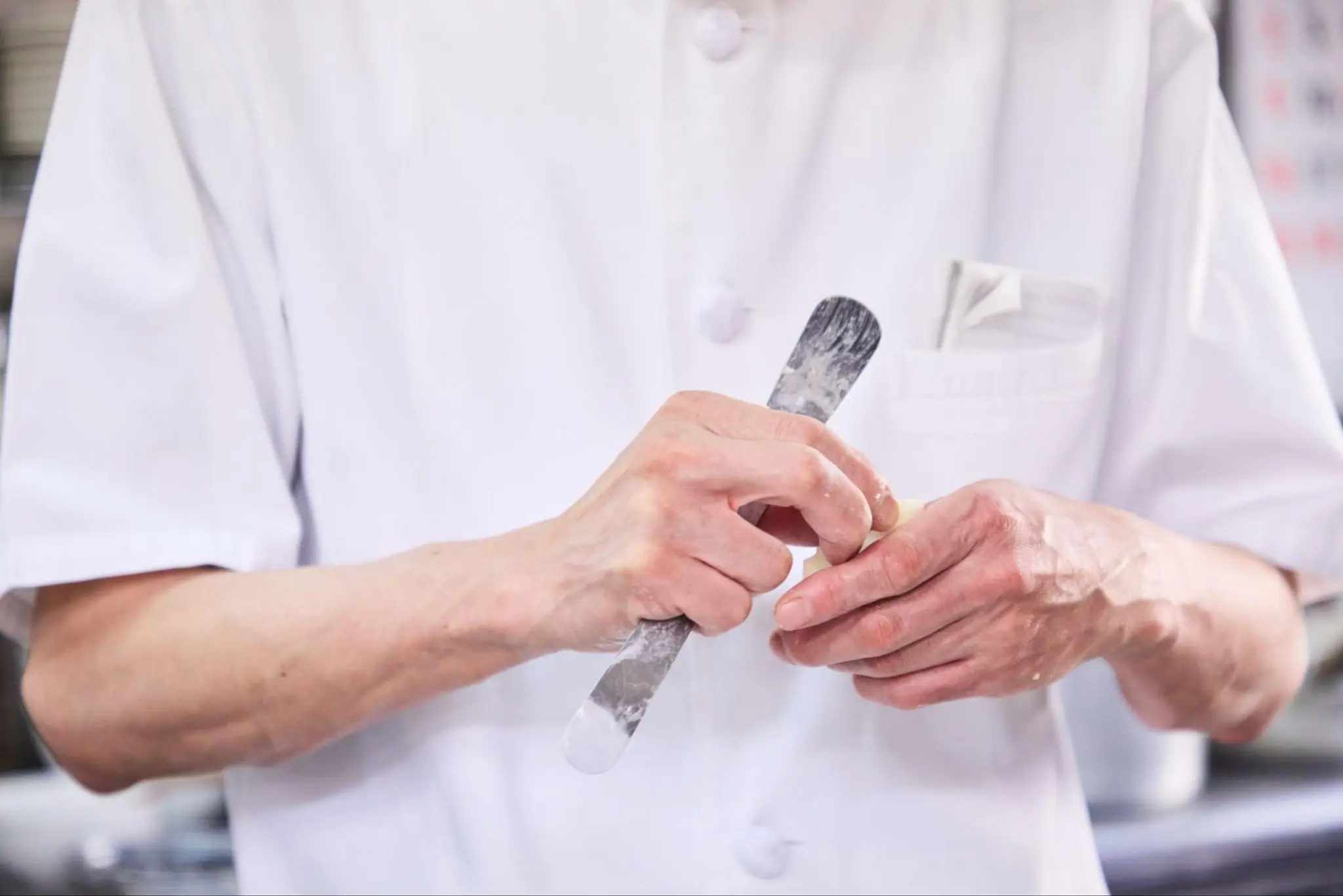
ーーーYou mentioned that you’ve been interested in food since childhood?
My father passed away when I was 10 years old, and since my mother had to work and wasn’t always at home, I started cooking meals for my siblings around that time. I also made my own lunchboxes and brought them to school. By the time I was in junior high, I could cook most typical home meals. I didn’t dislike cooking even back then, so perhaps I had a natural inclination for it.
ーーーWhat were you doing before deciding to become a chef at 28?
Because we were a single-parent household, my teacher told me that going to university might be difficult. So I enrolled in a technical high school to gain an advantage in job hunting. Around that time—around 1969—Japan was at the peak of its rapid economic growth, and job prospects were excellent. After graduating from technical school, I got a job at a company in the architectural equipment industry and worked there for about a year. But it wasn’t something I truly wanted to do, so I ended up quitting.
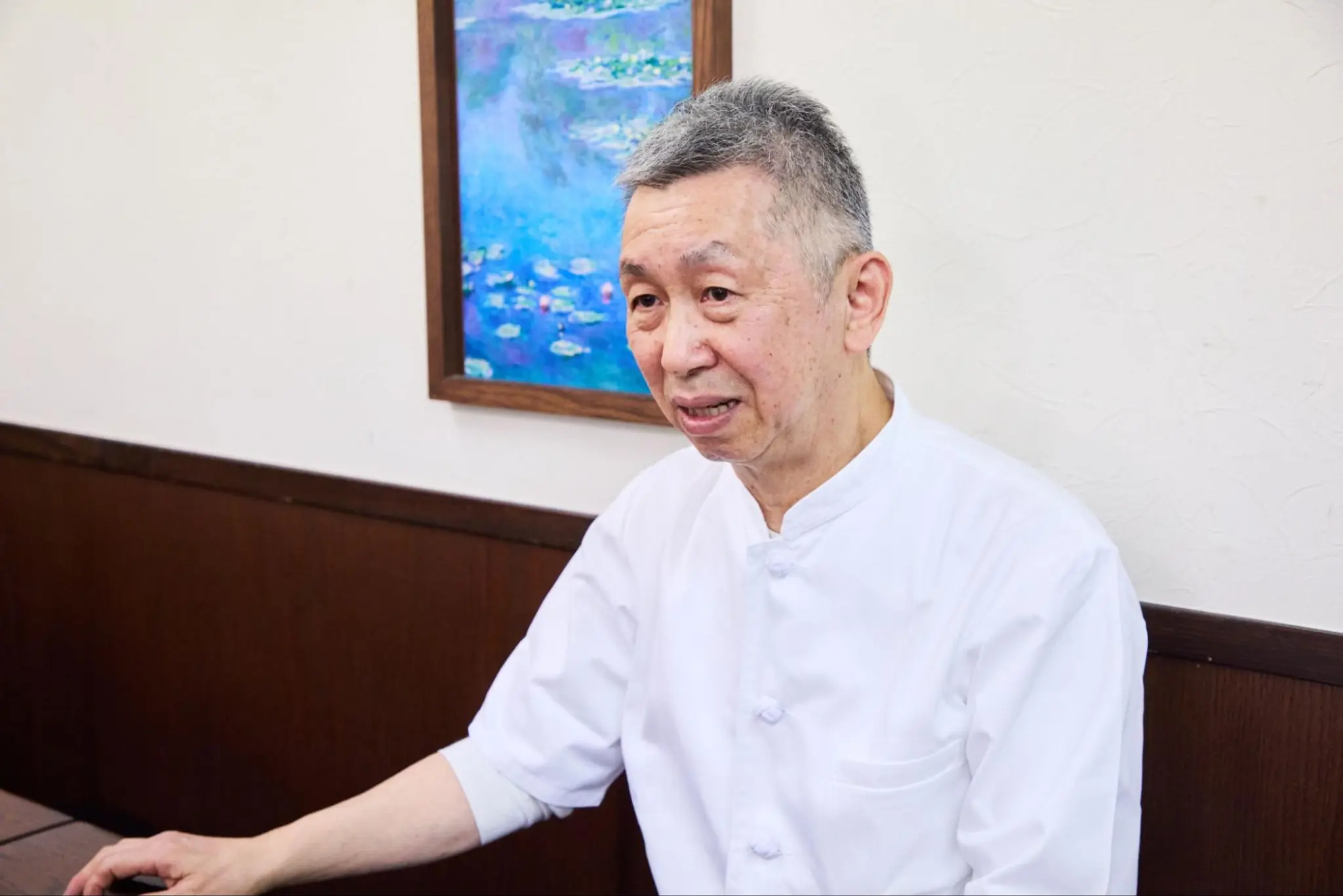
Wanting to pursue something I truly enjoyed, I decided to go back to school and enrolled in a night university program. While attending classes, I worked part-time and even traveled as a backpacker—taking my own detours through life. Eventually, I graduated at the age of 25. After that, I joined a publishing company in hopes of fulfilling my dream of becoming a reportage writer. However, I soon realized that the reality of the job was far from the dream I had envisioned. As a result, I left the company after about a year and spent some time exploring different paths, essentially living like a freelancer.
Then, at the age of 28, out of nowhere—like a bolt from the blue—my younger sister was diagnosed with an incurable illness. I found myself in a situation where I had to support both her and my mother. That’s when I made a firm decision to start a business in the food industry. You could say it was my "comeback match" starting at 28 years old (laughs).
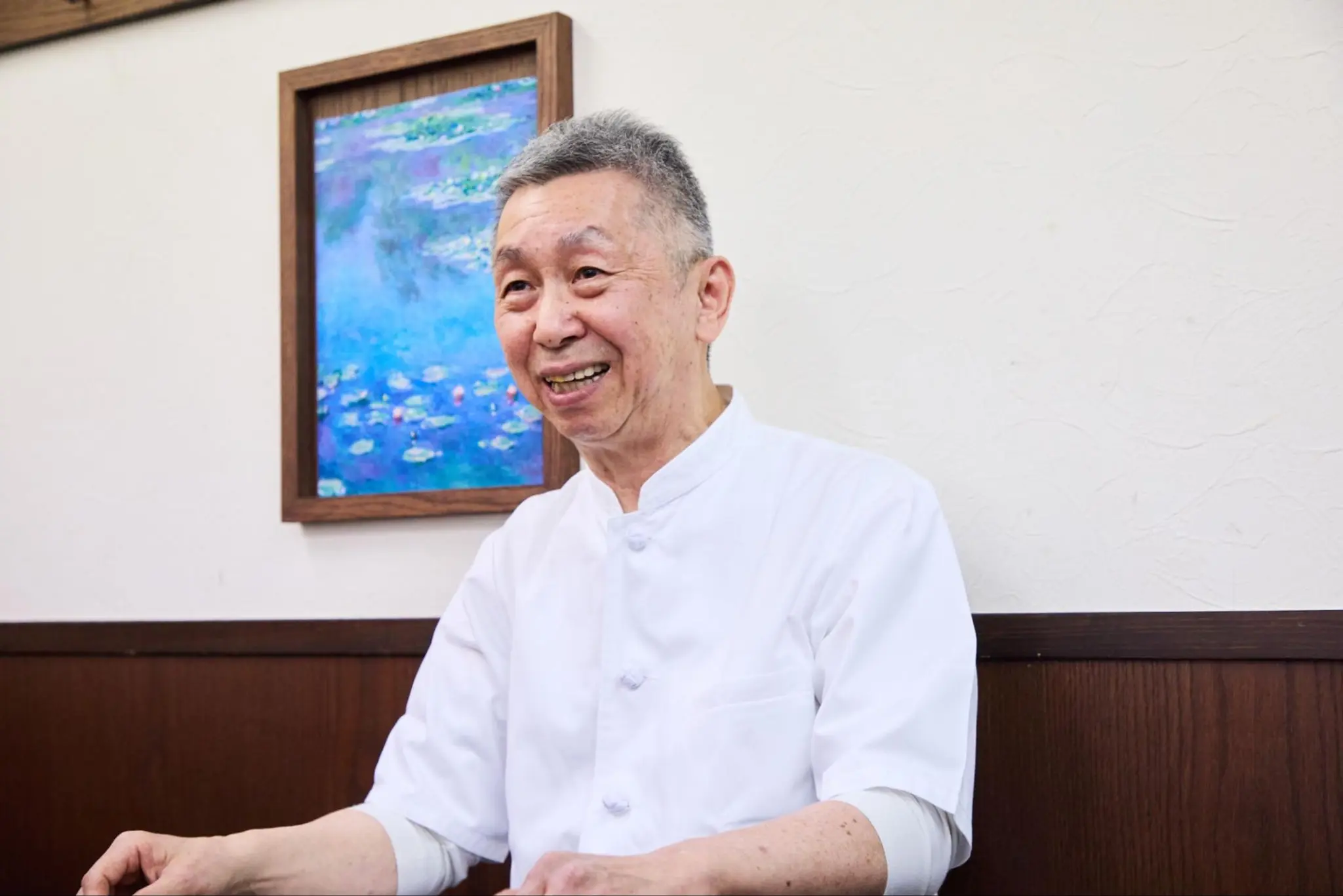
A Chance Encounter That Laid the Foundation for Everything
ーーーAmong all the ramen shops out there, what led you to choose 【Tantan-tei】 as the place to train?
It was purely by chance. At the time, the ramen boom was just beginning, and I heard through word of mouth that there was a popular shop. That’s how I met the owner of 【Tantan-tei】—who would later become my mentor—Chef Satoshi Ishihara.
Interestingly, he wasn’t originally a trained chef either. Before founding 【Tantan-tei】, he was a research associate at Bungakuza, a prestigious theater company, and worked as a stage actor. The reason he entered the food business was because, after getting married and needing to support his family, he couldn’t land major roles and found it difficult to make ends meet. So, he decided to pursue something he enjoyed—food—and started a ramen shop. More precisely, it began as a neighborhood Chinese eatery, which eventually evolved into a ramen specialty restaurant.
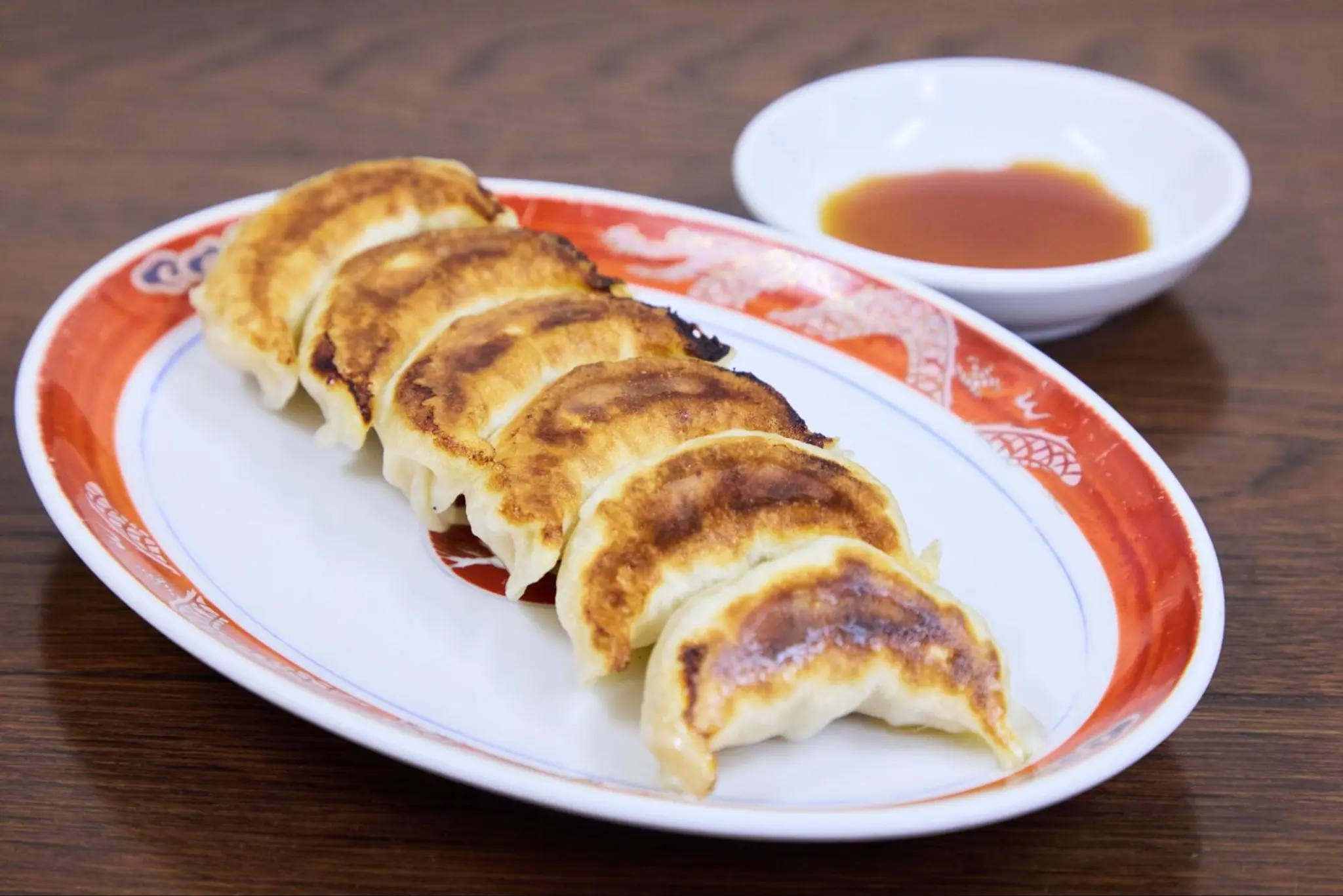
ーーーDo you have any memorable stories from your time as an apprentice?
My mentor had a deep curiosity not only for ramen but for food in general. About three months after I joined the shop, he actually left for France to train in French cuisine (laughs). Before departing, he taught me the entire 【Tantan-tei】 recipe and brought in a head chef from a Chinese restaurant. Then he said, “You two take care of the shop together. I’m off!” That’s the kind of person he was—truly unique (laughs).
He was someone who didn’t confine himself to fixed ideas and always thought freely. Even back then, the ramen he made was quite different from what people commonly thought of as ramen. I still see elements of his influence in the current ramen boom. He never allowed himself to be boxed in by public perception or conventions around "machi chuka" (local Chinese eateries). He constantly asked, “What is authentic?” The Chinese food we’re used to in Japan is essentially a localized version. My mentor actively sought to experience and study authentic Chinese cooking techniques firsthand—through research and practice—to better understand the real essence of the cuisine.
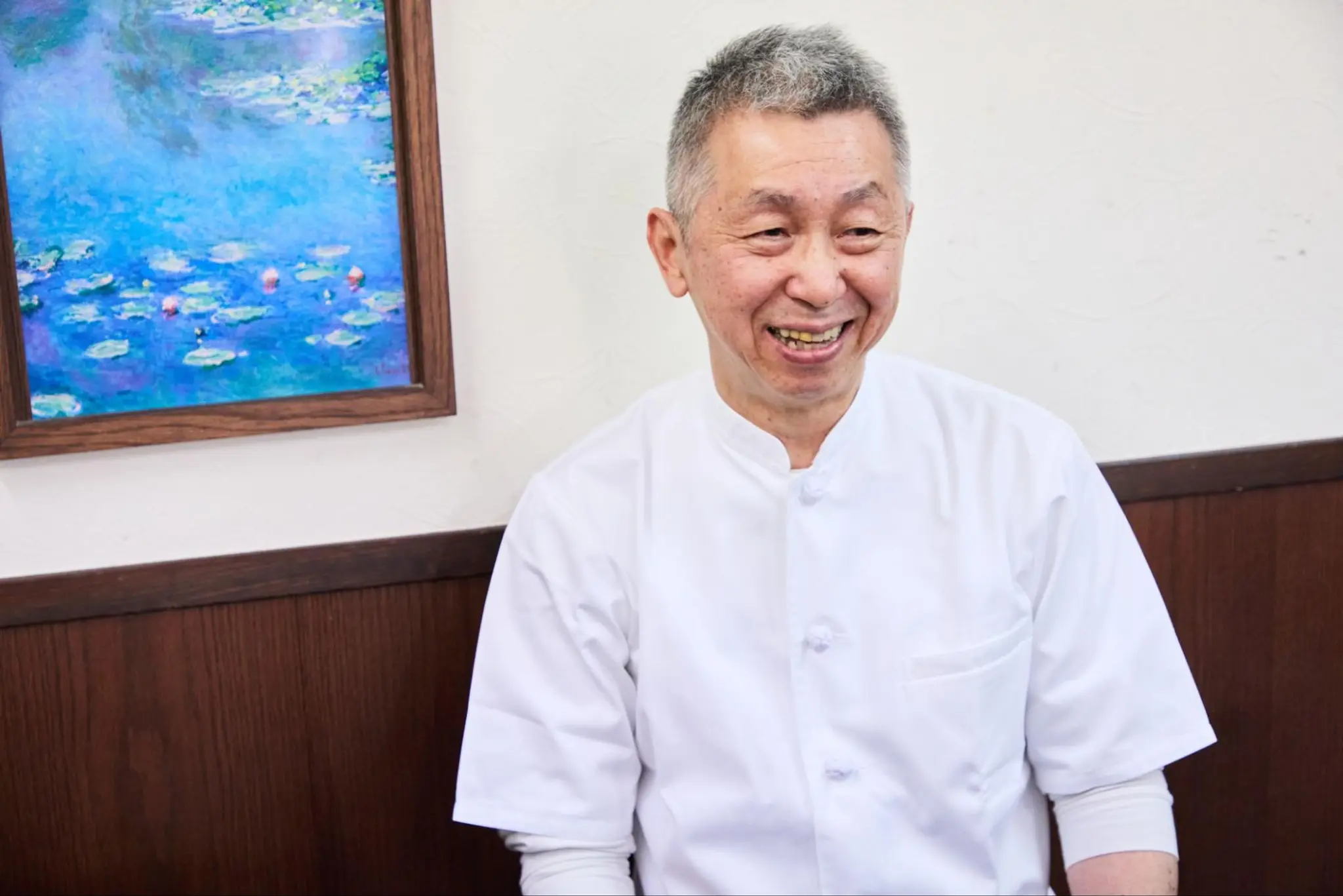
He experimented beyond the standard idea of noodles typically used in wonton ramen, creating new forms, and chose to top his ramen with roasted chashu instead of the conventional braised kind. Today, it’s common to see chashu roasted in an oven or hung and grilled, but back then, braised pork was the standard. Most ramen shops would simmer the pork and then use the braising liquid as a base for the soy-based tare (seasoning sauce) in their ramen. Seeing my mentor’s creativity and flexibility up close was incredibly educational for me. His pursuit of authenticity left a strong impression on customers as well—many were surprised and delighted, saying things like, “I didn’t know chashu could taste this good.” I truly believe that the ramen at 【Tantan-tei】 was a result of his relentless dedication to real, honest flavor.
ーーーWhat was it like when you were entrusted with running the shop?
At the time, I was still lacking in technical skills, but I managed to keep the shop running with the head chef until my mentor returned from France. I thought we’d now manage the shop together—but the moment he came back, he said, “Alright, it’s all yours,” and just like that, I became the manager (laughs). That was about a year and a half after I joined the shop. Cooking itself wasn’t hard for me, and compared to my previous work environments, I was happy and enjoying my days. I never really found it tough. The real challenges came from managing people. Naturally, you can’t run a restaurant all by yourself, and at the time, I was still young and maybe a bit full of myself. Some of the older staff wouldn’t listen to what I said. But when it came to making ramen, I never felt burdened or struggled. Eventually, just as planned, I was able to go independent. My mentor, being the straightforward man he is, gave me his full support. He immediately agreed, even became my guarantor, and told me, “Go for it!” I owe him more than I could ever repay in a lifetime.
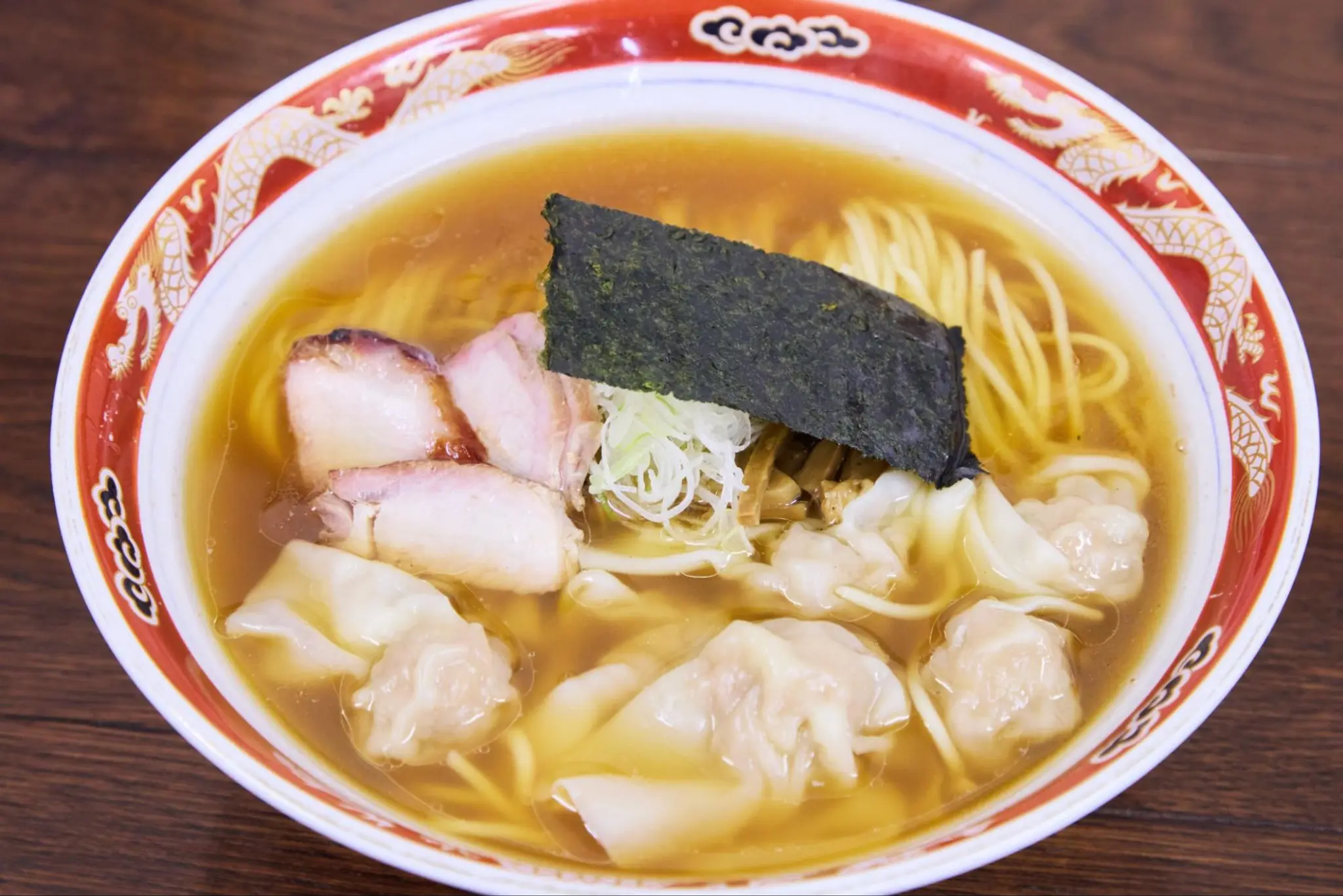
Passion for Pursuing Deliciousness — Days of Trial, Error, and Study
ーーーAfter becoming independent, what was your main focus?
The biggest challenge I took on was making my own noodles. I couldn’t do it at first due to space limitations, but once we expanded the shop, I finally began. I’ve always believed that firmness (koshi) is key when it comes to noodles. But it’s not just about being hard—good noodles need elasticity, a smooth texture, and the ability to hold the soup well. I kept wondering if it was possible to create noodles like that. The noodles from commercial suppliers never quite matched my vision. Because they’re made for mass distribution, they have to be designed to withstand shipping and storage, which means they inevitably include additives to maintain quality. By making my own noodles in-house, I was finally able to eliminate additives entirely .Another big advantage of making noodles myself is that I can control everything—from selecting the flour to managing the aging process. I age the dough for one day and only cut the noodles right before use, allowing me to serve them at their freshest, with optimal firmness and flexibility. It took about 10 years of making noodles in-house before I was finally satisfied with the result.
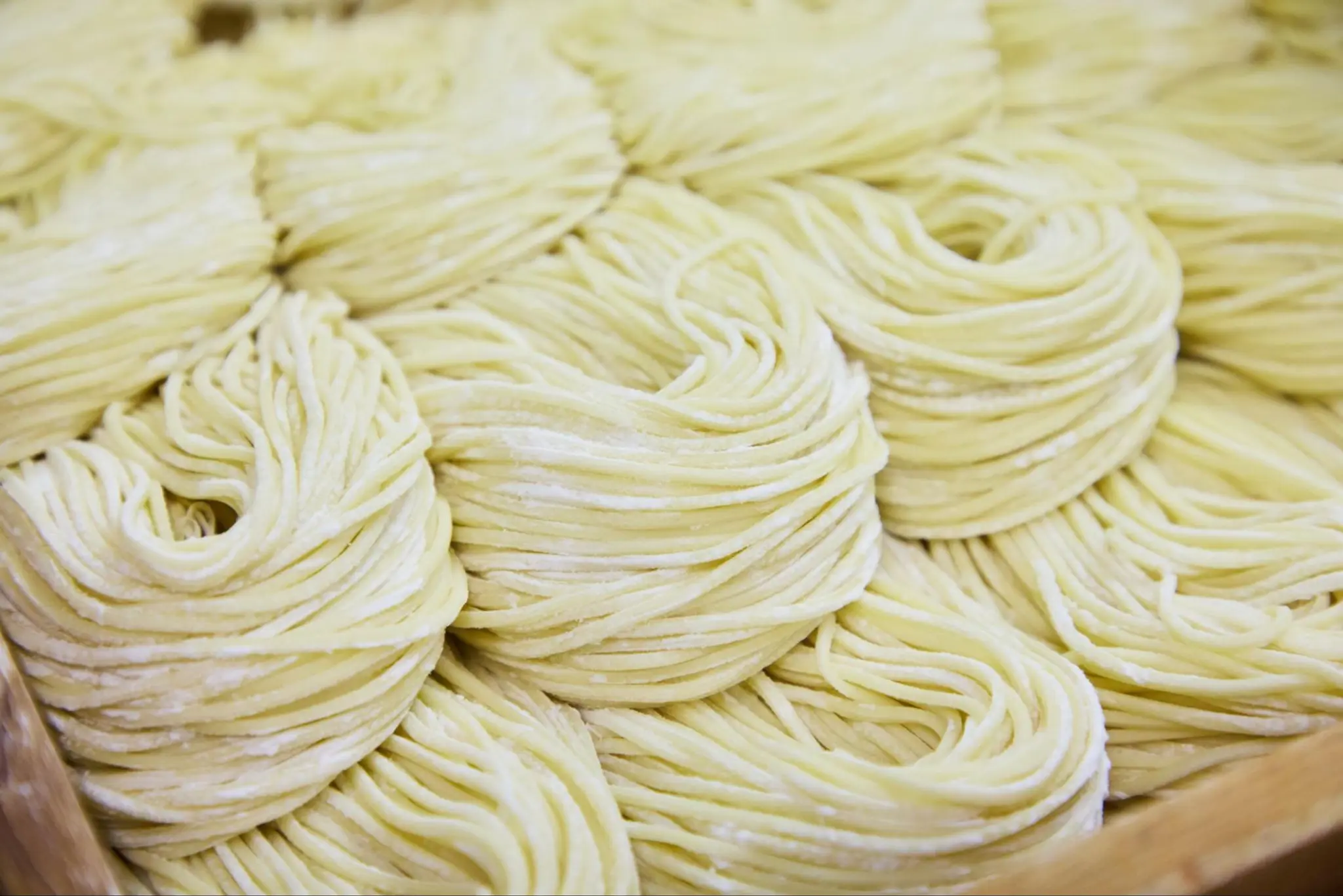
True Joy Comes from Seeing Each Customer Happy
ーーーIt’s said that you offer a unique kind of hospitality for guests with children?
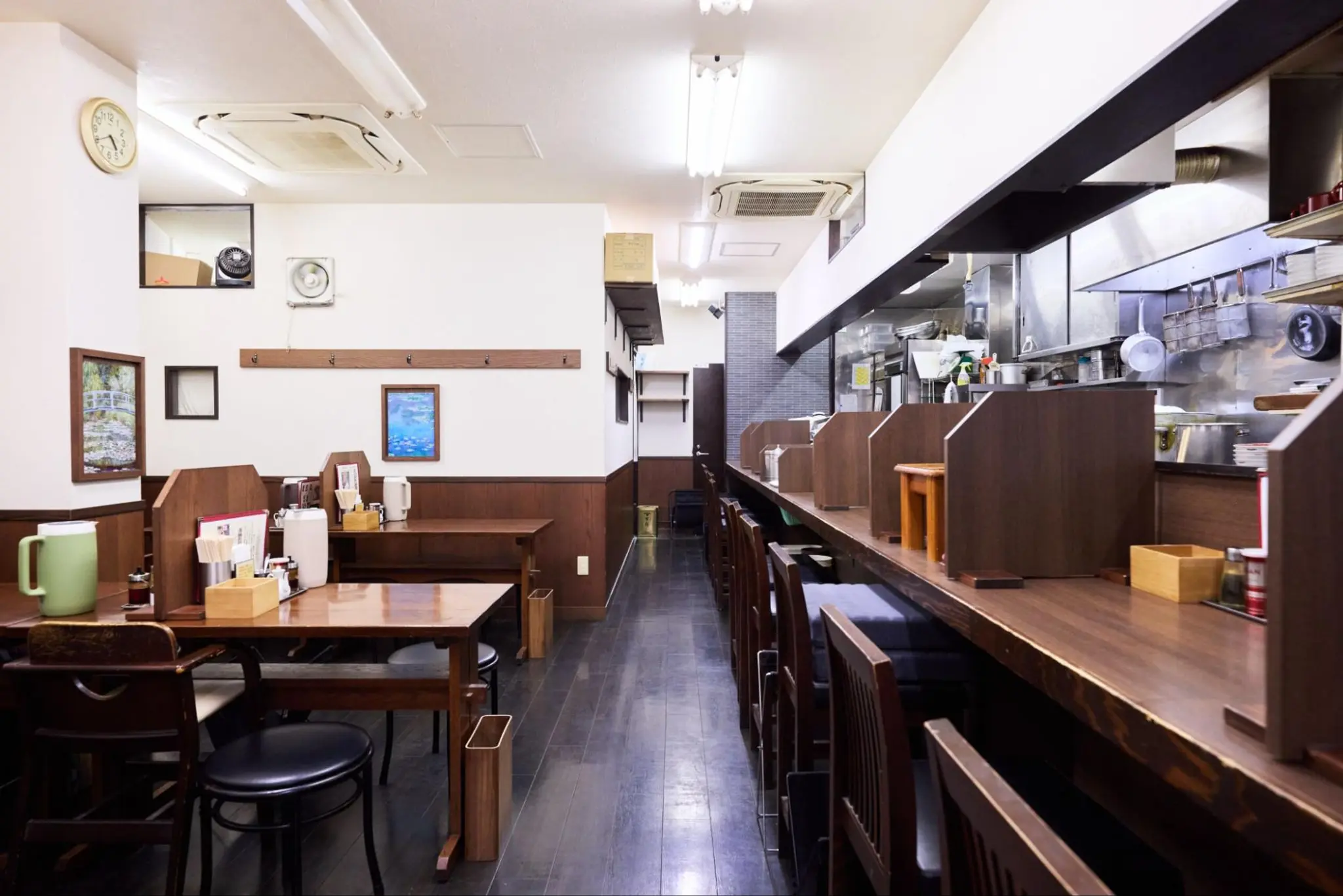
Yes, we do have guests who come with their children, and over time, through interacting with them, I began to consider what kind of response would best serve those customers. Parents with small children often worry about whether it’s even appropriate to bring their kids to a ramen shop. That’s why I make an effort to speak to them—even just a few words. I believe it helps convey that they’re truly welcome here. Families with little kids often don’t have many places they can comfortably go. So if parents can say to one another, “That place is delicious, and they’re super welcoming to families,” then it creates a positive cycle. Popular ramen shops these days tend to have only counter seating, making it difficult for parents with young kids to dine out. At its core, food should make people smile. I really hope that through our interactions with customers, not only we but the whole atmosphere of the restaurant becomes brighter and more welcoming.
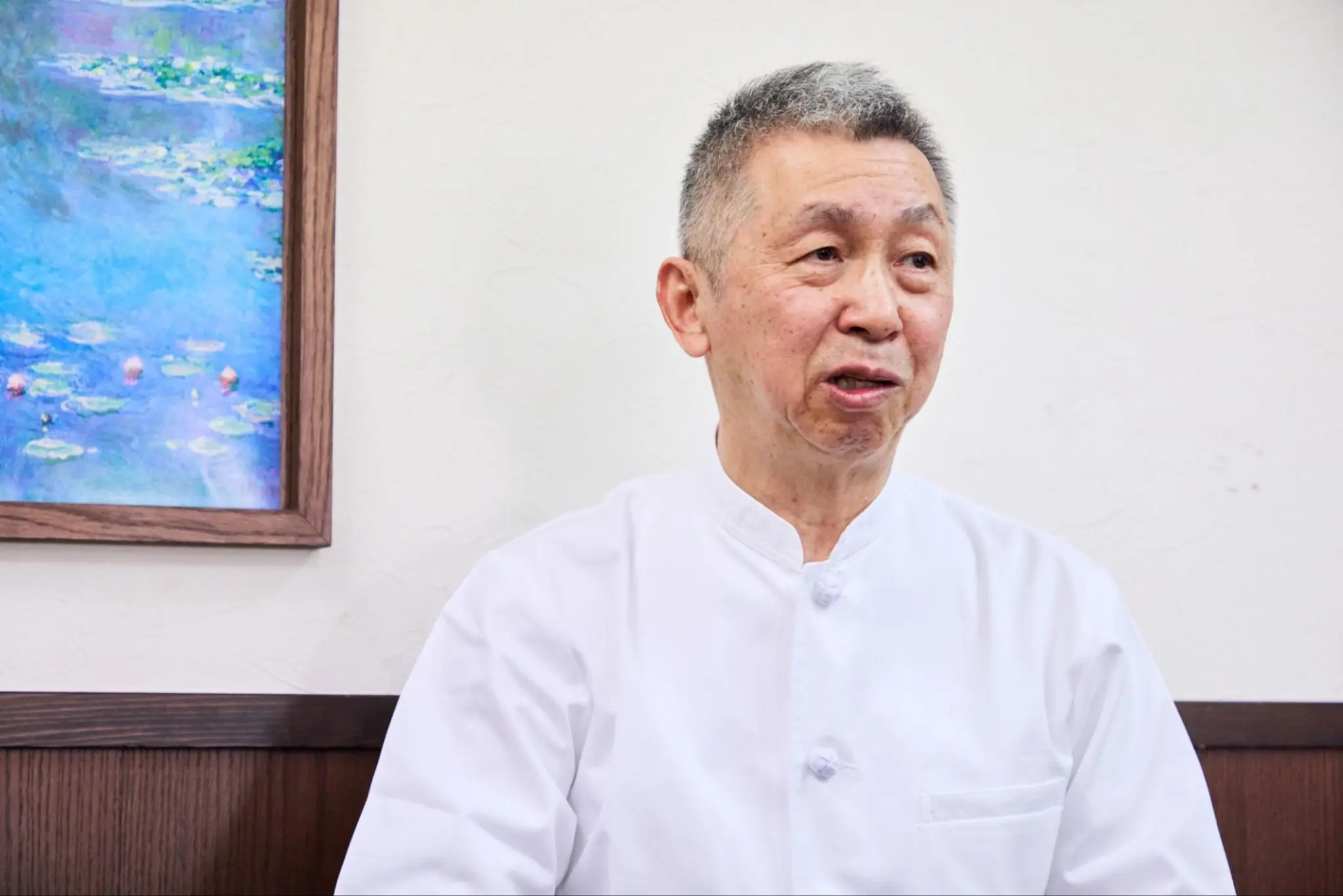
ーーーYou also allow parents to share their meal with their children, correct?
Yes, absolutely. Whether it’s the parent or the child who wanted to come, they arrive as a family, so I view them as a unit. Of course, even a small child takes up one seat, and we could choose to focus more on per-customer revenue or turnover rate, but I actually think it’s better for the whole restaurant to maintain a spacious, relaxed environment. In terms of customer spending, there isn’t a significant drop. In fact, my perspective shifted even more during the COVID-19 pandemic. Even if someone comes alone and sits at the counter, it’s more comfortable to eat without someone sitting directly next to them. A small divider or simply leaving a seat open makes a big difference in how relaxed people feel. When customers come together, sitting next to each other is fine—so we’ve made the dividers movable, allowing us to adjust seating flexibly to fit the needs of each guest. I believe that having space to enjoy your ramen is part of the flavor experience. You don’t really feel like you’ve had a delicious meal if you’re crammed into a tight space, right? (laughs) Since adopting this approach, we’ve found that even with more space between customers, our turnover rate hasn’t dropped, and our visitor numbers remain strong. I think people return because the comfortable atmosphere becomes part of their motivation to visit.
Also, since we don’t take a break between lunch and dinner—we operate straight through—people who prefer a quieter dining experience tend to come during the off-hours. There aren’t many ramen shops that stay open all day, so we often get visits from fellow industry professionals as well.
ーーーYou also seem to actively support your employees’ path to independence?
Yes, absolutely. I want to pass on the kindness and mentorship I received from my own master to the next generation in the same way. The desire to one day open your own shop is a powerful motivator in this business—when you have that goal, every task in front of you becomes part of your personal journey. Having people on the team with dreams and strong aspirations is incredibly important—not just for me as the owner, but for each individual employee as well. When I was 28, I entered the food industry and set my sights on ramen because I needed to support my mother and sister. Sadly, both of them passed away within five years of my becoming independent. After that, I built a new life: I got married, had three children, supported my family, bought a home, and was able to provide a proper education for my kids. In that sense, even though I strayed from the so-called “stable path,” I think what I’ve experienced is what you could call a “ramen dream.” And that’s what I tell my staff—you can do it too. Also, rather than having people leave right after learning the basics, I encourage them to stay, contribute what they’ve learned back to the shop, and prepare for independence over a five-year cycle. That way, they can pass their knowledge on to the next generation of young staff. This kind of sustainable mentorship cycle helps maintain a shop where motivated people are always present.
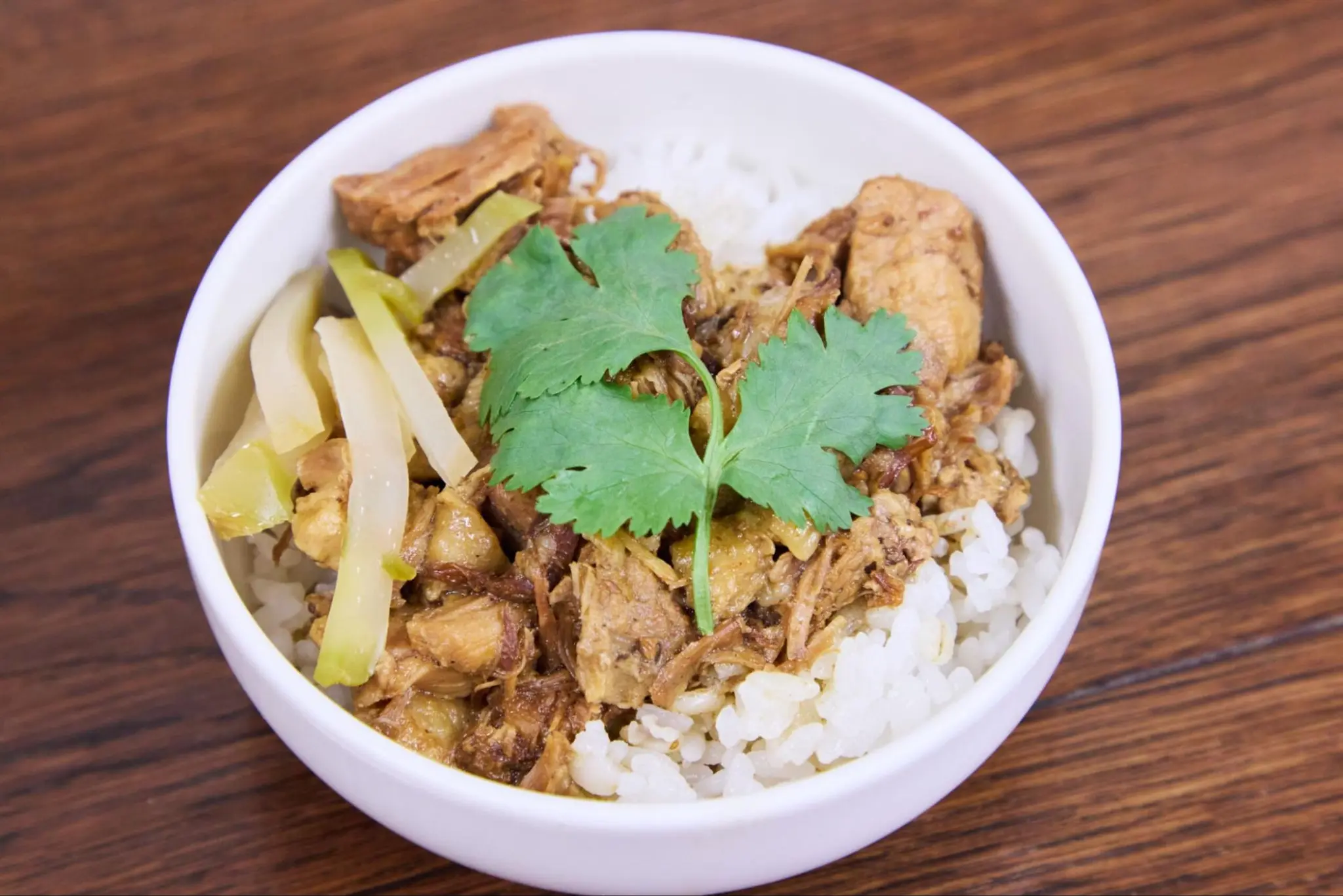
ーーーDo you have any thoughts on the future of the restaurant?
I just want to keep the shop running as long as I can. I'm not thinking about expanding, and none of my children seem interested in taking over the business (laughs). If one of my staff ever came to me with the motivation to carry it forward, saying “I want to learn and run it myself,” I’d absolutely support them. But until someone like that appears, I’ll keep going. I’m 69 now, but I really believe the reason I’m still healthy is because I love this work and genuinely enjoy coming in every day. So, I plan to continue doing this for at least another ten years.
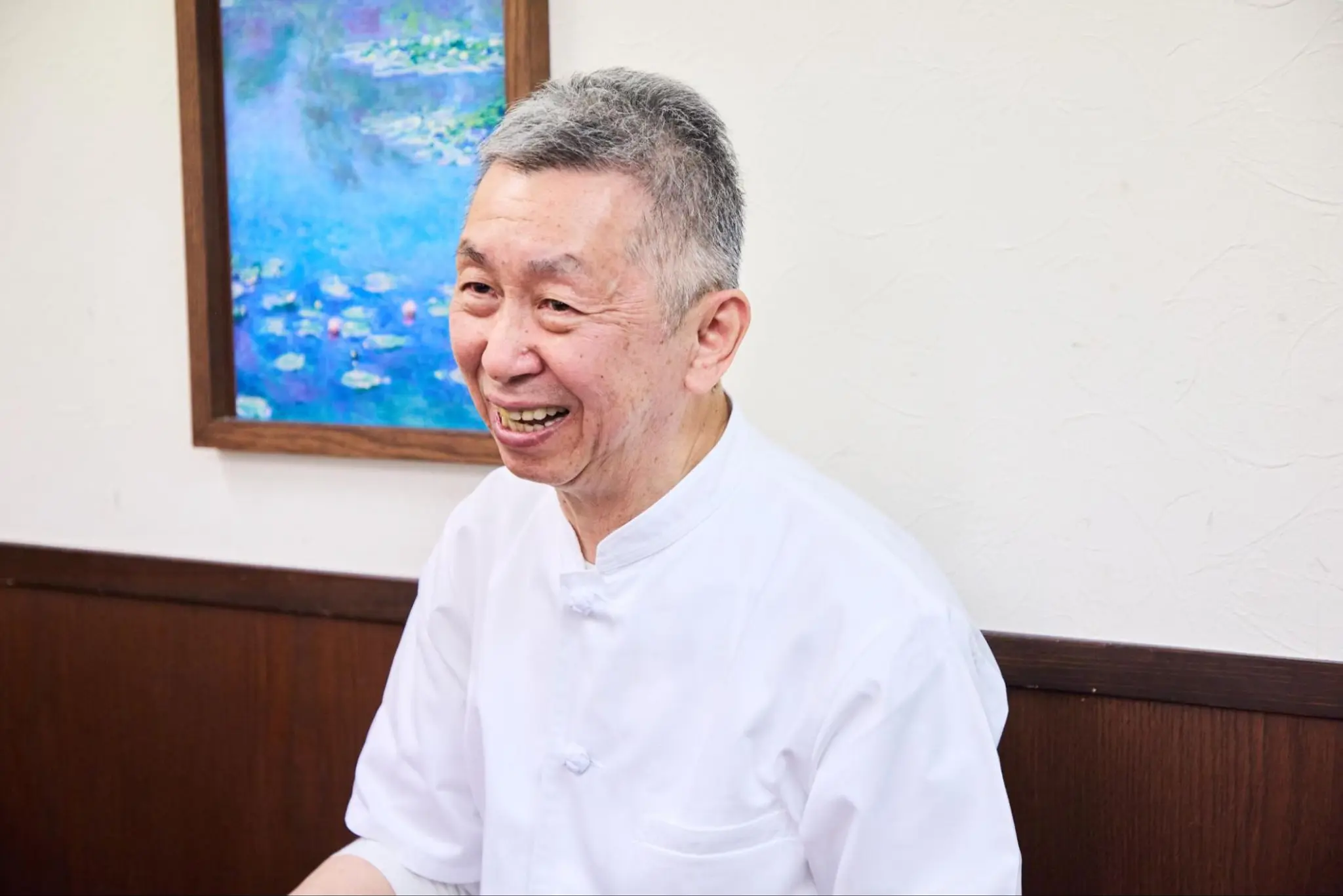
ーーーLastly, what does “delicious” mean to you, Chef Kazuie?
To me, “delicious” includes not just the taste of the food, but the comfort of the space and overall atmosphere of the shop. It’s not enough to satisfy just the taste buds—true deliciousness should appeal to all five senses and create a sense of ease and enjoyment. After all, you can find tasty food anywhere. But when a meal is served in a space with a unique ambiance or thoughtful touches that can only be experienced at that particular place—that’s what I believe truly defines “delicious.”
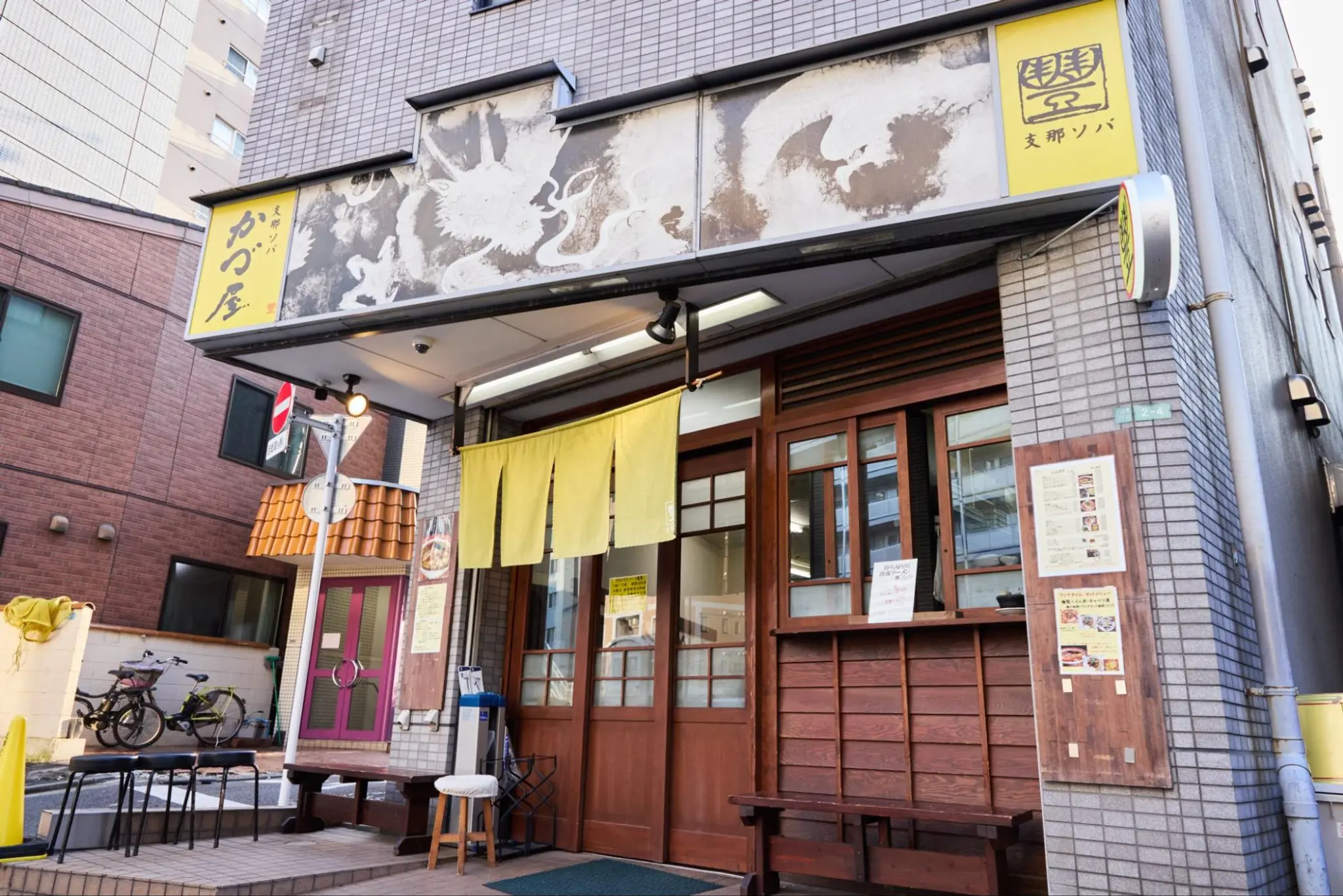
Step through the noren curtain, and you’ll find yourself in a space that embodies the philosophy of Chef Kazuie—one that honors the teachings of his mentor while constantly pursuing his own definition of “delicious.”In today’s restaurant industry, where efficiency and table turnover often take priority, Chef Kazuie stands firm in his belief that a bowl of ramen should offer more than just flavor—it should deliver true satisfaction. His deep commitment to hospitality extends beyond the counter: he actively invites customer feedback on a public bulletin board and personally responds, always striving to connect with guests on a meaningful level. That heartfelt approach is undoubtedly one of the key ingredients behind the enduring popularity of his ramen. We encourage you to experience a bowl infused with Chef Kazuie’s unwavering spirit—a true masterpiece crafted with passion and purpose.
Interview & Writing: AutoReserve Magazine Editorial Team
Photography: Tomohiro Yasui
Restaurant Information
- AutoReserve Magazine
- Restaurants recommended by top chefs
- For the Sake of Every Customer’s “Delicious”! The Belief of Chef Yutaka Kazuie of 【Shinasoba Kaduya】—Devoted Not Only to Noodles, But Also to the Dining Space