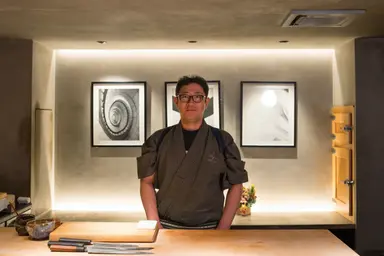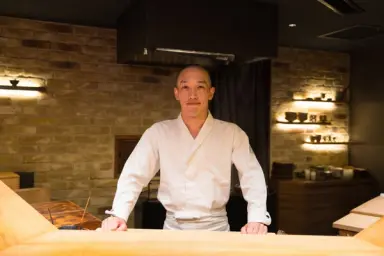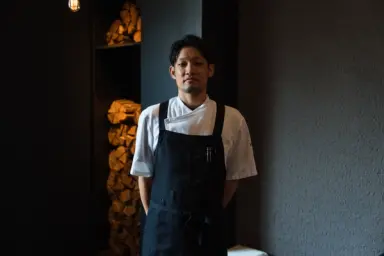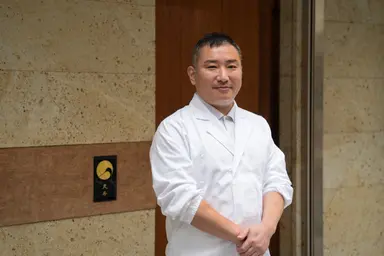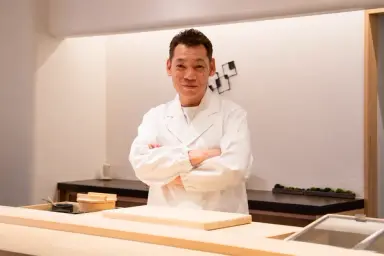
The flavors of Hokuriku's fish are maximized and evolved into exquisite sushi at 【Sushi Kibatani】
Drawn to the elegant figure of an Edo-style sushi chef, he decided to pursue the path of a sushi chef
ーーーIt seems that fish was a familiar part of your life from a young age.
I’m from Toyama Prefecture, and my family ran a fresh fish store. We were also asked to prepare fish-based catering dishes, and from elementary school, I would help set up and clean up at wedding venues. So, I was accustomed to cooking from a young age. Additionally, the processing area had a space for unloading fish, where I would help with tasks like removing the internal organs, scales, and bloodletting. I had the basic knowledge of how to handle fish. However, back then, I never thought I would eventually be involved in cooking myself.
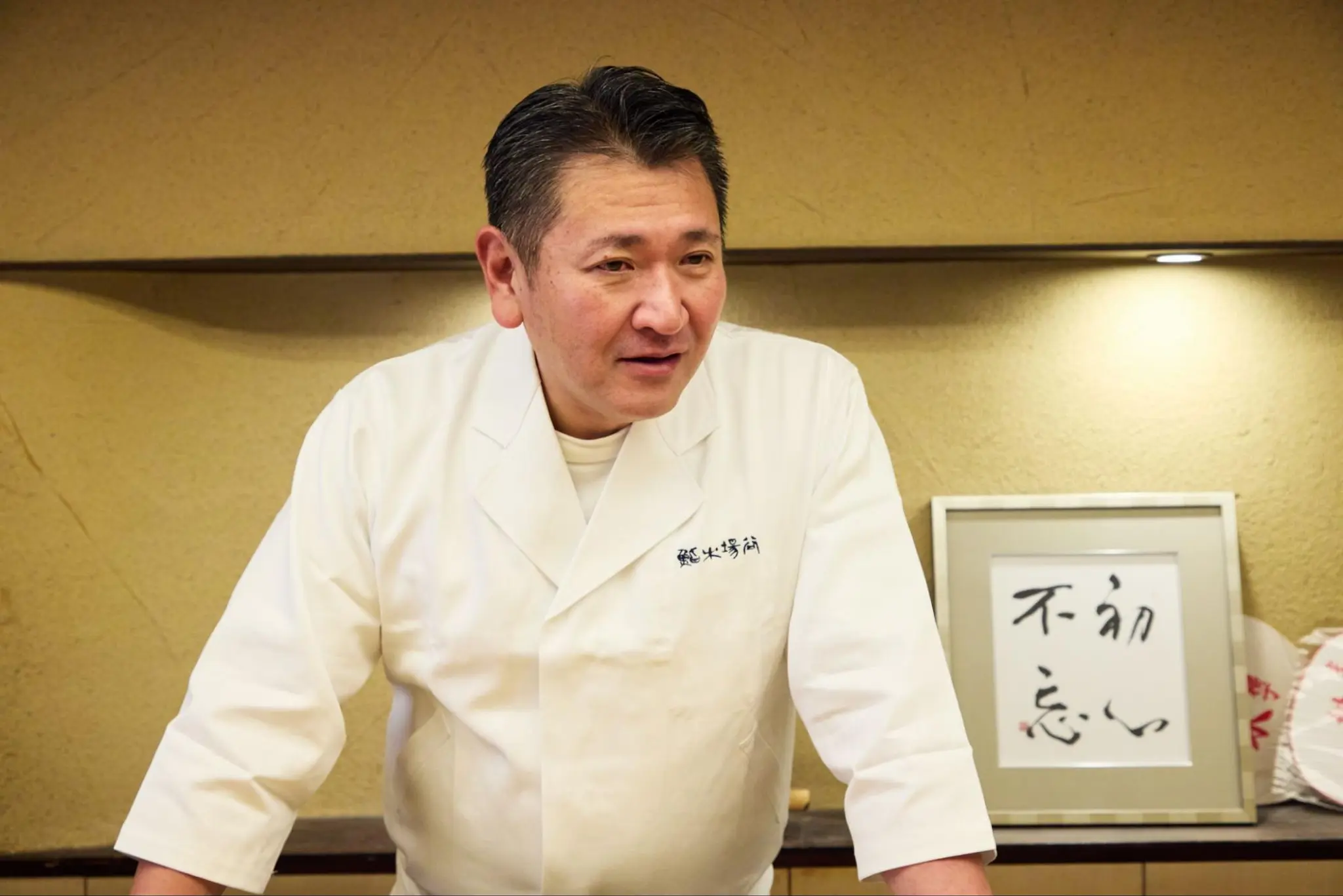
ーーーAfter that, what led you to pursue a career as a chef?
After graduating from a maritime technical college, I joined a trading company, but after about a year, I left the company and started working at a fish shop in Tsukiji Market. My work in Tsukiji started early in the morning and finished around 11 a.m., which gave me free time, so I attended a culinary school in the evenings. At that time, there were sushi chefs among the customers at the fish shop, and when I went to eat at their restaurants, I was really impressed by the way the chefs spoke and carried themselves in the traditional Edo style. The sushi was delicious, and I gradually became drawn into the world of sushi. One of the reasons I pursued this path might also be that my father loved sushi.
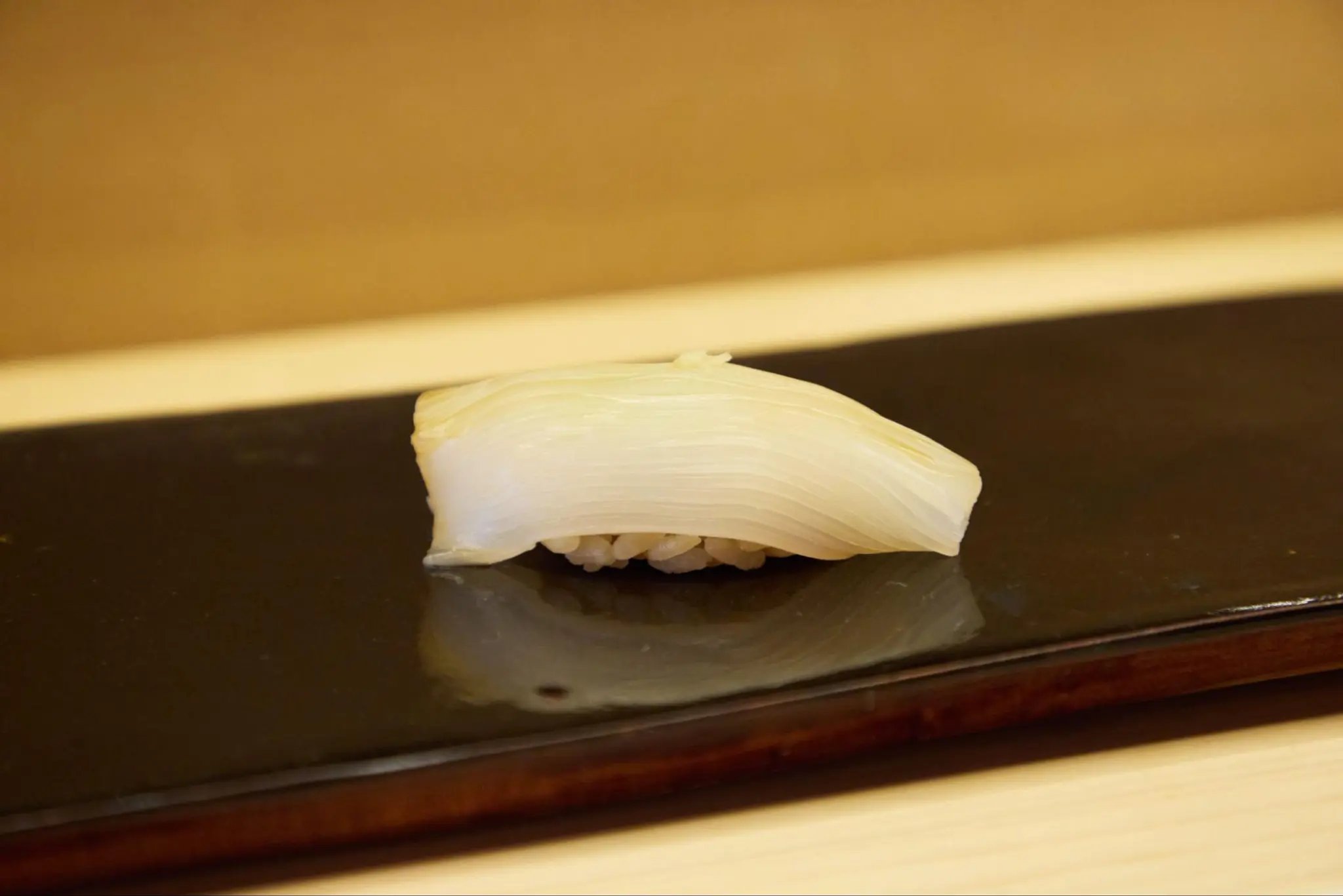
ーーーHow was your experience in Tsukiji?
I go to the fishing port every morning to source the fish, so I’ve been used to the lifestyle of starting early from that time. Back then, I would wake up at 3 a.m., go to Tsukiji, and also work part-time at an Italian restaurant while attending school, staying active until around 10 p.m. It was a life of constant work. Since Japan was in a bubble economy at the time, the market was almost always operating without breaks, and sometimes, to get into Tsukiji, there would be traffic jams stretching all the way to Ginza. During busy times, I would sometimes enter Tsukiji on the last train the night before and work from the early hours. On my days off, I’d wake up around 6 a.m. and panic, thinking, "I overslept!" (laughs). Even now, when I sleep until about 6 a.m., I feel like I’ve had enough rest, and I think my ability to wake up early comes from my experience in Tsukiji.
Using Edo-style techniques to bring out the potential of the fish, he performs the optimal preparation
ーーーWhat kind of experience did you gain during your training?
At my first training location, 【Yoshiura】 in Funabashi, I learned the basics of sushi, starting with the preparation of Edo-style sushi. After that, I returned to Toyama, but my desire to properly learn Edo-style sushi techniques brought me back to Tokyo, where I trained at the renowned【Sushi Aoki】in Ginza.
In Tokyo, the fish that comes in has already been caught for a few days, so the mentality of making the fish as delicious as possible is deeply rooted, and I felt that the techniques to bring out the potential of the fish were highly developed. On the other hand, when I’m making sushi in Hokuriku, where fresh fish is readily available, there are times when people say I rely too much on the taste of the fish, and I didn’t like that. I wanted to work in a way that truly brings out the flavor of the fish. The head chef at【Sushi Aoki】was incredibly kind and told me, “I will teach you everything I can, so I want you to really remember it.” He taught me everything related to preparation, from how to season with salt to how to cook the fish.
ーーーIs the sushi served at your restaurant based on your experiences in Tokyo?
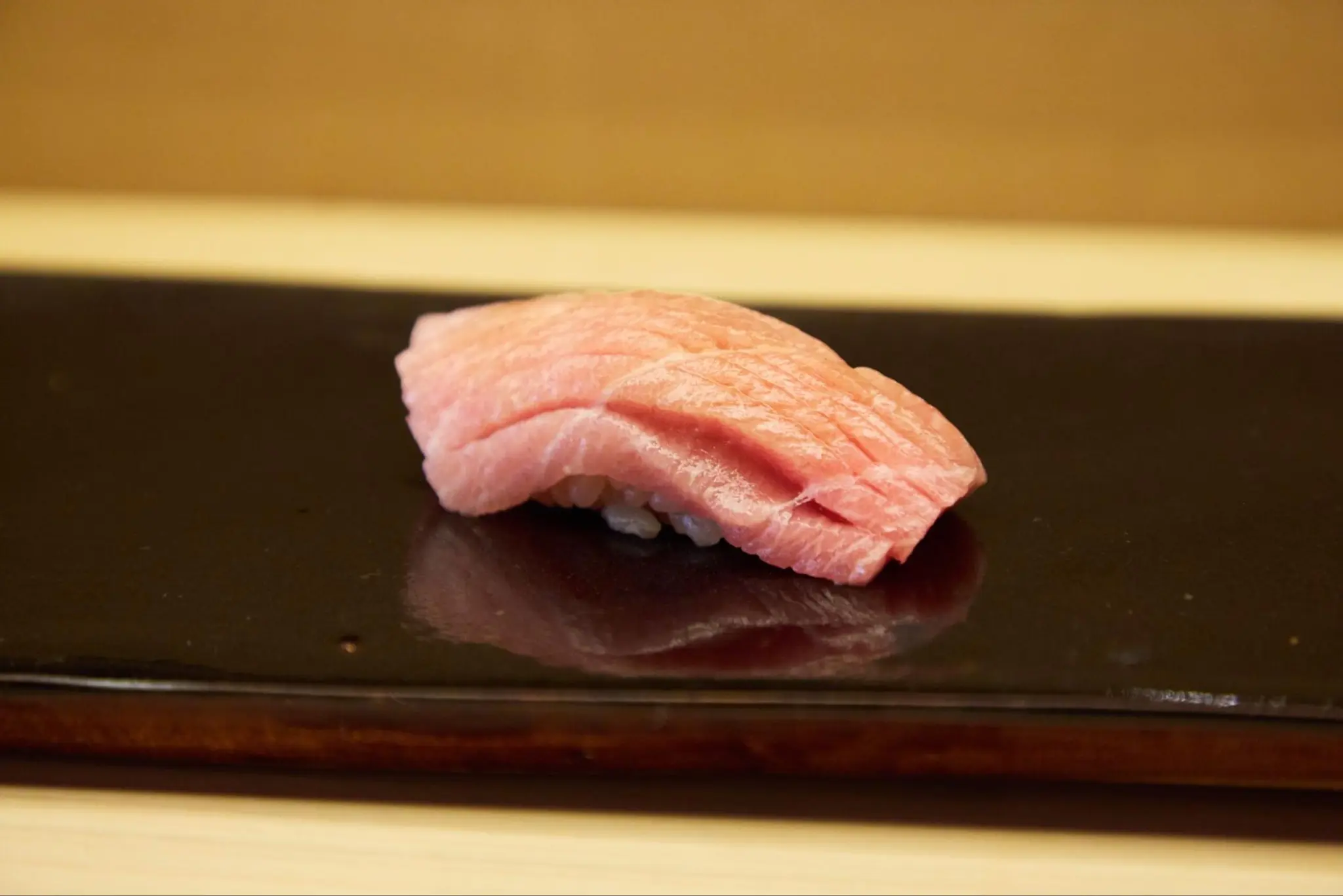
The experiences from the various establishments I trained at form the foundation of what I do today, but I’m not doing exactly the same things I learned. I interpret what I’ve learned in my own way and combine it while evolving it into something unique. Additionally, I don’t strictly adhere to the Edo-style sushi or any particular sushi style; I simply serve what I personally believe to be the most delicious sushi.
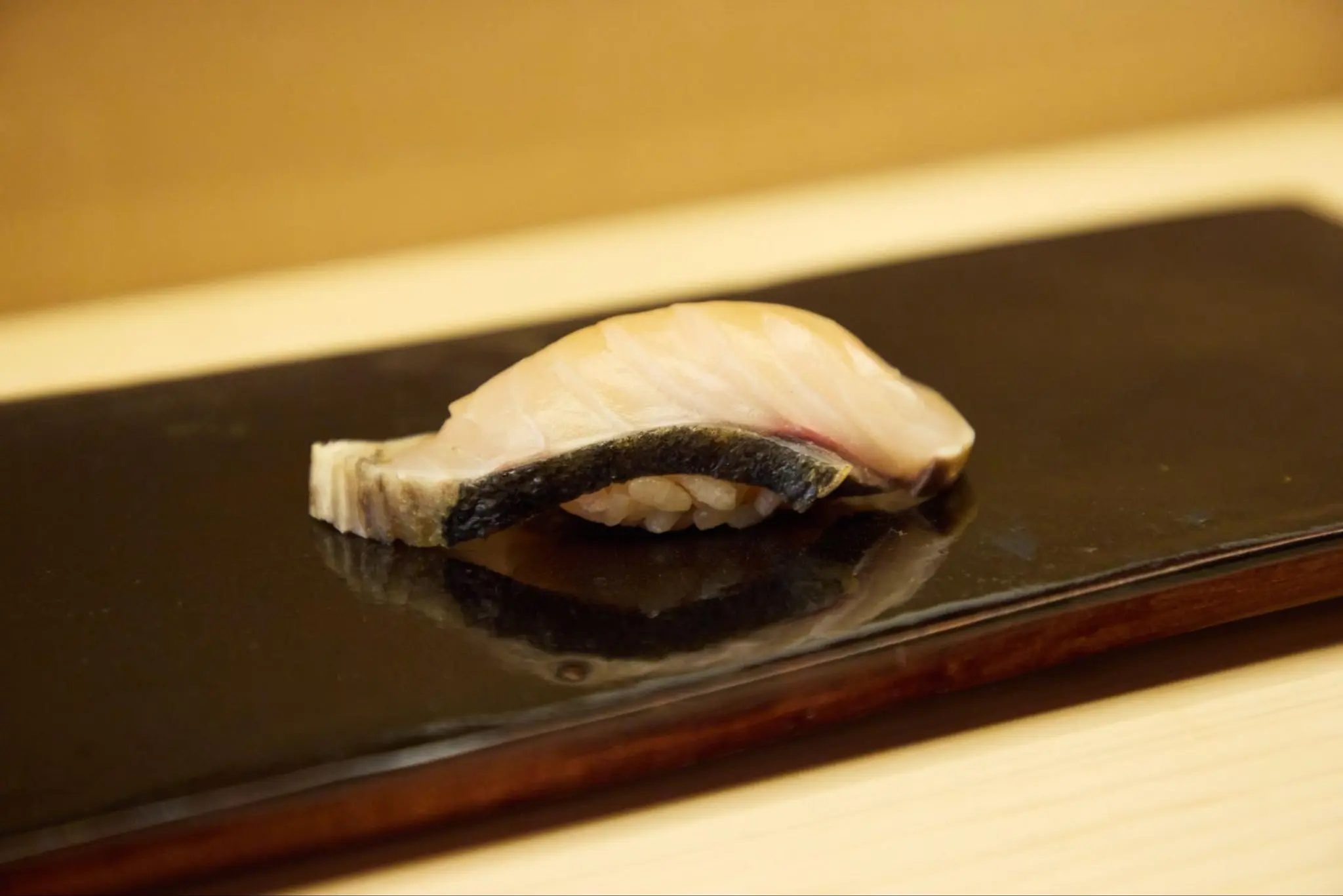
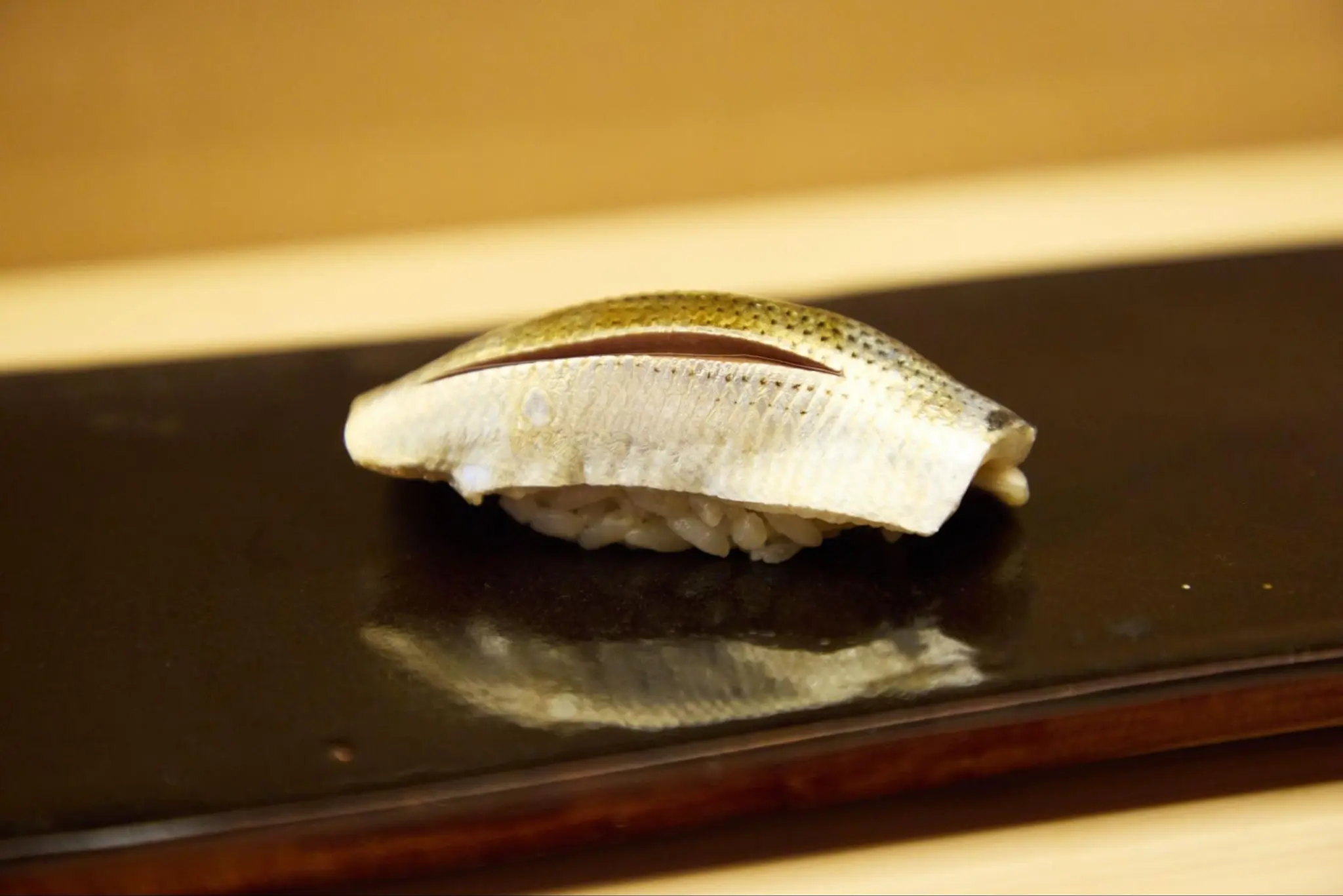
For example, normally, when preparing winter flounder, it’s left in the refrigerator to age so that its umami can increase, but the winter flounder caught in Shinminato in the winter is so delicious that it doesn’t need to be aged to be tasty. Therefore, I serve it fresh that very same day, and I believe serving fresh fish is something special to this region. On the other hand, for small fish like young gizzard shad or horse mackerel, I do the necessary preparation like salting, as some fish require preparation while others do not. I choose the optimal approach from my repertoire and tailor the preparation to suit each type of fish.
ーーーAfter returning to Toyama, I heard that you worked as a traveling sushi chef.
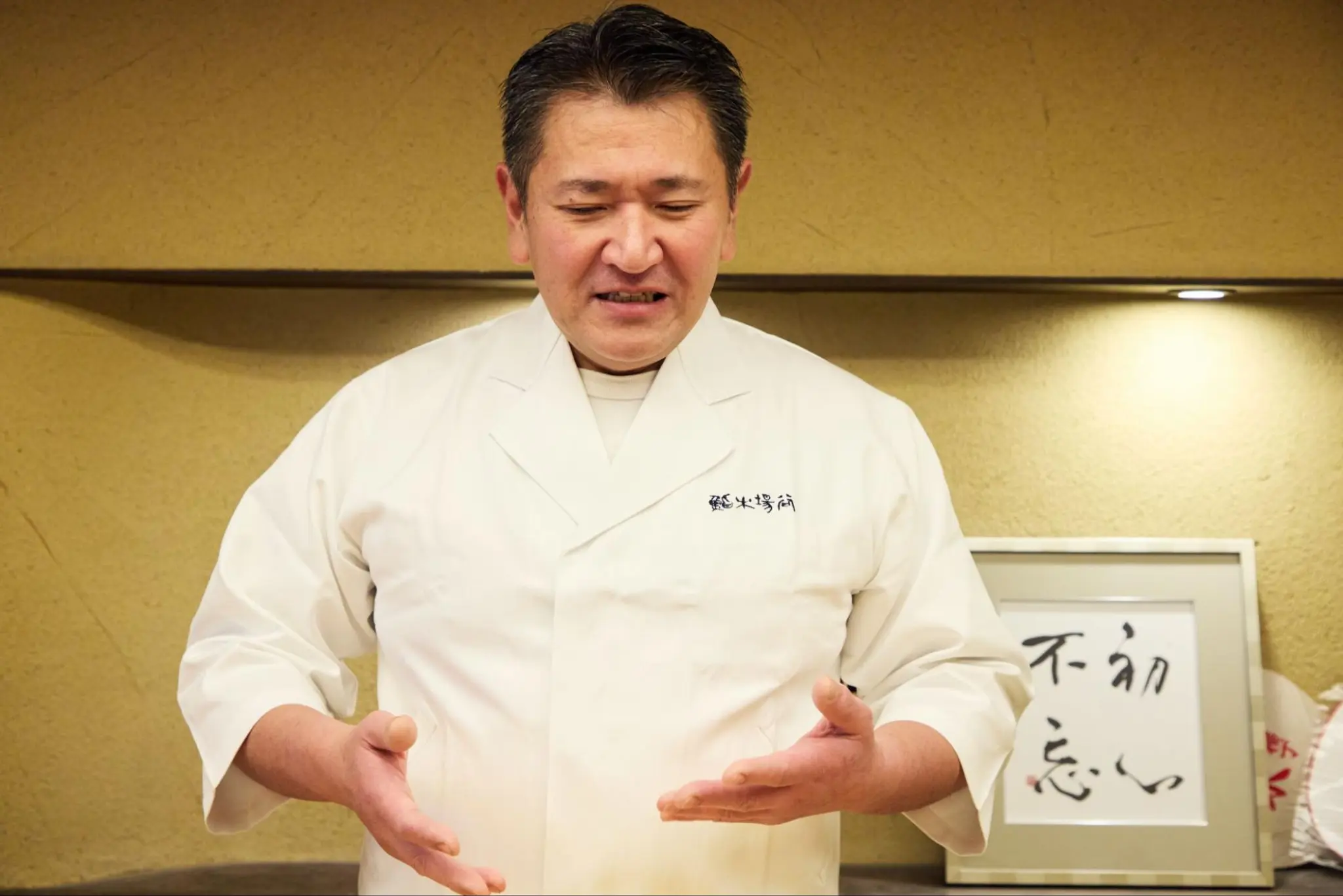
The idea to work as a traveling sushi chef came from the head chef of【Sushi Aoki】, who suggested that I start as a traveling sushi chef when I returned to my hometown. It allowed me to keep startup costs low and balance the work with helping at my family’s fish shop, so I began working as a traveling sushi chef. During the day, I helped at the family’s fresh fish shop, and at night, I would visit customers' homes to serve sushi. In the beginning, I had no reservations at all, but gradually, through word of mouth, my clientele grew, and eventually, I was fortunate enough to have my schedule filled with numerous reservations.
The customers who used my service included those celebrating events like childbirth or new house celebrations at their homes, as well as occasions where I would prepare sushi during performances by geishas who sang and danced in Kanazawa’s teahouse district. I was often called by the geishas from the Kazue-machi Chaya District, and I really liked the atmosphere of the area. I thought that if I were to open a restaurant, this would be the place. At that time, a customer told me that there was a property available near the Kazue-machi Chaya District, and that’s how I came to open my restaurant here.
ーーーHow has your experience as a traveling sushi chef helped you in your current work?
The experience of working as a traveling sushi chef has made me less easily shaken and more resilient. There were times when I would visit the venue in advance after receiving a request from a customer, but there were also occasions where I only saw photos of the venue during the meeting and visited the location for the first time on the actual day. When you have a restaurant, there's a sense of security in knowing customers will come to you, but with traveling sushi, there’s a freshness and excitement in not knowing where you’ll be preparing sushi that day. Since I would go to the place where the customers were gathering and prepare sushi right in front of them, there were times in the beginning when I found it difficult. It was also challenging because I had to be adaptable to each new situation, but I never wanted to cut corners. For example, at a new house celebration where I had to serve grilled fish outdoors, I made sure to use high-quality binchotan charcoal instead of just a gas stove to grill the fish.
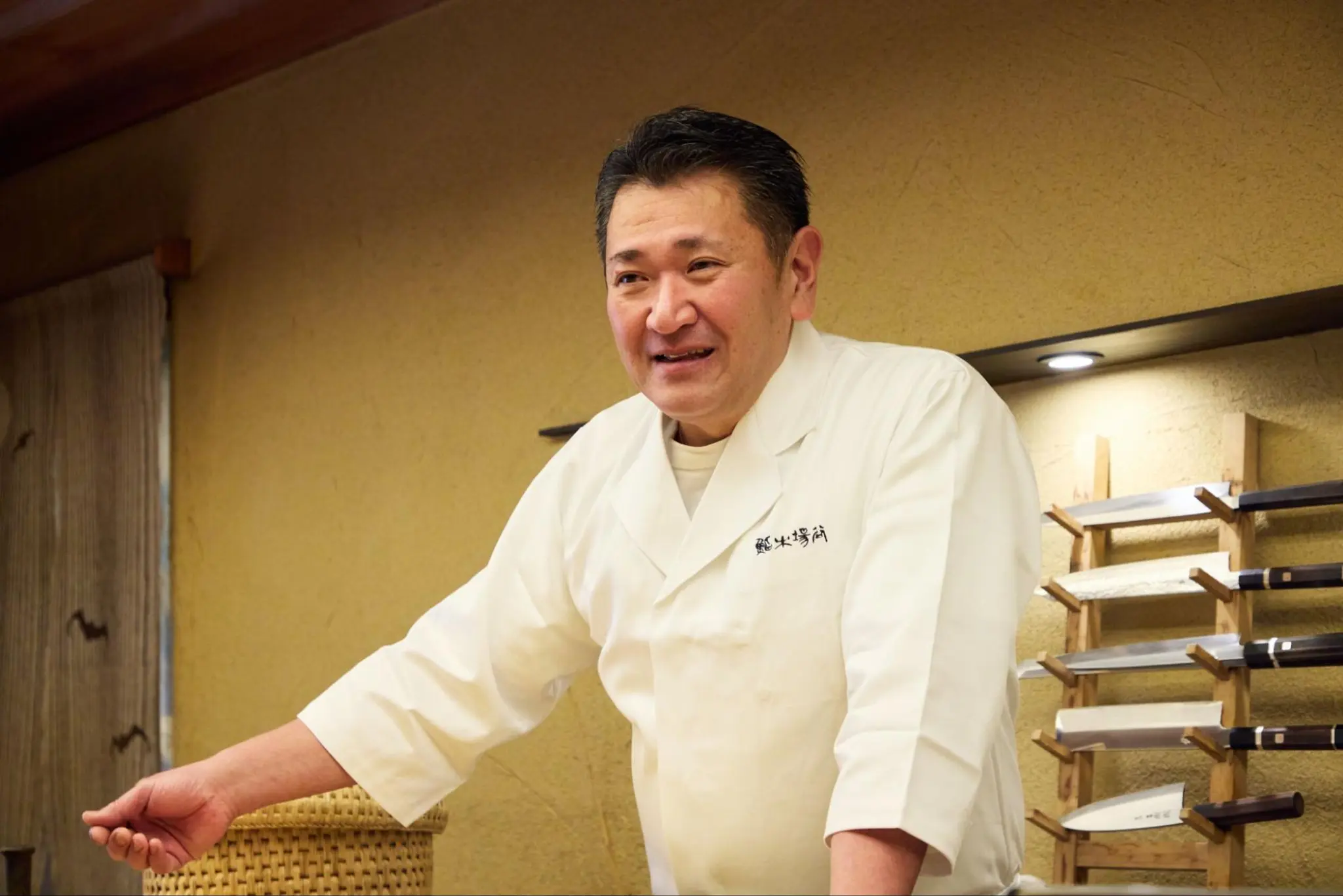
Going to the market myself, I use my sharp eye to source the best sushi ingredients
ーーーHow do you source your fish?
Every morning, I go to the fishing ports of Himi and Shinminato in Toyama from Kanazawa, arriving by 5 a.m. to participate in the auctions starting at 6 a.m., or I source fish based on the information I gather from the market. I primarily use fish from Toyama Bay, including those from the Uozu, Shinminato, Himi, and Nanao areas. Each port has its own characteristics in terms of the types of fish caught. For example, at Shinminato, you can often find shellfish like shrimp and crabs, while at the neighboring Himi port, blue fish such as yellowtail, horse mackerel, and sardines are commonly caught. On some days, for instance, the nodoguro (blackthroat sea perch) wasn’t caught in Himi but was available in Shinminato, so I’ll source it from there. I compare and source fish daily from the various ports in Toyama Bay.
Because the Sea of Japan is cold, many fish are rich in fat, and the horse mackerel and yellowtail caught in Toyama Bay, in particular, are delicious. Recently, the handling techniques of the vendors have improved, and the fish are bled, stunned, and killed on the boat itself. Every morning, I go to the market with the intent to select the best fish from the limited number that are available. People often say that the best fish goes to Tsukiji, but I source the best fish before it even makes it to Tsukiji, so I have confidence in the quality of my fish.
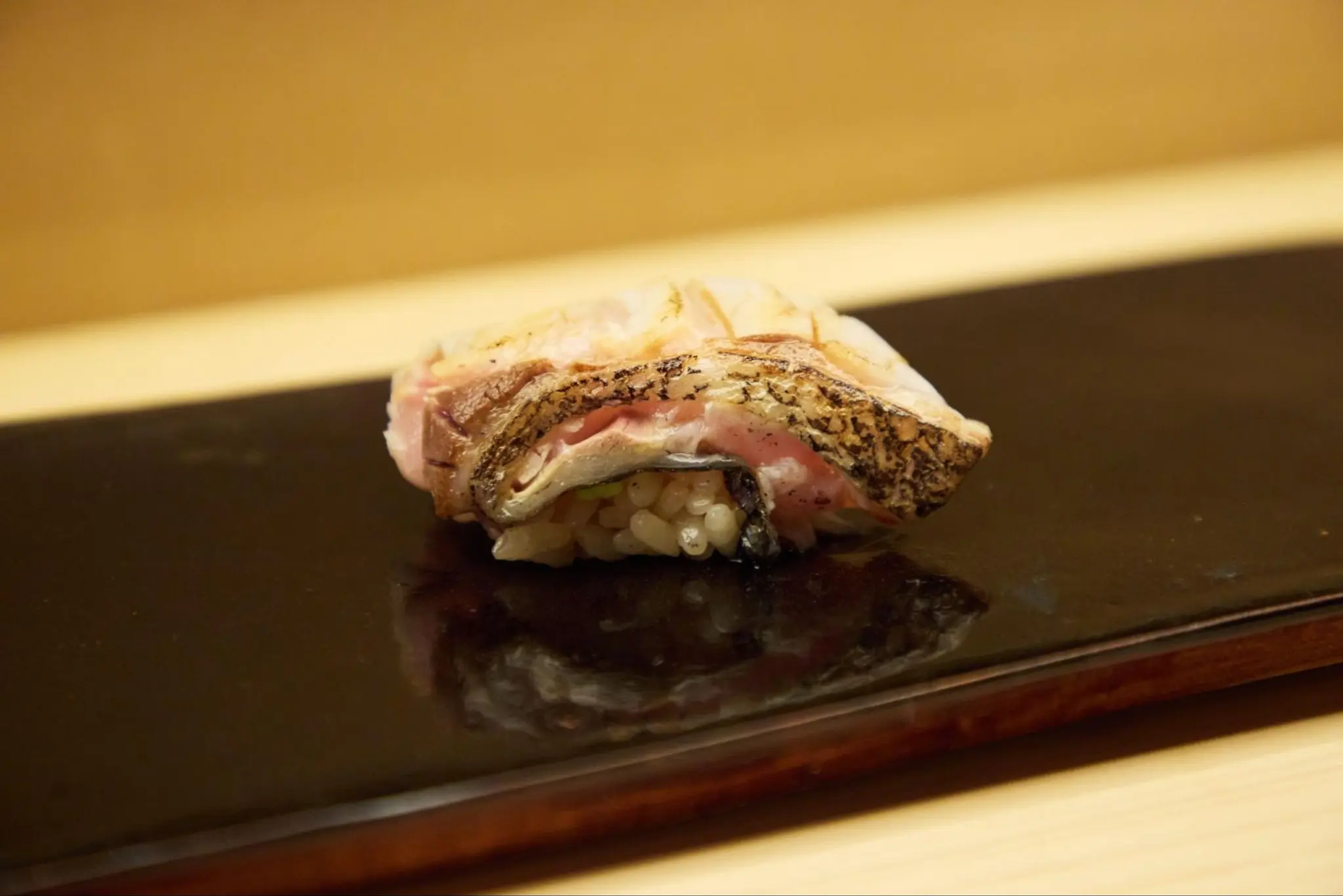
ーーーCould you tell us about your commitment to fish as a sushi chef?
My unwavering belief is to provide the delicious fish caught in Toyama and Hokuriku and make customers happy. If I were to run a restaurant in Toyama but sourced fish from all over the country, then there would be no point in having a restaurant here. While I do supplement with ingredients from other regions when necessary, because I run a restaurant in Hokuriku and Kanazawa, I have a strong desire to use as much locally sourced fish as possible and offer it in my dishes.
Since fish are natural products, the quality of the fish I source from the market varies from day to day. That’s why, as much as possible, I believe it’s absolutely essential for me to see the fish with my own eyes, directly select the best fish of the day, and prepare it. As sushi chefs, it’s expected that we have the necessary skills. The amount of effort we add to the fish is minimal, which is why I want to make sure I have the freshest, best quality fish available.
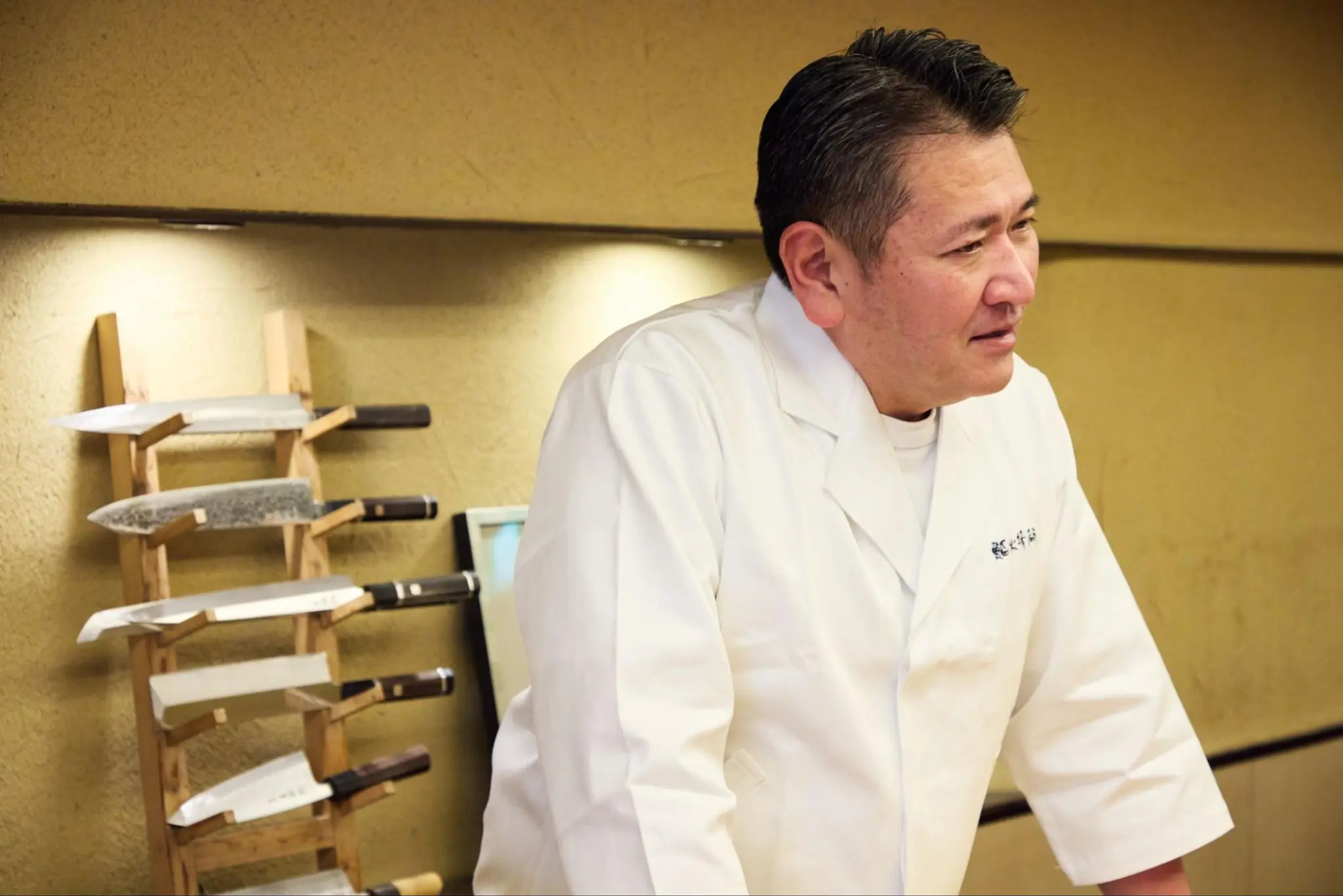
ーーーHave the types of fish you can catch changed compared to the past?
Due to global warming and the gradual increase in sea temperatures, fish that used to be caught in Kyushu are now being caught in Hokuriku, while fish that used to be abundant in Hokuriku have dramatically decreased. The fish available has been changing year by year. For example, Toyama is famous for its masu sushi, and in the past, so many were caught that there would be tanks full of them, and the leftover masu would be sold cheaply. However, in recent years, they have become really rare, and this year at this time, only three masu have been caught in Himi, and I bought two of them. When a cold wave hits, it becomes difficult to even go out to catch fish, so there is fierce competition in the market for the few fish that are available. Even during those times, I focus solely on wanting to provide delicious food for my customers, regardless of the price, and go for the fish without considering the cost.
ーーーWhat is the most important thing for sourcing high-quality fish?
I believe the most important thing is trust between people. If you’re not trusted, you won’t get the information about where to source fish, and we, as the buyers, are supported by the vendors, so I want to cherish those relationships. After returning to my hometown, I worked at a sushi restaurant in Shinminato Port, and the people I met there really understand what I want to source, so I trust them immensely when it comes to sourcing fish from Shinminato.
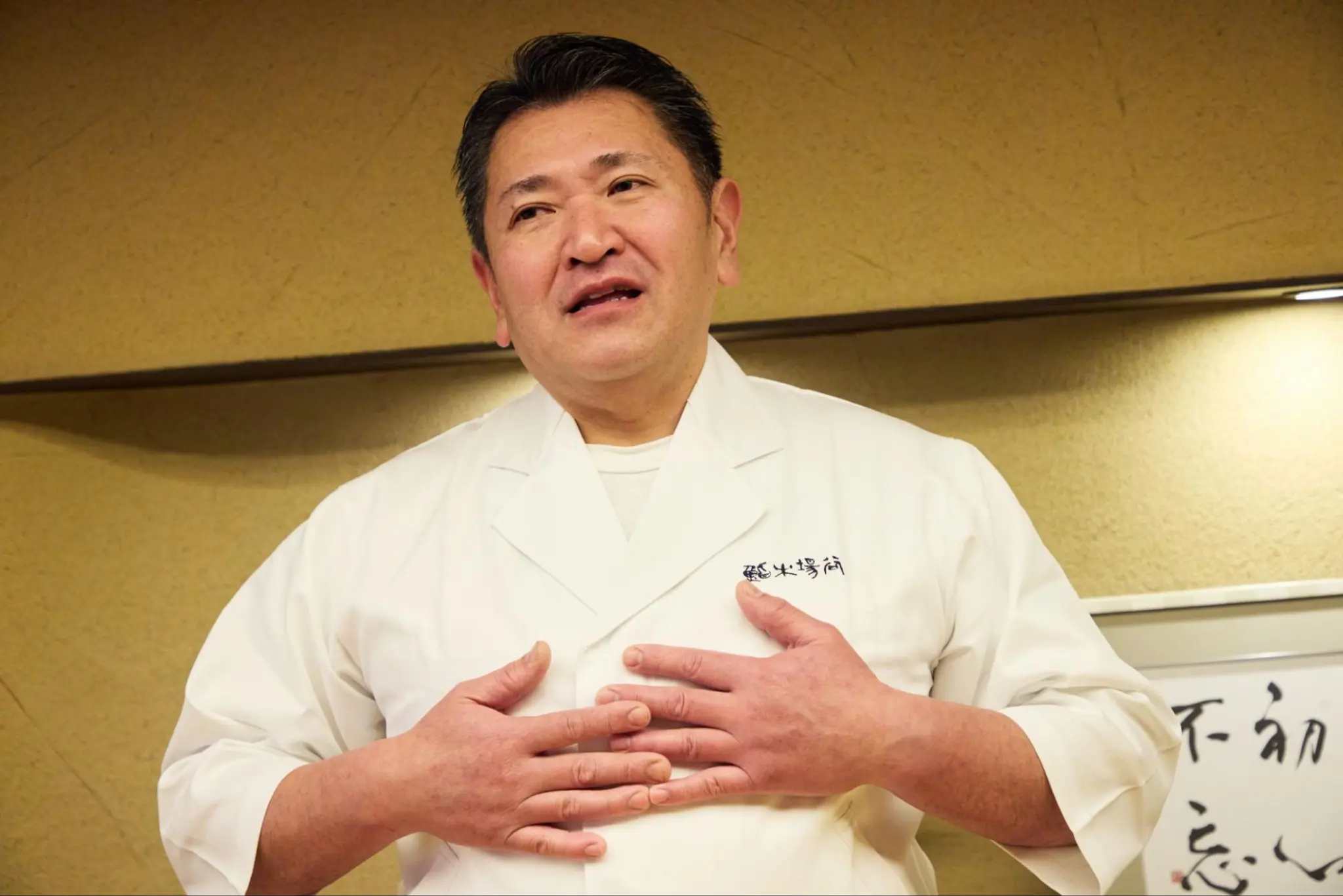
With a single-minded desire to make customers happy, I constantly think about how to make the food delicious
ーーーWhat do you focus on when creating the atmosphere of your restaurant?
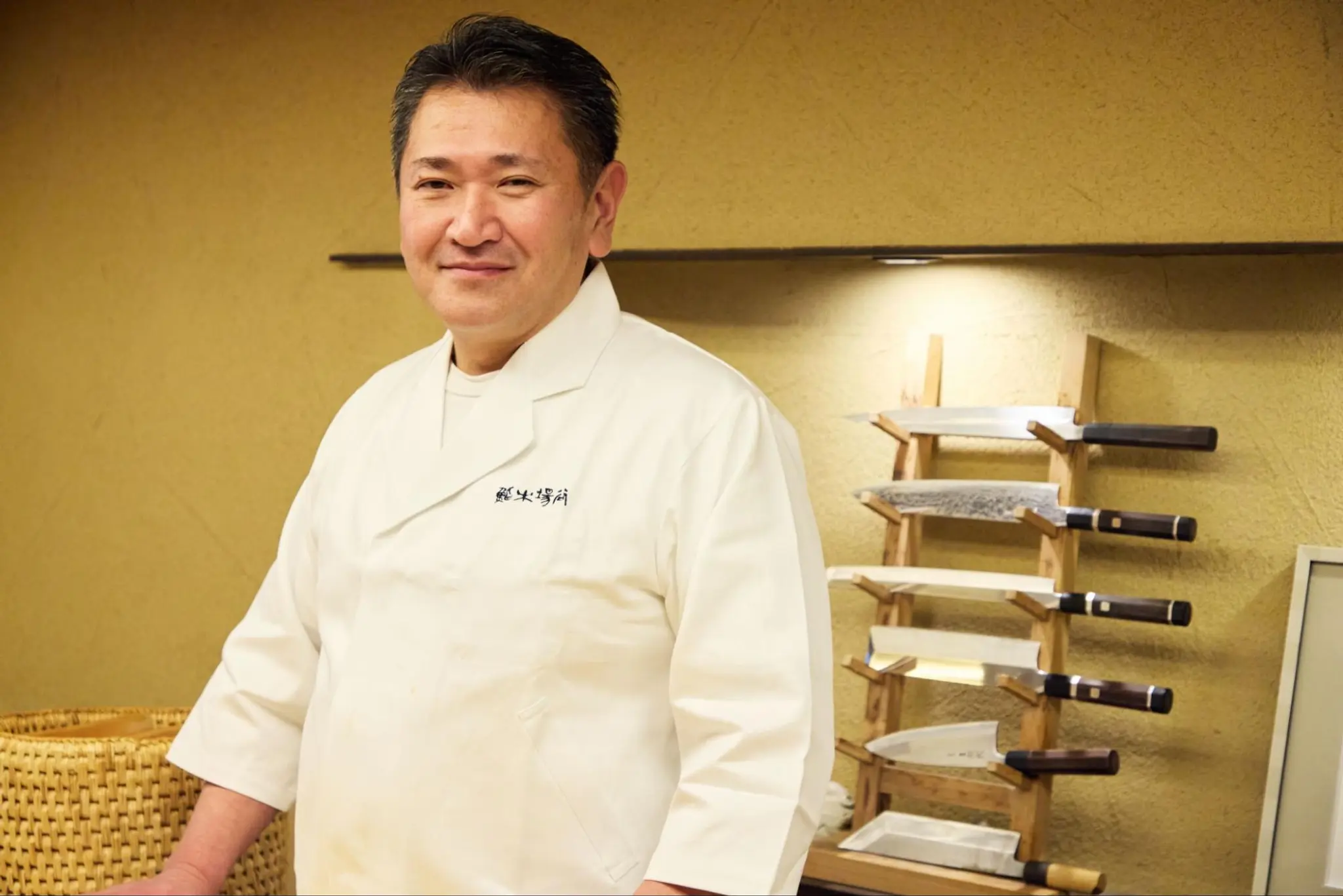
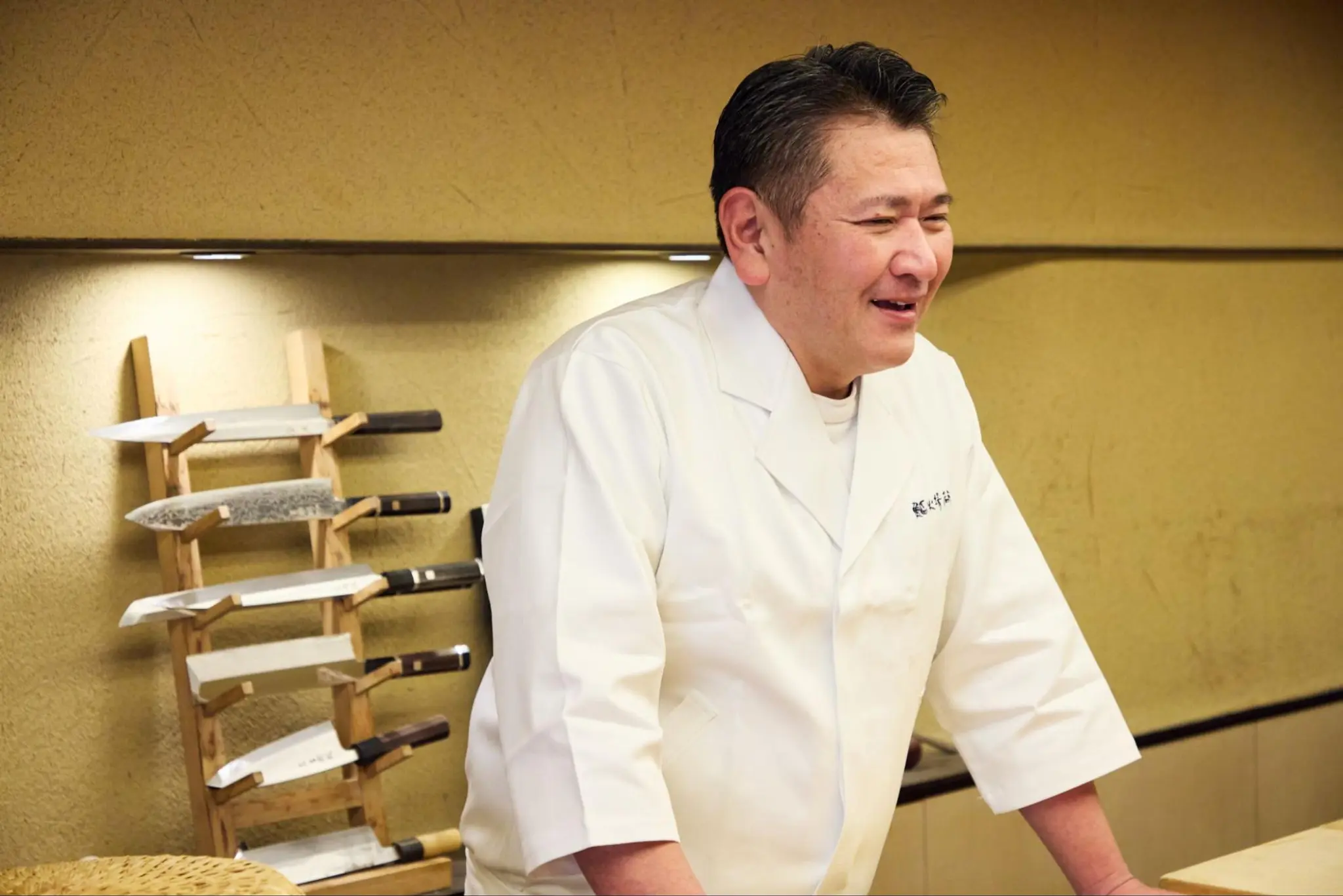
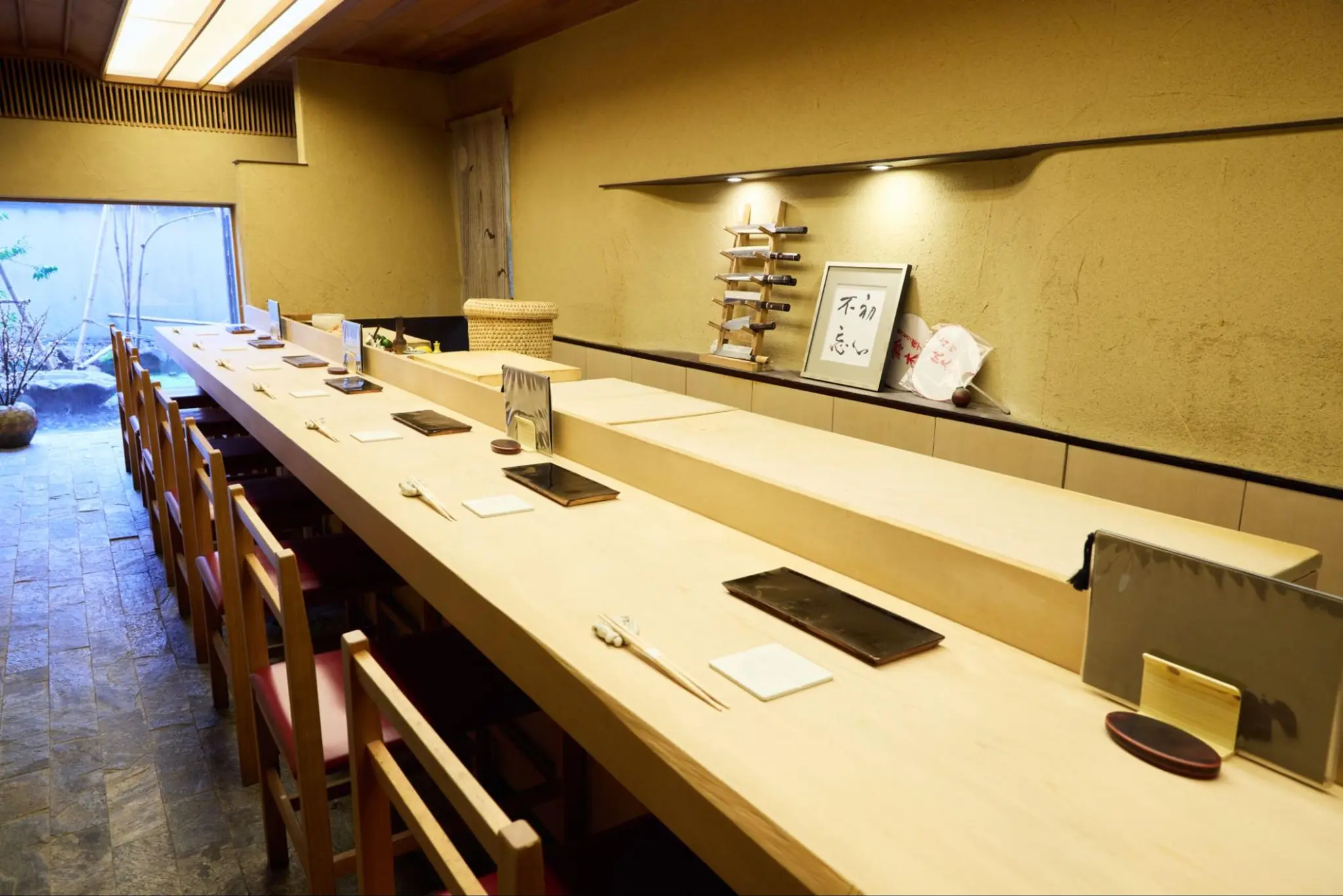
I aimed to create a calm, traditional Japanese atmosphere by removing unnecessary items and extravagance. The walls inside the restaurant are made from earth mixed with finely chopped straw. After 300 to 400 years, the straw will grow mold, and the earthen walls will change into beautiful colors like blue, red, and yellow, making them of national treasure-level value. The knives are mostly from the renowned Toyama-based knife manufacturer "Yusei," and in front of the counter, you can see knives for cutting sashimi, a gyuto (chef’s knife), knives for vegetables, and a special knife for preparing natural eel.
The plates are made from local ceramics, including items from Toyama Prefecture, as well as Kutani ware from Ishikawa Prefecture, Wajima lacquerware, and Suzu ware. I make sure to use local materials for everything, including not just the fish, but also the utensils and tools. Recently, there have been not only customers from outside the prefecture but also many from overseas, and I hope that the deliciousness of Hokuriku’s wide variety of fish reaches even more people, contributing to the lively atmosphere of the town.
ーーーIs there anything you focus on when training the next generation?
I often tell the young staff not to move like robots, but to think for themselves and act accordingly. This is because, if they ever open their own restaurant in the future, they won’t be able to succeed if they can’t think and act independently. For example, when I ask them to salt the horse mackerel for five minutes, I don’t want them to just do exactly as I say. I want them to think for themselves about how long it will be just right for that specific fish on that day and then consult with me. Even when serving the same dish, if they think about what would be best each day and continue to put in effort, that will eventually become a habit. When I was training, I was the type of person who always thought, "Wouldn't this be tastier?" and that has become second nature to me.
To be honest, anyone can learn to butcher fish with practice. However, when you own your own restaurant, you need to be able to cook by yourself, and whether you can do that or not will determine the success or failure of the business. By cultivating the habit of thinking every day, even after opening a restaurant, ideas for dishes will come to you. I tell the young staff to feel free to suggest new ideas for dishes when they come up. I don’t think what I’m doing is always 100% right, and maybe the dishes they think of might be even tastier. I want them to always think about how to make the best food.
ーーーWhat are your future plans?
I want to continue providing even more delicious food. The dishes I’m serving now are largely an evolution based on what I’ve learned so far, but ultimately, I want to create all of my dishes from scratch and offer them to customers to make them happy.
The ideas for dishes come to me not only while I’m cooking but also when I eat at various restaurants, whether they’re Italian, French, or from other genres, as these experiences become sources of inspiration. I sometimes buy cookbooks from genres outside of sushi and try making them myself. In my work as a traveling sushi chef, I also made bento boxes for company receptions, where I would prepare not just sashimi, but also dishes like hamburgers or teriyaki yellowtail with braised daikon, creating dishes that went beyond the scope of a sushi restaurant, more like a Japanese restaurant. Experimenting with non-sushi dishes has been interesting and led to new discoveries.
ーーーFinally, what does "delicious" mean to Chef Kibatani?
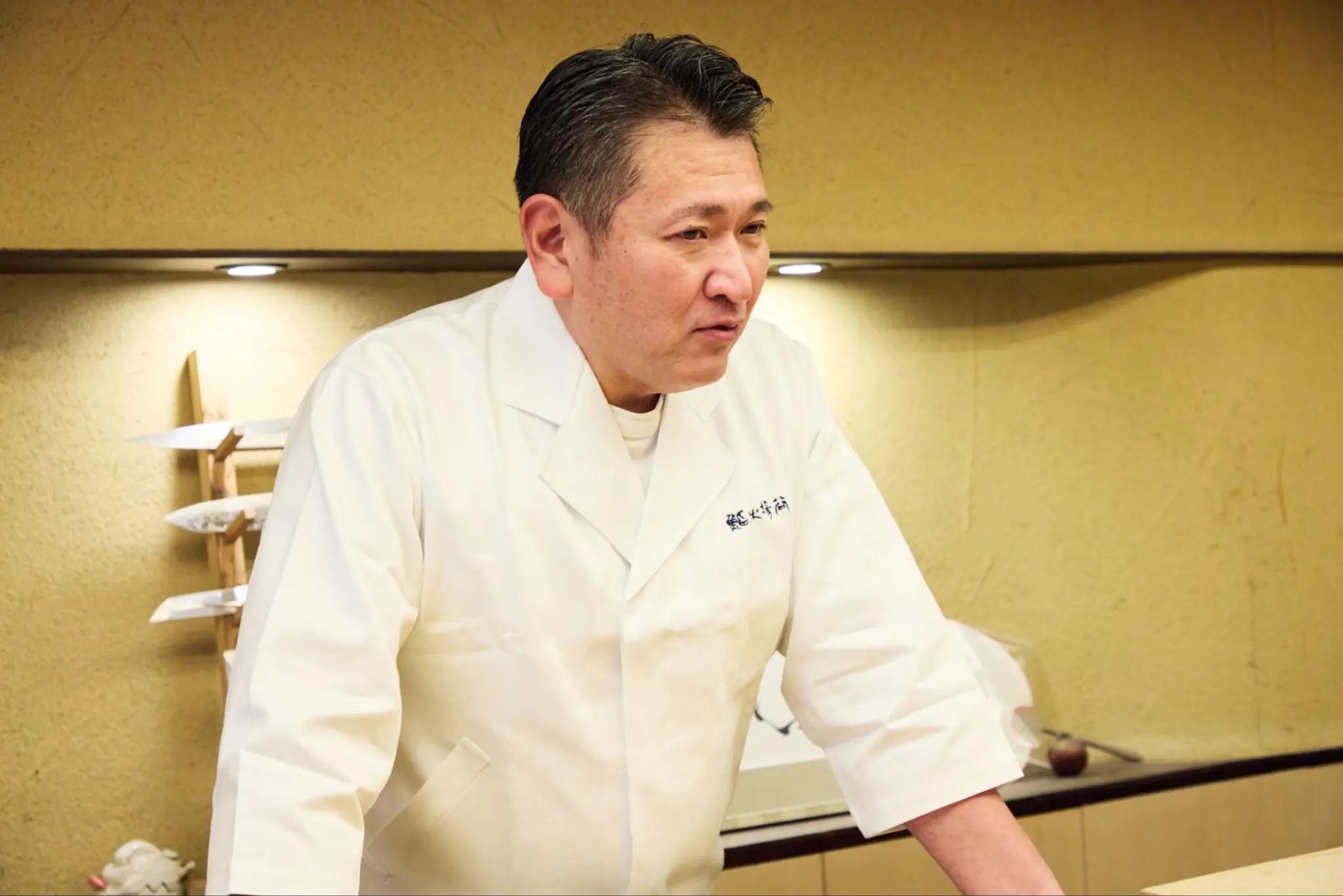
Even if someone else says something is delicious, if I don’t personally find it delicious when I taste it, then it’s not "delicious" for me. I believe that if something doesn’t move my heart or if I lack confidence in it, customers won’t feel that it’s delicious either. When I serve something that I find delicious and truly believe in, customers will also say it's delicious. Going forward, I want to continue facing my cooking sincerely, without being arrogant or complacent, in order to make customers happy by serving them delicious food.
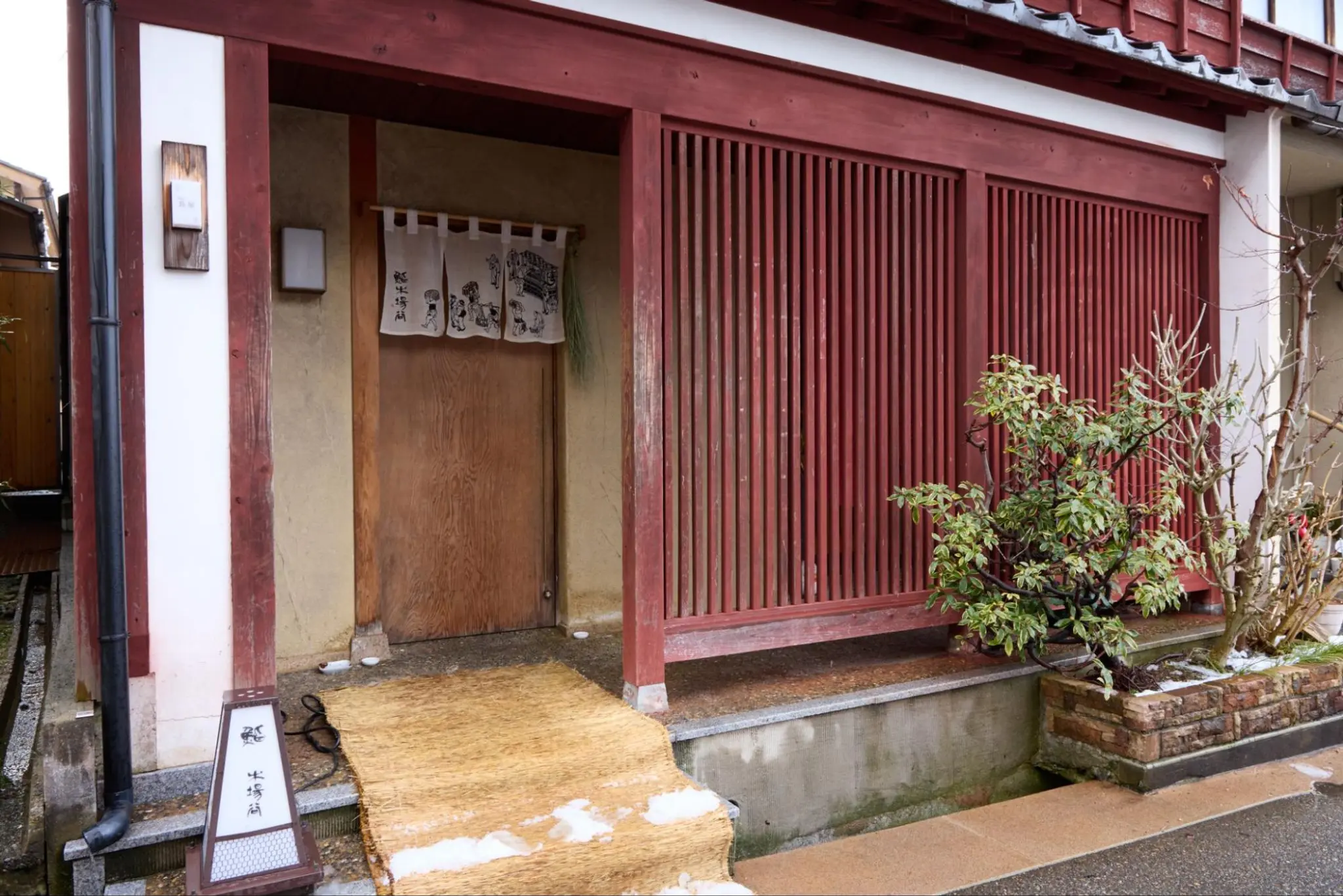
While enjoying sushi where the charm of freshly caught fish is brought out to its fullest, the conversation with the cheerful and personable Chef Kibatani flows effortlessly. From the window, which is inspired by a tea room at the back of the counter, you can enjoy the seasonal beauty of the changing seasons. Chef Kibatani, who knows exactly how to bring out the best in Hokuriku’s fish, has perfected his craft, and it’s easy to understand why sushi enthusiasts from all over Japan visit for his sushi. Experience the traditional Edo-style sushi while savoring the seasonal Hokuriku fish, elevated into beautiful and exquisite sushi, and make sure to visit【Sushi Kibatani】to enjoy the chef's artistry.
Interview & Text: Yuka Sada
Photography: Tomohiro Yasui
Restaurant Information
- AutoReserve Magazine
- Japan’s world-renowned flagship restaurant
- The flavors of Hokuriku's fish are maximized and evolved into exquisite sushi at 【Sushi Kibatani】