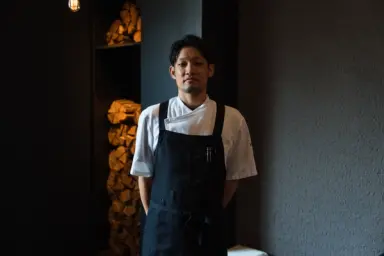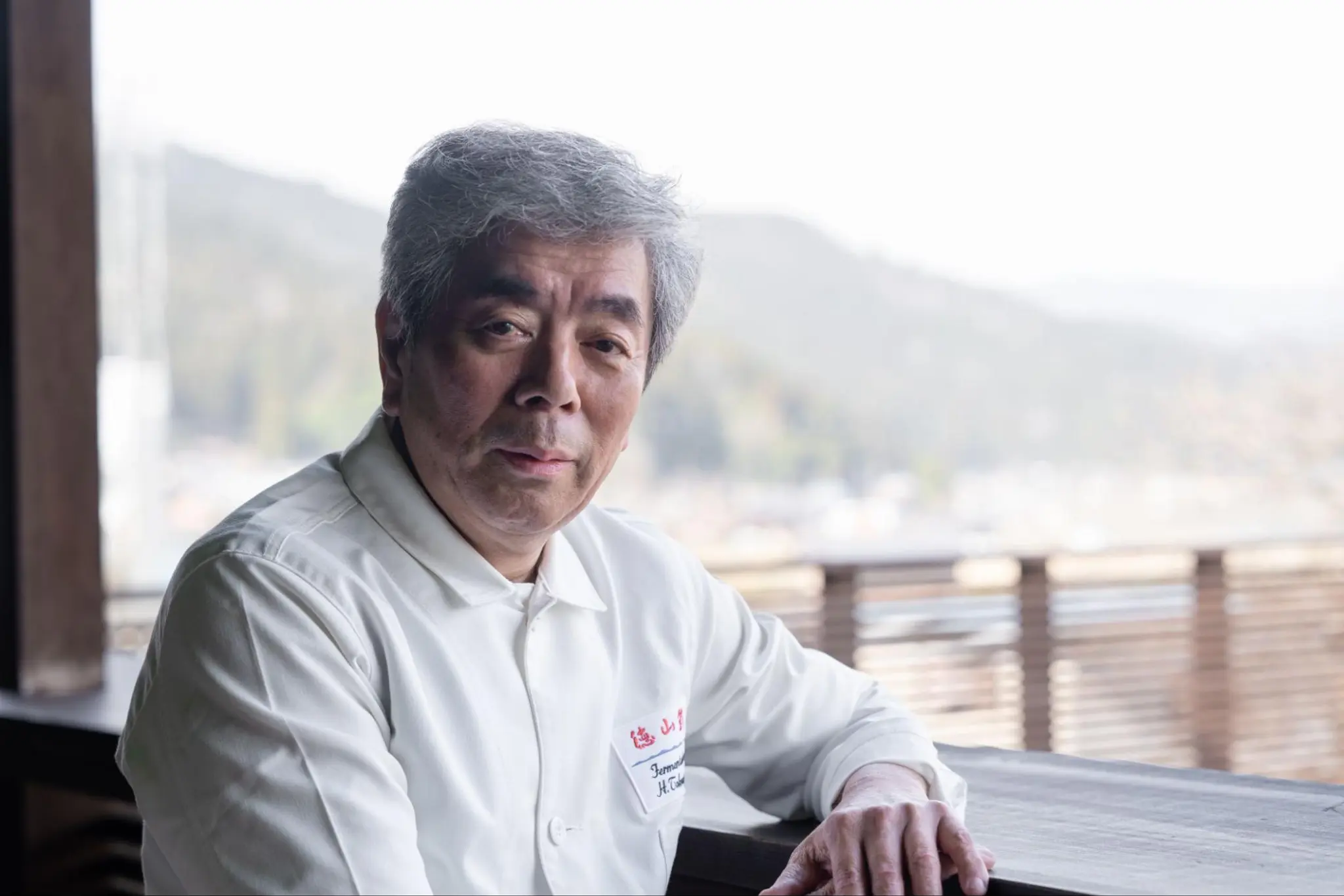
The Sublime World of Nature and Fermentation Created by Chef Hiroaki Tokuyama at 【Tokuyamazushi】
The Encounter with "Fermentation" Guided by Kyoto Training and Realizations from Hometown
ーーーWhat inspired you to become a chef?
I grew up watching my parents work in the culinary field, so by the time I was in middle school, I had already developed a vague admiration for chefs and had decided that I wanted to pursue a career as a chef. After graduating from a culinary school, I considered where to train, and since my father had connections with someone who owned a shop in Kyoto’s Nishiki Market, I was introduced to the long-established restaurant 【Kawashige】, where my training in Kyoto began.
At my training destination, I was treated with both strictness and care, and as I gained experience, around the age of 26, I decided to return to my hometown. However, once I returned, I started to notice the gaps and differences in culinary style, cooking techniques, and the types of customers between my hometown and Kyoto. Perhaps because I was still young, there were aspects of my hometown that I appreciated more, but there were also areas where Kyoto excelled, and I began to think carefully about these differences. When re-evaluating my path as a chef, I had the opportunity to meet Professor Takeo Koizumi, a fermentation expert, when the Japan Fermentation Institute Yogo Research Institute was founded. It was then that I learned about the depth of "fermentation," and gradually, I found myself drawn into the world of fermentation.
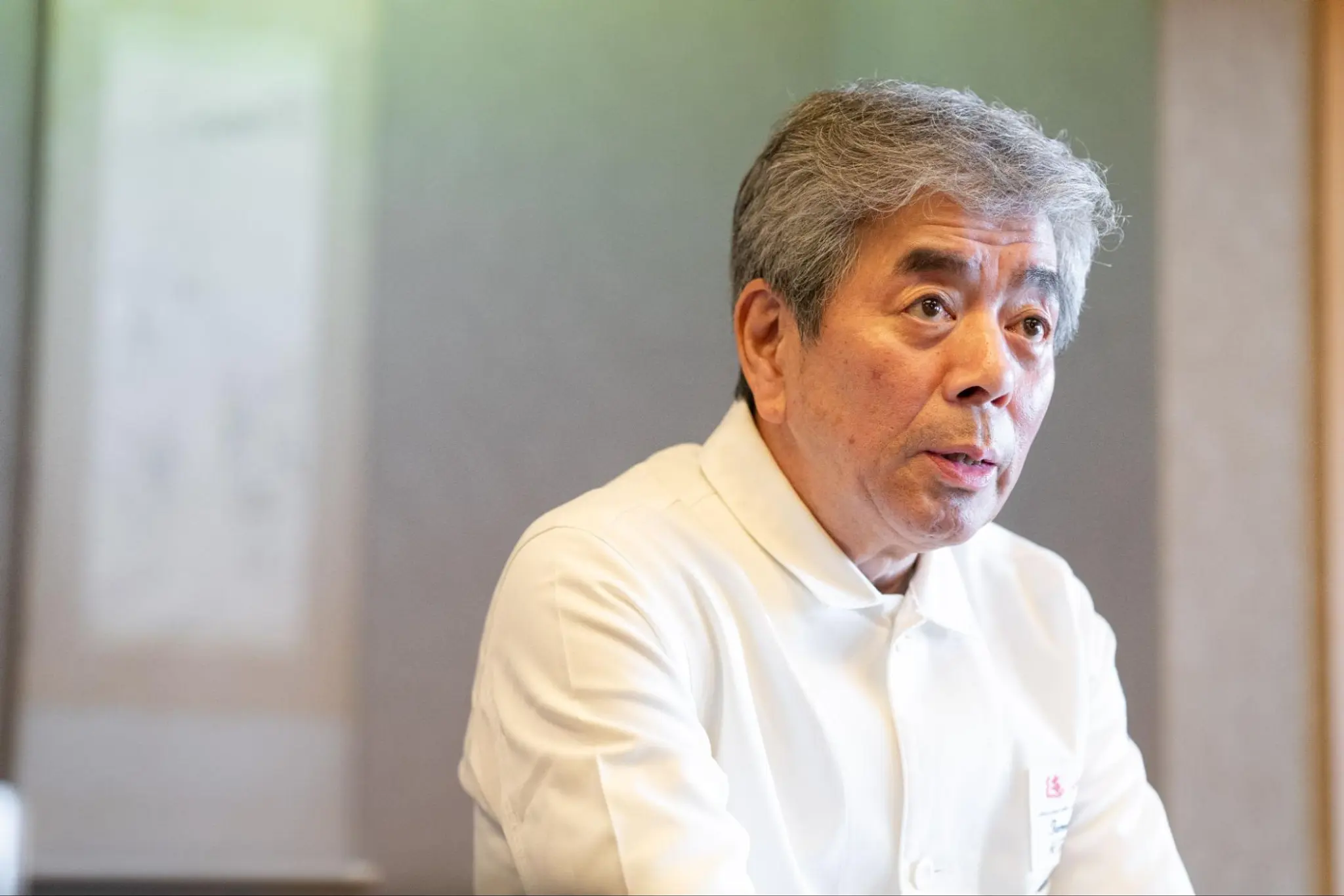
The Reward of Fermentation Born from Harmonizing with Microorganisms and Nature
ーーーBefore the fermentation institute was established, did you have any exposure to "fermentation"?
Since my father had been making funa-zushi (fermented fish) for a long time, I naturally had opportunities to come into contact with fermentation. However, I didn’t realize how deep and fascinating the world of fermentation was until I learned from Professor Takeo Koizumi and the Japan Fermentation Institute Yogo Research Institute. The more I learned about fermentation, the more I became fascinated by it. But at that time, I had some resistance to offering funa-zushi as a dish. While I personally liked it, I was concerned that customers might find it difficult to accept, so I hesitated to serve it.
Amidst this, Professor Koizumi advised me, "Why don’t you serve funa-zushi? Try making an effort to help people understand its appeal and create a restaurant where you can communicate that charm." Inspired by those words, I decided to "compete with fermentation!" and thus established this restaurant.
ーーーHow long did it take for you to make the decision to open your restaurant?
Before deciding to open a restaurant specializing in fermentation, I had initially considered opening a regular restaurant in Kyoto. My mentor at the training shop advised me, "You could open a restaurant anywhere, even in Gion, but now is not the right time, so wait a bit." I decided to wait. During this period, I began studying fermentation and exploring various options, and that’s when the idea of opening a restaurant in Tokyo came up. My family supported me, but at that time, I felt it would be difficult to bring the food culture of Shiga and fermentation to Tokyo. That’s when I decided, "Let’s do it in Shiga!" A big reason for this decision was knowing that the research institute existed here and that this area had an environment suited for fermentation.
After deciding to open a restaurant in Shiga, I spent the entire first year on preparation. Honestly, during the preparation period, I wasn’t sure whether things would go well or not, but since I couldn’t offer anything that hadn’t fermented, I took my time. "If I don’t do it, I won’t be able to open the restaurant!" So, I dedicated time and opened the restaurant carefully. At the beginning, people said, "It’s unique," or some thought "It’ll close in 1-2 years," which was frustrating. But as I kept going with all my efforts, customers spread the word through word-of-mouth, and we reached our current situation.
ーーーWhat do you find challenging and rewarding about fermentation?
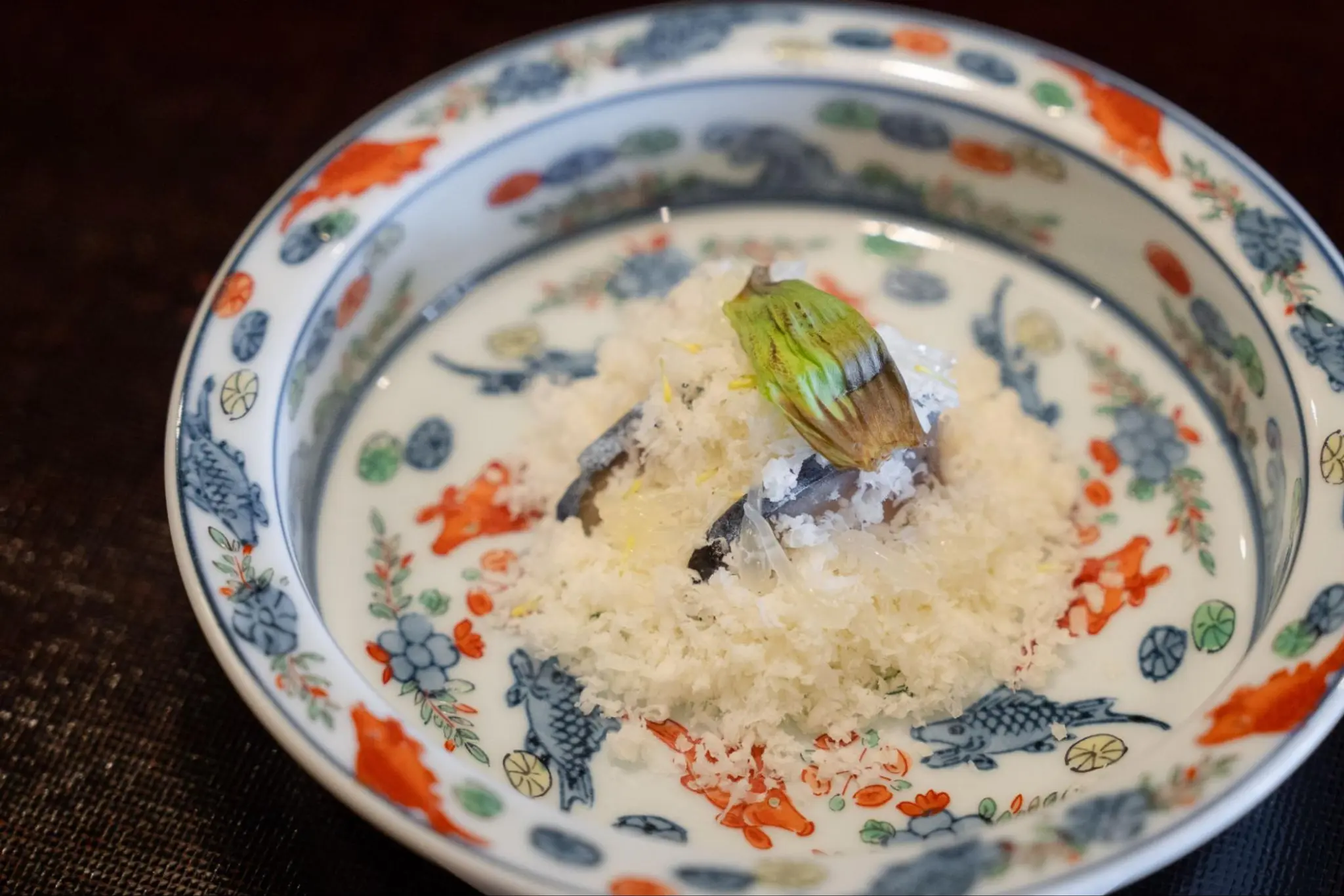
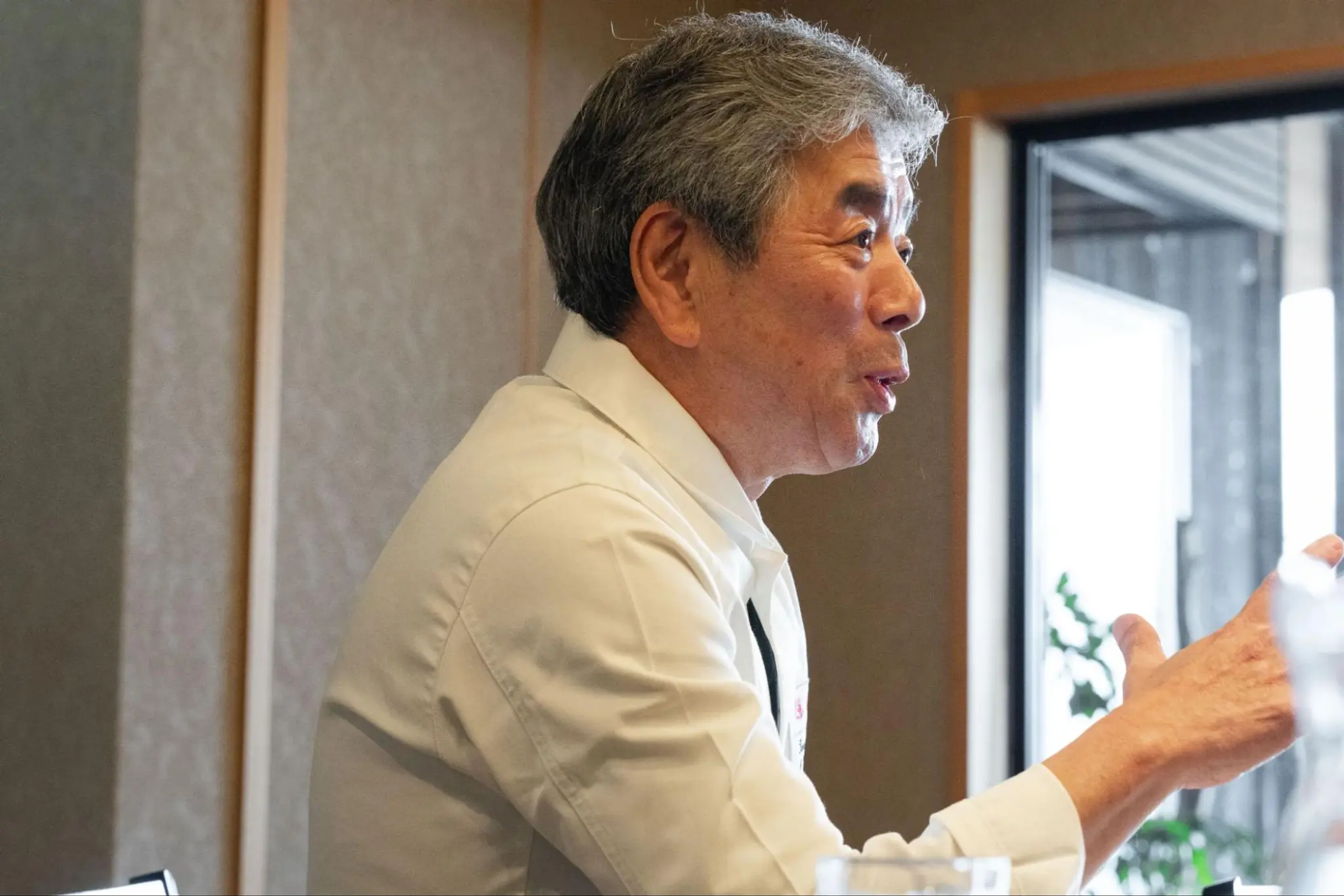
I believe fermentation is a very rewarding field. However, fermentation involves working with microorganisms, so predicting their movements and directions can be difficult. Sometimes, microorganisms may go in an undesired direction, which can lead to disappointing results. In such situations, I began to wonder if I was not fully attuned to the microorganisms and nature. Since then, I’ve deepened my understanding of nature and made a conscious effort to connect with the background of microorganisms and ingredients. Today, I continue to explore ideas for dishes that utilize ingredients from the mountains and lakes. I focus on how to express the things gained from nature on the plate, blending in with the environment. The process of incorporating fermentation and ingredients is not easy, but I’ve cherished the emotions and results that come from it.
Flavors Unique to This Land, Resonating with Nature
ーーーWhat do you consider the distinctive features of your cuisine?
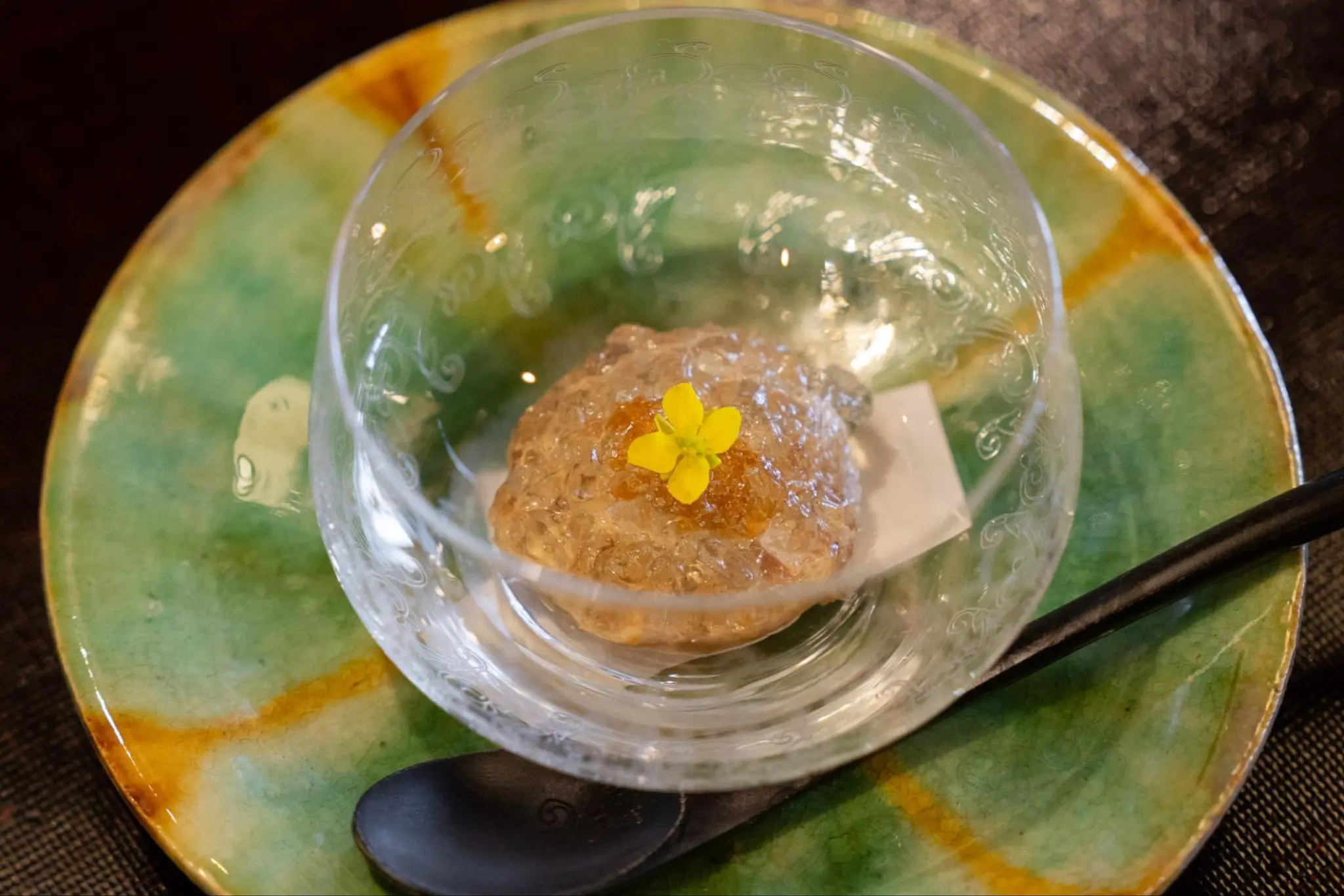
I pursue dishes that "can only be tasted here," embracing nature. Even if similar dishes exist elsewhere, I believe there is a unique flavor that can only be experienced here. Certainly, with popular ingredients and techniques, there may be areas where we can't compete with others. However, regardless of aiming for the highest level, I firmly believe that by sincerely focusing on "what can be done here," that intention will inevitably be conveyed to the customers. This is the kind of cuisine we strive for. We gather ingredients from lakes, rivers, and mountains, ferment them, and turn them into dishes. We serve truly unique flavors here that can only be experienced at our restaurant.
ーーーWhat do you consider essential when creating your dishes?
I believe maintaining the mindset of "learning from nature" is crucial in creating dishes. I always tell my sons, "Learn from nature." By entering nature, learning from mountains, lakes, rivers, and studying fish and creatures, I believe that this connection to nature is what gives birth to dishes that truly align with nature.
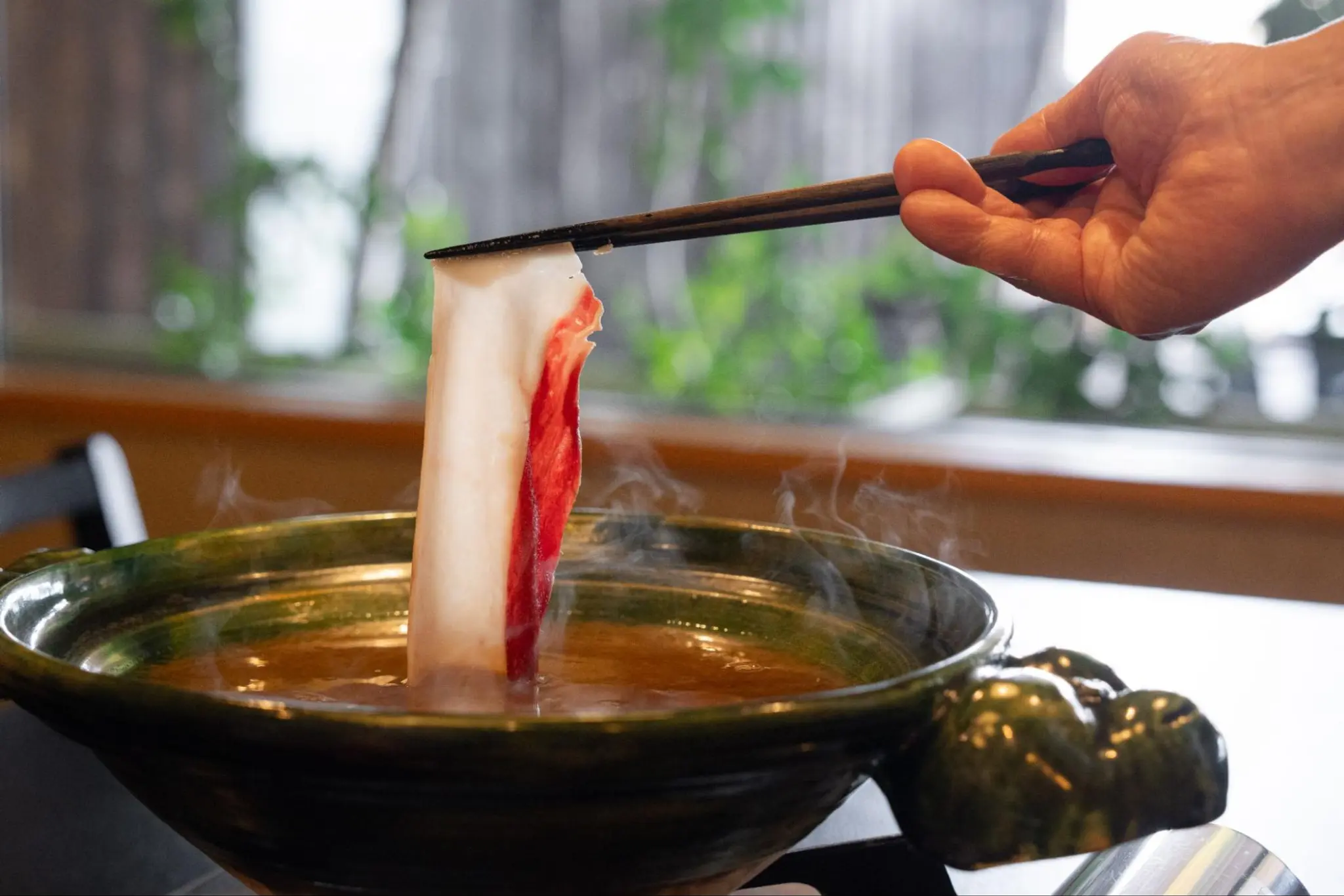
We often tell our customers, "We don't use any major ingredients." When asked, "Where is this ingredient from?" I often reply, "From the mountains" or "From that bear over there." If they ask, "What do you mean by 'there'?" I smile and jokingly respond, "Please come back again." Sometimes, I even guide them to the site, such as taking customers on a boat to catch eel. When asked, "What should we use as bait?" I tell them, "Any bait from around here will work." However, there are people who catch eels and others who don't. Even with all the preparations, sometimes we don't catch anything, and I believe that's because we need to harmonize with nature to achieve results.
Additionally, one of my main principles is to create dishes using ingredients that come from "a single source of water." I aim to create dishes using ingredients that come from the same water system, and I believe that if I can craft a dish from those ingredients, it will be truly remarkable. By observing a single river, finding ingredients that grow within it, I'm certain that new discoveries await. Moreover, as I observe the changing seasons, I feel there are still many untapped possibilities. When I look at the mountains, I sometimes feel, "There are living creatures here, so there should be good ingredients," or I might think, "There may not be anything good here." This is not always the right judgment, but it's based on my experiences and instincts. I believe that cooking is not just about a meal; it is something that leaves an impression. It is created by aligning with nature. Each step in this challenge is the driving force that leads to better cooking.
ーーーDo the ingredients unique to this area differ from those of other regions?
If I were to say there is no difference, that would be the easy answer, but it is true that each area has its own distinct characteristics. I believe what is important for a chef is how they face these differences. Japan is an island nation, so besides sea-based ingredients, what can be gathered is fundamentally the same across the country, though there are differences in the timing of when things are harvested, such as early or late seasons. Learning about these differences is crucial, and I have maintained this awareness from a young age.
For example, let’s say the same ingredient is gathered in both the Tohoku region and the Kyushu region. In such cases, it’s necessary to explore how they differ from each other. I compare them by tasting both, considering the different cooking methods, and based on what I feel, I pursue what can be done with these ingredients at my restaurant.
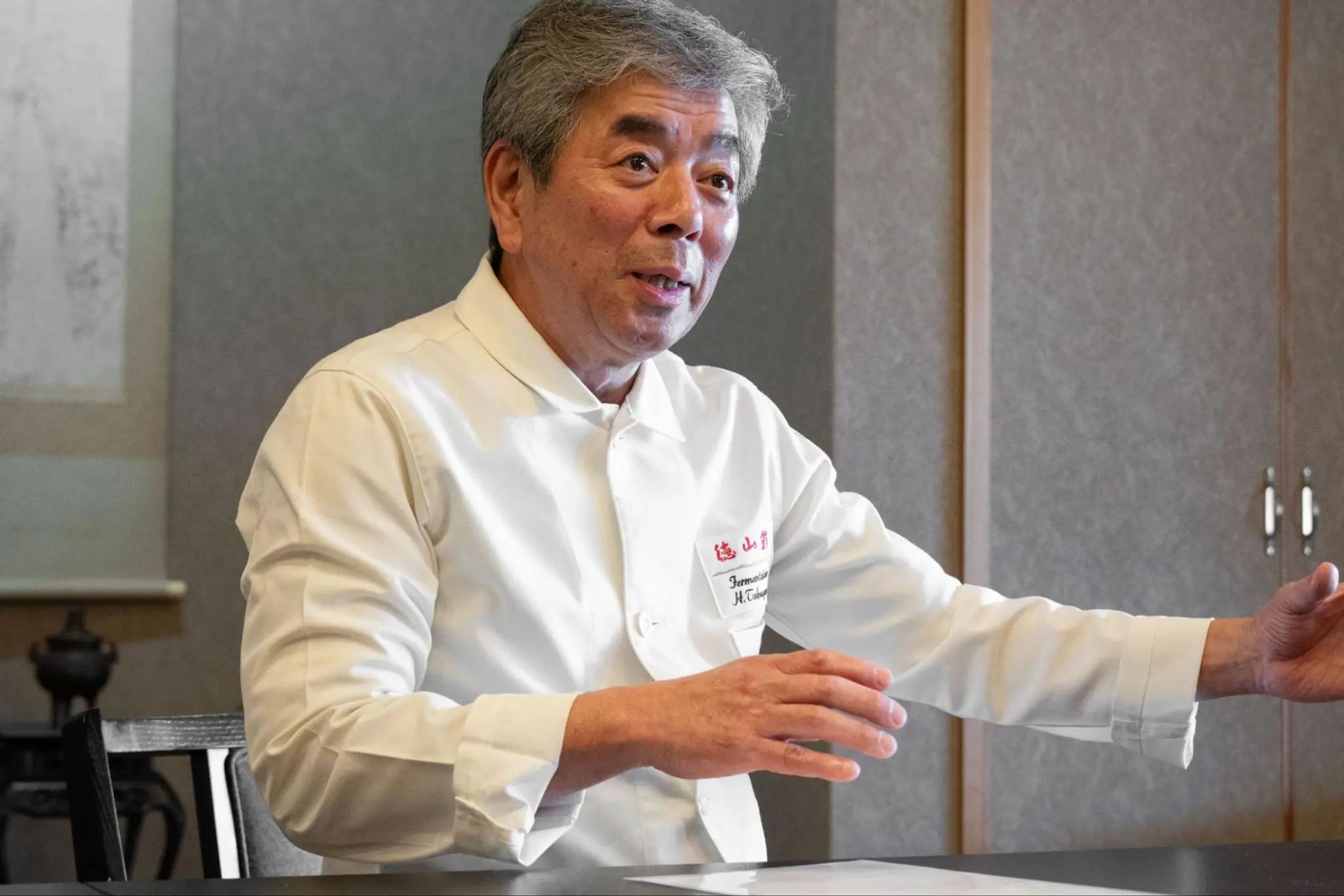
Moreover, when it comes to seasonal ingredients, it's often said "this ingredient is for this season." While there's nothing wrong with that, I want to look beyond the surface of the ingredient and find its deeper value. For example, there are times when a particular ingredient is abundant during a specific season, but the amount that can be used is limited. In such cases, I think about what to do with the leftovers and explore methods of fermentation and preservation to create new dishes. Even ingredients that are easily available may have new value if approached with the right cooking methods and preservation techniques. At my restaurant, we have built our own storage and processing areas from scratch, and we offer dishes based on that.
ーーーSo flexible ideas are born from nature.
When I discover something new from an ingredient, I believe that by considering "how to utilize it," a dish unique to this land can be born. By maximizing the use of nature and the local environment, I continue to take on new challenges every day. While striving for 100% completion in our dishes every year, I am still only halfway there. However, I believe that by moving closer to my ideal, we are paving the way for the future of our cooking.
Additionally, by paying attention to the details, I want our customers to feel the "difference" that can only be expressed in this area. Every region has its own characteristics. I believe it is important to think about what to express from that area and what kind of emotions we can evoke in our customers, and to continue challenging ourselves. In doing so, I am focused on creating new dishes while facing nature. As a chef, it is natural to make delicious food, but I believe that by expressing different flavors depending on the place and environment, we can offer new value.
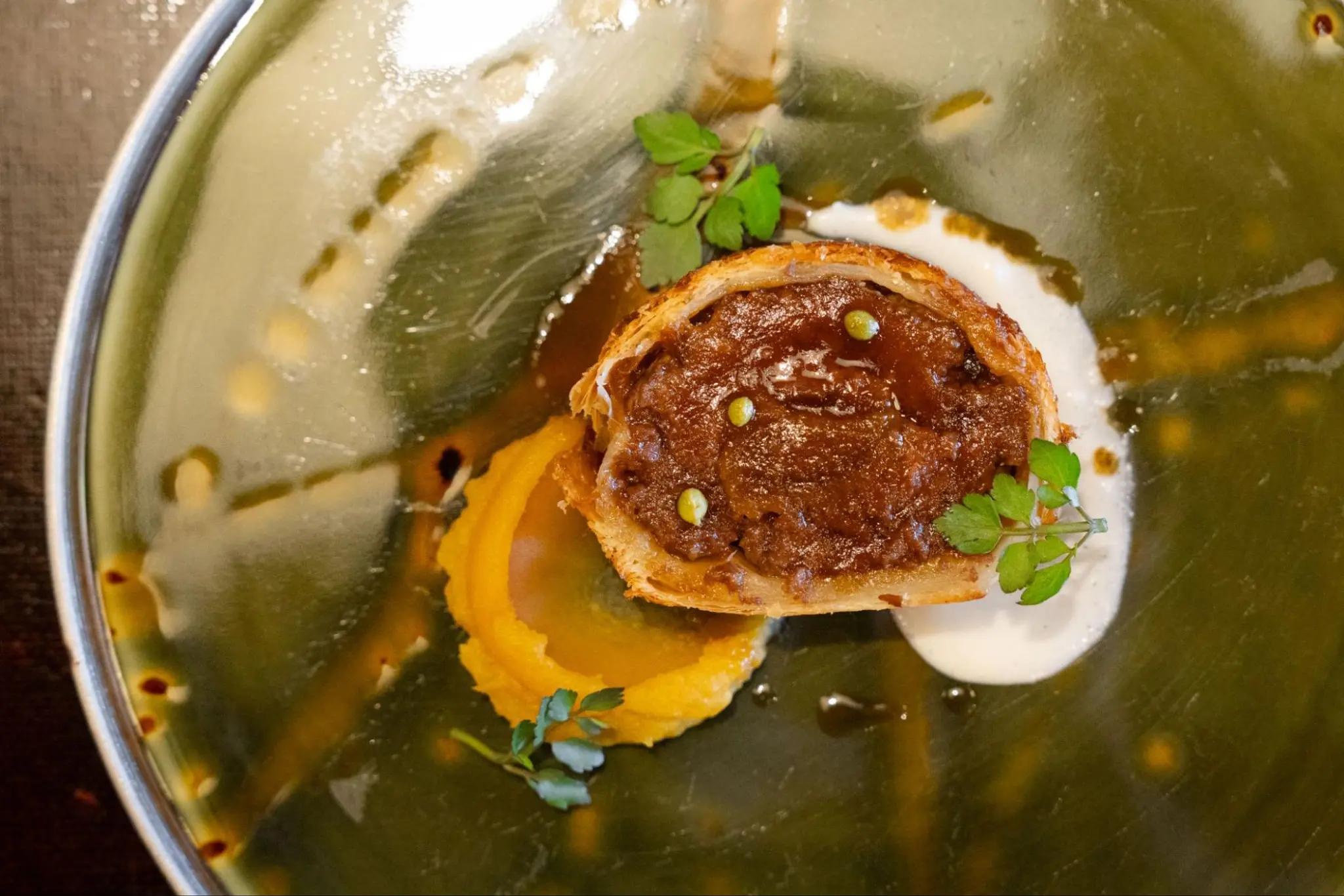
There are chefs who come from distant places to learn about our cooking, and while some of them can understand our dishes, others find it difficult. Additionally, while it may be possible to create similar dishes, I believe it’s difficult to replicate the original flavors. Nevertheless, I think it’s important to learn the techniques and philosophies behind our cooking. What matters most is that each chef incorporates those learnings and adapts them to the unique characteristics of their own region. This, I believe, is the direction in which cooking should evolve moving forward.
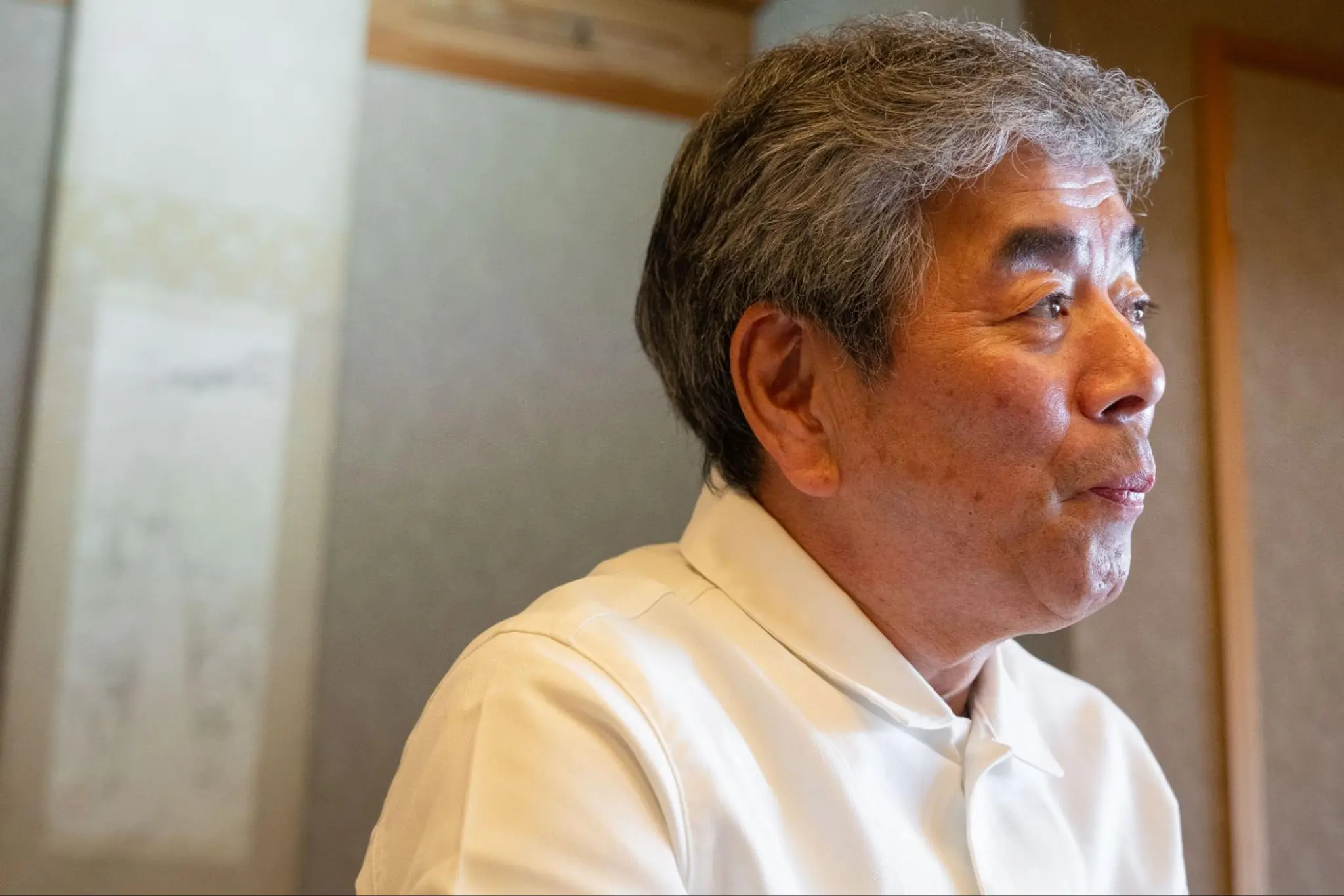
The Charm of the Auberge Created by Family and Nature
ーーーYou run the restaurant with your family. What are your thoughts as the owner-chef?
We each have a role in the family, with specific areas such as fermentation, game, and desserts being handled by different members. Our aim is to bring all of these specialties together, seamlessly blending them into our unique course offerings. We also work together to consider how to prepare the ingredients we gather from nature. For instance, in regions where matsutake mushrooms may not be found, we focus on other types of mushrooms to create new dishes. It’s important to study the characteristics of these mushrooms and develop new cooking methods. I want my family to always have a mindset of learning from nature, asking questions like “What is this? Why is it here?” as we explore the mountains. This daily learning process is the key to evolving our cooking. Moving forward, I want to continue expanding the possibilities of our cooking through new data and discoveries, and I hope that my children will carry this forward in the future.
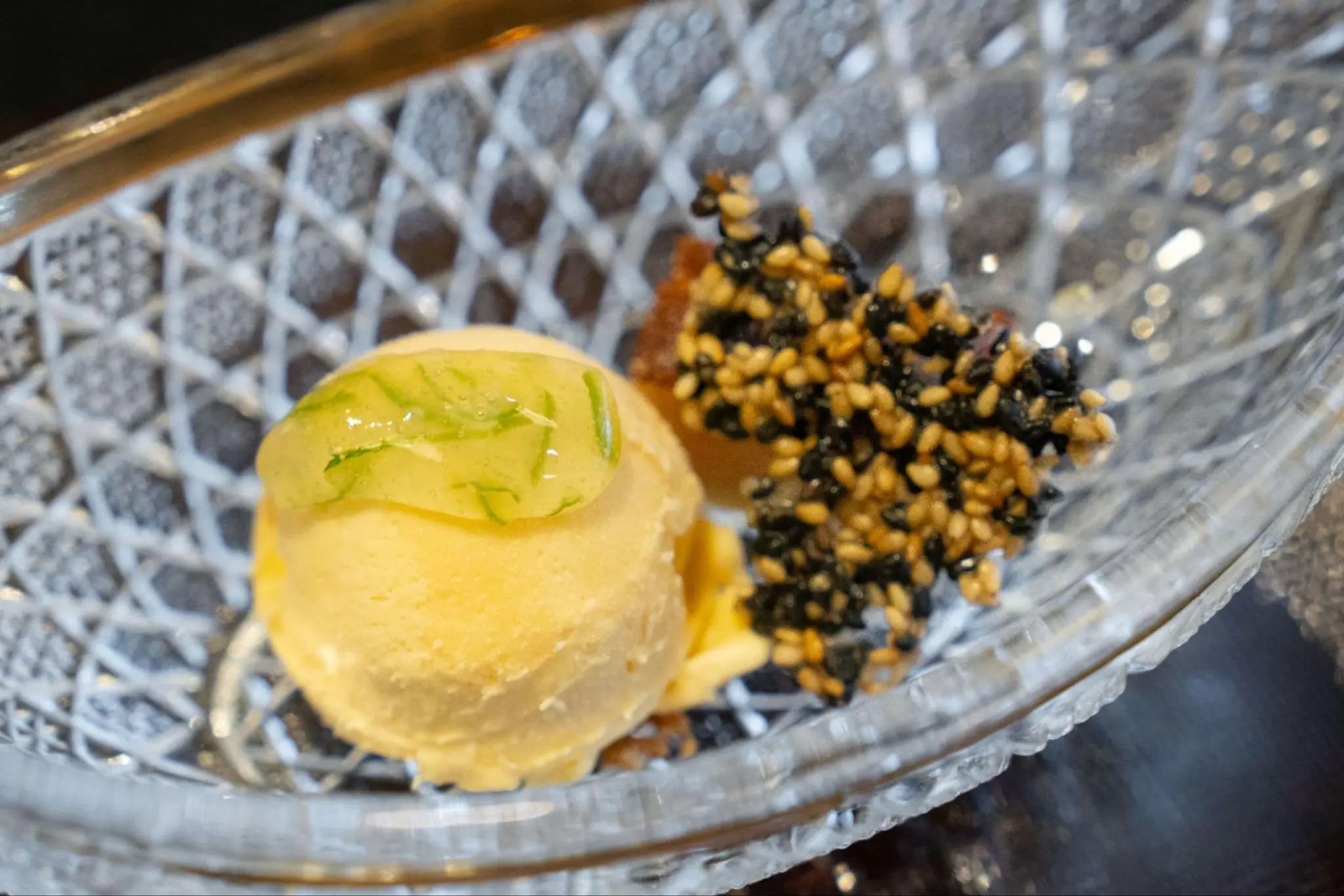
ーーーHow do you view the charm of the auberge?
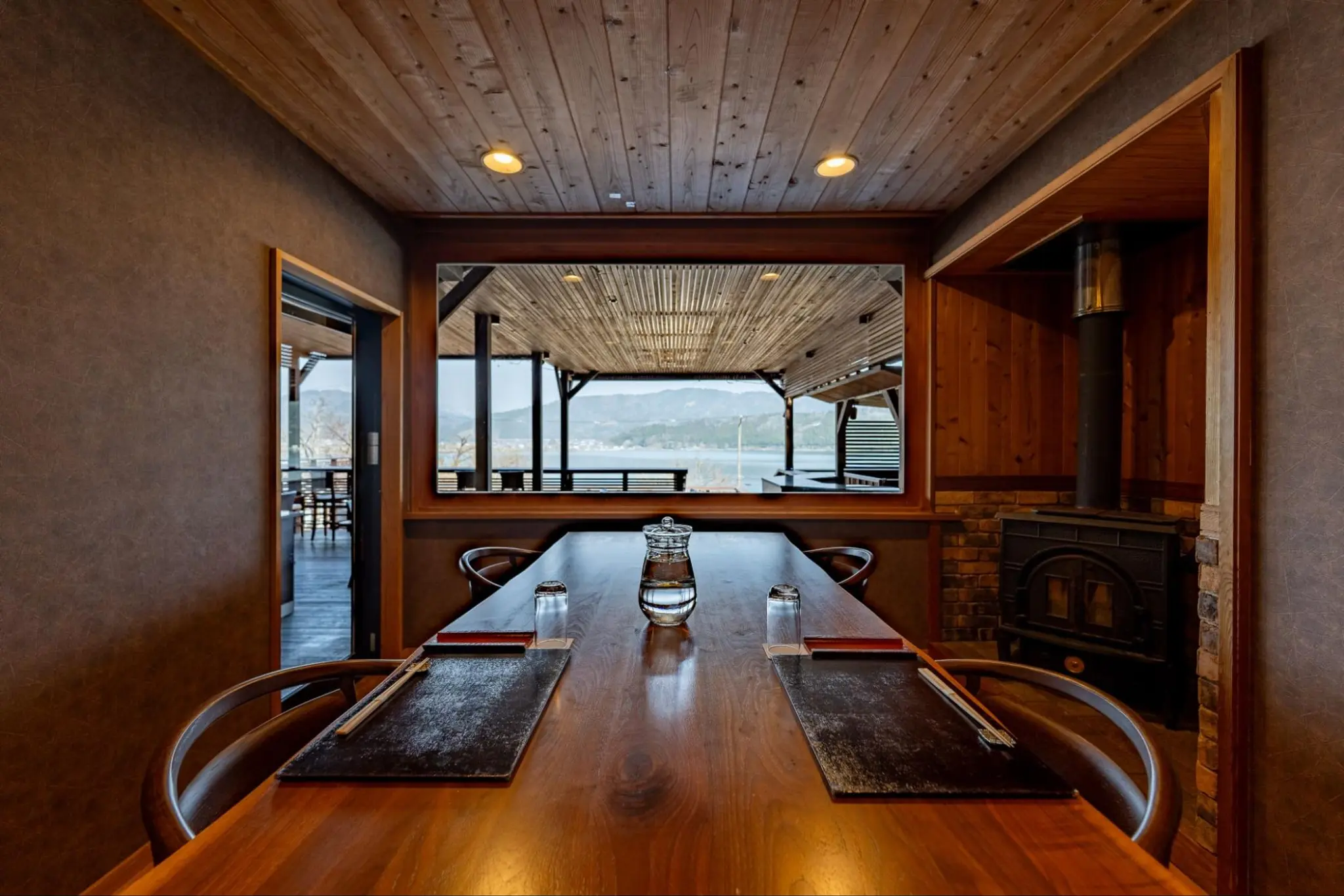
When we first started the auberge, I received many negative comments like "Will people really come to a place like this?" Every time, I strongly felt that "this is wrong." I believe an auberge is something that exists within nature, working in harmony with it and its rhythm. That's why I feel it is so important to understand nature more and to live in harmony with it.
Additionally, it is crucial for customers to experience the feeling of being immersed in nature. Around this area, when spring arrives, various young leaves start to sprout. During that time, I tell my guests, "Spring has arrived now." I believe this is one way to express the charm of the auberge. Having four seasons is of course part of it, but entering nature is not just about enjoying the scenery or the changing seasons. It is about experiencing nature through food. That is the shape of the auberge that I am aiming for.
ーーーWas starting an auberge something you originally wanted to do?
It all started when a guest visiting from afar said to me, "I don't want to go home; please create a place where we can stay." At that time, there were almost no accommodations around here, so I thought, "Why not create one myself?" With limited funds, I gradually built up the necessary facilities, and this is how the current shape of the auberge came to be. I believe the experience of enjoying food in nature and staying overnight or for a couple of nights is a truly wonderful one. In modern society, many people work under intense pressure and carry stress. I want this place to be a space where they can be somewhat healed. While the word "healing" is often used, what I aim for is a place where people can find peace of mind.
New Values in Food Born from a Life of Challenges
ーーーAre there any challenges you want to take on or future goals?
I aim to evolve and pursue a sense of completion, not only in food but also in the space and the overall experience, while striving to create a "complete dining and place experience." However, for me, the concept of "completion" doesn't really exist. My approach is to continuously challenge myself. I believe that if we keep challenging ourselves in nature, the food will naturally take shape. There is no final goal, but I believe that through the process of aiming for it, better things will come into being. The same goes for fermentation. Fermentation is difficult because microorganisms are the ones that move the cooking process forward, and it’s beyond our control. Still, if we look at it positively, I believe that beyond that difficulty lies new discoveries waiting for us.
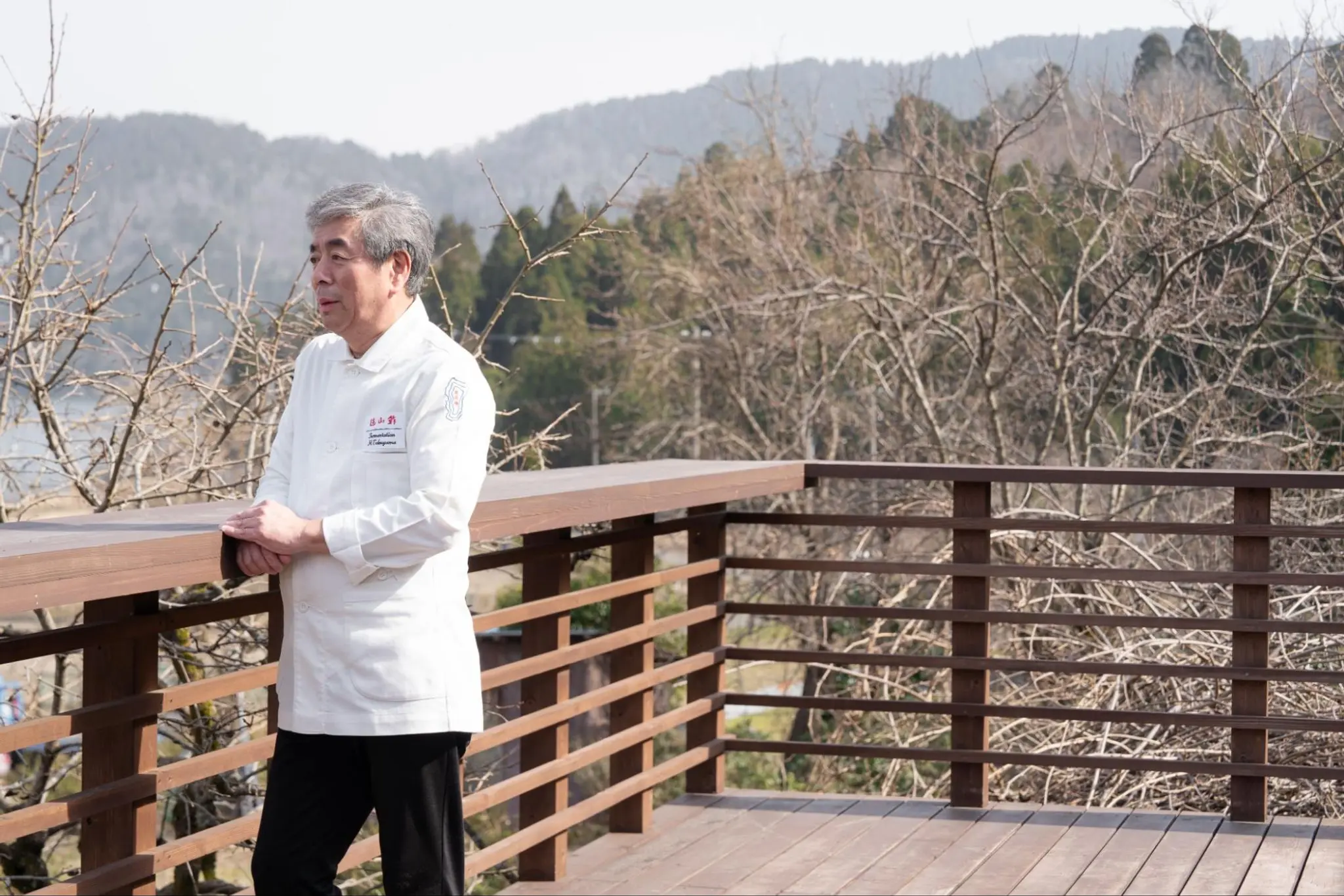
There is so much to learn from living creatures. For example, observing what creatures eat can lead to new discoveries. When we enter the mountains, people often think that ingredients are easy to gather, but reaching that point requires a lot of time and effort. The act of cooking while being in harmony with nature is a challenge and a learning process at every step. I believe that the daily efforts, challenges, and learning we accumulate bring depth to the food we create.
ーーーLastly, what does "delicious" mean to you?
To me, "delicious" is a taste that stays in your memory. Just like how dishes we ate in the past stay with us, I aim to create dishes that remain in the memories of my customers. I would be happy if I could make dishes that customers recall with the thought, "That was delicious." Personally, I still vividly remember the taste of the tomatoes I ate as a child in this region where I grew up. Because that taste is my standard, even with the sweet and delicious tomatoes available today, the memory of that old flavor will never fade.
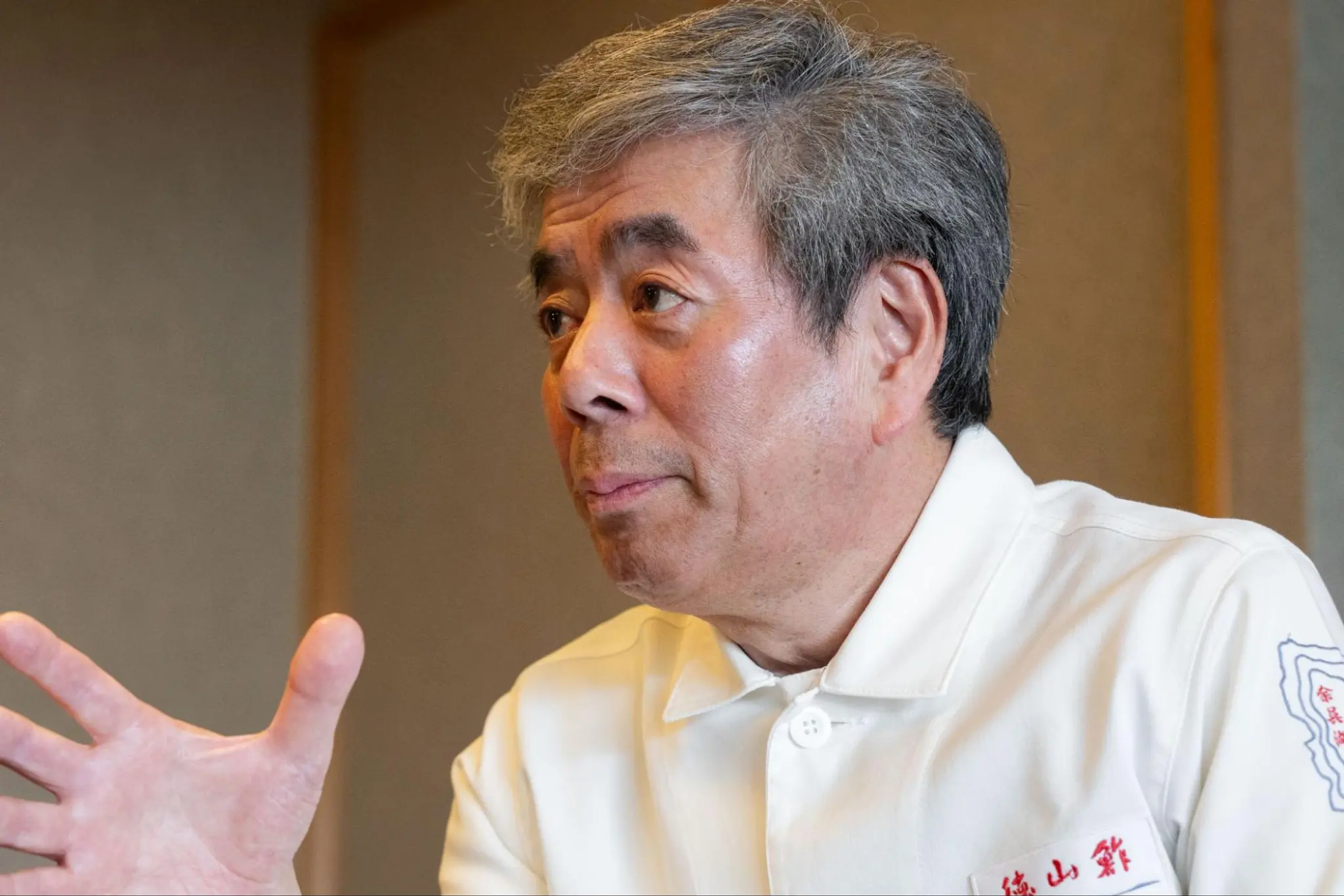
There is a phrase by Professor Koizumi, "妙味必淡 (myoumi hittan)." Regarding the taste that stays in memory, I express it using this phrase. It does not refer to flashy or punchy flavors, but rather to simple, natural flavors of the ingredients themselves. Punchy flavors are less likely to stay in memory, but the true taste of the ingredients is unforgettable. It might be hard to experience this in the city, but I continue to search for "things that can only be found here" in this land. While it is possible to find good things elsewhere, I believe that the things of this land have the potential to surpass them, and it is this ongoing search that is my challenge toward achieving the "delicious" that I aim for.
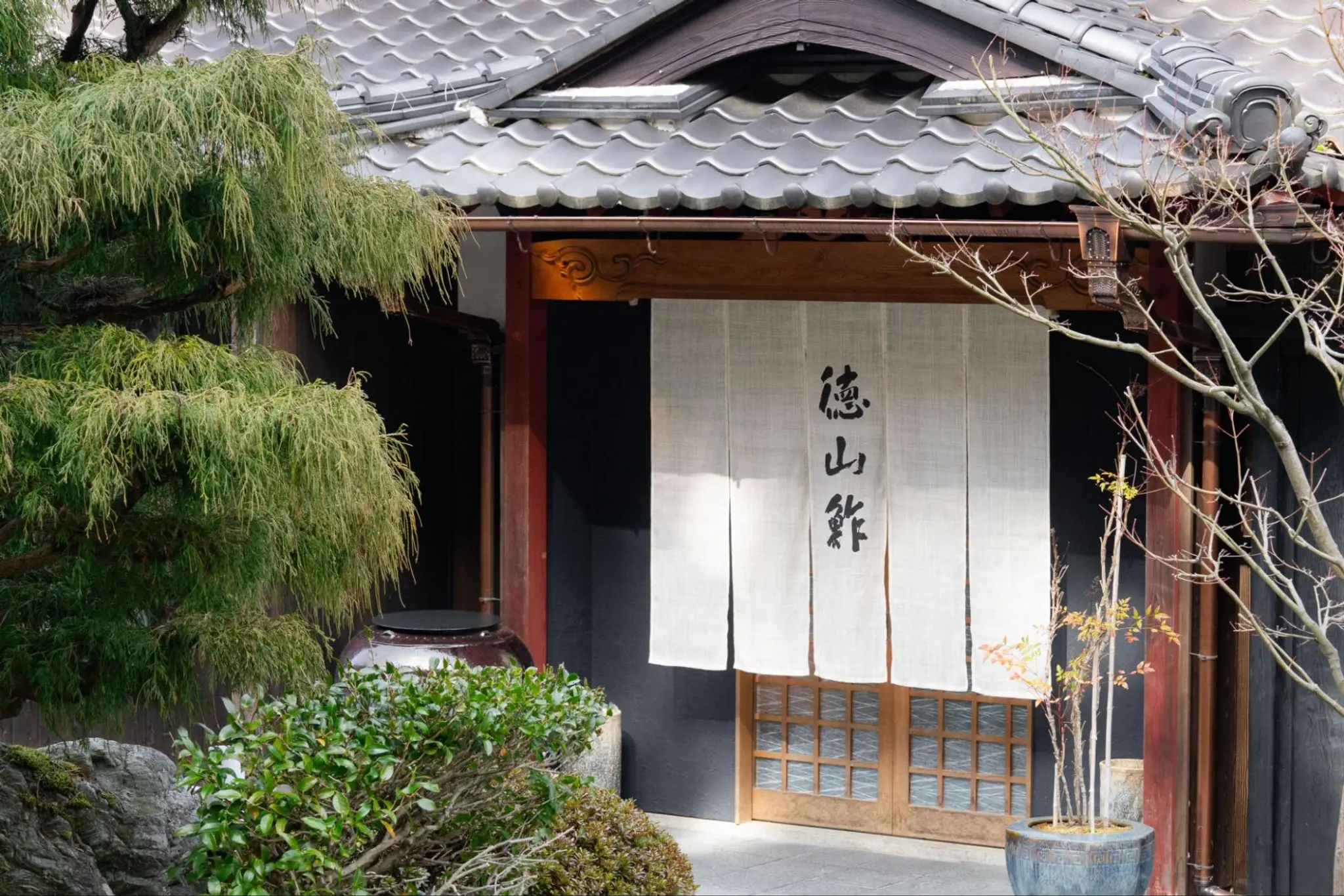
【Tokuyamazushi】 is a special space that transcends a mere dining experience, embodying the connection with nature and fermentation culture. The owner, Chef Hiroaki Tokuyama, speaks of his desire to continuously create unique dishes, incorporating not only seasonal ingredients but also his own techniques for fermentation and preservation. Throughout his work, a deep respect for nature shines, providing visitors with unforgettable dining experiences. Chef Tokuyama’s philosophy as a chef goes beyond just cooking; it lies in harmonizing with nature and deepening connections with the community to create new value. Against the backdrop of the natural beauty of Lake Yogo, 【Tokuyamazushi】 continues to expand the possibilities of cuisine, lighting the way for the future of food culture, making it a must-visit gem that Japan can be proud of.
Interview by: AutoReserve Magazine Editorial Team
Written & Edited by: Food Analyst Ai (Maiko Tanahashi)
Photography by: Masato Suzuki
Restaurant Information
- AutoReserve Magazine
- Japan’s world-renowned flagship restaurant
- The Sublime World of Nature and Fermentation Created by Chef Hiroaki Tokuyama at 【Tokuyamazushi】