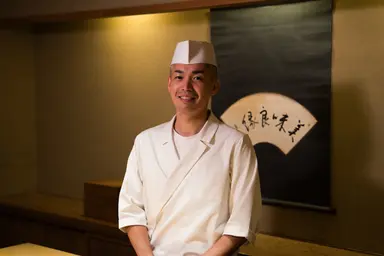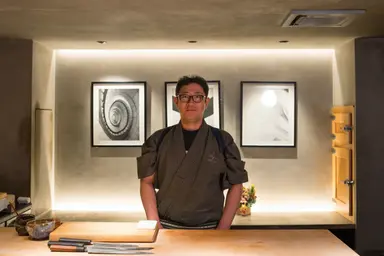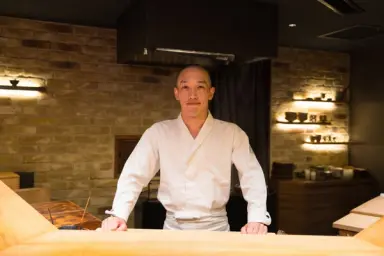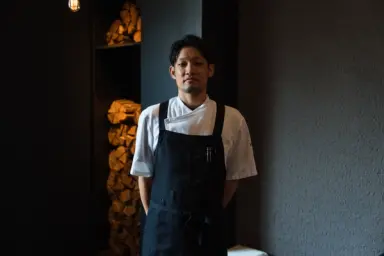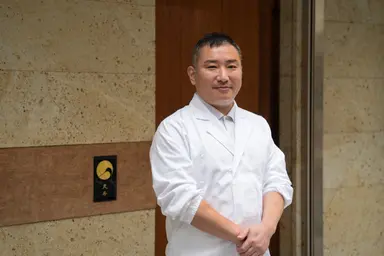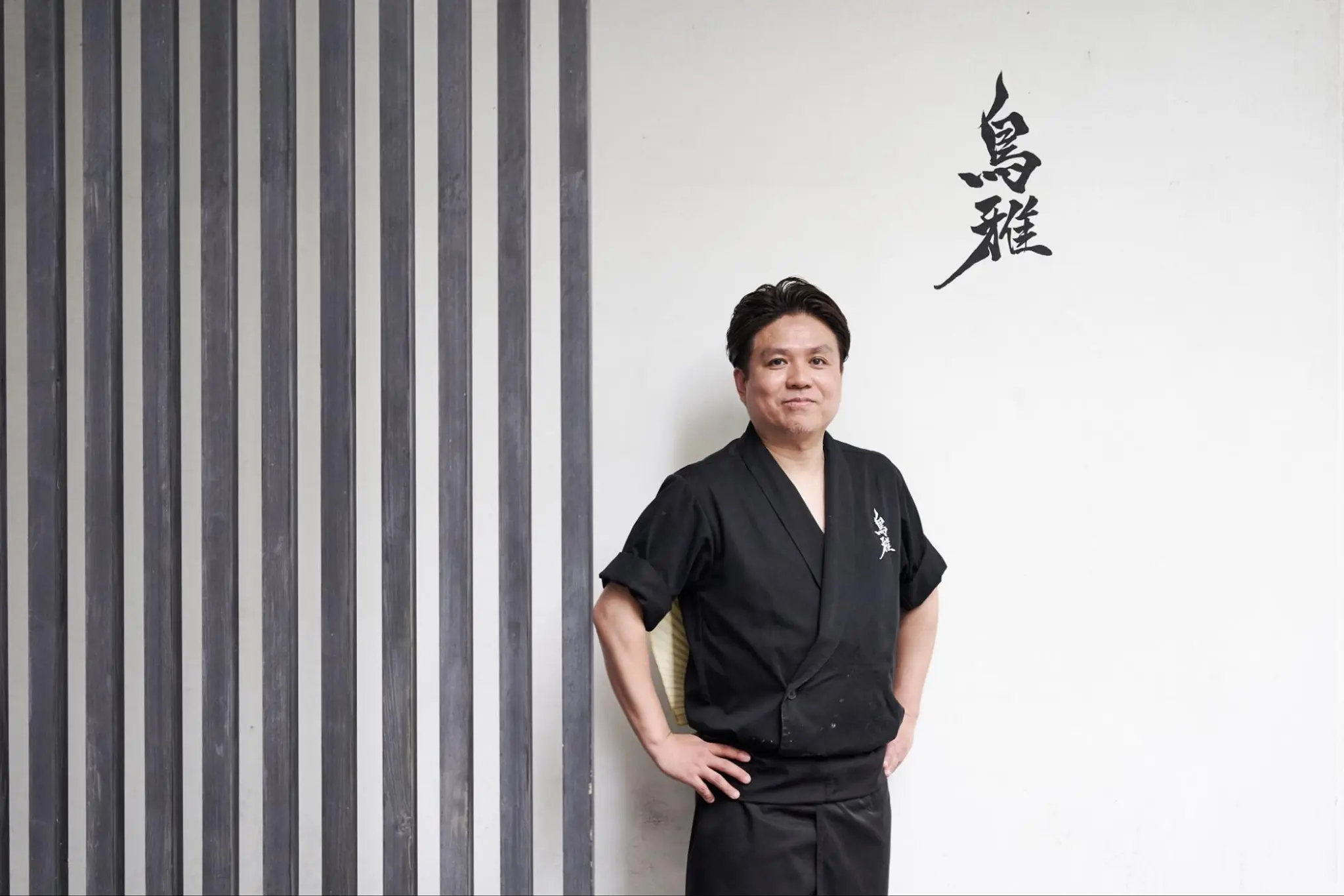
Pursuing Ideals Without Compromise and Continuously Seeking the Optimal: The Challenge of Chef Yoshiaki Ichinose at 【Torimasa】
From the World of Dance to Becoming a Chef
ーーーWhat inspired you to become a chef?
Originally, my sibling and I both aspired to be professional dancers. I admired HIRO, who was part of the dance and vocal unit ZOO (now Chairman and CEO of LDH), and I had been dancing since middle school. Later, the dance school “EXPG STUDIO” was established in Miyazaki, and I was involved from its inception as an instructor. At that time, dancers were not as recognized as they are now, so I was passionate about spreading the appeal of dance through teaching students at the school. However, I felt that there was no need for both my brother and me to pursue the same path. My brother continued dancing, while I started helping with our family’s Italian restaurant and gradually entered the culinary world.
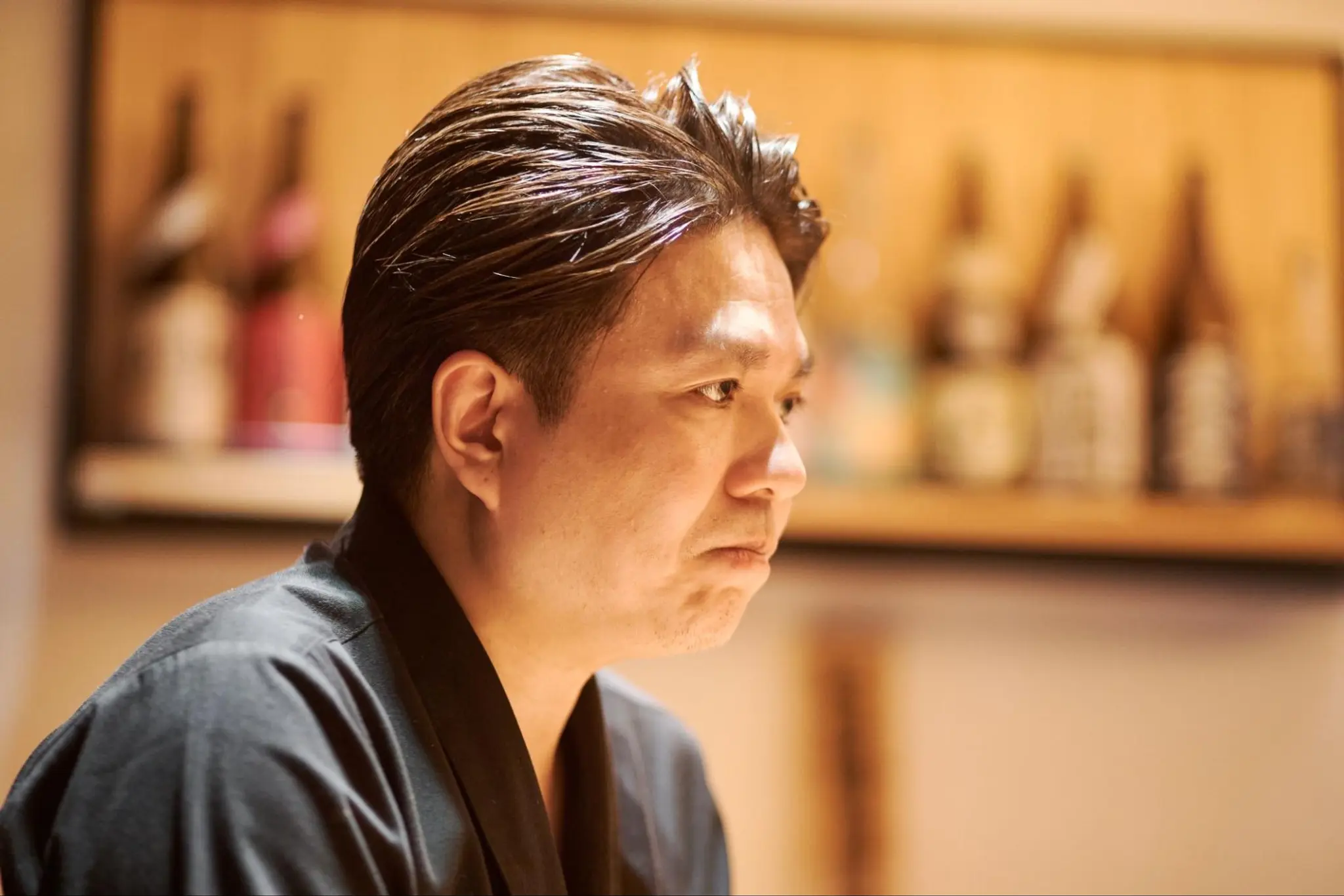
ーーーSo, instead of continuing with Italian cuisine, you switched to becoming a yakitori chef?
Afterward, Keiji Kuroki, a former member of EXILE and someone I had danced with in the same team, invited me saying, “There’s a delicious yakitori place in Tokyo.” When I tried it, I was shocked by how good it was. Apparently, the EXILE members often eat yakitori while on tour or training because it’s high in protein and low in calories, making it easy to enjoy eating out even during physical conditioning. This really impressed me and sparked my interest in becoming a yakitori chef.
While I was training, Masataka Mori, an executive at LDH, often came to eat at the restaurant. After finishing my training and deciding to open my own restaurant in Miyazaki, I was invited to “aim to become a yakitori chef,” and I started as the manager of LDH’s kitchen business 【Torimasa】. The character “雅” (Masa) in the restaurant’s name was given to me by Mori-san, who has supported me greatly.
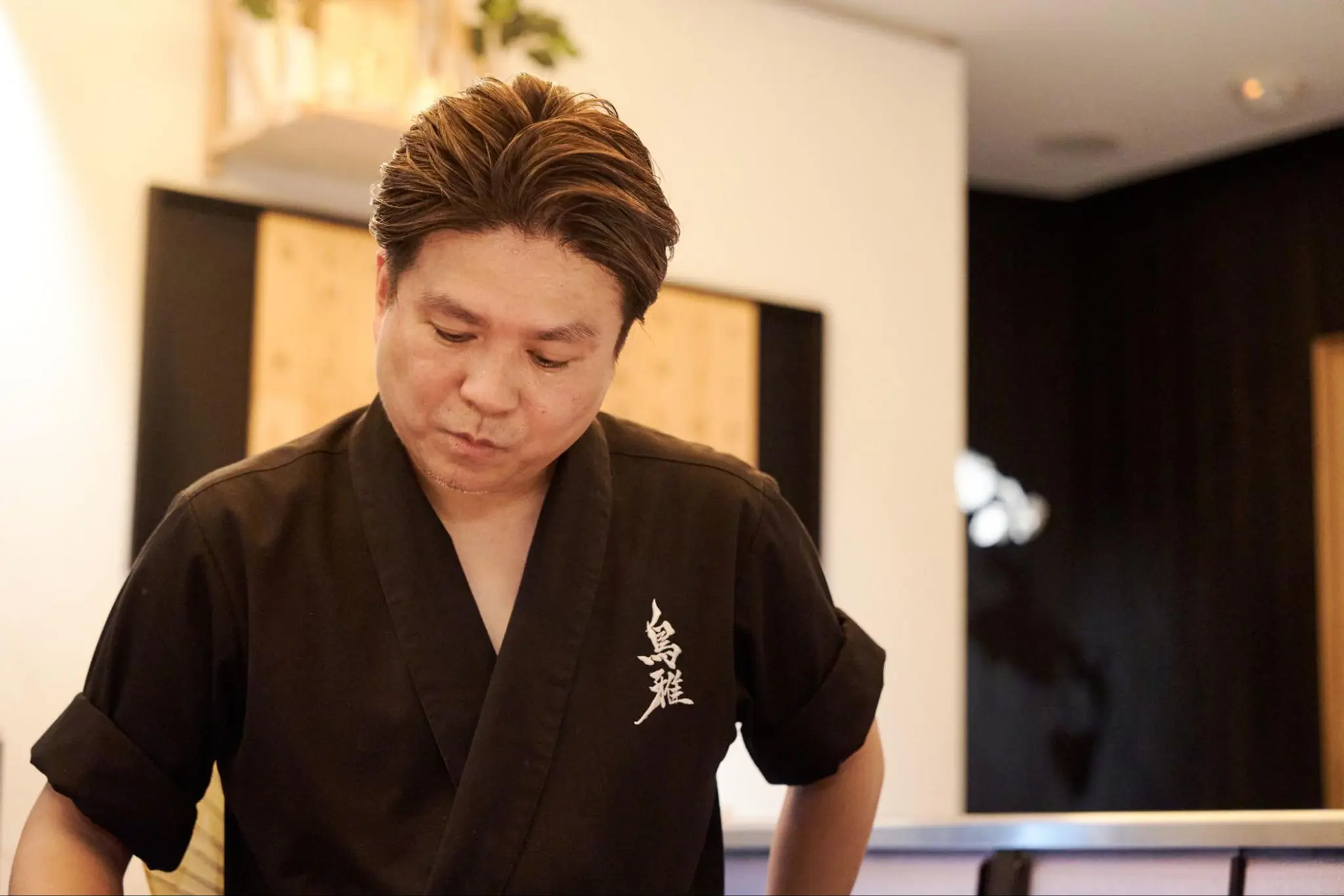
ーーーWhat was the process leading up to your independence?
I served as the manager of 【Torimasa】 from 2015 until 2021 during the COVID-19 pandemic. After that, it was decided that I would take over the business, so I established a company and continued 【Torimasa】 as my own enterprise. Whether during my time as manager or now as the owner, I have always approached my work with a mindset of continuous learning and improvement. During the pandemic, the poultry farm where we sourced chicken closed down, and when the chicken supply changed, I had to rebuild various aspects like how the skewers are prepared and the contents of the tsukune (chicken meatballs). I feel like I have been in a state of ongoing apprenticeship throughout.
Pursuing Ideals Over Simply Adapting to Circumstances
ーーーCould you share any stories from your training period or about your journey to independence?
I wanted to make the most of Miyazaki chicken, so after finishing my training in Tokyo and returning to my hometown, I decided to temporarily set aside all the methods I had learned regarding chicken preparation, skewering, sauces, and grilling. Instead, I focused on researching and developing techniques that would best suit the Miyazaki chicken. Since controlling the heat is especially important in yakitori, and the adjustment differs depending on the ingredient, I devoted most of my effort to exploring the optimal methods from scratch. It was definitely a challenging process.
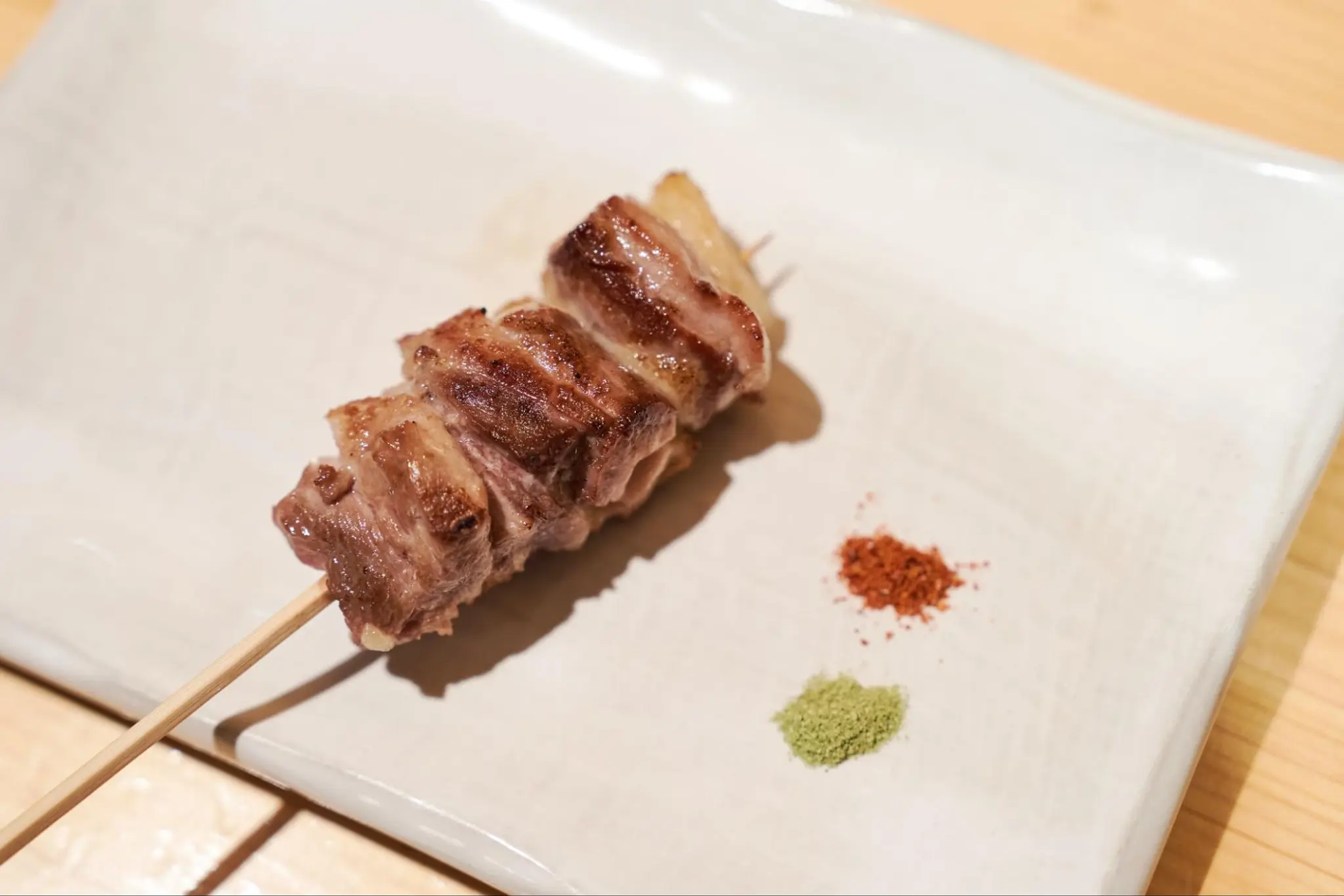
In Miyazaki’s environment, where charcoal-grilled chicken dishes priced around 1,500 to 2,000 yen per plate are satisfying, yakitori priced at 500 to 600 yen per skewer was initially difficult for customers to accept. For about the first three years, customer traffic was slow, and it was a constant struggle. However, compromising would have meant losing the commitment to Miyazaki chicken. During those tough times, Masataka Mori advised me, “Don’t compromise. Don’t worry about price constraints; do it the way you want.”
I had the desire to run a yakitori counter like a sushi bar. Just as there are affordable conveyor-belt sushi places and others where a single meal costs tens of thousands of yen, yakitori shops should also be able to take many forms. If you set restrictions based on price and feel you have to do certain things, compromises inevitably arise. In that case, it might be better to run a lower-priced yakitori shop instead. Mori-san’s words, “Don’t compromise,” were a great mental support for me when I was struggling with management and various issues. Looking back, it seems to have been the most important lesson for me.
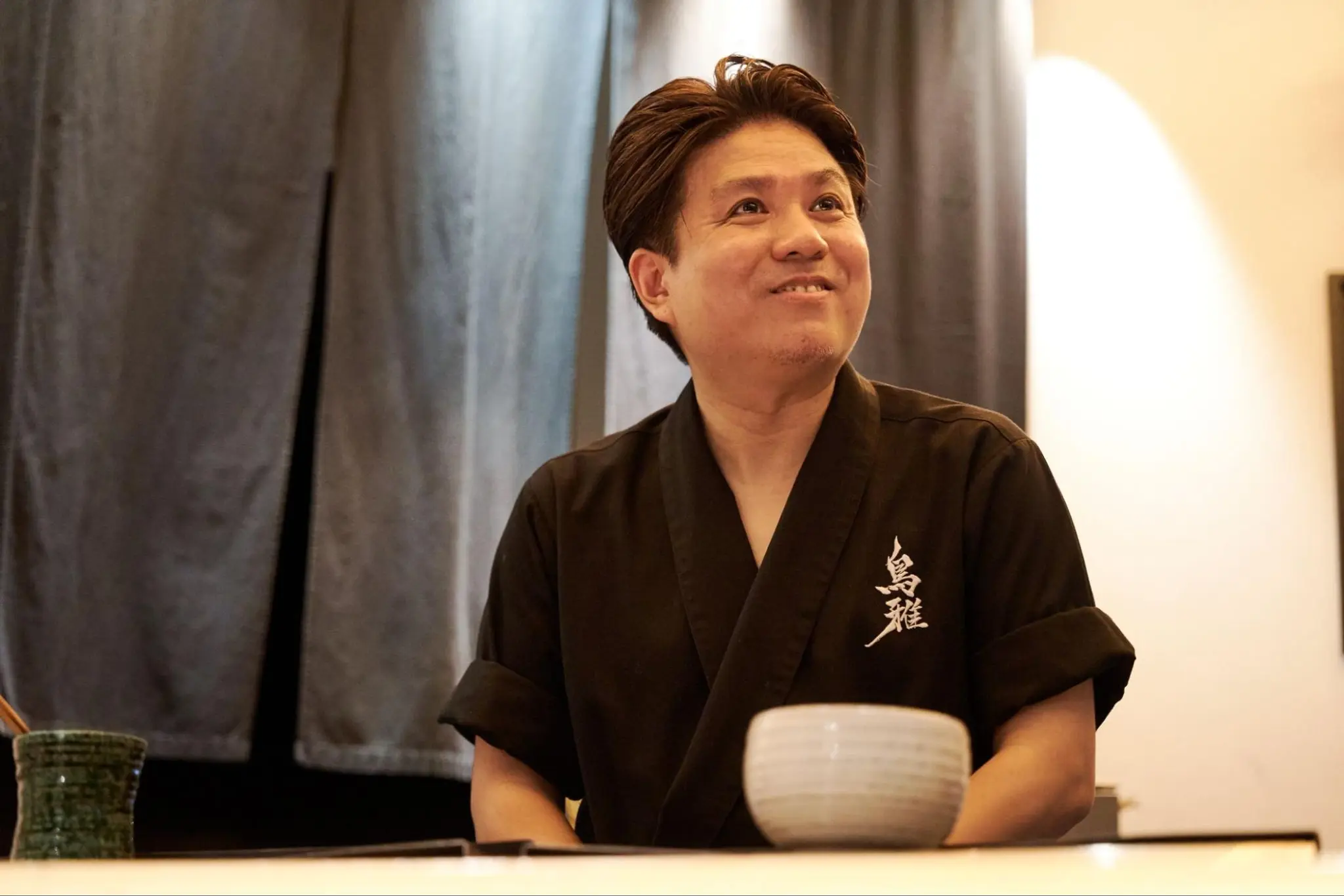
Continuously Pursuing the Perfect “Grill” Suited to Miyazaki Chicken as a Yakitori Craftsman
ーーーWhat do you focus on when preparing your dishes?
My grilling technique is inspired by Ikegawa Oyakata of 【Torishiki】, using “intense heat from close range,” where the charcoal is positioned very close to the chicken. Traditionally, yakitori was cooked using “intense heat from a distance,” but grilling with close-range heat helps retain the umami and enhances the chicken’s natural flavor. Another advantage of “intense heat from close range” is the aroma; because the charcoal is so near, the skewers absorb the rich, smoky scent beautifully.
I also pay close attention to the freshness of the meat during preparation. Chicken loses moisture and umami over time, so I keep it whole and uncut until just before cooking to maintain its freshness and natural flavor. For example, chicken breast tends to become dry if cut into small pieces before grilling. Therefore, I cover the meat with skin, grill it as a whole piece, and then cut it afterward to ensure a moist, tender texture.
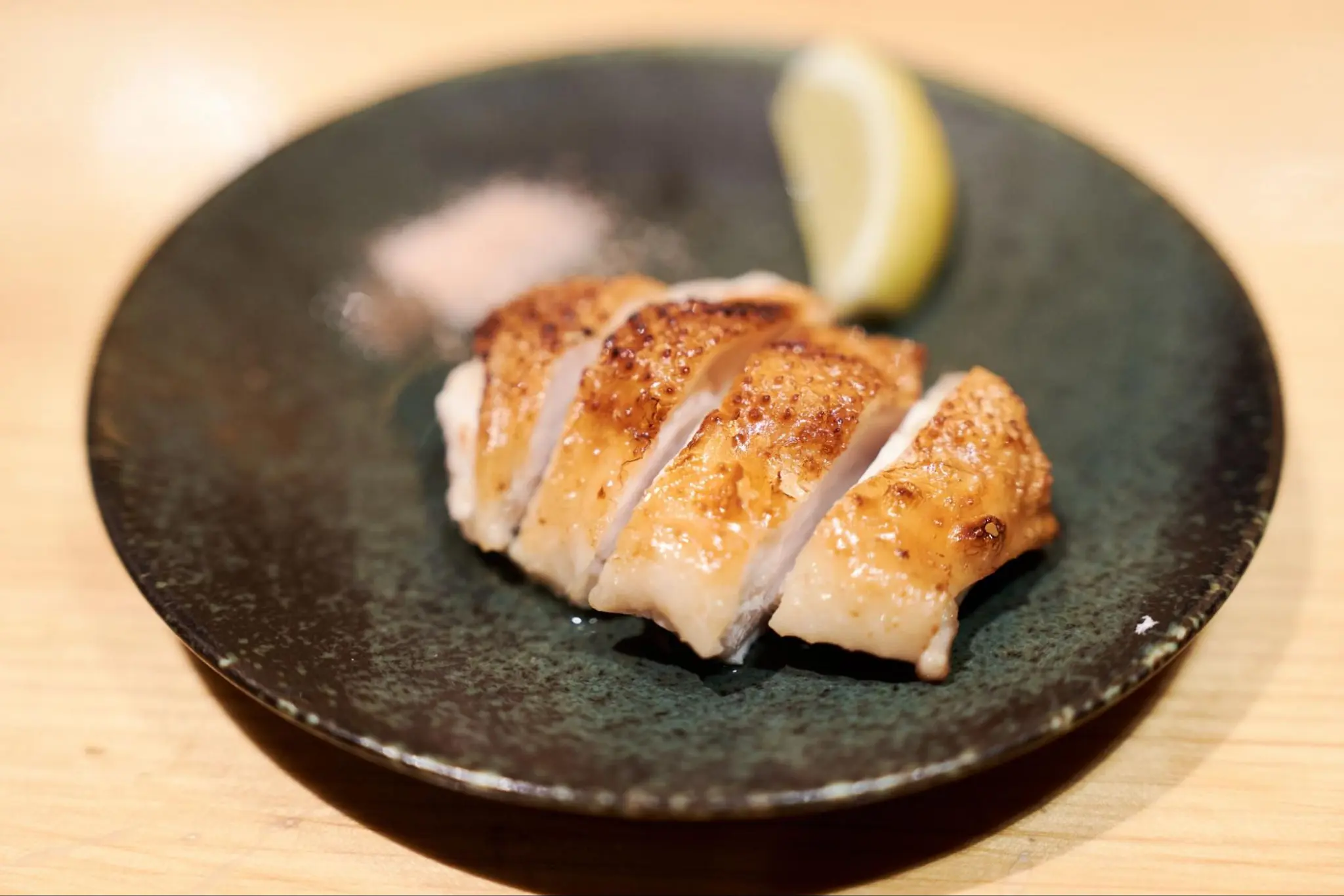
At our restaurant, we serve each yakitori skewer with a larger portion to allow customers to fully enjoy the flavor of the chicken. For example, when comparing yakiniku to a thick steak, the steak more directly conveys the sensation of “meat!”—that’s the image we aim for. We generally season the chicken with salt to highlight its natural umami, but when customers order many skewers, we also consider the overall rhythm of the meal, thoughtfully interspersing sauced items at appropriate intervals.
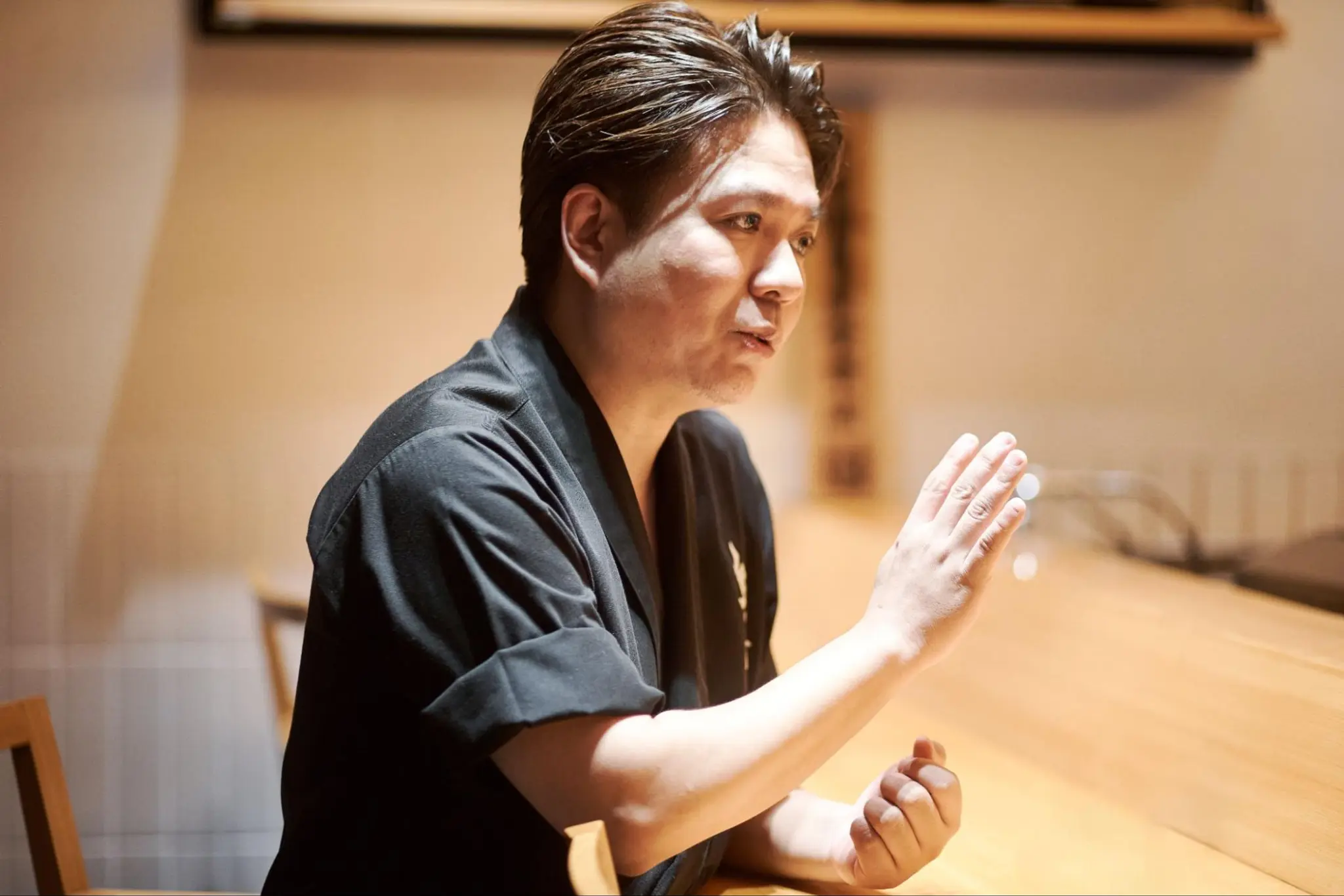
ーーーCould you tell us about your commitment to the chicken and charcoal essential to yakitori?
I am particular about using Miyazaki chicken for our yakitori, but many Miyazaki chickens are bred specifically for charcoal grilling, and there are surprisingly few chickens that truly suit yakitori. While the freshness is naturally excellent, Miyazaki doesn’t have the kind of environment like Tokyo where good ingredients come from all over the country, which presents some challenges. At our restaurant, we mainly use Miyazaki’s local chickens suited for yakitori, such as the “Kuroiwa Chicken.”
Typically, chickens used for charcoal grilling are firmer or older hens (layers that have finished producing eggs), because the intense charcoal flavor coats the meat, and firmer chickens release their umami as you chew, balancing the taste better. On the other hand, if you use delicately flavored chickens meant to showcase the natural texture and flavor of the meat but coat them heavily with charcoal, the charcoal flavor overwhelms everything. The key difference between yakitori and general charcoal grilling is whether to emphasize the chicken’s natural qualities. I focus on maximizing the inherent deliciousness of the chicken.
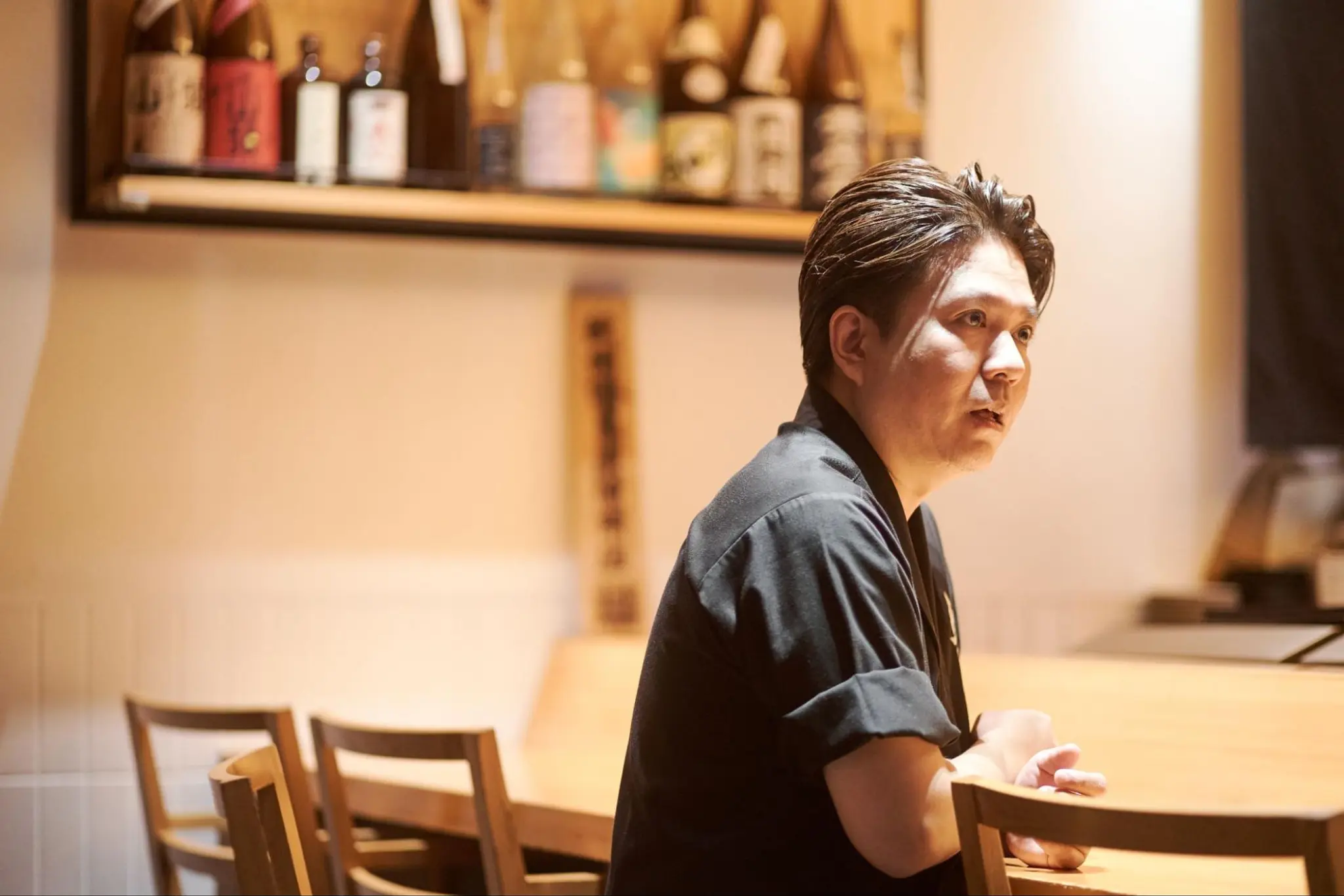
The charcoal we primarily use is Kishu Binchotan. While we occasionally use other Binchotan varieties such as Unama Binchotan from Miyazaki and Tosa Binchotan, these can be difficult to source consistently due to distribution limitations. Therefore, we mainly rely on the more readily available Kishu Binchotan. The most important aspect we consider with charcoal is its heat—temperature control is crucial. The strength of the heat greatly affects the cooking outcome. To achieve the ideal finish—crispy on the outside and juicy on the inside—the quality and performance of the charcoal play a vital role.
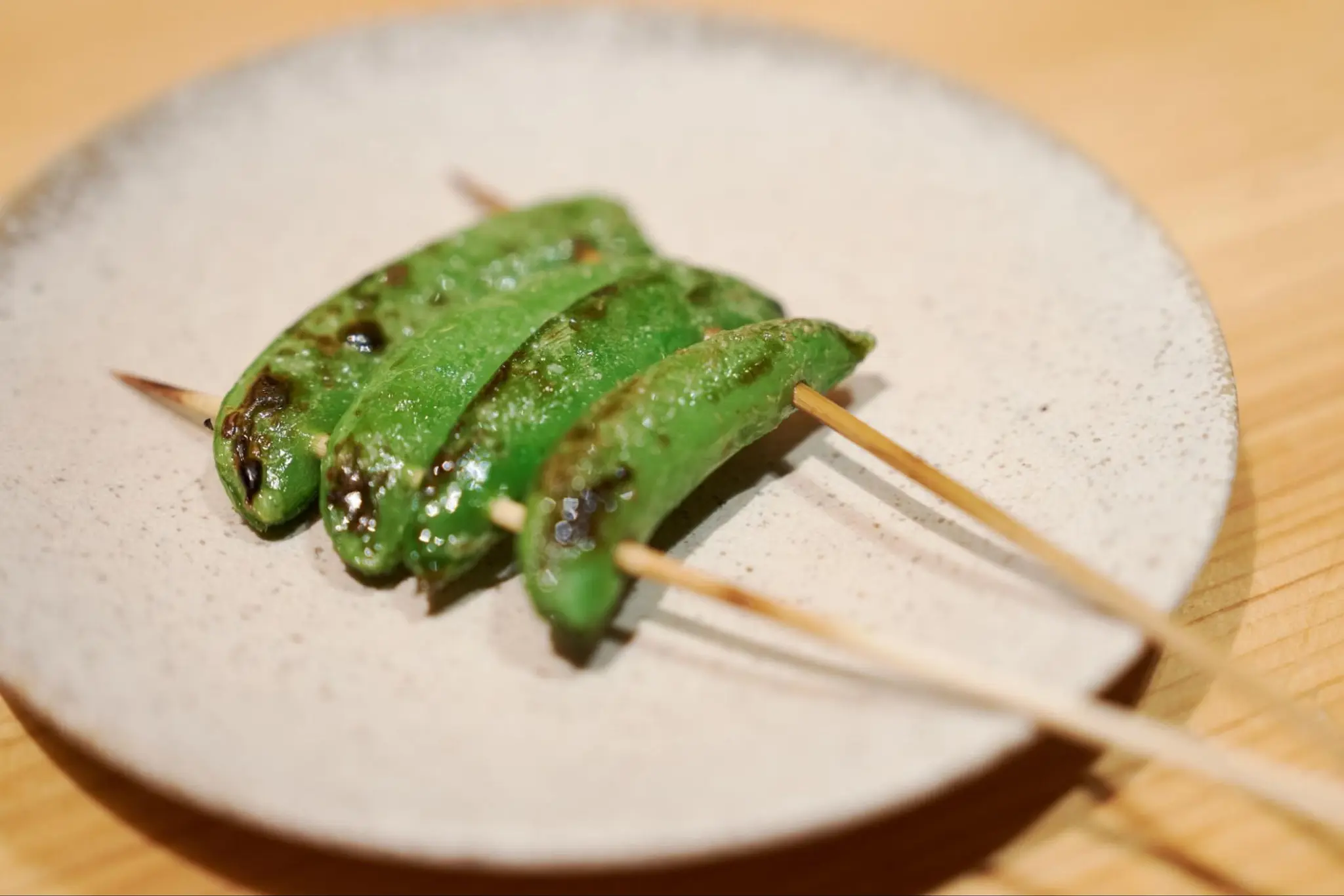
ーーーI hear you are also particular about using vegetables from Miyazaki Prefecture?
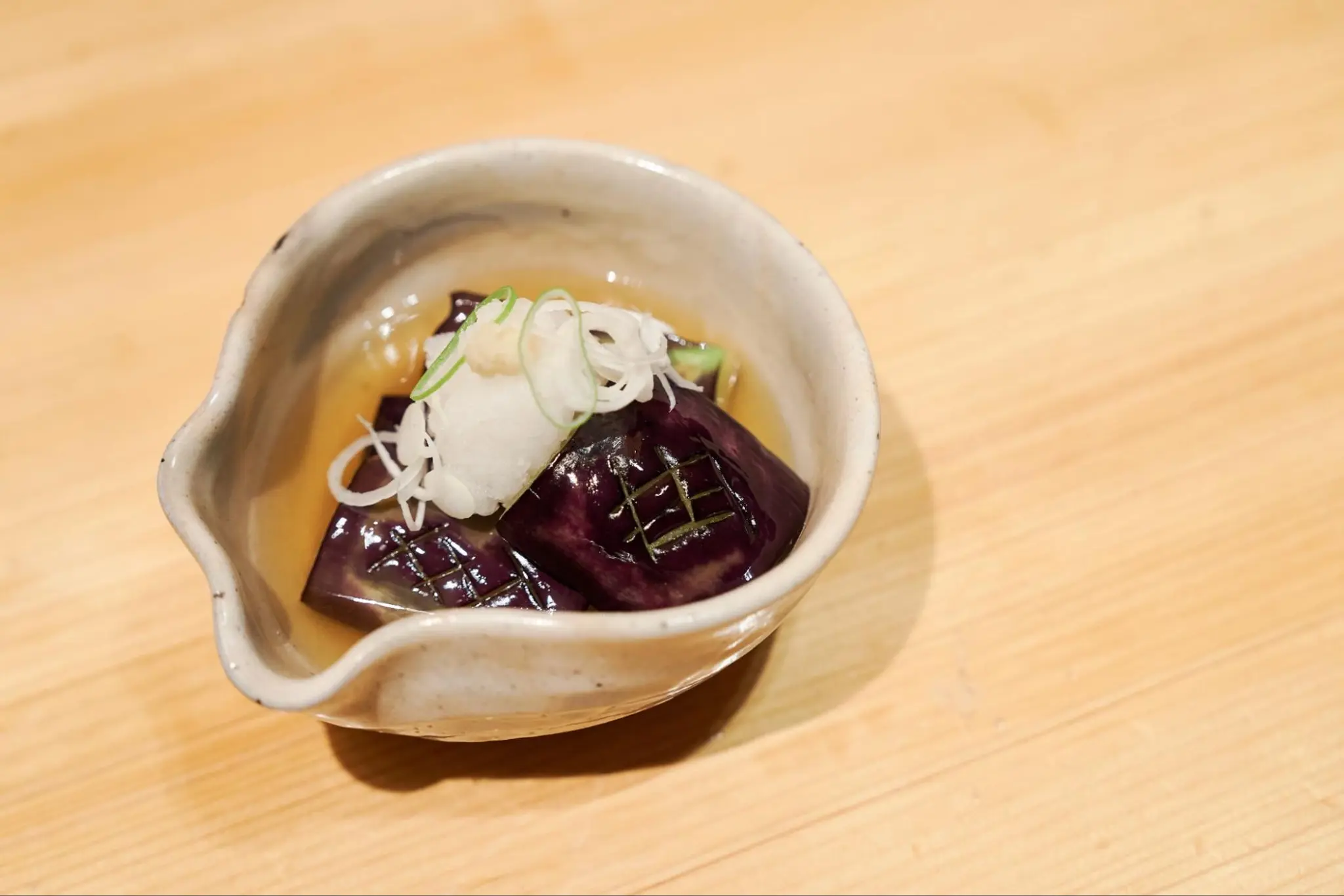
Yes, for vegetables, in spring we focus on Miyazaki-grown young corn, snap peas, broccoli, and toward summer, “Sadowara eggplants,” among others. I personally visit producers to ensure quality. However, while sometimes we source from the same producers, when we need to secure large quantities, relying solely on individual farmers can be challenging. With a larger number of seats in the restaurant, there are inevitably times when we need to provide a lot of produce. Both for chicken and vegetables, producers have limits on what they can supply, so even when aiming to offer the best to customers, it can be difficult. The way the restaurant operates is something I personally struggle with.
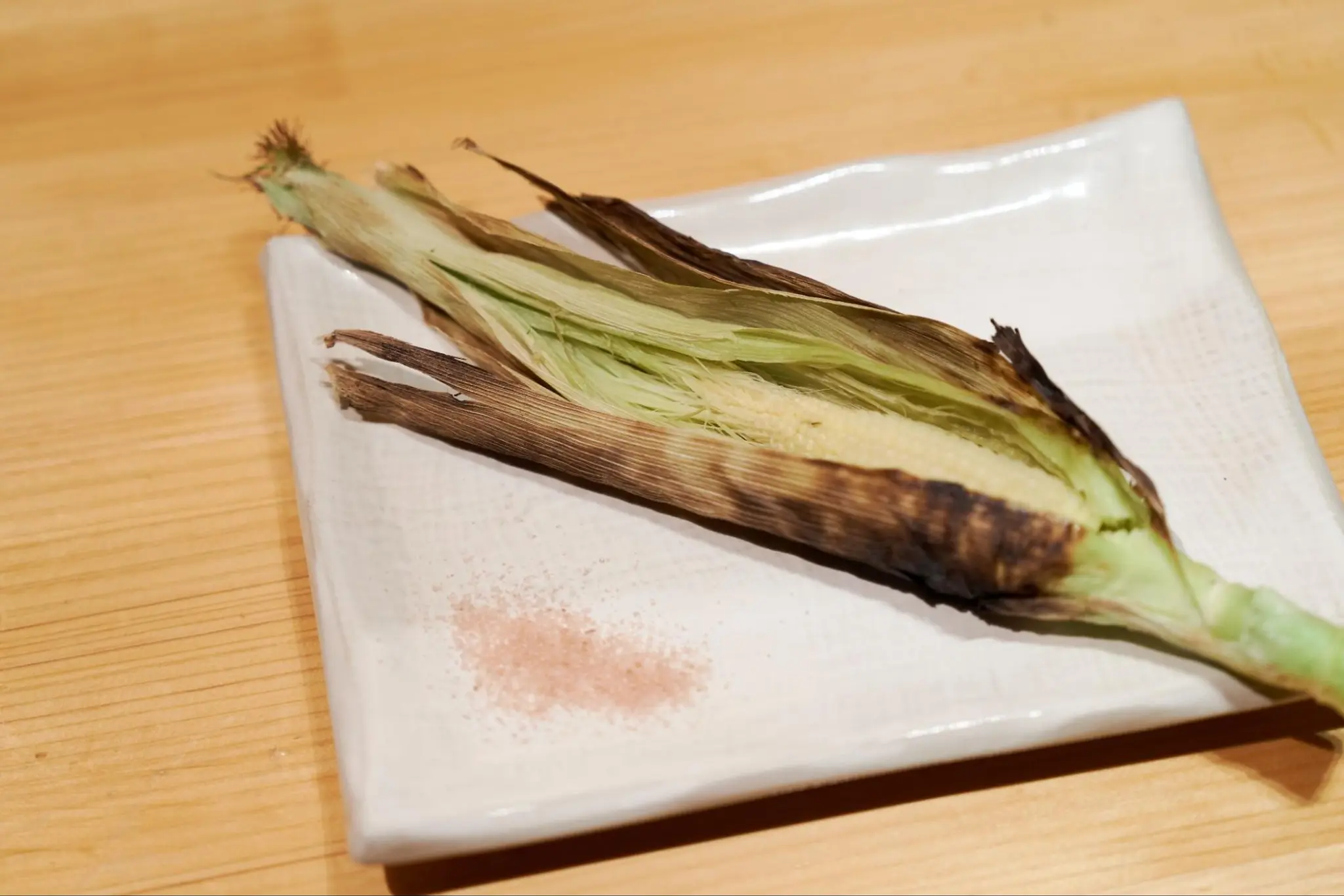
Delivering Even Better Yakitori Without Compromise
ーーーYou mentioned struggling with the way your restaurant operates. Do you have any plans for the future?
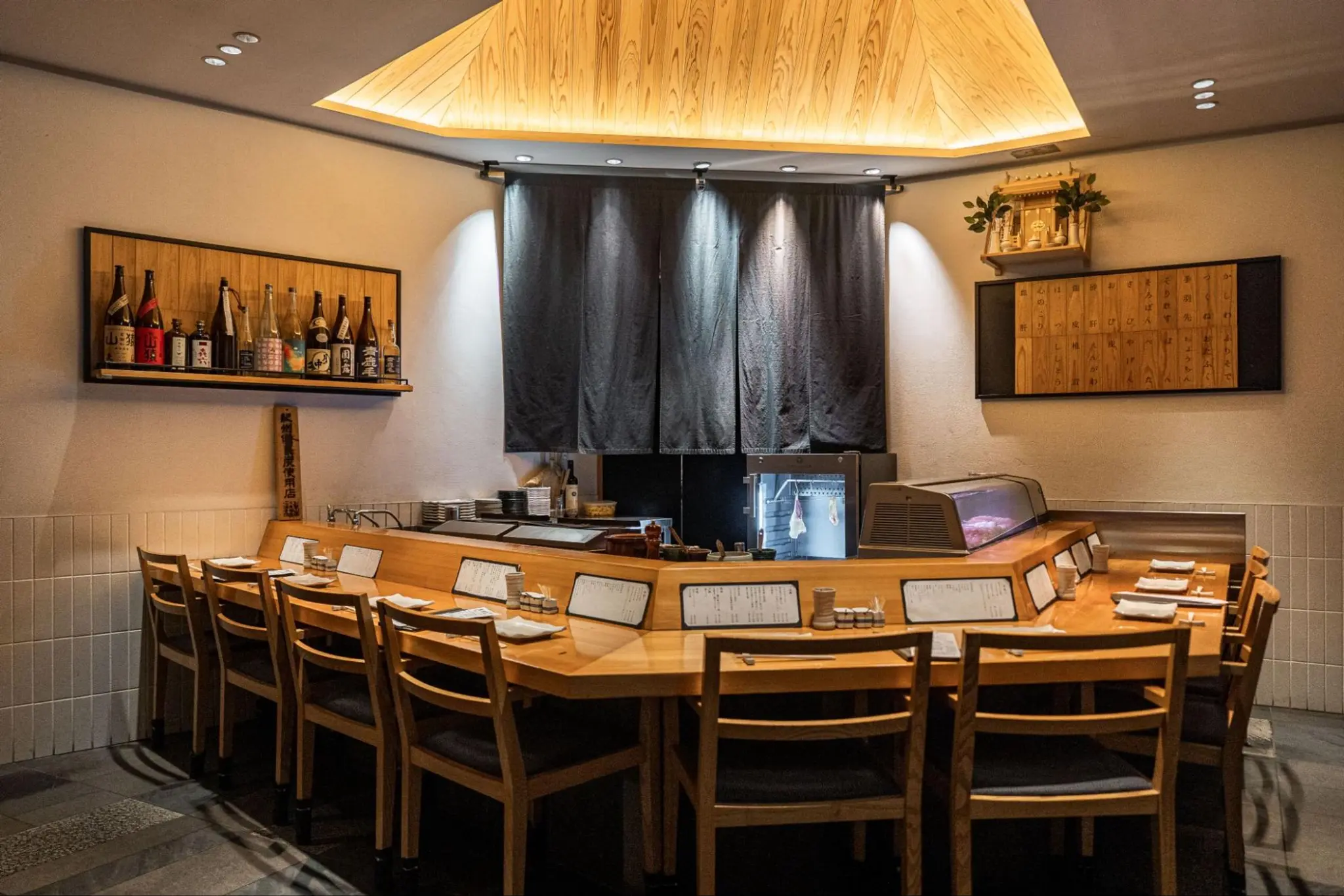
We plan to open a new, counter-only location around April 2026, and I am currently considering chicken aging techniques and grilling methods to match. Our current restaurant has a counter plus semi-private and private rooms, totaling 37 seats—quite spacious. The new place will be more compact, focused solely on the counter, allowing us to further elevate the quality of the yakitori.
Eating at seats farther from the grill versus at the counter offers a different experience in terms of flavor and enjoyment. I want to serve piping hot yakitori directly in front of guests—similar to sushi or tempura. Temperature is very important because food can dry out or lose fat as it waits to be eaten. If too much time passes before the yakitori reaches the customer, the umami juices can drain onto the plate, and I want guests to enjoy the best possible state. Also, when seats are far from the grill, it’s harder to gauge the customer’s eating pace. At the counter, I can better time the cooking to match their speed.
ーーーThe new location sounds exciting!
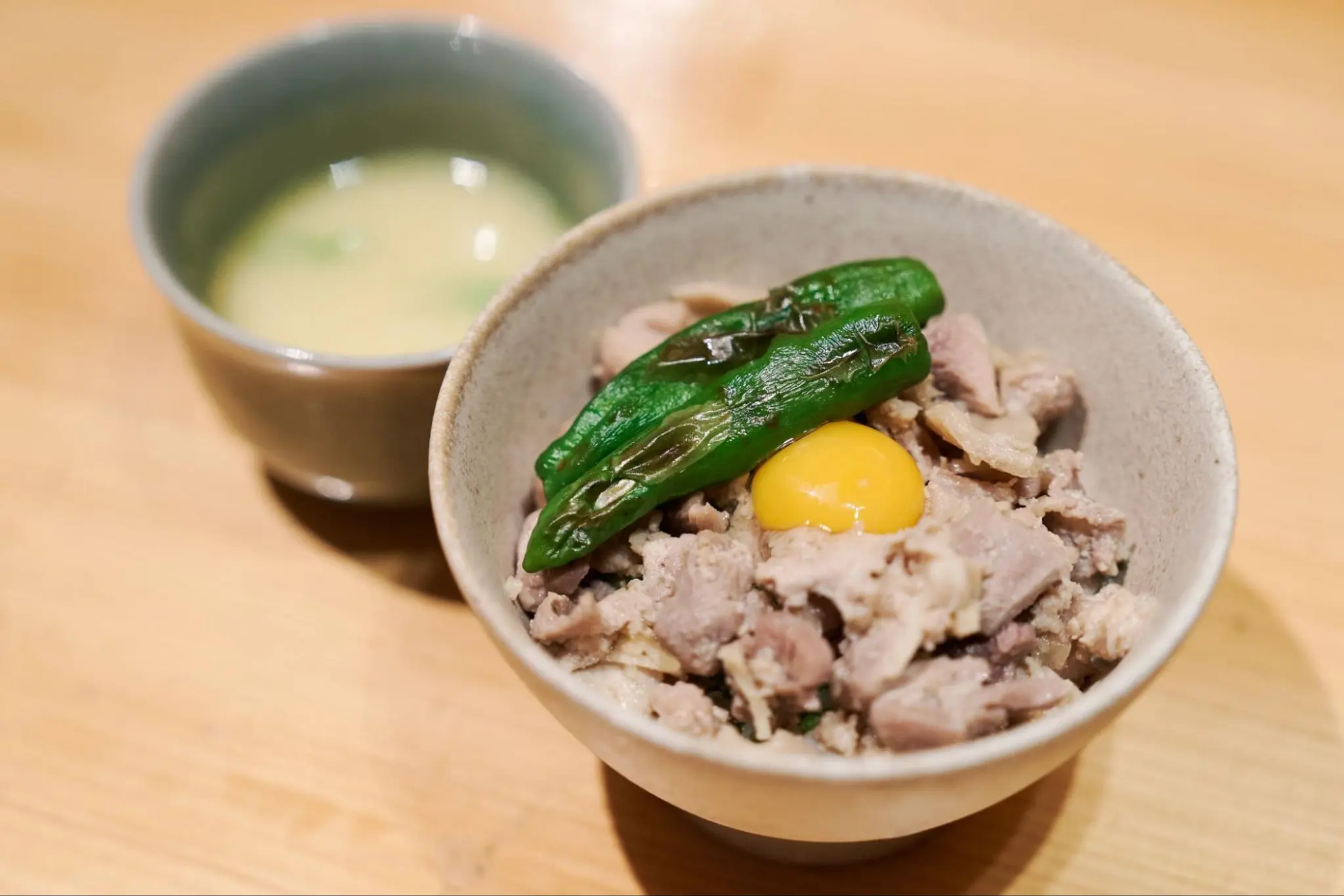
I'm also thinking about the course menu. If we use only one type of chicken, the flavor tends to become uniform. Without variation, the course can feel monotonous, so I want to express flavor contrasts and variety through yakitori. Of course, the type of chicken affects the taste, but even within the same breed, condition and individual differences can cause major variations. In summer, chickens can experience fatigue just like humans, and their condition can fluctuate. With that in mind, I want to evaluate each chicken’s breed, individual characteristics, and cut, and incorporate not only close-range grilling but also distant heat, varying the cooking methods. I’m eager to experiment with new techniques to bring out the full potential of the ingredients in line with my own ideals. The next step is to tailor the yakitori experience to highlight each chicken's unique quality—aging some for deeper flavor, serving others fresh—to allow guests to appreciate the distinct character of each bite.
ーーーDo you have any other future plans or visions you’d like to share?
Looking ahead, I hope to return to running an affordable, casual yakitori shop. In Miyazaki, charcoal-grilled chicken is commonly found in supermarkets and sold from food trucks, making it a familiar sight. However, when it comes to authentic yakitori, in regional areas, you typically have to visit a yakitori restaurant to enjoy it. When I was in Tokyo, there were yakitori stalls near the stations where people could easily grab yakitori on the go, and I thought that was a great concept. I want to create an environment where yakitori is more accessible and easy to enjoy for everyone.
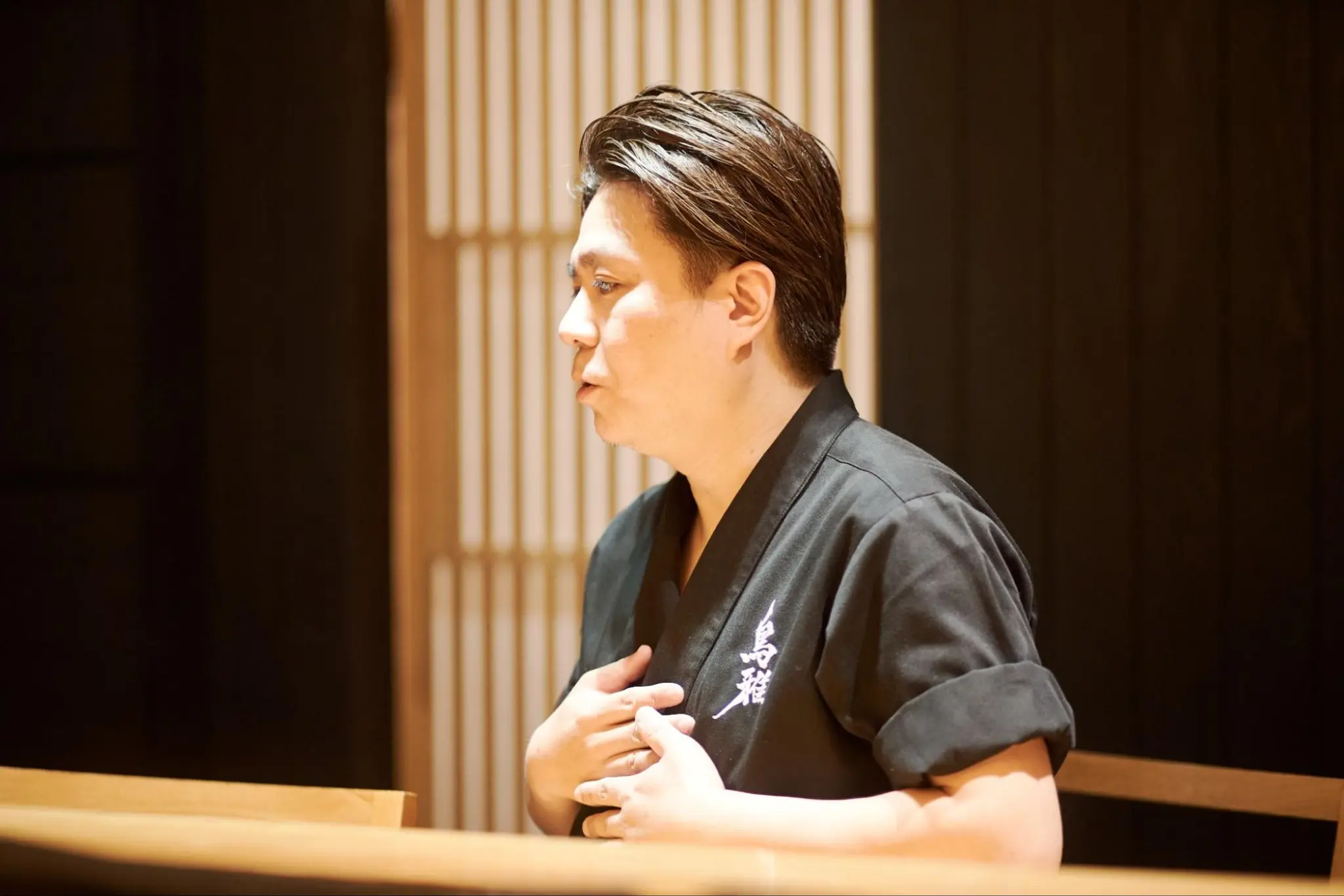
And passing the torch to the younger generation is my ultimate dream. One of my apprentices currently working at the restaurant has a passion for natural wine and dreams of pairing wine with yakitori. Her goal is to vary the grilling techniques to complement different wine pairings. I want to pass on my skills to the next generation, and in turn, hope they will expand the possibilities by exploring new ways of serving yakitori and pairing it with drinks. Master Ikegawa of 【Torishiki】, whom I regard as a role model as a yakitori craftsman, is actively involved in training young chefs and expanding overseas, with the vision of raising awareness of yakitori and elevating the status of yakitori chefs. What he is striving to achieve deeply resonates with me and serves as a great inspiration. I believe this is common across many fields: enhancing value comes from such innovative efforts and new initiatives.
ーーーFinally, what does “delicious” mean to you?
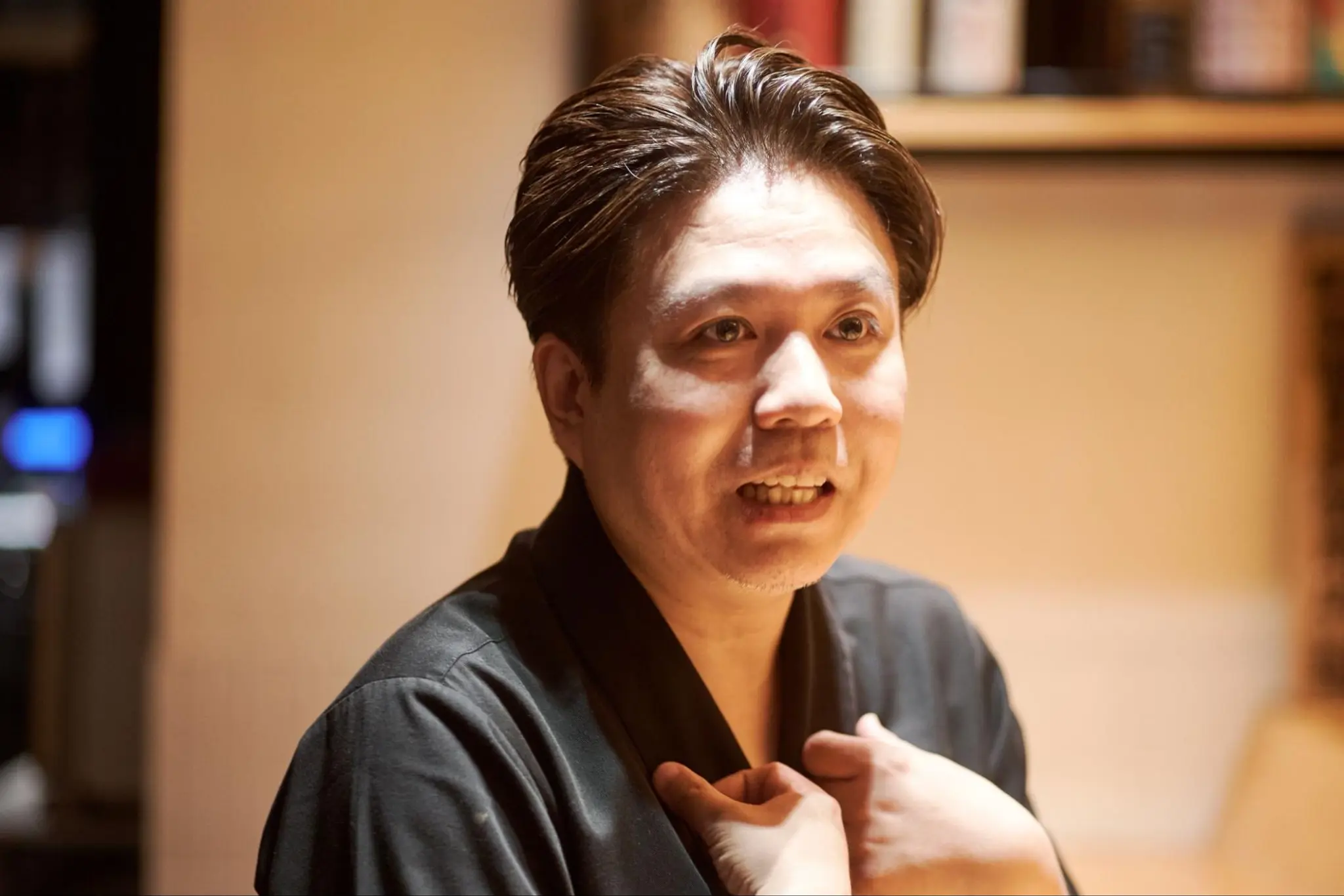
I believe that “delicious” requires constant evolution and challenge. Compared to the past, the world is filled with delicious things, and people’s standards for what is considered “delicious” keep rising. Things that didn’t even exist in convenience stores decades ago are now sold there and have reached a level that people consider “delicious.” Because of this, what we do must also evolve. As the standards for “delicious” are updated, it is necessary to keep challenging ourselves. What we do now is never 100% perfect. To take the yakitori I make to the next level, sometimes we have to break down what we’ve built up so far. New methods suited to the times or new types of chicken require changes in the optimal approach. Without updating, I don’t think we can consistently create something truly “delicious.”
Chef Ichinose’s pursuit of “evolution” and “challenge” will undoubtedly contribute to the further advancement of the yakitori world. His commitment to elevating the quality of yakitori and dedicating himself to passing down skills to the next generation of yakitori chefs embodies a forward-looking challenge. Always contemplating “evolution” and continuously “challenging” the next step, Ichinose’s approach will continue to captivate many. We encourage you to experience the passion Chef Ichinose infuses into every skewer, grilled over charcoal, at 【Torimasa】.
Interview & Text / AutoReserve Magazine Editorial Team
Photography / Masato Suzuki
Restaurant Information
- AutoReserve Magazine
- Restaurants recommended by top chefs
- Pursuing Ideals Without Compromise and Continuously Seeking the Optimal: The Challenge of Chef Yoshiaki Ichinose at 【Torimasa】