Taking on the World as a Team: The Ambition of Restaurant 【Yamazaki】 and their Evolving Japanese Cuisine
Enhancing Personal Value and Moving Toward Independence
ーーーWhat inspired you to become a chef?
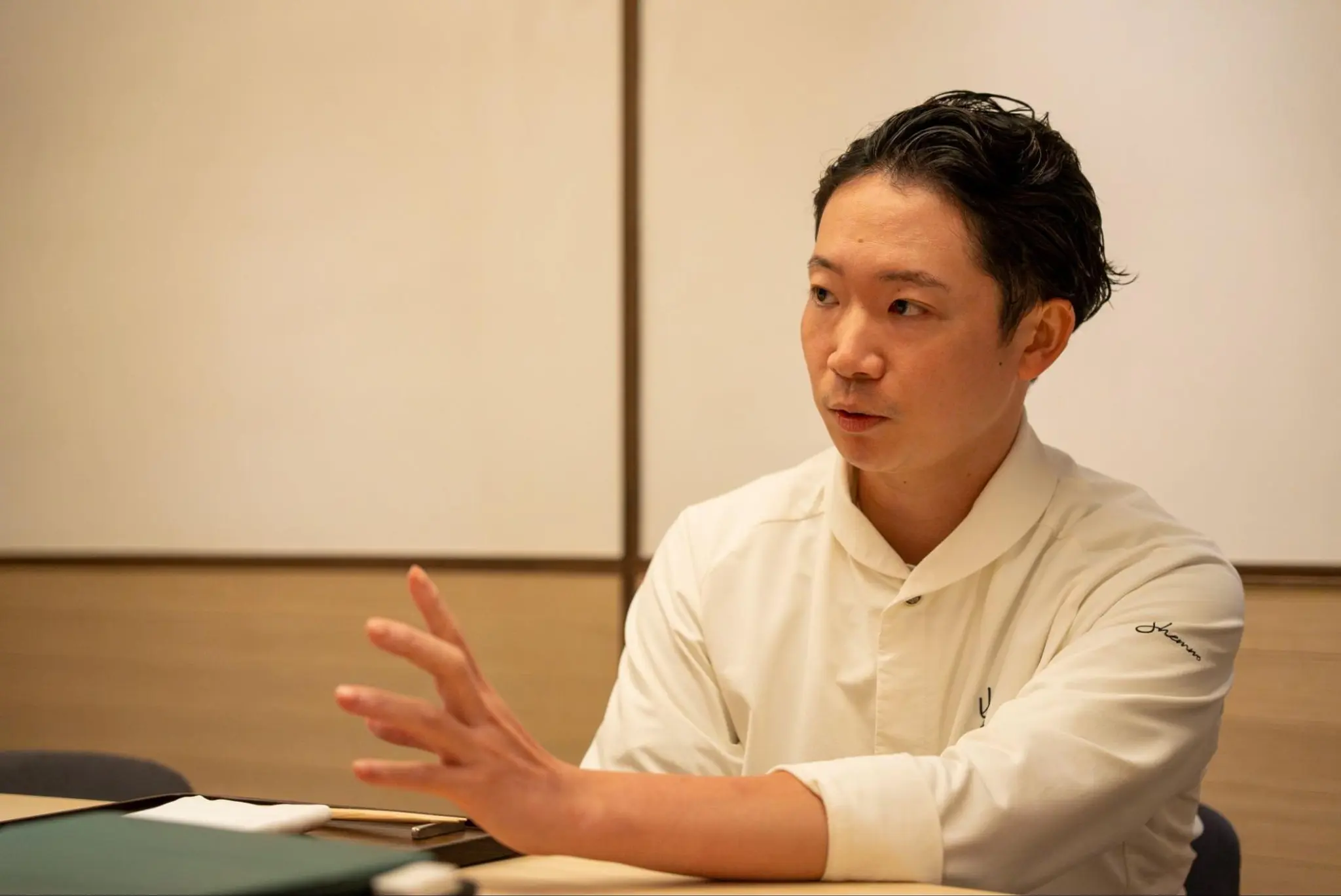
When I was in third grade, I visited a high-end sushi restaurant and was captivated by the sushi chef working behind the counter. That experience made me want to become a sushi chef. Although I was also drawn to being a pâtissier for a time, I hesitated because I worried that striving for perfection in desserts might prevent me from enjoying simpler sweets, like those from convenience stores, ever again (laughs). At the time, I mistakenly thought sushi restaurants offered little variety since sushi is served year-round. Of course, I know better now. Considering my tendency to lose interest quickly, I decided it would be smoother to start by learning the broader field of "Japanese cuisine" before specializing in a more specific category. That’s how I chose this path.
ーーーWhat was your experience after graduating from culinary school?
I worked for about eight and a half years at 【Morikawa】 a Japanese restaurant in Akasaka. The training was rigorous and often required immense patience. Communication was primarily one-sided, and I rarely had opportunities to express my opinions. At times, I felt like I was losing my sense of purpose. What kept me going was a strong belief that "this was for my future."
At 26, I developed an interest in wine after receiving a bottle from a customer. That led me to attend wine school, where I encountered a refreshing environment. Discussions about wine were open and flat, encouraging everyone to share their opinions. This experience contrasted sharply with my training, where relationships were limited to the head chef and senior colleagues. At wine school, I connected with socially established individuals who appreciated fine wines. Engaging with such people broadened my horizons and expanded my network, giving me new inspiration for my journey.
ーーーIt seems that exploring different genres has broadened your perspective.
Expanding what I’m capable of doing increases my “value” as a professional and as a person. For instance, imagine that only one in ten chefs also holds a wine sommelier qualification. That means just one out of ten chefs in a Japanese restaurant can recommend wine. Such uniqueness could elevate your value to one in a hundred. If you add another distinctive skill to your repertoire, you might even become one in a thousand, or one in ten thousand. By combining unique elements that only I possess, my worth as a chef keeps increasing. As a culinary professional, I want to fully utilize everything I’ve learned and mastered to create and serve what I believe is the most delicious cuisine possible.
ーーーHow did you feel when you decided to go independent?
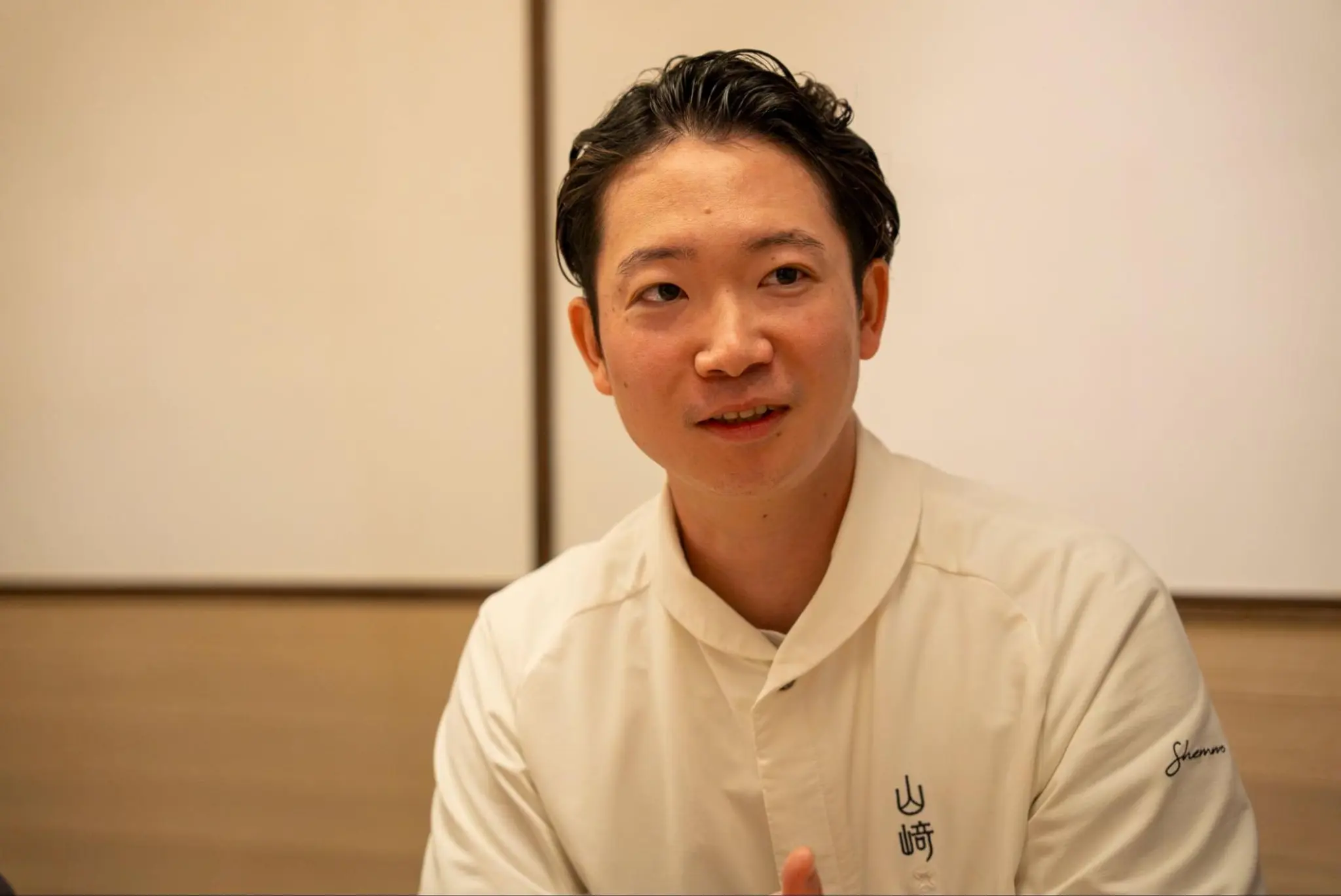
I approached it with the mindset that I wouldn’t know unless I tried, that nothing would start if I didn’t borrow money and try. Even if things didn’t go well, I believed I could figure something out. When I left the restaurant where I trained at age 27, I thought, "Even if I fail, I can save up again and try again by the time I’m around 40." In life, the more chances you take, the higher your odds of success. Youth, in particular, is a significant advantage because of the energy and resilience it offers.
Creating a Space Where Deliciousness Meets Comfort
ーーーYou initially started with a focus on yakitori after going independent, correct?
I opened "Kasumicho Kashiwa Kappo Shiro" in 2015, specializing in chicken dishes. My love for wine and my experience as the grill chef during my training years influenced this choice. My initial plan was to create a place where people could enjoy wine at accessible prices, paired with a course meal in the 10,000 yen range.
However, one day, a former customer from my time at 【Morikawa】 mentioned they’d like to try my Japanese cuisine again. This prompted me to start offering Japanese course meals alongside my existing menu, which were very well received. Thanks to the positive feedback, I decided to transform the business into a Japanese restaurant called "Kasumicho Shiro." In 2018, we rebranded and reopened at our current location as "Yamazaki".
ーーーBefore reopening, you also gained experience at restaurants with entirely different genres, didn’t you?
That’s right. I had the opportunity to briefly work at the innovative French restaurant 【CHIUnE】 and the Spanish restaurant 【acá】, both known for being extremely difficult to book. I learned an incredible amount from these two establishments.
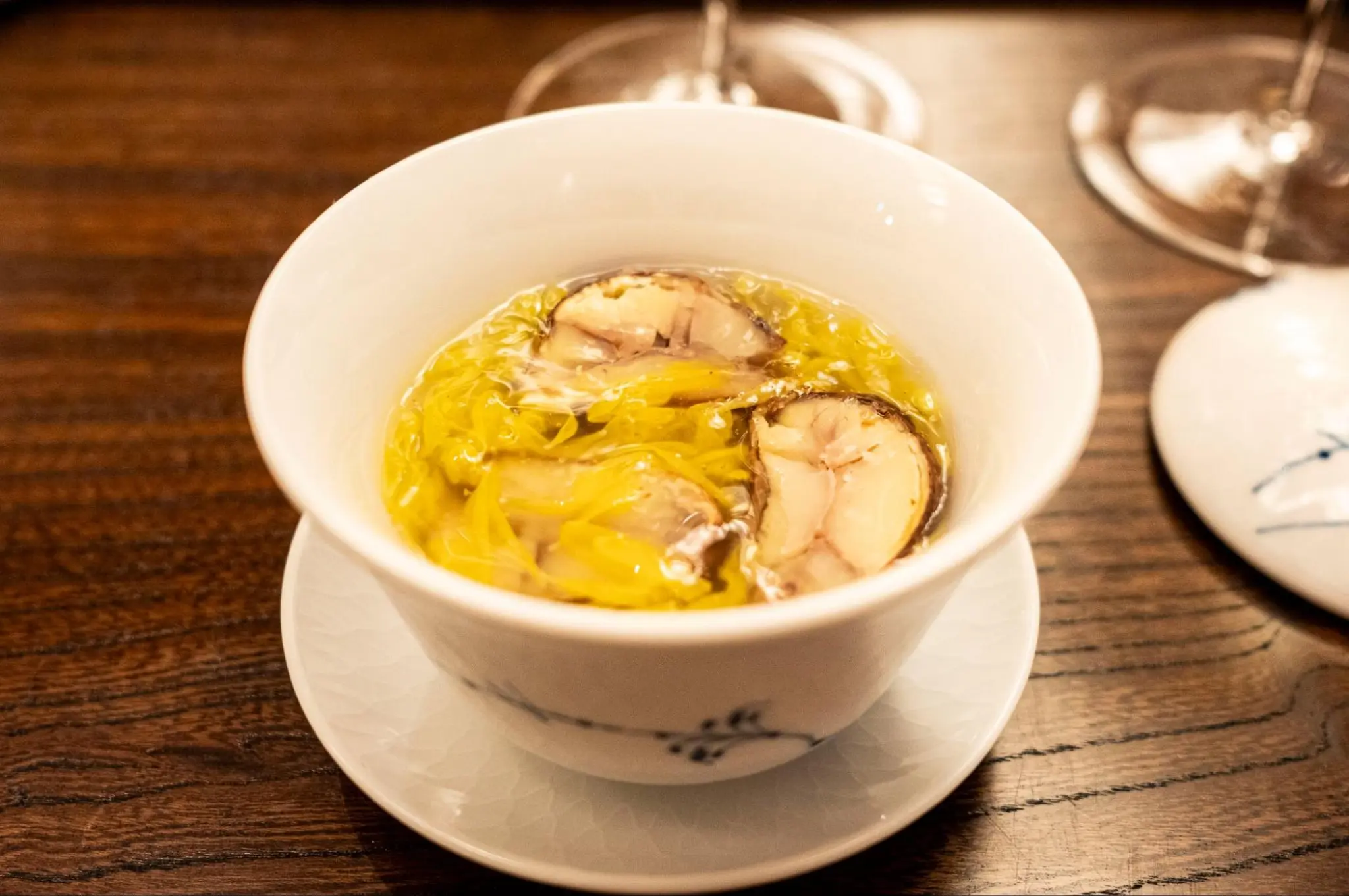
What stood out most was Chef Furuta’s approach at 【CHIUnE】, where meals started simultaneously for all guests, allowing dishes to be served at their "most delicious moment." For example, rice was always freshly cooked, ice cream freshly made, and dashi freshly prepared. This meticulous attention to timing and quality left a deep impression on me. Moreover, it was enlightening to realize that a restaurant could thrive by attracting patrons who share and appreciate such values. This taught me the importance of creating a dining experience that aligns with one’s philosophy and resonates with the right audience.
ーーーHow do you typically find inspiration for your dishes?
I gain a lot from dining at various establishments. However, it’s not just about sparking ideas for recipes. It’s more about experiencing things from the customer’s perspective—for example, realizing how comforting it is when a warm towel is provided at the perfect moment or appreciating a warm dish during colder months. These observations often influence my approach to creating a memorable dining experience.
Since we receive payment from our guests, it’s a given that the food should be delicious. But I believe creating a comfortable environment is just as essential. The word "restaurant" includes "rest," after all. In a bustling city like Tokyo, I want my space to offer a respite where people can forget their stress and feel at ease.
ーーーWhat do you prioritize when creating your dishes?
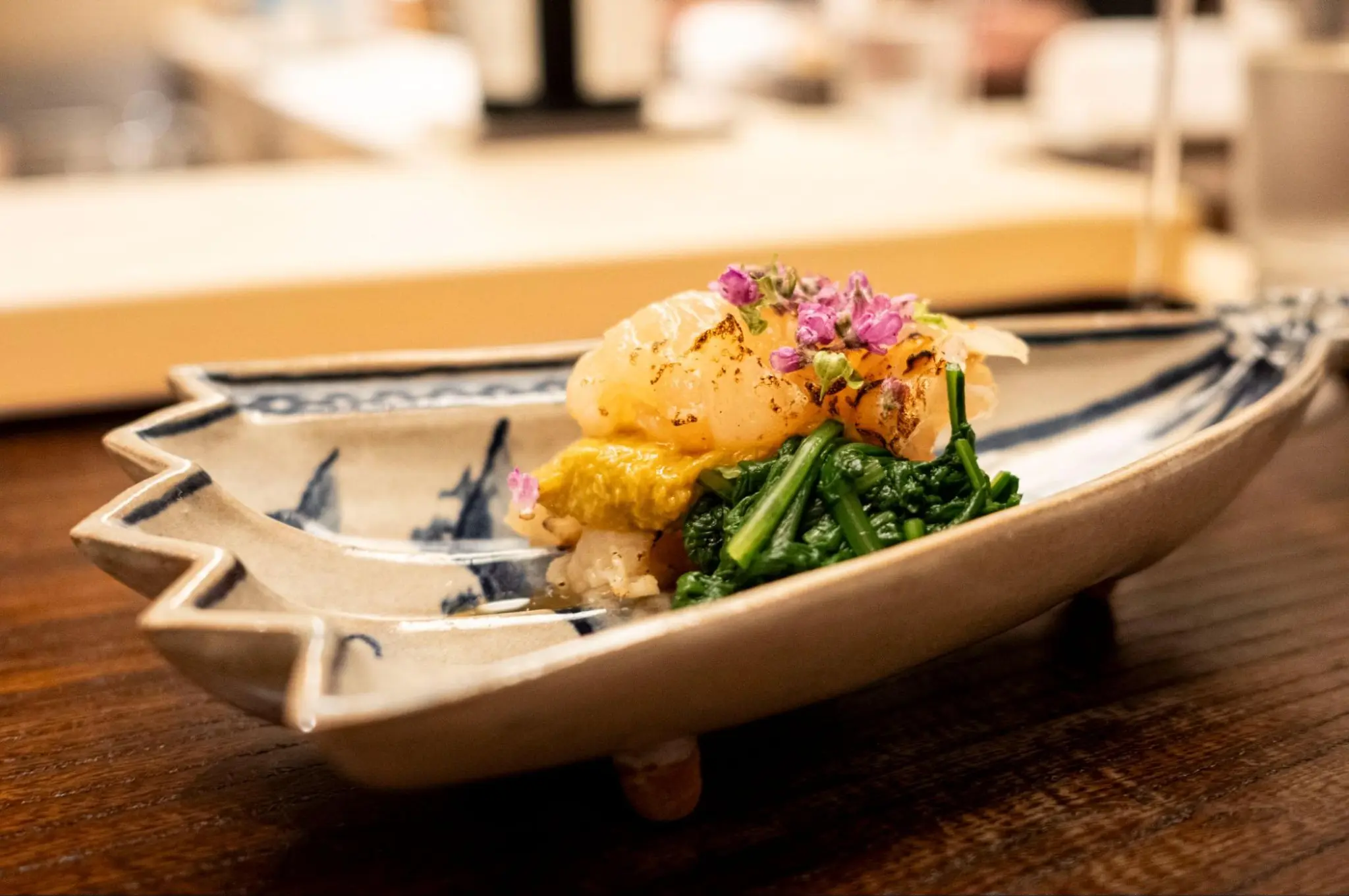
I aim to balance adherence to the foundations of Japanese cuisine with "pushing boundaries in my own way". There were times when I pushed those boundaries too far, but now I take more measured steps. Instead of going an entire step beyond expectations, I strive for a "diagonal above" approach—offering dishes that slightly exceed what the customer might anticipate. This often results in a higher level of refinement.
At 【Yamazaki】, we source ingredients directly from different regions, focusing on bringing out the best in their natural flavors. However, out of 100 new ideas I experiment with, only one might fully align with the taste I envisioned. Reaching that ideal isn’t easy. If, after countless trials, the current dish still tastes better than a new idea, I might stick with the existing version. It’s about maintaining the integrity of the experience we deliver at 【Yamazaki】.
Ultimately, I’m focused on crafting the best dishes possible, carefully selecting ingredients, and dedicating myself to the process. I don’t presume to think, "I’m doing this for the customer’s sake", as that feels presumptuous. Instead, I concentrate on creating something exceptional, and if it ends up benefiting the guests, that’s the greatest reward.
The Counter Seat: A Stage for Culinary Artistry
ーーーWhat is your philosophy behind providing meals at the counter?
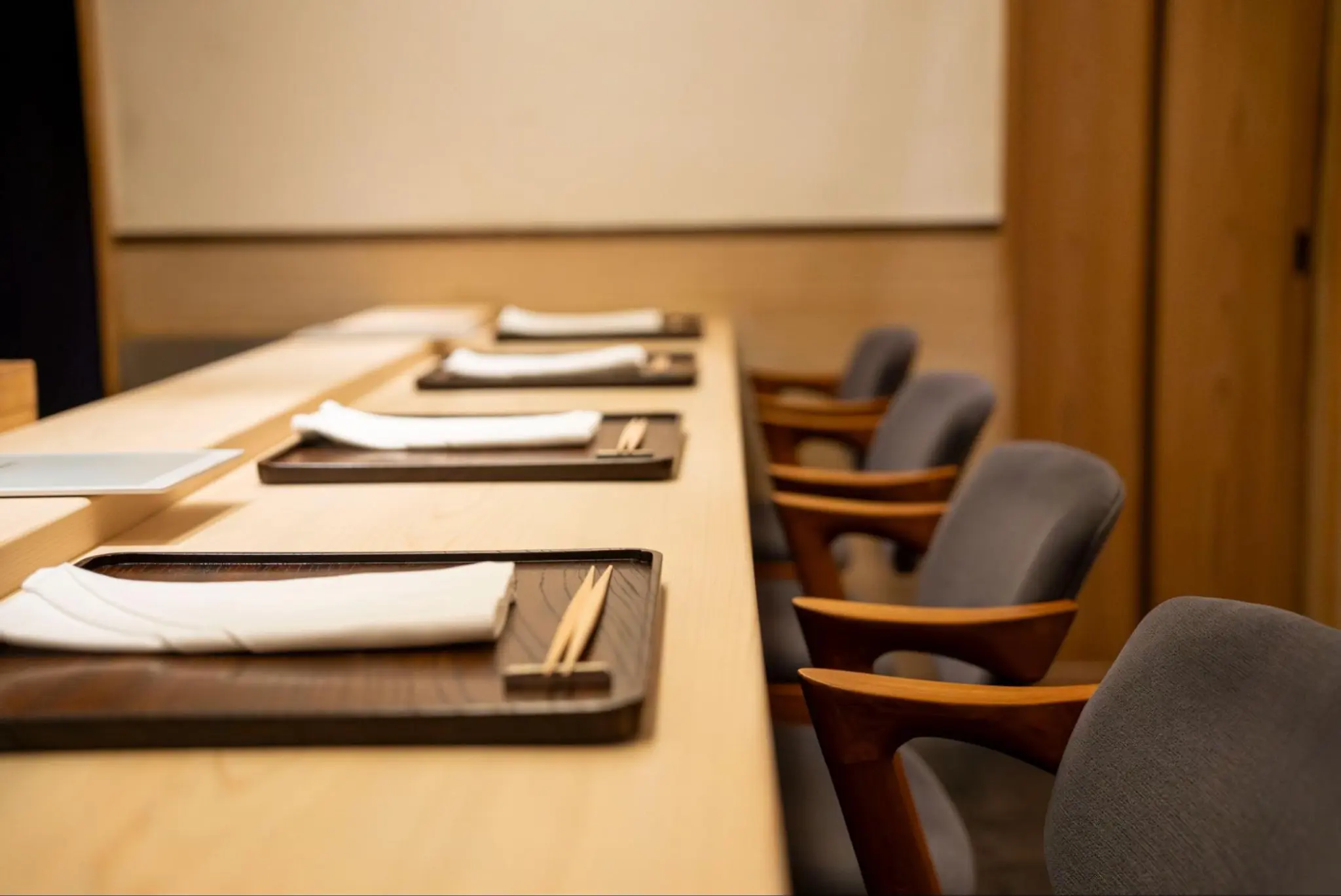
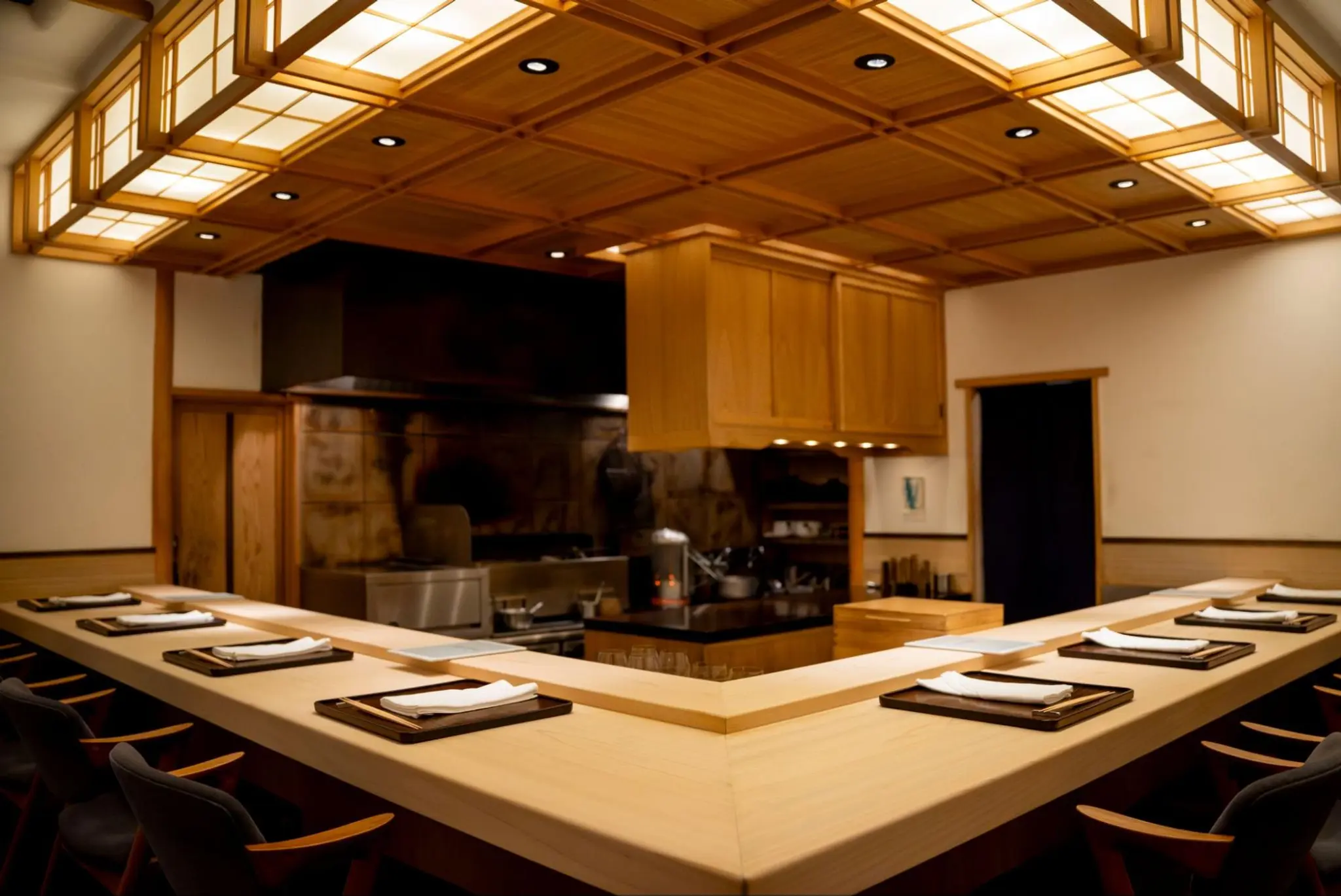
Our restaurant features an L-shaped counter encircling the kitchen, allowing guests to witness every detail, from the cooking process to the tools we use. This visibility inspires attention to every aspect of the experience, down to the choice of condiment containers, which I ensure have a certain aesthetic quality.
During service, the team operates seamlessly. For example, if I open the refrigerator to retrieve something, another staff member instinctively prepares and arranges the appropriate dishware without needing explicit direction. This fluidity ensures that the ten-course meal unfolds smoothly.
The counter offers an immersive experience for guests, engaging all five senses. They can see the preparation unfold, hear the sizzle, smell the aromas, and appreciate the culinary craft. It’s like watching a live performance on stage, creating a sense of excitement and anticipation.
ーーーWhat do you prioritize when training staff?
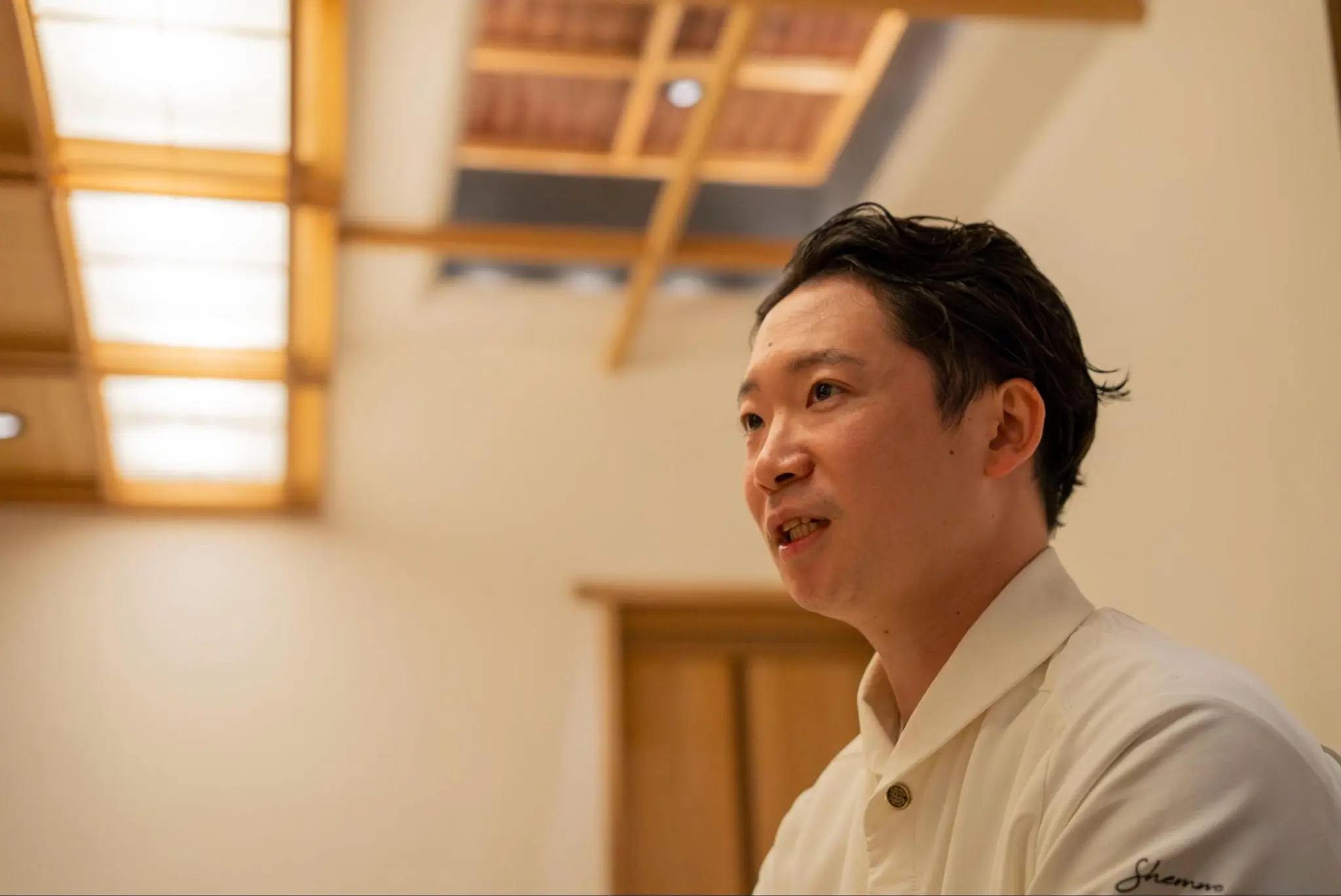
I recognize that the staff members who work here have invested their time and effort into this restaurant with the hope of advancing their careers. In a way, they entrust their future to this experience, which is a profound responsibility.
During service, synchronized teamwork is a priority, but after guests leave, I encourage the team to share any questions or uncertainties about my instructions. Preparation time is crucial for their growth, and I make it a point to answer questions thoroughly until they fully understand. If I don’t have an immediate answer, I’ll collaborate with them to find a solution.
ーーーWhy is communication so important in your training?
When mistakes happen, I ask staff to explain why they occurred. This isn’t just about addressing the issue—it’s about practicing how to articulate their thoughts. This skill is essential when presenting dishes to guests. For instance, they should be able to explain, "I grilled this dish once because I thought it would enhance its aroma", which helps convey the thought and care behind the dish.
Ultimately, my goal is for every staff member to take what they’ve learned here and use it to achieve their own success—whether that’s opening their own restaurant or simply leading a better, happier life.
The Last Boundary Defining Japanese Cuisine: The Use of Chopsticks
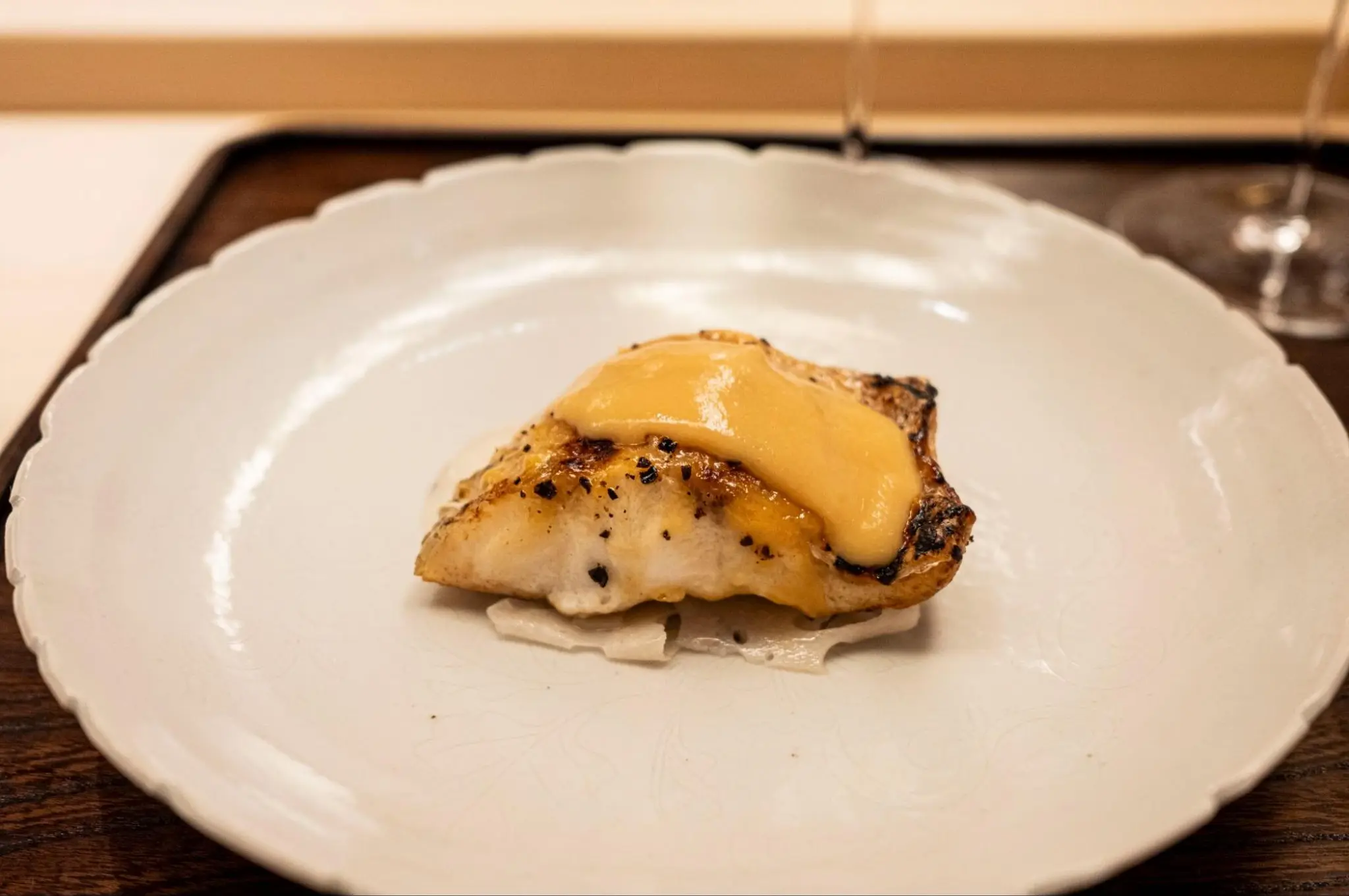
ーーーHow do you define Japanese cuisine, especially in the context of the increasing food fusion?
In recent years, with the improvement in food ingredient distribution, many overseas chefs are using high-quality Japanese ingredients, which has blurred the boundaries between different cuisines. You may even find Japanese dishes featuring ingredients like caviar or butter.
For me, Japanese cuisine means serving delicious dishes within a specific set of guidelines, one of which is that diners primarily use chopsticks, not forks or knives.
For instance, if I were to serve steak at a Japanese restaurant, it would be cut into bite-sized pieces to be eaten with chopsticks. However, steak is best enjoyed hot on a sizzling plate, where cutting it causes the juices to leak out, making it difficult to maintain an appealing presentation. This is why I don’t serve steak in my restaurant.
To me, when a meal is presented with chopsticks alongside a fork, knife, and spoon, it creates a sense of ambiguity—it's unclear what kind of meal it is. Using chopsticks, I believe, is the final boundary that defines Japanese cuisine.
In the past, I accepted reservations up to six months or even a year in advance, but now I only accept reservations up to three months ahead. This change was made because I’ve been receiving more offers to work abroad, and I want to maintain flexibility. Also, I want customers to be able to choose their visit based on the season.
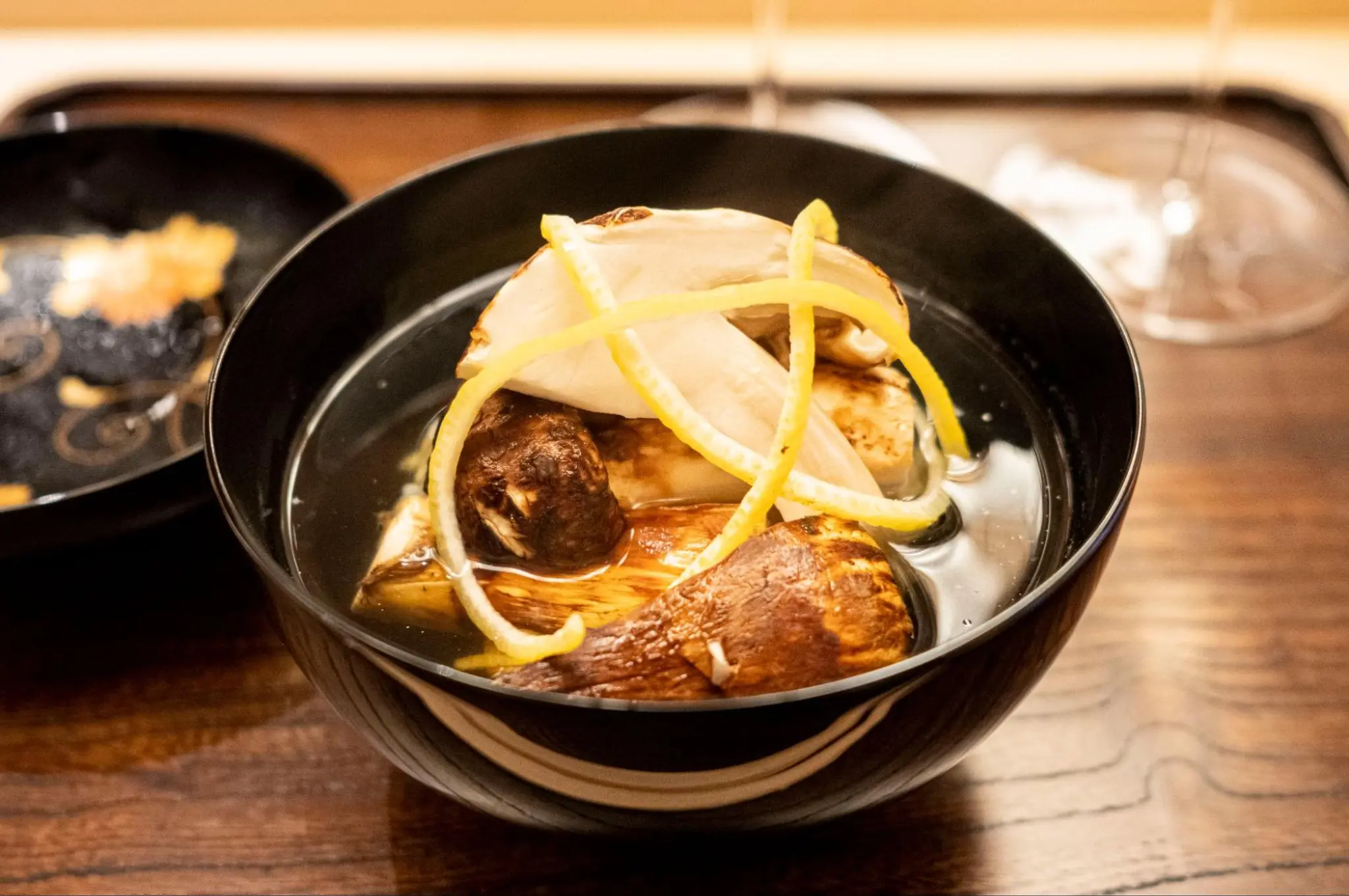
For example, if a customer had matsutake mushrooms, they might think, "Next, I'll come back for crab season, or maybe for bamboo shoot season". I believe it's a good idea to allow customers to choose their next visit based on the timing of seasonal ingredients. The fact that I do not have a reservation confirmed acts as a form of pressure too. While it's always great to have reservations, I don't accept bookings far in advance beyond the next one because I feel there’s a risk of becoming complacent.
By only taking reservations for the next visit, I can maintain a sense of urgency and continue delivering the best possible dishes. It also helps foster growth within the team.
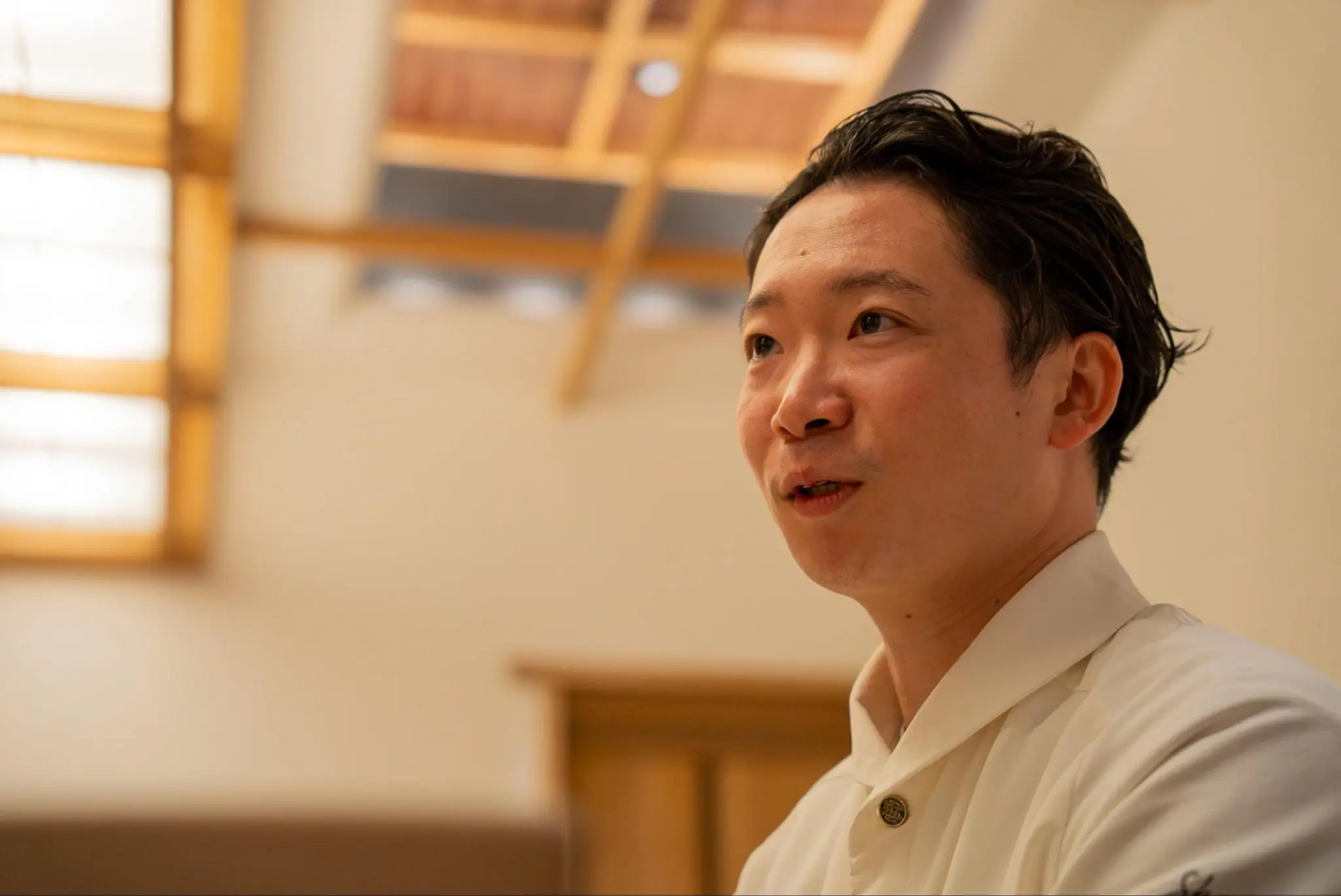
Instead of Looking for Things I Cannot Do, I Fight with the Things I Can Do
ーーーIt seems you have also participated in events overseas.
I have had more opportunities to travel abroad, such as to New York, Sydney in Australia, and Turkey, where I cook with local chefs. I had always wanted to visit New York, and it was through an introduction to a sushi restaurant there by an acquaintance that I was able to hold a collaboration event. The rules and cooking utensils are different from Japan, which was challenging, but it was relatively easy to cook in New York since Japanese ingredients are easily accessible. Overseas customers also used chopsticks, and the event went well.
Also, when it comes to serving Japanese cuisine, one of the most important elements is "water". When making dashi, soft water is suitable, but the local water is hard, so I was concerned whether the dashi would turn out well. However, I learned that there is a device that can reduce water hardness, and being able to solve the water issue and serve dashi that maintains the quality of "Yamazaki" was a big gain.
ーーーWhat are your future plans and challenges you want to take on?
In Japan, it has long been considered a virtue to pursue flavor in the same place and the same restaurant, but I personally think there is something more I can do. I became independent at the age of 27 or 28, which is about five years younger than most chefs who typically become independent. I seriously think about how to make use of this advantage, and one of the things I am considering is expanding overseas. Even though not many people are actively promoting Japanese cuisine abroad, I feel like people are saying, "If it's him, he can do it", and since customers are looking for the taste of "Yamazaki", there is no reason not to challenge myself, whether domestically or overseas.
ーーーWhat do you see as the advantage of "Yamazaki"?
When recruiting staff, there are people who apply saying, "I want to be part of an environment that does something different from others."
It’s very important to raise the level within a given framework. However, I feel that dedicating your entire life to just that would be a waste. It’s boring when the excitement that everyone initially has fades in the process of raising the level. I still think I’m capable of more. The staff who gather here are attracted to the environment where they can compete with each other. I think that the advantage of "Yamazaki" is the field where we can create dishes together with these colleagues.
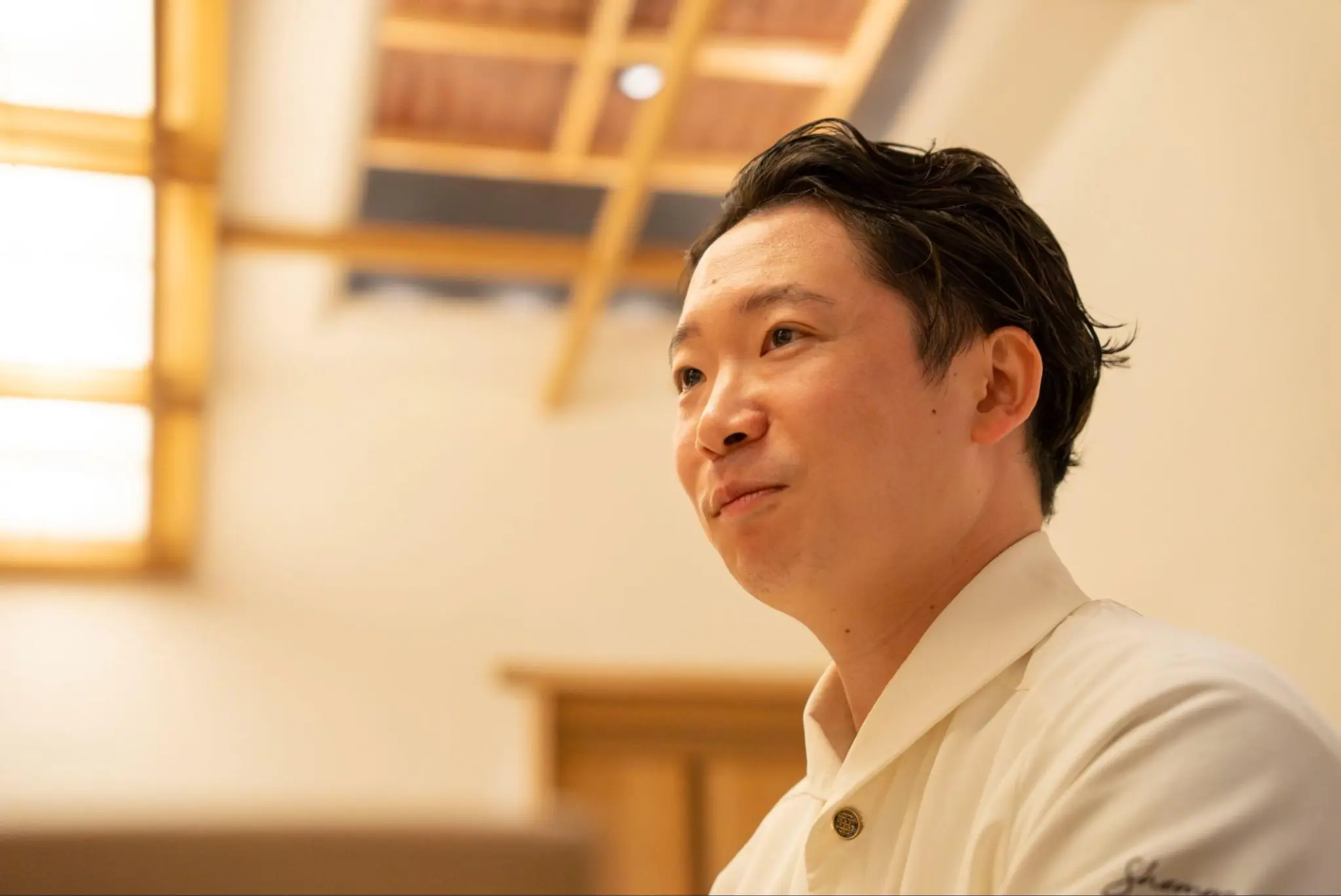
ーーーIf you have a dream, please tell us.
It’s to build a large team. I want to cultivate a team that is resilient and solid, like a monolithic rock. For example, I want it to be so strong that graduates from our team can be trusted, like "If you're from 【Yamazaki】, the food will be fine". I also want to expand the team overseas.
ーーーFinally, what does "delicious" mean to you?
I work hard every day for that word. That word feels like it gives a seal of approval to everything I have done so far, and it motivates me to keep striving for "delicious".
When it comes to the dishes I’ve made, it’s hard to casually think they’re "delicious", but I believe there are days when hearing someone say "delicious" saves me.
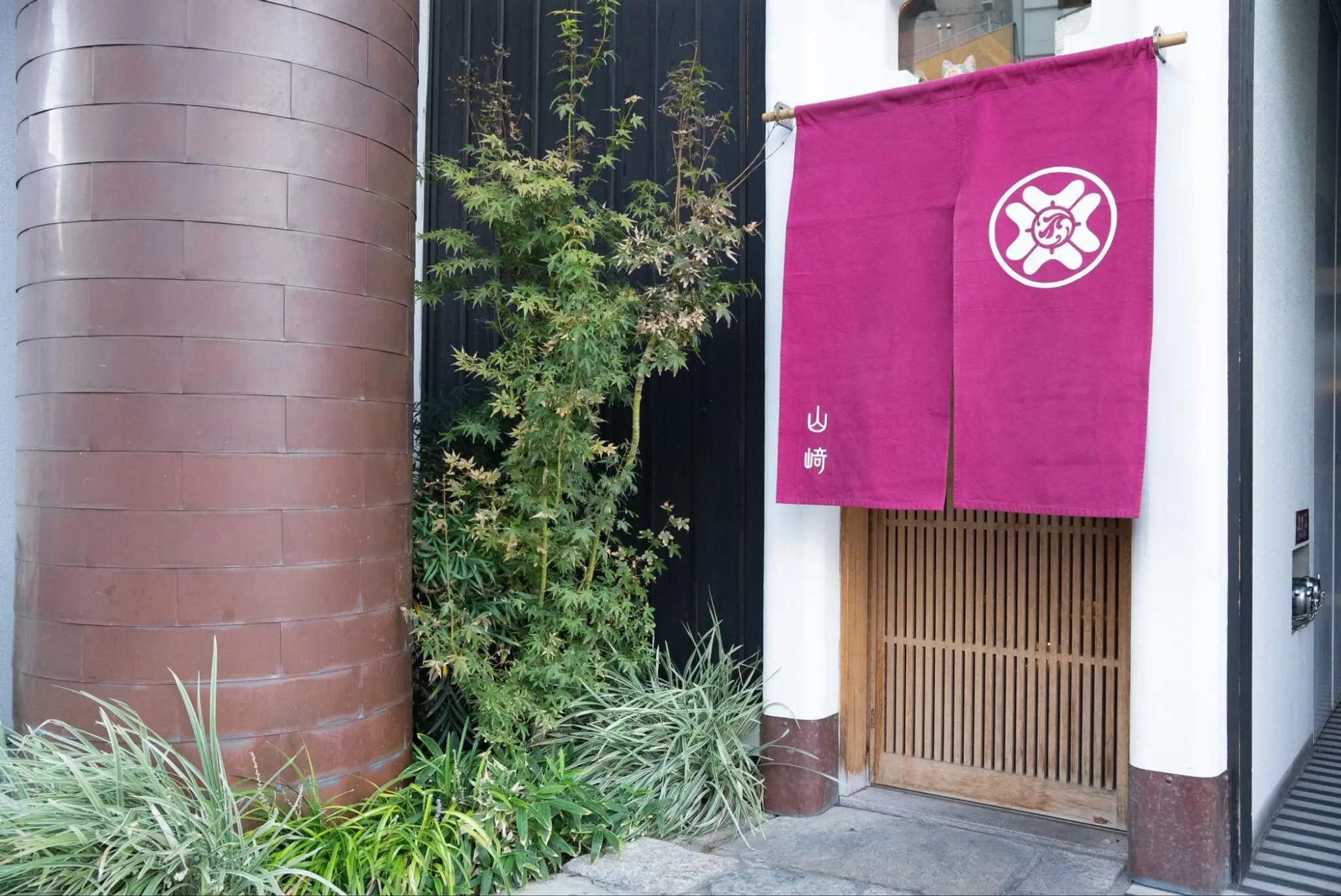
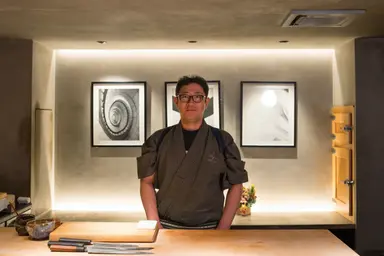
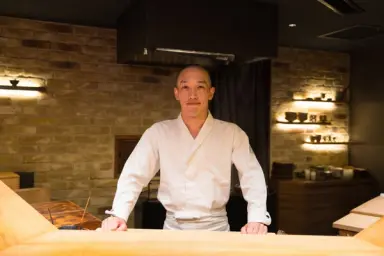
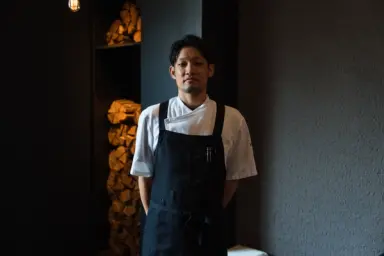
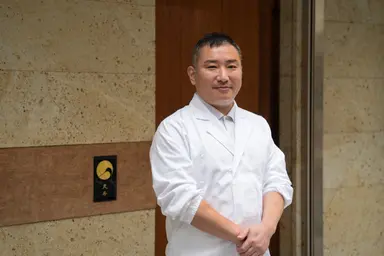
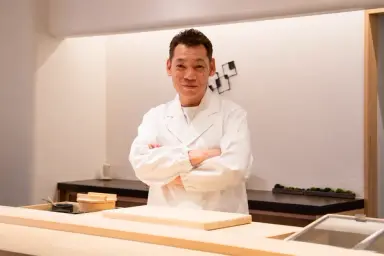
Near the intersection in Nishi-Azabu, passing under the crimson noren marked with the characters 【Yamazaki】, one is greeted by a calm, traditional Japanese setting, where the staff, led by Chef Yamazaki, are young and lively.
Under soft lighting, Yamazaki's attitude toward discussing his dishes, customers, and colleagues is humble, yet it conveys a determination to test the essence of Japanese cuisine on a broader global stage. As "Team Yamazaki", they are likely to expand the possibilities of Japanese cuisine worldwide.
Interview & Text: Yuka Sada
Photography: Azusa Nakaoka
Restaurant Information
- AutoReserve Magazine
- Japan’s world-renowned flagship restaurant
- Taking on the World as a Team: The Ambition of Restaurant 【Yamazaki】 and their Evolving Japanese Cuisine