¿Qué es Oita?: Oita in Japan offers a dining scene shaped by hot-spring towns, fertile mountains, and rich coastal waters. Menus often highlight seasonal seafood such as seki-aji and seki-saba from nearby straits, along with Bungo beef, fragrant kabosu citrus, and meaty shiitake. Local comfort dishes include toriten, karaage, and hearty dango-jiru, while izakaya and counter spots serve simple plates that pair well with regional drinks. In onsen neighborhoods, cooks make use of natural steam to prepare “jigoku-mushi,” a method that reflects everyday life around communal baths and gives ingredients a clean, delicate finish. Craftspeople also draw on charcoal grilling and traditional koji to bring depth to sauces and preserved foods. Whether you seek a refined kaiseki sequence or a quick bowl brimming with coastal flavor, the area presents varied, welcoming options that allow travelers to explore Oita’s distinct food culture at a comfortable pace.
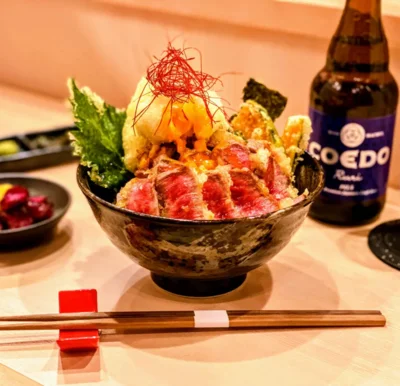
¿Qué es Tempura?: Tempura highlights the pleasure of batter and oil handled with restraint and precision. Diners often encounter prawns, white fish, squid, and seasonal vegetables lightly coated in a chilled batter and fried at a high temperature, yielding a crisp shell with tender textures inside. The experience frequently centers on timing: pieces arrive moments after leaving the fryer, inviting a relaxed pace as each bite is enjoyed while hot. Condiments such as tentsuyu with grated daikon, sea salt, or matcha salt offer contrasting accents. Menus may feature a counter service where items are presented one by one, mixed assortments for sharing, or pairings with rice and noodles like tendon, tempura soba, and udon. Variations in oil blends, batter thickness, and cut size create distinct aromas, sounds, and textures—from a gentle crackle to a lively sizzle—encouraging guests to compare nuances across ingredients and styles.


.jpg?format=webp)
.jpg?format=webp)


.jpg?format=webp)
.jpg?format=webp)



