Qu’est-ce que préfecture de Wakayama ?: Wakayama blends sea and mountain into a dining culture shaped by abundance and craft. Coastal towns draw on the Kii Channel for seasonal fish—tuna, sea bream, and hardy winter catches—while inland villages spotlight citrus, plums, and herbs such as Kishu sansho. Local tables range from casual eateries serving chuka soba known as Wakayama ramen, with a soy-and-pork-broth balance, to places focusing on hot pots like kue during colder months. Yuasa’s longstanding soy sauce making and fruit-forward confectionery reflect a regional fondness for fermentation and preserving. On Mount Koya, shojin-style cuisine associated with temple traditions offers a measured approach to flavor. Markets, seaside diners, and farm-side stands together create a route of tastes that rewards unhurried exploration. Over generations, pilgrimage paths through the Kumano area have influenced hospitality and simple, sustaining menus, giving the prefecture a quietly distinctive food story that visitors often remark upon.
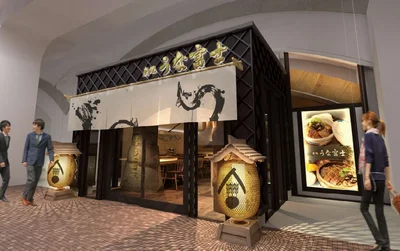
Qu’est-ce que Eel ?: Eel-focused restaurants highlight the pleasure of slow grilling over charcoal, where glossy tare lends a gentle sweetness and sheen while the skin turns lightly crisp and the flesh stays tender. Many menus feature kabayaki alongside salt-grilled fillets, and some kitchens employ a steam-then-grill method to emphasize a delicate texture. Bowls and lacquered boxes of eel over rice are common, as are regional styles that invite multiple ways to eat in one sitting. Diners may encounter white-grilled cuts seasoned simply, omelets rolled around eel, or a clear broth made with the liver. The counter often showcases the sizzle and aroma from the grill, shaping a dining experience that balances smoke, sauce, and craftsmanship. Attention to butchery, skewering, and precise heat control is central to the appeal, with small side dishes and pickles rounding out a meal that favors nuance and measured richness.


.jpg?format=webp)

.jpg?format=webp)




.jpg?format=webp)


.jpg?format=webp)



