Che cosa è Hyogo?: Hyogo stretches from the Seto Inland Sea to the Sea of Japan, creating a dining landscape where coastal harvests meet mountain produce. Diners often encounter specialties such as Kobe beef and Tajima beef, bream and octopus from Akashi, small fish from the Inland Sea, and crab from the northern coast. Sake brewing in the Nada area, Tamba black beans, and noodle traditions in Harima add further depth to the pantry. The port history of Kobe introduced international influences, shaping a local love for yoshoku, bakeries, and coffee culture that sits comfortably alongside classic washoku. Seasonal menus, teppan-driven cooking, and seafood counters appear across cities, towns, and hot-spring resorts, encouraging relaxed, ingredient‑focused meals. Whether seeking refined courses or casual bites, the prefecture offers a spectrum of styles that reflects its varied geography and long-standing exchange with the world.
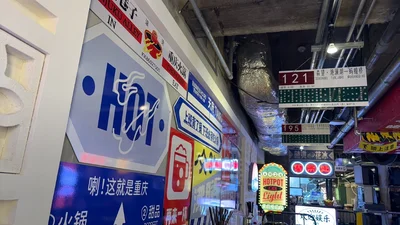
Che cosa è Hot Pot?: Hot Pot invites diners to gather around a bubbling pot and cook ingredients to taste. Restaurants commonly offer a choice of broths, from clear and savory to rich, peppery, or herbal, and many feature a divided pot so contrasting flavors can be enjoyed at once. Platters may include thinly sliced beef or lamb, seafood, handmade meatballs, tofu, mushrooms, leafy greens, and a variety of noodles. The experience is interactive: guests simmer each item briefly, then dip it into customized sauces built from sesame, soy, garlic, scallion, chili oil, and more. Some menus add tomato or pickled vegetable broths, while others highlight numbing-spicy mala. Many venues provide a condiments bar, and simple timing tips can guide newcomers through textures and doneness. Toward the end, the broth gains depth from the ingredients, often becoming a base for noodles or a simple porridge. This style lends itself to leisurely meals, group celebrations, and flexible, shareable dining.


.jpg?format=webp)


.jpg?format=webp)



