Che cosa è Ibaraki?: Bordered by the Pacific and nourished by fertile plains, Ibaraki offers a dining landscape where coastal seafood and farmland produce meet. Winter brings hearty tastes such as ankō (monkfish) hotpot, while markets and casual eateries highlight clams, river fish from lake areas, and crisp lotus root. Sweet potatoes appear in beloved dried forms, melons and chestnuts mark the seasons, and Hitachi beef can be found at venues that focus on regional ingredients. Mito’s natto stands as a symbol of local fermentation culture, and breweries and makers often highlight rice, koji, and water from nearby sources. Stories often link the Mito domain’s encouragement of soybean cultivation with the evolution of these traditions. From family-run diners to contemporary kitchens and cafes that reinterpret classics, travelers encounter menus shaped by proximity to fields and sea. Tasting routes that connect farms, fishing ports, and workshops are being discussed, inviting unhurried exploration across the prefecture.
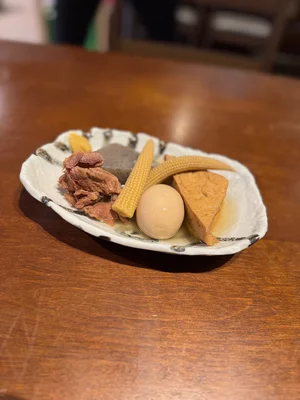
Che cosa è Oden?: Oden is a comforting Japanese one-pot style in which assorted ingredients are gently simmered in a fragrant dashi broth. Typical selections include daikon radish, hard-boiled eggs, konnyaku, tofu, fish cakes such as chikuwa and hanpen, mochi-filled pouches, and occasionally beef tendon. As the items bathe in the broth, they gradually take on savory depth, inviting a slow, unhurried pace of eating. Many venues present a large steaming pot at the counter, where guests choose pieces by sight and aroma, often pairing them with a dab of hot mustard. Broths vary: some lean light and clear with kelp and bonito, others show a soy-forward profile, and certain regions offer miso-based styles. The category welcomes variation in portioning and pacing, from a single piece to a small assortment, making it adaptable to different occasions. Diners often appreciate the warmth, the subtle interplay of textures, and the quietly nostalgic atmosphere it can evoke.


.jpg?format=webp)
.jpg?format=webp)

.jpg?format=webp)
.jpg?format=webp)

.jpg?format=webp)