Che cosa è Tottori?: Tottori sits on the Sea of Japan, where coastal harvests meet countryside produce to shape a quietly distinctive dining culture. Menus often highlight seasonal seafood such as snow crab and squid, alongside market-fresh sashimi and hot pots that suit the region’s winters. Local comfort dishes include beef-bone ramen with a mellow depth, tofu chikuwa grilled or steamed, and a well-loved curry tradition that appears in cafés and home kitchens. The area is also associated with the 20th Century pear and sand-dune rakkyō, ingredients that bring a crisp accent to sweets and pickles. In port towns and morning markets, visitors can browse simple eateries serving today’s catch, while in town centers they may find kaiseki, izakaya fare, bakeries, and contemporary bistros. Historically, the former Inaba and Hōki provinces and routes along the San’in coast encouraged an exchange of techniques, leaving a foodway that values seasonality, restraint, and everyday hospitality.
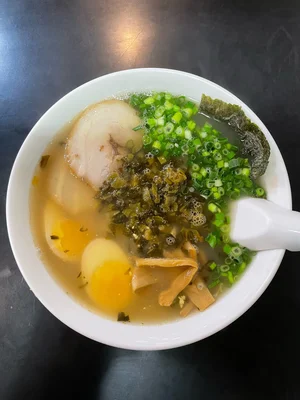
Che cosa è Ramen?: Ramen celebrates the harmony of broth, noodles, and toppings, offering a bowl that can feel comforting or bold depending on the style. Common broths include shoyu, shio, miso, and pork bone, often slow-simmered to draw out layered flavors, then balanced with a house tare and fragrant oils. Noodles range from ultra-thin to springy, curly strands, with firmness typically made to order to suit personal preferences. Toppings such as chashu pork, seasoned egg, menma bamboo shoots, nori, and scallions add aroma, texture, and contrast. Many shops feature an open kitchen and counter seating, where the pace is lively and the final assembly happens in view. Whether you gravitate toward a light, clear soup or a richer, opaque broth, the category invites exploration through regional styles, limited specials, and subtle variations in seasoning. The result is a customizable dining experience centered on balance, warmth, and satisfying slurpability.
.jpg?format=webp)
.jpg?format=webp)
.jpg?format=webp)
.jpg?format=webp)
.jpg?format=webp)
.jpg?format=webp)
.jpg?format=webp)
.jpg?format=webp)
.jpg?format=webp)
.jpg?format=webp)
.jpg?format=webp)
.jpg?format=webp)


.jpg?format=webp)
.png?format=webp)


.jpg?format=webp)

.jpeg?format=webp)
.jpg?format=webp)


.jpg?format=webp)

.jpg?format=webp)
.jpg?format=webp)

.jpg?format=webp)
.jpg?format=webp)
.jpg?format=webp)
.jpg?format=webp)
.jpg?format=webp)
.jpg?format=webp)
.jpg?format=webp)
.jpeg?format=webp)
.jpg?format=webp)
.jpeg?format=webp)
.jpg?format=webp)
.jpeg?format=webp)
.jpeg?format=webp)
.jpg?format=webp)
.jpg?format=webp)
.png?format=webp)
.png?format=webp)
.png?format=webp)
.png?format=webp)
.jpg?format=webp)
.jpg?format=webp)
.jpg?format=webp)
.jpg?format=webp)
.jpg?format=webp)
.png?format=webp)


.jpg?format=webp)
.jpg?format=webp)
.jpg?format=webp)
.jpg?format=webp)
.jpg?format=webp)
.jpg?format=webp)
.jpg?format=webp)
.JPG?format=webp)
.png?format=webp)
.png?format=webp)
.jpg?format=webp)
.jpg?format=webp)
.jpg?format=webp)
.jpg?format=webp)
.JPG?format=webp)
.JPG?format=webp)
.JPG?format=webp)
.JPG?format=webp)
.JPG?format=webp)
.jpg?format=webp)
.jpg?format=webp)
.jpg?format=webp)
.jpg?format=webp)
.jpg?format=webp)
.jpg?format=webp)
.jpg?format=webp)




.jpg?format=webp)
.jpeg?format=webp)
.jpg?format=webp)
.jpg?format=webp)
.jpg?format=webp)

.jpg?format=webp)
.jpeg?format=webp)
.jpeg?format=webp)
.jpeg?format=webp)
.jpeg?format=webp)
.jpeg?format=webp)