Che cosa è Yamanashi?: Yamanashi is an inland region where mountain air and clear water shape a distinctive dining rhythm. Seasonal fruit—peaches and grapes in particular—appears across menus, and wine made from local Koshu grapes is paired with everything from casual plates to refined kaiseki. Hearty noodle traditions anchor everyday meals: miso-rich hotpot-style noodles simmered with vegetables, and the firm, chewy style often associated with Yoshida udon. Restaurants and cafés near vineyards and orchards often showcase produce at its peak, while river fish, tofu, and miso reflect ingredients linked with mountain living. Game dishes occasionally highlight a heritage of hunting, and simple confections echo the flavors of kinako and syrup. Around the foothills of Mount Fuji, travelers find outdoor experiences naturally linked with food, from picnic-friendly bites to fireside suppers. Echoes of the old Kai domain and its wayfaring routes lend a hospitable spirit, inviting diners to explore traditions that continue to evolve.
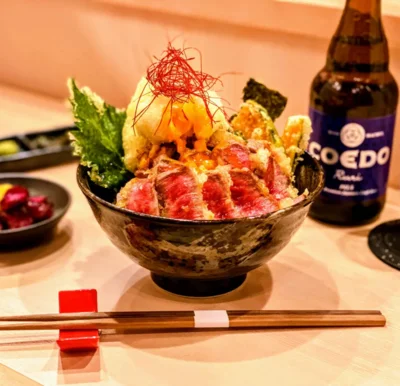
Che cosa è Tempura?: Tempura highlights the pleasure of batter and oil handled with restraint and precision. Diners often encounter prawns, white fish, squid, and seasonal vegetables lightly coated in a chilled batter and fried at a high temperature, yielding a crisp shell with tender textures inside. The experience frequently centers on timing: pieces arrive moments after leaving the fryer, inviting a relaxed pace as each bite is enjoyed while hot. Condiments such as tentsuyu with grated daikon, sea salt, or matcha salt offer contrasting accents. Menus may feature a counter service where items are presented one by one, mixed assortments for sharing, or pairings with rice and noodles like tendon, tempura soba, and udon. Variations in oil blends, batter thickness, and cut size create distinct aromas, sounds, and textures—from a gentle crackle to a lively sizzle—encouraging guests to compare nuances across ingredients and styles.
.jpg?format=webp)
.jpg?format=webp)
.jpg?format=webp)
.jpg?format=webp)
.jpg?format=webp)
.jpg?format=webp)




.jpg?format=webp)


.jpg?format=webp)



