Was ist Hokkaido?: Spanning wide coasts and fertile plains, Hokkaido offers a dining landscape shaped by clear seasons and abundant harvests. Menus frequently spotlight cold-water seafood such as crab, sea urchin, scallops, and salmon roe, alongside vegetables, wheat, and dairy that thrive in the northern climate. Noodle counters serve regionally distinct ramen styles, while grills featuring lamb known as jingisukan and richly spiced soup curry add character to casual meals. Bakeries, cheese makers, and patisserie draw on local milk, and many eateries highlight produce sourced directly from farms and fishing ports. A frontier-era history and influences from Ainu traditions are often noted as threads that inform today’s ingredients and techniques, from preserved fish to foraged plants. The beverage scene ranges from sake and beer to emerging wines and ciders, inviting flexible pairings. From market stalls to relaxed bistros, the island presents a spectrum of flavors that travelers frequently seek out.
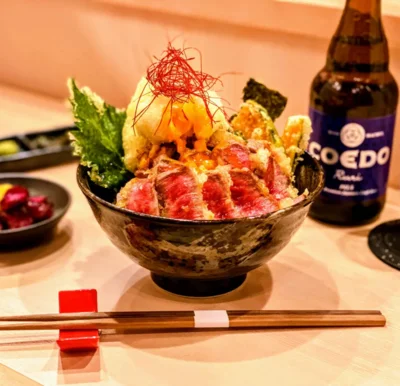
Was ist Tempura?: Tempura highlights the pleasure of batter and oil handled with restraint and precision. Diners often encounter prawns, white fish, squid, and seasonal vegetables lightly coated in a chilled batter and fried at a high temperature, yielding a crisp shell with tender textures inside. The experience frequently centers on timing: pieces arrive moments after leaving the fryer, inviting a relaxed pace as each bite is enjoyed while hot. Condiments such as tentsuyu with grated daikon, sea salt, or matcha salt offer contrasting accents. Menus may feature a counter service where items are presented one by one, mixed assortments for sharing, or pairings with rice and noodles like tendon, tempura soba, and udon. Variations in oil blends, batter thickness, and cut size create distinct aromas, sounds, and textures—from a gentle crackle to a lively sizzle—encouraging guests to compare nuances across ingredients and styles.


.jpg?format=webp)
.jpg?format=webp)
.jpg?format=webp)
.jpg?format=webp)
.jpg?format=webp)
.jpg?format=webp)


.png?format=webp)
.png?format=webp)
.png?format=webp)
.png?format=webp)
.png?format=webp)
.png?format=webp)


.jpg?format=webp)
.jpg?format=webp)
.png?format=webp)
.jpg?format=webp)
.jpg?format=webp)
.jpg?format=webp)
.jpg?format=webp)
.jpg?format=webp)
.jpg?format=webp)
.jpg?format=webp)
.jpg?format=webp)
.jpg?format=webp)
.jpg?format=webp)
.jpg?format=webp)
.jpg?format=webp)
.jpg?format=webp)




.jpg?format=webp)


.jpg?format=webp)



