Was ist Miyagi?: Miyagi sits between the Sanriku coast and fertile plains, shaping a dining scene where seafood and rice take center stage. Menus often feature oysters, bonito, flatfish, and other seasonal catch; harako-meshi in autumn; and a comforting winter hotpot with seri (Japanese parsley). Sendai is widely associated with grilled beef tongue, while zunda—sweet edamame paste—appears in confections and café fare. Sasa kamaboko, Sendai miso, and craft sake complement homestyle dishes and contemporary plates alike. From fishing towns to the former castle city of Sendai, experiences range from lively markets and casual counters to quietly composed, kaiseki-inspired courses. A local food culture shaped by Date-era aesthetics is said to value clean flavors, good rice, and thoughtful presentation, and chefs increasingly reinterpret classics with modern techniques. Travelers often seek out morning markets, oyster huts, and neighborhood izakaya to sample the region’s abundance, where seasonality guides the table and conversations with producers add depth to the meal.
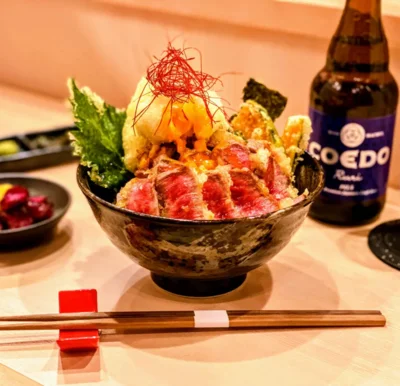
Was ist Tempura?: Tempura highlights the pleasure of batter and oil handled with restraint and precision. Diners often encounter prawns, white fish, squid, and seasonal vegetables lightly coated in a chilled batter and fried at a high temperature, yielding a crisp shell with tender textures inside. The experience frequently centers on timing: pieces arrive moments after leaving the fryer, inviting a relaxed pace as each bite is enjoyed while hot. Condiments such as tentsuyu with grated daikon, sea salt, or matcha salt offer contrasting accents. Menus may feature a counter service where items are presented one by one, mixed assortments for sharing, or pairings with rice and noodles like tendon, tempura soba, and udon. Variations in oil blends, batter thickness, and cut size create distinct aromas, sounds, and textures—from a gentle crackle to a lively sizzle—encouraging guests to compare nuances across ingredients and styles.


.heic?format=webp)
.jpg?format=webp)
.png?format=webp)
.png?format=webp)
.jpg?format=webp)
.jpg?format=webp)




.jpg?format=webp)


.jpg?format=webp)



