Was ist Nakano-ku?: Nakano-ku in Tokyo offers a compact yet varied culinary landscape where everyday dining and niche tastes coexist. Around the station’s arcades and side streets, travelers find casual izakaya, ramen and noodle specialists, yakitori counters, curry houses, and small eateries serving regional Japanese dishes. International influences appear in bistros, spice-forward kitchens, and dessert shops, while coffee stands and bakeries add a relaxed rhythm to the day. Counter seating and small dining rooms encourage easy conversation, and bar‑hopping across a few blocks is a common evening routine. Many places highlight seasonal ingredients, with sake lists, craft beer, and natural wine programs appearing alongside set menus and à la carte plates. Local residents often point to the area’s postwar shopping‑street culture as a thread that shaped its friendly, walkable food scene, where new ideas sit comfortably beside long‑practiced techniques. For visitors, Nakano-ku can feel like a neighborhood made for exploring one bite at a time.
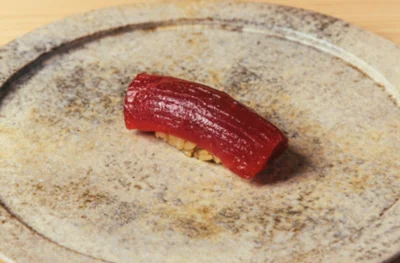
Was ist Sushi?: Sushi highlights the delicate balance of vinegared rice and carefully prepared seafood, with an emphasis on clean flavors and precise technique. Many counters present nigiri one piece at a time, allowing diners to notice details such as rice temperature, the cut of the fish, and a light brush of soy or a touch of citrus. Common styles include nigiri, maki rolls, temaki, and chirashi, while occasional searing, marination, or aging brings added depth. Seasonal selections often guide the progression of a meal, and some venues offer an omakase format that follows the chef’s rhythm. Beyond fish, vegetables, egg, and shellfish appear in thoughtful combinations. The experience may include conversation with the chef, pacing that builds from lighter bites to richer pieces, and a focus on texture as much as taste. Whether at a counter or a table, the appeal lies in craftsmanship and the expression of each ingredient.


.jpg?format=webp)
.jpg?format=webp)
.jpg?format=webp)
.jpg?format=webp)
.jpg?format=webp)
.jpg?format=webp)
.PNG?format=webp)
.PNG?format=webp)
.PNG?format=webp)


.jpg?format=webp)
.jpg?format=webp)
.jpg?format=webp)
.jpg?format=webp)
.jpg?format=webp)
.jpg?format=webp)


.jpg?format=webp)


.jpg?format=webp)
.jpg?format=webp)
.jpg?format=webp)


.jpg?format=webp)



