What is Nara?: Nara invites diners to explore a calm yet richly layered food culture shaped by centuries of tradition. The region is known for specialties such as kakinoha-zushi wrapped in persimmon leaves, Miwa somen with a refined texture, narazuke pickles matured in sake lees, and delicate sweets made with Yoshino kudzu. Temple districts introduce shojin ryori that highlights vegetables and grains, while kitchens across the prefecture draw on Yamato vegetables, locally raised beef, and clear broths that emphasize balance and seasonality. Sake and tea have long accompanied meals here, and pairings tend to favor subtle, harmonious flavors. From quiet alleyway counters to family-run eateries and contemporary dining rooms, the scene offers variety without losing its understated character. As a former capital, Nara’s temple and festival calendar is often said to have influenced celebratory dishes and preservation methods, a heritage that continues to inspire chefs and artisans who present time-honored tastes with a thoughtful, modern touch.
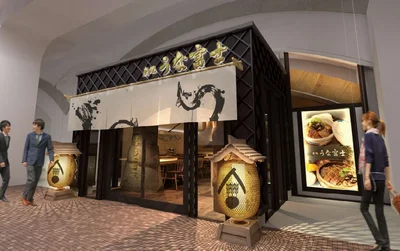
What is Eel?: Eel-focused restaurants highlight the pleasure of slow grilling over charcoal, where glossy tare lends a gentle sweetness and sheen while the skin turns lightly crisp and the flesh stays tender. Many menus feature kabayaki alongside salt-grilled fillets, and some kitchens employ a steam-then-grill method to emphasize a delicate texture. Bowls and lacquered boxes of eel over rice are common, as are regional styles that invite multiple ways to eat in one sitting. Diners may encounter white-grilled cuts seasoned simply, omelets rolled around eel, or a clear broth made with the liver. The counter often showcases the sizzle and aroma from the grill, shaping a dining experience that balances smoke, sauce, and craftsmanship. Attention to butchery, skewering, and precise heat control is central to the appeal, with small side dishes and pickles rounding out a meal that favors nuance and measured richness.
Popular at Nara
.jpg?format=webp)

.jpg?format=webp)


.jpg?format=webp)

.jpg?format=webp)




.jpg?format=webp)


.jpg?format=webp)


 Ratings from United States users3.45(1 review)


.jpg?format=webp)
.jpg?format=webp)
.png?format=webp)
.jpg?format=webp)
.jpg?format=webp)
.jpg?format=webp)

